
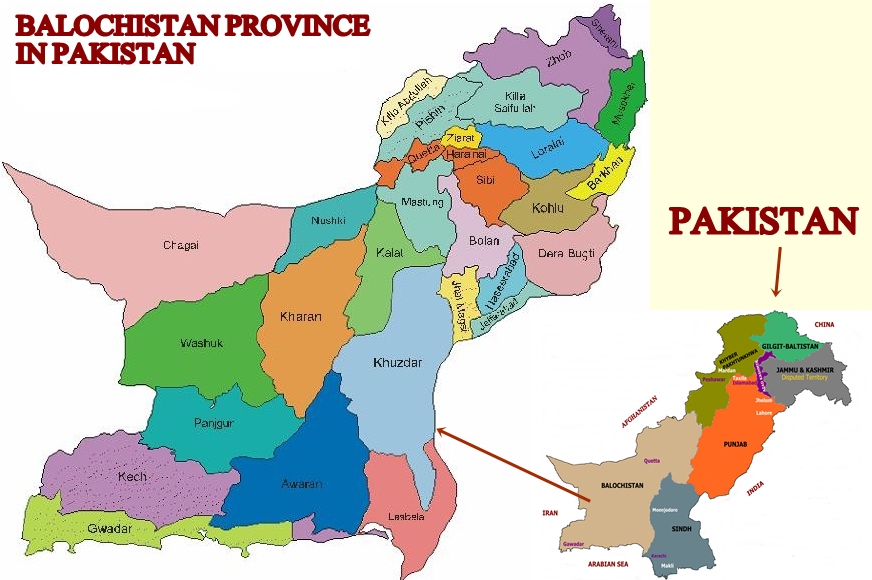
Balochistan Province of Pakistan
Explore the Enchanting Beauty of Balochistan: Pakistan’s Largest Province Geography and Strategic Location Balochistan, the largest province of Pakistan, sprawls over an expansive area of 347,190 square kilometers, constituting 44 percent of the nation’s total land. Situated at the crossroads of the Middle East, southwest Asia, Central Asia, and South Asia, Balochistan holds immense strategic importance. Bordered by Iran to the west, Afghanistan to the north, the Arabian Sea to the south, and Punjab and Khyber Pakhtunkhwa to the northeast, the province acts as a bridge connecting different regions. Discovering the Land of Diversity Balochistan boasts a diverse landscape, ranging from a 760-kilometer-long southern coastal line to vast deserts, plains, and hilly ranges. Amidst this varied terrain lie numerous cities, each with its unique charm and history. Major Cities to Explore Quetta: The capital city of Balochistan, Quetta is a vibrant hub of cultural richness and historical significance. Gwadar: This port city is renowned for its coastal beauty and strategic maritime location. Ziarat: Known as the “Land of Junipers,” Ziarat offers serene surroundings and a tranquil environment. Turbat: Steeped in history, Turbat is a city with a fascinating past waiting to be explored. Kalat: Formerly the kingdom of the Khan of Kalat, this city carries an air of regal heritage. Hinglaj: A sacred place for Hindus, Hinglaj attracts pilgrims from far and wide. Hub: Located on the border with Karachi, Hub serves as an important town for trade and commerce. Chaman: A northwestern town bordering Afghanistan, Chaman reflects the region’s cultural amalgamation. Pishin: Known for its lush green landscapes and agricultural significance, Pishin captivates visitors. Sibi: The city of the famous Bolan Pass, Sibi is steeped in history and tales of conquest. Taftan: This town on the border with Iran offers a unique glimpse into cross-border interactions. Delving into the Rich History of Balochistan With a history that dates back over 9,000 years, Balochistan holds a treasure trove of ancient civilizations and cultural heritage. The Mehergarh civilization marked a significant shift from a nomadic lifestyle to settled communities, making it a crucial milestone in human history. Balochistan witnessed encounters with renowned conquerors and warriors like Alexander the Great, who had an encounter with the Sibia tribe of Balochistan during his expedition. The region subsequently came under the rule of various empires, including the Ghaznavids, Mongols, and Mughals. The advent of Islam occurred with Muhammad Bin Qasim’s arrival in 712 A.D., which established Muslim rule in the area. The region saw dynastic changes over the centuries, with the Khanate of Kalat emerging in 1758. The British arrived in Balochistan during the 19th century and consolidated their power through treaties with local rulers. Following Pakistan’s creation in 1947, Balochistan became one of the four provinces. Cultural Diversity and Heritage Balochistan is home to a tribal society with a rich cultural tapestry. The major tribes include Baloch, Pashtoon, and Brahvi, each with its language and customs. Balochi handicrafts, particularly their needlework and intricate designs, are famous worldwide. The Melodious Culture of Balochistan Music and dance form an integral part of Balochi culture. Balochi folk songs and tribal poems are sung across the country, and traditional dances like Attan, Chap, Lewa, and Jaffarki represent the region’s identity. The Sibi Festival and Buzkashi Festival are two major attractions showcasing the cultural richness of Balochistan. Languages and Festivals Balochistan is home to three major languages: Balochi, Pashtu, and Brahvi. The Balochi language, with its ancient roots, holds a unique position in linguistic history. Festivals like the Sibi festival and Buzkashi festival attract tourists from far and wide, providing a glimpse into the cultural vibrancy of the province. Discovering Balochistan’s Natural Beauty The province’s diverse landscapes offer a plethora of tourist attractions. From golden beaches along the Arabian Sea to the hills of the Sulaiman Range; Balochistan’s beauty is unparalleled. Notable attractions include the second-largest Juniper Forest in the world in Ziarat, mud eruption volcanoes, archaeological sites, and serene beaches. Economy and Future Prospects Balochistan’s economy is primarily based on natural resources such as natural gas, coal, and minerals. Recent development projects, including the Gwadar deep sea port and the Gwadar International Airport, are expected to bring substantial economic growth to the region. Balochi Food Balochi cuisine is a trove of delectable dishes that celebrate the region’s history, culture, and culinary expertise. Whether you are indulging in the flavors of Sajji or savoring the sweetness of Khoya, Balochi food promises an unforgettable gastronomic experience. So, don’t miss the opportunity to explore the rich culinary heritage of Balochistan and treat yourself to a delightful feast of flavors. Climate and Best Time to Visit Balochistan experiences extreme weather conditions, with cold winters and hot summers. Spring and autumn offer the most pleasant climate for visitors to explore the region’s beauty. A Treasure Trove Awaits With its rich history, diverse culture, stunning landscapes, and hospitable people, Balochistan is a hidden gem waiting to be explored. Embark on a journey to this enchanting province and unravel its many wonders.
Balochistan Province of Pakistan Read Post »
