April 2016

Wazir Khan Mosque

Wazir Khan Mosque

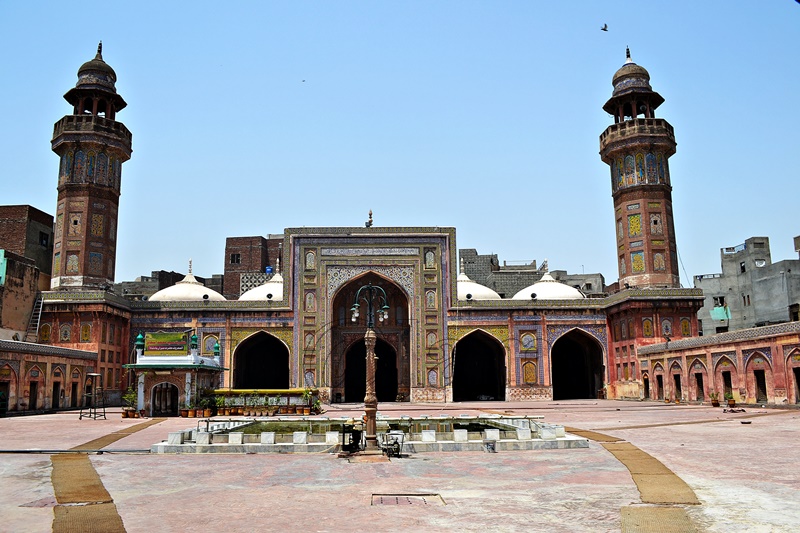
Unlocking the Beauty of the 17th-Century Wazir Khan Mosque in Lahore The Wazir Khan Mosque bearing Mughal-era Architecture is located in the heart of Lahore. The glorious mosque was built during the illustrious reign of Mughal Emperor Shah Jahan. The mosque stands as an unrivaled masterpiece captivating visitors from all corners of the world. This architectural marvel not only showcases the quintessential essence of Mughal design but also serves as a testament to their unwavering commitment to precision, frescoes, and artistic finesse. Often, this glorious mosque is referred to as “a mole on the cheek of Lahore”. A Glimpse into History Before delving into the grandeur of the mosque itself, it’s essential to understand the man behind its name. Wazir Khan was originally known as Hakim Sheikh Ilm-ud-din Ansari who hailed from humble origins in Chiniot, Punjab. He embarked on a path of education, specializing in medicine, and eventually found his way to the Mughal court. In 1620, Prince Khurram, who would later become Shah Jahan, recognized Hakim Ansari’s exceptional skills. He appointed Ansari as his personal physician and acknowledged his competence and dedication. The prince honored him with the title “Wazir Khan,” signifying his role as a minister in the Mughal court. The Mazar of Miran Badshah The mosque’s history intertwines with the construction of a tomb for a revered Sufi saint, Syed Muhammed Ishaq, also known as Miran Badshah. This tomb, or Mazar, served as the spiritual center around which the Wazir Khan Mosque would later emerge. Construction of the mosque began in 1634 and continued until 1641, encapsulating the tomb of Miran Badshah within its sacred precincts. Today, the tomb remains nestled in the mosque’s courtyard, a silent witness to centuries of devotion and architectural splendor. Discovering its Location The Wazir Khan Mosque is situated within the ancient walled city of Lahore. The glorious mosque occupies a prime position along the road connecting the Lahore Fort to the Delhi Gate. It occupies an impressive area of 279 feet by 159 feet resting on an elevated plinth. An intriguing aspect of its design is the inclusion of 22 shops, forming a bustling bazaar along the sides of a brick-paved pathway leading to the mosque—a testament to the integration of commerce and culture. The Architectural Marvel The Wazir Khan Mosque boasts a single prayer aisle and five bays, evoking architectural similarities with the Mosque of Mariyam Zamani Begum in the same city. Likewise, its high-arched galleries gracefully encircle a central brick-paved courtyard. The 130-foot-long prayer chamber is framed by simple cusped arches supported by sturdy piers. The mosque features three majestic domes, with the central dome soaring higher than the rest, emphasizing the exquisitely detailed mihrab. Its ingeniously designed double domes help amplify the voice of the imam. The voice therefore extends to the farthest corners of the courtyard. Adding to its charm, the mosque is surrounded by 32 guestrooms, known as Hijars. The mosque’s walls are constructed with meticulously cut and dressed bricks. Each wall is adorned with frescoes in a mesmerizing array of colors, including cobalt, cerulean blue, green, orange, yellow, and purple. These walls are meticulously divided into compartments to accommodate glazed patterns. Moreover, its walls are inscribed with calligraphy in Arabic and Persian. The mosque’s grills are crafted from terracotta, enhancing its visual appeal. The floors of the mosque are adorned with vibrant tiles featuring intricate geometric designs, showcasing the artisans’ craftsmanship. Unique to the Wazir Khan Mosque are its four minarets. Each tower with a remarkable height of 107 feet is adorned with mosaic tiles. These distinctive designs reflect a regional style rarely seen in Mughal capital mosques. The mosque’s domes, constructed in the Lodi style, further add to its architectural uniqueness. A Timeless Attraction Even today, the Wazir Khan Mosque continues to mesmerize not only the local populace but also draw visitors from across Pakistan and around the world. It stands as a testament to the enduring allure of Mughal architecture. Wazir Khan Mosque serves as a prominent landmark in Lahore’s rich cultural heritage.  The Wazir Khan Mosque is an absolute must-visit destination for those seeking a glimpse into the opulence and artistry of the Mughal era. The Wazir Khan Mosque in Lahore is not merely a historical site but a living testament to the grandeur, elegance, and artistic finesse of the Mughal dynasty. With its rich history, breathtaking architecture, and cultural significance, it remains a jewel in the crown of Lahore’s architectural heritage, beckoning travelers and history enthusiasts to explore its timeless beauty.
Wazir Khan Mosque Read Post »

Lake View Park

Lake View Park

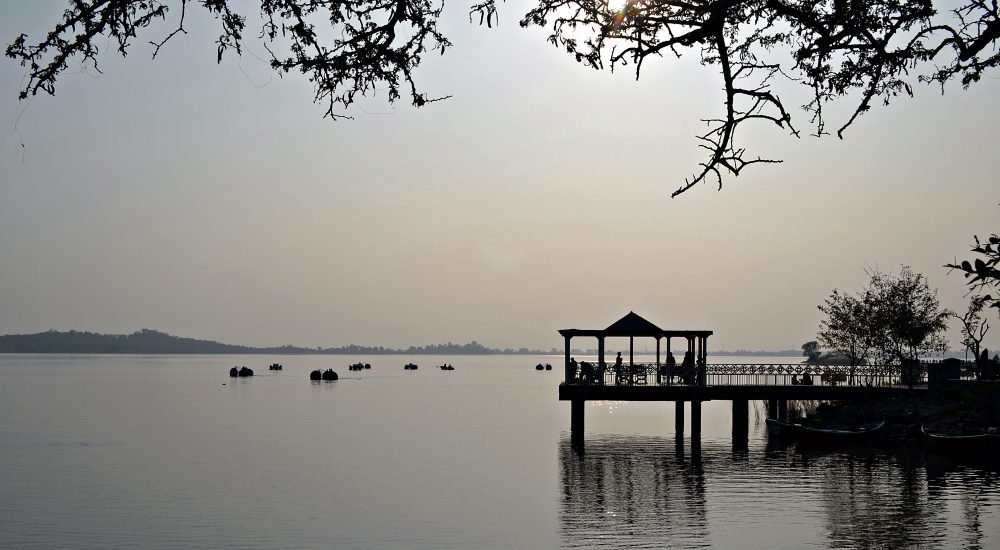
Exploring Lake View Park: A Pristine Oasis in Islamabad Lake View Park, also known as Rawal Lake Park, graces the Federal Capital, Islamabad, as a captivating haven for leisure and picnicking enthusiasts. Nestled near Malpur village, this modern park beckons individuals from diverse backgrounds, offering a plethora of recreational opportunities. Unleashing the Excitement: Recreation at Lake View Park Rawal Lake, a picturesque expanse, stands as the sole destination offering a medley of exciting activities, from water sports to fishing. The park boasts several distinct sections designed to cater to people of all ages and interests. Let’s explore them: 1. Sitting Pagoda Embrace tranquility and serenity as you relax in the elegant sitting pagoda, overlooking the breathtaking lake. 2. Picnic Point Gather your loved ones and immerse yourself in the joy of picnicking amidst the lush greenery of Lake View Park. 3. Ibex Club For those seeking exclusive recreational experiences, the Ibex Club awaits with its refined amenities and services. 4. Rock Climbing Gym Challenge your adventurous spirit by scaling the rock walls at the park’s rock climbing gym. 5. Motorsports Ranch Experience the thrill of motorsports at the ranch, where you can satisfy your need for speed. 6. Fancy Aviary Step into a world of colorful plumage as you explore the park’s enchanting aviary. 7. Festival Arena Celebrate life’s moments in the festival arena, where events and gatherings come to life. 8. Passenger Road Train Embark on a delightful journey around the park aboard the passenger road train. 9. Paintball Battlefield Engage in exhilarating battles on the paintball battlefield, perfect for group adventures. 10. Swimming Pool Cool off and unwind in the refreshing waters of the park’s swimming pool. Culinary Delights and More Lake View Park spoils visitors with a variety of food outlets, ensuring that your refreshment needs are met promptly. Moreover, for aficionados of open-air cooking, the park provides Bar BQ grills for delightful gatherings with family and friends. It’s undeniably a retreat that caters to people of all backgrounds. Harmonious Melodies: Live Music at the Park Immerse yourself in the rhythm of live music performances by professional artists at Lake View Park. If you’re musically inclined, bring your instruments to entertain fellow visitors, all while respecting their need for privacy. A Haven for Nature Enthusiasts Lake View Park boasts an animal park and an aviary that houses unique and stunning birds. Notably, it holds the distinction of being the world’s third-largest aviary. The sanctuary also features a bird’s hospital for treatment and vaccination, as well as a bird’s shop for those passionate about feathered friends. This park is truly a paradise for bird lovers and researchers. A Verdant Oasis With its diverse array of trees, lush greenery, and vibrant blooms, Rawal Lake Park is a testament to nature’s beauty. The park provides organized car parking facilities for the convenience of visitors. While daily visitors hail from the immediate vicinity of Rawalpindi and Islamabad, weekends draw students from nearby cities and villages. Moreover, Lake View Park has earned acclaim among foreign tourists visiting Islamabad, making it a must-visit destination. Enjoy captivating performances by artists on the park’s elevated podium, adding to the park’s allure. Finding Your Way Lake View Park is conveniently located on Murree Road, partially encircling Rawal Lake. To be precise, the entrance to this enchanting park is approximately 2km from the roundabout near Islamabad Club, along Murree Road. Administered by the Capital Development Authority (CDA), the park is nestled on the shores of Rawal Lake, an artificial reservoir serving the water needs of Rawalpindi and Islamabad. Preserve the Beauty While Lake View Park was created for the enjoyment of a pristine environment and manicured lawns for relaxation and play, it is crucial to address recent issues. Unfortunately, some visitors have not been respectful of the park’s beauty, neglecting proper waste disposal. To preserve this natural oasis, it is imperative to educate visitors about environmental responsibility and maintaining cleanliness. Lake View Park stands as a cherished gem in Islamabad, offering a myriad of recreational experiences amidst nature’s splendor. Whether you seek adventure, serenity, or simply a place to unwind, this park welcomes all with open arms.

Lake View Park Read Post »

Khewra Salt Mines

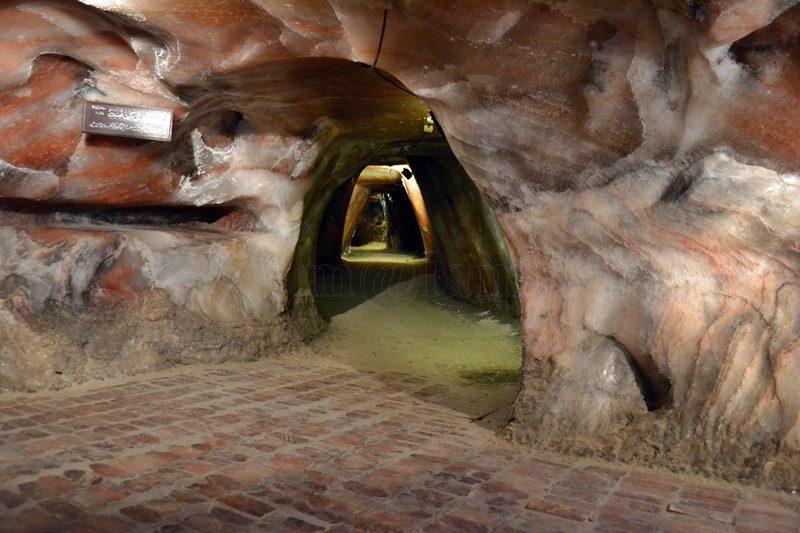
Khewra Salt Mine

Unveiling the Splendor of Khewra Salt Mine: Pakistan’s Natural Wonder Discovering the World’s Second Largest Salt Deposit The Khewra Salt Mine, also known as the Mayo Salt Mine, stands as a testament to nature’s awe-inspiring wonders. Nestled within the Salt Range Khewra, an administrative subdivision of Jehlum District in Punjab Province, Pakistan, this majestic mine holds the distinction of being the world’s second-largest salt deposit and Pakistan’s largest. Within its subterranean chambers lies the treasure trove of Pink Himalayan Salt, beckoning visitors from around the globe to witness its marvel. Let’s delve into the remarkable history and captivating attractions of this geological marvel. A Geological Heritage The Khewra Salt Mine traces its origins back an astonishing 800 million years, a time when a shallow sea’s evaporation and geological movements set the stage for its formation. It remained concealed from the world until 320 BC, when the legendary Alexander the Great ventured into this region with his army. Legend has it that Alexander’s horses were drawn to the salt-rich rocks on the surface, and even ailing steeds found solace in licking the salt stones. This discovery piqued the interest of the Greeks, eventually leading to mining activities by the local Janjua tribes in the 13th century. The Mughal Flourish The Mughal era witnessed the mine’s transition from tribal control. Salt from Khewra became a prized commodity, reaching markets as distant as Central Asia. However, with the decline of the Mughal Empire, the mine changed hands again, this time to the Sikhs, earning its moniker ‘Khewra Salt Mine.’ The British Influence In 1849, the British Empire ousted the Sikhs and annexed Punjab, taking charge of the Khewra Salt Mine. In 1872, British Mining Engineer Dr. H. Warth introduced advanced excavation techniques, including the ‘room and pillar’ method, still in use today. This method involves extracting only 50% of the salt from the working stratum while leaving the rest as supportive pillars. A Geological Wonder Located 945 feet (288 meters) above sea level, the Khewra Salt Mines stretch over 300 kilometers within the Salt Range, from Beganwala near River Jhelum to Kalabagh near River Indus. Nineteen stories comprise this remarkable mine, with eleven below ground. The labyrinthine tunnels extend approximately 40 kilometers, maintaining a constant temperature of 18–20 °C year-round. Covering an expansive 110 square kilometers, the underground expanse never fails to astound. A Tourist’s Paradise The Khewra Salt Mine isn’t just a geological marvel; it’s also a major tourist attraction, drawing in approximately 250,000 visitors annually. Exploring the mine is a breeze, thanks to a small electric trolley train that guides visitors on a two-hour journey through its depths. Inside, you’ll encounter crystalline pools of salty water, intricate buildings, and replicas of iconic landmarks, all crafted by local artisans. Notably, the Salt Mine houses the world’s only Salt-Mosque, the Badshahi Masjid, constructed from salt bricks that cast a mesmerizing kaleidoscope of colors when illuminated. The mine continuously evolves, ensuring there’s always something new to captivate visitors. Salt Therapy for Health Beyond its geological wonders, the Khewra Salt Mine offers therapeutic benefits. The Khewra Asthma Clinic, established in 2007, pioneers salt therapy for asthma and respiratory ailments. By inhaling antibacterial salt particles in a sterile environment, patients experience relief in clearing air passages, especially asthma sufferers. With a ten-day treatment regimen, patients can witness remarkable improvements in their respiratory health. Health Benefits of Himalayan Pink Salt Himalayan pink salt, sourced from this mine, offers an array of health benefits, including: Detoxifying the body and regulating water levels Clearing sinus and respiratory issues Promoting healthy sleep patterns Maintaining pH levels Regulating blood sugar and reducing blood pressure Anti-aging properties Enhancing food nutrient absorption Aiding vascular health Supporting kidney and gallbladder health Boosting digestion and metabolism Balancing adrenal gland function Ensuring cellular hydroelectric energy balance Strengthening bones Easing stress Treating emotional disorders Preventing various ailments Commercial Applications Khewra salt isn’t limited to its therapeutic and aesthetic qualities. It serves as Pakistan’s renowned rock salt, used in cooking, as bath salt, and as a raw material for various industries. The mine also produces exquisite decorative items such as lamps, vases, ashtrays, and statues, exported worldwide. This tradition dates back to the Mughal era when craftsmen fashioned tableware and decorations from this precious resource. Access and Timings Khewra is conveniently located, approximately 160 kilometers from Rawalpindi/Islamabad (2-3 hours) and 260 kilometers from Lahore (3-4 hours). The Khewra Salt Mines welcomes tourists daily, from 9 am to 6 pm, including Sundays and gazette holidays. Fees Entrance fees vary for visitors: Pakistani visitors: Adults: Rs. 220 per person Children (2-12 years): Rs. 110 per child Students: Rs. 110 per student Foreign visitors: Adults: $20 per person Children (2-12 years): $10 per child Students: $10 per student For further inquiries, contact the Project Manager at Khewra Salt Mines, Khewra, District Jhelum, at +92-544-231137. The Khewra Salt Mine is a testament to nature’s grandeur, offering not only geological marvels but also therapeutic benefits and commercial value. As you embark on your journey to this extraordinary site, prepare to be mesmerized by the age-old wonder that is the Khewra Salt Mine.

Khewra Salt Mine Read Post »

Hiran Minar

Hiran Minar

Unveiling the Splendor of Hiran Minar: A Testament to Jahangir’s Love for Wildlife In the heart of Sheikhupura – a city brimming with history, stands the magnificent Hiran Minar. It’s a towering masterpiece that soars 30 meters into the sky. Its origins trace back to the year 1606 when it was commissioned to honor the memory of Mansraj, a cherished pet deer of the illustrious 4th Mughal emperor, Jahangir, also known as Prince Saleem. During Jahangir’s reign from 1605 to 1627, Sheikhupura held the prestigious status of a royal hunting ground. In fact, the Mughal rulers had an ardent passion for the art of hunting. Remarkably, Hiran Minar still stands today in splendid condition, continuing to captivate the hearts of tourists from around the world. The Birthplace of Hiran Minar Formerly known as Jahangirabad, Sheikhupura derived its name from “Sheikhu,” the affectionate nickname of Emperor Jahangir himself. Positioned approximately 40 kilometers northwest of the provincial capital, Lahore, Pakistan, modern-day Sheikhupura boasts a rich historical legacy. Hiran Minar, nestled about 9 kilometers west of Sheikhupura, graces the cityscape with its majestic presence. Unraveling the Hiran Minar Complex Hiran Minar encompasses not only the monumental tower but also an eastward-facing octagonal two-story structure crowned with an open pavilion. The very structure is known as Daulat Khana or Bara-Dari (of twelve doors). This structure sits at the very heart of a rectangular water tank. Notably, both Daulat Khana and the tank were additions made in 1607 and 1620, respectively. It’s worth mentioning that the term “Baradari” might be somewhat misleading, as it typically refers to a structure with twelve openings. Whereas, Daulat Khana is an octagonal building that features only one entrance on each side. Daulat Khana served as a cherished royal retreat for the emperor, accessible via a bridge extending westward from the tower. The ground floor of Daulat Khana grants entry from the four main directions, leading to smaller square rooms, which in turn, provide access to the king’s chamber. This central chamber, surrounded by eight subordinate rooms, forms the heart of Daulat Khana. Among these eight rooms, four are square and of smaller dimensions, while the remaining four are octagonal, boasting a more spacious layout. Every room offers pathways to the central king’s chamber as well as connections with one another. The Enigmatic Water Tank The water tank encircling Daulat Khana features charming pavilions adorned with pyramidal roofs and entrances on all four sides. Notably, each side of the tank is equipped with shallow brick ramps. The ramps provide easy access to the resident wildlife of the hunting park, allowing them to quench their thirst. The water level within the tank was meticulously maintained through a network of channels and catchment basins. A Monument Born from Love The tale that led Emperor Jahangir to order the construction of the tower and a grave for his beloved deer is both poignant and remarkable. Tragically, the emperor accidentally put to death Mansraj while attempting to hunt another deer in the very area where Hiran Minar now stands. Overwhelmed by grief, Jahangir made the heartfelt decision to inter Mansraj at the very spot where he had met his untimely end. In memory of his cherished pet, the emperor commanded the construction of Hiran Minar. Subsequently, the once-royal hunting ground was transformed into a protected sanctuary, and the practice of hunting was strictly prohibited. This extraordinary tale stands as a rare testament to the profound bond between man and wildlife. It’s a symbol of reverence for animals in an era when such sentiments were virtually unknown elsewhere in the world. Hiran Minar not only graces the landscape of Sheikhupura but also stands as a testament to Jahangir’s enduring love for his favorite deer, Mansraj, and his commitment to preserving the natural world. Intriguing, historically significant, and a true marvel of architecture, Hiran Minar remains an enchanting destination for travelers seeking a glimpse into the past and a profound connection to the natural world.

Hiran Minar Read Post »

Kargah Buddha

Kargah Buddha

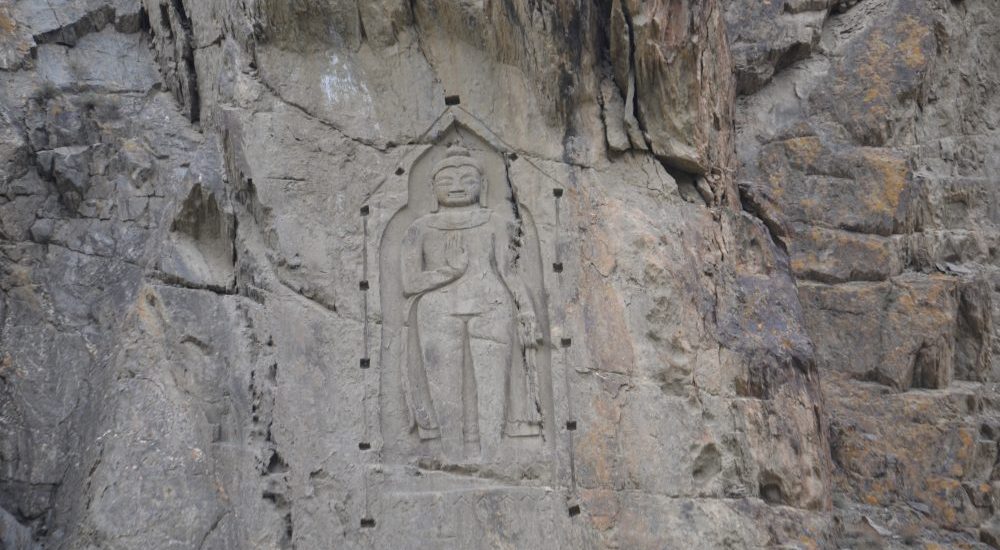
Kargah Buddha: A 7th-Century Marvel Carved in Rock At the center of Gilgit-Baltistan, Pakistan, resides an extraordinary testament to ancient artistry and spirituality – the Kargah Buddha. Carved with precision into solid rock, this majestic Buddha figure from the 7th century stands an impressive 15 feet tall and 5 feet wide, perched about 150 feet above the ground. It is situated in the scenic Kargah Nullah ravine, to the west of Gilgit city. The Kargah Buddha explicitly serves as a symbol of the region’s intricate historical, cultural, and religious heritage. Gilgit: A Hub of History and Trade Gilgit is the headquarters of the Gilgit-Baltistan region of Pakistan. The magnificent city is perched at the confluence of the Gilgit River and Hunza River, near the Junction point of three great mountain ranges. Gilgit’s historical position on the Silk Route has undoubtedly bestowed upon it a legacy of cultural diversity, religious pluralism, and historical significance. The town’s role as a trade hub and cultural crossroads has undoubtedly left a lasting impact on its history. At the same time, the city stands as a testament to the dynamic interactions that shaped the course of history at this strategic crossroads of civilizations. Various phases in the history Gilgit underwent are: Silk Route Connection: As a key point on the Silk Route, Gilgit played a crucial role in the exchange of goods, ideas, and cultures between East and West. The town served as a melting pot where diverse civilizations converged, fostering a vibrant atmosphere of cultural exchange. Buddhism in Gilgit: The period from the 3rd to the 11th century marked Gilgit as a prominent center of early Buddhism. The presence of a Buddhist monastery and stupas with Sanskrit manuscripts attests to the town’s role in the spread of Buddhism. At the same time, the constant movement of religious caravans along the Silk Route contributed to the establishment and growth of Buddhism in the region. Power Struggles: The historical narrative of Gilgit is marked by power struggles among various empires and dynasties, including the Tibetan Empire, the Kashmiri Karkota Dynasty, and the Umayyad and Abbasid caliphates. These political dynamics shaped the region’s destiny and influenced its cultural landscape. Dardistan and Islamization: By the 11th century, Gilgit had evolved into the autonomous kingdom of Dardistan. The adoption of Islam during this period significantly transformed the religious and cultural fabric of the region. The process of Islamization added another layer to the diverse cultural history of Gilgit. Cultural and Religious Interactions: The Silk Route not only facilitated the trade of goods but also enabled the intermingling of cultures and religions. Gilgit served as a meeting point for people from China, Central Asia, Kashmir, Tibet, Afghanistan, Iran, and India. This interaction contributed to the cultural diversity and pluralism that characterize the region. Archaeological Discoveries: The excavation of a Buddhist monastery and stupas with Sanskrit manuscripts in 1931 showcases the rich archaeological heritage of Gilgit. These discoveries provide valuable insights into the town’s historical importance and its connections to early Buddhist communities. Tracing the Buddhist Legacy in Gilgit-Baltistan Gilgit-Baltistan has served as a meeting point for various cultures, religions, and civilizations over centuries. Before the advent of Islam in the area, the inhabitants followed Buddhism or various indigenous pagan religions. The infusion of a diverse cultural legacy and the dissemination of Buddhism in Gilgit and its neighboring areas are intricately connected to the activities along the Silk Route. Historical records indicate that traveling Buddhist caravans would often take respite in a monastery in Gilgit. The Kargah Buddha, known as Yashani in the local language, stands as a testament to this rich historical and cultural intersection. The Karakoram Highway (KKH), which predominantly follows the ancient Silk Route, offers an intriguing glimpse into the past. The KKH attests to the enduring influence of Buddhism in the region. It is adorned with over 10,000 images of Buddha, Stupas, animals, and inscriptions in more than ten languages. This cultural dominance persisted from the 1st to the 7th century A.D. The Kargah Buddha, situated in Gilgit, is an integral part of this rock art ensemble, serving as a symbol of Buddhism’s prevalence in the area. The carving of the Buddha image into the rock was an act of devotion and reverence, with religious rituals and worship conducted at this sacred site. It stands as a testament to the profound impact of Buddhism on the culture and spirituality of Gilgit-Baltistan. The Unearthed History: Kargah Buddha’s Discovery Archaeological evidence spanning across Gilgit Baltistan (GB) indicates that the region was under the influence of Buddhism from the 3rd to the 11th century AD, with Buddhists engraving sculptures, including that of Buddha, as a form of homage to Gautama Buddha. Some historians propose that the propagation of Buddhism in GB occurred during the rule of two Kashmiri monarchs, Yakha and Yakhani. The Buddha sculpture in Kargah is believed to have been crafted in memory of Yakhani by a group of monks. Over time, the term Yakhani evolved into Yashani. Despite these historical accounts, Gilgit’s folklore features numerous myths about the Buddha that challenge both archaeological and historical findings. The revelation of the Kargah Buddha took place in 1938-39, unveiling a sculpture thought to originate from the 4th century AD. Archaeologists unearthed this notable artifact during the same timeframe. The sculpture depicts Buddha with his right hand on his chest in the Abhayamudra, a fearless pose, while the left-hand hangs straight, conveying a message of peace. The image features a broad and squarish face with extended ears, a flat nose, a wide mouth, compressed lips, and hair arranged tightly in a skull-like fashion. The archaeological exploration also led to the discovery of the remains of a Buddhist monastery and three stupas, situated approximately 400 meters upriver from the Buddha. This discovery followed the revelation of the renowned Gilgit manuscripts in 1931. These manuscripts, written in Sanskrit, shed light on local rulers and revered pilgrims. Moreover, the manuscripts offer compelling evidence of a flourishing scholarly community in the region. It is worth noting

Kargah Buddha Read Post »

Passu Cathedral

Passu Cones

Passu Cones: A Natural Wonder in Pakistan’s Karakoram Range Hidden in the grandeur of Pakistan’s Karakoram Mountain Range, the Passu Cones offer an unforgettable sight. These jagged, cathedral-like peaks, situated north of the serene Passu Valley and across the Hunza River, rise dramatically into the sky. Renowned for their distinctive shape, these spires have become one of the most iconic and photographed landscapes in the Gilgit-Baltistan region, showcasing the untamed beauty of Pakistan’s northern terrain. The Mystique of Passu The origins of the name “Passu” remain a mystery, but the region itself is a treasure trove of natural and cultural attractions. Visitors can explore the charming Passu Village, marvel at the icy grandeur of the Passu Glacier, admire the soaring Passu Peak, or gaze at the famed Passu Cathedral. All of these wonders are easily visible from the legendary Karakoram Highway (KKH), making the journey as memorable as the destination. Where Are the Passu Cones? The Passu Cones are located near Passu Village, approximately halfway between Gilgit and the Khunjerab Pass, the border crossing between Pakistan and China. Situated about 50 km from Karimabad and 150 km from Gilgit, they are part of the Batura Muztagh Range within the Karakoram system, one of the world’s most challenging and awe-inspiring mountain ranges. Locally known as Tupopdan, these peaks are also referred to as the Passu Cathedral or Cathedral Spires. They first captured international attention when British mountaineers scaled them in 1987, further enhancing their mystique and allure. What Makes Passu Cones Unique? The Passu Cones are celebrated for their dramatic, pyramid-like structure, which creates a stunning silhouette against the sky. Standing at an elevation of 6,106 meters (20,033 feet), they form a striking backdrop to the lush valleys and the tranquil Hunza River below. Unlike many remote peaks in the region, the Passu Cones are easily accessible from the Karakoram Highway, making them an ideal destination for travelers of all levels. Their ability to reflect light at sunrise and sunset creates a mesmerizing display of colors, from golden hues to deep shadows, captivating visitors and photographers alike. Captivating Beauty of Passu Cones The Passu Cathedral is perhaps the most recognizable feature of the Passu Valley. Soaring nearly four kilometers from its base, this pyramid-like peak is a testament to the raw power of nature. As the day begins, the first rays of sunlight illuminate the cones’ jagged edges, casting a play of light and shadow across their surface. During winter, the peaks become cloaked in snow, adding a pristine white brilliance to their already majestic presence. At sunset, the peaks glow with golden and bronze hues, offering an unforgettable visual treat for spectators. Getting to Passu Cones By Road: From Gilgit, take the Karakoram Highway toward Hunza. Public buses and private vehicles are readily available. By Road: From China, take the Karakoram Highway toward Hunza via Khunjerab Pass. Public buses and private vehicles are readily available from Tashkurghan. By Air: Fly to Gilgit from Islamabad and continue by road to the Hunza Valley. Tips for Visitors Stay hydrated and be mindful of altitude changes. Wear sturdy shoes, especially if you plan to trek. Respect the customs and traditions of the local community. Bring a camera—every moment at the Passu Cones is worth capturing. Why Visit Passu Cones? The Passu Cones epitomize the wild beauty of northern Pakistan, offering an experience that is both awe-inspiring and deeply moving. Whether you’re chasing adventure, capturing stunning photographs, or simply soaking in the serenity of nature, the Passu Cones promise memories that will last a lifetime. Best Time to Visit The ideal time to visit the Passu Cones is between April and October, when the weather is pleasant, and the natural surroundings are at their most vibrant. Spring and autumn are particularly stunning, with blooming flowers and colorful foliage. Winter brings a magical, snow-covered charm but can make road access more challenging. Nearest Attractions Passu Glacier Hussaini Suspension Bridge Borith Lake Batura Glacier Borith Lake Afsang View Point Ondra Poygah Attabad Lake Haldikish Yak Grill Rainbow Bridge Khunjerab Pass

Passu Cones Read Post »

Islamabad Tourist Attractions

Pakistan Monument Islamabad

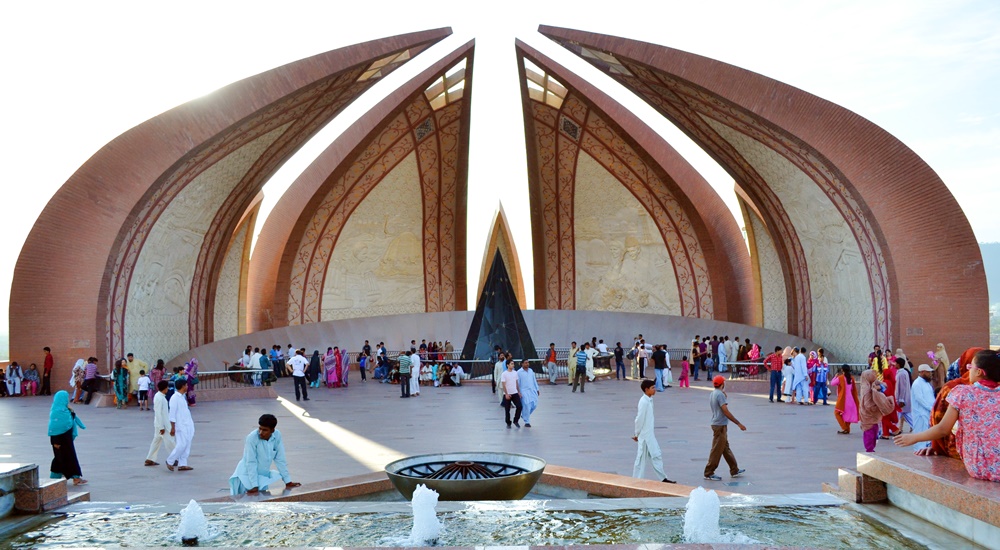
Pakistan Monument – A National Symbol  The Pakistan Monument is not only a national icon but also a testament to Pakistan’s rich cultural heritage and unity. Perched atop the Western Shakarparian Hills in Islamabad, this architectural marvel offers breathtaking views of the Islamabad-Rawalpindi metropolitan area. Built to symbolize the unity of the Pakistani people, the monument is an essential stop for tourists and locals alike who wish to explore the story of Pakistan’s history, diversity, and identity. Historical Background The idea for the Pakistan Monument was proposed by former President Pervez Musharraf in 2002, reflecting his vision to create a symbol of national unity in the capital. The Ministry of Culture and the Pakistan Council of Architects and Town Planners collaborated to select the design for this landmark, organizing a national competition. Out of 21 entries, Arif Masoud’s concept was selected for its deep symbolic representation of Pakistan’s resilience and unity. After laying the foundation stone in 2004, the monument was completed in 2006 and officially inaugurated on Pakistan Day, March 23, 2007. Today, it stands as a powerful representation of national pride, resilience, and solidarity. Architectural Significance and Symbolism Spanning 2.8 hectares (6.9 acres), the Pakistan Monument was designed to represent a blooming flower. Its unique petal structure is crafted from granite and marble, blending traditional Mughal architectural elements with modern aesthetics. Four large petals represent Pakistan’s four provinces—Punjab, Sindh, Khyber Pakhtunkhwa, and Balochistan—while three smaller petals depict the territories of Gilgit-Baltistan, Azad Jammu & Kashmir, and the former Federally Administered Tribal Areas (FATA). Together, these petals create a harmonious shape symbolizing Pakistan’s unity amidst diversity. From above, the monument resembles a star surrounded by a crescent, mirroring the crescent and star on Pakistan’s national flag. This clever aerial view further emphasizes the country’s national identity and pride. A five-pointed star occupies the center of the platform, encircled by a water body and a metallic crescent inscribed with the sayings of Pakistan’s founding father, Muhammad Ali Jinnah, and the poetry of Allama Muhammad Iqbal. Detailed Mural Artwork The inner walls of each petal are adorned with intricate artwork, depicting landmarks and historical scenes from across Pakistan. These murals tell the story of Pakistan’s heritage, culture, and struggles for independence. Each petal’s artwork reflects different aspects of Pakistan: First Petal: This features images of the Faisal Mosque in Islamabad, the Shah Jahan Mosque in Thatta, the ancient Makli Necropolis, and the Gwadar port, symbolizing religious harmony and modern development. Second Petal: Depicts portraits of Muhammad Ali Jinnah, Fatima Jinnah, and scenes of a crowd cheering during one of Jinnah’s appearances, highlighting Pakistan’s early leaders and the national struggle for independence. Third Petal: Includes representations of Allama Iqbal, the Mahabat Khan Mosque, Lahore Fort, and elements from the Indus Valley Civilization, reflecting Pakistan’s cultural depth and intellectual heritage. Fourth Petal: Showcases the famous Sheesh Mahal (Palace of Mirrors), the Uch Sharif Tomb, Islamia College Peshawar, the Ziarat Residency, and the Khyber Pass, celebrating the resilience of Pakistan’s diverse regions and their historical significance. The careful craftsmanship of these murals, led by artists Kausar Jahan and Zarar Haider Babri, took approximately 119,000 hours of dedicated effort, creating an impressive tribute to the cultural wealth of Pakistan. Special Features of the Monument Beyond the main petals, the Pakistan Monument includes several distinctive features that enrich its significance: Four Pillars Bearing Quaid’s Motto: The monument grounds are graced by four tall pillars inscribed with Muhammad Ali Jinnah’s guiding motto: “Unity, Faith, Discipline.” These words, in both English and Urdu, serve as a reminder of the values that Pakistan strives to uphold. Terrace and Marble Piazza: Adjacent to the monument, a marble terrace provides visitors with a stunning, panoramic view of Islamabad and the Margalla Hills. The terrace is an ideal spot for visitors to soak in the scenic beauty of Pakistan’s capital and appreciate the monument’s architectural grandeur. Foundation Wall with Handprints: A nearby wall holds the handprints of the architects, engineers, designers, and laborers who contributed to the monument’s creation, serving as a tribute to the dedication and hard work that went into building this national landmark. At the entrance, visitors can find a stone carving of chief architect Arif Masoud. Museum and Gallery: The Pakistan Monument Complex includes a museum at the forefront of the site, which houses post-independence memorabilia and artifacts. This museum offers an immersive experience for visitors, highlighting significant events, leaders, and cultural artifacts that shaped Pakistan’s journey from independence to modern-day achievements. Visitor Experience and Surroundings The Pakistan Monument attracts thousands of visitors daily who come to admire its majestic architecture, delve into its historical and cultural exhibits, and enjoy the lush landscape that surrounds it. Meticulously maintained gardens and evergreen trees frame the monument, enhancing its beauty and providing a serene ambiance that complements the historical significance of the site. The location atop Shakarparian Hills provides a striking view over Islamabad and Rawalpindi, offering visitors a sense of connection to the city below while standing on a landmark that represents the entire nation. The terrace area allows visitors to observe not only the cityscape but also the beautiful green hills of the Margalla range, creating a memorable experience for those seeking a peaceful yet inspiring atmosphere. An Icon of National Pride The Pakistan Monument is more than just a tourist destination; it is a living tribute to the resilience, unity, and dedication of the Pakistani people. Its towering petals and symbolic design encapsulate the struggles, victories, and aspirations of the nation, reminding visitors of Pakistan’s diverse yet unified identity. For visitors, whether local or international, a trip to the Pakistan Monument offers an opportunity to connect with the country’s cultural heritage, appreciate its natural beauty, and feel the pride of a nation. This site has become a must-visit location in Islamabad for tourists, history enthusiasts, students, and families alike. It’s an ideal place to reflect on Pakistan’s past and its journey toward a promising future. Why Visit the Pakistan Monument? The Pakistan Monument is a true

Pakistan Monument Islamabad Read Post »

Taxila - A UNESCO World Heritage Site in Pakistan

Taxila Buddhist Ruins

Taxila: A Glimpse into Pakistan’s Rich Heritage Taxila’s Past: A Journey through History Taxila, a serene town nestled in the Punjab district of Pakistan, lies to the north of the vibrant twin cities of Rawalpindi and Islamabad, the capital city. The name “Taxila” finds its roots in the Sanskrit term “Taksasila,” which translates to “city of cut stones.” This illustrious town is a treasure trove of historical significance, its archaeological importance was first recognized in the late 1800s by the esteemed archaeologist Sir Alexander Cunningham. In recognition of its historical value, Taxila was designated as a UNESCO World Heritage Site of Pakistan in 1980. Pre-History: Taxila’s Ancient Beginnings The prehistoric legacy of Taxila harks back to the era of microlithic hunters before 3500 BC. Evidence, including the discovery of three notable caves, particularly the one at Khanpur, traces history to the Stone Age. Moreover, the excavation conducted by the renowned late professor Hasana Dani at Saraikala unveiled the existence of agricultural communities that thrived around 3000 BC. The site yielded a plethora of artifacts, including axes, chisels, spatulas, and an array of handmade pottery. Taxila sprawls across an expansive 30 square kilometers, housing over 50 archaeological sites. The majority of these sites, dating from 600 BC to 500 AD, cluster around the Taxila Museum. Among these, three distinct cities—Bhir Mound, Julian, and Mohra Moradu—stand in remarkably preserved states, adorned with intricate stone and stucco images of Buddha. Other notable structural remains encompass Sirsukh, Dharmarajika, Mohra Moradu, Jandial, and Pippala temples, the Giri fortress, and the Dharmarajika, Bhallar, and Kunala stupas (burial mounds). The masonry techniques employed provide insights into their respective periods of origin, chronicling the significant stages in the life of the great sage. The Political Scenario of Taxila Throughout its history, Taxila has been a cradle of peace and knowledge. The city once thrived as a bastion of Buddhism and a renowned center of learning. Its prosperity was inextricably linked to its strategic location at the crossroads of three major trade routes: the Royal Highway from Eastern India, Western Asia, and Central Asia. Taxila’s historical narrative is one of diverse rulers and empires. It began with the Achaemenid Empire in the 6th century BC, followed by the conquest of Alexander the Great in 326 BC. However, Alexander’s reign was brief, and the mantle passed to the Mauryan dynasty in 321 BC. Under the rule of the great Ashoka, Taxila reached its zenith, becoming a prestigious center of learning. Nevertheless, following Ashoka’s demise in 232 BC, the dynasty crumbled. The Indo-Greeks briefly ruled Taxila until 190 BC, succeeded by the Scythians, who held sway from the 2nd century to the middle of the 1st century BC. It was during the Indo-Greek era that Taxila experienced its most creative period, particularly in the realm of Gandhara art. The longest period of rule was enjoyed by the Kushans, who arrived in 50 AD and ruled until the 5th century when the White Huns devastated the region. Taxila University is believed to have existed even before Ashoka’s time, in the 7th century BC. Philosophers congregated here to establish their own schools of thought and provide instruction in various fields, including military science, medicine, political science, philosophy, religion, language, literature, and grammar. Taxila: The Cradle of Gandhara Culture Taxila, alongside Swat and Charsadda (formerly Pushkalavati), emerged as pivotal centers for culture, trade, and learning. They witnessed the construction of numerous monasteries and stupas, alongside Greek and Kushan towns such as Sirkap and Sirsukh. The Gandhara civilization not only exerted spiritual influence but also nurtured the renowned Gandhara culture, art, and learning. These centers gave rise to a unique form of sculpture, globally recognized as Gandhara Art. Taxila Museum: A Glimpse into the Past The ivy-clad Gothic-style Taxila Museum houses a wealth of archaeological treasures. It ranks among Pakistan’s best-maintained museums, drawing both local and foreign tourists. Its exhibits include an extensive collection of coins, jewelry, surgical instruments, vessels, grinders, rare inscriptions, plaster and terra-cotta figures, and stone and stucco sculptures. These artifacts are meticulously arranged in chronological order and comprehensively labeled. Taxila’s Archaeological Wonders Taxila’s archaeological landscape boasts a diverse array of stupas, mounds, and ancient cities, each with its unique history and significance. Here’s a brief overview: Bhir Mound: From the Achaemenid to Bactrian-Greek Periods Bhir Mound, Taxila’s earliest city, dates from the 6th century BC during the Achaemenid period to the 2nd century BC Bactrian-Greek period. It was situated on a small plateau along an ancient trade route. The city’s earliest evidence includes cramped houses made of early rubble and irregular streets. However, the Mauryan era brought consistent masonry, followed by lime-coating plaster during the Indo-Greek period, signifying a period of maturity. Notably, King Ambhi received Alexander the Great and his armies at Bhir Mound. The city’s glorious history eventually culminated with the construction of Sirkap by the Bactrian Greeks, marking a well-planned city. Sirkap: The Greek Legacy Sirkap, established by Bactrian Greek king Demetrius around 180 BC, became Taxila’s primary city with a significant Greek influence in its layout. The city was said to be encircled by a 6-meter thick rubble wall extending for 5 kilometers. Sirkap was first identified and excavated in 1912, with more comprehensive excavation carried out in 1944 and 1945 by Mortimer Wheeler and his team. The city of Sirkap lies on the opposite side of the Tamara Stream. Its layout reveals meticulous planning, with affluent houses lining the main street and more modest dwellings further afield. Notably, Sirkap featured an advanced drainage system for managing runoff water and soaking wells for sewage. The main street also encompasses the Royal Residence, Sun Temple, Apsidal Temple, Double-Headed Eagle Stupa, and the Jain Temple. Remarkable findings include gold and silver jewelry discovered in a house near the Stupa, as well as Indian punch-marked bent bar coins. Sirkap thrived under various rulers, including Greeks, Scythians, Parthians, and finally the Kushans. Sirkap remained a thriving city until 10 BC when King Kanishka of the Kushans founded Sirsukh. Intriguingly, excavations

Taxila Buddhist Ruins Read Post »

Scroll to Top