
where sprituality
meets heritage
home to sacred sites
Discover Sacred Journeys Across the Land of Faiths
For thousands of years, Pakistan has stood at the crossroads of civilizations, religions, and spiritual traditions. From the ancient monasteries of Gandhara and revered Sikh gurdwaras to magnificent mosques, centuries-old Sufi shrines, sacred Hindu temples, historic churches, and places of profound spiritual significance, Pakistan offers remarkable opportunities for reflection, pilgrimage, and cultural discovery.
As the birthplace of the Gandhara Buddhist Civilization and home to some of Sikhism's holiest sites, alongside a rich Islamic, Hindu, and Christian heritage, Pakistan welcomes visitors seeking meaningful journeys that transcend history and connect with living faith and tradition.
Whether you are a pilgrim, a history enthusiast, or a cultural traveller, Pakistan's sacred places invite you to experience centuries of devotion, architectural beauty, and the enduring spirit of religious diversity.
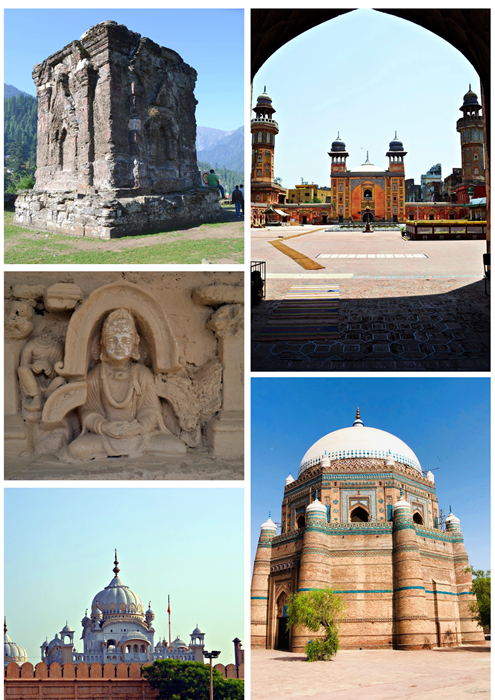
Explore Sacred Places, Living Faiths, and Timeless Spiritual Heritage
Pakistan is a land where spirituality, history, and cultural diversity have flourished for thousands of years. Home to some of South Asia’s most revered religious sites, the country offers a remarkable journey through living faiths and ancient civilizations. From the magnificent Sufi shrines of Punjab and Sindh, the sacred Sikh gurdwaras of Kartarpur and Hasan Abdal, and the ancient Buddhist monasteries and Gandhara archaeological sites of Taxila and Swat, to centuries-old Hindu temples and historic Christian churches, Pakistan’s spiritual landscape reflects a rich tapestry of religious harmony and shared heritage. Pilgrims, history enthusiasts, and cultural travellers can explore sacred places that continue to inspire devotion while discovering timeless traditions, vibrant festivals, and architectural masterpieces that have shaped the spiritual identity of the region for centuries. Whether seeking inner reflection, cultural enrichment, or historical exploration, Pakistan offers an unforgettable journey through its enduring spiritual heritage.
Why Experience Spiritual Pakistan?
✓ Sacred sites representing multiple world religions
✓ Birthplace of the Gandhara Buddhist Civilization
✓ Home to Sikhism's holiest pilgrimage destination at Kartarpur
✓ Renowned centres of Sufi spirituality and devotion
✓ Ancient temples, monasteries, mosques, churches, and gurdwaras
✓ UNESCO World Heritage Sites of religious significance
✓ Living traditions preserved for centuries
✓ A unique journey through faith, history, and culture
explore
Featured Spiritual Experiences
Pakistan is a land of diverse religious heritage, where sacred sites of Islam, Sikhism, Buddhism, Hinduism, and Christianity welcome pilgrims and cultural travellers from across the globe for worship, pilgrimage, and spiritual reflection.
Islamic Heritage & Sacred Shrines
Islamic heritage forms an integral part of Pakistan's cultural identity. Magnificent mosques, Sufi shrines, historic madrasas, and sacred cities reflect centuries of scholarship, architecture, devotion, and spiritual traditions.
Walk the Sacred Path of the Sikh Gurus
Pakistan is home to some of Sikhism's most revered places, attracting pilgrims from around the world to honour the legacy of the Sikh Gurus.
Journey Through the Land of Gandhara
For centuries, Pakistan was one of the world's leading centres of Buddhist learning and art. Today, ancient monasteries, stupas, and archaeological sites preserve this remarkable spiritual legacy.
Discover Ancient Temples and Timeless Traditions
Pakistan preserves many important Hindu temples and pilgrimage destinations that continue to welcome devotees and visitors throughout the year.
Explore Pakistan's Historic Churches
Pakistan's Christian heritage is reflected in beautiful churches, historic cathedrals, colonial architecture, and active Christian communities across the country.
Sufi Heritage & Mystical Traditions
The teachings of the great Sufi saints have shaped Pakistan's spiritual and cultural identity for centuries. Their shrines remain centres of devotion, music, poetry, and hospitality.
Plan Your Spiritual Journey
Whether you seek spiritual reflection, religious pilgrimage, architectural beauty, or a deeper understanding of the world's great faith traditions, Pakistan offers an inspiring journey through sacred landscapes shaped by thousands of years of history.
Explore peaceful monasteries, magnificent mosques, revered shrines, sacred temples, historic churches, and welcoming communities where faith continues to enrich daily life. Every destination reveals a new chapter in Pakistan's extraordinary spiritual heritage, inviting visitors to discover a land where devotion, history, and culture come together in harmony.
practice in the morning with an extremely nominal
Spiritual Tourism by Faith
- Islam
- Buddhism
- Sikhism
- Hinduism
- Christianity
- Sufi Heritage
- Jain Heritage
- Zoroastrian Heritage
Spiritual Experiences by Theme
- Pilgrimages
- Sacred Architecture
- Monasteries & Temples
- Mosques & Shrines
- Sufi Music & Qawwali
- Meditation & Reflection
- Religious Festivals
- Interfaith Heritage
Spiritual Journeys by Region
- Punjab
- Sindh
- Khyber Pakhtunkhwa
- Gilgit-Baltistan
- Balochistan
- Azad Kashmir
- Islamabad Capital Territory
Signature Spritual Tours
o Sikh Heritage Trail
o Gandhara Buddhist Circuit
o Sufi Heritage of Punjab
o Sacred Temples of Pakistan
o The Spiritual Heritage of Sindh
o Interfaith Heritage Journey
o Sufi Heritage Tour
o Sacred Pakistan Grand Tour
o Saints & Shrines of Pakistan
o Lahore Spritual & Heritage Tour
o Multan City of Saints Tour
o Christian Heritage Tour
Frequently
Asked Questions
Pakistan is home to sacred sites of Islam, Sikhism, Buddhism, Hinduism, and Christianity, making it one of South Asia's most significant destinations for religious and spiritual tourism. Its rich spiritual heritage spans thousands of years and continues to attract pilgrims, scholars, and cultural travellers from around the world.
Pakistan is home to revered religious sites associated with Islam, Sikhism, Buddhism, Hinduism, and Christianity. The country's diverse spiritual heritage reflects centuries of religious coexistence and cultural exchange.
Some of Pakistan's most revered Islamic sites include the shrines of Data Ganj Bakhsh in Lahore, Lal Shahbaz Qalandar in Sehwan Sharif, Shah Abdul Latif Bhittai in Bhit Shah, Baha-ud-Din Zakariya and Shah Rukn-e-Alam in Multan, and numerous other Sufi shrines across the country.
Pakistan is home to several of Sikhism's holiest sites, including Gurdwara Darbar Sahib Kartarpur, Gurdwara Janam Asthan at Nankana Sahib (the birthplace of Guru Nanak Dev Ji), Gurdwara Panja Sahib, and other historic gurdwaras that attract pilgrims from across the globe.
Yes. Pakistan preserves some of the world's most important Buddhist archaeological sites from the ancient Gandhara Civilization, including Taxila, Takht-i-Bahi, Jaulian Monastery, Dharmarajika Stupa, and the Buddhist heritage of Swat Valley.
Yes. Pakistan is home to several sacred Hindu temples, including the Katas Raj Temples in Punjab, Hinglaj Mata Temple in Balochistan, Shri Varun Dev Mandir in Karachi, and other historic temples that remain important pilgrimage destinations.
Yes. Pakistan features several historic churches and cathedrals, particularly in Lahore, Karachi, Rawalpindi, and Murree, reflecting the country's diverse religious heritage and colonial history.
Sufism is a spiritual tradition within Islam that emphasises devotion, compassion, inner purification, and love of God. Pakistan is renowned for its rich Sufi heritage, with numerous shrines that serve as centres of spirituality, music, learning, and community life.
Spiritual sites can be visited throughout the year. However, spring (March to May) and autumn (September to November) generally offer the most pleasant weather for pilgrimage and cultural tours. Many visitors also plan their trips around religious festivals and annual Urs celebrations at Sufi shrines.
Yes. Many of Pakistan's major religious and heritage sites welcome both domestic and international visitors. Some pilgrimage sites may have specific entry procedures or security arrangements, particularly during major religious events.
Most religious and heritage sites welcome respectful visitors regardless of their faith. Visitors are encouraged to observe local customs, dress modestly, and follow the guidelines provided at each sacred site.
Modest clothing is recommended when visiting mosques, shrines, temples, gurdwaras, churches, and monasteries. Visitors should remove their shoes where required and may need to cover their heads at certain religious sites as a sign of respect.
Yes. Many tour operators offer specialised itineraries covering Sufi shrines, Sikh pilgrimage sites, Gandhara Buddhist heritage, Hindu temples, and interfaith cultural tours, often accompanied by knowledgeable guides who provide historical and cultural insights.
Absolutely. Many of Pakistan's sacred sites are located near UNESCO World Heritage Sites, historic cities, forts, museums, and cultural landmarks, allowing travellers to combine pilgrimage with heritage and cultural exploration.
Visitors can support responsible tourism by respecting local customs and religious practices, dressing appropriately, seeking permission before taking photographs, maintaining the cleanliness of sacred sites, supporting local communities, and preserving Pakistan's rich religious and cultural heritage for future generations.