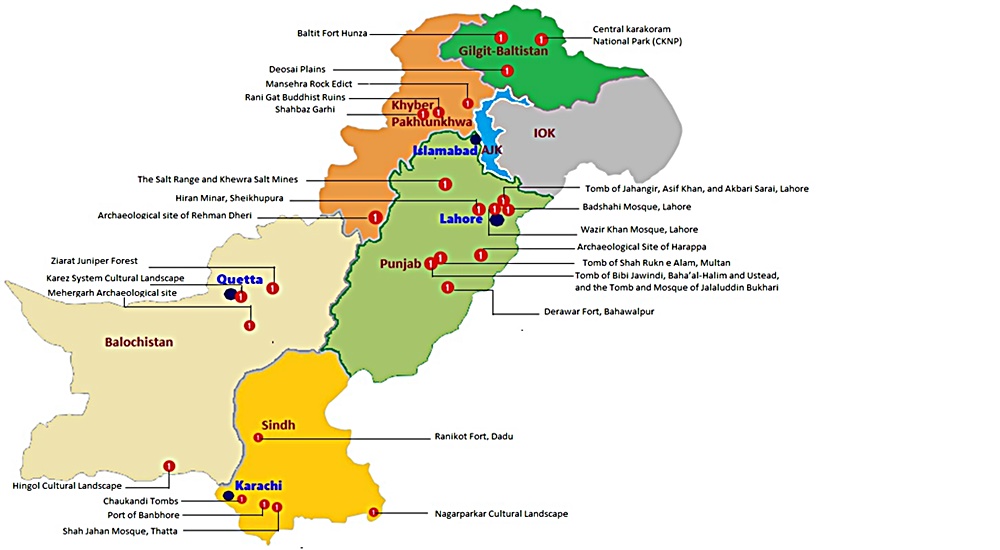
Discover Sindh: The Jewel of Southern Pakistan Sindh, the third-largest province of Pakistan, boasts Karachi as its bustling capital. Locally called “Mehran,” Sindh spans 54,407 square miles (140,914 square kilometers) and is home to over 47.8 million people (as per the 2017 census). Known for its rich cultural heritage and urbanized population (52.02%), Sindh offers a unique blend of history, tradition, and modernity. Geography of Sindh Situated in southeastern Pakistan, Sindh forms the lower Indus Basin. The landscape is predominantly flat, with the Kirthar Range marking its western boundary with Balochistan. To the northeast lies Punjab, while the east borders the Indian states of Rajasthan and Gujarat. The Arabian Sea graces its southern edge, adding scenic coastal beauty. Major Cities in Sindh Sindh comprises 29 districts, with Karachi hosting five of them. Key cities include: Karachi: The cosmopolitan hub and gateway to Sindh. Hyderabad: Renowned for its cultural richness and historical landmarks. Sukkur: Famous for its iconic bridges and river views. Thatta: Known for ancient sites and the Makli Necropolis. A Rich Historical Blend The name “Sindh” originates from the Sanskrit word “Sindhu,” meaning ocean or river, specifically referring to the Indus River. Over millennia, the region evolved through numerous civilizations and empires: Early Settlements: Dating back to 7000 BCE, with Mehrgarh expanding into Sindh and giving rise to the Indus Valley Civilization (3000–1500 BCE). Empires and Conquests: Conquered by the Persian Achaemenid Empire, Alexander the Great, and subsequently the Mauryan Empire. Islamic Era: In 711 AD, Muhammad bin Qasim introduced Islam to Sindh, earning it the title “Bab-ul-Islam” (Gateway to Islam). Dynastic Rule: Sindh saw seven ruling dynasties, including the Mughals and Talpurs, before becoming part of British India in the 19th century. Cultural Heritage of Sindh Sindh’s vibrant culture is reflected in its arts, crafts, and traditions: Clothing: Colorful attire is a hallmark. Women wear tie-dyed shawls and saris, while men don embroidered Sindhi caps and traditional lungis. Religious Influence: Sufi shrines play a central role, with devotional music and ceremonies forming a key part of rural life. Arts and Crafts: The region boasts 5,000 years of craftsmanship, including Ajrak (block-printed fabric), pottery, woodwork, and hand-woven textiles. Languages in Sindh Sindhi is the primary language, though regional dialects like Kutchi, Lari, and Saraiki are also prevalent. Karachi, a melting pot of cultures, is multilingual, with Urdu and English serving as key languages. Tourist Attractions in Sindh Sindh is a treasure trove of historical, architectural, and natural wonders, including: Mohenjo-Daro: A UNESCO World Heritage Site showcasing the Indus Valley Civilization. Ranikot Fort: Known as the Great Wall of Sindh. Shah Jahan Mosque: A masterpiece of Mughal architecture in Thatta. Makli Necropolis: One of the largest graveyards in the world. Keenjhar Lake: A serene escape for nature lovers. Karachi’s Landmarks: Quaid-e-Azam’s Mausoleum, Clifton Beach, and colonial-era buildings. Sindh’s Economy Sindh’s economy thrives on agriculture, with cotton, rice, wheat, and sugarcane as major crops. It is also famous for producing dates, mangoes, and bananas. Handicrafts, pottery, and textiles contribute to its economic landscape, continuing a legacy from the Indus Valley Civilization. Climate and Best Time to Visit Sindh experiences a tropical climate: Summers: Hot and dry (30–50°C). Winters: Mild and pleasant (10–30°C). The ideal time to visit is between November and March when the weather is more comfortable for exploring. Things to Do in Sindh Explore ancient ruins at Mohenjo-Daro. Visit Sufi shrines and experience local spirituality. Take a boat ride on Keenjhar or Haleji Lake. Discover architectural gems like Kot Diji Fort and Noor Mahal. Enjoy the vibrant city life of Karachi. Getting to Sindh Sindh is accessible via air, road, and rail: Air Travel: Jinnah International Airport (Karachi) connects to international and domestic destinations. Road and Rail: Well-connected highways and train services link Sindh to other major cities in Pakistan. Sindh’s diverse history, vibrant culture, and breathtaking landscapes make it a must-visit destination for history buffs, nature lovers, and cultural enthusiasts alike. Plan your trip to this enchanting province and experience the wonders of southern Pakistan! You may also want to read: Gilgit-Baltistan Islamabad Capital City Azad Jammu & Kashmir Khyber Pakhtunkhwa Punjab Balochistan