Destination Pakistan

Explore Pakistan's diverse cultures & heritage, snow-crowned mountains, scenic-valleys, bustling cities, seasonal charm, and outdoor activities through expertly curated travel guides.

Destination Pakistan Guide

YOUR COMPLETE TRAVEL GUIDE

"Discover Pakistan - A Land of Timeless Beauty and Living Heritage"

From soaring mountains to ancient cities, vibrant cultures, and coastal horizons, Pakistan is a land of remarkable diversity. Shaped by ever-changing seasons, each region reveals a new landscape, story, and experience—where nature, history, culture, and adventure unite in an inspiring and unforgettable journey.

DISCOVER PAKISTAN

Explore Destinations

From soaring mountains to ancient cities, each region reveals and new landscape, story, and experience

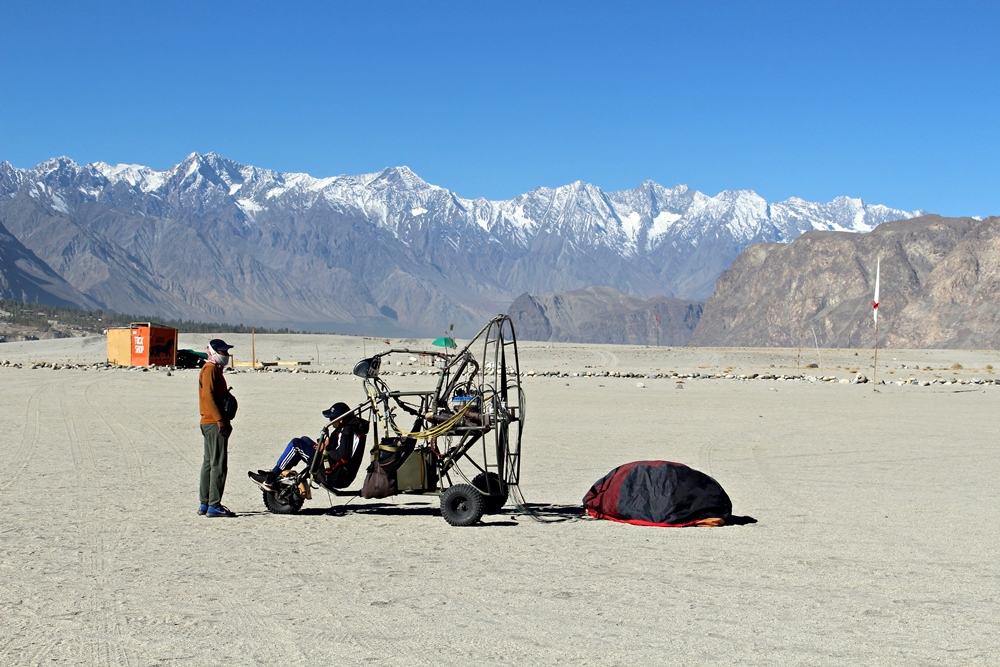
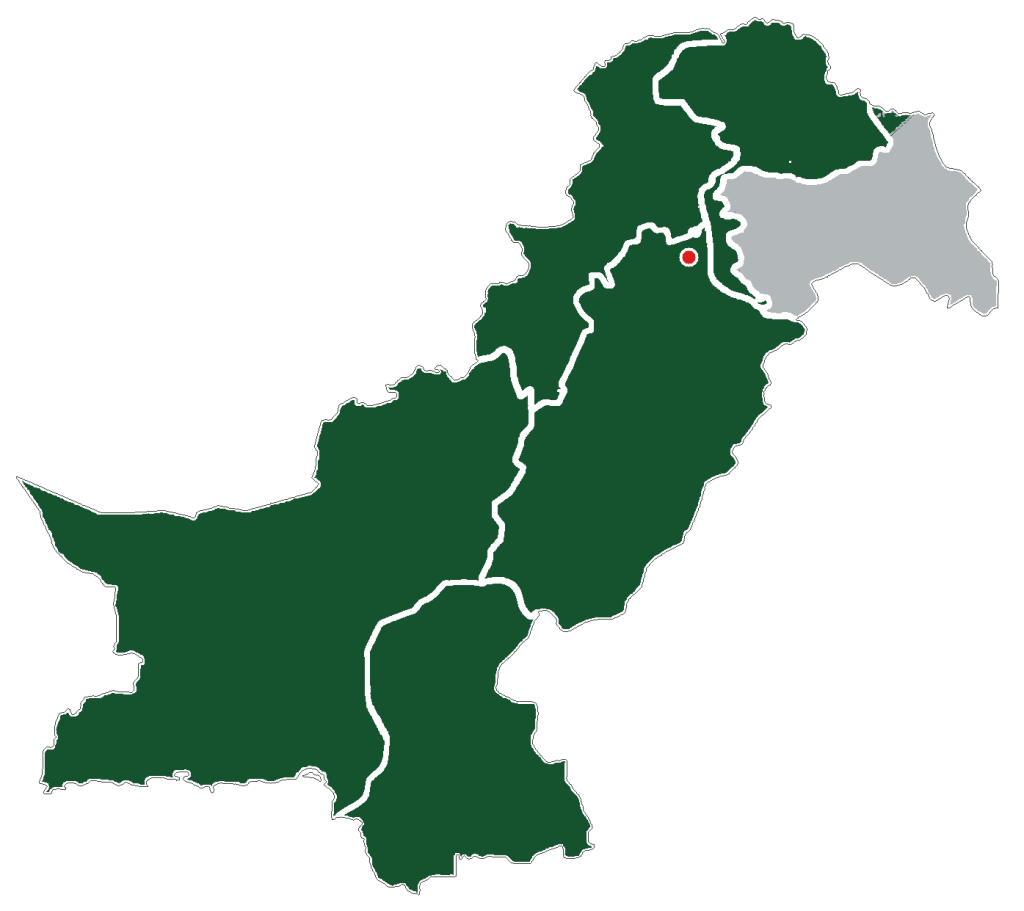
Gilgit-Baltistan
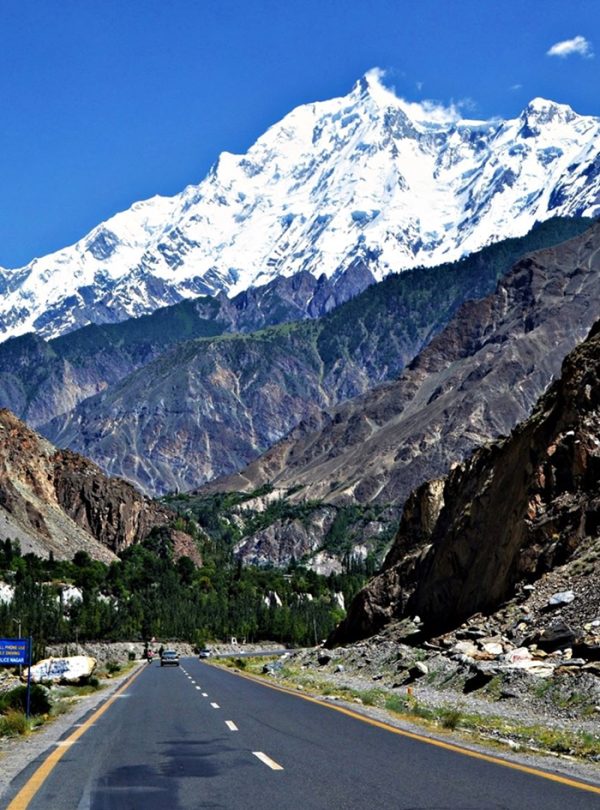
Gilgit-Baltistan
Azad Kashmir
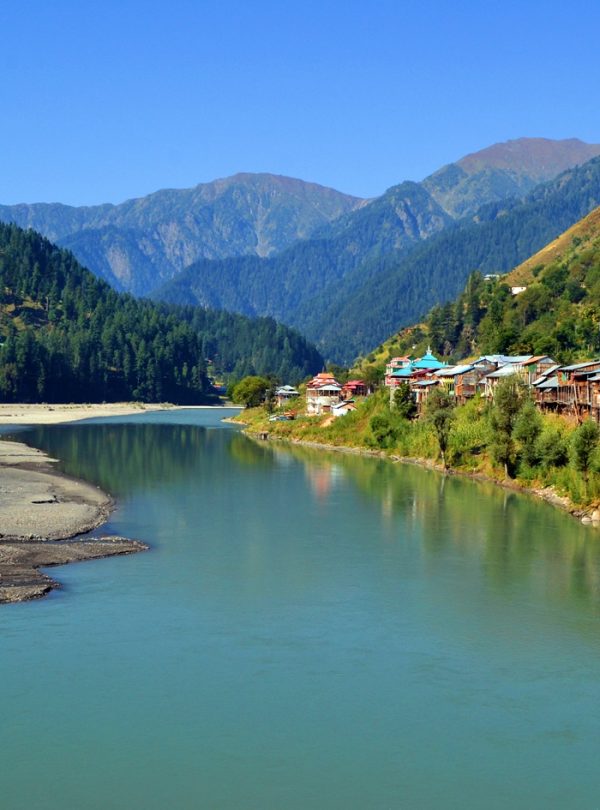
Azad Kashmir
Khyber Pakhtunkhwa
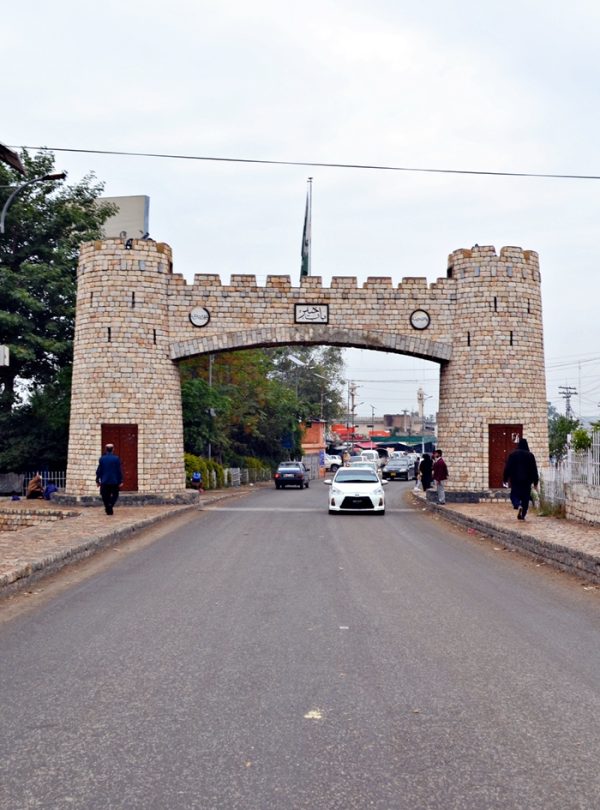
Khyber Pakhtunkhwa
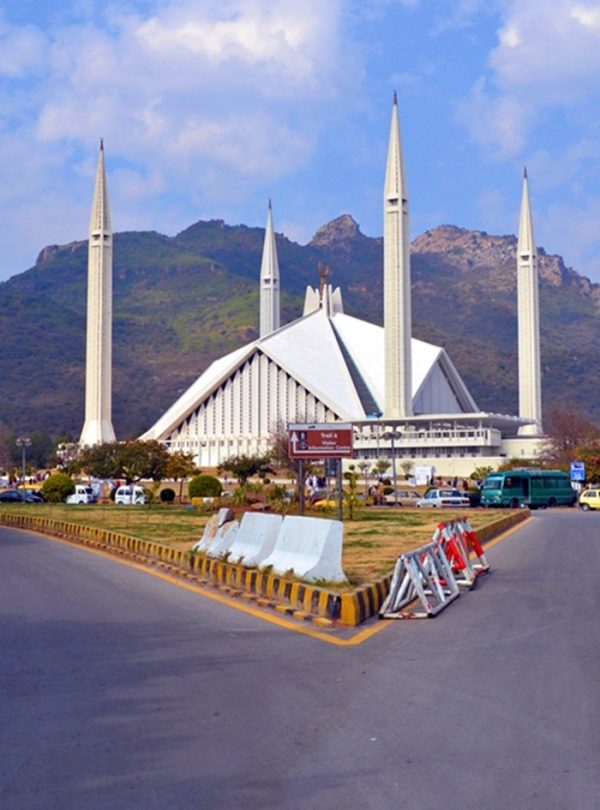
Islamabad
Islamabad Capital City
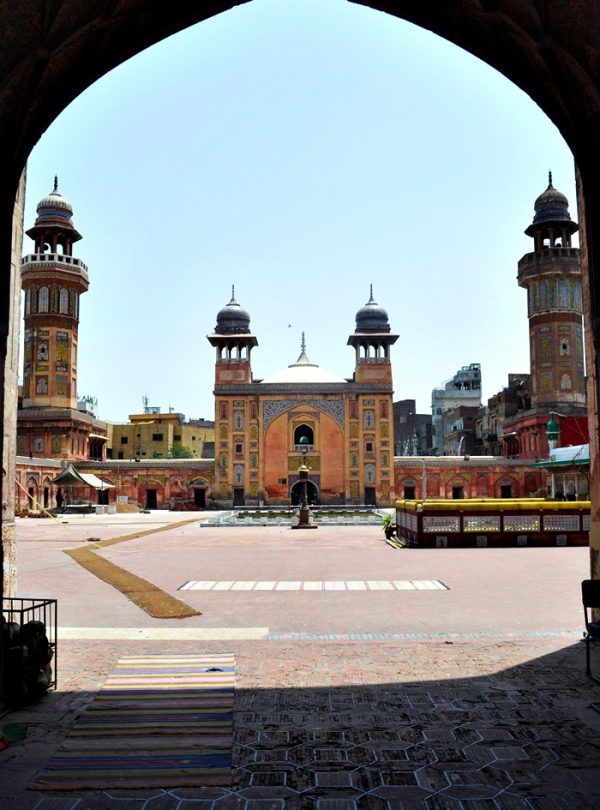
Punjab Province
Punjab
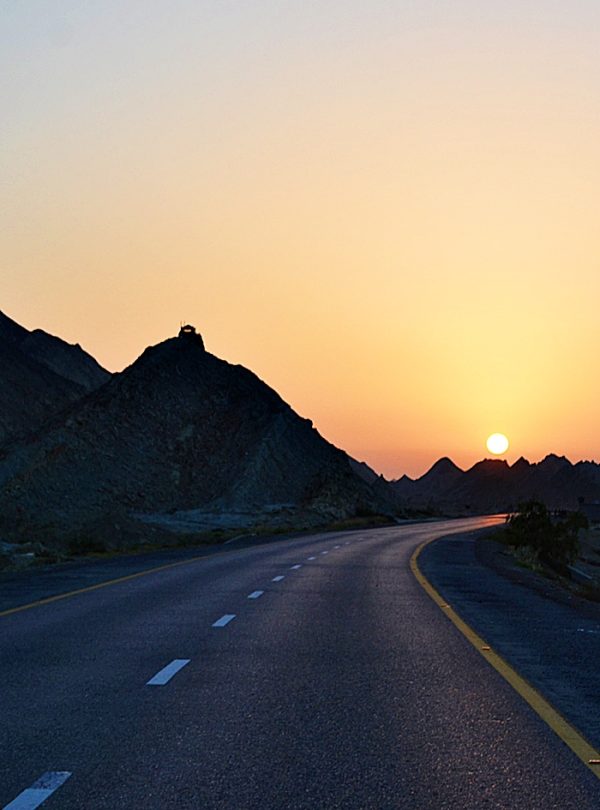
Balochistan
Balochistan
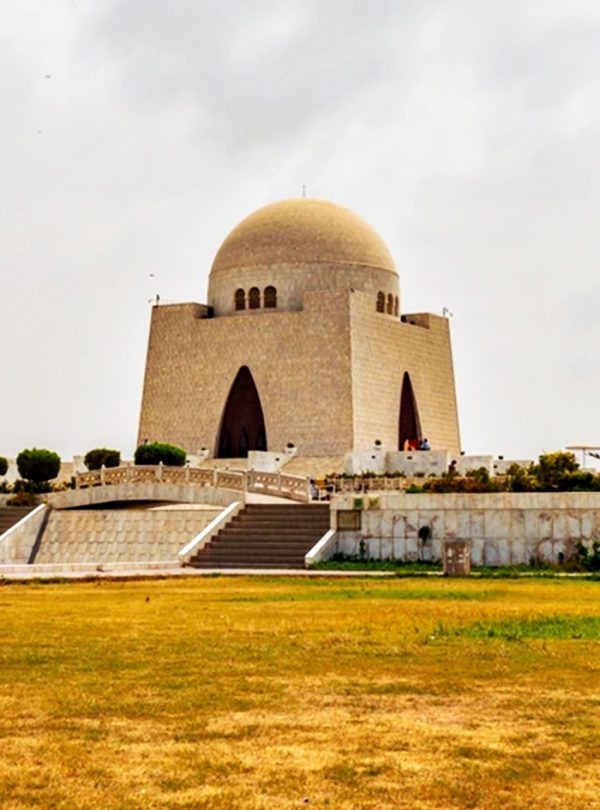
Sindh
Sindh

BEST TIME TO VISIT

Experience by Season

Spring Blossom
Blossom

March-April

summer
Summer

May-September

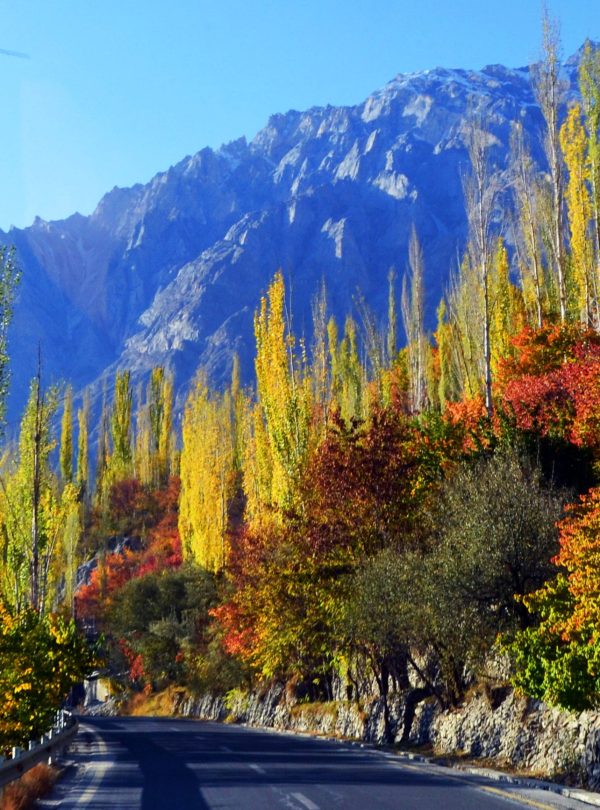
Autumn
Autumn

October-November

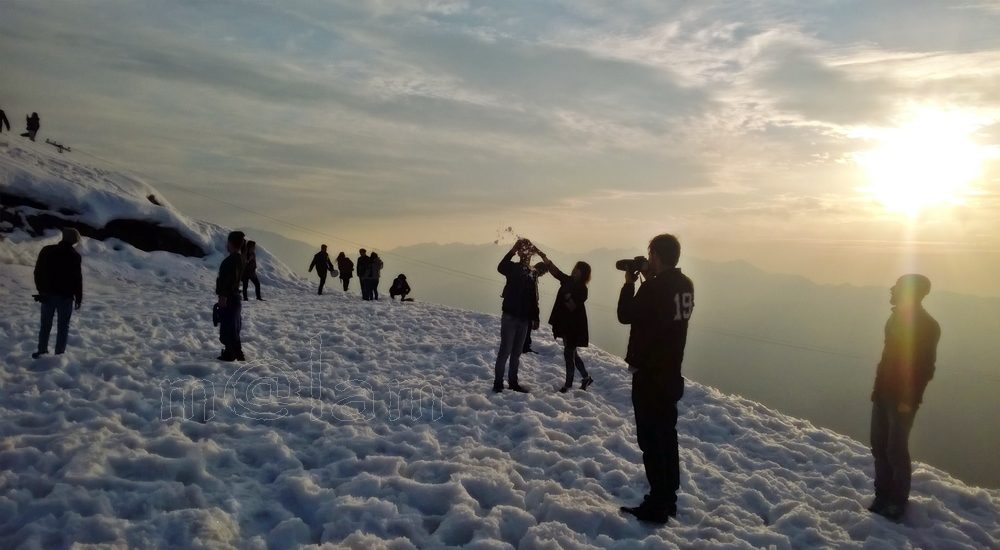
Pir Chinasi
Winter

December-February

CURATED FOR YOU

Explore by Experience

Whether you seek adrenaline, spiritual peace, or culinary delights, find your perfect journey.

Cultural Strip

TRAVEL STORIES

Latest Articles

Blossom in Pakistan

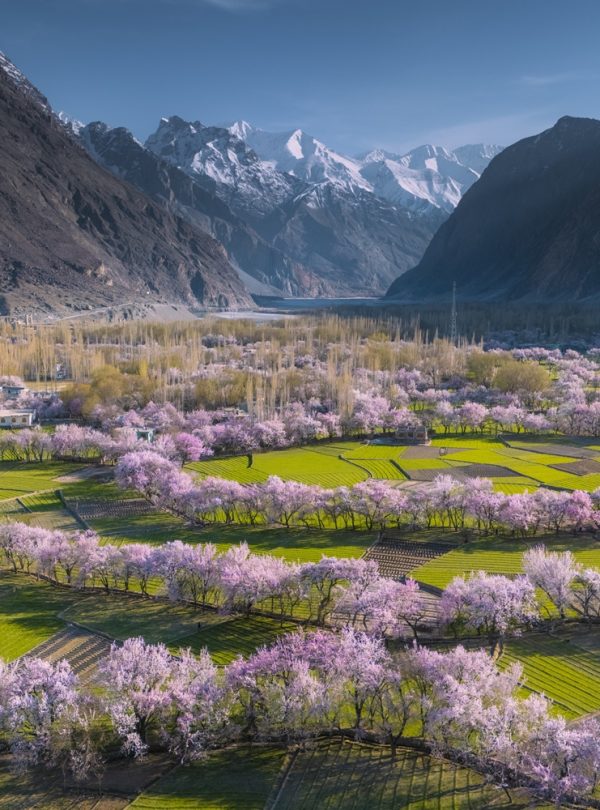
A Celebration of Color, Culture & Mountain Beauty Where Valleys Bloom and Mountains Come Alive Every spring, Pakistan’s northern mountains awaken from winter in a spectacular display of color. From the apricot orchards of Baltistan and the cherry blossoms of Hunza to the almond groves of Nagar and the flowering valleys of Swat, blossom season transforms the landscape into a living canvas of pink, white, crimson, and soft pastel hues. Set against the backdrop of the Karakoram, Himalaya, and Hindu Kush mountain ranges, these blossoms create one of Asia’s most breathtaking seasonal spectacles. Snow-capped peaks tower above flowering orchards, traditional stone villages come alive with agricultural activity, and communities celebrate the arrival of spring through centuries-old customs and festivals. Unlike heavily commercialized blossom destinations elsewhere in the world, Pakistan offers an authentic and immersive experience. Visitors can wander through village orchards, enjoy tea beneath flowering trees, photograph ancient forts surrounded by blossoms, and experience warm local hospitality in some of the most scenic mountain valleys on Earth. Whether you are a photographer, nature lover, cultural explorer, or family traveler, blossom season offers a unique opportunity to witness Pakistan at its most beautiful. Ideal For: Photography • Nature Lovers • Families • Cultural Travelers • Slow Travel Enthusiasts Top Blossom Destinations: Hunza • Nagar • Skardu • Shigar • Khaplu • Ghizer • Swat • Chitral Season at a Glance Fact Details Season Duration Mid-March – Early May Peak Bloom Period Late March – Mid-April Average Temperature 10°C – 25°C Main Regions Gilgit-Baltistan, Chitral, Swat Signature Flowers Apricot, Cherry, Almond & Apple Blossoms Best For Photography, Culture, Sightseeing Crowd Level Moderate Accessibility Excellent Recommended Trip Length 5–14 Days Landscape Blossoms, Orchards, Snow-Capped Mountains Why Visit Pakistan During Blossom Season? As winter loosens its grip on the mountains, valleys across northern Pakistan burst into life. Thousands of fruit trees bloom simultaneously, creating a breathtaking contrast between colorful orchards and snow-covered peaks. Blossom season is also deeply connected to local culture and agriculture. Farmers begin preparing their fields, communities gather to celebrate spring, and villages reopen after the long winter months. This period offers travelers an opportunity to witness everyday mountain life at its most vibrant. Visitors can enjoy: Spectacular blossom landscapes Comfortable weather for sightseeing Fewer crowds than summer Rich cultural experiences Excellent photography opportunities Scenic road journeys through mountain valleys Authentic interactions with local communities What Makes Blossom Season Special? Almond Blossoms Among the earliest harbingers of spring in northern Pakistan, almond blossoms blanket the valleys of Hunza, Nagar, and Baltistan in delicate shades of white and pale pink, signalling the end of winter and the arrival of warmer days. Their graceful blooms create enchanting landscapes against the snow-draped mountains, making almond blossom season one of the most beautiful and serene times to experience the region’s natural splendour. Apricot Blossoms The iconic apricot blossoms are the signature bloom of Baltistan and Hunza, where thousands of apricot trees burst into delicate white and soft pink flowers each spring, transforming entire valleys into a breathtaking floral paradise against the backdrop of snow-capped mountains and traditional villages. Cherry Blossoms Cherry blossoms create stunning pink landscapes throughout Hunza, Nagar, and Ghizer, carpeting orchards and terraced fields in vibrant hues that contrast beautifully with the surrounding peaks, making spring one of the most magical and photogenic seasons in northern Pakistan. Apple Blossoms Apple blossoms bring a gentle charm to the valleys of Hunza, Nagar, Ghizer, and Skardu, covering orchards with clusters of white and blush-pink flowers that symbolize renewal, prosperity, and the promise of the region’s abundant fruit harvests. Peach Blossoms Among the most vibrant blooms of spring, peach blossoms paint the valleys of Hunza, Baltistan, and Ghizer in striking shades of deep pink and crimson, adding dramatic bursts of colour to the mountain landscapes and creating some of the season’s most captivating scenery. Snow & Flowers Together Northern Pakistan offers one of the rarest visual contrasts on Earth where spring blossoms emerge while towering peaks remain snow-covered. In valleys such as Hunza, Nagar, and Baltistan, orchards of apricot, cherry, apple, and peach bloom in vibrant colours right beneath glistening glaciers and white-capped mountains. This extraordinary coexistence of winter and spring creates surreal landscapes where pink and white flowers appear to float against icy summits, offering a scene that feels both dramatic and peaceful at the same time. Photographer’s Paradise This region is widely regarded as a dream destination for photographers due to its unmatched combination of natural and cultural elements. Soft golden sunlight in the mornings and evenings illuminates blooming orchards, while rugged mountain backdrops add depth and drama to every frame. Traditional stone villages, centuries-old forts, winding rivers, and terraced fields further enrich the composition, allowing endless creative possibilities for landscape, cultural, and travel photography throughout the blossom season. Living Culture Beyond natural beauty, the blossom season is deeply intertwined with the living culture of the northern valleys. Visitors can experience traditional village life where farming practices, orchard cultivation, and seasonal celebrations remain central to daily routines. Local festivals mark the arrival of spring, while travelers are welcomed with warm hospitality and authentic mountain cuisine. This cultural immersion provides a meaningful connection to the people who have preserved these landscapes and traditions for generations. Perfect Weather Spring in the northern regions brings some of the most pleasant weather conditions of the year, making it ideal for exploration and outdoor activities. Daytime temperatures are generally mild and comfortable, with crisp mornings and cool evenings that enhance the mountain atmosphere. Clear skies and stable conditions during this season allow for uninterrupted travel, scenic walks, and sightseeing, making it one of the best times to fully experience the natural and cultural richness of the region. Best Blossom Destinations Gilgit Town – Gateway to the Northern Blossom Routes Gilgit Town serves as the strategic gateway to the breathtaking northern valleys of Pakistan and becomes a vibrant stopover during the spring blossom season, when surrounding orchards, riverbanks, and nearby villages come alive with apricot, cherry, apple, and peach

Konodas Suspension Bridge

Konodas Suspension Bridge

Konodas Suspension Bridge The Konodas Suspension Bridge is a must-visit attraction in the picturesque region of Gilgit-Baltistan, Pakistan. This historic structure connects the Old Gari Bagh Bazaar in Gilgit with the Konodas area, serving as a vital link for local communities while showcasing the rich heritage of the colonial era. A Glimpse into History Built during the rule of the Maharaja of Kashmir, before the region’s accession to Pakistan, the Konodas Suspension Bridge stands as a testament to the engineering prowess of its time. Constructed over a span of 10 years, from 1895 to 1905, this bridge has surpassed a century in age. Once the only connection between the then Gilgit Agency and Central Asia; the bridge played a crucial role in trade and communication in the region. Resilient Design The flawless design of the Konodas Suspension Bridge has enabled it to withstand numerous natural calamities over the years. Unlike other structures in Gilgit-Baltistan that have succumbed to floods and harsh weather conditions, this bridge remains intact, symbolizing durability and innovation. Scenic Splendor Nestled in the breathtaking landscape of Gilgit-Baltistan, the Konodas Suspension Bridge offers more than just historical significance. The surrounding scenery, characterized by the turquoise waters of the Gilgit River and the dramatic backdrop of rugged mountains, makes it a paradise for photographers and nature lovers. Visitors can enjoy stunning panoramic views while crossing the bridge, making it a popular spot for sightseeing and photography. Key Highlights Functional Purpose: The Konodas Suspension Bridge continues to serve as a vital route for pedestrians and light vehicles, connecting the Konodas area with other parts of Gilgit. Accessibility: The bridge’s proximity to Gilgit city center makes it easily accessible for tourists and locals alike. A short journey from the town brings visitors to this iconic landmark. Adventurous Experience: Walking across the swaying suspension bridge is an exhilarating experience, enhanced by the sound of rushing river waters below. Photographic Appeal: The natural beauty surrounding the bridge creates an ideal setting for capturing memorable photographs. Why Visit the Konodas Suspension Bridge? Blending historical significance with scenic beauty, the Konodas Suspension Bridge is a shining example of engineering adaptability in the mountainous terrain of northern Pakistan. Whether you’re a history enthusiast, a photography lover, or an adventurer, this bridge offers something for everyone. Plan your visit to the Konodas Suspension Bridge and immerse yourself in the timeless charm and breathtaking views of this remarkable landmark. It’s an experience that will leave you in awe of both nature’s grandeur and human ingenuity. Nearby Attractions: British Cemetery Gilgit Biddulph House & Library Karga Buddha Hanzel Stupa Agortham Boulder Uprising Memorial Gilgit Konodas Rock Carvings Danyore Suspension Bridge Danyore Rock Inscription Chinese Graveyard Danyore The Victory Monument of Taj Mughal

Ganish Historic Settlement

Ganish Historic Settlement

Ganish Historic Settlement: A 1000-Year-Old Living History Nestled in the enchanting Hunza Valley, Ganish Historic Settlement is a rich blend of history, culture, and architecture. This small yet historically significant settlement, located along the iconic Karakoram Highway. It is believed to be the oldest village in Hunza. Ganish is recognized by UNESCO for its cultural heritage conservation. The valley offers a fascinating glimpse into the region’s storied past and vibrant traditions. A Living History on the Ancient Silk Route Ganish Historic Settlement, also known as Ganish Khun, is a 1000-year-old settlement that traces its origins to the ancient Silk Route. Its strategic location made it a critical outpost for travelers and traders journeying through the Northern Areas as early as 180 BCE to 10 CE. The village’s heritage is rooted in its original residents—the Yarikutz, Rupikutz, Kuyokutz, and Mamorokutz families—who constructed four historic mosques and watchtowers during the 16th and 17th centuries. Despite challenges like floods in 1960 and the construction of the Karakoram Highway in the 1970s, the village has retained much of its original layout, including 39 houses dating back to the 15th century. UNESCO-Awarded Conservation Efforts Ganish Village has received two UNESCO awards for Cultural Heritage Conservation in Asia Pacific (2002 and 2009). These accolades recognize the restoration efforts led by the local community with support from the Aga Khan Cultural Services Pakistan (AKCSP) and funding from nations like Norway and Spain. The preservation work not only brought Ganish international recognition but also inspired nearby communities to conserve their cultural heritage, creating a ripple effect across the region. What to See Entrance and Facilities The village’s entrance is marked by a modern Imam Bargah, which also houses a library, a dispensary, and facilities for traditional burial practices. Visitors are welcomed with a formalized entry process, including a Rs.500 fee. A local guide narrates captivating history of the village by leading you through to explore its charming streets and structures. Fortified Layout and Unique Architecture Ganish was initially built as a fortified settlement to guard against invasions. Compact houses with small doors and narrow streets reflect the practical design of the era. Homes often housed livestock near entrances to provide insulation during harsh winters and as an alert system against potential threats. The watchtowers, of which only a few remain, were strategically placed for surveillance. Originally, the back of the village overlooked a river, providing a natural defense. Although natural disasters have altered the landscape, the village’s architectural essence remains intact. Historic Mosques The four historic mosques are among Ganish’s most remarkable features. Built by local rulers to leave a lasting legacy, these mosques are small in size, reflecting the needs of the community at the time. The mosques’ wooden relief work showcases a blend of Buddhist lotus flowers, Hindu swastikas, Chinese cloud motifs, and Islamic geometric patterns, symbolizing the region’s multicultural history. Cultural and Symbolic Significance The name “Ganish” originates from Ghenish – a term in local Burushaski language referring to “gold” or “gold reserve,” highlighting the area’s historical importance. It also translates to “plain” or “plateau,” which aptly describes the settlement’s relatively flat terrain compared to the surrounding mountainous regions. The intricate carvings and motifs on the mosques’ arches underscore the village’s rich cultural interactions. These carvings offer ample opportunities for further research into the symbolism and artistry of this historic site. Why Visit Ganish Historic Settlement? Ganish Historic Settlement is more than a historic site—it’s a living heritage. Its well-preserved architecture, the stories of its people, and the blending of diverse cultural influences make it a must-visit destination for anyone exploring the Hunza Valley. The village stands as a testament to the resilience and creativity of its inhabitants, offering inspiration for cultural preservation and community-led initiatives. Next time you find yourself in the breathtaking Hunza Valley, make sure to add Ganish Historic Settlement to your itinerary. It’s a journey back in time that will leave you with a profound appreciation for the region’s history and heritage. Access to Ganish: From Gilgit, the capital city of Gilgit-Baltistan, Ganish is about 100km (2 hrs drive approximately) along the Karakoram Highway and is one of the key Karakoram Highway attractions. Nearest Attractions: Karimabad Bazaar Baltit Fort Altit Fort Duikar View Point Haldikish Attabad Lake Borith Lake Afsang View Point Ondra Poygah Passu Glacier Hoper Valley

Beyond the news cycle lies a country of staggering landscapes, ancient civilizations, vibrant cultures, and unmatched hospitality—an experience that consistently exceeds expectations and defies imagination. Explore Pakistan.

Subscribe Now

Don’t miss our future updates! Get Subscribed Today!

©2019. Elements Kit. All Rights Reserved.

Scroll to Top