
March 2017

Makli Necropolis

Makli Necropolis

Unveiling the Enigma: Makli Necropolis – A Treasure Trove of History and Artistry Nestled in a diamond-shaped expanse, the grandeur of the Makli Necropolis in Thatta is unparalleled. It boasts of its status as one of the largest graveyards globally covering a sprawling 10 square kilometers. Altogether, the Makli Necropolis houses an astonishing half-million monuments. The graveyard stands as the final resting place for an eclectic mix of individuals, from regal monarchs and erudite scholars to valiant warriors, philosophers, governors, and revered saints. In recognition of its historical significance, Makli Necropolis, therefore, earned its place among the UNESCO World Heritage Sites of Pakistan in 1981. A Journey Through Time: Unraveling the History of Makli Necropolis Delving into the annals of history, Makli Necropolis emerges as the eternal abode for over 125,000 saints. Throughout the ages, this city has undeniably been a beacon of knowledge housing around 400 educational institutions. Here students from the Muslim world and Asia came to hone their skills. Students generally engaged in a diverse array of subjects encompassing religion, politics, and philosophy.  Yet, the enigmatic origins of Makli remain shrouded in mystery. It is widely believed that the cemetery evolved around the shrine of the 14th-century Sufi Hamad Jamali. As for the etymology of “Makli,” two intriguing notions persist. Locals suggest that it signifies “Mecca-like,” while another legend ties it to the pious woman known as “Mai Makli.” Legend has it that her fervent prayers thwarted Sultan Firuz Shah Tughlaq’s conquest of Thatta until her passing. She now rests in Makli near the tomb of Jam Nizamuddin. Thatta enjoyed a glorious stint as the capital of Sindh from the 14th to the 18th centuries. Initially, it was ruled by three successive dynasties – Samma, Argun, and Tarkhan. However, it later came under the dominion of the Mughal emperors of Delhi from 1592 to 1739 before being ceded to Shah Nadir of Iran, marking the beginning of a period marked by decline and neglect. The Architectural Marvels of Makli Necropolis The monuments of Makli Necropolis are a testament to the social and political history of Sindh from the 14th to the 18th centuries. Crafted with exquisite architectural finesse, these tombs and graves epitomize the artistic prowess of their time. The tombs were built by utilizing an array of materials such as sand bricks, stone, and marble. Some of these monuments are opulently adorned with glazed tiles, boasting intricate designs, arched domes, and towers adorned with exquisite Islamic calligraphy and devotional carvings inspired by diverse religious and iconographic traditions. Remarkably, many of these iconic monuments have withstood the test of time, enduring centuries of exposure to the elements. However, preserving this rich heritage for future generations necessitates substantial restoration efforts. Makli Necropolis: A Journey Through Location and Access Situated adjacent to the tip of the Indus River delta, Makli Necropolis lies on the outskirts of Thatta.  It was an ancient bastion of Islamic civilization nestled at the edge of the 6.5-kilometer-long plateau of Makli. This historic site is located approximately 89 kilometers east of Karachi in the Sindh province of southern Pakistan. Makli offers an ideal day trip from the bustling metropolis of Karachi. Navigating the vast expanse of the graveyard is made convenient through its wide streets, ensuring access to all the awe-inspiring monuments. Makli Necropolis undoubtedly stands as a testament to the rich tapestry of history, culture, and artistry. The graveyard has woven itself into the very fabric of this remarkable site. It beckons not only to history enthusiasts but also to travelers, both domestic and international, and devout pilgrims alike, offering a glimpse into an enigmatic past that continues to captivate our imaginations.

Makli Necropolis Read Post »

History and development of tourism

History of Tourism

The Evolution of Tourism: A Journey Through Time and Trends In the annals of human history, the concept of tourism has roots that stretch far beyond the 18th-century coinage of the term itself. Since the earliest days of human civilization, people have embarked on journeys for various reasons. Initially, it was the primal quest for sustenance and shelter by our barefooted hunters and gatherers. Then comes the steady period of development through human inventions and ideas. Today, tourism stands as a robust global industry, propelling socio-economic growth on a grand scale. From Survival to Adventure: The Pioneering Days The evolution of tourism spans millennia. It encompasses a period from transitioning from the rudimentary need for survival in humanity’s infancy to the complex and diverse trends we witness in the modern world. This captivating journey owes its development to numerous factors. These include innovations, technological advancements, and the discovery of new destinations. At the same time, religious obligations that involve travel; the preservation of ancient monuments; and the construction of modern architectural wonders played an imminent role in promoting tourism. However, the development would not have been possible without the inherent human spirit of exploration and the ever-expanding wealth of nations. Our ancestors began as nomads, driven by the pursuit of food. Subsequently, they embarked on religious pilgrimages and voyages of discovery. As societies advanced, travel embraced trade and commerce, paving the way for leisure and recreation. However, it was the technological revolution of the 20th century that triggered a seismic shift in the global travel industry. In the nascent days, travel was often the privilege of the affluent or intrepid explorers, primarily driven by a quest for knowledge and recreation. Notable examples include Roman nobles frequenting spas and coastal resorts and Chinese elites journeying to Mount Tai and other sacred mountains. During the Middle Ages, the tradition of pilgrimage motivated even the lower classes to undertake journeys for religious rituals. Wheels, Boats, and Beyond: Technological Milestones Before technology’s advent, humans harnessed animals for transportation, mastering the art of horse riding to cover greater distances. Significant inventions such as the boat and wheel (circa 3500 BC), horse-drawn carts (circa 2000 BC), wheelbarrows (1st century), and footwear (8th century) contributed to enhanced mobility. The 17th century saw the introduction of public transport via horse-pulled carts. It was followed by the game-changing steam engine and hot air balloon in the late 18th century. The 19th century brought us the first steam-powered locomotive train (1814), the inaugural motorcar (1862), and the pioneering cable car (1871). The Wright brothers‘ historic flight in 1903 marked the dawn of modern air travel. It undoubtedly sets the stage for today’s rapid and luxurious transportation systems, underpinned by ever-advancing technology. The Grand Tour: A Class Apart Modern tourism shares a deep-rooted connection with the “Grand Tour,” a traditional expedition favored by affluent Europeans, primarily from the northern and western regions. Initially flourishing in the 1660s, this mode of travel became synonymous with a standardized itinerary with the advent of large-scale rail transit in the 1840s. However, the Grand Tour remained an exclusive privilege of the upper classes due to its exorbitant costs. In the latter half of the 18th century, the concept of travel expanded to encompass the Americas and other far-flung destinations. The Industrial Revolution in the United Kingdom ushered in an era of leisure time, giving rise to leisure tourism. As railroads and steamships became part of mass transportation, travel became more accessible to the middle class. From the mid-19th to the mid-20th century, Thomas Cook’s eponymous company facilitated tours within Europe and the Americas. Tourism soon extended to the USA and other corners of the world with the advent of inclusive tours. Through this tour, travelers can journey independently along pre-defined routes while their agency covers travel, food, and accommodation expenses. Tourism as a Catalyst for Development Tourism wields both direct and indirect influence on development, profoundly impacting people’s lives. It serves as a catalyst for economic growth, which, in turn, fuels further tourism growth by promoting the development and marketing of tourism products. Today, the tourism sector’s economic significance surpasses major industries such as food, automobiles, and oil. As tourism continues to grow and diversify, it is poised to become a primary source of livelihood worldwide. From Words to Industry: The Transformation of Tourism The terms “tourist” and “tourism” emerged in the English language in 1772 and 1811, respectively. These words trace their origins back to the Old French “torner,” which itself evolved from the Latin “Tornare,” derived from the Greek word “tornos.” Over time, the phenomenon of tourism has undergone a profound transformation, evolving into a thriving industry. Today, over a billion people embark on journeys across the globe annually. This industry’s exponential growth contributes a substantial 9.8% to global GDP and generates one in every eleven jobs worldwide. It has become a cornerstone of economic stability for many nations worldwide. The Future of Tourism: Quality, Sustainability, and Global Positioning The future contributions of tourism to economic well-being hinge on the quality of tourism products and services. At the same time, it counts on the revenues generated from tourism offerings. Additionally, it relies on the sustainability of existing destinations and the strategic positioning of emerging ones in international markets. With a trajectory marked by continuous expansion and diversification, tourism stands poised to be a driving force in the world’s economy. It has helped shape the destinies of nations and communities alike.

History of Tourism Read Post »

Fairy Meadows and Nanga Parbat

Fairy Meadows

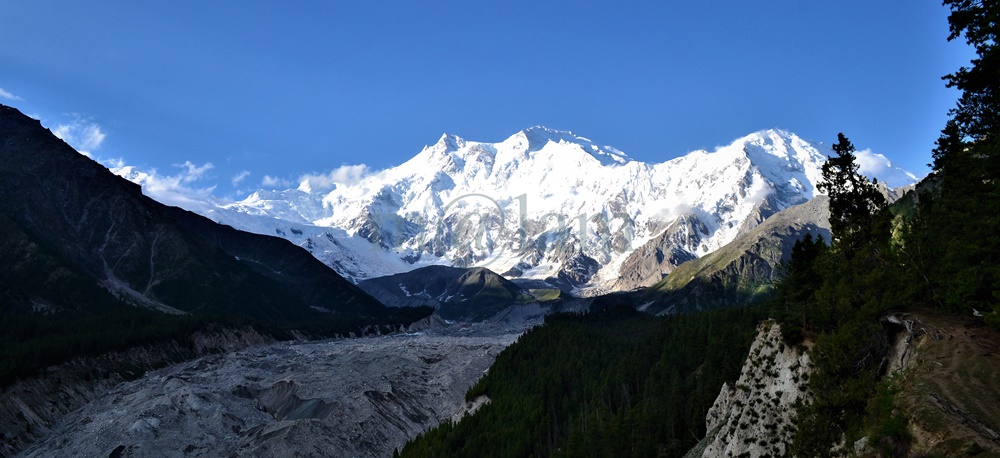
Exploring Fairy Meadows in the Himalayas: An Epic Adventure Awaits Fairy Meadows is nestled in the majestic Himalayan range of Pakistan. It stands as a captivating highland that beckons both tourists and adventure seekers alike. Serving as a gateway to conquer nearby peaks, including the renowned 8,126-meter Nanga Parbat, known ominously as the Killer Mountain, this destination is a hidden gem waiting to be explored. Discovering the Jewel of the Himalayas Situated in the Diamar district of Gilgit-Baltistan, Pakistan, Fairy Meadows is a natural wonderland that sits at an elevation of 3,300 meters above sea level. Local residents originally named this striking highland “Joot,” and it was later christened “Fairy Meadows” by German explorers captivated by its natural splendor. In 1995, the area was officially declared a national park, preserving its pristine beauty. How to Reach This Enchanting Destination To embark on your journey to Fairy Meadows, your starting point is Raikot Bridge along the Karakoram Highway. At 4595 feet (1400 meters), Raikot Bridge is approximately 540 kilometers (336 miles) from Islamabad, the capital of Pakistan. Alternatively, for those taking a one-hour flight from Islamabad to Gilgit, Raikot Bridge can be reached in another hour and a half. However, it’s important to note that flights to Gilgit and Skardu are subject to weather conditions. The most common starting point for travelers actually is Islamabad/Rawalpindi. In fact, there are two options to travel by road. The Karakoram Highway is an all-weather road while the seasonal and scenic Naran-Gilgit road via the Babusar Pass remains open from mid-June to October.  However, there is no fixed time of the year to open and close the Naran-Gilgit road, weather is the major factor. The journey can take approximately 12-14 hours, depending on road conditions. Alternatively, the route via Naran over the Babusar Pass offers a quicker 9 to 10-hour journey. From Raikot Bridge, you’ll need to hire a local jeep to reach Tatto village, an adventurous 12-kilometer (1.5-hour) ride followed by a 5-kilometer (3-hour) uphill walk along the ravine. This journey, while challenging, is an integral part of the Fairy Meadows experience. Immersed in Natural Beauty Fairy Meadows lies in the Raikot valley, surrounded by the Raikot glacier, originating from the formidable Nanga Parbat. The lush grasslands are enveloped by an alpine forest teeming with juniper, birch, willow dwarf shrubs, and scrubs. The area is also home to brown bears and musk deer, adding to its natural allure. Embracing the Seasons The prime tourist season at Fairy Meadows spans from mid-April to mid-October. While some intrepid souls venture here during December and January for winter expeditions, it’s a rare occurrence and not for the faint of heart. Navigating the harsh winter conditions requires technical expertise and the guidance of a local expert. Where to Lay Your Head Fairy Meadows offers several accommodation options, including huts and tents, all owned and operated by local residents. Most tourists opt for affordable tents, providing a genuine experience of the area’s hospitality. However, it’s advisable to make reservations in advance, especially during peak summer months when accommodations tend to fill up quickly. Savoring Local Delights When it comes to dining at Fairy Meadows, expect slightly higher prices for food that is both organic and worth every penny. Breakfast options include desi eggs and local makhan (butter), while lunch features fresh veggies and desi chicken. You’ll also find mutton, dal, local yogurt, lassi (buttermilk), and more, all sourced locally and providing a rich, organic dining experience. Adventure Awaits Fairy Meadows offers a plethora of activities to keep you engaged. Watch locals play freestyle polo and volleyball. It is possible even to organize a cricket match or a game of Frisbee at the campsite. A half-day walk to nearby Beyal camp is a popular choice, offering a stunning view of Nanga Parbat. For those seeking a more challenging adventure, consider ascending to the viewpoint. You’ll certainly be rewarded with breathtaking vistas of the mountains, glaciers, and surrounding beauty. The bravest explorers can embark on a full-day hike to the 4,200-meter-high base camp. Undoubtedly, the base camp promises exceptional views of the landscape. Travel Tips for a Smooth Journey Before you set off on your Fairy Meadows adventure, remember these essential travel tips: Make a confirmed reservation in advance. Park your personal vehicle at the Raikot Bridge parking lot, as only local vehicles are allowed beyond this point. Pack essential medicines, fruit, cookies, and chocolates for long journeys. Don’t forget to bring sunburn cream, sunglasses, an umbrella, and a raincoat. Wear sturdy trekking shoes and carry a spare pair of socks. Ensure a supply of clean water, either bottled or boiled, as spring water may not agree with everyone. With these preparations in place, you’ll be ready to embark on a journey of a lifetime to the enchanting Fairy Meadows, where adventure, natural beauty, and unforgettable experiences await.

Fairy Meadows Read Post »

Babusar Pass

Babusar Pass

Babusar Pass: Discover the Mesmerizing Beauty of the Himalayas Babusar Pass, also known as Babusar Top, sits majestically at an elevation of 4,170 m (13,690 ft) as a captivating mountain pass in the Diamer District of Gilgit-Baltistan. Located about 70 km from Naran on the Naran-Gilgit road, this pass marks the southern boundaries of Chilas and is accessible from the Karakoram Highway by a 40km uphill paved road through Thak Nullah. It, therefore, forms a crucial link between the northernmost edge of the scenic Kaghan Valley in the Khyber Pakhtunkhwa (KPK) province of Pakistan and the Karakoram Highway in the Gilgit-Baltistan region and serves as a gateway to unparalleled beauty. Historical Significance of Babusar Top In the annals of history, Babusar Top held immense importance as it was a part of the ancient summer route that provided access to the Gilgit-Baltistan area long before the construction of the all-weather Karakoram Highway. This route was a lifeline from 1947 to 1978, connecting Gilgit-Baltistan with British India and subsequently with Pakistan. Even before the existence of Babusar Pass, the Burzil Pass (4,100m) served as the caravan route from Srinagar to Gilgit through Astore. Notably, the Kaghan Valley runs almost parallel to the Neelum Valley of Azad Kashmir, separated only by a mountain ridge. Accessible Yet Challenging While the Kaghan road through Babusar Pass offers a shorter and more picturesque path to Gilgit-Baltistan compared to the Karakoram Highway, its accessibility is limited. The pass remains open only for a brief period from early June to early November, subject to unpredictable weather patterns. The rest of the year, it becomes inaccessible due to heavy snowfall, rendering the Kaghan Valley a winter wonderland. Exploring the Enchanting Beauty The journey from Naran to Babusar Top is a mesmerizing experience, offering travelers a plethora of scenic vistas. Frozen peaks stand tall in the background, complementing panoramic valleys, vibrant waterways, lush forests, picturesque pastures, and green terraced fields. One of the prime attractions is the serene Lulusar Lake, a location that demands a peaceful stopover. Babusar Pass, with its magnetic charm, draws thousands of tourists on a daily basis during summer. For those visiting Naran, Babusar Top is an essential destination and a preferred day excursion and is always bustling with lively tourists, captivated by the awe-inspiring views of the surrounding mountains. It remains snow-capped during early summers, making it a delightful spot for tourists embarking on an excursion from Naran or heading towards Gilgit-Baltistan. The site is a photographer’s paradise, offering a splendid view from the top. On a clear day, the summit of Nanga Parbat, also known as the “killer mountain,” and the majestic peak of Malika Parbat (17,000 feet), the highest peak in the KPK district, are visible. Additionally, the snow-covered peaks of Kashmir present striking views on sunny days. The Source of Life: Melting Waters from the Mountains Surrounding Babusar Top Numerous streams and creeks converge into the Kunhar River, ultimately flowing into the Jhelum River in Kashmir. One of the most significant attractions is the stunning Lulusar Lake, the largest lake in the region, nourished by the waters of the Kunhar River. The Kunhar River gracefully flows through the length of Kaghan Valley, offering tourists the opportunity to experience rafting in this idyllic setting. Looking Ahead: Tourism Development Besides zip lines, there are a few decent restaurants on the top, and new hotels and restaurants are in the works. These facilities will undoubtedly enhance the appeal of Babusar Top, attracting more tourists to this enchanting destination. Traveler Tips: Enjoying Babusar Top to the Fullest Stock Up: Travelers planning to visit or pass through Babusar Top should ensure they have an adequate supply of food, warm clothing, necessary medicines, and a photography kit for capturing the beauty. Check the Weather: The weather can be unpredictable, so it’s essential to check the forecast before embarking on the journey. Altitude Considerations: Individuals prone to altitude sickness should avoid prolonged stays at the top to ensure a safe and enjoyable experience. Avoid Off-Season Travel: Due to extreme weather conditions, it’s best to avoid traveling during the off-season when the pass is closed. Vehicle Maintenance: Make sure your vehicle is in top condition, and have enough fuel for a hassle-free trip. Network Connectivity: Be aware that the top lacks cellular network coverage, making it impossible to make phone calls. Babusar Pass stands tall as an emblem of natural beauty, offering an unforgettable experience for adventurous souls and nature enthusiasts. As you venture through this captivating region, be prepared to be mesmerized by the grandeur of the Himalayas and the enchanting landscapes that unfold before your eyes. Whether you seek solace in the serene surroundings or embark on thrilling adventures, Babusar Top has something special for every traveler seeking the allure of the mountains. So, plan your journey wisely, and let the majestic Babusar Pass leave an indelible mark on your heart and soul.

Babusar Pass Read Post »

Scroll to Top