July 2023

Autumn in Gilgit-Baltistan

Autumn in Gilgit-Baltistan

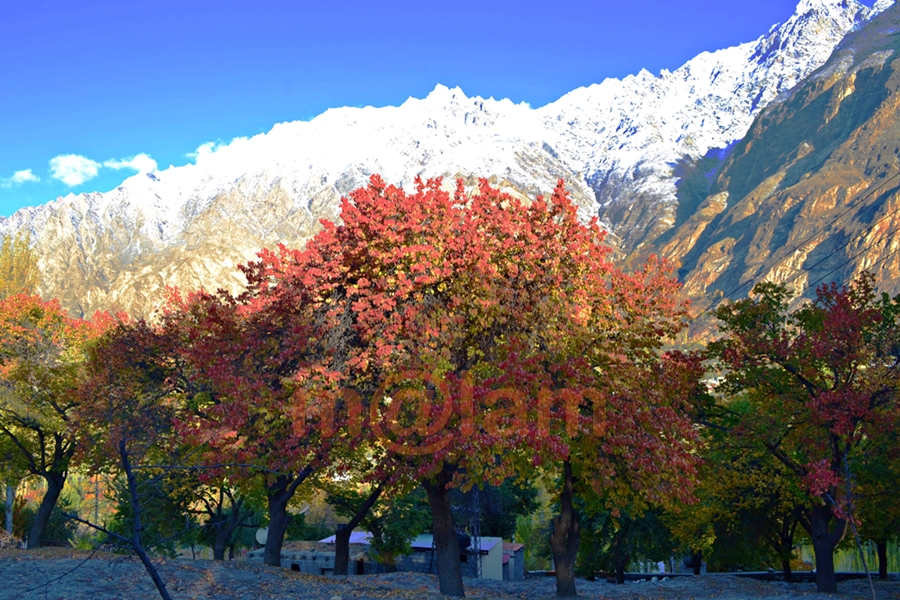
Experience the magic of autumn in Gilgit-Baltistan, when the valleys transform into a breathtaking palette of golden, red, and amber foliage. Discover Hunza, Nagar, Ghizer, and surrounding landscapes at their most spectacular, framed by snow-capped peaks and crisp mountain air.

Autumn in Gilgit-Baltistan Read Post »

The Hunza Valley

The Hunza Valley

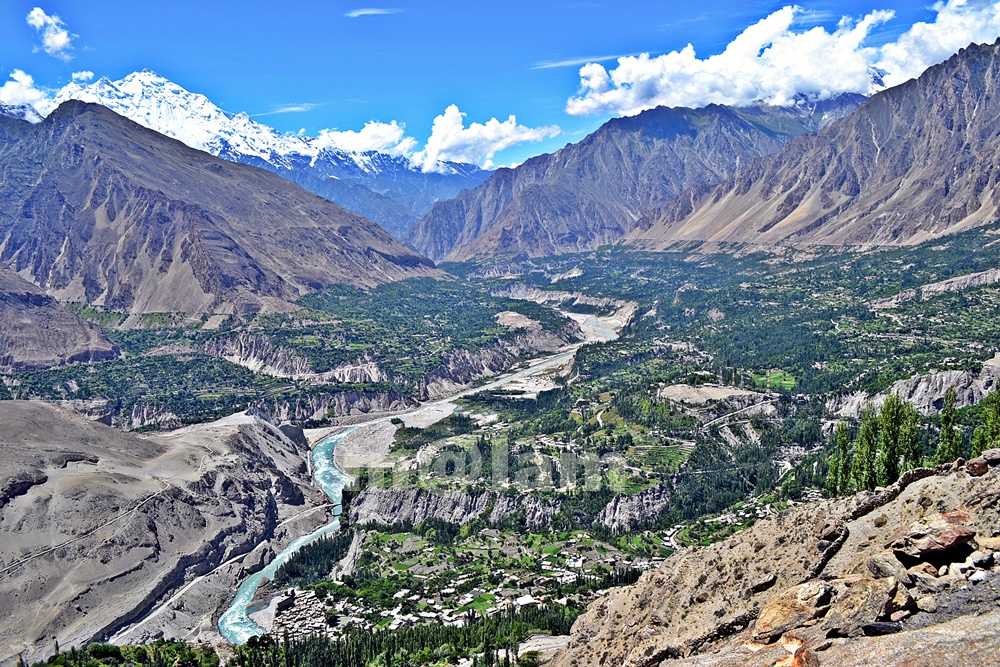
Discover the enchanting Hunza Valley, a breathtaking destination surrounded by towering peaks, ancient forts, turquoise lakes, and picturesque villages. Explore its rich culture, stunning landscapes, and timeless mountain charm, making Hunza one of Pakistan’s most captivating travel destinations.

The Hunza Valley Read Post »

Biddulph House & Library Gilgit

Biddulph House & Library

Exploring the Rich Heritage of Gilgit: The Fascinating Biddulph House & Library Gilgit, a mesmerizing region in Pakistan’s Gilgit-Baltistan, boasts a historical landmark that narrates a captivating tale of cultural exchange and architectural marvel. Meet the renowned Biddulph House & Library, named after the esteemed British officer, Colonel Sir Neville Biddulph, who served in this very region during the late 19th century. Unveiling Biddulph House: A Fusion of British and Local Design Biddulph House, a true architectural gem, showcases a captivating blend of British and local design influences. Constructed in the late 19th century, this splendid abode served as the residence of Colonel Biddulph during his tenure in the region. The house’s distinctive Victorian-style architecture leaves visitors in awe, featuring intricate woodwork, spacious rooms, and a lush garden enveloping the property. The Enchanting Biddulph Library: A Treasure Trove of Knowledge Adjacent to the grand Biddulph House stands the equally impressive Biddulph Library, a beacon of knowledge and history. Also established by Colonel Biddulph, the library houses an impressive collection of books, manuscripts, and historical documents. The breadth of subjects covered is vast, encompassing local history, culture, literature, and more. As a result, the Biddulph Library serves as a key spot for researchers, scholars, and enthusiasts eager to explore the rich heritage of Gilgit-Baltistan. From the Past to the Present: An Evolving Cultural Hub Over the years, the Biddulph House & Library has transformed into a cultural hub of immense importance. Initially, the library underwent a transition and became the Municipal Library in the 1970s. Recently, it underwent a remarkable renovation, courtesy of the GB Government and the Aga Khan Trust for Culture Pakistan. Today, it proudly stands as the Exhibition and Research Center, offering a delightful experience to all its visitors. A Glimpse into the Colonial-era Architecture The Exhibition and Research Center invites guests to take a step back in time, offering glimpses of colonial-era architecture. Through an extensive collection of photographs, visitors can immerse themselves in the region’s rich history. The images capture historical buildings, places, and celebrated personalities from various fields. The center serves as a captivating time machine, attracting both tourists and locals alike, providing a serene and intellectually stimulating environment. A Testament to Cultural Exchange and Historical Significance Today, the Biddulph House & Library stands tall, symbolizing the region’s historical significance and the remarkable cultural exchange between the British and the local communities. Its grand presence serves as a poignant reminder of the past while encouraging an exploration of the unique heritage of Gilgit and its surrounding areas. For history enthusiasts, culture aficionados, and architecture admirers, the Biddulph House & Library is an absolute must-visit destination. Immerse yourself in the captivating blend of British and local design, delve into the treasure trove of knowledge at the Biddulph Library, and relish the sights of colonial-era architecture at the Exhibition and Research Center. The experience promises to be truly enriching and memorable, leaving you with a profound appreciation for the heritage of Gilgit and its enduring cultural legacy.

Biddulph House & Library Read Post »

British-Cemetery-Gilgit

British Cemetery Gilgit

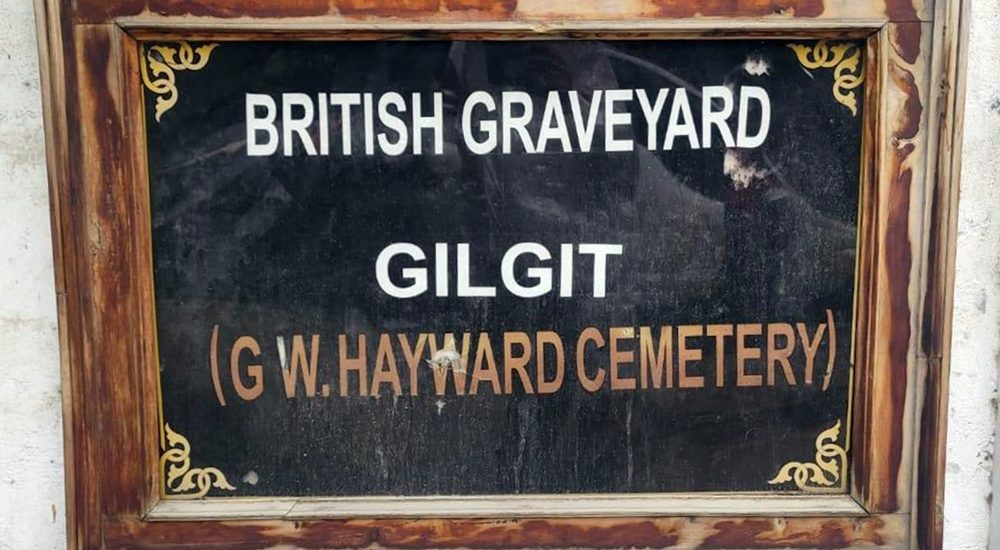
British Cemetery in Gilgit: A Testament to Colonial Legacy Nestled in the breathtaking landscapes of Gilgit, the capital of Gilgit-Baltistan, the British Cemetery, also known as G.W. Hayward Cemetery, stands as a poignant reminder of the region’s colonial past. This serene burial ground not only reflects the legacy of the British Raj’s presence in the Gilgit Agency during the 19th and 20th centuries but also offers visitors a glimpse into the historical and cultural tapestry of the era. Commemorating George W. Hayward The British Cemetery was initially named “Hayward’s Garden” in honor of George W. Hayward, a distinguished British explorer. On July 18, 1870, Hayward became the cemetery’s first internee after being tragically assassinated near Darkot Pass in Ghizer. The Royal Geographical Society of London established his burial site, marked with an inscription commemorating his gallantry and achievements. Hayward’s legacy as an intrepid traveler exploring the Pamir grasslands is immortalized here. Architectural Highlights Encircled by a robust stone wall and featuring ornate wrought iron gates, the British Cemetery Gilgit showcases the architectural finesse of the Victorian era. The grave markers, crafted predominantly from stone, are adorned with delicate engravings and intricate designs, making them artistic marvels in their own right. A Historical Landmark Along the Silk Road Situated along the historic Silk Road, Gilgit was a pivotal hub for trade and administration during the British colonial era. The cemetery was established as a final resting place for British officials, soldiers, travelers, and locals who collaborated with the British in various capacities. Each grave tells a story of courage, exploration, and the intertwined destinies of British and local communities. Notable Figures Buried in the Cemetery The cemetery is home to at least 18 graves of notable individuals who played significant roles during the British era, including: Captain G.W. Hayward: The cemetery’s first occupant, renowned for his exploration of Central Asia. Major William Brown: A prominent figure in the development of the Gilgit Agency. Arthur Francis Bruce: The political agent of Gilgit from 1906 to 1908. Henry Gordon Bell: Political agent of Gilgit, interred on July 25, 1912. Harold S. Eldred: Of the Sikh Pioneers Kashmir Infantry, who tragically drowned in the Indus River in 1929. Additionally, the cemetery contains the graves of travelers and mountaineers, including: Members of the 1959 Batura Muztagh Expedition: Dr. Keith Warburton, Harry G. Stephenson, Richard S. Knight, Martin Guennel, and Albert Hirschbichler. Major Jimmy Mills: Who perished during the Pakistan-British Army Karakoram Expedition. Preserving History and Promoting Tourism The British Cemetery in Gilgit is a treasure trove for history enthusiasts and researchers eager to explore the colonial legacy of the region. Its unique architectural style, coupled with the significant individuals interred within its grounds, makes it a compelling destination for cultural tourism. Efforts to conserve and restore the cemetery have been spearheaded by local authorities and heritage organizations. Restoration work focuses on maintaining the structural integrity of grave markers, repairing damaged monuments, and ensuring the cemetery remains a tranquil space for reflection. Visitor Information Open to the public, the British Cemetery offers visitors a chance to delve into the past while paying their respects to those laid to rest. While guided tours are not officially available, local experts often provide valuable historical insights upon request. Visitors are welcome to take photographs but are reminded to respect the solemnity of the site. A Journey Through Time Visiting the British Cemetery in Gilgit is more than a historical excursion; it is an opportunity to honor the individuals who shaped the region’s history and appreciate the cultural exchange between the British and local communities. As restoration efforts continue, this historic site stands as a cherished monument, attracting travelers and history aficionados from around the globe. Nearby Attractions: Konodas Suspension Bridge Biddulph House & Library Karga Buddha Hanzel Stupa Agortham Boulder Uprising Memorial Gilgit Konodas Rock Carvings Danyore Suspension Bridge Danyore Rock Inscription Chinese Graveyard Danyore The Victory Monument of Taj Mughal

British Cemetery Gilgit Read Post »

Scroll to Top