Author name: admin

Phander Valley
Gilgit-Baltistan

Phander Valley

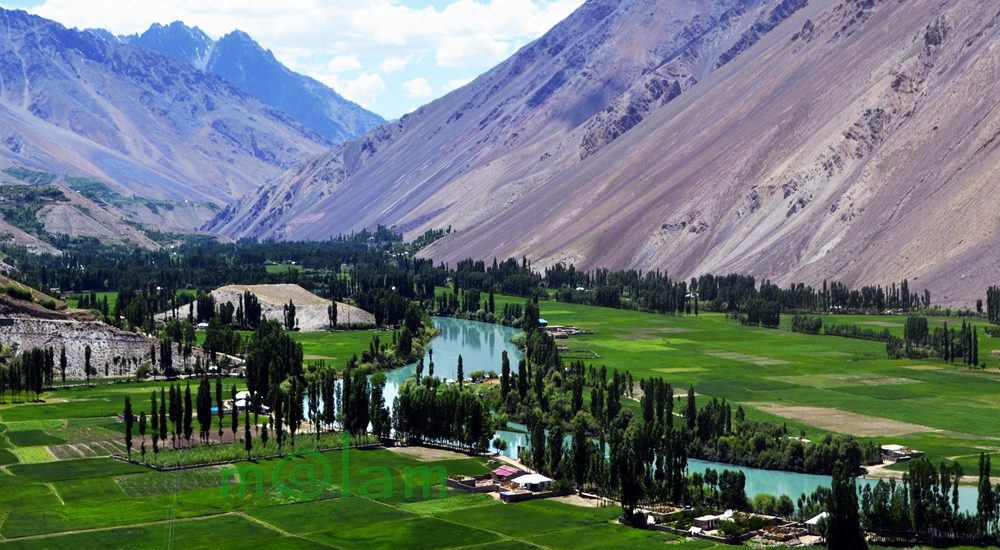
Unveiling the Enchanting Beauty of Phander Valley: A Nature Lover’s Paradise Nestled in the heart of the Ghizer District of Gilgit-Baltistan in Pakistan lies the breathtaking Phander Valley. This hidden gem is renowned for its unrivaled grandeur and sheer natural beauty. What truly sets this valley apart is, in fact, its remarkable display of diverse colors, changing with the seasons. Moreover, the tranquil deep blue rivulet gracefully meandering through the valley’s center adds to the enchantment, creating a scene straight out of a dream. Exploring Phander’s Geography Phander finds its home in the Gupis Valley of Ghizer district, within the mesmerizing Gilgit-Baltistan region. Ghizer district shares its borders with Gilgit District to the east, Hunza-Nagar to the northeast, Diamer to the south, and Chitral district of Khyber Pakhtunkhwa to the west. A Journey Through Nature’s Masterpiece As you embark on a journey through the Ghizer District towards the Shandur Pass, you’ll be greeted by a series of tiny valleys nestled along the Gilgit River. The landscape here is undoubtedly a testament to nature’s creativity, stretching from Gilgit to Lunger near Shandur. Each stretch leading up to Lunger boasts traditional houses surrounded by lush gardens, bountiful fruit orchards, and meticulously terraced fields. Attractions Along the Way The road to Phander Valley is adorned with numerous attractions that promise an enjoyable journey without the slightest hint of fatigue. As your eyes feast on the vibrant green fields, enchanting fruit orchards and gardens, pristine lakes like Khalti Lake and Phander Lake, and the sky-blue river flowing gracefully between valleys connected by suspension bridges, you’ll find yourself immersed in a unique and awe-inspiring experience. Likewise, the clear glacial waters and natural springs that dot the landscape further add to the visual delight. A Mosaic of Cultures Beyond its diverse landscape, Ghizer District boasts a rich tapestry of cultures that make it even more enticing. The residents here speak a multitude of languages, including Shina, Khuwar, Burushaski, and Wakhi, depending on the region. These diverse cultures coexist harmoniously, and the warm and welcoming locals lead simple lives, sustaining themselves primarily through agriculture. The Pinnacle of Scenic Beauty While the entire district is a visual treat, the Phander Valley stands out as a heavenly masterpiece. This bowl-shaped valley is formed by a natural barricade at its eastern end, where the PTDC Motel overlooks the breathtaking Phander Lake. Additionally, a government rest house perched on a ridge offers panoramic views of both the valley and the lake. A Nature Lover’s Paradise Phander Valley boasts a natural setting that is truly one-of-a-kind. Lush plains cover the valley’s base, separated by the calm, deep blue waters gently flowing downstream. These waters further teem with trout, a regional delicacy that every tourist should savor. Easy Access to Paradise Phander is conveniently located approximately 173 kilometers west of Gilgit town, making it easily accessible. The journey typically takes around five hours, depending on the pace. The Gilgit-Chitral road is undergoing reconstruction currently. Upon completion, the journey will be reduced to about 3 hours. For those traveling via Chitral, Phander can also be reached via the scenic Shandur Pass. Phander Valley is a testament to the splendor of nature, offering a harmonious blend of diverse landscapes, rich cultures, and serene beauty. Whether you’re an adventure seeker or a nature enthusiast, this enchanting valley promises an unforgettable experience that will leave you in awe of the natural world’s wonders.
Pir Chinasi
Kashmir

Pir Chinasi

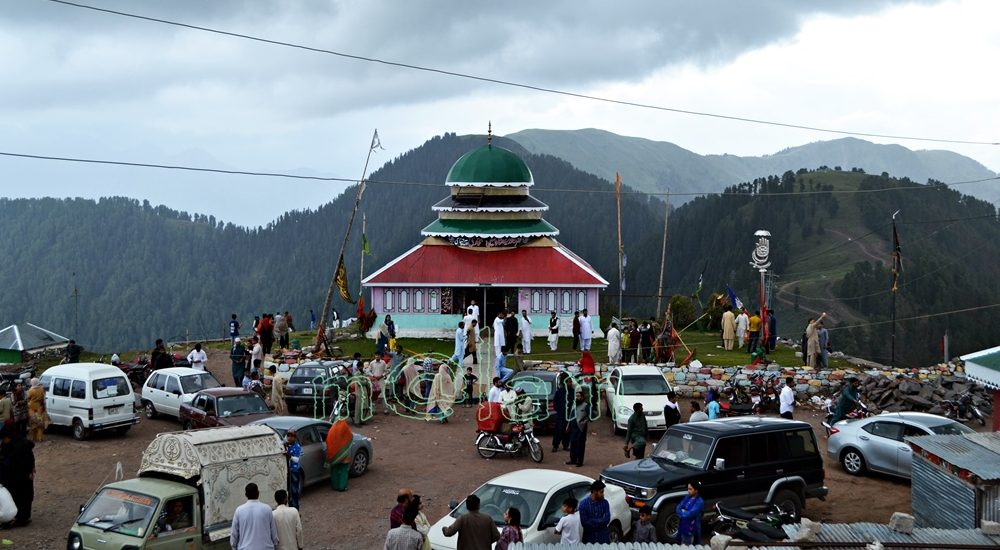
Explore the Magic of Pir Chinasi: A Hidden Gem in Azad Jammu & Kashmir Pir Chinasi is a renowned hill station nestled in the heart of the Muzaffarabad district. It serves as a captivating jewel in the crown of Azad Jammu & Kashmir, Pakistan. It is named after the revered saint Pir Syed Hussain Shah Bukhari, whose shrine, or Ziyarat, graces the hill’s summit. Pir Chinasi undoubtedly offers a mesmerizing vista of snow-clad mountain peaks and the enchanting city of Muzaffarabad, surrounded by picturesque rural valleys. This hidden gem beckons both local and international tourists, attracting thousands with its undeniable charm. Easy Access to Paradise Perched at an impressive elevation of 2,900 meters (9,500 feet) above sea level, Pir Chinasi is accessible via a thrilling 30-kilometer serpentine road originating from Muzaffarabad. This well-paved route, aptly named Pir Chinasi Road, usually remains open, except during adverse weather conditions or landslides. The journey from Muzaffarabad typically takes about an hour and a half. It offers travelers a captivating ascent replete with over 30 hairpin turns and photogenic viewpoints. The experience culminates in a unique opportunity to witness a breathtaking sunset from the hill’s summit. For travelers venturing from Rawalpindi and Islamabad, Pir Chinasi presents an enticing day trip option with careful planning. Covering the 130-kilometer distance from Islamabad to Muzaffarabad can be achieved in approximately 3 to 4 hours, followed by an additional hour and a half to reach the hilltop. With efficient time management, it’s possible to make the journey from Islamabad to Pir Chinasi in just 5 hours, affording ample time for exploration and enjoyment. Culinary and Accommodation Considerations While timely and hygienic dining options at the hill’s summit may not be guaranteed, finding comfortable overnight accommodations can be challenging due to the limited availability of lodging facilities unless prior arrangements are made. For those contemplating an overnight stay, it is advisable to carry personal camping equipment, including tents, mattresses, and sleeping bags. A World of Activities Awaits Upon reaching the summit, visitors are enveloped in an atmosphere of exhilaration and tranquility, simultaneously. Additionally, the panoramic view from this sky-high location offers a 360-degree spectacle of the majestic mountains, nestled at the foothills of the Himalayas, and the winding valleys cradling Muzaffarabad city. During the summer months, Pir Chinasi dons a lush green coat, adorned with pine and oak trees, creating a breathtaking backdrop against the pleasant weather. In contrast, winter transforms the hilltop into a glistening wonderland, with a pristine white blanket of snow, showcasing the awe-inspiring wonders of nature. Travelers can partake in various activities while at this hill station: 1. Trekking: For enthusiasts willing to explore trekking trails, it’s essential to have prior knowledge of the routes. A recommended trek leads to Pir Asmar, a four-hour journey through captivating terrain. 2. Camping: Travelers planning an overnight stay should carry essential camping gear, including tents, mats, and sleeping bags, and make suitable food arrangements. 3. Paragliding: Pir Chinasi boasts several ideal spots for experienced gliders to take off and experience the thrill of paragliding. 4. Photography: With its ever-changing natural hues across the four distinct seasons, Pir Chinasi is a photographer’s paradise, offering an array of captivating shots. Essentials to Pack Before embarking on your Pir Chinasi adventure, ensure you have the following items: Computerized National Identification Card (CNIC) Altitude sickness medicine Sunburn cream and sunglasses Umbrella/raincoat Sturdy shoes and warm clothing for winter visits Water bottle Snacks and refreshments Camera or cell phone to capture the memories A Glimpse of the Climate Summers at Pir Chinasi are characterized by cool and pleasant weather, making it an ideal time to visit. However, winters, particularly from December to January, can be harsh. During winters, temperatures drop to as low as -5°C, creating a winter wonderland. Choosing the Right Transportation Various types of vehicles, including public transport vans, can make it from Muzaffarabad to Pir Chinasi. However, it is highly recommended to opt for a 4WD vehicle for a more comfortable and adventurous journey. Important Travel Considerations It’s crucial to note that due to ongoing geopolitical issues, travelers should check the State Department and CDC websites for the latest travel advisories. Foreigners are generally not allowed to travel to Muzaffarabad without a valid No Objection Certificate (NOC) from the Ministry of Interior in Islamabad. Pir Chinasi stands as a hidden gem in Azad Jammu & Kashmir, offering a captivating blend of natural beauty, adventure, and tranquility. Whether you’re seeking a thrilling day trip or an overnight escapade, Pir Chinasi promises an unforgettable experience amidst nature’s splendor. Plan your journey carefully, pack your essentials, and embark on an adventure to this enchanting hill station that is sure to leave you spellbound.

A journey through history of Pakistan
Blogs

A Journey through the history of Pakistan

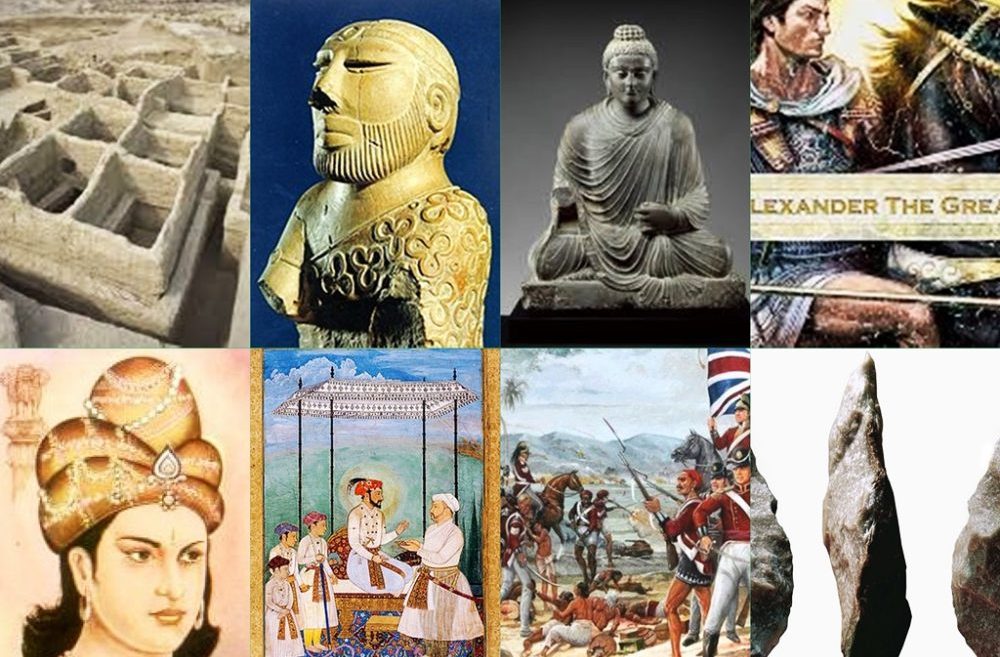
Exploring the Ancient History of Pakistan Unearthing the Rich Past of Pakistan Modern-day Pakistan stands as a testament to the vast and captivating tapestry of history woven into its soil. A Journey through the history of Pakistan is a journey through the ages, tracing the footsteps of ancient civilizations that once thrived on this land. These ancient echoes have shaped Pakistan into a repository of historical treasures that beckon explorers and historians alike. Let’s delve into this rich heritage through the annals of time. Soanian Culture: Tracing the Origins In the depths of Pakistan’s history, we find the Soanian Culture, harking back to the lower Paleolithic era. The relics of this era, including edged pebble tools discovered near the twin cities of Rawalpindi and Islamabad along the Soan River, offer a glimpse into human habitation in this region some 50,000 years ago. The Soanian Culture derives its name from the Soan Valley, where Stone Age relics like tools and pottery endure as a testament to this ancient era. Regrettably, the once pristine Soan River has now deteriorated into a polluted waterway. Mehrgarh: Cradle of Neolithic Civilization Mehrgarh, nestled in the Balochistan province, emerges as one of the most significant Neolithic sites in Pakistan. Dating back 9,000 years, this settlement sprawls across 200 hectares on the Kachhi plain near the Bolan Pass. Unearthed in 1974 by the French archaeologist Jean-François Jarrige, Mehrgarh provides a window into life during the Pre-Harappan phase, from 7000 B.C.E. to 5500 B.C.E. Inhabitants of early Mehrgarh constructed mud brick houses, stored grain in granaries, fashioned tools from local copper ore, and waterproofed their containers with bitumen. This society thrived until around 2600 BCE when arid conditions compelled migration, paving the way for the Indus Valley Civilization. Indus Valley Civilization: A Technological Marvel The Indus Valley Civilization, also known as the Harappan Civilization, graced the Indus River Valley from 3300 to 1800 BCE. Harappa in Punjab and Moenjodaro in Sindh are two of its renowned cities, excavated in 1921 and 1922, respectively. This civilization unfolds in three phases: the Early Harappans (3300-2600 BCE), the Mature Harappans (2600-1900 BCE), and the Late Harappans (1900-1300 BCE). The Indus Valley people displayed remarkable technological prowess. Their precision in toolmaking, standardized moisture-resistant fire-backed bricks, and advanced sewage systems underscore an advanced society that thrived while much of the world lagged behind. Climate change, disrupting the river system, eventually led to their decline around 1800 BCE. Gandhara: Cradle of Buddhism The ancient kingdom of Gandhara encompassed Northwest Pakistan, the Potohar plateau, and parts of Afghanistan. It served as the cradle of Gandhara civilization and Buddhism, which flourished here for over a millennium. The region’s archaeological sites, notably in Taxila and Swat, along with rock carvings along the Karakoram Highway, bear witness to Gandhara’s cultural and religious significance. The kingdom endured from the 6th century BC to 1021 AD when it succumbed to Mahmud of Ghazni’s conquest. Alexander the Great’s Indelible Mark In 326 BC, Alexander the Great, renowned as Sikandar-e-Azam in Urdu, ventured into Punjab through Swat. He formed an alliance with Ombhi, the ruler of Taxila, to challenge King Porus. During his time in Pakistan, Alexander engaged with local scholars and explored the region extensively. His legacy lives on in Pakistan, where relics like ancient coins commemorating his conquests and the Jandial Temple in Taxila continue to tell his story. The Maurya Empire: A Reign of Kings Following Alexander’s departure, Chandragupta Maurya rose to power, founding the Mauryan dynasty. He expanded his realm, stretching from eastern Iran to the Burmese hills, including the subcontinent. His son, Bindusara, continued this expansion, and the empire reached its zenith under Ashoka, one of history’s greatest rulers. Ashoka’s legacy includes constructing grand stupas, such as the Dharmarajika stupa in Taxila and the Butkara stupa in Swat. The Mauryan Empire began to wane after Ashoka’s reign, ultimately vanishing after his assassination. The Mughal Empire: Art and Architecture Flourish Babar, the first Mughal ruler, laid the foundation of the Mughal Empire in the subcontinent in 1526. The reign of the six Great Mughal Emperors from 1526 to 1707 left an indelible mark on architecture. Monuments like the Badshahi Mosque, the Shalimar Gardens, and the Lahore Fort showcases intricate stone carvings, glazed tile decorations, and precious stones set in marble. The Mughals’ architectural legacy extends to the Makli Tombs in Thatta, a testament to their artistic grandeur. The Sikh Empire: Rise and Fall From 1799 to 1849, the Sikh Empire dominated parts of South Asia. Under Maharaja Ranjit Singh’s rule, it expanded its territory from Gilgit and Tibet in the north to Sindh in the south, and from the Khyber Pass in the west to the Sutlej in the east. However, this empire eventually succumbed to British rule in the Second Anglo-Sikh War. This chapter in South Asian history is both captivating and enlightening, revealing a dynamic empire’s evolution and eventual decline. The British Raj: Legacy of Monuments The British East India Company’s rule from 1858 to 1947 left an indelible legacy on the subcontinent. While their presence was marked by the division of the region into Pakistan and India, they also contributed to its administration, infrastructure, and institutions. Remarkable monuments like Aitchison College Lahore, the Clock Tower in Peshawar, and Frere Hall Tower in Karachi bear witness to their architectural influence. A Journey through the History of Pakistan is a vibrant tapestry woven with the threads of ancient cultures, mighty empires, and enduring legacies. Exploring this rich past is not only a journey through time but also a deep dive into the fascinating history of this diverse and culturally rich nation. codecanyon

Daman-e-Koh
Islamabad

Daman-e-Koh

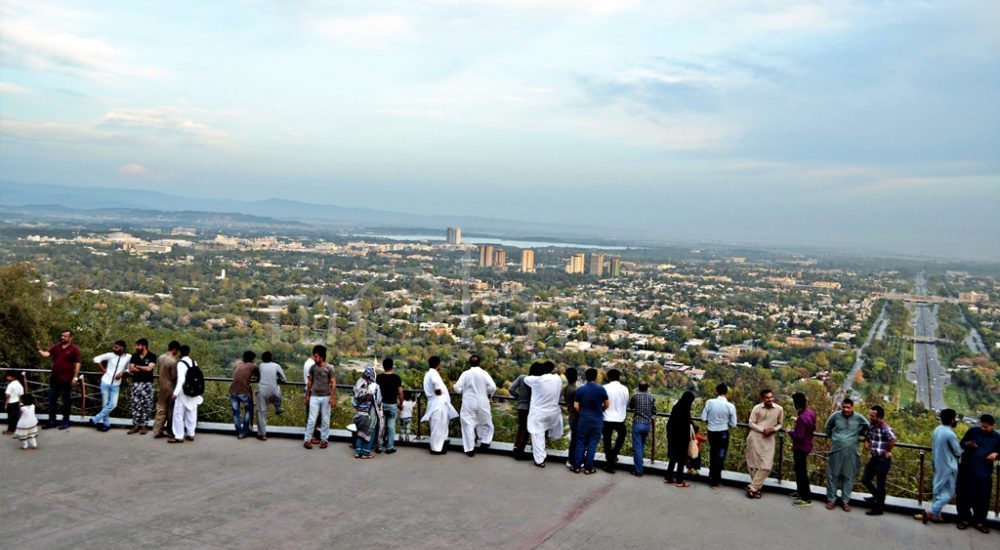
Daman-e-Koh: A Captivating Viewpoint in the Margalla Hills Daman-e-Koh is a prominent viewpoint located north of Islamabad, the capital city of Pakistan. With its mesmerizing beauty and cool climate, Daman-e-Koh has undoubtedly become a must-visit destination for tourists and locals alike. This remarkable tourist attraction and viewpoint is nestled amidst the Margalla Hills in Islamabad, Pakistan. Generally, the name “Daman-e-Koh” is derived from two Persian words, “Daman” and “Koh,” meaning “Lap of the Mountain.” This picturesque location offers a serene escape from the bustling city. With its markedly fair altitude, it serves as a stunning vantage point to behold the natural wonders and urban landscape of Islamabad. Historical Significance Situated at an elevation of 2,400 feet above sea level and approximately 500 feet above Islamabad, Daman-e-Koh offers a captivating experience for visitors of all ages. In fact, Daman-e-Koh holds a significant place in the history of Islamabad. It was established in the early 1980s and later underwent extensive development in 2007 under the visionary leadership of Kamran Lashari. This transformation turned Daman-e-Koh into a major tourist hotspot, equipped with modern amenities and facilities. The Northern Viewpoint: A Visitor’s Delight As you arrive at Daman-e-Koh, the northern viewpoint welcomes you with open arms. The spacious parking lot ensures a convenient experience for visitors. Take a moment to relax on the private benches and tables, situated on the carpeted grass under the soothing shades of green trees. Adjacent to the parking lot, this spot offers a myriad of amenities to cater to your needs. Enjoy a stroll through the tuck shops and café, where you can savor delicious treats and refreshments. To enhance accessibility, electric-powered cars are available to shuttle visitors to the northern viewpoint. This service ensures a comfortable and convenient journey, especially for those who prefer not to walk the entire distance. Immerse yourself in the vibrant atmosphere as Daman-e-Koh is always bustling with enthusiastic tourists. The Southern Viewpoint: A Panoramic Experience For a breathtaking panoramic view of Islamabad, walk up to the southern viewpoint at a higher elevation. As soon as you gaze upon the landscape, a feast for the eyes unfolds before you. The Seventh Avenue, Faisal Mosque, the Centaurus Towers, Blue Area, Shakar Parian Hills, Rawal Lake, and the city of Rawalpindi reveal their splendor on a clear day. Telescopes are thoughtfully installed for avid observers to delve deeper into the intricate details of the surrounding landmarks. Wildlife and Natural Wonders The Margalla Hills is not only a delight for the eyes but also a haven for wildlife enthusiasts. While traversing the hills by car or exploring the various hiking trails, keep an eye out for the diverse range of bird species that call this region home. Their melodious tunes and vibrant plumage certainly add an enchanting element to your visit. In addition to the avian wonders, the Margalla Hills are inhabited by playful monkeys, adding a touch of liveliness to the natural environment. If you’re lucky enough to visit during the winter season when heavy snowfall blankets the hills, you might even catch a glimpse of the elusive Cheetah roaming gracefully amidst the snow-covered landscape. Adventurous Access to Daman-e-Koh Embarking on the road to Daman-e-Koh and Pir Sohawa is an adventure in itself. Every turn offers a panoramic view of the city and its surroundings, leaving you in awe of nature’s beauty. Located a mere 5 kilometers from the Zoo, Daman-e-Koh is easily accessible within 15 to 20 minutes by car. The journey is undoubtedly scenic, and the anticipation builds with each passing moment. Hiking Trails: Connecting with Nature For those seeking a more immersive experience, Daman-e-Koh and Pir Sohawa can be reached through various hiking trails. For the convenience of visitors, these trails are numbered from Trail 1 to Trail 6, each offering a unique perspective on the natural wonders of the Margalla Hills. Trail 2, starting from the Zoo, is a popular choice, as it leads directly to Daman-e-Koh within approximately 40 minutes. Let’s lace up your hiking boots, breathe in the fresh mountain air, and let the trails guide you to new adventures. Safety Guidelines for Visitors To ensure a safe and enjoyable visit to Daman-e-Koh, it is crucial to adhere to certain safety guidelines: Avoid walking through the hills alone. Refrain from entering the hills very early or when it is dark. Making fires in the jungle is strictly prohibited. Always stay on the designated trails to avoid getting lost. Respect the wildlife and never attempt to disturb or provoke them. Dress appropriately for the weather conditions to ensure comfort and safety. Most importantly, refrain from littering in the hills to preserve the natural beauty for generations to come. Dress Code and Proper Etiquette When visiting Daman-e-Koh, it is essential to dress modestly and respect local customs. Comfortable clothing, sturdy footwear, and appropriate headgear, such as a hat or cap, are recommended. Keep in mind that Daman-e-Koh is a family-friendly destination, so maintaining proper decorum and respecting the tranquility of the surroundings is greatly appreciated. Preserving the Beauty: Litter-Free Environment As responsible visitors, it is certainly our collective duty to keep Daman-e-Koh pristine and litter-free. Take advantage of the trash bins provided and ensure that all waste is disposed of properly. Let’s join hands in preserving the natural wonders of this enchanting location, allowing future generations to revel in its beauty. Undoubtedly, Daman-e-Koh stands as a testament to the natural wonders that Pakistan has to offer. Nestled in the Margalla Hills, this captivating tourist attraction and viewpoint enthralls visitors with its panoramic vistas, tranquil ambiance, and rich biodiversity.

Faisal Mosque Islamabad
Islamabad, Mosques

Faisal Mosque Islamabad

Faisal Mosque: A Fusion of Tradition and Modernity A Landmark of Global and National Significance Nestled at the foothills of the Margalla Hills in Islamabad, the Faisal Mosque is an awe-inspiring symbol of Pakistan’s Islamic heritage. As the 6th largest mosque in the world, it commands a distinctive place in the Islamic world, blending ultramodern and traditional architectural styles. Positioned on an elevated plateau, its grandeur can be admired from miles away. Open to visitors of all faiths, the mosque is not only a key tourist attraction but also holds the esteemed title of Pakistan’s national mosque, reflecting its immense cultural and spiritual significance. From Concept to Creation The genesis of the Faisal Mosque traces back to King Faisal of Saudi Arabia’s visit to Pakistan in 1966. Inspired by the ambition to establish the world’s largest mosque, an international design competition was held in 1969, attracting 43 entries from 17 nations. Turkish architect Vedat Dalokay’s innovative design won the honor and later earned the prestigious Aga Khan Award for Architecture. Construction commenced in 1976 and was completed in 1988, taking 12 years to bring the vision to life. The project, funded by 130 million Saudi Riyals (approximately $120 million), was generously financed by King Faisal, in whose memory the mosque is named. For nearly two decades, it stood as the largest mosque in the world until surpassed by the mosques in Saudi Arabia. Architectural Splendor The Faisal Mosque is a departure from traditional mosque designs, taking inspiration from the simplicity of a desert Bedouin tent. Its striking triangular worship hall, crowned with eight-sided shell-shaped sloping roofs, breaks away from the customary domes and arches of Islamic architecture. Surrounding the central structure are four towering minarets, each standing at an impressive height of 260 feet (79 meters). The mosque’s interior is equally captivating. Renowned Pakistani artist Sadequain contributed exquisite mosaics and intricate calligraphy. Likewise, the Turkish-style chandelier suspended from the 40-meter-high ceiling serves as a dazzling focal point. The west wall’s mosaic pattern, featuring Kalimah in the early Kufic script, adds an element of artistic and spiritual significance. Capacity and Location Covering an expansive area of 5,000 square meters (54,000 square feet), the mosque accommodates 10,000 worshippers in its main prayer hall. The courtyard and surrounding grounds further expand its capacity, allowing over 200,000 people to gather during significant congregational prayers. Strategically situated at the northern end of Faisal Avenue, the mosque is surrounded by lush greenery and serene landscapes. Adjacent to the mosque lies the mausoleum of Pakistan’s former President Zia-ul-Haq, adding historical context to the site. The sprawling grounds, carpeted with verdant grass and blooming flowers, provide a tranquil retreat for visitors. Visitor Information and Etiquette The Faisal Mosque warmly welcomes visitors of all faiths to explore its magnificent premises. The courtyard offers stunning views of the picturesque Margalla Hills, providing a peaceful setting for reflection or photography. Visitors are kindly requested to observe certain etiquettes as a mark of respect. Shoes must be removed before entering the main hall, and conservative attire is appreciated. Women are encouraged to wear headscarves, while men are advised to avoid shorts. To preserve the mosque’s serene atmosphere, eating, loud noises, and disruptive activities are discouraged. A Symbol of Unity and Innovation The Faisal Mosque represents more than an architectural achievement; it is a testament to unity, inclusivity, and cultural pride. Its unique design, rooted in tradition yet embracing modernity, continues to captivate visitors from around the world. Whether admired for its artistry, spiritual significance, or serene ambiance, the Faisal Mosque leaves an indelible impression on all who experience its magnificence.

Blogs

National Symbols Of Pakistan

The national symbols of Pakistan are the trademarks that represent Pakistan. Each symbol signifies an interesting description of its attachment to the country. Below are the National Symbols of Pakistan with descriptions. National Flag White vertical bar with a major extension in dark green decked with a white crescent and a five-pointed star in the middle. The Flag symbolizes Pakistan’s profound commitment to Islam, the Islamic world, and the rights of religious minorities. National Anthem Approved in: August 1954 Verses Composed by: Abdul Asar Hafeez Jullundhri Tune Composed by: Ahmed G. Chagla Duration: 80 seconds National Motto Unity Faith Discipline National day 23rd March National Airline PIA Pakistan International Airline Corporation (PIAC) National Language Urdu Urdu is the major national language of Pakistan with 40 characters fulfilling the language needs. In the subcontinent and to some extent in Bangladesh and Nepal, people understand it. State Emblem The State Emblem consists of: 1. The crescent and star which are symbols of Islam 2. The shield in the center shows four major crops 3. The wreath surrounding the shield represents cultural heritage and 4. Scroll contains Quaid’s motto: Faith, Unity, Discipline National Poet Dr. Allama Muhammad Iqbal The great philosopher and the national poet of Pakistan He was born on: 9 November 1877 Died on: 21 April 1938   Mother of the nation Ms. Fatima Jinnah Mother of the Nation (mader-i-millat) Born on 30 July 1893 Died on 9 July 1967   National Bird Chakor (Red-legged partridge) National Animal Markhor National Mammal Indus Dolphin National Predator Leopard National flower Jasmine   National Fruit Mango National Tree Deodar National Sports Hockey National Drink Sugar cane juice National Vegetable Lady Finger National Mountain K-2 8,611m, Skardu, Gilgit-Baltistan National Dress Shalwar (trousers)-Qameez (long shirt) National Currency Pakistani Rupee The Pakistani currency is called the Rupee and comes in different dominations. The highest currency bill is 5000 paper currency and the lowest is 1 Rupee coin. In between are paper bills of 1000, 500, 100, 50, and 20. There are coins of 10, 5, and 2 besides of 1 rupee. National River Indus River National monument Pakistan Monument Pakistan Monument in Islamabad has been declared a National Monument. National Tower Minar-e-Pakistan Lahore National Mausoleum Mazar-e-Quaid The mausoleum of the father of the nation situated in Karachi city of Pakistan is also known as the National Mausoleum. It is the final resting place of Quaid-e-Azam Muhammad Ali Jinnah. The basement houses all the belongings of the father of the nation along with mausoleums of some of the heroes who played a leading role in the creation of Pakistan. National Mosque Faisal Mosque: The Faisal Mosque in Islamabad has been declared a national mosque. It is the largest mosque in the capital city, Islamabad, Pakistan.

Key Facts about Pakistan
Blogs

Key Facts About Pakistan

Exploring Pakistan: Unveiling Fascinating Facts and Features Pakistan, often referred to as the “Land of the Pure,” holds a unique place in South Asia’s heart. Established on the global stage on August 14, 1947, following the subcontinent’s partition, it has grown to become the 36th largest country, spanning 796,095 square kilometers (307,374 square miles), and the 6th most populous, with over 224 million residents representing diverse cultural and geographic backgrounds. The remarkable values of honor, pride, and a rich tapestry of cultural influences mark this nation. Indeed, Pakistan remains a hidden gem among tourist destinations worldwide, offering a multitude of experiences that are relatively unknown to many. Below are the lesser-known but fascinating key facts about Pakistan. Agriculture: Nurturing the Land 1. Canal-Based Irrigation: Pakistan boasts the world’s largest canal-based irrigation system – certainly a testament to its commitment to agriculture. 2. Changa Manga Forest: This vast, manmade forest spanning 12,423 acres was originally planted by British foresters in 1866, altogether making it a historical and ecological treasure. 3. Agricultural Land: Approximately 25% of Pakistan’s land is dedicated to agricultural cultivation, surpassing even the vast expanses of Russia. It’s the country’s commitment to agriculture that supports its livelihood, with 72% of the population engaged in farming. Archaeology: Unearthing the Past 4. Rich Archaeological Sites: Pakistan is home to numerous significant archaeological sites. The key sites include Mehr Garh, Moenjo Daro, Harappa, Taxila, and many more. Undoubtedly, these sites offer a glimpse into the region’s rich history and cultural heritage. Architecture: A Blend of Tradition and Innovation 5. Shah Faisal Mosque: The striking Shah Faisal Mosque, designed in the shape of an Arabian Bedouin tent, can accommodate over 100,000 worshippers. Due to its size, the mosque held the title of the world’s largest mosque from 1986 to 1993. 6. Shah Jahan Mosque: Located in Thatta, this unique mosque stands with no minarets. Surprisingly, its design ensures that the preacher’s voice reaches all corners without amplification. This feat indeed showcases architectural ingenuity. 7. Masjid e Tooba: The Gol Masjid in Karachi stands with a pillar-less design and towering dome. Undoubtedly, it has stood as an architectural marvel since its construction in 1969. Armed Forces: Strength and Valor 8. Military Prowess: Pakistan’s military ranks as the thirteenth most powerful globally and the seventh largest in terms of active military personnel. It also maintains the largest UN peacekeeping force among Muslim nations. 9. Air Force Excellence: Pakistan is renowned for its highly skilled air force pilots. Particularly, Air Commodore MM Alam achieved remarkable success during the Indo-Pakistani War of 1965, downing nine Indian aircraft in less than a minute. 10. Elite Intelligence: Pakistan’s intelligence corps is among the world’s best for its efficiency and effectiveness. 11. JF-17 Thunder: Pakistan takes pride in being a manufacturer and exporter of the world-class JF-17 Thunder fighter jet. Arts & Craft: Creative Expressions 12. Truck Art: Pakistan is famous for its vibrant truck art. It enormously features intricate floral patterns and poetic calligraphy in vivid colors. 13. Jewelry Production: The country is the largest producer of jewelry, with Pakistani artists crafting gold and silver pieces cherished globally. 14. Hollywood Connections: Sylvester Stallone’s movie “Rambo III” was filmed in Pakistan, obviously showcasing its diverse landscapes. 15. Handmade Carpets: Pakistani handmade carpets and rugs are renowned worldwide for their exquisite craftsmanship. Communication: A Mosaic of Languages 16. Multilingual Nation: Pakistan’s national language is Urdu, however, English serves as the official language. The country boasts over 60 different languages spoken across its regions. 17. Dominant Punjabi: Punjabi is the most widely spoken language, embraced by approximately 48% of the population. 18. Broadband Infrastructure: Pakistan boasts one of the world’s largest broadband internet systems, facilitating connectivity across the nation. Culture: A Rich Heritage 19. Ancient Civilization: Pakistan is the proud host of one of history’s oldest civilizations. Dating back to 6000 B.C., the Mehrgarh civilization, paved the way for the Indus Valley Civilization. 20. Shalwar Kameez: The traditional attire of shalwar kameez is beloved by approximately 70% of Pakistanis, reflecting their cultural identity. Economy: A Growing Power 21. Currency: The Pakistani Rupee (PKR) serves as the official currency, with various denominations from 1 to 5000 in coins and paper money. 22. Economic Potential: Pakistan has been recognized by the UN as one of the 11 countries with the potential to become the top global economy shortly. 23. Leather Exports: Pakistani leather exports are highly regarded for their quality, enjoying popularity worldwide. 24. GDP and Exports: Pakistan’s GDP reached $305 billion in 2018, with a nominal GDP per capita of $5,100. The nation is a significant producer and exporter of surgical instruments, cotton, and other goods. Education, Science & Technology: Striving for Excellence 25. Nuclear Power: Pakistan became the world’s first Islamic country to attain nuclear power in 1998. 26. Scientific Prowess: The country boasts the world’s seventh-largest community of scientists and engineers, contributing to advancements in various fields. 27. Missile Technology: Pakistan’s missile technology ranks among the best globally. 28. Young Achievers: The world’s youngest Microsoft Expert, Arfa Karim, and the youngest civil judge, Muhammad Ilyas, hail from Pakistan. 29. Nobel Laureates: Pakistan proudly celebrates two Nobel Prize winners: Dr. Abdus Salam for Physics in 1979 and later Malala Yousafzai for Peace in 2014. 30. Higher Education: The nation’s 188 higher education institutions produce a substantial number of university and computer science graduates annually, contributing to global knowledge. Energy: Powering Progress 31. Energy Sources: Over 68% of Pakistan’s energy is generated from fossil fuels, sustaining its development. Food & Drinks: A Culinary Journey 32. Culinary Delights: Pakistan offers a rich diversity of meals, with breakfast featuring milk tea, bread/paratha, eggs, and butter. Lunch and dinner include a variety of flavorful dishes. 33. National Drink: Sugarcane juice, known as “roh,” holds the distinction of being Pakistan’s national drink. 34. Halal Meat: Halal red meat is readily available in Pakistan, adhering to Islamic dietary guidelines. Flora & Fauna: Natural Treasures 35. National Symbols: The Markhor is the national animal, Chukar partridge is the

Key Facts about Pakistan
Blogs

Pakistan

Exploring Pakistan: A Treasure Trove of Diverse Experiences Pakistan stands as an exceptional and blessed nation, graced with some of Asia’s most breathtaking landscapes. Its geography is as varied as its rich cultures, and its people are known for their warm hospitality. In the realm of discovering the roots of modern-day humanity, few places on Earth rival Pakistan. Unraveling the Tapestry of History The land that now comprises Pakistan has been a cradle of ancient civilizations and a melting pot of cultures and dynasties for centuries. From the ancient Neolithic Mehergarh civilization, dating back 9000 years, to the illustrious 5000-year-old bronze age Indus Valley Civilization, the 3000-year-old Buddhist Gandhara Civilization, the opulent Mughal Era of the 16th century, the brief Sikh rule, to over two centuries of British occupation, leading to independence in 1947, Pakistan’s history is a tapestry of unparalleled events, unlike any other sovereign state. A Glimpse of Pakistan’s Geography Officially, the country is known as the Islamic Republic of Pakistan. Most importantly, Pakistan ranks as the 6th most populous nation in South Asia. Altogether, the country houses over 224 million people from diverse cultural and ethnic backgrounds. Encompassing 881,913 square kilometers (340,509 square miles), Pakistan boasts four provinces – Sindh, Baluchistan, Punjab, and Khyber Pakhtunkhwa – and three territories – Islamabad, Kashmir, and Gilgit-Baltistan. The carefully planned capital city, Islamabad, lies at the heart of this diverse nation. Pakistan’s strategic location at the crossroads of Asia divides it into three major geographic regions: the northern highlands, the Indus River plains, and the Balochistan Plateau. Bordered by the Arabian Sea’s 1046-kilometer coastline in the south, India to the east, China to the northeast, Afghanistan to the northwest, and Iran to the southeast, Pakistan’s diverse landscape includes glaciated mountain ranges in the north (Gilgit-Baltistan), fertile alluvial plains, expansive deserts, lush forests, plateaus, jungles, diverse flora and fauna, meandering rivers, and pristine lakes. A Bounty of Tourist Attractions Pakistan is a treasure trove of tourist attractions, each region offering a unique experience. Northern Adventures The northern mountainous regions encompass parts of KPK (Chitral, Swat, and the Kaghan Valley), Azad  Kashmir, and all of Gilgit-Baltistan. Altogether, the region forms the westernmost edge of the magnificent Himalayas. This area is a haven for adventure enthusiasts offering opportunities for trekking and mountaineering. Moreover, climbing, white-water rafting, mountain and desert jeep safaris, and paragliding are other activities adventurers can take up. Gilgit-Baltistan is proud to host the world’s highest mountains and longest glaciers outside the polar regions. The region undoubtedly makes it a magnet for adventurers. This region also marks the convergence of three mighty mountain ranges – the Karakoram, the Hindukush, and the Himalaya – along with the Pamir mountain range. It was once a vital trade route of the ancient Silk Route. Now, it is embodied by the Karakoram Highway, connecting Pakistan and China at Khunjerab Pass. This highway is adorned with over 100,000 petroglyphs and rock carvings, testifying to its rich Buddhist history. The region’s towering mountains, quaint valleys, terraced fields, ancient forts showcasing architectural marvels, and a history spanning centuries beckon travelers. Central Treasures Pakistan’s central regions feature dense forests, vast deserts, and fertile lands steeped in history and culture, boasting unique landmarks. In fact, ancient sites like Moenjo-Daro & Harappa of the Indus Valley Civilization, Taxila & Takht-i-Bahi of the Gandhara Civilization, and architectural gems from the Islamic era, Mughal Empire, Sikh rule, and the British era, found in cities like Lahore, Multan, Bahawalpur, Karachi, and Peshawar, enthrall domestic and international visitors alike. Southern Charms The southern regions, Sindh and Baluchistan, boast archaeological sites, religious landmarks, and architectural heritage. At the same time, its lakes and some of the world’s most stunning golden beaches along the coastal line earned a special place in the world of tourism. The Makran Coastal Highway from Karachi to Gwadar and Jiwani is a world-famous route, dotted with exclusive tourist attractions. Pakistan proudly hosts six UNESCO World Heritage Sites, with several dozen more awaiting recognition. The Rich Tapestry of Pakistani Culture Pakistan’s major cities bear the marks of both history and modernity. Diverse ethnic groups, each with its own cultural background, inhabit different parts of these cities. Moreover, these groups practice various faiths, wear vibrant costumes, speak unique languages, savor rich cuisine, and coexist harmoniously. This diversity, combined with the legendary hospitality of the people, evidently paints a true portrait of Pakistan. Accessing Pakistan Pakistan is accessible by road from China via the Khunjerab border and remains open from April to October end.  Similarly, Pakistan is accessible from Afghanistan via the Khyber Pass in the northwest. Likewise, Pakistan is accessible from Iran via the Taftan border, and from India via the Wahga border. Similarly, Pakistan is well-connected to the world through its international airports in Islamabad, Lahore, Multan, Peshawar, Sialkot, and Karachi. Embracing the Seasons Pakistan’s distinct seasons are complemented by its stunning landscapes. It includes towering mountain ranges, expansive glaciers, crystal-clear lakes, flowing rivers, extensive highways, trekking routes, terraced fields, historical monuments, diverse cuisines, and cultural tapestry, creating an enticing destination that attracts tourists in abundance.

Rush Lake or Rush Phari
Gilgit-Baltistan, Lakes

Rush Lake

Rush Lake or Rush Phari Nestled at a breathtaking altitude of 4,694 meters (15,400 ft) within the picturesque Nagar Valley of Gilgit-Baltistan, Pakistan, Rush Lake stands as a true marvel of nature. This high-altitude alpine lake, stands on a ridge in the mighty Karakorams, boasts an awe-inspiring backdrop of snow-capped mountain peaks. Rush Lake is accessible through a moderate yet challenging trek, notably called the Rush Lake Trek, along the glacier. The trek starts from Hoper village in the Nagar Valley. There are two option for the return journey – either do it the same way or by crossing the Barpu Glacier and return from the other side via Hamdar campsite. The pristine lake is more than just a geographical wonder; it’s undoubtedly an experience waiting to reveal. Pakistan’s Shining Alpine Gem Known as “Rush Phari” by the locals, the name carries a poetic significance. “Rush” signifies “shine,” and “Phari” refers to a “water reservoir” or pond. Together, “Rush Phari” paints a vivid picture of the “Shining Lake.” The nickname seems appropriate, as for a significant part of the year, the lake’s surface shines under a crystal-clear ice crust. It reflects the sun’s rays and creates a mesmerizing spectacle. Even during the pleasant summer days when the icy covering begins to melt, the lake mirrors the majestic mountain peaks. It cast the shadows of surrounding mountain peaks upon its clear waters. The grassy surroundings come alive during peak summer, adding to the lake’s allure. A Panorama of Splendor The Rush Lake experience is not limited to the lake itself; it extends to the surrounding beauty. Perched on a high-altitude ridge that stands over the junction of Barpu Glacier and Bualtar Glacier, this location offers a 360-degree vista of awe-inspiring mountain landscapes. Gaze upon the majestic Spantik (Golden Peak, 7027m), Mair Peak (6824m), Diran’s summit (7257m), and Rakaposhi (7788m) in the Nagar Region, along with Lady Finger, Ultar Peak (7388m), and the Batura series in the Hunza Valley. On clear days, one can even spot the summit of K-2 (8611 m) – the second-highest mountain on earth, along with Broad Peak and Hidden Peak from the lake’s vantage point. Adjacent to Rush Lake stands the prominent “Rush Peak,” essentially linked to the lake’s name. Rush Peak’s elevation of 5,098 meters (16,726 ft) makes it easily accessible from the lake’s vicinity. A short excursion to the peak, usually included in the trek, takes only a couple of hours from the campsite near the lake. The Rush Lake Trek The Rush Lake trek, renowned among international trekkers, commences in the charming Hoper village of the Nagar Valley, situated opposite the Hunza Valley and accessible via a well-maintained metalled road. The trek’s starting point at the eastern end of the village treats trekkers to breathtaking views of the entire route and the encircling mountains. To reach Rush Lake, follow the trekking route that runs parallel to the Hopar Glacier (Boaltar Glacier) and Miar Glacier, originating from the Miar and Phuparash peaks. Starting from Hoper Valley, the trail descends to the Hoper Glacier before leading you across Barpu Glacier, culminating at a serene pasture trail. Much of this path to Baricho Kor campsite is smooth and enchanting offering captivating views. The uphill stretch from Baricho Kor to Chidin Harai, lasting 3 to 4 hours, tests trekkers’ resolve and stamina, particularly those yet to acclimatize. Along this ascent, enjoy the scenic vistas of the glaciers and the imposing mountains of the Nagar Valley. An additional hour’s hike will bring you to the lake’s shores. Access to the Lake For international and Pakistani tourists alike, the journey to Rush Lake typically begins with a car or bus ride to Gilgit via the Karakoram Highway or Naran-Gilgit road. A 55-minute flight from Islamabad to Gilgit by PIA is an option. One can also fly to Skardu and drive to Hunza, though flight availability depends on weather conditions. From Gilgit, a 100-kilometer, 2.5-hour drive, while 250km from Skardu takes you to the Hunza Valley. Continue to drive for a 2-hour jeep ride to the Hoper Valley. There are small tourist class accommodation providers in the Hoper valley but not high end hotels. Best Time to Visit To witness Rush Lake trek in all its glory, plan your visit during the summer season, spanning from June to October. In June, patches of ice still grace the landscape, while late summer sees the flora in full bloom. The ice usually melts away in July and August, revealing the alpine vegetation along the route and around the lake, creating an enchanting spectacle of natural beauty. Essential Guidelines If you’re considering a trip to Rush Lake, thorough preparation is key to a successful and safe adventure. Here are some essential guidelines to assist in your preplanning: Personal Belongings: A personal backpack for your belongings and walking sticks Layered clothing for warmth, including a raincoat Trekking trousers or a tracksuit, along with an extra T-shirt or sweatshirt Proper trekking shoes or ankle-high joggers, a pair of flip-flops, and warm gloves and socks Sunscreen, sunglasses, and a cap A camera for capturing memories Rechargeable flashlights or torches Personal medications Towels, handkerchiefs, and shampoo or soap Optional: A sleeping tent, sleeping bag, and mattress For both international and Pakistani tourists embarking on the Rush Lake trek, it’s advisable to enlist the services of a licensed tour operator. These professionals can provide the necessary support. Services include the staff, food, equipment, tour guides, and emergency services, ensuring a safe and enjoyable journey. You May also Like: Attabad Lake Borith Lake Khalti Lake Phander Lake Blind Lake Sheosar Lake Lulusar Lake

Attabad Lake on the Karakoram Highway in Hunza
Gilgit-Baltistan, Lakes

Attabad Lake

Attabad Lake: A Gem on the Karakoram Highway In the heart of Hunza, nestled along the legendary Karakoram Highway, lies a breathtaking jewel known as Attabad Lake. This pristine oasis emerged from the aftermath of a massive landslide that struck on January 4, 2010. Although the catastrophe claimed lives and property, it also heralded a remarkable transformation in the region. Over time, Attabad Lake rose to fame and established itself as a premier tourist destination. It captivates the hearts of visitors from far and wide. Discovering Attabad Lake’s Location Attabad Lake is situated approximately 19 kilometers east of Karimabad in the enchanting Hunza region of Gilgit-Baltistan, Pakistan. Perched along the Karakoram Highway, the lifeline connecting China and Pakistan, this natural wonder is just a three-hour drive from Gilgit. The lake makes it easily accessible to travelers seeking its beauty. The Tale of Attabad’s Creation The lake’s name, “Attabad,” bears witness to the valley of the same name, which was devastated to give birth to this stunning waterbody. It was the peak of winter when a colossal portion of the valley tumbled into the Hunza River. The event tragically claimed the lives of 20 residents, hundreds of livestock, and valuable land and property. This monumental a-kilometer-thick mudslide resulted in blockage of the river flow upstream along the Hunza River. Over time, the obstructed river began to swell, forming a sprawling water reservoir. As a result, this reservoir submerged adjoining valleys upstream. Thus, it completely inundated Ayeenabad and engulfed 40% of the Shishkat Valley. Consequently, homes, shops, and hotels along the 19-kilometer stretch from Attabad to Hussani Village drowned. The consequences were dire with over 6,000 people displaced. Eventually, trade and travel along the Karakoram Highway were disrupted. At the same time, more than 25,000 residents in the Gojal region were affected severely. Spill Over In June 2010, approximately five months after the initial landslide, the Hunza River began to spill over the barrier. Swift action was taken with the assistance of the Frontier Works Organization (FWO) of the Pakistan Army to create an immediate spillway, reducing the water level. At that time, the lake stretched to a length of 21 kilometers with a depth of about 358 feet. As the waters receded, hope blossomed for the affected residents, revealing their land and property once more. This catastrophic event disrupted communication systems, leaving the region’s people stranded for several months. The local business community suffered greatly. Likewise, tourists faced significant challenges during harsh winter conditions. Particularly, navigating the treacherous currents while traveling on open ferries or on foot was not an easy task. For the region’s inhabitants, most of whom relied on selling local produce like crops, fresh fruit, and dry fruit, the disaster was twofold. Their productive land was lost, and the remaining produce couldn’t reach the market in a timely manner, resulting in substantial financial losses. Rebuilding and Development In the immediate aftermath, the National Disaster Management Authority (NDMA) provided helicopter services to address the emergency, but this solution was not sustainable. Instead, manual boats were introduced, serving the community until the Karakoram Highway connection was restored in August 2015 through the construction of five long tunnels, overcoming the solid rock obstacles. The introduction of speedboats catered to tourists, and local residents established various camping sites along the lake’s banks. Each passing year brought new developments, enhancing the experience for tourists and allowing them to make the most of their visit. Attraction: Attabad Lake Today Today, Attabad Lake stands as a favored tourist destination. It’s a 14-kilometer stretch of the Karakoram Highway that runs parallel to its shimmering waters. Travelers can revel in its multi-dimensional beauty from well-organized viewpoints along the highway, marveling at the deep blue waters framed by rugged mountains and lush valleys. The journey features a series of lengthy tunnels, picturesque bridges, and opportunities for water sports. famous ones include jet skiing, speedboats, and ferries providing every passerby with a joyous experience. Local residents have embarked on the path of recovery, rebuilding their homes and businesses. Substantial investments are pouring into new infrastructure projects, all aimed at attracting and accommodating tourists. Beyond the lake’s serenity, the surrounding vistas, including the iconic Passu Cones, offer captivating sights. Meanwhile, views of the lake from the surrounding valleys and mountains are nothing short of breathtaking. Accessible year-round via the main Karakoram Highway, Attabad Lake continues to evolve. With each passing year, new developments further enhance its allure. Consequently, it draws in more tourists than ever before. Whether you seek natural beauty, adventure, or tranquility, Attabad Lake has it all. New developments make it a must-visit destination for travelers from around the globe.

Scroll to Top