Tourism Blogs

Blossom in Gilgit-Baltistan
Gilgit-Baltistan, Tourism Blogs

Blossom in Gilgit-Baltistan

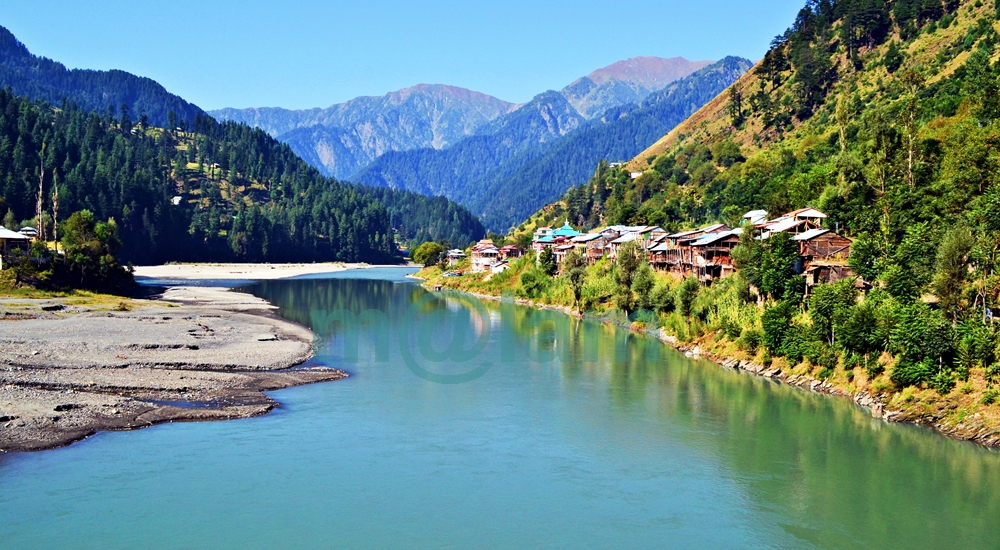
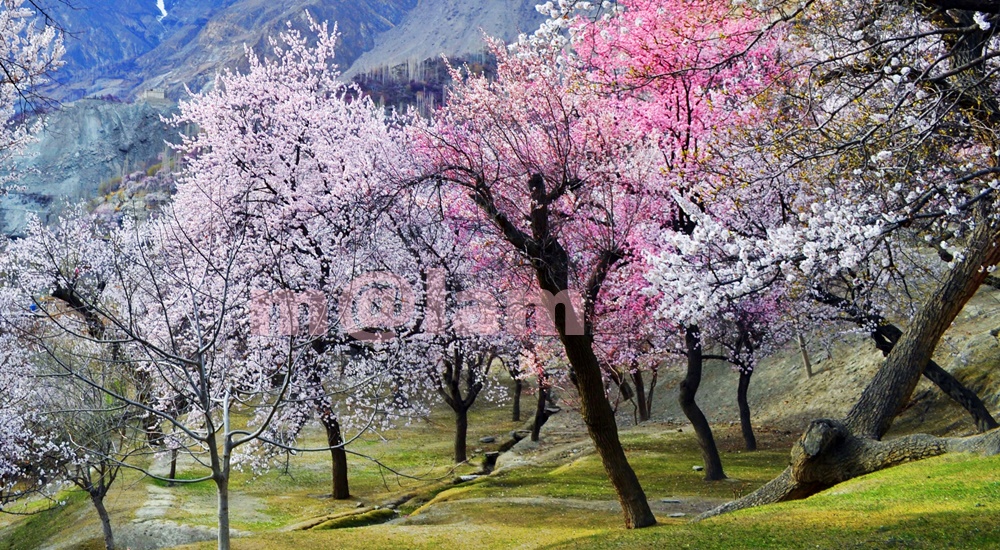
Blossom in Gilgit-Baltistan – A Breathtaking Splendor Nestled amidst the towering peaks of the Hindukush, Himalayas, and Karakoram ranges, Gilgit-Baltistan is renowned for its mesmerizing landscapes and rich cultural heritage. Blossom in Gilgit-Baltistan is a breathtaking splendor. Each spring, this region experiences a unique phenomenon where colorful blossoms transform the rugged terrain into a paradise on Earth. Particularly in tiny valleys filled with fruit orchards, the blooming trees paint a unique picture of nature against the mountainous backdrop. The journey along the Karakoram Highway, especially from Gilgit to Hunza, offers tourists a lifetime experience. Particularly because of the orchards filled with flowering trees emitting sweet fragrances. Likewise, the journey to the Phunder Valley from Gilgit, and to the Shigar and Khaplu Valleys from Skardu, presents captivating sceneries. Every turn reveals unexpected vistas of natural contrast. From blue skies to emerald rivers, The scenery captivates the soul of every beholder amidst the stark contrasts of rugged terrain and delicate blossoms. Blossoming Season in Gilgit-Baltistan The blossom season in Gilgit-Baltistan is a captivating spectacle that draws tourists from across the globe. The harmony of diverse contrasts unfolds, offering a glimpse into the sublime beauty that graces this tranquil corner of the world. The timing of these blossoms varies depending on altitude, temperature, and precipitation. Particularly, the Cherry and Apricot Blossom season is renowned for its brevity and beauty. Lasting only about two months, from March to the end of April, the Cherry blossom season enchants all who inhabit Gilgit-Baltistan with its serene and picturesque scenery. Geographical Features: Altitude: Gilgit-Baltistan’s high altitude, ranging from 1,500 to 8,000 meters above sea level, contributes to its diverse flora and fauna. The varying altitudes create microclimates conducive to different types of blossoms, from manmade orchards to wildflowers in the pastures. Climate: The region experiences a temperate climate, with cold winters and mild summers. The transition from winter to spring triggers the blossom season, usually beginning in March and lasting until April in the low-altitude regions. It lasts till June in the high-altitude valleys and pastures. This rejuvenation of nature delights every beholder with its captivating beauty. Flora and Fauna: Gilgit-Baltistan boasts a diverse range of flora, including wild roses, tulips, and various fruit trees. This rich vegetation provides vital habitats for indigenous wildlife such as ibex, snow leopards, and migratory birds. Tourist Attractions during Blossom Season This is the perfect season to explore Gilgit-Baltistan because the environment is mild and hence the weather cannot obstruct adventure activities. However, it isn’t just the weather that brings charm to Gilgit-Baltistan, but it is also the blossoming trees that create a contrast of natural colors to enchant the senses. Those lovely white and pink blossoms seldom refuse to bring joy to the visitors’ faces. Many tourists along with local people visit the enchanting valleys of Gilgit-Baltistan including Hunza & Nagar, Bagrot, Ghizer, Skardu, Shigar, and Khaplu during this time to enjoy this beautiful season with enthusiasm. Below are the details. Bagrot Valley The magnificent Bagrot Valley, situated approximately 35km southeast of Gilgit, and accessible within an hour. It is a recommended half-day tour destination for those staying overnight in Gilgit or traveling from Gilgit to nearby destinations. During the blossom season, Bagrot Valley undergoes a magical transformation, as vibrant colors and enchanting fragrances envelop the landscape. With the arrival of spring, almond, apricot, peach, and apple trees bloom; adorning the valley with a breathtaking display of nature’s beauty. Against the backdrop of majestic mountains, the blossoms create an ethereal charm, captivating the hearts of all who witness this natural spectacle. Hunza Valley Hunza Valley is celebrated for its picturesque landscapes and terraced fields embellished with fruit orchards. Comprising a series of tiny valleys in the lower, central, and upper regions, it offers a diverse and enchanting experience. The Hunza River serves as a natural boundary between the valleys of Hunza Valley and Nagar. Both valleys are guarded by towering mountains. Visitors are treated to the mesmerizing sight of cherry, apricot, and apple blossoms set against the backdrop of snow-capped peaks in Lower and Central Hunza. Meanwhile, the upper Hunza valleys, situated at altitudes exceeding 2500 meters, experience the blossom season later, typically in May and June. Nagar Valley The Nagar Valley lies adjacent to Hunza Valley, separated only by the Hunza River flowing through a gorge flanked by towering mountains. While Hunza Valley provides magnificent views of the mountains in Nagar, the valleys of Nagar offer the best vantage points for admiring the beauty of Hunza’s mountains. Driving along the Karakoram Highway, visitors can delight in the charming orchards of Hunza and Nagar. Additionally, Hoper Valley in Nagar is renowned for its unparalleled grandeur during the blossom season, offering a truly captivating experience for travelers. Phander Valley Phander Valley, situated approximately 170km from Gilgit along the Gilgit-Shandur road, is renowned for its pristine beauty throughout the year. Its turquoise-colored waters flowing through the valleys create a stunning spectacle. This hidden gem offers travelers a tranquil ambiance where they can immerse themselves in the splendor of cherry blossoms and alpine meadows. Visitors can also enjoy various activities such as fishing and camping amidst the serene surroundings of Phander Valley. Skardu Nestled amidst towering mountains and turquoise lakes, Skardu provides a serene retreat for nature enthusiasts seeking solace in the lap of pristine beauty. Skardu is accessible directly from Islamabad by air and by road along the Karakoram Highway to Jaglot and then via Jaglot-Gilgit road to Skardu. During the blossom season, the valleys burst into life with vibrant hues of wildflowers and fruit trees in full bloom. Lower Kachura, Upper Kachura, Chundah Valley, and Soq Valley epitomize the splendor of blossoms, offering a feast for the senses against the backdrop of majestic peaks and crystal-clear waters. Shigar Valley Located approximately 45km from Skardu, the Shigar Valley, can be accessed via the renowned Sarfaranga Desert by crossing the Indus River, offering a gateway to the Baloro Glacier. This glacier, stretching 63km long, leads to a mountain kingdom where four of
Tentative list of UNESCO World Heritage Sites of Pakistan
Heritage Sites in Pakistan, Tourism Blogs, World Heritage Sites

Tentative List of UNESCO World Heritage Sites of Pakistan

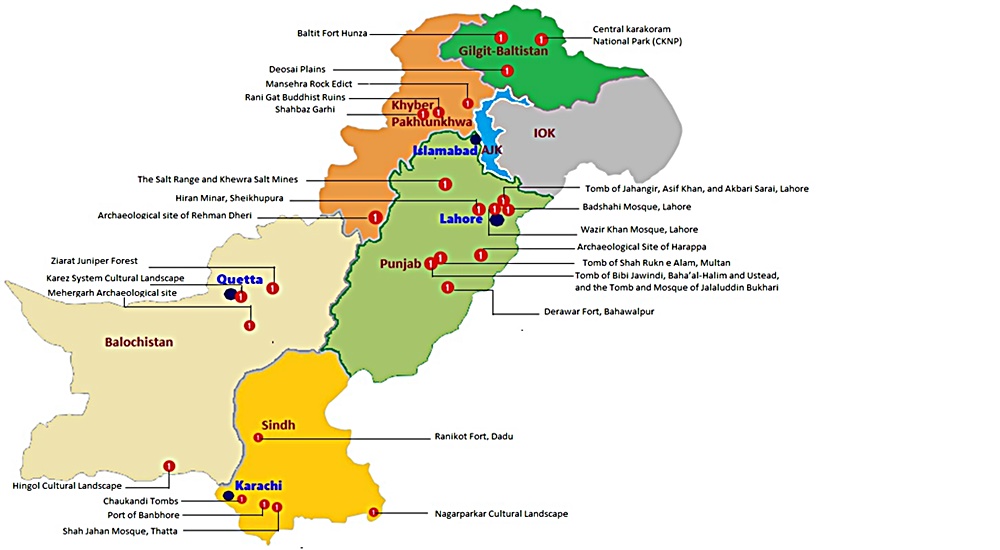
Tentative List of UNESCO World Heritage Sites of Pakistan Pakistan boasts six UNESCO World Heritage Sites. In addition to these established sites, the country has compiled a roster of 25 potential sites called the Tentative List of UNESCO World Heritage Sites of Pakistan seeking recognition. This catalog has been formally presented to the UNESCO Committee for assessment and approval. The pre-listing process is a mandatory step for the eventual acceptance of nominations onto the esteemed World Heritage list. Punjab Province The Salt Range and Khewra Salt Mine The Salt Range, rising abruptly from the Punjab plains in Pakistan, spans 180 km and features sheer escarpments, jagged peaks, and fertile valleys. Originating 800 million years ago, it formed from the evaporation of a shallow sea and underthrusting of the Indian Plate. Named for the thickest rock salt seams globally, the range is a geological treasure with fossiliferous stratified rocks and exposed strata, attracting global geologists. The region is rich in paleontological finds, including dinosaur trackways, Cretaceous belemnites, and ancient hominid remains. The Salt Range is a historical and cultural hub with sites dating from Alexander the Great‘s era to the British colonial period. Notably, Khewra hosts one of the world’s richest salt deposits, exploited for over a millennium, continuing as a mining, research, and tourism center. Badshahi Mosque, Lahore The Badshahi Mosque and its expansive courtyard are elevated on a platform accessible from the east via a grand staircase and a traditional Mughal-style gateway. The entrance, a two-story structure, boasts intricate decorations with framed and carved paneling on all facades. Square minarets with pseudo-pavilions in red sandstone and white marble cupolas adorn the four corners. Its tall octagonal minarets are positioned at the courtyard’s corners. Additionally, smaller octagonal minarets are attached to the prayer chamber’s corners, beneath three grand marble domes. The red sandstone exterior is subtly adorned with white marble inlay lines and patterns. The interior and exterior of the prayer chamber feature unique and beautifully crafted Zanjira interlacing and floral motifs in bold relief, showcasing unparalleled beauty and craftsmanship in Mughal architecture. The gateway’s inscription indicates its construction in A.H. 1084 (1673-74 A.D.). Wazir Khan Mosque, Lahore The Wazir Khan Mosque, covering an area of 279′ x 159′, is entirely constructed using cut and dressed bricks laid in kankar lime, with minimal use of red sandstone in the gate and transept. The courtyard is split into two sections, with the upper part slightly elevated and an ablution tank in the middle. Flanking the east, north, and south sides of the courtyard are 32 small hujras of varying sizes. The prayer chamber on the west side features five compartments divided by massive piers supporting wide, four-centered arches, each topped with a dome. Small rooms are created at the northern and southern ends, and an eastern gallery leads to a spiral staircase accessing the roof. Distinctive structural elements include four corner minarets, five domes, and a transept at the entrance gate on the east. According to inscriptions, the mosque was built in A.H. Archaeological Site of Harappa The archaeological site of Harappa, extending over 150 hectares, comprises eight mounds and two cemeteries situated to the south of the dry Ravi riverbed. While much of the site is buried beneath agricultural land or the modern village of Harappa, exposed structures on mounds AB and F date back to the third millennium BC. The site’s sequence spans from the fourth to the second millennium BC, with a depth of over 13 meters. The strategic location beside the old course of the Ravi River granted inhabitants access to trade networks, aquatic resources, and water for cultivation, explaining its prolonged occupation. Harappa’s town plan during the mature Harappan period (2600-1900 BC) features self-contained walled centers on raised mounds. The site’s unique urbanization declined in the second millennium BC, and subsequent developments, including brick removal for railway ballast in the 1850s and salination from irrigation agriculture, impacted the preservation of structures. Tombs of Jahangir, Asif Khan and Akbari Sarai, Lahore The Tombs of Jahangir, Asif Khan, and Akbari Sarai, designated on December 14, 1993, showcase remarkable Mughal architecture. Jahangir’s Tomb is a single-story structure with a square plan, featuring tall octagonal corner towers and a projecting entrance bay on each side. The exterior boasts red sandstone facing with intricate marble inlay decoration. The interior displays floral frescoes, delicate inlay work (pietra dura), and vibrant marble intersia. Asif Khan’s Tomb, an octagonal structure with a high bulbous dome, stands in a vast garden. Originally adorned with rich stone inlay and bold stucco tracery inside, it featured a high bulbous double dome covered with marble veneering. Akbari Sarai, between Jahangir and Asif Khan’s, includes an open courtyard with small cells, adorned gateways, and a mosque with three splendid domes. The Sarai and the entrance gateway seem part of a unified complex from Shah Jahan’s era, sharing similar styles and elements. Hiran Minar and Tank, Sheikhupura The Hiran Minar, erected under Emperor Jahangir’s reign in 1620 AD, boasts unique architectural elements. Its facade sports 210 square perforations arranged in 14 rows, while inside, a spiral staircase with 108 steps leads to the top, adorned with 11 rectangular arched openings. Divided into six tiers, the Minar showcases lime plaster possibly embellished with floral or linear frescoes. An arched entrance graces the lowest tier. Across from it lies a rectangular tank connected by a causeway to an octagonal baradari. Each corner features square pavilions with gateways. The tank, equipped with ramps, parapet walls, and staircases, connects to the Aik rivulet via a channel. Inside the baradari, intricately decorated niches and honeycomb patterns adorn the walls. The causeway, supported by 21 pointed arched pillars, links the main baradari to an octagonal platform in the tank’s center, which served as a royal residence. Tomb of Hazrat Rukn-e-Alam, Multan The tomb of Shah Rukn-i-Alam, constructed between 1320 and 1324 AD by the Tughluq ruler Ghiyas-ud-din, was initially meant for his dynasty but later dedicated to the family of the revered Sufi saint. This

Chitral Tourist Attractions
City Breaks, Khyber Pakhtunkhwa, Tourism Blogs, Tourists Destinations in Pakistan

Chitral Tourist Attractions

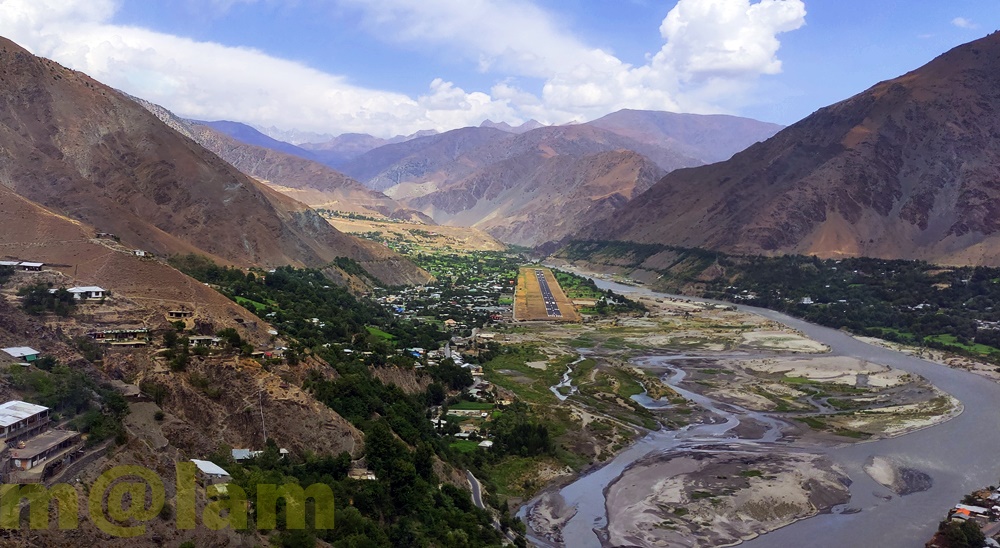
Chitral, a region in the Khyber Pakhtunkhwa province of Pakistan known for its natural beauty and cultural richness, offers several tourist attractions. Here are some notable places to visit in Chitral: Chitral Town Chitral Town is a bustling hub filled with vibrant markets and bazaars that provide a unique insight into the local way of life. These lively centers exhibit a diverse array of handicrafts, textiles, spices, and souvenirs, offering visitors the opportunity to fully immerse themselves in the vibrant colors and rich flavors of Chitral. Exploring the streets of the magnificent Chitral Town divulges a harmonious blend of traditional and contemporary architecture. The buildings feature intricate designs and elaborate frontages that beautifully showcase the region’s rich cultural heritage. This visual spectacle is sure to captivate architecture enthusiasts, providing a delightful journey through the town’s unique and fascinating aesthetic. Shahi Masjid The Shahi Masjid stands as a magnificent piece of architecture, constructed by Shujaul Mulk, the Mehtar of Chitral, in 1924 A.D. Shujaul Mulk, the ruler of Chitral from 1895 to 1936, left a lasting legacy in the form of this grand mosque. The building itself is a remarkable example of architectural dexterity, constructed with pure white marble and adorned with intricately engraved art. Situated on the bank of the Chitral River, adjacent to the Chitral Fort, the Shahi Masjid is not only a place of worship but also a testament to the rich customs and culture of the Chitral aristocracy. The architectural details of the mosque reflect the traditions of the region, creating a visual representation of Chitral’s cultural heritage. The Shahi Masjid stands as a significant landmark, inviting visitors to appreciate its historical and artistic significance. Chitral Fort The Chitral Fort, also known as Shahi Qila, is a historic fortification located in Chitral town, Khyber Pakhtunkhwa, Pakistan. Positioned on the banks of the Chitral River, it holds a strategic location not far from the Shahi Masjid. The fort is believed to have been initially constructed in 1774 during the reign of Mohtaram Shah Katur II and later restored in 1911 by His Highness Sir Shuja ul-Mulk. Originally serving as the barracks for the guards of the Mehtar of Chitral, the fort became the personal property of the last ruler of Chitral after the merger of Chitral State in 1969. Presently, it is occupied by the ceremonial Mehtar, Fateh-ul-Mulk Ali Nasir. Notably, the fort has undergone renovations, particularly to the old Darbar Hall and staterooms, following damages incurred during the earthquake of 2015. The Chitral Fort stands as a testament to the region’s historical significance and architectural heritage, offering visitors a glimpse into its rich past. Chitral Museum The Chitral Museum stands as a custodian of the unique culture and art of the region, preserving the heritage of ancestors for future generations. Established on July 8, 2010, the primary purpose of the museum is to safeguard Chitral’s cultural legacy for tourists and locals alike. The museum is divided into two distinct sections: the Ethnological Gallery and the Archaeological & Kalash Gallery. In the Ethnological Gallery, visitors encounter artifacts such as jewelry, instruments, and furniture from the 12th century, providing a glimpse into the lifestyle of Chitral’s ancestors. On the other hand, the Archaeological & Kalash Gallery focuses on items related to the Kalash, showcasing the cultural heritage with connections to Greek influences. Particularly noteworthy are the artifacts associated with their gods and goddesses, offering insights into the spiritual and religious practices of the Kalash people. The Chitral Museum serves as a valuable resource for those interested in exploring and understanding the rich cultural history of the region. Governor’s Cottage The Governor Cottage stands as a beautiful and graceful example of Chitrali architecture, showcasing the region’s glorious and distinctive construction style. Situated on elevated grassland, surrounded by mountains, the cottage provides a picturesque setting. On a clear day, visitors can admire the majestic Trich Mir Mountain from this location. Previously reserved, the place is now open to the general public. Inside, one can find a collection of well-preserved historical objects that offer insights into the rich history of the region. The Governor Cottage provides a unique opportunity for visitors to experience and appreciate the royal living style of the Mehtar of Chitral. It serves as a testament to the cultural and historical heritage of the area, allowing individuals to connect with the past and the architectural traditions of Chitral. Chitral Gol National Park Chitral Gol National Park, situated 5,000 meters above sea level in the Lower Chitral District, is a two-hour drive from Chitral town and spans 7,750 meters. This park is renowned for its abundant wildlife and panoramic views of valleys, glaciers, and streams. Formerly considered the private property of the Mehtar of Chitral until 1983, the park’s status has been disputed and is subject to ongoing litigation between the Mehtar’s heirs and the Government of Pakistan. The park encompasses three valleys with glaciers and springs feeding into an 18-kilometer stream flowing east into the River Chitral. Rich in cedar trees, the park provides a habitat for diverse wildlife, including the endangered Kashmir Markhor. Other notable mammals include the Siberian ibex, Snow leopard, Ladakh Urial, Himalayan black bear, Himalayan Wolf, Red fox, Eurasian otter, and Yellow-throated marten. Barmoghlasht Barmoghlasht, a renowned summer retreat in Chitral, is nestled amidst towering mountains and lush greenery, located 14.5 kilometers from Chitral town. Highlighting the area is the former Mehtar’s Summer Fort, strategically perched at an elevation exceeding 2800 meters, providing a captivating view of the city. Notably, it is the ancestral building of the Chitral royal family, adding historical significance to its charm, set amid vibrant green pastures. Accessible by a 40-minute drive from Chitral City, Barmoghlasht is especially enchanting in May and June when spring brings forth lush greenery and vibrant blooms. The resort offers an array of activities, making it an ideal destination for paragliding, hiking, and bird watching in the summer, while also providing opportunities for skiing during the winter months. Tourists are drawn to Barmoghlasht throughout the

Neelumm Valley Tourist Attractions Azad Kashmir
City Breaks, Kashmir, Others, Tourism Blogs

Neelum Valley Tourist Attractions

Explore the Enchanting Tourist Attractions in Neelum Valley Nestled in the northern reaches of Muzaffarabad, Azad Kashmir; the Neelum Valley stands as a breathtaking paradise, running parallel to the captivating Kaghan Valley. The Neelum Valley Tourist Attractions include a series of natural marvels dotted from Muzaffarabad to Taobutt. With its unparalleled scenic beauty, panoramic vistas, and lush greenery, Neelum Valley undoubtedly beckons travelers seeking a dreamlike escape. Patika: The Gateway to Neelum Valley Patika is a welcoming gateway to this picturesque wonderland that lies just 19 kilometers from Muzaffarabad. As the initial stop on your Neelum Valley adventure, Patika boasts a thriving commercial hub where visitors can find all the essentials for their journey. Beyond the city’s commercial charm, Patika offers breathtaking panoramas of the valley. Moreover, the winding road leading to Patika is adorned with towering trees, creating a mesmerizing natural spectacle. Dhani Waterfall: Nature’s Spectacle Situated approximately 30 kilometers from Muzaffarabad, Dhani Waterfall is a gem of Neelum Valley Kashmir. Its crystal-clear waters glisten amidst the lush green surroundings, making it one of the region’s most captivating waterfalls. The ideal time to visit this natural wonder is from March to mid-June when it is at its most glorious. Dhani Waterfall is the largest in Neelum Valley and transforms into a spectacle during the summer months. Kundal Shahi: The Tranquil Village Perched at an altitude of 1,350 meters above sea level, Kundal Shahi is a charming village nestled near the confluence of Jagran Nullah and Neelum River. It is located at a distance of approximately 74 kilometers from Muzaffarabad. Despite its modest size, Kundal Shahi serves as a vital launchpad for exploring Neelum Valley, providing the essential starting point for your adventure. Kutton: A Riverside Paradise Just 82 kilometers from Muzaffarabad and 8 kilometers west of Kundal Shahi, the stunning Kutton Valley awaits. Accessible through a narrow uphill gorge along the Jagran River, Kutton is renowned for its natural beauty. Snow-covered Himalayan peaks guard this valley, and the melting waters of the river are teeming with Trout Fish. Kutton offers a range of accommodation options, including government rest houses and private guest houses. Athmuqam: A Valley with Facilities Galore Sitting at an elevation of 1,371 meters above sea level and roughly 84 kilometers from Muzaffarabad, Athmuqam is a prominent hub in Neelum Valley. Because of being the 8th station from Muzaffarabad, it earned the name “Athmuqam.” This valley boasts a plethora of amenities, including hotels, rest houses, a post office, a bank, educational institutions, and a bustling bazaar. Athmuqam is also celebrated for its diverse fruit offerings. Keran: Lower Neelum’s Bounty Keran, also known as Lower Neelum, lies at an altitude of 1,524 meters (5,000 ft) on the right bank of the Neelum River, a mere 10 kilometers from Athmuqam. This region is blessed with abundant fruit and wildlife. While gazing across the river, you can catch glimpses of the valleys in Indian-Occupied Kashmir. The AJK tourism department has established a beautiful rest house in Keran, making it a prime stopover in the valley. Upper Neelum (Neelum Village): Nature’s Wonderland Upper Neelum, or Neelum Village, is located just three kilometers from Keran at a fair altitude. It is easily accessible from Keran via a link road and from Athmuqam through the Keran bypass. Similar to Keran, Upper Neelum boasts fruit orchards and a rich wildlife population. Moreover, visitors are treated to breathtaking views of Azad Kashmir and Indian-Occupied Kashmir across the Neelum River. Dowarian: A Forested Haven Dowarian, situated at an altitude of 1,615 meters, is approximately 12 kilometers from Keran. Likewise, it is 22 kilometers from Athmuqam and about 106 kilometers from Muzaffarabad. This lush valley is blanketed with pine trees and is connected to Kaghan Valley via the Rattigali Pass. You can specifically find the stunning Ratti Gali Lake at 3,700 meters. Moreover, the forest rest house at the base camp caters to the needs of travelers. Ratti Gali Lake: A Serene Alpine Gem Nestled in the Neelam Valley at an altitude of 3,700 meters, Ratti Gali Lake is a breathtaking natural wonder. To reach this pristine lake, embark on a 17-kilometer jeepable track from Dowarian followed by a 2-kilometer hiking trek. Dowarian serves as the base camp for this awe-inspiring lake. Sharda: A Riverside Retreat Sharda is situated at an altitude of 1,981 meters and approximately 136 kilometers from Muzaffarabad. It is a prominent valley nestled along the Neelum River. A suspension bridge connects this charming valley to the main Neelum road. In fact, Sharda is renowned for its lush greenery, dense forests, and numerous hotels catering to tourists. The valley’s picturesque beauty is further enhanced by the Surgan Nallah and the relics of the ancient Sharda University. Saral Lake: A High-Altitude Marvel Saral Lake, perched at an altitude of 4,100 meters, is a hidden gem in the Neelam Valley. Sharda basically serves as the base camp for this breathtaking lake. It actually offers an ideal starting point for intrepid travelers. Kel: Gateway to Adventure Kel, located at an altitude of 2,097 meters, is a quaint valley situated just 19 kilometers upstream from Sharda. Basic facilities, including guest houses, are available here. At the same time, Kel is accessible from Gilgit-Baltistan via Astor and Deosai Plains and through Shounter Nullah (Gorge) via the 4,420-meter Shounter Pass. Furthermore, Kel also provides access to the 6,326-meter “Sarawaali Peak” and the expansive 25-kilometer glacier, the highest peak and largest glacier in Azad Kashmir. Shounter Lake: A Seasonal Gem Shounter Lake is a small, seasonal lake located in the Shounter Valley at an altitude of 3,100 meters. Accessible from Kel via a jeep track, it remains open only during peak summer months. Shounter Valley serves as the gateway to Sarawaali Peak’s base camp and provides a route to Astore in Gilgit-Baltistan. Chitta Katha Lake: A Summer Delight Located in the Shounter Valley at an altitude of 3,800 meters, Chitta Katha Lake is a summer paradise. It is accessible in July and August from Kel via a 20-kilometer jeep track

People and profiles, Punjab, Tourism Blogs

The Mughal Empire

Exploring the Legacy of Mughal Emperors: A Glimpse into India’s Imperial Past  The history of India is adorned with tales of dynasties, conquests, and cultural richness. Among the many chapters that illuminate this historical tapestry, The Mughal Empire, a Muslim ruling family that governed most of northern India from early 1526 to 1857, stands out as one of the most illustrious and influential periods. Spanning over three centuries, the reign of the Mughal emperors left an indelible mark on India’s landscape, culture, and society. Despite being Muslims ruling over a majority Hindu population, the Mughals gained renown for their well-organized government, sophisticated culture, and efforts to integrate Hindus and Muslims into a united Indian state. It’s noteworthy that during Mughal rule, Muslims constituted only about 15 percent of the population. The Rise of the Mughal Dynasty The Mughal dynasty stands as one of the longest-reigning dynasties in India, predating the British colonization of the country. From the 16th century to the mid-18th century, the Mughal rulers successfully conquered most of Northern India. It has left an enduring impact on the subcontinent. The dynasty’s rulers, spanning seven generations, were notably talented and played a crucial role in shaping the course of Indian history. Founded by Babur, a descendant of the ruthless Mongol conqueror Genghis Khan on his mother’s side and the Turkic conqueror Timur (Tamerlane) on his father’s side, the empire’s inception occurred with Babur’s victory over Ibrahim Lodhi at the First Battle of Panipat in 1526. This marked the commencement of the Mughal era in India. One distinctive feature of the Mughal dynasty was the concerted effort by its emperors to integrate Hindus and Muslims into a unified Indian state. This commitment to inclusivity added a unique dimension to the Mughal era, contributing to the dynasty’s historical significance in India. Babur (1526–30): The Founder of a Grand Legacy Sultan Babur, renowned for his military prowess and poetic talents, laid the cornerstone of the Mughal Empire. It was following his legendary triumph over the Lodhi Sultan in 1526. In a remarkable feat, Babur, utilizing 20 cannons, defeated an army twice the size of his own. Despite his brief but impactful reign, he left an indelible mark on India by introducing Persian culture and the art of gardening. It forever altered the country’s landscape. Babur’s artistic vision is particularly evident in the beautiful Mughal gardens. These gardens, characterized by meticulously designed layouts and flowing watercourses, serve as a lasting testament to his cultural influence. However, the leadership of Babur was short-lived, as he passed away just two years after establishing the empire. The true sustainer of the Mughal dynasty’s success turned out to be his grandson, who not only expanded Mughal territories but also established a highly efficient governance structure. Babur’s initial triumphs set the stage for the grand legacy that would be further realized and expanded upon by his successors. Humayun: (1530–40 and 1555–56) Babur’s son, Humayun, ascended to the Mughal throne after his father’s reign. However, his rule faced challenges, and in 1540, he lost control of the empire to the Suri Dynasty. Humayun’s brief displacement was a result of his defeat by Sher Shah Suri, a ruler considered more effective due to his military successes and governance. In 1555, Humayun managed to reclaim the Mughal throne, marking the restoration of the dynasty. Unfortunately, his reign was short-lived, as he died the following year due to a fall. Humayun’s youth and lack of experience contributed to his reputation as a less effective ruler compared to Sher Shah Suri. Despite the challenges, Humayun’s restored rule in 1555 proved to be more unified and effective than his initial reign from 1530 to 1540. His efforts laid the groundwork for the future success of the Mughal Empire. Humayun left behind a unified empire for his son, Akbar, who would go on to become one of the most celebrated and influential rulers in Mughal history. Akbar the Great (1556–1605): A Visionary Ruler Akbar the Great, one of the most revered emperors in the Mughal dynasty, assumed the throne at a young age, ushering in what is often hailed as the “Golden Age of the Mughal Empire.” His reign, characterized by political stability, religious tolerance, and administrative reforms, played a pivotal role in shaping the destiny of the Mughal dynasty. The son of Humayun, Akbar successfully consolidated the Mughal Empire through persistent military campaigns, annexing vast territories in northern and central India. As part of his legacy, he constructed the new capital, Fatehpur Sikri, near Delhi. Akbar, while remaining a devout Muslim, demonstrated a unique interest in various religions, fostering religious discussions among Hindus, Parsis, Christians, and Muslims. Akbar’s visionary governance extended to political, administrative, and military structures, establishing a foundation that endowed the empire with stability and longevity. His inclusive approach to harmonizing India’s diverse religious and cultural traditions left an enduring impact on the nation’s social fabric. This period witnessed extensive commercial activity, contributing to significant wealth through trade and textile production. By the early seventeenth century, the Mughals presided over one of the world’s most populous and affluent empires in world history, a testament to the far-reaching influence of Akbar’s enlightened rule. Jahangir (1605–27): The Patron of Arts Jahangir, renowned for his deep appreciation of art and culture, carried forward the rich legacy established by his father, Akbar. During his reign, he continued the administrative system and policy of religious tolerance towards Hinduism that characterized Akbar’s rule. Jahangir’s era witnessed a vibrant flourishing of Mughal miniature paintings, and to further support artistic endeavors, he founded the Nur-ud-Din Jahangir Art Academy. Notably, Jahangir’s love for botany manifested in the compilation of the “Minto Codex,”. It is an extensive record documenting the diverse flora and fauna of India. His reign became a golden period for the arts, with painting particularly thriving under his patronage as he supported numerous artists. Jahangir ascended the throne after the death of Akbar, and his reign marked a continuation of his father’s open-minded approach to governance. However, there

Autumn in Gilgit-Baltistan
City Breaks, Gilgit-Baltistan, Tourism Blogs

Autumn in Gilgit-Baltistan

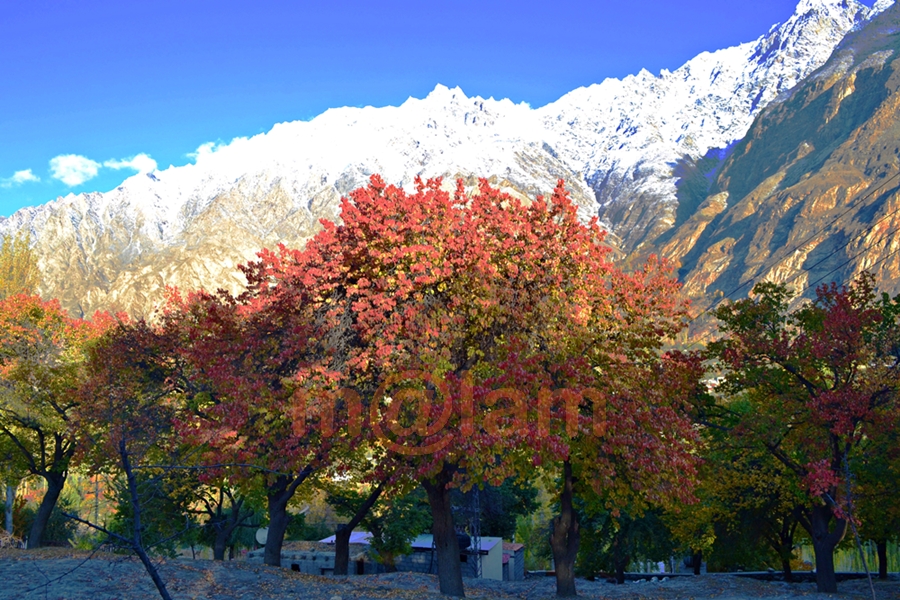
As the warm embrace of summer gives way to the crisp chill of autumn, a breathtaking transformation awaits in the enchanting region of Gilgit-Baltistan. Autumn in Gilgit-Baltistan is a time when nature adorns the landscape with vibrant hues of red, orange, and gold. Nestled amidst the mighty Karakoram and Himalayan ranges, this magical land experiences a kaleidoscope of colors during the fall season, drawing in travelers from around the globe. Get ready to immerse yourself in the awe-inspiring beauty of Gilgit-Baltistan, where nature’s canvas is adorned with vibrant hues of red, orange, and gold. Join us on this journey of exploring mesmerizing landscapes and embracing the spirit of autumn. Embracing Nature’s Palette Imagine strolling through nature’s art gallery, where every step unveils a masterpiece of colors. As autumn sets in, Gilgit-Baltistan transforms into a breathtaking masterpiece. Gilgit-Baltistan transforms into a painter’s dream during autumn, with the deciduous forests donning their most vibrant attires. The region is blessed with an awe-inspiring landscape that features lush meadows, crystal-clear lakes, and majestic mountains. The golden leaves shimmer in the sunlight, and the crimson foliage adds a touch of romance to the landscapes. This picturesque canvas, combined with the warm hospitality of the locals, creates an unforgettable experience for every traveler. As you wander through the valleys, you’ll be captivated by the harmony of nature’s palette, creating an atmosphere that is both serene and invigorating. The Best Places to Witness Autumn in Gilgit-Baltistan Karakoram Highway The Karakoram Highway, the main artery of tourism and trade, is considered the lifeline of tourism in Pakistan. The Karakoram Highway runs for about 500km in the territory of Gilgit-Baltistan from Kohistan to Khunjerab. About 250 km section of the highway from Thalichi to Sost is crowned with tiny valleys. The highway runs parallel to the Indus River from Thalichi to the junction point of three mountain ranges where the Gilgit River joins the Indus, then along the Gilgit River till Danyore where the Hunza River meets the Gilgit River, and onwards to Sost along the Hunza River. Since agriculture is one of the sources of living in the region; all residents grow a variety of trees which during autumn manifest their true beauty. From Crystal Rivers to the Clear Skies, the tiny valleys guarded by snow-crowned mountains present a mesmerizing natural beauty. And that’s the time when the weather is absolutely balanced. The Charming Hunza Valley The Hunza Valley, often referred to as the ‘Shangri-La of the Karakoram, becomes even more enchanting during the autumn months. The terraced fields glow with the golden hues of ripening crops, while the ancient forts and villages stand as testaments to the region’s rich history. Embrace the local culture and indulge in traditional cuisine as you bask in the tranquil beauty of Hunza Valley. Famous for its terraced fields and ancient forts, Hunza Valley is a must-visit destination during autumn. As the leaves change colors, the valley offers a surreal sight that leaves visitors in awe. Hoper Valley: A Glorious Orchard The Hoper Valley is located in a gorge across the Hunza Valley only separated by the Hunza River and accessible from Hunza via Nagar Khas. The valley is located about 28km from Karimabad, Hunza, and about 10km from Nagar Khas. The road at Nagar Khas further divides Hisper and Hoper Valley. Hoper is famous for its landscape presenting the beauty in all seasons. Autumn, particularly, in its fine orchards and trees bordering terraced fields is simply glorious. Apricot, poplar, Mulberry, pear, peach, walnut, grapes, and a variety of other trees in the valley present a kaleidoscope of vibrant colors contrasting with surrounding mountains and clear skies. For nature lovers, it is a beautiful full-day excursion from Hunza. Hilton Hotel offers delicious food choices for visitors. Bagrot Valley: A Picturesque Canvas Famous for the production of vegetables and fruits, the Bagrot Valley is a tourist paradise in Gilgit-Baltistan. Its fruit orchards attract more tourists in blossom and autumn than in any other season because it remains blanketed in flowers during blossom and presents a picturesque canvas of colors in autumn. Situated in the lap of the glacial Karakoram mountains, Bagrot is about 35km from Gilgit and accessible in one hour. It is considered an ideal day or even a half-day excursion. Phunder Valley: An Unforgettable Experience Encircled by snow-capped mountains, Phandar Valley offers an unforgettable Autumn experience. The reflection of colorful trees on the pristine lake is a captivating sight. The valleys en route are equally mesmerizing and the turquoise-colored river adds further charm. It is about 170km from Gilgit and takes around 4.5 hours. The Gilgit-Chitral road is currently under reconstruction and once it’s done, the travelling time should be reduced to half of what currently takes. Astore Valley: Serenity Amidst Mountains Tucked away in the eastern part of Gilgit-Baltistan, Astore Valley offers an unmatched view of snow-capped peaks against the backdrop of autumn colors. Astore is about 160km and takes about 3 hours. Beauty lies in its tranquil valleys poised in the lap of Himalayan mountain peaks. Skardu Town: A Breathtaking Wonderland Skardu, nestled in the mesmerizing landscapes of Pakistan’s Gilgit-Baltistan region, transforms into a breathtaking wonderland during the enchanting season of autumn. As the scorching summer heat subsides, a cool breeze sweeps through the valley, painting the scenery with a blend of vibrant colors. In autumn, Skardu is a captivating tapestry of nature’s finest elements, where the landscape becomes a living canvas of colors. The region’s unique blend of stunning scenery and pleasant weather makes it an irresistible destination for travelers seeking an unforgettable experience. Whether it’s witnessing the foliage’s magnificent transformation or embarking on thrilling adventures, Skardu promises an autumnal escape like no other. Lower Kachura, upper Kachura Valley, Chunda Valley, and surrounding areas are a must-visit attractions. Skardu is accessible by air from Islamabad or by road from Islamabad via the Karakoram Highway. One can also fly to Gilgit and drive onwards to Skardu. Shigar Valley: A Captivating Wonderland In the autumn season, Shigar Valley transforms

The Hunza Valley
City Breaks, Gilgit-Baltistan, Tourism Blogs

The Hunza Valley

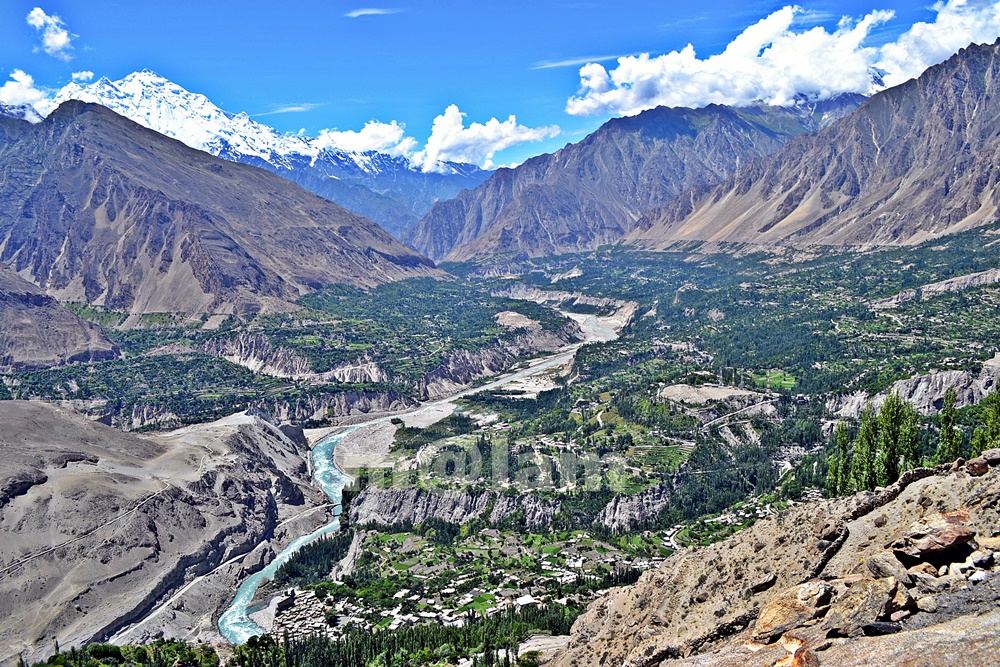
The Hunza Valley – A Place Beyond Words Welcome to The Hunza Valley, a Majestic Gem of Nature’s Grandeur – a place where nature’s beauty meets cultural heritage. Nestled in the heart of the mighty Karakoram Mountains, this remote valley is a hidden gem waiting to be explored. The words may fall short of capturing the true essence of The Hunza Valley. It is a place that needs to be experienced firsthand, where the mountains whisper ancient tales, and the valleys echo with the laughter of the locals. The serenity, the adventure, and the warmth of the people combine to create an unparalleled experience that will stay with you long after you leave. From its awe-inspiring landscapes to the warm hospitality of its people, the Hunza Valley offers a truly extraordinary experience that will leave you mesmerized. The Majestic Karakoram Range At the heart of The Hunza Valley lies the magnificent Karakoram Range. Towering peaks, snow-capped mountains, and sprawling glaciers adorn the landscape, creating a sight that will take your breath away. The Karakoram Range is home to some of the highest peaks in the world. Notable mountain peaks include K2, the second-highest mountain on earth, Broad Peak, and Gashabrum Peaks. Explore the stunning beauty of these majestic giants and immerse yourself in the grandeur of nature. Cultural Heritage and Warm Hospitality The Hunza Valley is steeped in rich cultural heritage. The local communities have preserved their traditions for centuries, and their warm hospitality will make you feel right at home. Engage with the locals, learn about their customs and traditions, and savor the flavors of their delectable cuisine. Immerse yourself in their vibrant festivals and witness the traditional dances that reflect the valley’s vibrant spirit. Traditional Music & Rituals Hunza is known for its rich cultural heritage, including traditional music and rituals. The people of Hunza have a distinct cultural identity, and their music and rituals are an integral part of their social and religious practices. Music holds a significant place in Hunza’s cultural traditions. In addition to their music, the people of Hunza have various rituals and celebrations that hold cultural and religious significance. Some of the notable rituals and celebrations include Ginani, Nasalo, Bofao, Nawruz, Salgirah of Imam e Zaman, Shab e Barat, Shab e Meraj, Eid Gadeer, Eid ul Fitr, and  Eid ul Adha. Traditional Cuisine  The valley is also famous for its delectable cuisine, featuring a variety of local dishes such as Chapshuro, Gurey Fiti, Makaye Fiti, Makaye Faqo, Burus Shapik, Giyaling, Hamao Giyaling, Hoi Lo Garma, Diram Fiti, Batering Dawdo, Buqpa Dawdo, Chap tze Dawdo, Haniye Del (Apricot Oil), Hani tze Dawdo, Hani tze Chamic (Apricot Sauce), Harisa, Sharbat, Mulida, Shopan, Chhamus,  and apricot-based desserts. The organic produce grown in the region, including cherries, apricots, and almonds, adds to the culinary delights of the valley. The Kha Basi Café on the premises of Altit Fort, Café De Hunza at Karimabad, Mulberry Hotel, Darbar Hotel, and Hidden Paradise offer a great taste of traditional food. Fruits of the Hunza Valley The journey of fruits in Hunza begins with cherries in May after the blossom season concludes in April and varieties of fresh fruits remain available until November. During winter, a variety of dry fruits and byproducts made of dry fruits are available in the market. Seasonal fruits include black, red, and white Cherries in May and June; Plum, Figs, and a variety of Apricots in June and July; Apples in July & August, a variety of grapes in August and September, Peach in September and October, and Japanese fruit in November. Outdoor Activities Exploring the Hunza Valley offers numerous outdoor activities for adventure enthusiasts. Visitors can embark on a thrilling trek to Ultar, hike up to Duikar from Karimabad or Altit, walk along the Hunza water channel or to viewpoints for panoramic vistas, go rock climbing, indulge in mountain biking, Paragliding from Duikar, or walk surrounding valleys. There are other exciting options including a trip to upper Hunza which covers the beautiful road trip to Khunjerab Pass, Rainbow Bridge Photography, a day hike towards Batura Glacier, visiting Borith Lake and walk up to the glacier, a day hike from Borith to Husseni village, Husseni Suspension Bridge crossing & Zip Line experience, hike up to Ondgra Poyga, explore Shishkat valley, boating at Attabad Lake, and visiting the magnificent Hoper Valley. The Karakoram Highway, which passes through the valley, provides an adventurous road trip experience with stunning vistas at every turn. Shopping in Hunza Karimabad, also known as Baltit, is the main bustling market with various shops, stalls, and local vendors selling a wide range of items in Hunza. Exquisite handicrafts such as carpets, rugs, embroidered textiles, traditional caps, shawls, and wooden carvings make for great souvenirs or gifts. Hunza is also famous for its gemstones and jewelry displayed in a variety of gemstone stores offering precious and semi-precious stones like turquoise, garnet, topaz, and more. Additionally, unique jewelry pieces inspired by the local culture are also seen on display. Moreover, delicious dried fruits, nuts, and apricot products including dried apricots, apricot oil, apricot jams, and apricot-based sweets like Hunza halwa. These local delicacies are a must-try and can be found in many shops. Similarly, traditional clothing such as embroidered shirts, woolen waistcoats, caps, gowns, and shawls featuring local craftsmanship and the cultural heritage of the region is easy to find in the market. Seasonal Attractions Blossoming Orchards The Hunza Valley is renowned for its vibrant orchards. As spring arrives, the valley transforms into a breathtaking paradise with the blooming of cherry, apricot, peach, and pear trees. The delicate pink and white blossoms create a picturesque scene, attracting visitors from far and wide. Take a leisurely stroll through the orchards, breathe in the sweet fragrance, and witness nature’s exquisite artistry unfold before your eyes. A Great Summer Retreat Certainly! The Hunza Valley is a breathtaking summer retreat. During the summer months, the Hunza Valley transforms into a paradise for travelers seeking respite from the scorching heat. The

Kaghan Valley Tourist Attractions
Khyber Pakhtunkhwa, Others, Roads & Highways, Tourism Blogs

Kaghan Valley Attractions

The Kaghan Valley Attractions: A Guide to Its Breathtaking Landscape The Kaghan Valley: Nature’s Marvel in the Heart of Pakistan Nestled within the Mansehra district of Khyber Pakhtunkhwa, Pakistan, the Kaghan Valley is a captivating alpine haven. Spanning a distance of 160 kilometers from its lowest point at 650 meters to the towering Babusar Pass, standing proud at 4170 meters, the Kaghan Valley Attractions speak louder than words. This picturesque valley, a cherished summer retreat, boasts a landscape adorned with lush greenery, majestic Himalayan peaks, and glistening alpine lakes. It’s a realm where nature’s splendor unfurls at every turn, offering a refuge from the mundane. In the embrace of the Kaghan Valley, nature’s symphony resounds in every sight and sound. From cascading waterfalls to alpine lakes, from towering peaks to lush meadows, this haven promises an escape like no other. Embark on a journey of discovery, where adventure and tranquility converge, and the heart finds solace amidst nature’s grandeur. The Kaghan Valley Attractions await an open invitation to experience the magic of Pakistan’s pristine landscapes. As a seasoned traveler, you’ll find the Kaghan Valley Attractions as an alluring sanctuary, rich in diverse attractions that promise an unforgettable escape. Embarking on a Journey through the Kaghan Valley Heading East: Azad Jammu & Kashmir Beckons To the valley’s east lies the captivating realm of Azad Jammu & Kashmir, a mesmerizing expanse that beckons with its charm. This region, a tapestry of beauty, awaits those who seek to explore its hidden gems and immerse themselves in its natural wonders. Towards the North: The Allure of Gilgit-Baltistan Northward, the Kaghan Valley borders Gilgit-Baltistan, an awe-inspiring land where towering peaks and untamed landscapes await intrepid souls. Here, adventure and exploration intertwine, presenting a gateway to uncharted territories and unforgettable experiences. KIWAI: Where Beauty and Adventure Converge The first of Kaghan Valley Attractions, you’ll encounter the charming town of Kiwai, nestled approximately 24 kilometers from Balakot. A gateway to wonder, Kiwai boasts dense pine forests and the allure of its cascading waterfall. This haven is not only a resting point but a realm of enchantment, captivating the hearts of travelers with its natural allure and invigorating ambiance. SHOGRAN: Nature’s Haven of Tranquility Nestled within the captivating Kaghan Valley, Shogran emerges as a highly sought-after destination for tourists. This idyllic haven, perched at an impressive altitude of approximately 2,362 meters (7,749 feet) above sea level, offers a retreat into a world of unparalleled natural splendor. The allure of Shogran lies in its scenic magnificence, attracting nature enthusiasts and adventure seekers alike. This picturesque valley, accessible via the Naran-Gilgit Road at Kiwai, beckons you to explore its myriad wonders. As you ascend to Shogran, the air becomes crisper, and the surroundings transform into a spectacle of greenery and tranquility. SIRI & PAYE: A Glimpse of Alpine Grandeur Cradled in the arms of the mountains, Siri Paye stands as a testament to nature’s artistry. This mesmerizing meadow, adorned with a carpet of wildflowers, offers a panoramic spectacle that ignites the imagination. The sweeping views from Siri Paye encompass a symphony of colors, as the meadow transitions with the changing seasons. The allure of Siri and Paye beckons, an enchanting journey through alpine landscapes and breathtaking vistas. Venture forth through a jeep ride or a scenic climb to reach these heights, where lush meadows and awe-inspiring panoramas await. Siri and Paye, a symphony of beauty, are a testament to the valley’s magnificence. KAGHAN VALLEY – NATURE’S SPLENDOR NARAN: Nature’s Tapestry Unveiled The Naran Valley, a portrait of natural splendor, welcomes you with its lush meadows, crystal-clear lakes, and majestic mountains. Engage your senses in outdoor pursuits like trekking, rafting, and camping, as you embrace the valley’s vibrant beauty. Set against a backdrop of towering peaks, Naran Valley paints a vivid picture of summer’s embrace. Captivating Enclaves: Treasures of the Kaghan ValleyLAKE SAIF UL MULOOK: A Fabled Oasis Nestled in the heart of Kaghan Valley lies a mesmerizing gem named after Prince Saif ul Mulook’s romantic escapade with a mountain fairy. At a breathtaking altitude of 3224 meters, the legendary Saif ul Mulook Lake stands tall as a prime focal point, the 9-kilometer unpaved adventurous road greets travelers with a thrilling 45-minute adventurous jeep ride. The very heart of Saif ul Mulook Lake is its oval-shaped expanse of crystalline waters stretching over a mile serving as a mirror to the grandeur that surrounds it. Reflecting the snow-covered magnificence of the encircling mountains, the lake’s surface shimmers with an ethereal glow, a sight that beckons wanderers and adventure enthusiasts alike. The lake stands as a gateway to boundless adventure and serves as a launching pad for the exhilarating trek to Ansoo Lake. LALAZAR: A Verdant Paradise Beckons Discover the captivating allure of Lalazar, a breathtakingly beautiful plateau nestled at an impressive elevation of 3,130 meters. Situated a mere 20 kilometers away from the charming town of Naran, Lalazar boasts a verdant expanse adorned with an array of vibrant wildflowers, creating a stunning natural tapestry that beckons travelers seeking an escape into nature’s embrace. The 16-kilometer stretch from Naran to Jalkhar presents a well-paved route, ensuring a smooth and comfortable ride for travelers. However, the subsequent 4-kilometer segment from Jalkhar to Lalazar is an uphill ascent along an unpaved, zig-zagging road that adds an element of thrill and excitement to the expedition. This remarkable tourist haven offers panoramic vistas of the valley, treating visitors to an awe-inspiring display of natural grandeur that resides within the upper reaches of the Kaghan Valley. BATAKUNDI and Beyond: Embracing the Heights If you’re seeking an extraordinary escape from the mundane, look no further than the hidden gem of Batakundi. Nestled just 15 kilometers east of Naran, Batakundi is a haven for nature enthusiasts and those in search of tranquility. With its awe-inspiring mountain vistas and tranquil surroundings, Batakundi stands out as the perfect destination for your next retreat. Batakundi offers an idyllic retreat surrounded by nature’s finest elements. The towering mountains and lush greenery create a

karakoram highway tourist attractions
City Breaks, Gilgit-Baltistan, Monuments, Roads & Highways, Tourism Blogs

Karakoram Highway Attractions

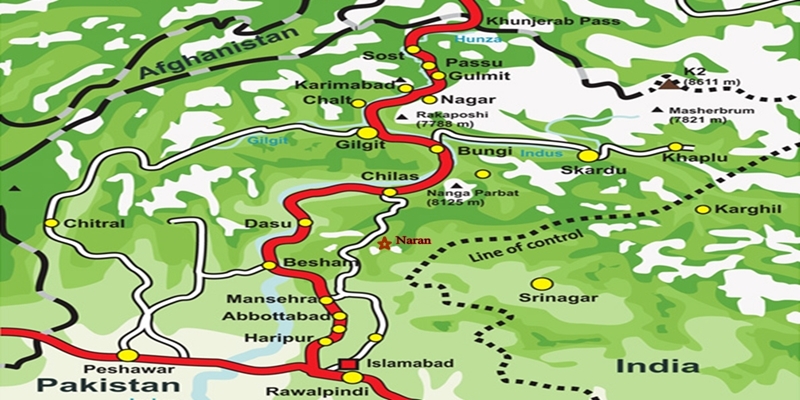
The Karakoram Highway (KKH): An Engineering Marvel  The Karakoram Highway (KKH), N-35, stands as one of the greatest wonders of the modern world. It is an awe-inspiring feat of human determination and ingenuity fondly referred to as the 8th wonder of the world. This 887-kilometer highway traverses along the Indus for 310 kilometers. Before meeting the Indus at the confluence of three mighty mountain ranges, it passes through Gilgit, Hunza, and Khunjerab. The highway runs through the Karakoram Range where 12 out of the 30 highest mountains in the world majestically overlook the KKH. Indeed, there is no other highway on earth that can rival the Karakoram Highway’s richness of attractions and breathtaking vistas. Origin and Journey of the Karakoram Highway Spanning an impressive 1300 kilometers (800 miles), the KKH commences its journey from the historic city of Hassan Abdal, approximately 45 kilometers from Islamabad on the Islamabad – Peshawar Highway. Its asphalt ribbon weaves through the cities of Abbottabad and Manshera crosses the majestic River Indus at Thakot, and continues on to Gilgit, meandering through the rugged mountains of Besham, Pattan, Sazin, and Chilas, before gracefully passing through Hunza and Sost. Finally, the highway reaches its zenith at the Khunjerab Pass, standing tall at an astonishing 4,733 meters (15,750 ft) above sea level. This pass, also known as Zero Point, marks the border between Pakistan and China. As the highway continues its journey, it enters the high Central Asian plateau and winds down through the Pamirs until it reaches Kashgar, situated at the western edge of the Taklamakan Desert. Gilgit-Baltistan is a treasure trove of history and natural wonders. It beckons travelers from all corners of the world to witness its splendor. As you explore this enchanting region, you will undoubtedly be captivated by the stories etched into its landscapes and monuments, a testament to the richness of its cultural heritage and the indomitable spirit of its people. Major Attractions along the Karakoram Highway The Karakoram Highway is undoubtedly crowned with a plethora of attractions, showcasing a harmonious blend of ancient rock carvings, awe-inspiring petroglyphs, mesmerizing natural beauty, and remarkable man-made marvels. Here are some of the major Karakoram Highway attractions that continue to captivate travelers from around the globe: The Khyber Pakhtunkhwa Section The Karakoram Highway passes through the plains, lush hills, and barren mountains of the Khyber Pakhtunkhwa before it enters the Himalayan range of Gilgit-Baltistan which boasts the height of the Karakoram Highway Attractions in the region. Mansehra Rock Edicts  Ashoka Rocks MansehraLocated on the north side of the town of Mansehra, the Ashoka Rocks bear witness to history with 14 edicts engraved by order of the Mauryan King Ashoka in the 3rd century BC. Although the Kharoshti script inscription is fading away, shelters have been built to protect this invaluable relic, making it accessible to visitors. The three granite boulders bearing 14 edicts engraved by order of the Mauryan King Ashoka in the 3rd century BC are located on the north side of the town of Mansehra. The inscription bearing Kharoshti script is fading away and almost impossible to see despite the shelters to protect it. Diamer Section: Threshold to Gilgit-Baltistan The Diamer Section runs in the rugged mountains for about 200km starting from the border between Tangir and Kohistan to Jaglot near the junction point of three great mountain ranges where Gilgit River and Indus converge. Shatial Petroglyphs A treasure trove of Buddhist archaeological wonders, the Shatial Rock Art Carvings or Petroglyphs can be found along the Karakoram Highway, previously known as the Old Silk Route. Carved into large rocks, these petroglyphs depict Jataka tales and Stupas, symbolizing the journeys of monks and pilgrims to Gandhara during the Buddhist era. Sadly, the construction of dams like the Diamer-Basha Dam and Dassu Dam has put these carvings in jeopardy, threatening their existence. Thalpan Petroglyphs The town of Chilas is surrounded by striking petroglyphs, particularly the ‘Chilas I’ site, which features inscriptions on both sides of the KKH and is considered a key Karakoram Highway Attraction spot. One of the most striking carvings here is the depiction of a large stupa with flying banners. Across the river, visitors can marvel at stones bearing art showcasing mythical animals, battle scenes, royal lineages, and Buddhist tales. Another site, ‘Chilas II,’ located near the police check post on the KKH, features a huge rock adorned with hunting and battle scenes, a Buddhist stupa, the long-horned ibex, and symbols of fertility. Nanga Parbat View The Thakot Bridge is the base point for an unforgettable journey to Fairy Meadows and the base camp of Nanga Parbat, famously known as the “Killer Mountain”. The bridge is situated approximately 78 kilometers south of Gilgit.  The Thalechi viewpoint offers travelers a perfect spot to pause and admire the sublime beauty of Nanga Parbat. Gems in Gilgit Region Gilgit is the administrative headquarters of Gilgit-Baltistan. The region is enormously blessed with historical monuments and breathtaking natural landscapes.  About 90km section of the Karakoram Highway from Jaglot to Guro (Jaglot) passes through the region. Partab Bridge The Partab Bridge is located about 40 kilometers southeast of Gilgit. It played a crucial role in connecting Gilgit with Bunji, Astore, and Kashmir long before the construction of the Karakoram Highway. Built between 1889 and 1893, this suspension bridge served as a vital communication link and facilitated trade. However, during the 1947 revolt when Gilgit gained independence from Dogra Raj, the bridge was burnt down. Despite facing decades of neglect, it was rebuilt after the 2010 floods, standing as a testament to human resilience. Junction Point of Three Great Mountain Ranges Jaglot, a mere 40 kilometers southeast of Gilgit, hosts the Junction Point of the Three Mountain Ranges. Here, the Karakoram, Himalaya, and the Hindukush converge. This unique location also marks the confluence of the Gilgit and Indus Rivers. About 5 km to the north, the Skardu road diverges from the KKH. Standing at the monument, visitors are treated to splendid views of the meeting of these three

Sindh Province
Sindh, Tourism Blogs

Sindh Province of Pakistan

Discover Sindh:  The Jewel of Southern Pakistan Sindh, the third-largest province of Pakistan, boasts Karachi as its bustling capital. Locally called “Mehran,” Sindh spans 54,407 square miles (140,914 square kilometers) and is home to over 47.8 million people (as per the 2017 census). Known for its rich cultural heritage and urbanized population (52.02%), Sindh offers a unique blend of history, tradition, and modernity. Geography of Sindh Situated in southeastern Pakistan, Sindh forms the lower Indus Basin. The landscape is predominantly flat, with the Kirthar Range marking its western boundary with Balochistan. To the northeast lies Punjab, while the east borders the Indian states of Rajasthan and Gujarat. The Arabian Sea graces its southern edge, adding scenic coastal beauty. Major Cities in Sindh Sindh comprises 29 districts, with Karachi hosting five of them. Key cities include: Karachi: The cosmopolitan hub and gateway to Sindh. Hyderabad: Renowned for its cultural richness and historical landmarks. Sukkur: Famous for its iconic bridges and river views. Thatta: Known for ancient sites and the Makli Necropolis. A Rich Historical Blend The name “Sindh” originates from the Sanskrit word “Sindhu,” meaning ocean or river, specifically referring to the Indus River. Over millennia, the region evolved through numerous civilizations and empires: Early Settlements: Dating back to 7000 BCE, with Mehrgarh expanding into Sindh and giving rise to the Indus Valley Civilization (3000–1500 BCE). Empires and Conquests: Conquered by the Persian Achaemenid Empire, Alexander the Great, and subsequently the Mauryan Empire. Islamic Era: In 711 AD, Muhammad bin Qasim introduced Islam to Sindh, earning it the title “Bab-ul-Islam” (Gateway to Islam). Dynastic Rule: Sindh saw seven ruling dynasties, including the Mughals and Talpurs, before becoming part of British India in the 19th century. Cultural Heritage of Sindh Sindh’s vibrant culture is reflected in its arts, crafts, and traditions: Clothing: Colorful attire is a hallmark. Women wear tie-dyed shawls and saris, while men don embroidered Sindhi caps and traditional lungis. Religious Influence: Sufi shrines play a central role, with devotional music and ceremonies forming a key part of rural life. Arts and Crafts: The region boasts 5,000 years of craftsmanship, including Ajrak (block-printed fabric), pottery, woodwork, and hand-woven textiles. Languages in Sindh Sindhi is the primary language, though regional dialects like Kutchi, Lari, and Saraiki are also prevalent. Karachi, a melting pot of cultures, is multilingual, with Urdu and English serving as key languages. Tourist Attractions in Sindh Sindh is a treasure trove of historical, architectural, and natural wonders, including: Mohenjo-Daro: A UNESCO World Heritage Site showcasing the Indus Valley Civilization. Ranikot Fort: Known as the Great Wall of Sindh. Shah Jahan Mosque: A masterpiece of Mughal architecture in Thatta. Makli Necropolis: One of the largest graveyards in the world. Keenjhar Lake: A serene escape for nature lovers. Karachi’s Landmarks: Quaid-e-Azam’s Mausoleum, Clifton Beach, and colonial-era buildings. Sindh’s Economy Sindh’s economy thrives on agriculture, with cotton, rice, wheat, and sugarcane as major crops. It is also famous for producing dates, mangoes, and bananas. Handicrafts, pottery, and textiles contribute to its economic landscape, continuing a legacy from the Indus Valley Civilization. Climate and Best Time to Visit Sindh experiences a tropical climate: Summers: Hot and dry (30–50°C). Winters: Mild and pleasant (10–30°C). The ideal time to visit is between November and March when the weather is more comfortable for exploring. Things to Do in Sindh Explore ancient ruins at Mohenjo-Daro. Visit Sufi shrines and experience local spirituality. Take a boat ride on Keenjhar or Haleji Lake. Discover architectural gems like Kot Diji Fort and Noor Mahal. Enjoy the vibrant city life of Karachi. Getting to Sindh Sindh is accessible via air, road, and rail: Air Travel: Jinnah International Airport (Karachi) connects to international and domestic destinations. Road and Rail: Well-connected highways and train services link Sindh to other major cities in Pakistan. Sindh’s diverse history, vibrant culture, and breathtaking landscapes make it a must-visit destination for history buffs, nature lovers, and cultural enthusiasts alike. Plan your trip to this enchanting province and experience the wonders of southern Pakistan! You may also want to read: Gilgit-Baltistan Islamabad Capital City Azad Jammu & Kashmir Khyber Pakhtunkhwa Punjab Balochistan

Scroll to Top