
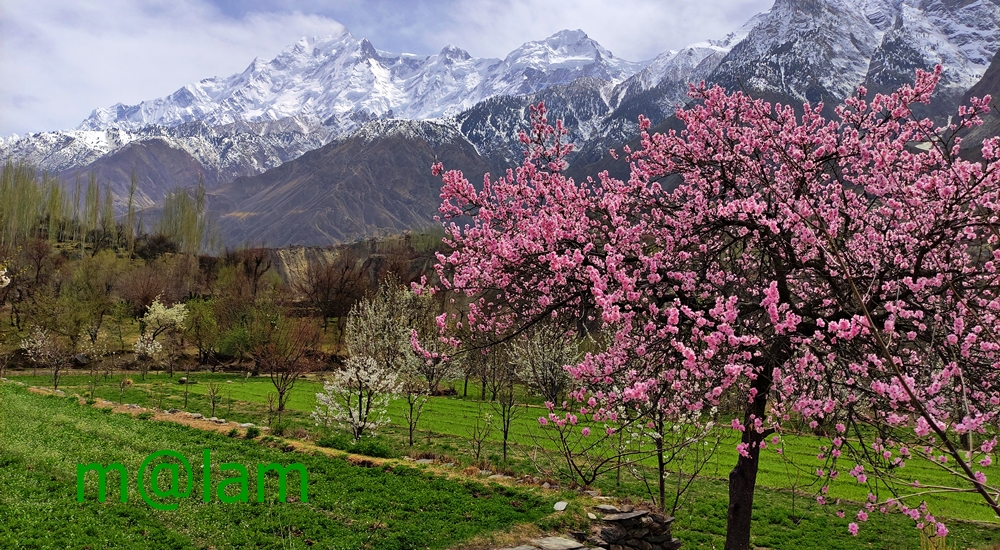
A Celebration of Color, Culture & Mountain Beauty
Where Valleys Bloom and Mountains Come Alive
Every spring, Pakistan’s northern mountains awaken from winter in a spectacular display of color. From the apricot orchards of Baltistan and the cherry blossoms of Hunza to the almond groves of Nagar and the flowering valleys of Swat, blossom season transforms the landscape into a living canvas of pink, white, crimson, and soft pastel hues.
Set against the backdrop of the Karakoram, Himalaya, and Hindu Kush mountain ranges, these blossoms create one of Asia’s most breathtaking seasonal spectacles. Snow-capped peaks tower above flowering orchards, traditional stone villages come alive with agricultural activity, and communities celebrate the arrival of spring through centuries-old customs and festivals.
Unlike heavily commercialized blossom destinations elsewhere in the world, Pakistan offers an authentic and immersive experience. Visitors can wander through village orchards, enjoy tea beneath flowering trees, photograph ancient forts surrounded by blossoms, and experience warm local hospitality in some of the most scenic mountain valleys on Earth.
Whether you are a photographer, nature lover, cultural explorer, or family traveler, blossom season offers a unique opportunity to witness Pakistan at its most beautiful.
Ideal For: Photography • Nature Lovers • Families • Cultural Travelers • Slow Travel Enthusiasts
Top Blossom Destinations: Hunza • Nagar • Skardu • Shigar • Khaplu • Ghizer • Swat • Chitral
Season at a Glance
|
Fact |
Details |
|
Season Duration |
Mid-March – Early May |
|
Peak Bloom Period |
Late March – Mid-April |
|
Average Temperature |
10°C – 25°C |
|
Main Regions |
Gilgit-Baltistan, Chitral, Swat |
|
Signature Flowers |
Apricot, Cherry, Almond & Apple Blossoms |
|
Best For |
Photography, Culture, Sightseeing |
|
Crowd Level |
Moderate |
|
Accessibility |
Excellent |
|
Recommended Trip Length |
5–14 Days |
|
Landscape |
Blossoms, Orchards, Snow-Capped Mountains |
Why Visit Pakistan During Blossom Season?
As winter loosens its grip on the mountains, valleys across northern Pakistan burst into life. Thousands of fruit trees bloom simultaneously, creating a breathtaking contrast between colorful orchards and snow-covered peaks.
Blossom season is also deeply connected to local culture and agriculture. Farmers begin preparing their fields, communities gather to celebrate spring, and villages reopen after the long winter months. This period offers travelers an opportunity to witness everyday mountain life at its most vibrant.
Visitors can enjoy:
- Spectacular blossom landscapes
- Comfortable weather for sightseeing
- Fewer crowds than summer
- Rich cultural experiences
- Excellent photography opportunities
- Scenic road journeys through mountain valleys
- Authentic interactions with local communities
What Makes Blossom Season Special?
Almond Blossoms
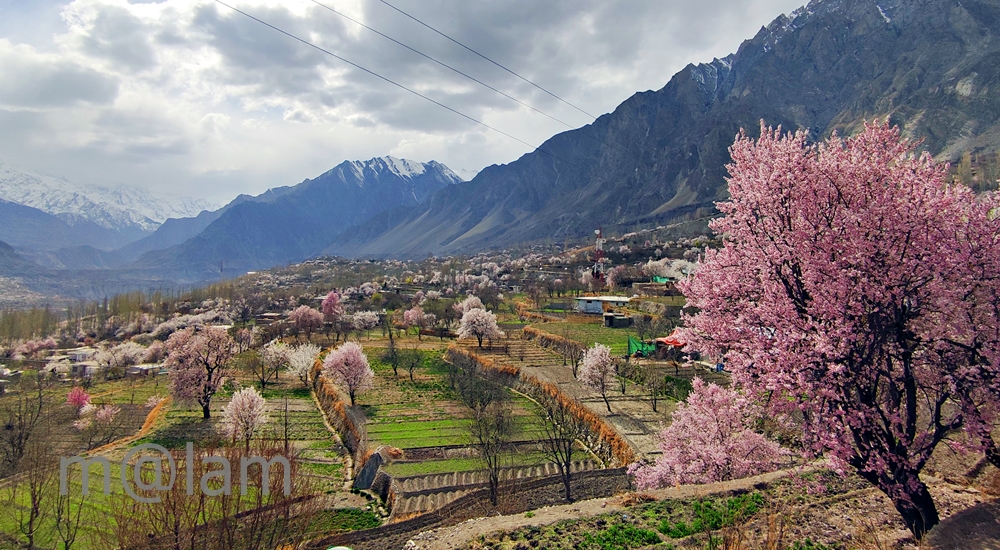
Among the earliest harbingers of spring in northern Pakistan, almond blossoms blanket the valleys of Hunza, Nagar, and Baltistan in delicate shades of white and pale pink, signalling the end of winter and the arrival of warmer days. Their graceful blooms create enchanting landscapes against the snow-draped mountains, making almond blossom season one of the most beautiful and serene times to experience the region’s natural splendour.
Apricot Blossoms
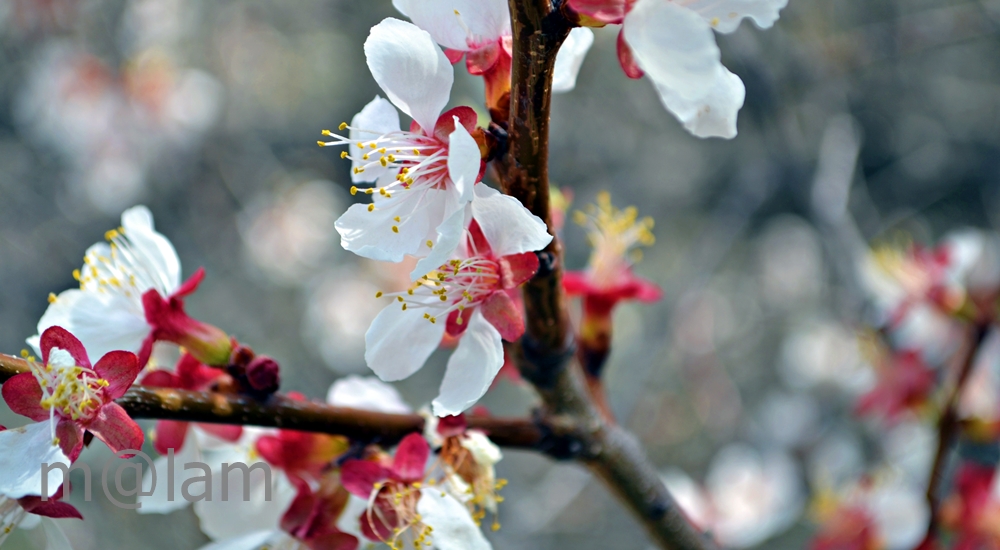
The iconic apricot blossoms are the signature bloom of Baltistan and Hunza, where thousands of apricot trees burst into delicate white and soft pink flowers each spring, transforming entire valleys into a breathtaking floral paradise against the backdrop of snow-capped mountains and traditional villages.
Cherry Blossoms
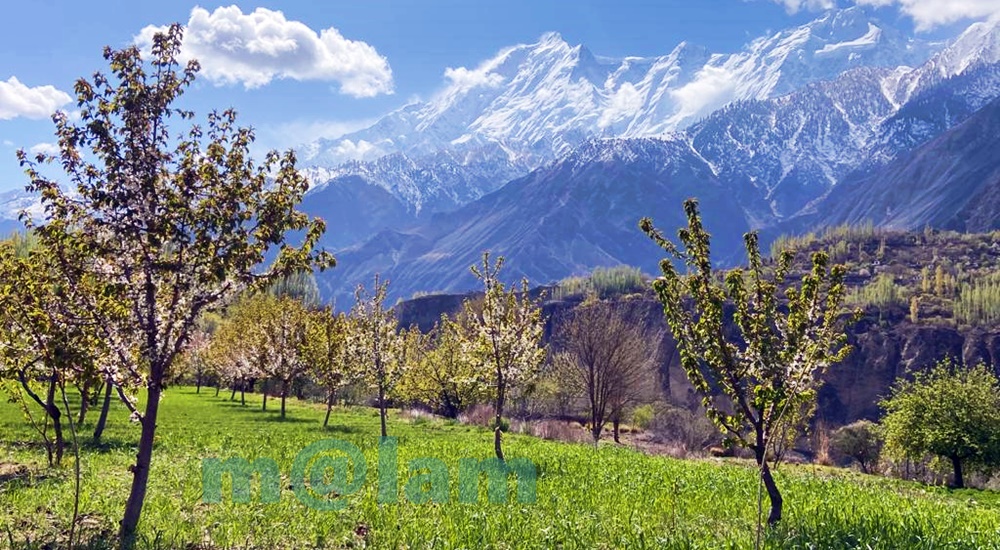
Cherry blossoms create stunning pink landscapes throughout Hunza, Nagar, and Ghizer, carpeting orchards and terraced fields in vibrant hues that contrast beautifully with the surrounding peaks, making spring one of the most magical and photogenic seasons in northern Pakistan.
Apple Blossoms
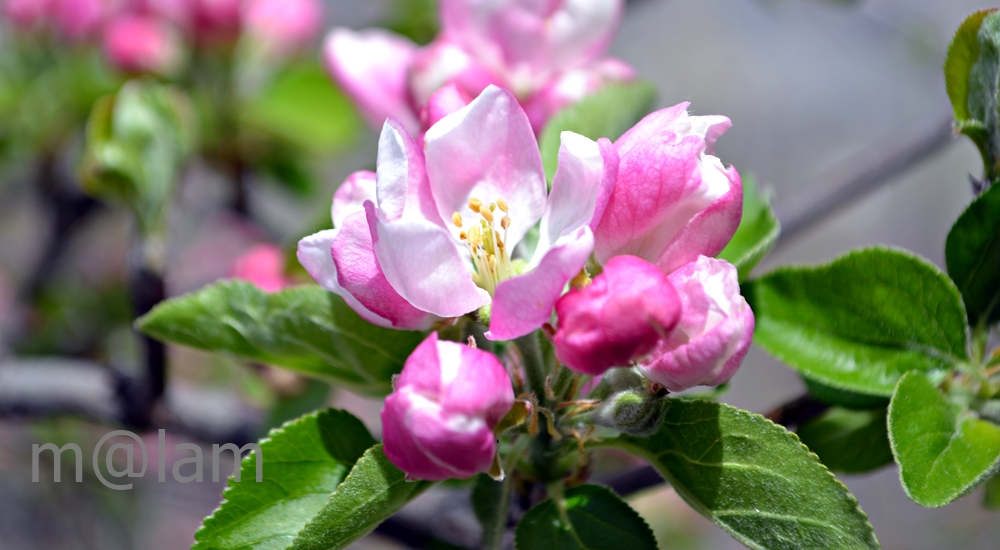
Apple blossoms bring a gentle charm to the valleys of Hunza, Nagar, Ghizer, and Skardu, covering orchards with clusters of white and blush-pink flowers that symbolize renewal, prosperity, and the promise of the region’s abundant fruit harvests.
Peach Blossoms
Among the most vibrant blooms of spring, peach blossoms paint the valleys of Hunza, Baltistan, and Ghizer in striking shades of deep pink and crimson, adding dramatic bursts of colour to the mountain landscapes and creating some of the season’s most captivating scenery.
Snow & Flowers Together
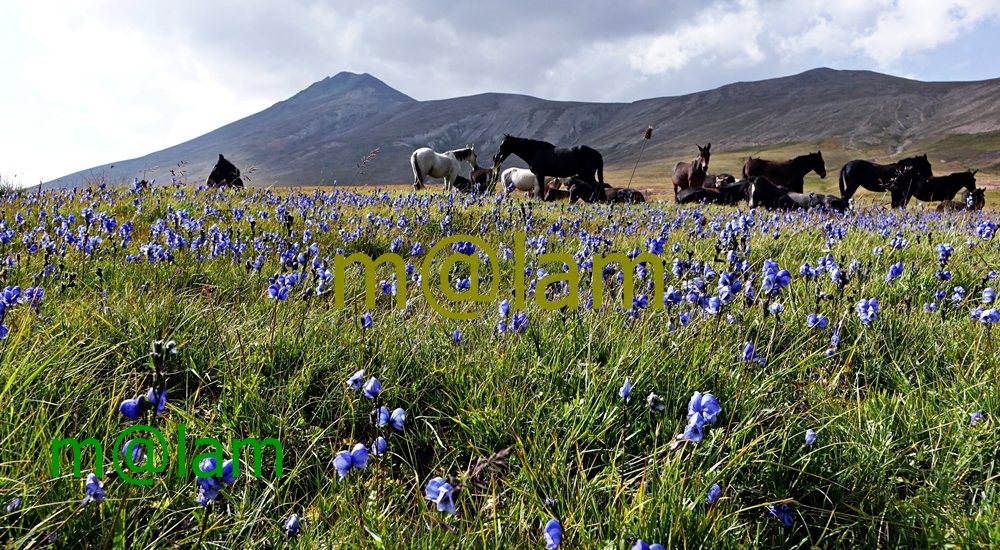
Northern Pakistan offers one of the rarest visual contrasts on Earth where spring blossoms emerge while towering peaks remain snow-covered. In valleys such as Hunza, Nagar, and Baltistan, orchards of apricot, cherry, apple, and peach bloom in vibrant colours right beneath glistening glaciers and white-capped mountains. This extraordinary coexistence of winter and spring creates surreal landscapes where pink and white flowers appear to float against icy summits, offering a scene that feels both dramatic and peaceful at the same time.
Photographer’s Paradise
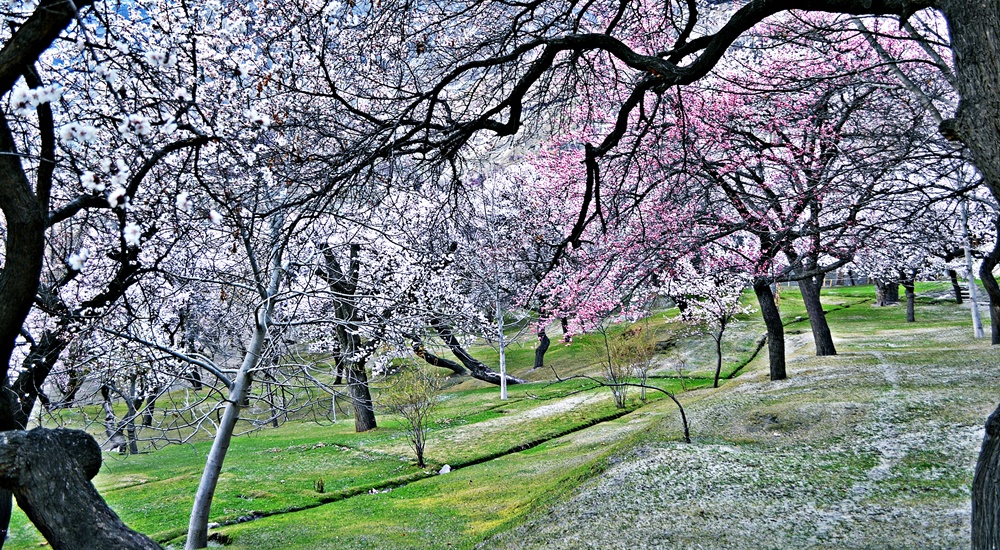
This region is widely regarded as a dream destination for photographers due to its unmatched combination of natural and cultural elements. Soft golden sunlight in the mornings and evenings illuminates blooming orchards, while rugged mountain backdrops add depth and drama to every frame. Traditional stone villages, centuries-old forts, winding rivers, and terraced fields further enrich the composition, allowing endless creative possibilities for landscape, cultural, and travel photography throughout the blossom season.
Living Culture
Beyond natural beauty, the blossom season is deeply intertwined with the living culture of the northern valleys. Visitors can experience traditional village life where farming practices, orchard cultivation, and seasonal celebrations remain central to daily routines. Local festivals mark the arrival of spring, while travelers are welcomed with warm hospitality and authentic mountain cuisine. This cultural immersion provides a meaningful connection to the people who have preserved these landscapes and traditions for generations.
Perfect Weather
Spring in the northern regions brings some of the most pleasant weather conditions of the year, making it ideal for exploration and outdoor activities. Daytime temperatures are generally mild and comfortable, with crisp mornings and cool evenings that enhance the mountain atmosphere. Clear skies and stable conditions during this season allow for uninterrupted travel, scenic walks, and sightseeing, making it one of the best times to fully experience the natural and cultural richness of the region.
Best Blossom Destinations
Gilgit Town – Gateway to the Northern Blossom Routes
Gilgit Town serves as the strategic gateway to the breathtaking northern valleys of Pakistan and becomes a vibrant stopover during the spring blossom season, when surrounding orchards, riverbanks, and nearby villages come alive with apricot, cherry, apple, and peach blooms. Nestled along the confluence of the Gilgit and Hunza Rivers, the town offers a unique blend of natural beauty, cultural heritage, and modern connectivity, making it an essential base for travellers exploring Hunza, Skardu, Ghizer, and Nagar. During spring, the landscapes around Gilgit are softened by blossoming trees set against rugged mountain terrain, creating a scenic introduction to the wider Gilgit-Baltistan region.
Gilgit also plays a key role as a cultural and commercial hub, where visitors can experience local markets, traditional cuisine, and the everyday lifestyle of mountain communities. The town is surrounded by significant viewpoints and short excursion spots that offer early glimpses of the region’s floral transformation before heading deeper into the valleys.
Things to Do in Gilgit
- Visit Gilgit Bazaar for local crafts, dry fruits, and regional products
• Explore the confluence point of Gilgit and Hunza Rivers
• Enjoy short drives to nearby blossom-filled villages
• Experience local food and hospitality in town restaurants
• Use Gilgit as a base for excursions to Hunza, Nagar, and Ghizer valleys
Hunza Valley – The Crown Jewel of Blossom Season
Hunza Valley is widely regarded as the crown jewel of Pakistan’s blossom season, where spring transforms the entire landscape into a breathtaking mosaic of pink, white, and green hues framed by some of the highest mountains on Earth, including Rakaposhi, Ultar Sar, and Ladyfinger Peak. During March to April, apricot, cherry, apple, and peach blossoms cover terraced fields and traditional stone villages, creating a fairytale-like setting that attracts photographers, nature lovers, and cultural travellers from around the world.
Highlights
- Karimabad – The cultural heart of Hunza with panoramic mountain views and vibrant local life
• Altit Village – A historic settlement known for its heritage charm and blossom-filled terraces
• Baltit Fort – A 700-year-old architectural masterpiece overlooking the valley
• Altit Fort – One of the oldest heritage sites offering insight into Hunza’s royal history
• Duikar Viewpoint (Eagle’s Nest) – Famous sunrise and sunset spot over blossoming valleys
• Gulmit – A scenic Gojal village surrounded by orchards and rugged peaks
• Passu – Known for its dramatic spires, suspension bridges, and glacier views
Things To Do
- Explore centuries-old forts and learn about Hunza’s royal heritage
• Walk through blossom-covered terraces and traditional irrigation channels
• Visit remote villages to experience authentic mountain culture
• Enjoy local Hunza cuisine including chapshuro, harissa, and apricot-based dishes
• Witness sunrise and sunset from Duikar viewpoint over blooming valleys
Nagar Valley – Hidden Gem Opposite Hunza
Located directly opposite Hunza Valley, Nagar Valley offers equally spectacular spring scenery but with significantly fewer crowds, making it an ideal destination for travellers seeking peace and untouched natural beauty. The valley is dominated by the majestic Rakaposhi (7,788m), which creates a dramatic backdrop for orchards bursting into blossom during spring.
Highlights
- Hopper Valley – Famous for its glaciers and sweeping views of surrounding peaks
• Nagar Khas – Central town with traditional culture and scenic surroundings
• Rakaposhi View Point – One of the best panoramic viewpoints of the mighty Rakaposhi
• Minapin – A gateway village for treks and glacier access
Things To Do
- Take peaceful village walks through blooming orchards
• Capture blossom photography with Rakaposhi as a backdrop
• Visit glacier viewpoints for dramatic natural scenery
• Engage with local communities and experience traditional lifestyle
Skardu Valley – Apricot Blossom Capital of Baltistan
Skardu Valley becomes exceptionally beautiful in spring when apricot orchards bloom across villages, riverbanks, and mountain slopes. As the gateway to Baltistan, Skardu combines dramatic landscapes with cultural richness, offering a unique blend of desert, lake, and orchard scenery during blossom season.
Highlights
- Skardu City – Base hub surrounded by mountains and rivers
• Satpara Village – Known for traditional homes and agricultural landscapes
• Upper Kachura Lake – A crystal-clear alpine lake surrounded by apricot trees
• Lower Kachura Lake (Shangrila) – Famous for its resort setting and scenic views
• Sarfaranga Cold Desert – A rare high-altitude desert landscape near blooming valleys
Things To Do
- Capture orchard photography during peak apricot bloom
• Enjoy lake excursions and peaceful boat rides
• Explore local bazaars and handicraft markets
• Discover cultural and historical landmarks around Skardu
Shigar Valley – Heritage Meets Blossom Landscapes
Shigar Valley, located about 50km from main Skardu town, offers a perfect blend of heritage, history, and natural spring beauty, where blossoming orchards surround centuries-old architecture and traditional Balti settlements. The valley is less commercialized, making it ideal for immersive cultural travel.
Highlights
- Shigar Fort – A restored 17th-century fort turned heritage hotel
• Amburiq Mosque – One of the oldest wooden mosques in the region
• Shigar Village – Traditional settlement surrounded by fertile orchards - ShigarHashupi Garden– A manmade garden and a key tourist attraction with a diverse fruit trees
Things To Do
- Walk through historic heritage sites and restored architecture
• Experience rural village life during spring bloom
• Capture landscape photography combining culture and nature
Khaplu Valley – Cultural Capital of Blossoms
Khaplu Valley is one of Baltistan’s most picturesque destinations, known for its elegant wooden architecture, fertile orchards, and rich cultural heritage. During spring, the valley becomes a colorful paradise where blossoms frame historic landmarks and traditional villages.
Highlights
- Khaplu Fort – A beautifully restored palace overlooking the valley
• Chaqchan Mosque – One of the oldest mosques in the region
• Organic farms – Spread across fertile valley landscapes
• Traditional villages – Known for wooden architecture and hospitality
Things To Do
- Explore cultural and historical landmarks
• Enjoy blossom photography in orchard settings
• Experience local Balti cuisine and hospitality
Ghizer Valley – Hidden Orchard Paradise
Ghizer Valley is a hidden paradise of Gilgit-Baltistan located to the south of Gilgit, known for its peaceful atmosphere, crystal-clear rivers, and extensive orchards that bloom beautifully during spring. It offers one of the most serene blossom experiences in Pakistan.
Highlights
- Gupis – Scenic town surrounded by mountains and rivers
• Phander Valley – Famous for its turquoise lake and peaceful landscape
• Khalti Lake – A stunning alpine lake ideal for photography
Things To Do
- Enjoy scenic drives through blooming valleys
• Take nature walks along rivers and lakes
• Experience fishing and outdoor leisure activities
• Capture village life surrounded by blossoms
Swat Valley – The Switzerland of Pakistan in Bloom
Swat Valley, often called the “Switzerland of Pakistan,” becomes especially beautiful in spring when green meadows, rivers, and blooming orchards come alive. The valley combines natural beauty with cultural richness and historical depth, making it a top destination for spring tourism.
Highlights
- Mingora – Main city and commercial hub of Swat
• Malam Jabba – Famous ski resort with springtime views
• Kalam – A lush valley surrounded by forests and rivers
• Bahrain – Scenic riverside town known for its charm
Things To Do
- Explore historical and cultural sites
• Enjoy hiking and nature walks in alpine landscapes
• Capture spring photography across valleys and rivers
• Experience traditional Pashtun cuisine and hospitality
Top Experiences During Blossom Season
Join a Blossom Photography Tour
Blossom season offers one of the most photogenic landscapes in the world, where flowering orchards of apricot, cherry, apple, and peach are set against dramatic backdrops of snow-covered peaks. Photography tours in Hunza, Nagar, Skardu, and Ghizer are designed to capture this rare contrast of spring and winter, with golden-hour light enhancing every frame. From wide valley shots to intimate village scenes, every location provides exceptional visual storytelling opportunities for both amateur and professional photographers.
Walk Through Traditional Villages
Exploring traditional villages during blossom season offers an authentic glimpse into centuries-old mountain lifestyles that remain closely connected to nature. Stone-built houses, terraced fields, irrigation channels, and blooming orchards create a peaceful environment where visitors can observe daily life unchanged for generations. Villages in Hunza, Baltistan, and Ghizer are especially known for their cultural richness and scenic beauty during spring.
Explore Historic Forts
Northern Pakistan is home to several historic forts that become even more striking during blossom season. Sites such as Baltit Fort, Altit Fort, Shigar Fort, and Khaplu Fort are surrounded by flowering trees and panoramic mountain views, offering a unique combination of history and natural beauty. These forts provide insight into ancient trade routes, royal heritage, and architectural traditions of the region.
Taste Seasonal Cuisine
Blossom season is also a time to enjoy fresh, seasonal cuisine made from locally grown produce. Visitors can taste traditional dishes such as chapshuro, mamtu, and harissa, along with fresh apricot-based products like juices, jams, and dried fruits. Meals are often prepared using organic ingredients sourced directly from village farms, offering a true farm-to-table experience in a mountain setting.
Meet Local Communities
One of the most memorable aspects of visiting northern Pakistan is the warm hospitality of its people. During blossom season, travellers have the opportunity to interact with local families, learn about their traditions, and experience everyday life in mountain communities. Hospitality is deeply rooted in the culture, and guests are often welcomed with tea, home-cooked meals, and heartfelt conversations.
Scenic Mountain Drives
Blossom season transforms the region’s already spectacular roads into some of the most scenic drives in Asia. Routes such as the Karakoram Highway, Hunza Highway, and Skardu roads pass through blooming valleys, rivers, and towering peaks. These journeys offer continuous visual beauty, with changing landscapes that range from lush orchards to rugged mountain terrain.
Sunrise & Sunset Viewing
Sunrise and sunset during blossom season create some of the most magical moments in the northern valleys. Early morning light casts a golden glow over blooming orchards and snow-capped peaks, while evenings paint the sky in soft pink and orange hues. Popular viewpoints like Duikar (Eagle’s Nest) in Hunza provide unforgettable panoramic experiences during these hours.
Cultural Immersion
Blossom season is closely tied to local spring celebrations and cultural traditions. Visitors may witness or participate in village gatherings, seasonal festivals, and communal activities that mark the arrival of spring. These experiences offer deeper cultural understanding and a meaningful connection to the communities that live in harmony with these breathtaking landscapes.
Blossom Season Festivals & Events
Event | Location | Timing |
Bo-Fao | Hunza & Nagar | Late February |
Nowruz Festival | Hunza & Nagar | 21 March |
Takhum Rezi (Bo / Bee Ganik) | Ghizer | Mid-Late March |
Pakistan Day Celebrations | Nationawide | 23 March |
Jashn-e-Baharan | Gilgit-Baltistan | Spring |
Tagham Festival | Shimshal, Upper Hunza | 1 April |
These festivals celebrate renewal, agriculture, community spirit, and the arrival of spring.
Photography Guide
Best Time for Photography
- Early Morning
- Golden Hour Before Sunset
Recommended Subjects
- Blossom Orchards
- Historic Forts
- Village Life
- Snow-Capped Peaks
- Mountain Reflections
- Traditional Architecture
- Suspension Bridges
- Lakes
Best Photography Locations
Hunza Valley
- Duikar
- Karimabad
- Shishkat
- Gulmit
- Gulkin
- Hussaini
- Khyber
- Passu
Since the altitude of these valleys vary; blossom occurs late in the valleys located on higher altitudes
Nagar Valley
- Rakaposhi View Point
- Rakaposhi Zero Point
- Minapin Valley
- Hopper Valley
Ghizer
- Gupis Valley
- Phander Valley
- Yasin Valley
Skardu
- Chunda Valley
- Upper Kachura
- Skardu Town
- Katpana Desert
Shigar
- Sarfaranga Desert
- Shigar View Point
- Shigar Valley
- Shigar Fort
Khaplu
- Khaplu Fort
- Chaqchan Mosque
- Machlu Valley
- Hushey Valley
Access & Transportation
By Air
- Skardu International Airport (PIA, Air Sial, Air Blu and chartered plans)
- Gilgit Airport (PIA only)
- Islamabad International Airport (Major International Flag Careers)
By Road
Karakoram Highway
Access to Hunza, Nagar, and Ghizer.
Skardu Road
Connects Baltistan by Jaglot-Skardu Road with the Karakoram Highway.
Swat Motorway
Fast access to Swat Valley from Islamabad taking approximately 4-5 hours.
Recommended Transportation
- Private vehicles
- Chauffeur-driven transport
- Guided tours
- Domestic flights
What to Pack
Clothing
✓ Light fleece jacket
✓ Layered clothing
✓ Comfortable walking shoes
✓ Warm evening wear
Essentials
✓ Sunglasses
✓ Sunscreen
✓ Camera equipment
✓ Power bank
✓ Personal medication
✓ Water bottle
Do's & Don'ts
Do's
✓ Respect local customs and traditions
✓ Support local businesses and artisans
✓ Stay on designated orchard paths
✓ Ask permission before photographing people
✓ Carry reusable water bottles
✓ Dress modestly in villages
Don'ts
✗ Pick flowers from orchards
✗ Leave litter behind
✗ Disturb wildlife
✗ Fly drones without authorization
✗ Enter private property without permission
✗ Damage trees for photographs
Frequently Asked Questions
When is the best time to see blossoms in Pakistan?
Late March to mid-April generally offers the most spectacular bloom conditions. However, it really depends on the altitude. Gilgit get early blossom. Hunza, Shigar, and Skardu with almost same altitude get blossom at the same time but a week or two later than Gilgit. Likewise, Chunda and Upper Kachura in Skardu, Khaplu Valley, Hoper Valley in Nagar, and Upper Hunza valleys (Gulmit, Gulkin, Hussaini, and Passu) almost get blossom at the same time. Khyber in Upper Hunza gets blossom much later.
Which valley is best for blossom photography?
Hunza, Nagar, and Shigar are considered the premier blossom photography destinations. It is not only because of the blooming orchards but also a variety of attractions, snow-capped mountains in the background, shopping opportunities, and traditional food besides welcoming people.
Is blossom season suitable for families?
Yes. The pleasant weather and easy sightseeing opportunities make it ideal for family travel. Mostly tourists can see all attractions while driving along the roads, there is only limited easy walks that even elderly can take these tours.
Do I need special equipment?
No, but a good camera/cell phone and comfortable walking shoes will greatly enhance your experience.
Can blossom season tours be combined with cultural experiences?
Absolutely. Blossom season is one of the best times to experience local culture, festivals, food, and village life.
Suggested Blossom Itineraries
5-Day Hunza Blossom Escape
Islamabad → Gilgit → Hunza → Nagar → Islamabad
7-Day Baltistan Blossom Journey
Islamabad → Skardu → Shigar → Khaplu → Skardu → Islamabad
10-Day Northern Pakistan Blossom Tour
Islamabad → Gilgit → Hunza → Nagar → Ghizer → Skardu → Shigar → Khaplu → Islamabad
Explore Other Seasons
Summer in Pakistan (May – September)
Trekking, alpine lakes, mountain adventures, and high-altitude exploration. Only visit to the northern Pakistan (Gilgit-Baltistan and Chitral en route Swat Valley) is recommended. Southern parts of Pakistan are extremely hot during summers.
Autumn in Pakistan (October & November)
Golden forests, harvest season, and spectacular foliage across northern valleys. It is also possible to combine a cultural tour to some of the region in the southern parts of Pakistan during autumn.
Winter in Pakistan (November – February)
Snow-covered landscapes, skiing, winter festivals, and frozen mountain scenery. Most tourists prefer cultural tours to the southern parts of Pakistan during this season.
A Season Like No Other
For a few magical weeks each spring, Pakistan’s mountain valleys become a living canvas of blossoms, culture, and breathtaking scenery. Whether exploring the legendary valleys of Hunza, photographing the orchards of Baltistan, or discovering hidden gems in Ghizer and Swat, blossom season offers an unforgettable journey into the heart of Pakistan’s natural beauty and cultural heritage.