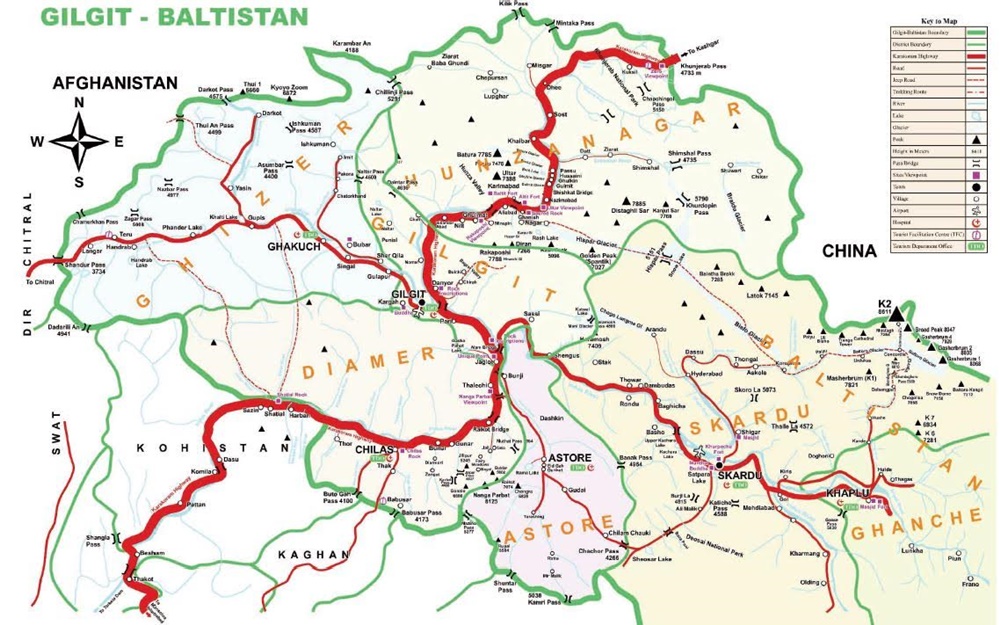
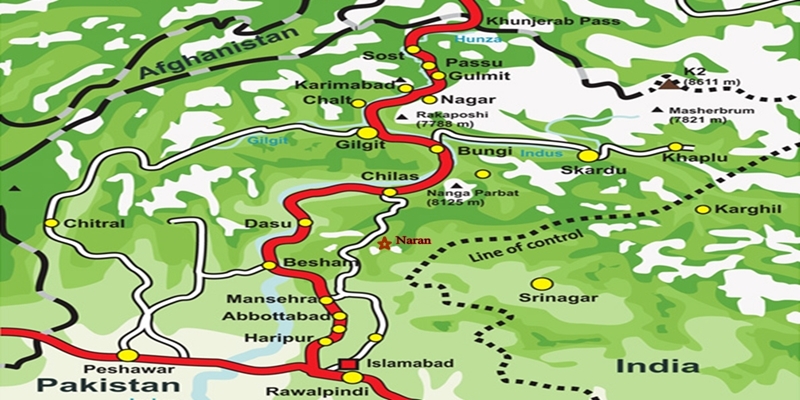
Gilgit-Baltistan

Gappa Valley

Gappa Valley

Exploring the Enchanting Charms of Gappa Valley The Gappa Valley is a breathtaking meadow and an emerging tourist attraction alluring visitors from within and outside Pakistan. If you’re in search of an enchanting escape, then the Gappa is your choice. Nestled in the heart of the Nagar Valley in Gilgit-Baltistan, this hidden gem is quickly rising to prominence as a must-visit tourist destination. With its gushing glacial waters, terraced fields, expansive meadows, lush green hills, and majestic snow-covered mountain peaks in the background, this enchanting valley promises an unparalleled experience. Embracing Nature’s Beauty in Gappa Valley Gappa is a haven for nature enthusiasts, boasting pristine pine jungles, bubbling fountains, vast grasslands, and breathtaking vistas of Rakaposhi. The journey through the majestic Chalt Bala (Upper) and its pastures is an experience to memorize for a lifetime. It comes as no surprise that this valley has become a magnet for tourists seeking solace in the embrace of nature. Unveiling the Treasures of Nagar Valley Nagar Valley, home to the Gappa Valley, is a treasure trove of towering mountain peaks, crystal-clear lakes, and ancient glaciers. This region, located north of Gilgit city along the Karakoram Highway, remains a relatively undiscovered gem. The Chalt Valley marks the beginning of Nagar Valley, and Gappa is the first adventure that beckons. Gappa Valley: A Playground for All Seasons Gappa Valley’s allure knows no bounds, attracting visitors year-round. During the summer months, both local and international tourists flock to this haven to relish its serene ambiance and camping opportunities. The ideal time to visit is between June and September for the ultimate summer experience, while winter enthusiasts should plan a trip between December and February. Keep in mind that the road leading to the valley remains unpaved beyond the Chalt intersection on the Karakoram Highway, so opting for a sturdy Jeep is advisable. Discovering Hidden Treasures in Gappa Valley Gappa isn’t just a sanctuary for nature lovers; it’s a paradise for trekkers and those seeking peace alike. The region’s natural forests, pristine fountains, lush grasslands, and delectable local cuisine provide a holistic experience. Moreover, the warm and hospitable locals ensure that your visit is truly unforgettable. However, the crowning jewel of the valley is the mesmerizing view of Rakaposhi Peak, a sight that will leave an indelible mark on your memory. Outdoor Adventures Whether you’re an individual traveler or part of a family, there are plenty of spots to prepare and enjoy your own meals. Picture yourself cooking amidst the shade of towering pine trees with glacier water flowing nearby. The local shepherds extend their hospitality by offering delicious buttermilk (Lassi) and traditional flour Crepes (Giyaling). However, do remember to carry all your cooking supplies from the market. Adventure Awaits in Gappa Valley For adventure seekers, Gappa Valley offers a plethora of hiking and trekking activities. Exploring the vast expanse of the valley by hiking through its surrounding pastures and hills is an exhilarating experience. The trekking trail from Gappa Valley to Naltar Valley is a compelling reason in itself to plan a visit. Finding Your Way to Gappa Valley Gappa is accessible by 4WD. The journey to Gappa commences with a scenic drive through Chalt Bala, branching off from the main Karakoram Highway. While it was previously accessible from the District Nagar Check Post at KKH towards Chalt village, make sure to check current access points and trail conditions for an effective journey. To be precise, the road branches out from the Police check-post near the Collision Point of Continental Plates. Drive to the Chalt Valley and proceed to Gappa. While the drive is an adventure in itself, lasting approximately one and a half hours, it’s unquestionably worth the effort. As you approach Gappa Valley, the landscape transforms, welcoming you with open arms. The Gappa Valley is a paradise waiting to be discovered. Whether you’re an avid trekker, a nature enthusiast, or simply someone seeking serenity, Gappa offers an array of experiences that will undoubtedly leave you in awe. Plan your journey and unlock the enchanting charms of Gappa today.

Gappa Valley Read Post »

Marsur Rock

Marsur Rock

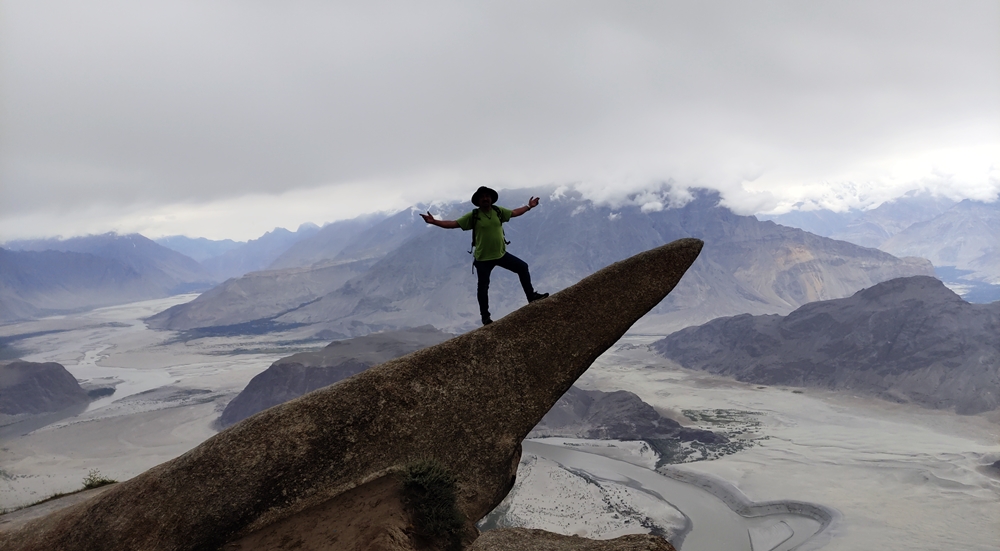
Marsur Rock: The Trolltunga of Baltistan If you’re craving awe-inspiring sceneries of Skardu town and its picturesque surroundings, the hike to the Marsur Rock is what you are exactly looking for. All you need is energy and determination to climb a steep moraine that takes at least 3 hours to hit the rock. It is an amazing hike providing fascinating views of the entire Skardu and surrounding attractions including the Hussainabad Valley and Broq in the immediate backdrop, Sarfaranga Desert, Kharpocho Fort, Nansoq Valley, the meandering Indus River, the convergence of Indus and Shigar rivers, and the Shigar Valley in the background. Marsur Rock is accessible by an adventurous drive from Skardu to the Hussainabad Broq located on a fair altitude followed by an uphill hike providing magnificent views. An Emerging Tourist Attraction Situated on the verge of mountains of Hussainabad, Shigar, Baltistan, Marsur Rock (also known as Hussainabad Rock) stands as a remarkable geological wonder in this region. The famous rock is celebrated for its distinctive geological features. At an elevation of 3,757 meters, Marsur Rock is a towering rock spire perched majestically on a mountain ridge high above the Hussainabad Valley. It bears a striking resemblance to Norway’s famous Trolltunga. What sets it apart is that out of its 38-foot total length, a whopping 25 feet extends dramatically into thin air, offering daring adventurers the opportunity to savor a mesmerizing bird-eye-view of the valleys below and capture daring photographs. Remarkably, Marsur Rock remained hidden from the world until 2018 until it was noticed by locals. A captivating picture of this rock shared on social media suddenly thrust this hidden gem into the tourist limelight. What makes this rock so exceptional is its multi-faceted appeal. It is, without a doubt, the finest bird’s-eye viewpoint in Skardu, offering unrivaled scenery in the entire town. The trail is adventurous, can be conquered by individuals of all ages yet requires vigor and resolve. It’s a perfect day activity whether you’re in Skardu or exploring the enchanting Shigar Valley. How to Reach Marsur Rock Accessing Marsur Rock involves an exhilarating jeep ride to Hussainabad Village and then Broq followed by an invigorating hike. Drive from any part of Baltistan to the southeastern part of Hussainabad Valley. Hussainabad itself is conveniently situated on the Kargil-Skardu Road, merely 24 kilometers from Skardu town, with a journey time of approximately 35 minutes. Take the side road that commences near Karakoram International University Campus in Hussainabad, branching off from the main Kargil-Skardu Road. The jeep track meanders through the valley, passing by the enchanting Hussainabad Waterfall, and ascends along a zigzagging uphill path leading to the summer pasture. From this point onward, a scenic hike leads to the captivating Marsur Rock. Depending on your pace, the hike typically takes around 3 hours. Remarkably, you don’t require a guide to navigate to this remarkable spot. Important Tips for Your Visit Here are some key considerations for planning your journey to Marsur Rock: Mobile signals are not available in the vicinity of Marsur Rock, so plan accordingly. You are traversing a culturally sensitive area, so wear appropriate clothing that respects local customs. Preserve the pristine beauty of the area by avoiding littering and demonstrating responsible travel behavior. Be sure to carry essential supplies, including water, some food, an umbrella or raincoat, a cap or hat, and a camera to capture the breathtaking scenery. Exercise caution, especially when taking photographs, particularly during inclement weather conditions. Explore Nearby Attractions While Marsur Rock itself is a shining gem, there is a treasure trove of attractions waiting to be explored in the immediate vicinity and throughout the remote valleys of Baltistan. Don’t miss the opportunity to immerse yourself in the natural wonders of Hussainabad Valley, Baltistan, Pakistan. Some other captivating attractions in the vicinity include: Skardu District Attractions Nansoq Organic Village Kharpocho Fort Katpana Desert & Lake Satpara Lake Lower Kachura Lake Upper Kachura Lake Deosai Plains Chunda Valley Soq Valley Basho Valley Shigar District Attractions Shigar Fort Palace Amburiq Mosque Hashupi Garden Shigar Riverside Sarfaranga Desert Blind Lake Khaplu District Attractions Khaplu Valley Khaplu Fort Palace Chaqchan Mosque Blind Lake Keris Thallay Valley Machulu Village Hushey Valley Kharmang District Attractions Manthoka Waterfall Khamosh Waterfall

Marsur Rock Read Post »

Blind Lake in the Shigar Valley, Skardu, Gilgit-Baltistan, Pakistan.

Blind Lake

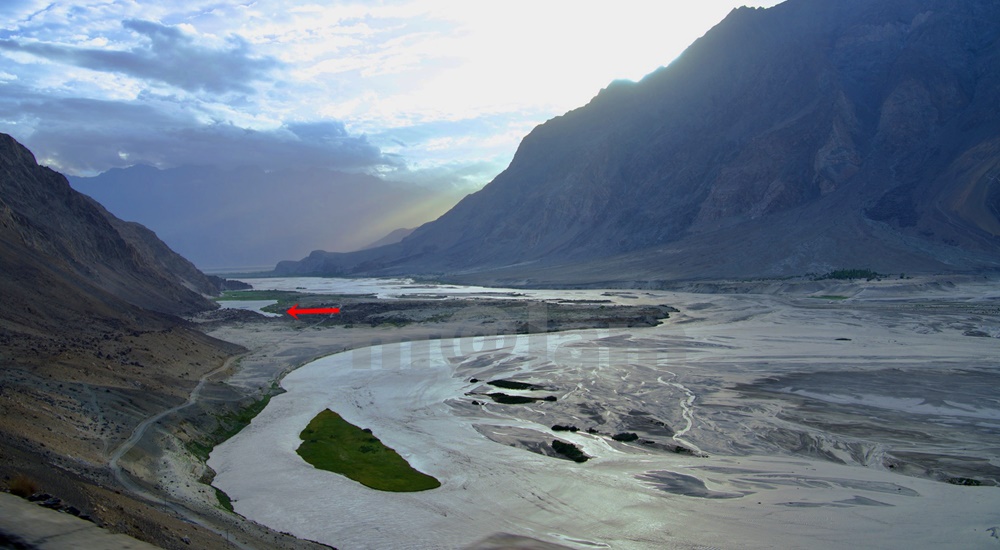
Blind Lake: A Picturesque Oasis in Shigar Valley Locally known as Xarba Tso in the Balti Language, Blind Lake is an enchanting freshwater lake nestled near the Shigar Valley in the heart of the Gilgit-Baltistan region of Pakistan. Unlike most lakes, Blind Lake doesn’t rely on any external water supply or discharge source. Its serene waters remain still and unmoving, earning it the intriguing name “Blind Lake.” A Visual Feast of Nature This mesmerizing lake offers panoramic views of its surroundings, with a particular focus on the riverside and the majestic mountains that serve as its backdrop. The trail leading to Blind Lake is a unique journey through lush greenery, arid deserts, and rugged rocky hills. Discovering Blind Lake’s Location To reach Blind Lake, take a scenic drive from Skardu town towards Shigar Valley, passing through picturesque mountainous terrain and the Sarfaranga Desert. The lake is approximately 28 kilometers from Skardu town and can be reached in around 45 minutes. While the journey to the lake from the main Shigar road is an adventure in itself, it’s undoubtedly worth the effort. A Hidden Gem in Nature’s Embrace Blind Lake is a hidden gem nestled amidst the awe-inspiring mountains surrounding the renowned Sarfaranga Desert. Bounded by the Indus River on one side and the Shigar River on the other, it’s now easily accessible via a newly constructed bridge on the Indus River. However, for those seeking to savor the journey truly, the drive through the Sarfaranga Desert is an experience filled with charm. Accessing the Blind Lake By Road: Travelers can embark on a remarkable journey from Islamabad to Skardu, covering approximately 770 kilometers via the legendary Karakoram Highway (N35). This unforgettable 15-18 hour drive offers breathtaking views, ranging from lush green hills to barren peaks and snow-covered mountains. By Air: Alternatively, you can take a direct flight to Skardu from Islamabad, Karachi, or Lahore. During peak tourist seasons, PIA operates flights from Karachi and Lahore once or twice a week, alongside daily flights from Islamabad. The aerial views during this journey are simply mesmerizing, with a network of mighty mountains beneath and a breathtaking glide through snow-capped peaks before landing at Skardu airport. Pro Tip: For a unique experience, you can also fly to Gilgit from Islamabad or Lahore and continue your journey to Skardu by road, enjoying a scenic one-hour flight and a 3-4 hour drive through the Jaglot-Skardu road (S1). The Final Leg to Blind Lake Upon reaching Skardu, your destination, Blind Lake, is a mere 45 kilometers away. Accessible only by 4-wheel vehicles, you can get to the lake in about an hour and a half. The journey includes 35 minutes of driving on paved roads, followed by 35 minutes on bumpy terrain, and finally, a 30-minute walk that rewards you with the first glimpse of Blind Lake. Enchanting Lake Surroundings While the hike to the lake may pose some challenges, the surrounding beauty more than compensates for any exhaustion. The lush green trees adorning the lake enhance its natural splendor. The tranquil atmosphere, coupled with the captivating stillness and breathtaking scenery, leaves a lasting impression on every beholder. Embrace the Wonders of Blind Lake Sightseeing: Immerse yourself in the beauty of Blind Lake. Its clear blue waters, lush greenery, and mesmerizing circular waves created by the wind will rejuvenate your senses.  Camping: Camping near the lake is a remarkable experience. The ideal spot is next to the lake, where you can witness a spectacular sunset followed by a night sky filled with stars. Be sure to check the weather forecast, as conditions can change rapidly. Pack lightly but include warm clothing for your camping adventure. Swimming: The crystal-clear waters of Blind Lake beckon swimmers. Whether you prefer shallow or warmer areas, the lake offers an excellent opportunity to explore its beauty while swimming. Boating: Enjoy daytime activities by leisurely boating on the calm, cool waters of the lake. It’s an exciting way to explore the lake up close. Fishing: Fishing enthusiasts will delight in the opportunities presented by Blind Lake. The Pakistani government has established a small fish farm here, providing ample chances for trout fishing. Seasons at Blind Lake While Blind Lake’s beauty is captivating year-round, spring stands out as the ideal time to visit. During this season, the area bursts with colorful flowers and butterflies, creating a visual masterpiece. Winter: Expect temperatures ranging from 8 degrees Celsius to 3 degrees Celsius, with snowfall from January to March. The frozen lake’s beauty during winter is awe-inspiring, although January is the coldest, with nighttime temperatures plummeting to -25 degrees Celsius. Summer: Summer temperatures at the Lake range from 24 degrees Celsius to 29 degrees Celsius. The clear waters reflect various colors during this season, making it a magnet for visitors. The best time to visit is from June to September but be prepared for occasional rain if traveling during summer. Accommodation Opportunities While there are a few huts and snack shops in the vicinity, there are no hotels or guesthouses directly near Blind Lake. Many visitors opt for camping near the lake or explore alternative accommodations in Shigar Valley or Shigar Town. Serena Shigar Palace, Concordia Hotel in Skardu, and Kallisto in Skardu are the well-recommended accommodation facilities. However, there is a range of options for accommodation and eateries in Skardu and Shigar. Nearby Tourist Attractions Often referred to as the “Queen of the Alps,” Skardu offers a captivating blend of snow-capped mountains, pristine rivers, lush forests, and historic monuments. While Blind Lake is a sight to behold, there are other attractions to explore. Don’t miss the opportunity to visit this scenic oasis in Shigar Valley, Pakistan. Other key attractions in the surroundings include: Shigar Fort Palace Amburiq Mosque Hashupi Garden Sarfaranga Desert Nansoq Organic Village Masrur Rock (Trolltunga of Pakistan) Kharpocho Fort Katpana Desert and Lake Satpara Lake Lower Kachura Lake Upper Kachura Lake Deosai National Park Chunda Valley Soq Valley Basho Valley

Blind Lake Read Post »

Autumn in Gilgit-Baltistan

Autumn in Gilgit-Baltistan

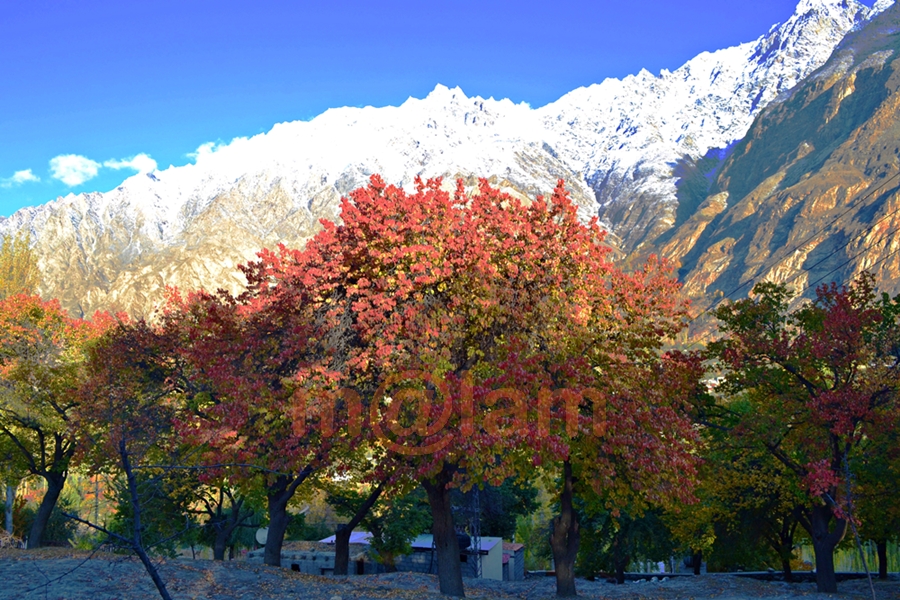
Experience the magic of autumn in Gilgit-Baltistan, when the valleys transform into a breathtaking palette of golden, red, and amber foliage. Discover Hunza, Nagar, Ghizer, and surrounding landscapes at their most spectacular, framed by snow-capped peaks and crisp mountain air.

Autumn in Gilgit-Baltistan Read Post »

The Hunza Valley

The Hunza Valley

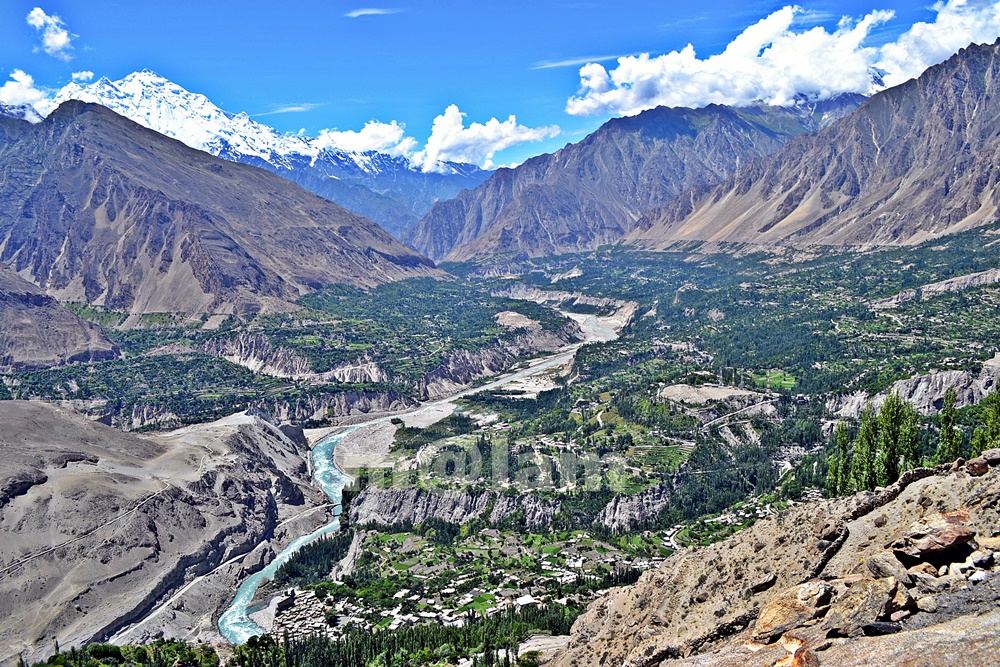
Discover the enchanting Hunza Valley, a breathtaking destination surrounded by towering peaks, ancient forts, turquoise lakes, and picturesque villages. Explore its rich culture, stunning landscapes, and timeless mountain charm, making Hunza one of Pakistan’s most captivating travel destinations.

The Hunza Valley Read Post »

British-Cemetery-Gilgit

British Cemetery Gilgit

British Cemetery in Gilgit: A Testament to Colonial Legacy Nestled in the breathtaking landscapes of Gilgit, the capital of Gilgit-Baltistan, the British Cemetery, also known as G.W. Hayward Cemetery, stands as a poignant reminder of the region’s colonial past. This serene burial ground not only reflects the legacy of the British Raj’s presence in the Gilgit Agency during the 19th and 20th centuries but also offers visitors a glimpse into the historical and cultural tapestry of the era. Commemorating George W. Hayward The British Cemetery was initially named “Hayward’s Garden” in honor of George W. Hayward, a distinguished British explorer. On July 18, 1870, Hayward became the cemetery’s first internee after being tragically assassinated near Darkot Pass in Ghizer. The Royal Geographical Society of London established his burial site, marked with an inscription commemorating his gallantry and achievements. Hayward’s legacy as an intrepid traveler exploring the Pamir grasslands is immortalized here. Architectural Highlights Encircled by a robust stone wall and featuring ornate wrought iron gates, the British Cemetery Gilgit showcases the architectural finesse of the Victorian era. The grave markers, crafted predominantly from stone, are adorned with delicate engravings and intricate designs, making them artistic marvels in their own right. A Historical Landmark Along the Silk Road Situated along the historic Silk Road, Gilgit was a pivotal hub for trade and administration during the British colonial era. The cemetery was established as a final resting place for British officials, soldiers, travelers, and locals who collaborated with the British in various capacities. Each grave tells a story of courage, exploration, and the intertwined destinies of British and local communities. Notable Figures Buried in the Cemetery The cemetery is home to at least 18 graves of notable individuals who played significant roles during the British era, including: Captain G.W. Hayward: The cemetery’s first occupant, renowned for his exploration of Central Asia. Major William Brown: A prominent figure in the development of the Gilgit Agency. Arthur Francis Bruce: The political agent of Gilgit from 1906 to 1908. Henry Gordon Bell: Political agent of Gilgit, interred on July 25, 1912. Harold S. Eldred: Of the Sikh Pioneers Kashmir Infantry, who tragically drowned in the Indus River in 1929. Additionally, the cemetery contains the graves of travelers and mountaineers, including: Members of the 1959 Batura Muztagh Expedition: Dr. Keith Warburton, Harry G. Stephenson, Richard S. Knight, Martin Guennel, and Albert Hirschbichler. Major Jimmy Mills: Who perished during the Pakistan-British Army Karakoram Expedition. Preserving History and Promoting Tourism The British Cemetery in Gilgit is a treasure trove for history enthusiasts and researchers eager to explore the colonial legacy of the region. Its unique architectural style, coupled with the significant individuals interred within its grounds, makes it a compelling destination for cultural tourism. Efforts to conserve and restore the cemetery have been spearheaded by local authorities and heritage organizations. Restoration work focuses on maintaining the structural integrity of grave markers, repairing damaged monuments, and ensuring the cemetery remains a tranquil space for reflection. Visitor Information Open to the public, the British Cemetery offers visitors a chance to delve into the past while paying their respects to those laid to rest. While guided tours are not officially available, local experts often provide valuable historical insights upon request. Visitors are welcome to take photographs but are reminded to respect the solemnity of the site. A Journey Through Time Visiting the British Cemetery in Gilgit is more than a historical excursion; it is an opportunity to honor the individuals who shaped the region’s history and appreciate the cultural exchange between the British and local communities. As restoration efforts continue, this historic site stands as a cherished monument, attracting travelers and history aficionados from around the globe. Nearby Attractions: Konodas Suspension Bridge Biddulph House & Library Karga Buddha Hanzel Stupa Agortham Boulder Uprising Memorial Gilgit Konodas Rock Carvings Danyore Suspension Bridge Danyore Rock Inscription Chinese Graveyard Danyore The Victory Monument of Taj Mughal

British Cemetery Gilgit Read Post »

excursions from Gilgit

Excursions from Gilgit

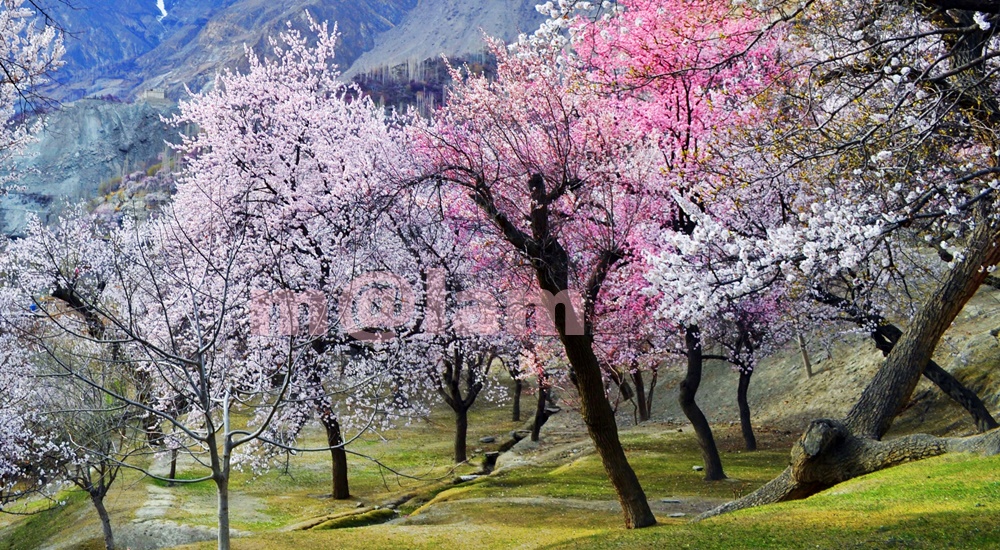
Exciting Escapes from Gilgit: Exploring Majestic Mountain Valleys Excursions from Gilgit encompass all the prime attractions located in the vicinity of Gilgit. Strategically nestled amidst awe-inspiring landscapes, Gilgit opens doors to a host of thrilling journeys into the neighboring valleys and mountainous territories. Each of these destinations unveils a harmonious fusion of natural grandeur, cultural legacy, and adventurous prospects, casting a spellbinding allure for globetrotters and adventurers alike. Adding to the region’s allure is its linguistic diversity, with over ten languages spoken in Gilgit and its neighboring valleys. Gilgit being the melting pot houses people of all colors and creeds. Gilgit City, perched at the confluence of the Gilgit and Hunza Rivers, proudly claims its title as the capital of Gilgit-Baltistan. Rich in historic and manmade landmarks, the Gilgit tourist attractions range from ancient Buddhist heritage to modern edifices making it a preferred choice for travelers. The territory of Gilgit-Baltistan is bordered by China to the east, the Wakhan corridor to the north, Chitral to the west, and Kashmir to the south. This mountainous territory encompasses three divisions – Gilgit, Baltistan, and Diamer. These divisions, in turn, are split into ten districts: Gilgit, Ghizer, Hunza, and Nagar form the Gilgit division; Skardu, Ghanche, Shigar, and Kharmang collectively make Baltistan division while Diamer and Astor constitute the Diamer division. Each of these ten districts boasts a distinctive charm, presenting a picture drawn with natural beauty, cultural diversity, and human endeavor. Gilgit city has direct access to all the attractions in these districts. Below, we explore the thrilling options for Excursions from Gilgit. Day Excursion to Naltar Valley – A blissful Escape The Naltar Valley, an enchanting pine-carpeted expanse, sits majestically located at an elevation of 15,000 ft. At 47 km away from Gilgit, Naltar Valley undoubtedly makes a perfect summer retreat. It serves as an internationally acclaimed ski resort and a launching point for two enthralling treks. Naltar beckons adventurers with the Naltar Pakora Trek, winding through a 4,600-meter pass to the Ishkoman Valley. Likewise, Naltar also serves as a base for the 4,636-meter Daintar Pass, leading to the Karakoram Highway via Chalt Valley. Upper Naltar hosts three picturesque lakes: Bashkiri Lake – I or Chimo Bari (Fish Lake), Bashkiri Lake – II or Chakar Bari (Multi-Ends Lake), and Bashkiri Lake – III or Bodolok Bari (Turbid Lake). Nestled close to each other at the end of the gorge, these three lakes craft an ideal picnic spot. Naltar Valley is currently accessible only by a 4WD, although a metal road from Gilgit is under construction. Day Excursion to Phunder Valley – Explore the Hindukush charms Phander Valley, nestled along the main Gilgit-Chitral road within the Gupis Valley of the Ghizer district in Gilgit-Baltistan, Pakistan, unfurls its breathtaking beauty before your eyes. With turquoise waters cradling pristine lakes and trout aplenty, this valley is a jewel awaiting discovery. Presently, a full day’s journey of 170 km or 4.5 hours from Gilgit takes you to Phunder. But take note, road reconstruction is underway, promising a shorter distance and more time to immerse in the valley’s wonders. In Phander Valley, attractions abound, from the vibrant Gahkuch Bazar to the stately Gupis Fort, the tranquil Khalti Lake, the enchanting Phunder Lake, and the mesmerizing Gulaqmoli. Moreover, the valley opens gates to explore the captivating realms of the Shandur Pass. You may also be interested in: Excursions from Islamabad Day Excursion to Yasin Valley – Unveiling the Enigma Yasin Valley, often referred to as Baba-i-Yasin or Worshigum, remains a hidden gem on the tourist map. Situated approximately 130 km northwest of Gilgit amidst the Hindukush Mountains, this valley extends from Thawoos to the final hamlet of Darkut Valley, meandering through the valleys of Sandhi and Barkulti to the Darkut hot springs, nestled close to the Afghanistan border. The Darkut hot springs, adjacent to the Darkut Pass leading to the Wakhan Corridor, entice trekkers with one of the most celebrated alpine routes. The trek from Yarkhun Valley over Zagar & Nazbar to Yasin Valley also unveils another picturesque route connecting Chitral and Yasin. The prime time to relish Yasin Valley’s beauty is between April and October when nature paints the landscape with blooming blossoms and a kaleidoscope of summer and autumn hues. The valley also offers a plethora of seasonal fruits in summer and excellent fishing opportunities. Junction Point of Three Mountain Ranges – Where the Mighty Mountains Converge The junction point of the three mountain ranges stands as an extraordinary spectacle near Jaglot on the Karakoram Highway, about 40 km southeast of Gilgit, Pakistan. This unique convergence is where the world’s three renowned mountain ranges – the Karakoram, the Himalaya, and the Hindukush – intersect, creating the knot known as the “Junction Point of the world’s three mountain ranges.” Additionally, this exclusive spot serves as the confluence of the Gilgit and Indus Rivers, with the Skardu Road branching out from the KKH nearby. Other historic sites worth exploring include Partab Pul, Bhoop Singh Pari, and Nanga Parbat View Point. Partab Pul, an ancient bridge spanning the Indus River, once served as the primary link between Gilgit and Bunji, Astore, and Kashmir before the advent of the Karakoram Highway. Bhoop Singh Pari stands as a historical landmark along the main Karakoram Highway (KKH), where Raja Gohar Aman of Yasin vanquished a Sikh invader named Bhoop Singh in 1852, securing Gilgit’s liberation. Further south on the Karakoram Highway, the Nanga Parbat View Point treats you to awe-inspiring vistas of Nanga Parbat (8126m), Pakistan’s second-tallest mountain and the world’s ninth tallest. Day Excursion to Bagrot Valley: Best in all Seasons Situated approximately 38 km northeast of Gilgit, the Bagrot Valley stretches along the Gilgit River across the Karakoram Highway. Nestled south of the Karakoram Range, the Bagrot Valley ranks as one of the perfect half-day excursions from Gilgit. This concealed paradise is renowned for its picturesque beauty, verdant meadows, fertile fields, towering peaks, and sprawling glaciers. The local Shina-speaking populace takes pride in preserving a distinctive cultural heritage. Bagrot

Excursions from Gilgit Read Post »

Bilchar Dobani sunset view - A tourist attraction in Gilgit

Gilgit Tourist Attractions

Exploring the Enchanting Gilgit Tourist Attractions: A Journey Through Time and Beauty Gilgit Tourist Attractions: Unveiling the Treasures Within The Gilgit Tourist Attractions comprise key places of interest with cultural and historical backgrounds or adventurous in nature that visitors consider to experience with a keen interest. Gilgit is a mesmerizing gem nestled amidst the grandeur of majestic mountains. It undoubtedly holds within its heart an array of remarkable landmarks that encapsulate the very essence of history, bravery, and culture. In this captivating voyage, we delve into the core of Gilgit, unveiling its concealed treasures that stand as enduring testaments to the human spirit and legacy. Gilgit Town: A Glimpse into the Past and Present Gilgit Town, the enchanting administrative capital of Gilgit-Baltistan, stands as a living testament to a rich history that traces its origins back to the ancient Silk Route. Perched at an elevation of 1,500 meters (4,900 feet) above sea level, this charming town rests in close proximity to the merging point of the Gilgit River and the Hunza River. With its historical significance intertwined with breathtaking natural splendor, Gilgit certainly emerges as an irresistible haven for explorers in search of a distinctive and enthralling escapade. In fact,the Gilgit Tourist Attractions are mostly located within the town of Gilgit. The Magnificence of Gilgit’s Historical Heritage Drenched in historical significance and adorned with natural marvels, Gilgit unveils extraordinary stopovers for wanderers dreaming of immersing themselves in its opulent heritage and awe-inspiring landscapes. With a spectrum of places to visit, Gilgit Tourist Attractions leave an unforgettable imprint on travelers. Gilgit undoubtedly stands as an alluring sanctuary that captures the essence of exploration and discovery. Let us embark on a journey to unravel some of the premier Gilgit Tourist Attractions that have forever etched their mark on the tapestry of travel. The Victory Monument of Taj Mughal: Echoes of Achievement The 700-year-old Victory Monument of Taj Mughal stands as a commemorative tower with a guarding view of Gilgit town. It measures an impressive 21 feet and 10 inches in height and 14 feet and 4 inches in width. The monument is located on a mountain slope in Gilgit town with breathtaking views of Gilgit and its surroundings. Basically, it was named after Taj-ud-Din Mughal, an Ismaili ruler from Badakhshan, who arrived in Gilgit-Baltistan during the 13th century AD. Therefore, the monument was erected by his soldiers to celebrate his victorious feats. To witness the breathtaking views of Gilgit city, visitors can access the monument on foot from Jutial, near the Serena Hotel. Uprising Memorial Gilgit: A Chronicle of Courage The Uprising Memorial serves as the final resting place of the local heroes of Gilgit who courageously rose against the Maharaja in 1947. The heroic acts of Mohammed Babar Khan and Safiullah Beg of the Gilgit Scouts, and Mirza Hassan Khan of the Kashmir Infantry eventually emancipated Gilgit-Baltistan through a rebellion that led to the arrest of Governor Ghansara Singh on Nov 01, from the Maharaja of Kashmir. Karga Buddha: Carved in Stone, Shrouded in Mystery The legendary Kargah Buddha is a 7th-century Buddha figure carved deep into the solid rock. The three-meter (ten-foot) high imposing Buddha sculpture is located in Kargah Nullah (ravine) about 10km south of Gilgit town in Gilgit-Baltistan, Pakistan. In fact, Karga Buddha was discovered along with ruins of a Buddhist monastery and three stupas about 400 meters upriver from the Buddha itself in 1938-39 following the discovery of so-called Gilgit manuscripts in 1931. Generally, Karga Buddha is considered a key tourist attraction in Gilgit and is famous worldwide. Henzal Stupa: A Gateway to Buddhist Legacy Henzal Stupa, a ruin from the Golden Era of Buddhism in Upper Indus during the 7th to 9th century, calls for preservation to uphold its historical significance for tourists and future generations. The Stupa is located in Henzal, right on the Gilgit-Puniyal road. Agortham Boulder: A Tale of Intrigue and Conspiracy The Agortham Boulder, known locally as “Agortham Giri,” is a massive rock located in the middle of the Gilgit River, just under a suspension bridge. Found in the Amphery area, south of Gilgit city, this Boulder carries a traditional history stating that it was once tied to an iron cage where Agor Tham (locally known as Shri Badat) imprisoned his daughter for conspiring against him. In fact, the daughter had secretly married Azur Jamshed, another man aiming to overthrow her father. Konodas Rock Carvings: Echoes of Civilization’s Footprints The Rock Carvings at Konodas, situated within the premises of Karakoram International University near the Bireno Pul (Danyore Suspension Bridge) in Gilgit, hold a historical significance. Named as Konodas Archeological Site, these rock carvings explicitly feature Totemistic and religious symbols, with some carvings believed to be the work of hunters, particularly Ibex shapes. Danyore Suspension Bridge: Weaving Communities, Bridging Hearts The Danyore Suspension Bridge, also known as Bireno Pul, connects Konodas to Danyore, making it a vital historical structure. The 510-foot-long bridge, in fact, one of the oldest suspension bridges in Gilgit-Baltistan, serves as a significant tourist attraction in Gilgit and is dedicated exclusively to pedestrians and motorcyclists, offering a unique travel experience. Danyore Rock Inscription: Living Chronicle The Danyore Rock Inscriptions, with a history dating back to the 7th and 8th centuries A.D., particularly represent an essential archaeological discovery. The inscribed rock is significantly located within the premises of a private house in Danyore, Gilgit-Baltistan, and is locally known as “Likhitu Giri.” Despite being relatively unknown, it certainly holds immense historical value for those related to archaeology and tourism. Chinese Graveyard Danyore: A Tranquil Resting Place The Chinese graveyard, also known as the Memorial Park or China Yadgar, is located in Danyore. The town of Danyore is located on the KKH about 10km across Gilgit. The graveyard basically serves as the final resting place for Chinese engineers and workers. In fact, the Chinese brave workers who sacrificed their lives during the construction of the renowned Karakoram Highway (KKH) in the 1960s and 1970s are buried here. This cemetery significantly stands as a testament to

Gilgit Tourist Attractions Read Post »

karakoram highway tourist attractions

Karakoram Highway Attractions

Explore the spectacular attractions along the Karakoram Highway, from dramatic mountain landscapes and ancient valleys to Attabad Lake, Passu Cones, Khunjerab Pass, and historic settlements. Discover one of the world’s most remarkable journeys through the heart of Pakistan’s majestic northern mountains.

Karakoram Highway Attractions Read Post »

Scroll to Top