Excursions from Islamabad
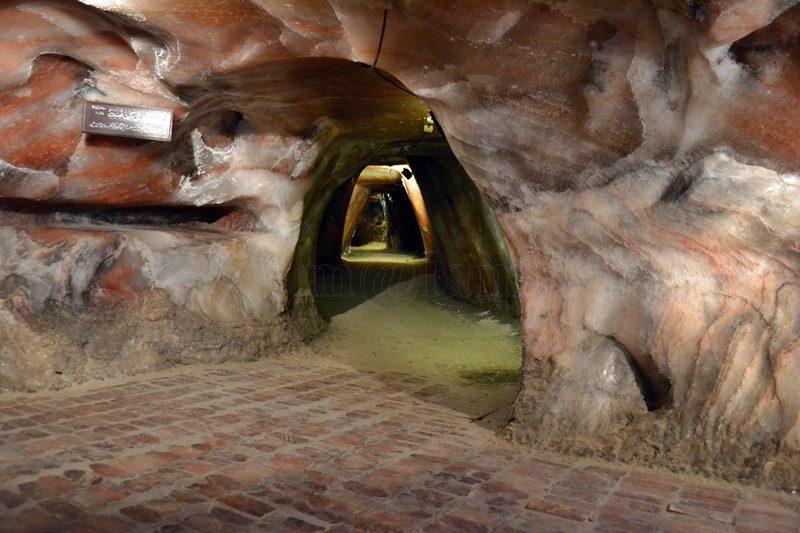
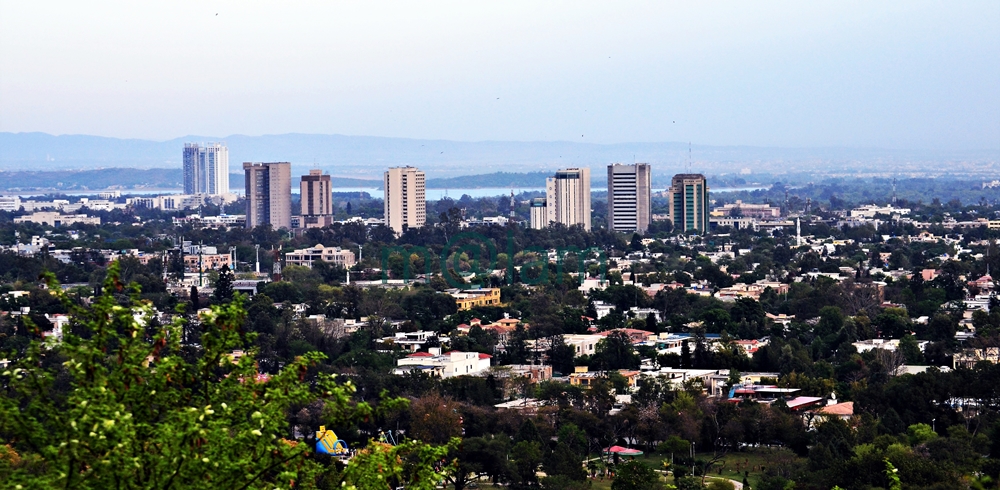
Situated in the heart of Pakistan, the capital city of Islamabad boasts an ideal location that offers easy accessibility from both within the country and internationally. Moreover, its proximity to various key destinations allows visitors to embark on captivating day excursions to explore the region’s natural and cultural wonders. Below are outlined some of the major excursions from Islamabad. DAY EXCURSION TO RAWALPINDI OLD CITY: Rawalpindi, the sister city of Islamabad, is a dynamic urban center celebrated for its bustling markets, rich historical sites, and lively ambiance. Travelers have the opportunity to discover various attractions such as the antique structures within Raja Bazaar, the lively markets of Saddar, and the historic edifices and thoroughfares predating Pakistan’s formation. Notable landmarks include the Pakistan Army Museum, Ayub National Park, and the iconic St. Paul’s Church Rawalpindi. Rawalpindi’s proximity to the capital city adds to its accessibility and appeal to visitors. DAY EXCURSION TO TAXILA WORLD HERITAGE SITE Taxila is an ancient metropolis situated approximately 45 kilometers north of Islamabad, the country’s capital city. Positioned on the border between Punjab and Khyber Pakhtunkhwa provinces, Taxila derives its name from the Sanskrit term Taksasila, translating to “city of cut stones.” This significant archaeological site was discovered in the late 1800s by the renowned archaeologist Sir Alexander Cunningham. Covering an area of approximately 30 square kilometers, Taxila boasts a rich museum and over 50 sites of historical importance. Notable sites within Taxila include Julian, Sirkap, Mohra Moradu, and Julian. Acknowledging its cultural significance, Taxila was inscribed as a UNESCO World Heritage Site of Pakistan in 1980. You may also be interested in: Excursions from Gilgit DAY EXCURSION TO WAH MUGHAL GARDENS The Mughal Gardens, dating back to the era of Akbar, are situated in the city of Wah, less than an hour’s drive from Islamabad. Akbar commissioned Ahmed Mehmar Lahori for their structural and architectural design. These gardens boast exquisite design and have served as the inspiration for numerous significant architectural endeavors due to their ingenuity. In 2006, a team of researchers discovered evidence of a sophisticated water system underlying the gardens, showcasing their modernity for their time. Travelers along the Grand Trunk Road from Peshawar to Islamabad, or those visiting Taxila and Khanpur Dam, can take a moment to explore these historic gardens. DAY EXCURSION TO GURDWARA PANJA SAHIB Gurdwara Panja Sahib, located in Hasan Abdal approximately 50 kilometers from Islamabad, holds immense significance for the Sikh community as one of their most sacred places of worship. Its importance lies in a rock within its premises believed to bear the handprint of Guru Nanak. Twice a year, Sikhs from across the globe make pilgrimages to this Gurdwara. While the Gurdwara’s architecture is stunning and worth admiring, access to the compound is restricted to the general public. DAY EXCURSION TO ROHTAS FORT – A UNESCO WORLD HERITAGE SITE Rohtas Fort (Qila Rohtas) is one of the six UNESCO World Heritage Sites in Pakistan, designated in 1997. The gigantic Rohtas fort is an exceptional example of early Muslim military architecture surviving today. It was built by Farid Khan – the “Lion King” – well known as Sher Shah Suri in the 16th century. Located some 16km northwest of Jehlum city, the fort was strategically built in a gorge on a small hill 300ft above its surroundings, and it commands the old route from the north to the plans of Punjab across the Potohar Plateau. Rohtas Fort is located some 98 km from Islamabad and takes about 2 hours to reach. The major reason behind the erection of this rampart was to subdue the pro-Mughal Ghakkar tribe and to thwart the possible return of Mughal Emperor Humayun who had fled to Iran after his defeat in the battle of Kanauj at Chaunsa. DAY EXCURSION TO KALARKAHAR & MALOT TEMPLES Kalarkahar is a serene town located in the Chakwal District of Punjab, Pakistan. It is approximately a two-hour drive from Islamabad, making an ideal day excursion from the capital city. Kalarkahar is renowned for its scenic beauty, featuring lush green hills, freshwater lakes, and picturesque landscapes. One of the main attractions in Kalarkahar is the Kalarkahar Lake, a tranquil reservoir surrounded by verdant hills. The Malot Temples, also known as the Malot Fort Temples, are a historical and archaeological site located near the village of Malot in the Salt Range of Punjab, Pakistan. These temples date back to the 10th century and are an important representation of the region’s ancient Hindu heritage. DAY EXCURSION TO KHEWRA SALT MINES The Khewra Salt Mine, also known as the Mayo Salt Mine, stands as the world’s second-largest salt deposit. Situated in Khewra, an administrative division within the Jehlum District of Punjab Province, Pakistan, it holds the distinction of being the largest salt deposit in the country. This remarkable site serves as a crucial source of salt and stands as one of Pakistan’s premier tourist attractions, boasting an estimated total of 220 million tons of rock salt deposits. Its origins trace back to the era of Alexander the Great, where legend has it that his horses were observed licking the rocks during their encampments. Located approximately 160 kilometers from Rawalpindi/Islamabad, Khewra is easily accessible and can be reached within a three-hour drive. DAY EXCURSION TO KETAS RAJ TEMPLES Ketas Raj is a complex of ancient Hindu Temples nestled at an altitude of 2,000 feet above sea level. The temples are situated near the Chakwal district in the Potohar region of Pakistan. The Ketas Raj, also known as Qilla Ketas, originally is a sacred pilgrimage site steeped in history and spirituality. The temples hold a history that dates back to the days of the Mahabharata, approximately 300 BC. Katas Raj encompasses a cluster of seven ancient temples, remnants of a Buddhist Stupa, medieval temples, Havelis, and recently constructed temples, all centered around a revered pond. This pond was once enclosed by a fort, temples, bathhouses, and rest houses. DAY EXCURSION TO ATTOCK FORT Attock Fort stands as a significant historical monument situated along the banks of the River Indus at
Excursions from Islamabad Read Post »