
Margalla Hills

Islamabad Capital City
Islamabad

Islamabad Capital City

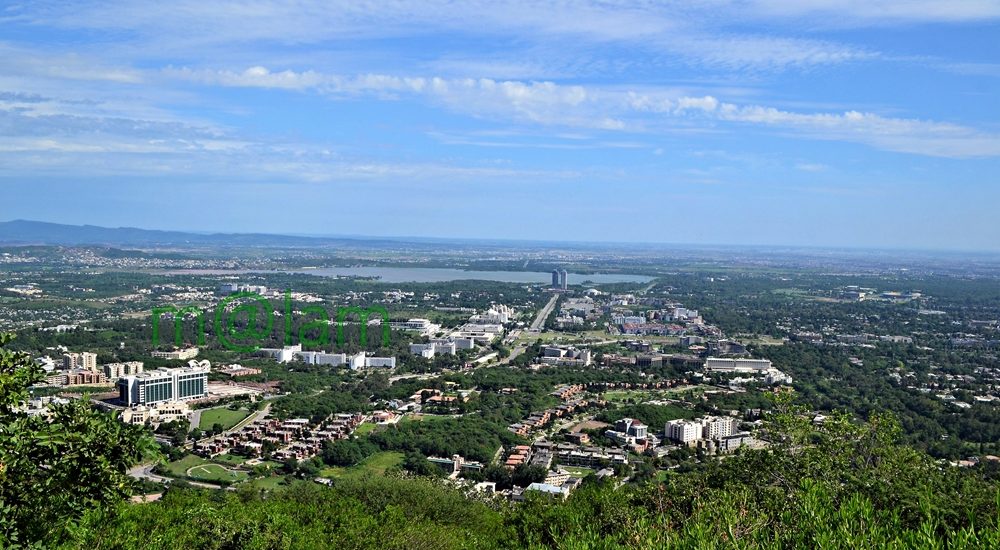
Islamabad – The Capital City of Pakistan Islamabad is the modern capital city of Pakistan. It is nestled in the north of the Potohar Plateau, at the foothill of the Margalla Hills. At an elevation of 507 meters above sea level, this vibrant city is strategically located in the heart of Pakistan. Moreover, the city is equipped with all types of facilities including recreational points, cycling tracks, hiking tracks, shopping malls, restaurants, parks, museums, and exhibition centers. Geographically Peshawar is 185 km (115 mi) to the east, Lahore is 295 km (183 mi) to the north and northeast, Muzaffarabad is 120 km (75 mi) to the south and southwest, and Srinagar, the capital of Indian Kashmir, is 300 km (190 mi) to the west and southwest. Historical Significance of Islamabad Islamabad undoubtedly boasts a rich history. Evidence shows ancient human settlements dating back to the Stone Age. Even some artifacts date as far back as 100,000 to 500,000 years. Moreover, excavations along the banks of the Soan River have revealed relics and human skulls from around 5000 BC. Additionally, the region has historically served as a crossroads between Punjab and Khyber Pakhtunkhwa, with the Margalla Pass acting as a gateway. The emergence of Islamabad as the Capital City After the partition of the subcontinent in 1947, Karachi became the initial capital of Pakistan. However, it was soon realized that Karachi’s location on one end of the country made it vulnerable to attacks from the Arabian Sea. Therefore, the need for a centrally located capital city with a moderate climate and easy accessibility from all parts of the country became evident. In 1958, the commission responsible for selecting the capital city chose the area that would become Islamabad. The selection was made by considering its proximity to the army headquarters in Rawalpindi and the disputed territory of Kashmir in the north. Development and Layout The construction of Islamabad as a forward capital began in 1960. Planned by a Greek firm of architects called Konstantinos Apostolos Doxiadis, the city follows a grid scheme and is triangular, with its apex facing the Margalla Hills. The capital territory is further divided into eight zones. Each zone is particularly designated for specific purposes like administrative, commercial, educational, industrial, and diplomatic activities. Moreover, The residential areas, rural zones, and green spaces provide a harmonious living environment. The city’s layout is well-organized, with lettered sectors from A to I, each further divided into four numbered sub-sectors. Therefore, clear demarcation makes navigation easy and allows for convenient addressing. Climate and Environment Islamabad experiences a unique climate characterized by hot summers with a monsoon season and mild winters. Three artificial reservoirs, including Rawal Lake, Simli Dam, and Khanpur Dam, regulate the city’s micro-climate. For instance, summers, from May to July, are the hottest months, with temperatures averaging around 40 degrees Celsius. Likewise, the monsoon season, spanning July through September, brings heavy rainfall and thunderstorms. Notable was July 1995 recorded the highest monthly rainfall of 743.3 millimeters (29.26 in). Winters, from October to March, vary in temperature depending on the location, with the lowest recorded temperature of -6 degrees Celsius occurring on January 17, 1967. Things to Do in Islamabad Islamabad offers a plethora of exciting activities for visitors and locals alike. Some popular Tourist Attractions in Islamabad to be explored include: Hiking Trails The city offers a network of specially designed hiking trails. Major hiking trails are Trail 1, Trail 2, Trail 3, Trail 4, Trail 5, and Trail 6, besides Saidpur Trail and Bari Imam Trail, catering to outdoor enthusiasts. Museums and Tourist Places History lovers and culture enthusiasts can explore the various museums and tourist attractions within Islamabad. Fishing in Rawal Lake Fishing enthusiasts can enjoy their favorite pastime in the picturesque setting of Rawal Lake. Paragliding on the Margalla Hills Thrill-seekers can experience the exhilaration of paragliding while taking in breathtaking views from the Margalla Hills. Cycling Designated cycling routes across Islamabad provide an excellent opportunity for cyclists to explore the city’s scenic beauty. Day Excursions from Islamabad Visitors can venture to nearby attractions in the nearest destinations in Punjab, KPK, and Kashmir as memorable day excursions from Islamabad. Shopping Delights Islamabad’s well-planned layout includes central shopping malls in each sector. The city offers a wide range of local and international brands at reasonable prices. The popular markets, such as F6 Markaz (Supermarket), F7 Markaz (Jinnah Super Market), F8 Markaz (Ayub Market), G6 Markaz (Melody Park), and G9 Markaz (Karachi Company), each have their distinct charm and shopping options. Culinary Adventures The city of Islamabad boasts a diverse culinary scene, catering to various tastes and preferences. From star hotel restaurants to international chains and local food joints, visitors can savor Chinese, Thai, Italian, and local cuisines, among others. How to Reach Islamabad By Air Islamabad can be reached via the Benazir Bhutto International Airport (IATA: ISB). Flights arriving from numerous international destinations include Dubai, Qatar, Abu Dhabi, London, Thailand, Sri Lanka, and China. By Bus Well-established local transport companies, such as Skyways, Faisal Movers, Niazi Express, and Daewoo Sammi, offer international standard long-haul bus services. Moreover, direct travel is available from major cities in Pakistan, including Karachi, Multan, Bahawalpur, Faisalabad, Lahore, and Peshawar. Additionally, these companies have arrangements made to transport passengers to offices within the twin cities. By Train Rawalpindi is well-connected by train to major cities, making it possible to reach Islamabad by train. Islamabad, with its rich history, well-planned layout, and diverse offerings, obviously stands as a testament to Pakistan’s progress and development. From its fascinating historical sites to its modern amenities and attractions, Islamabad invites visitors to explore its beauty and charm. Whether one seeks adventure, cultural experiences, or simply wants to enjoy a relaxing time in a dynamic city, Islamabad has something to offer for everyone.

Islamabad Capital City Read Post »
, , , , , , , , , , , , , , ,
Daman-e-Koh
Islamabad

Daman-e-Koh

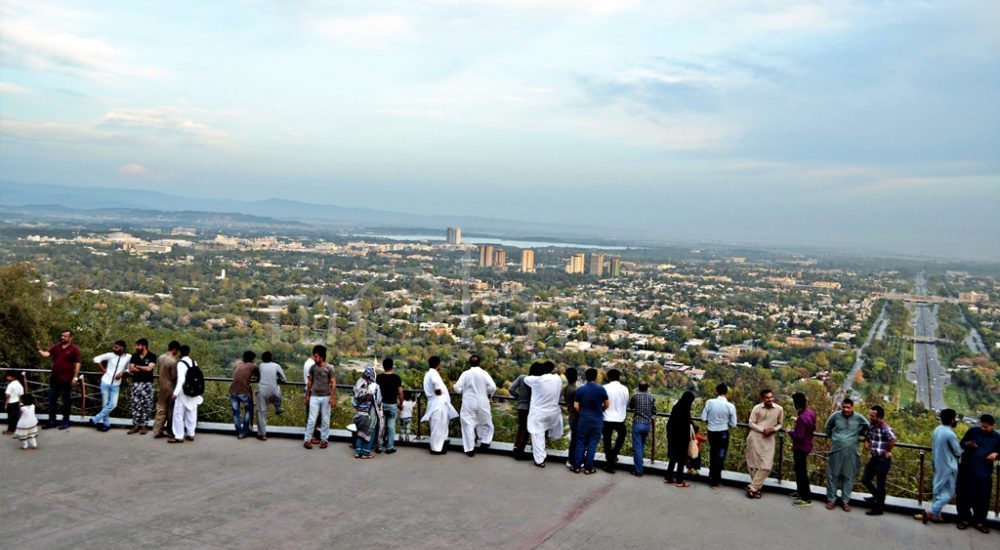
Daman-e-Koh: A Captivating Viewpoint in the Margalla Hills Daman-e-Koh is a prominent viewpoint located north of Islamabad, the capital city of Pakistan. With its mesmerizing beauty and cool climate, Daman-e-Koh has undoubtedly become a must-visit destination for tourists and locals alike. This remarkable tourist attraction and viewpoint is nestled amidst the Margalla Hills in Islamabad, Pakistan. Generally, the name “Daman-e-Koh” is derived from two Persian words, “Daman” and “Koh,” meaning “Lap of the Mountain.” This picturesque location offers a serene escape from the bustling city. With its markedly fair altitude, it serves as a stunning vantage point to behold the natural wonders and urban landscape of Islamabad. Historical Significance Situated at an elevation of 2,400 feet above sea level and approximately 500 feet above Islamabad, Daman-e-Koh offers a captivating experience for visitors of all ages. In fact, Daman-e-Koh holds a significant place in the history of Islamabad. It was established in the early 1980s and later underwent extensive development in 2007 under the visionary leadership of Kamran Lashari. This transformation turned Daman-e-Koh into a major tourist hotspot, equipped with modern amenities and facilities. The Northern Viewpoint: A Visitor’s Delight As you arrive at Daman-e-Koh, the northern viewpoint welcomes you with open arms. The spacious parking lot ensures a convenient experience for visitors. Take a moment to relax on the private benches and tables, situated on the carpeted grass under the soothing shades of green trees. Adjacent to the parking lot, this spot offers a myriad of amenities to cater to your needs. Enjoy a stroll through the tuck shops and café, where you can savor delicious treats and refreshments. To enhance accessibility, electric-powered cars are available to shuttle visitors to the northern viewpoint. This service ensures a comfortable and convenient journey, especially for those who prefer not to walk the entire distance. Immerse yourself in the vibrant atmosphere as Daman-e-Koh is always bustling with enthusiastic tourists. The Southern Viewpoint: A Panoramic Experience For a breathtaking panoramic view of Islamabad, walk up to the southern viewpoint at a higher elevation. As soon as you gaze upon the landscape, a feast for the eyes unfolds before you. The Seventh Avenue, Faisal Mosque, the Centaurus Towers, Blue Area, Shakar Parian Hills, Rawal Lake, and the city of Rawalpindi reveal their splendor on a clear day. Telescopes are thoughtfully installed for avid observers to delve deeper into the intricate details of the surrounding landmarks. Wildlife and Natural Wonders The Margalla Hills is not only a delight for the eyes but also a haven for wildlife enthusiasts. While traversing the hills by car or exploring the various hiking trails, keep an eye out for the diverse range of bird species that call this region home. Their melodious tunes and vibrant plumage certainly add an enchanting element to your visit. In addition to the avian wonders, the Margalla Hills are inhabited by playful monkeys, adding a touch of liveliness to the natural environment. If you’re lucky enough to visit during the winter season when heavy snowfall blankets the hills, you might even catch a glimpse of the elusive Cheetah roaming gracefully amidst the snow-covered landscape. Adventurous Access to Daman-e-Koh Embarking on the road to Daman-e-Koh and Pir Sohawa is an adventure in itself. Every turn offers a panoramic view of the city and its surroundings, leaving you in awe of nature’s beauty. Located a mere 5 kilometers from the Zoo, Daman-e-Koh is easily accessible within 15 to 20 minutes by car. The journey is undoubtedly scenic, and the anticipation builds with each passing moment. Hiking Trails: Connecting with Nature For those seeking a more immersive experience, Daman-e-Koh and Pir Sohawa can be reached through various hiking trails. For the convenience of visitors, these trails are numbered from Trail 1 to Trail 6, each offering a unique perspective on the natural wonders of the Margalla Hills. Trail 2, starting from the Zoo, is a popular choice, as it leads directly to Daman-e-Koh within approximately 40 minutes. Let’s lace up your hiking boots, breathe in the fresh mountain air, and let the trails guide you to new adventures. Safety Guidelines for Visitors To ensure a safe and enjoyable visit to Daman-e-Koh, it is crucial to adhere to certain safety guidelines: Avoid walking through the hills alone. Refrain from entering the hills very early or when it is dark. Making fires in the jungle is strictly prohibited. Always stay on the designated trails to avoid getting lost. Respect the wildlife and never attempt to disturb or provoke them. Dress appropriately for the weather conditions to ensure comfort and safety. Most importantly, refrain from littering in the hills to preserve the natural beauty for generations to come. Dress Code and Proper Etiquette When visiting Daman-e-Koh, it is essential to dress modestly and respect local customs. Comfortable clothing, sturdy footwear, and appropriate headgear, such as a hat or cap, are recommended. Keep in mind that Daman-e-Koh is a family-friendly destination, so maintaining proper decorum and respecting the tranquility of the surroundings is greatly appreciated. Preserving the Beauty: Litter-Free Environment As responsible visitors, it is certainly our collective duty to keep Daman-e-Koh pristine and litter-free. Take advantage of the trash bins provided and ensure that all waste is disposed of properly. Let’s join hands in preserving the natural wonders of this enchanting location, allowing future generations to revel in its beauty. Undoubtedly, Daman-e-Koh stands as a testament to the natural wonders that Pakistan has to offer. Nestled in the Margalla Hills, this captivating tourist attraction and viewpoint enthralls visitors with its panoramic vistas, tranquil ambiance, and rich biodiversity.

Daman-e-Koh Read Post »

, , , , , ,
Faisal Mosque Islamabad
Islamabad, Mosques

Faisal Mosque Islamabad

Faisal Mosque: A Fusion of Tradition and Modernity A Landmark of Global and National Significance Nestled at the foothills of the Margalla Hills in Islamabad, the Faisal Mosque is an awe-inspiring symbol of Pakistan’s Islamic heritage. As the 6th largest mosque in the world, it commands a distinctive place in the Islamic world, blending ultramodern and traditional architectural styles. Positioned on an elevated plateau, its grandeur can be admired from miles away. Open to visitors of all faiths, the mosque is not only a key tourist attraction but also holds the esteemed title of Pakistan’s national mosque, reflecting its immense cultural and spiritual significance. From Concept to Creation The genesis of the Faisal Mosque traces back to King Faisal of Saudi Arabia’s visit to Pakistan in 1966. Inspired by the ambition to establish the world’s largest mosque, an international design competition was held in 1969, attracting 43 entries from 17 nations. Turkish architect Vedat Dalokay’s innovative design won the honor and later earned the prestigious Aga Khan Award for Architecture. Construction commenced in 1976 and was completed in 1988, taking 12 years to bring the vision to life. The project, funded by 130 million Saudi Riyals (approximately $120 million), was generously financed by King Faisal, in whose memory the mosque is named. For nearly two decades, it stood as the largest mosque in the world until surpassed by the mosques in Saudi Arabia. Architectural Splendor The Faisal Mosque is a departure from traditional mosque designs, taking inspiration from the simplicity of a desert Bedouin tent. Its striking triangular worship hall, crowned with eight-sided shell-shaped sloping roofs, breaks away from the customary domes and arches of Islamic architecture. Surrounding the central structure are four towering minarets, each standing at an impressive height of 260 feet (79 meters). The mosque’s interior is equally captivating. Renowned Pakistani artist Sadequain contributed exquisite mosaics and intricate calligraphy. Likewise, the Turkish-style chandelier suspended from the 40-meter-high ceiling serves as a dazzling focal point. The west wall’s mosaic pattern, featuring Kalimah in the early Kufic script, adds an element of artistic and spiritual significance. Capacity and Location Covering an expansive area of 5,000 square meters (54,000 square feet), the mosque accommodates 10,000 worshippers in its main prayer hall. The courtyard and surrounding grounds further expand its capacity, allowing over 200,000 people to gather during significant congregational prayers. Strategically situated at the northern end of Faisal Avenue, the mosque is surrounded by lush greenery and serene landscapes. Adjacent to the mosque lies the mausoleum of Pakistan’s former President Zia-ul-Haq, adding historical context to the site. The sprawling grounds, carpeted with verdant grass and blooming flowers, provide a tranquil retreat for visitors. Visitor Information and Etiquette The Faisal Mosque warmly welcomes visitors of all faiths to explore its magnificent premises. The courtyard offers stunning views of the picturesque Margalla Hills, providing a peaceful setting for reflection or photography. Visitors are kindly requested to observe certain etiquettes as a mark of respect. Shoes must be removed before entering the main hall, and conservative attire is appreciated. Women are encouraged to wear headscarves, while men are advised to avoid shorts. To preserve the mosque’s serene atmosphere, eating, loud noises, and disruptive activities are discouraged. A Symbol of Unity and Innovation The Faisal Mosque represents more than an architectural achievement; it is a testament to unity, inclusivity, and cultural pride. Its unique design, rooted in tradition yet embracing modernity, continues to captivate visitors from around the world. Whether admired for its artistry, spiritual significance, or serene ambiance, the Faisal Mosque leaves an indelible impression on all who experience its magnificence.

Faisal Mosque Islamabad Read Post »

, , , , ,
Scroll to Top