
Shakar Parian Hills

Daman-e-Koh
Islamabad

Daman-e-Koh

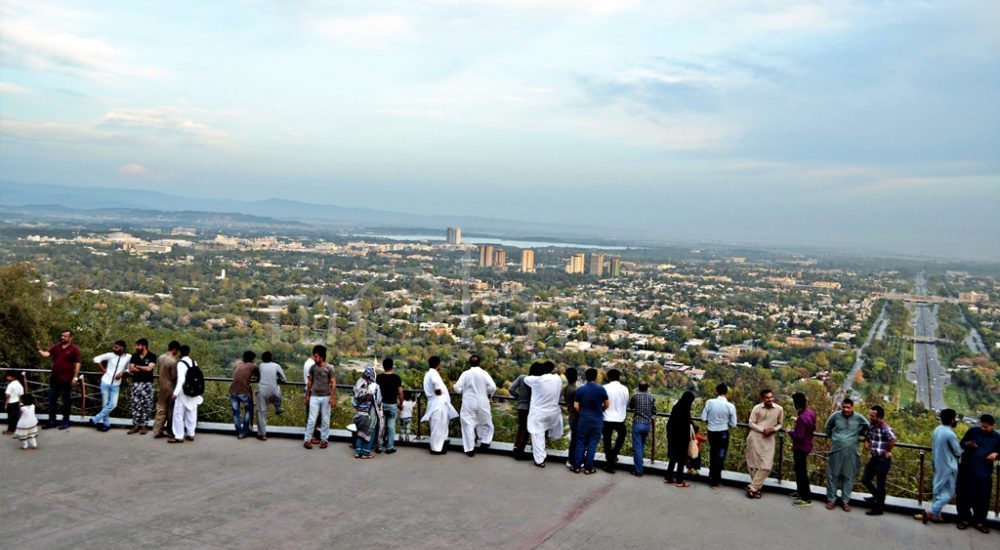
Daman-e-Koh: A Captivating Viewpoint in the Margalla Hills Daman-e-Koh is a prominent viewpoint located north of Islamabad, the capital city of Pakistan. With its mesmerizing beauty and cool climate, Daman-e-Koh has undoubtedly become a must-visit destination for tourists and locals alike. This remarkable tourist attraction and viewpoint is nestled amidst the Margalla Hills in Islamabad, Pakistan. Generally, the name “Daman-e-Koh” is derived from two Persian words, “Daman” and “Koh,” meaning “Lap of the Mountain.” This picturesque location offers a serene escape from the bustling city. With its markedly fair altitude, it serves as a stunning vantage point to behold the natural wonders and urban landscape of Islamabad. Historical Significance Situated at an elevation of 2,400 feet above sea level and approximately 500 feet above Islamabad, Daman-e-Koh offers a captivating experience for visitors of all ages. In fact, Daman-e-Koh holds a significant place in the history of Islamabad. It was established in the early 1980s and later underwent extensive development in 2007 under the visionary leadership of Kamran Lashari. This transformation turned Daman-e-Koh into a major tourist hotspot, equipped with modern amenities and facilities. The Northern Viewpoint: A Visitor’s Delight As you arrive at Daman-e-Koh, the northern viewpoint welcomes you with open arms. The spacious parking lot ensures a convenient experience for visitors. Take a moment to relax on the private benches and tables, situated on the carpeted grass under the soothing shades of green trees. Adjacent to the parking lot, this spot offers a myriad of amenities to cater to your needs. Enjoy a stroll through the tuck shops and café, where you can savor delicious treats and refreshments. To enhance accessibility, electric-powered cars are available to shuttle visitors to the northern viewpoint. This service ensures a comfortable and convenient journey, especially for those who prefer not to walk the entire distance. Immerse yourself in the vibrant atmosphere as Daman-e-Koh is always bustling with enthusiastic tourists. The Southern Viewpoint: A Panoramic Experience For a breathtaking panoramic view of Islamabad, walk up to the southern viewpoint at a higher elevation. As soon as you gaze upon the landscape, a feast for the eyes unfolds before you. The Seventh Avenue, Faisal Mosque, the Centaurus Towers, Blue Area, Shakar Parian Hills, Rawal Lake, and the city of Rawalpindi reveal their splendor on a clear day. Telescopes are thoughtfully installed for avid observers to delve deeper into the intricate details of the surrounding landmarks. Wildlife and Natural Wonders The Margalla Hills is not only a delight for the eyes but also a haven for wildlife enthusiasts. While traversing the hills by car or exploring the various hiking trails, keep an eye out for the diverse range of bird species that call this region home. Their melodious tunes and vibrant plumage certainly add an enchanting element to your visit. In addition to the avian wonders, the Margalla Hills are inhabited by playful monkeys, adding a touch of liveliness to the natural environment. If you’re lucky enough to visit during the winter season when heavy snowfall blankets the hills, you might even catch a glimpse of the elusive Cheetah roaming gracefully amidst the snow-covered landscape. Adventurous Access to Daman-e-Koh Embarking on the road to Daman-e-Koh and Pir Sohawa is an adventure in itself. Every turn offers a panoramic view of the city and its surroundings, leaving you in awe of nature’s beauty. Located a mere 5 kilometers from the Zoo, Daman-e-Koh is easily accessible within 15 to 20 minutes by car. The journey is undoubtedly scenic, and the anticipation builds with each passing moment. Hiking Trails: Connecting with Nature For those seeking a more immersive experience, Daman-e-Koh and Pir Sohawa can be reached through various hiking trails. For the convenience of visitors, these trails are numbered from Trail 1 to Trail 6, each offering a unique perspective on the natural wonders of the Margalla Hills. Trail 2, starting from the Zoo, is a popular choice, as it leads directly to Daman-e-Koh within approximately 40 minutes. Let’s lace up your hiking boots, breathe in the fresh mountain air, and let the trails guide you to new adventures. Safety Guidelines for Visitors To ensure a safe and enjoyable visit to Daman-e-Koh, it is crucial to adhere to certain safety guidelines: Avoid walking through the hills alone. Refrain from entering the hills very early or when it is dark. Making fires in the jungle is strictly prohibited. Always stay on the designated trails to avoid getting lost. Respect the wildlife and never attempt to disturb or provoke them. Dress appropriately for the weather conditions to ensure comfort and safety. Most importantly, refrain from littering in the hills to preserve the natural beauty for generations to come. Dress Code and Proper Etiquette When visiting Daman-e-Koh, it is essential to dress modestly and respect local customs. Comfortable clothing, sturdy footwear, and appropriate headgear, such as a hat or cap, are recommended. Keep in mind that Daman-e-Koh is a family-friendly destination, so maintaining proper decorum and respecting the tranquility of the surroundings is greatly appreciated. Preserving the Beauty: Litter-Free Environment As responsible visitors, it is certainly our collective duty to keep Daman-e-Koh pristine and litter-free. Take advantage of the trash bins provided and ensure that all waste is disposed of properly. Let’s join hands in preserving the natural wonders of this enchanting location, allowing future generations to revel in its beauty. Undoubtedly, Daman-e-Koh stands as a testament to the natural wonders that Pakistan has to offer. Nestled in the Margalla Hills, this captivating tourist attraction and viewpoint enthralls visitors with its panoramic vistas, tranquil ambiance, and rich biodiversity.
Daman-e-Koh Read Post »

, , , , , ,
Islamabad Tourist Attractions
Islamabad, Monuments

Pakistan Monument Islamabad

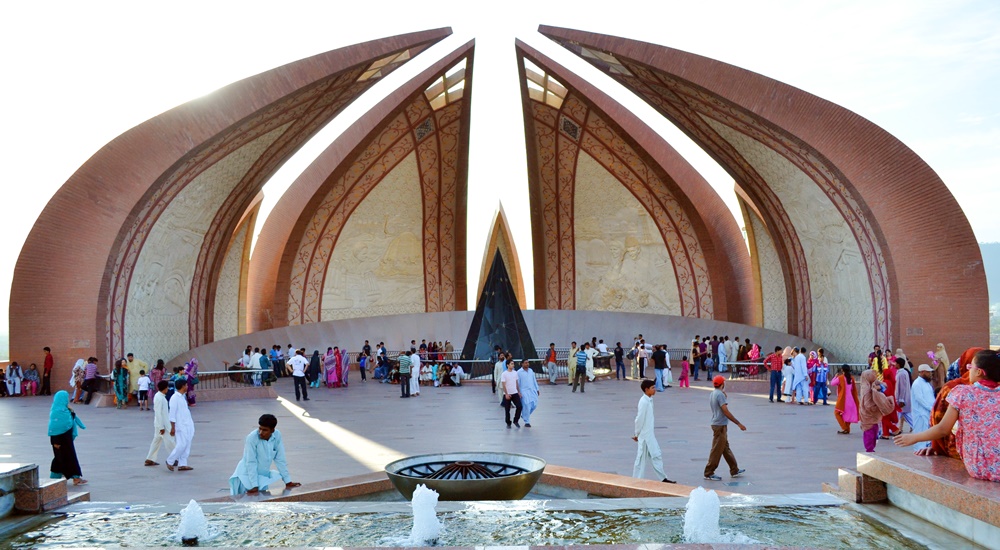
Pakistan Monument – A National Symbol  The Pakistan Monument is not only a national icon but also a testament to Pakistan’s rich cultural heritage and unity. Perched atop the Western Shakarparian Hills in Islamabad, this architectural marvel offers breathtaking views of the Islamabad-Rawalpindi metropolitan area. Built to symbolize the unity of the Pakistani people, the monument is an essential stop for tourists and locals alike who wish to explore the story of Pakistan’s history, diversity, and identity. Historical Background The idea for the Pakistan Monument was proposed by former President Pervez Musharraf in 2002, reflecting his vision to create a symbol of national unity in the capital. The Ministry of Culture and the Pakistan Council of Architects and Town Planners collaborated to select the design for this landmark, organizing a national competition. Out of 21 entries, Arif Masoud’s concept was selected for its deep symbolic representation of Pakistan’s resilience and unity. After laying the foundation stone in 2004, the monument was completed in 2006 and officially inaugurated on Pakistan Day, March 23, 2007. Today, it stands as a powerful representation of national pride, resilience, and solidarity. Architectural Significance and Symbolism Spanning 2.8 hectares (6.9 acres), the Pakistan Monument was designed to represent a blooming flower. Its unique petal structure is crafted from granite and marble, blending traditional Mughal architectural elements with modern aesthetics. Four large petals represent Pakistan’s four provinces—Punjab, Sindh, Khyber Pakhtunkhwa, and Balochistan—while three smaller petals depict the territories of Gilgit-Baltistan, Azad Jammu & Kashmir, and the former Federally Administered Tribal Areas (FATA). Together, these petals create a harmonious shape symbolizing Pakistan’s unity amidst diversity. From above, the monument resembles a star surrounded by a crescent, mirroring the crescent and star on Pakistan’s national flag. This clever aerial view further emphasizes the country’s national identity and pride. A five-pointed star occupies the center of the platform, encircled by a water body and a metallic crescent inscribed with the sayings of Pakistan’s founding father, Muhammad Ali Jinnah, and the poetry of Allama Muhammad Iqbal. Detailed Mural Artwork The inner walls of each petal are adorned with intricate artwork, depicting landmarks and historical scenes from across Pakistan. These murals tell the story of Pakistan’s heritage, culture, and struggles for independence. Each petal’s artwork reflects different aspects of Pakistan: First Petal: This features images of the Faisal Mosque in Islamabad, the Shah Jahan Mosque in Thatta, the ancient Makli Necropolis, and the Gwadar port, symbolizing religious harmony and modern development. Second Petal: Depicts portraits of Muhammad Ali Jinnah, Fatima Jinnah, and scenes of a crowd cheering during one of Jinnah’s appearances, highlighting Pakistan’s early leaders and the national struggle for independence. Third Petal: Includes representations of Allama Iqbal, the Mahabat Khan Mosque, Lahore Fort, and elements from the Indus Valley Civilization, reflecting Pakistan’s cultural depth and intellectual heritage. Fourth Petal: Showcases the famous Sheesh Mahal (Palace of Mirrors), the Uch Sharif Tomb, Islamia College Peshawar, the Ziarat Residency, and the Khyber Pass, celebrating the resilience of Pakistan’s diverse regions and their historical significance. The careful craftsmanship of these murals, led by artists Kausar Jahan and Zarar Haider Babri, took approximately 119,000 hours of dedicated effort, creating an impressive tribute to the cultural wealth of Pakistan. Special Features of the Monument Beyond the main petals, the Pakistan Monument includes several distinctive features that enrich its significance: Four Pillars Bearing Quaid’s Motto: The monument grounds are graced by four tall pillars inscribed with Muhammad Ali Jinnah’s guiding motto: “Unity, Faith, Discipline.” These words, in both English and Urdu, serve as a reminder of the values that Pakistan strives to uphold. Terrace and Marble Piazza: Adjacent to the monument, a marble terrace provides visitors with a stunning, panoramic view of Islamabad and the Margalla Hills. The terrace is an ideal spot for visitors to soak in the scenic beauty of Pakistan’s capital and appreciate the monument’s architectural grandeur. Foundation Wall with Handprints: A nearby wall holds the handprints of the architects, engineers, designers, and laborers who contributed to the monument’s creation, serving as a tribute to the dedication and hard work that went into building this national landmark. At the entrance, visitors can find a stone carving of chief architect Arif Masoud. Museum and Gallery: The Pakistan Monument Complex includes a museum at the forefront of the site, which houses post-independence memorabilia and artifacts. This museum offers an immersive experience for visitors, highlighting significant events, leaders, and cultural artifacts that shaped Pakistan’s journey from independence to modern-day achievements. Visitor Experience and Surroundings The Pakistan Monument attracts thousands of visitors daily who come to admire its majestic architecture, delve into its historical and cultural exhibits, and enjoy the lush landscape that surrounds it. Meticulously maintained gardens and evergreen trees frame the monument, enhancing its beauty and providing a serene ambiance that complements the historical significance of the site. The location atop Shakarparian Hills provides a striking view over Islamabad and Rawalpindi, offering visitors a sense of connection to the city below while standing on a landmark that represents the entire nation. The terrace area allows visitors to observe not only the cityscape but also the beautiful green hills of the Margalla range, creating a memorable experience for those seeking a peaceful yet inspiring atmosphere. An Icon of National Pride The Pakistan Monument is more than just a tourist destination; it is a living tribute to the resilience, unity, and dedication of the Pakistani people. Its towering petals and symbolic design encapsulate the struggles, victories, and aspirations of the nation, reminding visitors of Pakistan’s diverse yet unified identity. For visitors, whether local or international, a trip to the Pakistan Monument offers an opportunity to connect with the country’s cultural heritage, appreciate its natural beauty, and feel the pride of a nation. This site has become a must-visit location in Islamabad for tourists, history enthusiasts, students, and families alike. It’s an ideal place to reflect on Pakistan’s past and its journey toward a promising future. Why Visit the Pakistan Monument? The Pakistan Monument is a true

Pakistan Monument Islamabad Read Post »

, , , , , ,
Scroll to Top