Sirikot, Muzaffarabad
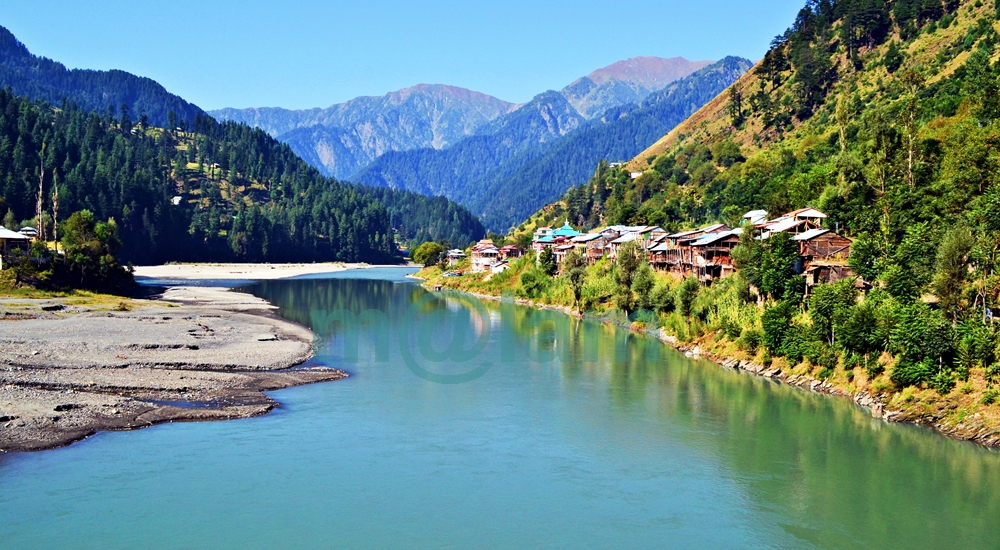
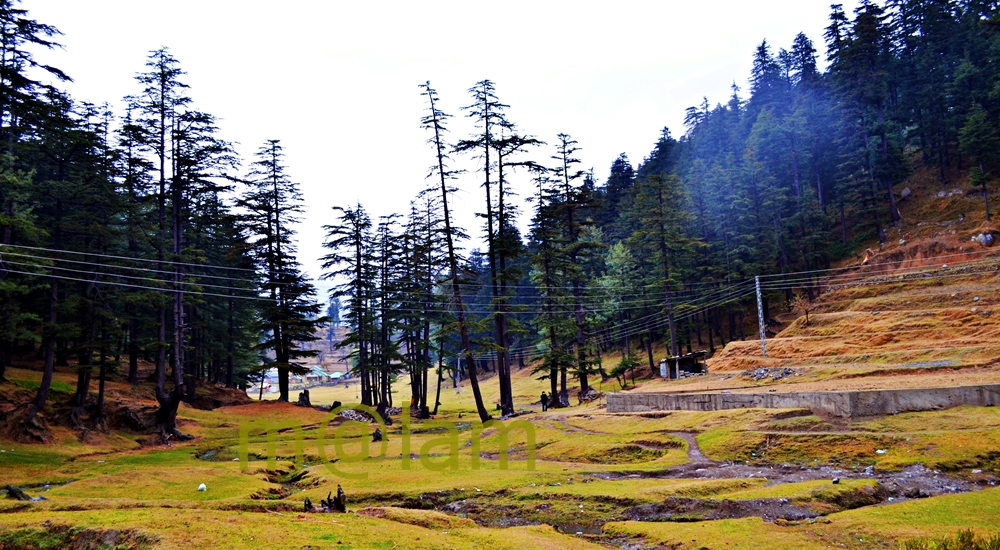
Escape to Serenity: Srikot, Azad Kashmir’s Untouched Wilderness The term “Sirikot” originates from the fusion of two words: “Siri,” which translates to “top,” and “kot,” meaning “village” in the local language. Together, they signify a “village at the top” or a “hill-top village,” reflecting its mountainous geographical setting. Situated at an altitude of approximately 2125 meters (6,970 feet), Sirikot boasts a long stretch of green meadow extending over a kilometer in length, surrounded by dense hilly forests in Muzaffarabad district of Azad Kashmir. During the summer months, it is an ideal destination for either a day trip or an overnight stay. Shaheed Gali The tiny valley of Shaheed Gali serves as the starting point for the adventure to Sirikot. Tourists can drive their own vehicles up to Shaheed Gali, where there’s a parking lot near the police station. From there, the route continues with an uphill rough jeep track, suitable only for Willis Jeeps or off-road vehicles. Visitors have the option to hire a jeep for approximately Rs. 3500 to Rs. 4,000 for a short round trip. However, prices for overnight stays are negotiable. The journey by jeep takes about 45 minutes to reach Sirikot. Sirikot: The Most Serene and Mesmerizing Hilltop Emerges as the most serene and mesmerizing hilltop in the Kashmir region, Sirikot is nestled along the border of the Khyber Pakhtunkhwa province. The voyage to Sirikot unveils breathtaking vistas of AJK Muzaffarabad city and mountaintop villages, characterized by steep ascents and adventurous trails flanked by towering Pine trees, crafting a picturesque setting. The delightful climate further enhances the allure, inviting visitors to a locale imbued with tranquil potency, stirring the soul and igniting introspection. Despite the road challenges, the stunning landscape, dense pine forests, and cool climate render Sirikot a standout attraction in Muzaffarabad. Adventure enthusiasts are strongly encouraged to opt for hiking from Shaheed Gali to Sirikot if time and energy permit. The trek takes approximately 2.5 to 3 hours to reach the summit. However, travelers also have the option to hire a jeep from Shaheed Gali to reach Sirikot. From Muzaffarabad to Shaheed Gali, there is a well-maintained metal road accessible to all types of vehicles, including bikes, cars, vans, and Saloon Coasters. However, beyond Shaheed Gali, only jeeps are recommended for the journey. Sirikot holds significant renown among tourists and locals alike, owing to its high altitude and stunning scenic landscapes. While traversing from Shaheed Gali, one can relish picturesque vistas of the valleys and mountains spanning Azad Kashmir and Khyber Pakhtunkhwa. These encompass Muzaffarabad, Garhi Habibullah, Shaheed Gali, the beautiful Neelum Road, and other surrounding regions. Food & Accommodation Sirikot is a destination perfect for a short visit, offering tranquility and celestial beauty. Natural splendor harmonizes with prevailing peace, providing serene and romantic vistas. At the top of Sirikot, there’s a captivating rest house where visitors can stay. Additionally, food points are available during the visiting season, ensuring a delightful experience for all. Sirikot weather Sirikot experiences a range of weather conditions throughout the year. Spring marks the beginning of its beauty, transitioning into warm summers and eventually transforming into snowy winters. The area receives a significant amount of snowfall during the winter season. Due to its altitude and the abundance of forests and greenery, Sirikot enjoys pleasantly cool weather during the summer months. The average temperature during summer ranges from 18 to 30 degrees Celsius, while in winter, it drops significantly to around -2 degrees Celsius, accompanied by heavy snowfall. Things to do at Sri Kot There are various activities to enjoy at Sirikot: Sports: Engage in sports activities like football, volleyball, badminton, frisbee, or cricket. There’s a cricket pitch available for enthusiasts to play matches or any sport of their choice. Camping: Rent a room at a nearby rest house or set up your own camp on the beautiful hilltop of Sirikot. Barbecue: Enhance your experience by arranging a bonfire or barbecue at this serene location. Musical Events: Host musical events to add to the ambiance and enjoyment. Nature Scavenger Hunt: Create a list of wilderness items and organize a scavenger hunt to find them. Wildlife Spotting: Bring binoculars and guidebooks to identify birds, insects, and other wildlife in the area. Nature Photography: Capture the beauty of the surroundings with cameras or smartphones. Yoga or Tai Chi: Practice yoga or tai chi in a peaceful natural setting. Orienteering: Set up a simple orienteering course using maps and compasses to navigate through the wilderness. Stargazing: Stay until evening and observe the stars and constellations in the night sky. Team Building: Organize team-building activities for corporate groups. Hiking: Explore the dense jungle, listen to the birds’ songs, and immerse yourself in the joy of nature. Always prioritize safety and environmental respect while enjoying outdoor activities. Access to Sirikot: Muzaffarabad serves as the capital city and primary access point, easily reachable from Islamabad and Mansehra/Abbottabad. It’s approximately a 90-minute drive from Muzaffarabad (via Neelum Road and Batamang Road) on the Azad Kashmir side, and a 70-minute drive from Garhi Habibullah on the Khyber Pakhtunkhwa side. The road leading to Shaheed Gali, from both Garhi Habibullah and Muzaffarabad, offers spectacular views of Muzaffarabad city, Pir Chinasi, and the surrounding Azad Kashmir region. However, the final 7-kilometer stretch from Shaheed Gali to Sirikot requires either an adventurous trek or a bumpy jeep ride due to rough road conditions. Emergency Assistance: AJ&K tourism police are tourist-friendly and dedicated to safeguarding privacy and ensuring safety. Also Read: Muzaffarabad Tourist Attractions Neelum Valley Tourist Attractions Red Fort, Muzaffarabad Pir Chinasi, Muzaffarabad Gangaa Choti Leepa Valley Rawalakot
Sirikot, Muzaffarabad Read Post »