Tourist Attractions in Azad Kashmir

Sirikot Muzaffarabad
Kashmir, Tourists Destinations in Pakistan

Sirikot, Muzaffarabad

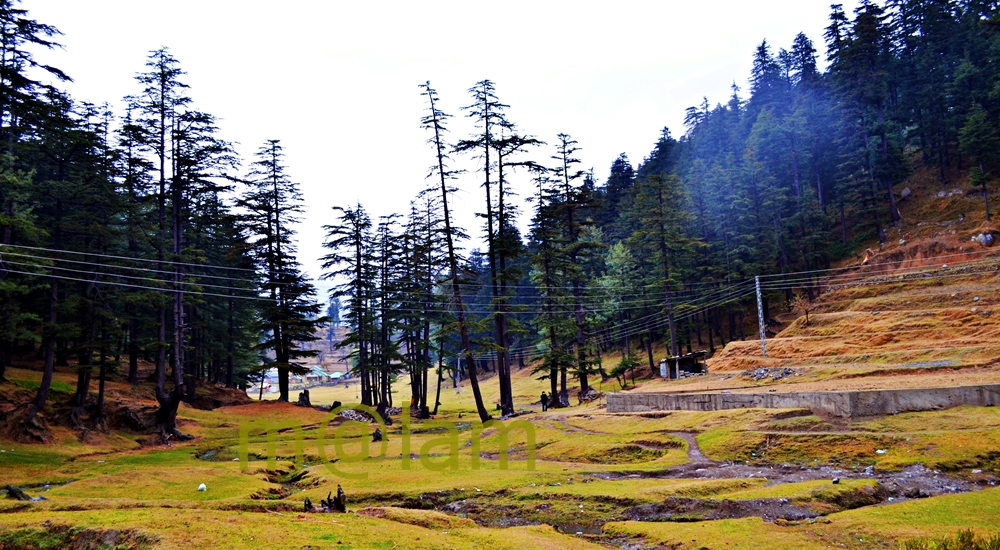
Escape to Serenity: Srikot, Azad Kashmir’s Untouched Wilderness The term “Sirikot” originates from the fusion of two words: “Siri,” which translates to “top,” and “kot,” meaning “village” in the local language. Together, they signify a “village at the top” or a “hill-top village,” reflecting its mountainous geographical setting. Situated at an altitude of approximately 2125 meters (6,970 feet), Sirikot boasts a long stretch of green meadow extending over a kilometer in length, surrounded by dense hilly forests in Muzaffarabad district of Azad Kashmir. During the summer months, it is an ideal destination for either a day trip or an overnight stay. Shaheed Gali The tiny valley of Shaheed Gali serves as the starting point for the adventure to Sirikot. Tourists can drive their own vehicles up to Shaheed Gali, where there’s a parking lot near the police station. From there, the route continues with an uphill rough jeep track, suitable only for Willis Jeeps or off-road vehicles. Visitors have the option to hire a jeep for approximately Rs. 3500 to Rs. 4,000 for a short round trip. However, prices for overnight stays are negotiable. The journey by jeep takes about 45 minutes to reach Sirikot. Sirikot: The Most Serene and Mesmerizing Hilltop Emerges as the most serene and mesmerizing hilltop in the Kashmir region, Sirikot is nestled along the border of the Khyber Pakhtunkhwa province. The voyage to Sirikot unveils breathtaking vistas of AJK Muzaffarabad city and mountaintop villages, characterized by steep ascents and adventurous trails flanked by towering Pine trees, crafting a picturesque setting. The delightful climate further enhances the allure, inviting visitors to a locale imbued with tranquil potency, stirring the soul and igniting introspection. Despite the road challenges, the stunning landscape, dense pine forests, and cool climate render Sirikot a standout attraction in Muzaffarabad. Adventure enthusiasts are strongly encouraged to opt for hiking from Shaheed Gali to Sirikot if time and energy permit. The trek takes approximately 2.5 to 3 hours to reach the summit. However, travelers also have the option to hire a jeep from Shaheed Gali to reach Sirikot. From Muzaffarabad to Shaheed Gali, there is a well-maintained metal road accessible to all types of vehicles, including bikes, cars, vans, and Saloon Coasters. However, beyond Shaheed Gali, only jeeps are recommended for the journey. Sirikot holds significant renown among tourists and locals alike, owing to its high altitude and stunning scenic landscapes. While traversing from Shaheed Gali, one can relish picturesque vistas of the valleys and mountains spanning Azad Kashmir and Khyber Pakhtunkhwa. These encompass Muzaffarabad, Garhi Habibullah, Shaheed Gali, the beautiful Neelum Road, and other surrounding regions. Food & Accommodation Sirikot is a destination perfect for a short visit, offering tranquility and celestial beauty. Natural splendor harmonizes with prevailing peace, providing serene and romantic vistas. At the top of Sirikot, there’s a captivating rest house where visitors can stay. Additionally, food points are available during the visiting season, ensuring a delightful experience for all. Sirikot weather Sirikot experiences a range of weather conditions throughout the year. Spring marks the beginning of its beauty, transitioning into warm summers and eventually transforming into snowy winters. The area receives a significant amount of snowfall during the winter season. Due to its altitude and the abundance of forests and greenery, Sirikot enjoys pleasantly cool weather during the summer months. The average temperature during summer ranges from 18 to 30 degrees Celsius, while in winter, it drops significantly to around -2 degrees Celsius, accompanied by heavy snowfall. Things to do at Sri Kot  There are various activities to enjoy at Sirikot: Sports: Engage in sports activities like football, volleyball, badminton, frisbee, or cricket. There’s a cricket pitch available for enthusiasts to play matches or any sport of their choice. Camping: Rent a room at a nearby rest house or set up your own camp on the beautiful hilltop of Sirikot. Barbecue: Enhance your experience by arranging a bonfire or barbecue at this serene location. Musical Events: Host musical events to add to the ambiance and enjoyment. Nature Scavenger Hunt: Create a list of wilderness items and organize a scavenger hunt to find them. Wildlife Spotting: Bring binoculars and guidebooks to identify birds, insects, and other wildlife in the area. Nature Photography: Capture the beauty of the surroundings with cameras or smartphones. Yoga or Tai Chi: Practice yoga or tai chi in a peaceful natural setting. Orienteering: Set up a simple orienteering course using maps and compasses to navigate through the wilderness. Stargazing: Stay until evening and observe the stars and constellations in the night sky. Team Building: Organize team-building activities for corporate groups. Hiking: Explore the dense jungle, listen to the birds’ songs, and immerse yourself in the joy of nature. Always prioritize safety and environmental respect while enjoying outdoor activities. Access to Sirikot: Muzaffarabad serves as the capital city and primary access point, easily reachable from Islamabad and Mansehra/Abbottabad. It’s approximately a 90-minute drive from Muzaffarabad (via Neelum Road and Batamang Road) on the Azad Kashmir side, and a 70-minute drive from Garhi Habibullah on the Khyber Pakhtunkhwa side. The road leading to Shaheed Gali, from both Garhi Habibullah and Muzaffarabad, offers spectacular views of Muzaffarabad city, Pir Chinasi, and the surrounding Azad Kashmir region. However, the final 7-kilometer stretch from Shaheed Gali to Sirikot requires either an adventurous trek or a bumpy jeep ride due to rough road conditions. Emergency Assistance: AJ&K tourism police are tourist-friendly and dedicated to safeguarding privacy and ensuring safety.  Also Read: Muzaffarabad Tourist Attractions Neelum Valley Tourist Attractions Red Fort, Muzaffarabad Pir Chinasi, Muzaffarabad Gangaa Choti Leepa Valley Rawalakot

Neelumm Valley Tourist Attractions Azad Kashmir
City Breaks, Kashmir, Others, Tourism Blogs

Neelum Valley Tourist Attractions

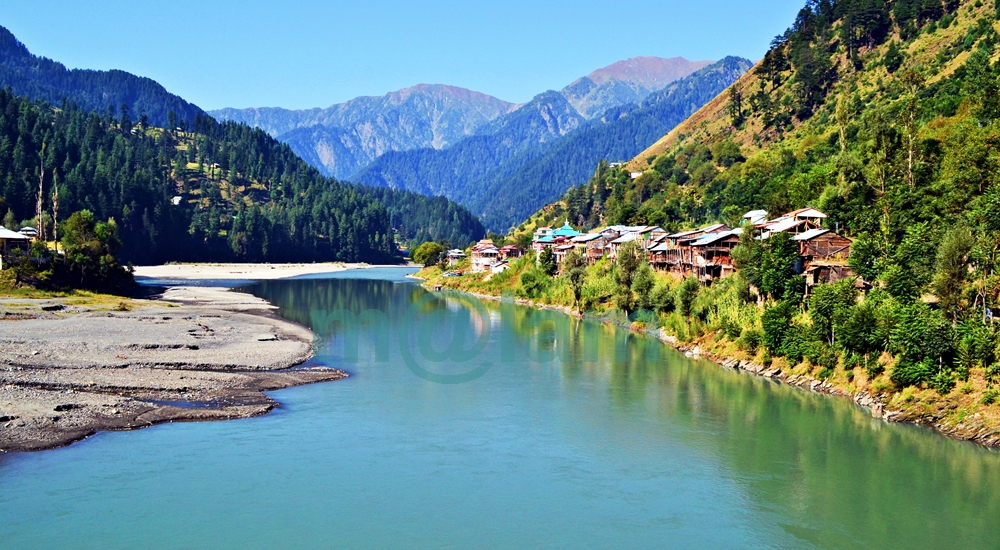
Explore the Enchanting Tourist Attractions in Neelum Valley Nestled in the northern reaches of Muzaffarabad, Azad Kashmir; the Neelum Valley stands as a breathtaking paradise, running parallel to the captivating Kaghan Valley. The Neelum Valley Tourist Attractions include a series of natural marvels dotted from Muzaffarabad to Taobutt. With its unparalleled scenic beauty, panoramic vistas, and lush greenery, Neelum Valley undoubtedly beckons travelers seeking a dreamlike escape. Patika: The Gateway to Neelum Valley Patika is a welcoming gateway to this picturesque wonderland that lies just 19 kilometers from Muzaffarabad. As the initial stop on your Neelum Valley adventure, Patika boasts a thriving commercial hub where visitors can find all the essentials for their journey. Beyond the city’s commercial charm, Patika offers breathtaking panoramas of the valley. Moreover, the winding road leading to Patika is adorned with towering trees, creating a mesmerizing natural spectacle. Dhani Waterfall: Nature’s Spectacle Situated approximately 30 kilometers from Muzaffarabad, Dhani Waterfall is a gem of Neelum Valley Kashmir. Its crystal-clear waters glisten amidst the lush green surroundings, making it one of the region’s most captivating waterfalls. The ideal time to visit this natural wonder is from March to mid-June when it is at its most glorious. Dhani Waterfall is the largest in Neelum Valley and transforms into a spectacle during the summer months. Kundal Shahi: The Tranquil Village Perched at an altitude of 1,350 meters above sea level, Kundal Shahi is a charming village nestled near the confluence of Jagran Nullah and Neelum River. It is located at a distance of approximately 74 kilometers from Muzaffarabad. Despite its modest size, Kundal Shahi serves as a vital launchpad for exploring Neelum Valley, providing the essential starting point for your adventure. Kutton: A Riverside Paradise Just 82 kilometers from Muzaffarabad and 8 kilometers west of Kundal Shahi, the stunning Kutton Valley awaits. Accessible through a narrow uphill gorge along the Jagran River, Kutton is renowned for its natural beauty. Snow-covered Himalayan peaks guard this valley, and the melting waters of the river are teeming with Trout Fish. Kutton offers a range of accommodation options, including government rest houses and private guest houses. Athmuqam: A Valley with Facilities Galore Sitting at an elevation of 1,371 meters above sea level and roughly 84 kilometers from Muzaffarabad, Athmuqam is a prominent hub in Neelum Valley. Because of being the 8th station from Muzaffarabad, it earned the name “Athmuqam.” This valley boasts a plethora of amenities, including hotels, rest houses, a post office, a bank, educational institutions, and a bustling bazaar. Athmuqam is also celebrated for its diverse fruit offerings. Keran: Lower Neelum’s Bounty Keran, also known as Lower Neelum, lies at an altitude of 1,524 meters (5,000 ft) on the right bank of the Neelum River, a mere 10 kilometers from Athmuqam. This region is blessed with abundant fruit and wildlife. While gazing across the river, you can catch glimpses of the valleys in Indian-Occupied Kashmir. The AJK tourism department has established a beautiful rest house in Keran, making it a prime stopover in the valley. Upper Neelum (Neelum Village): Nature’s Wonderland Upper Neelum, or Neelum Village, is located just three kilometers from Keran at a fair altitude. It is easily accessible from Keran via a link road and from Athmuqam through the Keran bypass. Similar to Keran, Upper Neelum boasts fruit orchards and a rich wildlife population. Moreover, visitors are treated to breathtaking views of Azad Kashmir and Indian-Occupied Kashmir across the Neelum River. Dowarian: A Forested Haven Dowarian, situated at an altitude of 1,615 meters, is approximately 12 kilometers from Keran. Likewise, it is 22 kilometers from Athmuqam and about 106 kilometers from Muzaffarabad. This lush valley is blanketed with pine trees and is connected to Kaghan Valley via the Rattigali Pass. You can specifically find the stunning Ratti Gali Lake at 3,700 meters. Moreover, the forest rest house at the base camp caters to the needs of travelers. Ratti Gali Lake: A Serene Alpine Gem Nestled in the Neelam Valley at an altitude of 3,700 meters, Ratti Gali Lake is a breathtaking natural wonder. To reach this pristine lake, embark on a 17-kilometer jeepable track from Dowarian followed by a 2-kilometer hiking trek. Dowarian serves as the base camp for this awe-inspiring lake. Sharda: A Riverside Retreat Sharda is situated at an altitude of 1,981 meters and approximately 136 kilometers from Muzaffarabad. It is a prominent valley nestled along the Neelum River. A suspension bridge connects this charming valley to the main Neelum road. In fact, Sharda is renowned for its lush greenery, dense forests, and numerous hotels catering to tourists. The valley’s picturesque beauty is further enhanced by the Surgan Nallah and the relics of the ancient Sharda University. Saral Lake: A High-Altitude Marvel Saral Lake, perched at an altitude of 4,100 meters, is a hidden gem in the Neelam Valley. Sharda basically serves as the base camp for this breathtaking lake. It actually offers an ideal starting point for intrepid travelers. Kel: Gateway to Adventure Kel, located at an altitude of 2,097 meters, is a quaint valley situated just 19 kilometers upstream from Sharda. Basic facilities, including guest houses, are available here. At the same time, Kel is accessible from Gilgit-Baltistan via Astor and Deosai Plains and through Shounter Nullah (Gorge) via the 4,420-meter Shounter Pass. Furthermore, Kel also provides access to the 6,326-meter “Sarawaali Peak” and the expansive 25-kilometer glacier, the highest peak and largest glacier in Azad Kashmir. Shounter Lake: A Seasonal Gem Shounter Lake is a small, seasonal lake located in the Shounter Valley at an altitude of 3,100 meters. Accessible from Kel via a jeep track, it remains open only during peak summer months. Shounter Valley serves as the gateway to Sarawaali Peak’s base camp and provides a route to Astore in Gilgit-Baltistan. Chitta Katha Lake: A Summer Delight Located in the Shounter Valley at an altitude of 3,800 meters, Chitta Katha Lake is a summer paradise. It is accessible in July and August from Kel via a 20-kilometer jeep track

Red Fort Muzaffarabad entrance view
Forts, Kashmir

Red Fort Muzaffarabad

Enchanting  Red Fort in Muzaffarabad The Red Fort, also known as Laal Qilla or Rutta Qila, is a historic 17th-century fortification located in Muzaffarabad, Azad Jammu & Kashmir, Pakistan. This strategically positioned fort stands tall on a massive rock. It served as a defensive post and a ground for counter-offensive operations. The fort stands as a testament to Pakistan’s rich history and architectural heritage. Despite the challenges it has faced over the centuries, the fort continues to inspire awe and curiosity among visitors from all over the world. With its strategic positioning, breathtaking views, and fascinating history, the Red Fort remains an enchanting destination for history enthusiasts and travelers alike. A Historic Jewel Surrounded by Nature The Red Fort is situated near Muzaffarabad’s city center, and reaching it takes only a 20-minute drive. For travelers coming from the capital city, Islamabad, it is a journey of approximately 4 hours. Additionally, one can opt to drive from Mansehra and Abbottabad via Gari Habibullah, which takes approximately 3 hours. A Strategic Positioning The fort is uniquely positioned, surrounded by the Neelum River, also known as the Kishenganga River, which gracefully flows along its eastern, northern, and western sides, forming a protective U-shaped curve. The northern part of the Red Fort offers access to the riverbank through terraces with steps, while the eastern part is well protected from the risks of flood damage. A Glimpse into the Past The construction of the Red Fort was initiated in 1559 by the Chak dynasty of Kashmir to ward off the Mughal expansion. However, the Mughals eventually gained control of Kashmir in 1587, diminishing the fort’s significance, as their focus lay on Kabul, Bukhara, and Badakhshan rather than Kashmir. Nevertheless, the fort regained its glory during the rule of the Durranis. In 1646, Sultan Muzaffar Khan of the Bomba Dynasty, the founder of Muzaffarabad, completed the construction. The name of the city Muzaffarbad was named after him. Restoration and Renewal Under Sikh rule, Maharaja Gulab Singh took the initiative to renovate the fort in 1846. However, his successor Maharaja Ranbir Singh successfully accomplished the restoration. The fort’s military usage persisted until its abandonment in 1926. Architectural Marvel and Resilience The construction of the Red Fort showcases remarkable architectural dexterity. The stones and red brick masonry with rubble, clay, and lime, reflect the skilled craftsmanship of the era. Despite facing the devastating earthquake of 2005, the fort stood with its glorious past intact. The fort will hopefully be preserved and this heritage will remain for generations to come. Current State and Accessibility Today, the Red Fort is accessible to visitors, including both Pakistani nationals and foreigners. The raised podium at the top of the fort offers mesmerizing views of the surrounding landscapes. However, the passage of time has taken its toll on the fort, turning it into ruins. Visitors can witness retaining walls and damaged rooms, now serving as a shelter for animals, painting a poignant picture of its former grandeur.

Scroll to Top