Tourist Attractions in Islamabad

Shah Allah Ditta Caves
Archaeological sites, Buddhist Heritage of Pakistan, City Breaks, Hindu Heritage, Islamabad

Shah Allah Ditta Caves

Exploring the Mystical Shah Allah Ditta Caves in Islamabad Nestled in the scenic Margalla Hills of Islamabad lies the enchanting village of Shah Allah Ditta, boasting a history spanning over seven centuries. This village, named after a Mughal-era Darvesh, is home to the mesmerizing Shah Allah Ditta Caves. With their roots tracing back to ancient times, these caves have witnessed the presence of humans and served as a sanctuary for Buddhist monks in the 4th century BC. Today, they stand as a testament to the rich heritage and cultural significance of the region, attracting both local residents and foreign tourists. Features of Shah Allah Ditta Caves Historical Significance The Shah Allah Ditta Caves are not only known for their natural beauty but also for their historical importance. The village itself lies on the historic route between Afghanistan and the Subcontinent. Historically, it was traversed by renowned figures such as Alexander the Great, Sher Shah Suri, and various Mughal rulers. This pathway has witnessed significant events throughout history, including Alexander’s invasion of the subcontinent and the passage of emperors between Afghanistan and the subcontinent. Spiritual Retreat The caves, located on elevated terrain, have long served as a sanctuary for spiritual seekers. Buddhist monks and priests from far and wide were drawn to these caves, seeking tranquility and enlightenment. The serene surroundings, shaded by ancient Banyan trees and blessed with a natural spring, provided the ideal environment for meditation and introspection. Deep inside the gorge, visitors can also discover a Buddhist stupa, a sacred monument representing the region’s religious heritage. Cultural Heritage Shah Allah Ditta not only preserves the remnants of the Gandhara civilization but also carries the legacy of Hindu families who resided in the village until the partition of the subcontinent. The caves were an integral part of their daily worship, symbolizing the coexistence of diverse faiths and cultures. Additionally, the tomb and shrine of Shah Allah Ditta, after whom the village is named, serve as important cultural landmarks in the vicinity. Natural Beauty and Conservation With the passage of time has slightly eroded some parts of the caves. However, they have been meticulously preserved by the Capital Development Authority (CDA). The surrounding area, known as ‘Sadhu ka Bagh,’ captivates visitors with its untouched beauty. A short distance from the caves, remnants of an ancient water well, believed to have been constructed by the Mughal Emperor Akbar, add to the allure. The village itself is embraced by natural streams, enhancing the overall serenity and charm. Downloading Steps Exploring the marvels of Shah Allah Ditta Caves is a simple and accessible endeavor. To experience the magic of this historical site, follow these steps: Plan your visit to Islamabad, the capital city of Pakistan. Head towards the western part of Islamabad, near the D-12 sector. Travel approximately 15 km from the Golra interchange to reach the village of Shah Allah Ditta. Once there, navigate through the village to find the entrance to the caves. Embark on a fascinating journey through time as you explore the wonders of Shah Allah Ditta Caves. Shah Allah Ditta offers a captivating blend of history, spirituality, and natural beauty. As you wander through these ancient caves and immerse yourself in their tranquil ambiance, you can’t help but feel a deep connection to the past. Whether you are a local resident or a foreign tourist, a visit to this remarkable site in Islamabad is highly recommended. Indulge in the vibrant culture, explore the historical significance, and revel in the serenity that envelops Shah Allah Ditta Caves. FAQs (Frequently Asked Questions)What is the historical significance of Shah Allah Ditta Caves? The Shah Allah Ditta Caves hold great historical importance, as they were part of the route used by Alexander the Great during his invasion of the subcontinent. They also witnessed the passage of Sher Shah Suri and various Mughal rulers traveling between Afghanistan and the subcontinent. How can I reach the caves? To reach Shah Allah Ditta Caves, head to the D-12 sector of Islamabad, located in the western part of the city. From the Golra interchange, it’s approximately a 15 km journey to the village of Shah Allah Ditta, where the caves are situated. What can I expect to see inside the caves? Inside the caves, you will discover traces of human existence from ancient times, as well as a Buddhist stupa. The caves provide an ideal setting for spiritual retreat and meditation, surrounded by ancient Banyan trees and a natural spring. Is there anything else to do in Shah Allah Ditta? Apart from exploring the caves, Shah Allah Ditta offers a range of activities and attractions. You can enjoy food outlets, live music, horse riding, archery, paintball, rock climbing, and camping facilities. The village also provides walking trails to the hilltop, offering magnificent views of the surrounding landscape. Are there any accommodations available? Since Shah Allah Ditta is a village, it primarily offers a rural setting. However, nearby Islamabad provides a wide range of accommodations to suit various budgets and preferences. It’s advisable to stay in Islamabad and plan a day trip to Shah Allah Ditta for a fulfilling experience.

Shah Allah Ditta Caves Read Post »
Islamabad Tourist Attractions
City Breaks, Islamabad

Islamabad Tourist Attractions

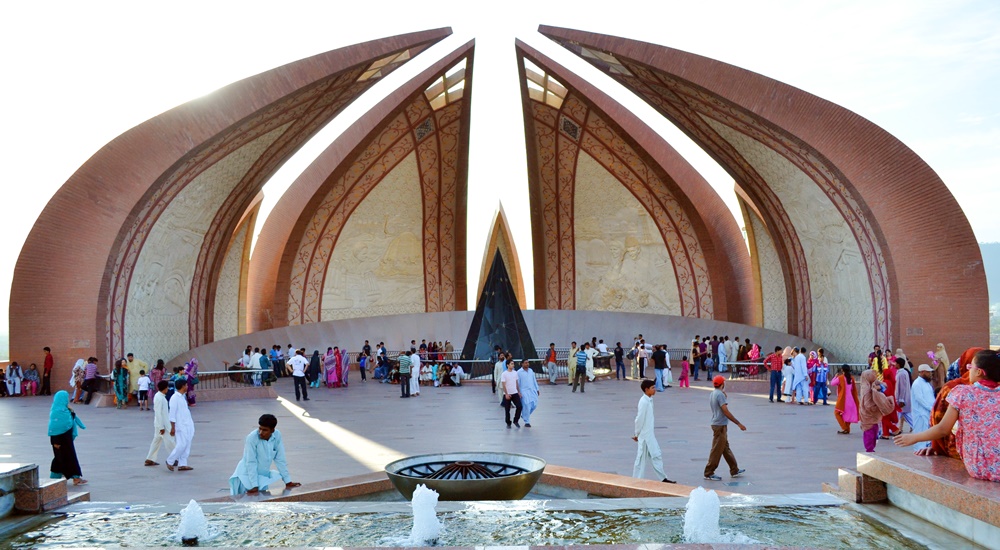
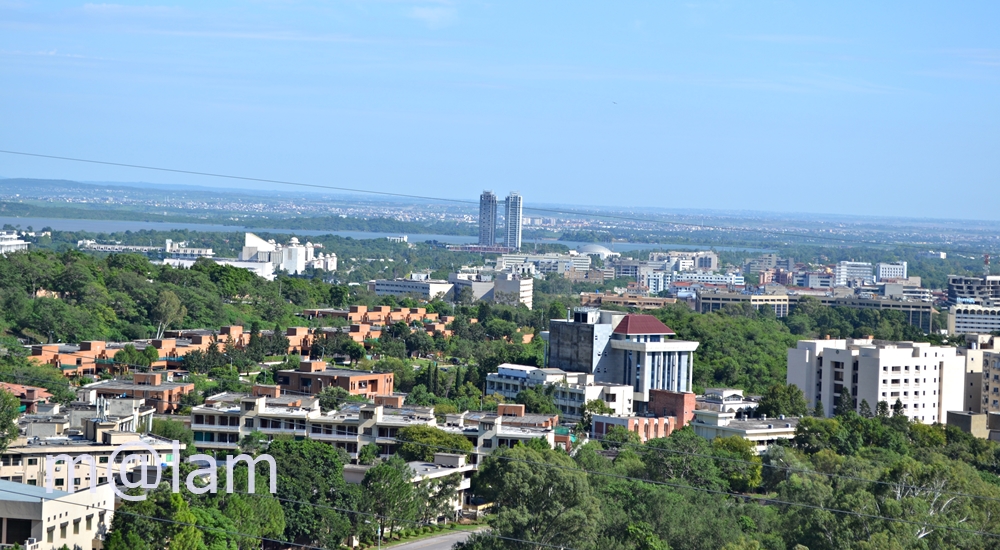
Must-See Islamabad Tourist Attractions Islamabad’s Tourist Attractions include major tourist spots found within the territory of the capital city. Surrounded by the lush greenery of the Margalla Hills, an extension of the majestic Himalayan Mountain ranges; Islamabad offers a scenic backdrop that changes with the seasons, showcasing a spectrum of natural colors. Islamabad, the capital city of Pakistan, stands out among global capitals for its unique proximity to nature. Few other capitals enjoy such a harmonious connection with the natural environment. Renowned for its breathtaking beauty, Islamabad also boasts a rich historical heritage dating back to the Stone Age. Evidence of ancient human settlements, including relics and human skulls found along the banks of the Soan River, attests to its long history. Below are the details of Islamabad Tourist Attractions. HISTORIC AND CULTURAL MONUMENTS  Shah Faisal Mosque Named after King Faisal bin Abdul Aziz of Saudi Arabia, the Shah Faisal Mosque is the largest mosque in South Asia and 6th largest in the world, located in the foothills of Margalla Hills. It was completed in 1986 at a hefty cost of USD 120 million. Bearing a contemporary design, inspired by a desert Beduine tent-shaped structure with four 80m high minarets in corners, the mosque was designed by the Turkish Architect Vedat Delokay. The interior of the Faisal Mosque is simple and elegant, with white marble walls and floors, and large chandeliers hanging from the ceiling. The prayer hall is surrounded by arched colonnades and is free from any decorative distractions, allowing worshipers to focus on prayer and reflection. The mosque can accommodate over 100,000 worshipers at a time and is open to visitors of all faiths and is a symbol of the unity and diversity of Pakistan. There is no entry fee as such but to deposit shoes it costs a minor fee. Pakistan Monument The Pakistan Monument is a popular tourist attraction and a symbol of national pride for Pakistanis. Constructed in 2004, the Pakistan National Monument in Islamabad is a heritage site and symbol of national progress built to commemorate the struggle for independence and the formation of Pakistan. The design of the Pakistan Monument is inspired by the Islamic architecture of the Mughal era. The four petals represent the four provinces (Balochistan, North West Frontier Province, Punjab, and Sindh), while the three sandwiched smaller petals represent the three territories (Gilgit-Baltistan, Azad Kashmir, and the Federal Capital Islamabad). The petals are made of granite and marble and are adorned with intricate Islamic calligraphy and patterns. The aerial views of petals represent a crescent and the central star together represents the Pakistan flag. It is illuminated at night and provides a stunning view of Islamabad and its surrounding areas. Shah Allah Ditta Caves Shah Allah Ditta Caves are situated to the west of Islamabad, about 15 km from Golra interchange, in a centuries-old village called Shah Allah Ditta (also known as Sadhu ka Bagh). The more than seven hundred-year-old village was named after a Mughal period Darvesh. The caves, however, are believed to have been a meditation spot for Buddhist monks in the 4th century BC. There are only two caves on both sides of the spring which contain traces of human existence from ancient times. Hindu families lived in Shah Allah Ditta before the partition and the caves were used for their daily worship. There is a pathway right next to the village that is said to have been used as a route from Kabul to the Taxila by Alexander the Great and Sher Shah Suri while Mughal rulers and emperors often passed through while traveling from Afghanistan to the Hindustan. Saidpur Model Village Saidpur, a 500-year-old village nestled in the Margalla hills’ foothills, boasts a rich historical legacy and draws numerous visitors. Named after Said Khan, son of Sultan Sarang, the Gakhar chief of the Pothohar region in Babur’s Mughal era, it serves as a captivating microcosm of diverse cultures coexisting harmoniously. Within its confines lie a Hindu temple, Sikh Gurdwara, and Sufi tomb, offering a unique tapestry of spiritual traditions. Originally converted into a Hindu place of worship by Mughal commander Raja Man Singh, the village has undergone restoration, transforming into a cultural hotspot and heritage site. Its terraced mud houses, showcasing traditional architecture, handicrafts, and local cuisine, provide insight into Pakistani rural life. Notable landmarks include the 16th-century Rama Mandir, dedicated to Lord Rama, and a 20th-century Gurdwara serving educational purposes. Additionally, a photo gallery depicts the village’s early lifestyle, predating Islamabad’s emergence as the capital. PARKS IN ISLAMABAD Rose & Jasmine Garden The Rose and Jasmine Garden is a picturesque public garden managed by the Capital Development Authority. Situated within the recreational zone of Shakarparian Hills, it lies adjacent to the Islamabad sports complex and Aabpara market, along the Srinagar Highway. Covering an area of 20,360 square meters, the garden boasts a diverse collection of nearly 250 varieties of roses and a dozen types of jasmine. Visitors to the nearby Pakistan Monument and Shakarparian often include a stop at this enchanting garden in their itinerary. The garden offers key amenities such as a parking area, seating areas, a walking and cycling track, and a cafeteria (Dhaba) for the convenience of the public. Japanese Childern Park Japanese Park is a children’s playground situated at the base of Margalla Hills, adjacent to Margalla Road near the F6 sector, close to Islamabad Zoo. Spanning approximately 10 acres, this park is equipped with modern amenities and is a popular destination for children and families alike. Established on 30 December 1985, it stands as a unique gift from Japan to the children of Pakistan. The park features vibrant nurseries with colorful flowers and various play areas for children, including swings, climbing nets, jumping castles, trampolines, zip lines, bouncing cushions, and slides. It offers a plethora of entertaining activities for kids to enjoy. Cherry blossom trees adorn the park, lending it an authentic Japanese ambiance. Additionally, there is a small refreshment area within the park offering snacks and beverages for

Islamabad Tourist Attractions Read Post »

Islamabad Tourist Attractions
Islamabad, Monuments

Pakistan Monument Islamabad

Pakistan Monument – A National Symbol  The Pakistan Monument is not only a national icon but also a testament to Pakistan’s rich cultural heritage and unity. Perched atop the Western Shakarparian Hills in Islamabad, this architectural marvel offers breathtaking views of the Islamabad-Rawalpindi metropolitan area. Built to symbolize the unity of the Pakistani people, the monument is an essential stop for tourists and locals alike who wish to explore the story of Pakistan’s history, diversity, and identity. Historical Background The idea for the Pakistan Monument was proposed by former President Pervez Musharraf in 2002, reflecting his vision to create a symbol of national unity in the capital. The Ministry of Culture and the Pakistan Council of Architects and Town Planners collaborated to select the design for this landmark, organizing a national competition. Out of 21 entries, Arif Masoud’s concept was selected for its deep symbolic representation of Pakistan’s resilience and unity. After laying the foundation stone in 2004, the monument was completed in 2006 and officially inaugurated on Pakistan Day, March 23, 2007. Today, it stands as a powerful representation of national pride, resilience, and solidarity. Architectural Significance and Symbolism Spanning 2.8 hectares (6.9 acres), the Pakistan Monument was designed to represent a blooming flower. Its unique petal structure is crafted from granite and marble, blending traditional Mughal architectural elements with modern aesthetics. Four large petals represent Pakistan’s four provinces—Punjab, Sindh, Khyber Pakhtunkhwa, and Balochistan—while three smaller petals depict the territories of Gilgit-Baltistan, Azad Jammu & Kashmir, and the former Federally Administered Tribal Areas (FATA). Together, these petals create a harmonious shape symbolizing Pakistan’s unity amidst diversity. From above, the monument resembles a star surrounded by a crescent, mirroring the crescent and star on Pakistan’s national flag. This clever aerial view further emphasizes the country’s national identity and pride. A five-pointed star occupies the center of the platform, encircled by a water body and a metallic crescent inscribed with the sayings of Pakistan’s founding father, Muhammad Ali Jinnah, and the poetry of Allama Muhammad Iqbal. Detailed Mural Artwork The inner walls of each petal are adorned with intricate artwork, depicting landmarks and historical scenes from across Pakistan. These murals tell the story of Pakistan’s heritage, culture, and struggles for independence. Each petal’s artwork reflects different aspects of Pakistan: First Petal: This features images of the Faisal Mosque in Islamabad, the Shah Jahan Mosque in Thatta, the ancient Makli Necropolis, and the Gwadar port, symbolizing religious harmony and modern development. Second Petal: Depicts portraits of Muhammad Ali Jinnah, Fatima Jinnah, and scenes of a crowd cheering during one of Jinnah’s appearances, highlighting Pakistan’s early leaders and the national struggle for independence. Third Petal: Includes representations of Allama Iqbal, the Mahabat Khan Mosque, Lahore Fort, and elements from the Indus Valley Civilization, reflecting Pakistan’s cultural depth and intellectual heritage. Fourth Petal: Showcases the famous Sheesh Mahal (Palace of Mirrors), the Uch Sharif Tomb, Islamia College Peshawar, the Ziarat Residency, and the Khyber Pass, celebrating the resilience of Pakistan’s diverse regions and their historical significance. The careful craftsmanship of these murals, led by artists Kausar Jahan and Zarar Haider Babri, took approximately 119,000 hours of dedicated effort, creating an impressive tribute to the cultural wealth of Pakistan. Special Features of the Monument Beyond the main petals, the Pakistan Monument includes several distinctive features that enrich its significance: Four Pillars Bearing Quaid’s Motto: The monument grounds are graced by four tall pillars inscribed with Muhammad Ali Jinnah’s guiding motto: “Unity, Faith, Discipline.” These words, in both English and Urdu, serve as a reminder of the values that Pakistan strives to uphold. Terrace and Marble Piazza: Adjacent to the monument, a marble terrace provides visitors with a stunning, panoramic view of Islamabad and the Margalla Hills. The terrace is an ideal spot for visitors to soak in the scenic beauty of Pakistan’s capital and appreciate the monument’s architectural grandeur. Foundation Wall with Handprints: A nearby wall holds the handprints of the architects, engineers, designers, and laborers who contributed to the monument’s creation, serving as a tribute to the dedication and hard work that went into building this national landmark. At the entrance, visitors can find a stone carving of chief architect Arif Masoud. Museum and Gallery: The Pakistan Monument Complex includes a museum at the forefront of the site, which houses post-independence memorabilia and artifacts. This museum offers an immersive experience for visitors, highlighting significant events, leaders, and cultural artifacts that shaped Pakistan’s journey from independence to modern-day achievements. Visitor Experience and Surroundings The Pakistan Monument attracts thousands of visitors daily who come to admire its majestic architecture, delve into its historical and cultural exhibits, and enjoy the lush landscape that surrounds it. Meticulously maintained gardens and evergreen trees frame the monument, enhancing its beauty and providing a serene ambiance that complements the historical significance of the site. The location atop Shakarparian Hills provides a striking view over Islamabad and Rawalpindi, offering visitors a sense of connection to the city below while standing on a landmark that represents the entire nation. The terrace area allows visitors to observe not only the cityscape but also the beautiful green hills of the Margalla range, creating a memorable experience for those seeking a peaceful yet inspiring atmosphere. An Icon of National Pride The Pakistan Monument is more than just a tourist destination; it is a living tribute to the resilience, unity, and dedication of the Pakistani people. Its towering petals and symbolic design encapsulate the struggles, victories, and aspirations of the nation, reminding visitors of Pakistan’s diverse yet unified identity. For visitors, whether local or international, a trip to the Pakistan Monument offers an opportunity to connect with the country’s cultural heritage, appreciate its natural beauty, and feel the pride of a nation. This site has become a must-visit location in Islamabad for tourists, history enthusiasts, students, and families alike. It’s an ideal place to reflect on Pakistan’s past and its journey toward a promising future. Why Visit the Pakistan Monument? The Pakistan Monument is a true

Pakistan Monument Islamabad Read Post »

Scroll to Top