Lakes

Borith Lake
Gilgit-Baltistan, Lakes

Borith Lake

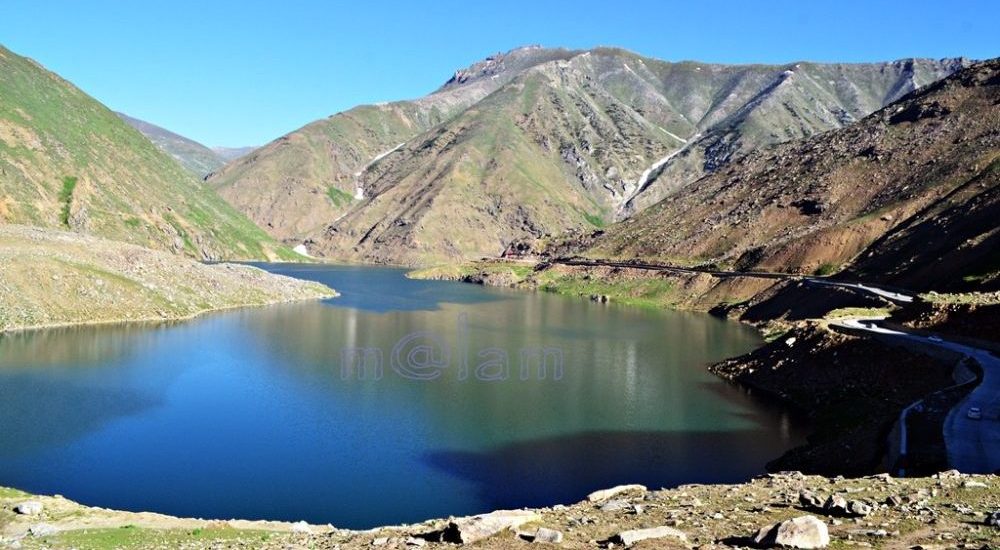
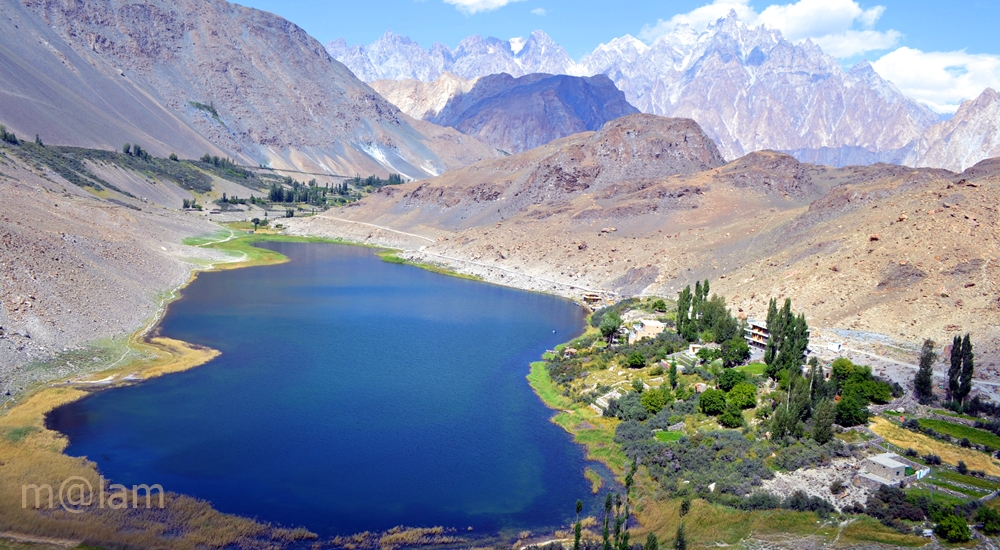
Borith Lake – A Captivating Tourist Attraction Nestled amidst the rugged beauty of the Karakoram Range, Borith Lake is a hidden gem in the upper Hunza Valley, Gilgit-Baltistan, Pakistan. The lake offers breathtaking scenery, peaceful surroundings, and serves as a gateway to adventure. Located at an easy access from the Karakoram Highway in Hussaini Village, Borith Lake is an increasingly popular destination for nature lovers, trekkers, and photographers. Borith Lake lies at an elevation of approximately 2,600 meters (8,530 feet) above sea level. The lake is situated about 2 kilometers north of the village of Hussaini, which itself is known for its iconic Hussaini Suspension Bridge. The turquoise waters of Borith Lake are surrounded by rolling hills, snow-capped peaks, and sprawling pastures, making it a perfect retreat for anyone seeking tranquility. History and Formation  The lake is a glacial-fed body of water, formed as a result of runoff from the mighty glaciers of the Karakoram Range. Its waters are stock up primarily by the Gulmit Glacier, which is a part of the vast Hunza River system. The lake holds historical significance for the Wakhi community, who have inhabited the region for centuries and consider it a spiritual and cultural hub. Salient Features  Pristine Natural Beauty Borith Lake is renowned for its crystal-clear waters that reflect the surrounding snow-laden peaks, creating an otherworldly panorama. The seasonal colors of the landscape—vivid greens in spring and summer, golden hues in autumn, and snow-blanketed terrains in winter—add to its year-round appeal. Birdwatcher’s Paradise For ornithologists and bird enthusiasts, Borith Lake is a prime spot during spring and autumn migrations. It serves as a temporary haven for flocks of ducks, geese, and other waterfowl as they travel between Siberia and the Indian subcontinent. Trekking and Hiking The lake is a starting point for several trekking routes including Afsang View Point, trek to the Passu Glacier, and Patundas Trek. The moderate-level hike to the Afsang View Point and Passu Glacier offer stunning views of glaciers, moraines, and the surrounding peaks. While the Patundas Trek is a well-known trek requires to cross the Passu Glacier and reach the end of Passu Valley. It provides magnificent views of mighty mountains and of Batura range and Glacier. Another popular trek is to the Gulmit Glacier, which offers a closer look at the fascinating geological formations of the region. Boating in the Lake One of the salient features of the calm lake is boating in its calm waters while enjoying the scenery of surrounding mountains. Camping and Stargazing Camping at Borith Lake is an unforgettable experience. The lack of light pollution in the area makes it one of the best spots for stargazing in Pakistan. On clear nights, the sky comes alive with countless stars, creating a magical ambiance for overnight campers. Photography For photographers, Borith Lake offers an endless array of subjects, from its tranquil waters to the dramatic backdrop of the Passu Cones, one of the most photographed peaks in the Hunza Valley. Accommodations and Facilities While Borith Lake is a relatively remote destination, there are several options for accommodation nearby. Borith Lake Resort, situated on the banks of the lake, provides basic lodging with incredible views. For those seeking a more authentic experience, nearby villages like Gulmit offer homestays and guesthouses where visitors can immerse themselves in the local Wakhi culture. Local Cuisine Don’t miss the chance to savor traditional Wakhi and Hunza organic dishes like chapshuro (meat-filled bread) and daudo (noodle soup) at the local restaurants. Many local eateries use organic ingredients sourced from their own farms, ensuring a fresh and delightful dining experience. Best Time to Visit Borith Lake The ideal time to visit Borith Lake is between April and October, when the weather is pleasant and the trekking routes are accessible. During spring and summer, the lush greenery and blooming wildflowers add to the lake’s charm. Autumn offers golden landscapes, while winter turns the area into a snow-laden wonderland, perfect for those seeking solitude. How to Get to Borith Lake Reaching Borith Lake requires a mix of travel by road and hiking. From Gilgit, the central hub of northern Pakistan, visitors can embark on a 125-kilometer journey to Gulmit. From there, a 4×4 jeep or a short trek brings you to this serene lake. The final stretch, a dirt trail, is best suited for those with a love for adventure. Cultural Significance The lake is not just a tourist attraction; it is deeply intertwined with the lives of the local Wakhi people. Festivals and rituals often take place near its shores, offering visitors a chance to witness and participate in traditional customs that have been preserved for generations. Environmental Concerns and Sustainability Like many natural treasures, the  Lake faces environmental challenges due to climate change and increased tourism. Visitors are encouraged to practice eco-friendly tourism, such as carrying reusable items and minimizing waste. Preserving the pristine environment of this lake is crucial for the local ecosystem and future generations. Why You Should Visit Borith Lake Whether you’re an adventurer, a nature lover, or someone seeking peace and serenity, Borith Lake has something to offer. Its mesmerizing landscapes, cultural richness, and opportunities for exploration make it a must-visit destination for anyone traveling to northern Pakistan. Nearby Attractions While visiting Borith Lake, explore other iconic sites in Hunza: Afsang View Point Ondra Poygah Attabad Lake Haldikish Hussaini Suspension Bridge and Zipline Rainbow Adventure Bridge Passu Glacier Yak Grill Passu Cones Batura Glacier Sost Town Khunjerab Pass
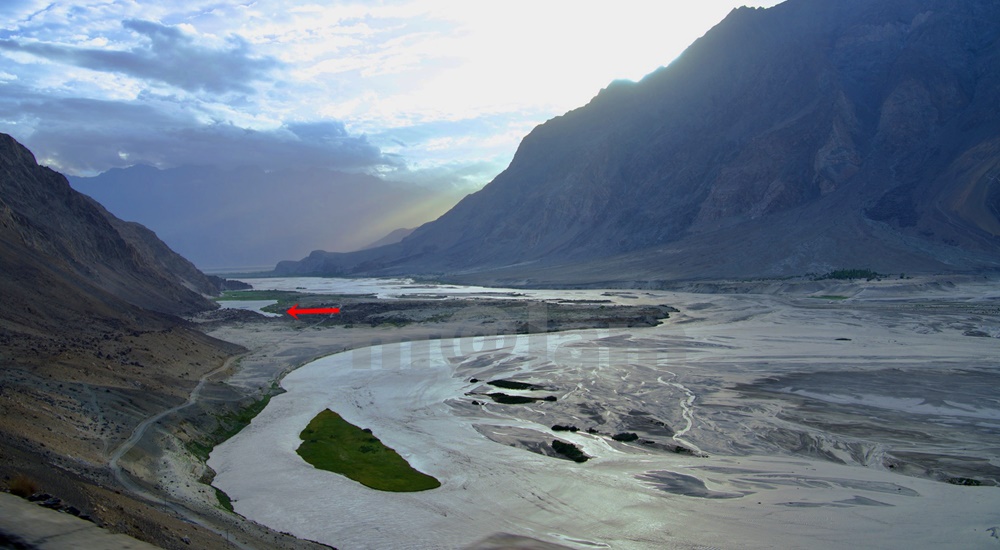
Blind Lake in the Shigar Valley, Skardu, Gilgit-Baltistan, Pakistan.
City Breaks, Gilgit-Baltistan, Lakes

Blind Lake

Blind Lake: A Picturesque Oasis in Shigar Valley Locally known as Xarba Tso in the Balti Language, Blind Lake is an enchanting freshwater lake nestled near the Shigar Valley in the heart of the Gilgit-Baltistan region of Pakistan. Unlike most lakes, Blind Lake doesn’t rely on any external water supply or discharge source. Its serene waters remain still and unmoving, earning it the intriguing name “Blind Lake.” A Visual Feast of Nature This mesmerizing lake offers panoramic views of its surroundings, with a particular focus on the riverside and the majestic mountains that serve as its backdrop. The trail leading to Blind Lake is a unique journey through lush greenery, arid deserts, and rugged rocky hills. Discovering Blind Lake’s Location To reach Blind Lake, take a scenic drive from Skardu town towards Shigar Valley, passing through picturesque mountainous terrain and the Sarfaranga Desert. The lake is approximately 28 kilometers from Skardu town and can be reached in around 45 minutes. While the journey to the lake from the main Shigar road is an adventure in itself, it’s undoubtedly worth the effort. A Hidden Gem in Nature’s Embrace Blind Lake is a hidden gem nestled amidst the awe-inspiring mountains surrounding the renowned Sarfaranga Desert. Bounded by the Indus River on one side and the Shigar River on the other, it’s now easily accessible via a newly constructed bridge on the Indus River. However, for those seeking to savor the journey truly, the drive through the Sarfaranga Desert is an experience filled with charm. Accessing the Blind Lake By Road: Travelers can embark on a remarkable journey from Islamabad to Skardu, covering approximately 770 kilometers via the legendary Karakoram Highway (N35). This unforgettable 15-18 hour drive offers breathtaking views, ranging from lush green hills to barren peaks and snow-covered mountains. By Air: Alternatively, you can take a direct flight to Skardu from Islamabad, Karachi, or Lahore. During peak tourist seasons, PIA operates flights from Karachi and Lahore once or twice a week, alongside daily flights from Islamabad. The aerial views during this journey are simply mesmerizing, with a network of mighty mountains beneath and a breathtaking glide through snow-capped peaks before landing at Skardu airport. Pro Tip: For a unique experience, you can also fly to Gilgit from Islamabad or Lahore and continue your journey to Skardu by road, enjoying a scenic one-hour flight and a 3-4 hour drive through the Jaglot-Skardu road (S1). The Final Leg to Blind Lake Upon reaching Skardu, your destination, Blind Lake, is a mere 45 kilometers away. Accessible only by 4-wheel vehicles, you can get to the lake in about an hour and a half. The journey includes 35 minutes of driving on paved roads, followed by 35 minutes on bumpy terrain, and finally, a 30-minute walk that rewards you with the first glimpse of Blind Lake. Enchanting Lake Surroundings While the hike to the lake may pose some challenges, the surrounding beauty more than compensates for any exhaustion. The lush green trees adorning the lake enhance its natural splendor. The tranquil atmosphere, coupled with the captivating stillness and breathtaking scenery, leaves a lasting impression on every beholder. Embrace the Wonders of Blind Lake Sightseeing: Immerse yourself in the beauty of Blind Lake. Its clear blue waters, lush greenery, and mesmerizing circular waves created by the wind will rejuvenate your senses.  Camping: Camping near the lake is a remarkable experience. The ideal spot is next to the lake, where you can witness a spectacular sunset followed by a night sky filled with stars. Be sure to check the weather forecast, as conditions can change rapidly. Pack lightly but include warm clothing for your camping adventure. Swimming: The crystal-clear waters of Blind Lake beckon swimmers. Whether you prefer shallow or warmer areas, the lake offers an excellent opportunity to explore its beauty while swimming. Boating: Enjoy daytime activities by leisurely boating on the calm, cool waters of the lake. It’s an exciting way to explore the lake up close. Fishing: Fishing enthusiasts will delight in the opportunities presented by Blind Lake. The Pakistani government has established a small fish farm here, providing ample chances for trout fishing. Seasons at Blind Lake While Blind Lake’s beauty is captivating year-round, spring stands out as the ideal time to visit. During this season, the area bursts with colorful flowers and butterflies, creating a visual masterpiece. Winter: Expect temperatures ranging from 8 degrees Celsius to 3 degrees Celsius, with snowfall from January to March. The frozen lake’s beauty during winter is awe-inspiring, although January is the coldest, with nighttime temperatures plummeting to -25 degrees Celsius. Summer: Summer temperatures at the Lake range from 24 degrees Celsius to 29 degrees Celsius. The clear waters reflect various colors during this season, making it a magnet for visitors. The best time to visit is from June to September but be prepared for occasional rain if traveling during summer. Accommodation Opportunities While there are a few huts and snack shops in the vicinity, there are no hotels or guesthouses directly near Blind Lake. Many visitors opt for camping near the lake or explore alternative accommodations in Shigar Valley or Shigar Town. Serena Shigar Palace, Concordia Hotel in Skardu, and Kallisto in Skardu are the well-recommended accommodation facilities. However, there is a range of options for accommodation and eateries in Skardu and Shigar. Nearby Tourist Attractions Often referred to as the “Queen of the Alps,” Skardu offers a captivating blend of snow-capped mountains, pristine rivers, lush forests, and historic monuments. While Blind Lake is a sight to behold, there are other attractions to explore. Don’t miss the opportunity to visit this scenic oasis in Shigar Valley, Pakistan. Other key attractions in the surroundings include: Shigar Fort Palace Amburiq Mosque Hashupi Garden Sarfaranga Desert Nansoq Organic Village Masrur Rock (Trolltunga of Pakistan) Kharpocho Fort Katpana Desert and Lake Satpara Lake Lower Kachura Lake Upper Kachura Lake Deosai National Park Chunda Valley Soq Valley Basho Valley

Phander Lake
Gilgit-Baltistan, Lakes, Tourists Destinations in Pakistan

Phander Lake

Exploring Phander Lake: A Jewel in Gilgit-Baltistan’s Crown The Phunder Lake is located in the Phunder Valley of Ghizer District in Gilgit-Baltistan, Pakistan. The lake sits at an impressive altitude of 11,500 feet (3,505 meters) above sea level. The Phunder Lake graces the enchanting Phander Valley in the Ghizer district of Gilgit-Baltistan, Pakistan. This captivating lake not only serves as a vital freshwater reservoir but also hosts thriving populations of trout. Thanks to its primary source, the Ghizer River which is abundant in Trout Fish. Situated on the picturesque Gilgit-Chitral Road, Phunder Lake is a pivotal gateway to the Chitral district. The lake also falls on the way to Shandur Pass, where the illustrious Shandur Polo Festival unfolds annually. Nango Chatt: The Local Gem Known to the locals as Nango Chatt, Phander Lake is an embodiment of tranquility and natural grandeur. Its crystal-clear waters, plunging to an astounding depth of 44 meters. The lake is teemed with lush aquatic flora and plants even visible even from a distance. The lake’s periphery boasts a stunning border of poplar trees, enhancing its overall charm. Snuggled amidst imposing mountains and verdant valleys, Phander Lake finds itself nestled between two imposing ridges. The entire scenery offers a breathtaking panorama of the valley and the lake itself. One end of the lake is enclosed, while the other serves as the primary inlet, continuously replenishing the lake’s pristine waters from the river. A Seasonal Spectacle Phander Lake transforms into a canvas of ever-changing beauty throughout the year, making it a magnet for nature enthusiasts and thrill-seekers alike. On the western ridge, you’ll discover a government rest house, while the eastern ridge is home to a modest cluster of PTDC Motels, both providing unrivaled vistas of the lake and the cascading valleys below. The narrow western ridge, separating the valley from the lake, offers sweeping views of the entire expanse. A Haven for Explorers Phander Valley is a treasure trove for day-trippers and overnight adventurers. Beyond the scenic landscapes, the local cuisine steals the spotlight, with its delectable trout fish, organic vegetables, and a variety of fruits that tantalize the taste buds. Accessible from Both Ends Phander Lake enjoys a strategic location at the crossroads between Gilgit and Chitral, making it easily accessible from either direction. From Gilgit, the journey spans approximately 173 kilometers, with a travel time of around 5 hours, promising a scenic drive through this mesmerizing region. Renovation of Gilgit-Chitral Road is in progress. The completion of the project will ultimately reduce the travel time from 5 hours to about 3 hours.

Lulusar Lake
Khyber Pakhtunkhwa, Lakes

Lulusar Lake

Explore the Enchanting Lulusar Lake in Kaghan Valley, Pakistan Lulusar Lake, undoubtedly a breathtaking natural wonder, stands as a prominent tourist gem in the heart of Kaghan Valley, Khyber Pakhtunkhwa province, Pakistan. Nestled at a lofty altitude of 11,200 ft (3,410 m) above sea level, this pristine lake beckons travelers along the renowned Naran-Babusar road. Its name, Lulusar, pays homage to a majestic mountain, drawing its essence from the Pashtu language, where “Sur” signifies the pinnacle. Easy Accessibility Lulusar is conveniently located just 48 km north of Naran, a mere hour’s drive away. For those embarking on a journey through Naran, a visit to the Babusar Pass and, subsequently, Lulusar becomes an integral part of the itinerary. The road leading to this natural marvel is well-paved and accommodates all types of vehicles. Furthermore, the route offers an array of attractions both on and off the beaten path. Adventurous souls can opt for stylish Willis Jeeps in Naran for day excursions, enhancing their travel experience. Seasons of Wonder The Kaghan Valley, including Lulusar, remains cocooned by snow from November until June, rendering it largely inaccessible during this period. However, as the snow gradually recedes, unveiling the Babusar Pass, domestic and international tourists flock to the region in unprecedented numbers. The Charms of Lulusar Lake Lulusar Lake outshines other lakes in the Kaghan Valley with its impressive expanse. Stretching over 3,400 meters, this natural wonder is nourished by the Kunhar River, originating from the towering Babusar Top. The river winds its way southward, meandering through the picturesque Kaghan valley. It encompasses Jalkhad, Naran vale, Kaghan, Jared, Paras, and Balakot, before converging with the mighty Jhelum River. During the summer months, Lulusar Lake showcases crystal-clear waters, mirroring snow-capped peaks that pierce the azure skies. The lake’s periphery boasts lush grasslands and vibrant wildflowers, often frequented by local cattle herds. A Haven for Nature Enthusiasts Beyond its visual splendor, Lulusar Lake serves as a haven for bird enthusiasts and fishing aficionados alike. The lake bears historical significance, marking the site where 55 brave participants of the 1857 War of Independence were apprehended. A Pivotal Stop on Your Journey For travelers venturing into the enchanting realms of Gilgit-Baltistan during the summer season, the Naran-Gilgit road presents itself as the ultimate route. Shorter by approximately 100 kilometers and adorned with breathtaking vistas, it lures tourists heading towards Fairy Meadows, Gilgit, Hunza & Nagar, and Skardu via the Babusar Pass. Lulusar Lake, especially with its unmatched serenity and captivating scenery, beckons as a must-stop destination along the way. Numerous elevated spots along the roadside offer the finest vantage points for admiring the lake’s ethereal beauty.

Rush Lake or Rush Phari
Gilgit-Baltistan, Lakes

Rush Lake

Rush Lake or Rush Phari Nestled at a breathtaking altitude of 4,694 meters (15,400 ft) within the picturesque Nagar Valley of Gilgit-Baltistan, Pakistan, Rush Lake stands as a true marvel of nature. This high-altitude alpine lake, stands on a ridge in the mighty Karakorams, boasts an awe-inspiring backdrop of snow-capped mountain peaks. Rush Lake is accessible through a moderate yet challenging trek, notably called the Rush Lake Trek, along the glacier. The trek starts from Hoper village in the Nagar Valley. There are two option for the return journey – either do it the same way or by crossing the Barpu Glacier and return from the other side via Hamdar campsite. The pristine lake is more than just a geographical wonder; it’s undoubtedly an experience waiting to reveal. Pakistan’s Shining Alpine Gem Known as “Rush Phari” by the locals, the name carries a poetic significance. “Rush” signifies “shine,” and “Phari” refers to a “water reservoir” or pond. Together, “Rush Phari” paints a vivid picture of the “Shining Lake.” The nickname seems appropriate, as for a significant part of the year, the lake’s surface shines under a crystal-clear ice crust. It reflects the sun’s rays and creates a mesmerizing spectacle. Even during the pleasant summer days when the icy covering begins to melt, the lake mirrors the majestic mountain peaks. It cast the shadows of surrounding mountain peaks upon its clear waters. The grassy surroundings come alive during peak summer, adding to the lake’s allure. A Panorama of Splendor The Rush Lake experience is not limited to the lake itself; it extends to the surrounding beauty. Perched on a high-altitude ridge that stands over the junction of Barpu Glacier and Bualtar Glacier, this location offers a 360-degree vista of awe-inspiring mountain landscapes. Gaze upon the majestic Spantik (Golden Peak, 7027m), Mair Peak (6824m), Diran’s summit (7257m), and Rakaposhi (7788m) in the Nagar Region, along with Lady Finger, Ultar Peak (7388m), and the Batura series in the Hunza Valley. On clear days, one can even spot the summit of K-2 (8611 m) – the second-highest mountain on earth, along with Broad Peak and Hidden Peak from the lake’s vantage point. Adjacent to Rush Lake stands the prominent “Rush Peak,” essentially linked to the lake’s name. Rush Peak’s elevation of 5,098 meters (16,726 ft) makes it easily accessible from the lake’s vicinity. A short excursion to the peak, usually included in the trek, takes only a couple of hours from the campsite near the lake. The Rush Lake Trek The Rush Lake trek, renowned among international trekkers, commences in the charming Hoper village of the Nagar Valley, situated opposite the Hunza Valley and accessible via a well-maintained metalled road. The trek’s starting point at the eastern end of the village treats trekkers to breathtaking views of the entire route and the encircling mountains. To reach Rush Lake, follow the trekking route that runs parallel to the Hopar Glacier (Boaltar Glacier) and Miar Glacier, originating from the Miar and Phuparash peaks. Starting from Hoper Valley, the trail descends to the Hoper Glacier before leading you across Barpu Glacier, culminating at a serene pasture trail. Much of this path to Baricho Kor campsite is smooth and enchanting offering captivating views. The uphill stretch from Baricho Kor to Chidin Harai, lasting 3 to 4 hours, tests trekkers’ resolve and stamina, particularly those yet to acclimatize. Along this ascent, enjoy the scenic vistas of the glaciers and the imposing mountains of the Nagar Valley. An additional hour’s hike will bring you to the lake’s shores. Access to the Lake For international and Pakistani tourists alike, the journey to Rush Lake typically begins with a car or bus ride to Gilgit via the Karakoram Highway or Naran-Gilgit road. A 55-minute flight from Islamabad to Gilgit by PIA is an option. One can also fly to Skardu and drive to Hunza, though flight availability depends on weather conditions. From Gilgit, a 100-kilometer, 2.5-hour drive, while 250km from Skardu takes you to the Hunza Valley. Continue to drive for a 2-hour jeep ride to the Hoper Valley. There are small tourist class accommodation providers in the Hoper valley but not high end hotels. Best Time to Visit To witness Rush Lake trek in all its glory, plan your visit during the summer season, spanning from June to October. In June, patches of ice still grace the landscape, while late summer sees the flora in full bloom. The ice usually melts away in July and August, revealing the alpine vegetation along the route and around the lake, creating an enchanting spectacle of natural beauty. Essential Guidelines If you’re considering a trip to Rush Lake, thorough preparation is key to a successful and safe adventure. Here are some essential guidelines to assist in your preplanning: Personal Belongings: A personal backpack for your belongings and walking sticks Layered clothing for warmth, including a raincoat Trekking trousers or a tracksuit, along with an extra T-shirt or sweatshirt Proper trekking shoes or ankle-high joggers, a pair of flip-flops, and warm gloves and socks Sunscreen, sunglasses, and a cap A camera for capturing memories Rechargeable flashlights or torches Personal medications Towels, handkerchiefs, and shampoo or soap Optional: A sleeping tent, sleeping bag, and mattress For both international and Pakistani tourists embarking on the Rush Lake trek, it’s advisable to enlist the services of a licensed tour operator. These professionals can provide the necessary support. Services include the staff, food, equipment, tour guides, and emergency services, ensuring a safe and enjoyable journey. You May also Like: Attabad Lake Borith Lake Khalti Lake Phander Lake Blind Lake Sheosar Lake Lulusar Lake

Attabad Lake on the Karakoram Highway in Hunza
Gilgit-Baltistan, Lakes

Attabad Lake

Attabad Lake: A Gem on the Karakoram Highway In the heart of Hunza, nestled along the legendary Karakoram Highway, lies a breathtaking jewel known as Attabad Lake. This pristine oasis emerged from the aftermath of a massive landslide that struck on January 4, 2010. Although the catastrophe claimed lives and property, it also heralded a remarkable transformation in the region. Over time, Attabad Lake rose to fame and established itself as a premier tourist destination. It captivates the hearts of visitors from far and wide. Discovering Attabad Lake’s Location Attabad Lake is situated approximately 19 kilometers east of Karimabad in the enchanting Hunza region of Gilgit-Baltistan, Pakistan. Perched along the Karakoram Highway, the lifeline connecting China and Pakistan, this natural wonder is just a three-hour drive from Gilgit. The lake makes it easily accessible to travelers seeking its beauty. The Tale of Attabad’s Creation The lake’s name, “Attabad,” bears witness to the valley of the same name, which was devastated to give birth to this stunning waterbody. It was the peak of winter when a colossal portion of the valley tumbled into the Hunza River. The event tragically claimed the lives of 20 residents, hundreds of livestock, and valuable land and property. This monumental a-kilometer-thick mudslide resulted in blockage of the river flow upstream along the Hunza River. Over time, the obstructed river began to swell, forming a sprawling water reservoir. As a result, this reservoir submerged adjoining valleys upstream. Thus, it completely inundated Ayeenabad and engulfed 40% of the Shishkat Valley. Consequently, homes, shops, and hotels along the 19-kilometer stretch from Attabad to Hussani Village drowned. The consequences were dire with over 6,000 people displaced. Eventually, trade and travel along the Karakoram Highway were disrupted. At the same time, more than 25,000 residents in the Gojal region were affected severely. Spill Over In June 2010, approximately five months after the initial landslide, the Hunza River began to spill over the barrier. Swift action was taken with the assistance of the Frontier Works Organization (FWO) of the Pakistan Army to create an immediate spillway, reducing the water level. At that time, the lake stretched to a length of 21 kilometers with a depth of about 358 feet. As the waters receded, hope blossomed for the affected residents, revealing their land and property once more. This catastrophic event disrupted communication systems, leaving the region’s people stranded for several months. The local business community suffered greatly. Likewise, tourists faced significant challenges during harsh winter conditions. Particularly, navigating the treacherous currents while traveling on open ferries or on foot was not an easy task. For the region’s inhabitants, most of whom relied on selling local produce like crops, fresh fruit, and dry fruit, the disaster was twofold. Their productive land was lost, and the remaining produce couldn’t reach the market in a timely manner, resulting in substantial financial losses. Rebuilding and Development In the immediate aftermath, the National Disaster Management Authority (NDMA) provided helicopter services to address the emergency, but this solution was not sustainable. Instead, manual boats were introduced, serving the community until the Karakoram Highway connection was restored in August 2015 through the construction of five long tunnels, overcoming the solid rock obstacles. The introduction of speedboats catered to tourists, and local residents established various camping sites along the lake’s banks. Each passing year brought new developments, enhancing the experience for tourists and allowing them to make the most of their visit. Attraction: Attabad Lake Today Today, Attabad Lake stands as a favored tourist destination. It’s a 14-kilometer stretch of the Karakoram Highway that runs parallel to its shimmering waters. Travelers can revel in its multi-dimensional beauty from well-organized viewpoints along the highway, marveling at the deep blue waters framed by rugged mountains and lush valleys. The journey features a series of lengthy tunnels, picturesque bridges, and opportunities for water sports. famous ones include jet skiing, speedboats, and ferries providing every passerby with a joyous experience. Local residents have embarked on the path of recovery, rebuilding their homes and businesses. Substantial investments are pouring into new infrastructure projects, all aimed at attracting and accommodating tourists. Beyond the lake’s serenity, the surrounding vistas, including the iconic Passu Cones, offer captivating sights. Meanwhile, views of the lake from the surrounding valleys and mountains are nothing short of breathtaking. Accessible year-round via the main Karakoram Highway, Attabad Lake continues to evolve. With each passing year, new developments further enhance its allure. Consequently, it draws in more tourists than ever before. Whether you seek natural beauty, adventure, or tranquility, Attabad Lake has it all. New developments make it a must-visit destination for travelers from around the globe.

Khalti Lake
Gilgit-Baltistan, Lakes

Khalti Lake

Exploring Khalti Lake in Ghizer District: A Natural Gem Khalti Lake, nestled in the captivating embrace of the Ghizer District in Gilgit-Baltistan, is a true natural wonder waiting to be discovered. Situated at an impressive altitude of 2,217 meters above sea level, this enchanting lake derives its name from the charming village of Khalti. The Lake is a prominent attraction for travelers, offering a serene oasis partly enveloped by verdant terraced fields and a dense tree line, and partly bordered by the majestic Rocky Mountains. Ghizer District: Gateway to Adventure To reach Khalti Lake, one must embark on a journey of approximately 116 kilometers from the bustling heart of Gilgit town, which takes around 3 to 4 hours by car. The road to the lake follows a winding asphalt path that runs parallel to the meandering Ghizer River. Along this scenic route lies a breathtaking gorge that leads to the renowned Shandur Pass. While en route, travelers are treated to awe-inspiring views, making the journey itself an unforgettable part of the adventure. Moreover, Khalti Lake, along with Phander Lake and the Phunder Valley, makes it a popular day trip destination from Gilgit, making it easily accessible for tourists. Khalti Lake: Nature’s Masterpiece Khalti Lake owes its existence to the Ghizer River, which stretches near the village of Khalti. This stunning lake showcases its beauty in all four seasons, each offering a unique spectacle. In spring, Khalti village, gracing the western bank of the lake, bursts into magnificent blooms. Summers bring a sense of serenity, as the lake and its surroundings become a lush green retreat. The autumn season paints the region with vibrant colors, creating a romantic ambiance around the lake. Even in winter, when the lake’s surface is adorned with a frosty layer, it transforms into a playground for local youth to engage in cultural celebrations and games. A Treasure Trove of Freshwater Khalti Lake is not only a visual delight but also a vital source of freshwater. It is home to an abundant population of local trout, a species that can be found throughout the Ghizer River. Originally introduced near the westernmost Golaghmuli Village, these trout have multiplied and spread across the Gupis Valley, offering tourists an excellent opportunity for fishing. Water Sports and Investment Opportunities For adventure seekers, Khalti Lake offers immense potential for water sports. Throughout the year, the local community, in collaboration with the tourism department of Gilgit-Baltistan, organizes various sports activities. Additionally, there are lucrative investment prospects in water sports activities. The region still has ample room for standard boarding and lodging facilities. PTDC (Pakistan Tourism Development Corporation) has a building with limited accommodation but is currently closed. There is a growing demand for more comprehensive lodging services. Weather: When to Visit The best time to explore Ghizer District and the Lake is during the pleasant summer months, from May to October, when temperatures remain comfortable. However, it’s important to note that winters in the region can be harsh, with temperatures often dropping 10 degrees below freezing point on average. This icy chill freezes everything in and around the lake, and snowfall is a common occurrence. Khalti Lake in Ghizer District is a hidden gem that offers a perfect blend of natural beauty and adventure. Whether you are a nature enthusiast, a fishing aficionado, or a water sports enthusiast, this pristine destination has something to offer everyone. Plan your visit wisely to make the most of this captivating locale and create memories that will last a lifetime.

Sheosar Lake in Deosai National Park
Gilgit-Baltistan, Lakes

Sheosar Lake

Sheosar Lake: The Hidden Gem of Deosai National Park Discover Sheosar Lake: A Himalayan Wonder Nestled within the picturesque landscape of Deosai National Park in Gilgit-Baltistan, Pakistan, Sheosar Lake stands as a testament to the awe-inspiring beauty of nature. Perched at a breathtaking elevation of 13,589 feet, it’s often referred to as the heart of Deosai and ranks among the world’s highest-altitude lakes. Throughout the year, the surroundings of Sheosar Lake transform, painting a mesmerizing canvas of nature’s vivid hues. Certainly, this pristine oasis is not only a visual treat but also a haven for rare flora and fauna. Unveiling the Local Legend The name “Sheosar” is derived from the local Shina language, where “Sheo” means blind and “Sar” means water. Hence, it’s commonly known as the “Blind Lake.” Spanning approximately 2.3 kilometers in length, 1.8 kilometers in width, and with an average depth of 40 meters (131 feet), this lake is teeming with fish, making it a vital food source for the brown bear during the winter months. A Tourist’s Paradise Sheosar Lake has become a must-visit destination, nestled on the border between the Karakoram and Himalaya mountain ranges. The lake is surrounded by gently sloping mountains that offer excellent hiking opportunities. On clear days, visitors can even catch a glimpse of Nanga Parbat, Pakistan’s second-highest peak, towering at a staggering 8,126 meters above sea level. Furthermore, the panoramic views encompass distant snow-clad mountains and expansive plains. Camping in Tranquility For adventurous souls seeking an overnight experience, designated camping sites are available on the north side of the lake. Ample parking space is provided for those wishing to pitch their own tents. However, it’s important to note that the lake’s water is not suitable for drinking. Fortunately, there’s a nearby spring that serves as a source of clean, refreshing water. Nature’s Spectacle: Sunrise and Sunset Deosai is renowned for its stunning sunrises and sunsets. On clear days, the weather remains pleasantly cool, with captivating views of the surrounding mountain peaks embracing the meadows. The lake itself becomes a natural masterpiece during the summer months, with its tranquil blue waters contrasting beautifully with the lush green grassy shores and snow-dusted mountain slopes. Photographers are in for a treat, as they can capture the essence of paradise in every frame. Seasons in Transition The climate in Deosai is as unpredictable as it is enchanting. While July and August are generally pleasant, with lush green meadows, even these months can witness unexpected snowfall. Surprisingly, Sheosar Lake undergoes a remarkable transformation in different seasons. During the summer, it showcases crystal-clear blue waters surrounded by a sea of green grass and blooming flowers. As autumn arrives, however, the grass turns a rustic brown, while winter blankets the entire region in a thick layer of snow. Embarking on the Journey Reaching Sheosar Lake in Deosai National Park is possible via two main routes: one through Astore Valley and the other through Skardu. The Astore route is relatively more accessible, with most of the road leading to the lake being paved. However, it’s advisable to use a 4WD vehicle for a trouble-free journey. The journey from Astore to the lake is a captivating experience in itself. The road winds through stunning valleys, past crystal-clear waters, lush green meadows adorned with alpine flowers, babbling streams that nourish the grasslands, glaciers, and magnificent green peaks capped with snow, offering a constant breeze of refreshing coolness. The warmth and hospitality of the local people add an extra layer of charm to this incredible journey. For those opting for the Skardu route, be prepared for a longer and more rugged journey. However, the path through the wilderness, adorned with alpine flowers and glimpses of snow-capped mountains, is a visual feast. Key stops along the way include Bara Pani and Kala Pani, both offering their own share of natural beauty before you finally arrive at Sheosar Lake. Sheosar Lake in Deosai National Park is a hidden gem waiting to be discovered by nature enthusiasts and adventure seekers. Its ever-changing beauty, from the vibrant summers to the serene winters, makes it a destination worth exploring. Whether you’re captivated by its legends, drawn to its wildlife, or simply seeking tranquility in the wilderness, Sheosar Lake promises an unforgettable experience in the heart of the Himalayas.

Scroll to Top