
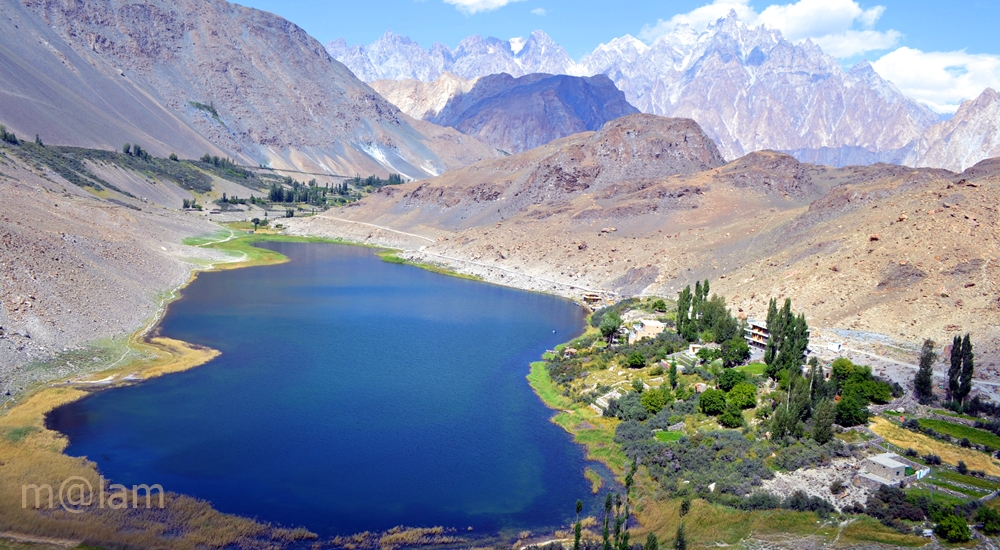
Borith Lake
Borith Lake – A Captivating Tourist Attraction Nestled amidst the rugged beauty of the Karakoram Range, Borith Lake is a hidden gem in the upper Hunza Valley, Gilgit-Baltistan, Pakistan. The lake offers breathtaking scenery, peaceful surroundings, and serves as a gateway to adventure. Located at an easy access from the Karakoram Highway in Hussaini Village, Borith Lake is an increasingly popular destination for nature lovers, trekkers, and photographers. Borith Lake lies at an elevation of approximately 2,600 meters (8,530 feet) above sea level. The lake is situated about 2 kilometers north of the village of Hussaini, which itself is known for its iconic Hussaini Suspension Bridge. The turquoise waters of Borith Lake are surrounded by rolling hills, snow-capped peaks, and sprawling pastures, making it a perfect retreat for anyone seeking tranquility. History and Formation The lake is a glacial-fed body of water, formed as a result of runoff from the mighty glaciers of the Karakoram Range. Its waters are stock up primarily by the Gulmit Glacier, which is a part of the vast Hunza River system. The lake holds historical significance for the Wakhi community, who have inhabited the region for centuries and consider it a spiritual and cultural hub. Salient Features Pristine Natural Beauty Borith Lake is renowned for its crystal-clear waters that reflect the surrounding snow-laden peaks, creating an otherworldly panorama. The seasonal colors of the landscape—vivid greens in spring and summer, golden hues in autumn, and snow-blanketed terrains in winter—add to its year-round appeal. Birdwatcher’s Paradise For ornithologists and bird enthusiasts, Borith Lake is a prime spot during spring and autumn migrations. It serves as a temporary haven for flocks of ducks, geese, and other waterfowl as they travel between Siberia and the Indian subcontinent. Trekking and Hiking The lake is a starting point for several trekking routes including Afsang View Point, trek to the Passu Glacier, and Patundas Trek. The moderate-level hike to the Afsang View Point and Passu Glacier offer stunning views of glaciers, moraines, and the surrounding peaks. While the Patundas Trek is a well-known trek requires to cross the Passu Glacier and reach the end of Passu Valley. It provides magnificent views of mighty mountains and of Batura range and Glacier. Another popular trek is to the Gulmit Glacier, which offers a closer look at the fascinating geological formations of the region. Boating in the Lake One of the salient features of the calm lake is boating in its calm waters while enjoying the scenery of surrounding mountains. Camping and Stargazing Camping at Borith Lake is an unforgettable experience. The lack of light pollution in the area makes it one of the best spots for stargazing in Pakistan. On clear nights, the sky comes alive with countless stars, creating a magical ambiance for overnight campers. Photography For photographers, Borith Lake offers an endless array of subjects, from its tranquil waters to the dramatic backdrop of the Passu Cones, one of the most photographed peaks in the Hunza Valley. Accommodations and Facilities While Borith Lake is a relatively remote destination, there are several options for accommodation nearby. Borith Lake Resort, situated on the banks of the lake, provides basic lodging with incredible views. For those seeking a more authentic experience, nearby villages like Gulmit offer homestays and guesthouses where visitors can immerse themselves in the local Wakhi culture. Local Cuisine Don’t miss the chance to savor traditional Wakhi and Hunza organic dishes like chapshuro (meat-filled bread) and daudo (noodle soup) at the local restaurants. Many local eateries use organic ingredients sourced from their own farms, ensuring a fresh and delightful dining experience. Best Time to Visit Borith Lake The ideal time to visit Borith Lake is between April and October, when the weather is pleasant and the trekking routes are accessible. During spring and summer, the lush greenery and blooming wildflowers add to the lake’s charm. Autumn offers golden landscapes, while winter turns the area into a snow-laden wonderland, perfect for those seeking solitude. How to Get to Borith Lake Reaching Borith Lake requires a mix of travel by road and hiking. From Gilgit, the central hub of northern Pakistan, visitors can embark on a 125-kilometer journey to Gulmit. From there, a 4×4 jeep or a short trek brings you to this serene lake. The final stretch, a dirt trail, is best suited for those with a love for adventure. Cultural Significance The lake is not just a tourist attraction; it is deeply intertwined with the lives of the local Wakhi people. Festivals and rituals often take place near its shores, offering visitors a chance to witness and participate in traditional customs that have been preserved for generations. Environmental Concerns and Sustainability Like many natural treasures, the Lake faces environmental challenges due to climate change and increased tourism. Visitors are encouraged to practice eco-friendly tourism, such as carrying reusable items and minimizing waste. Preserving the pristine environment of this lake is crucial for the local ecosystem and future generations. Why You Should Visit Borith Lake Whether you’re an adventurer, a nature lover, or someone seeking peace and serenity, Borith Lake has something to offer. Its mesmerizing landscapes, cultural richness, and opportunities for exploration make it a must-visit destination for anyone traveling to northern Pakistan. Nearby Attractions While visiting Borith Lake, explore other iconic sites in Hunza: Afsang View Point Ondra Poygah Attabad Lake Haldikish Hussaini Suspension Bridge and Zipline Rainbow Adventure Bridge Passu Glacier Yak Grill Passu Cones Batura Glacier Sost Town Khunjerab Pass
