City Breaks

Konodas Suspension Bridge

Konodas Suspension Bridge

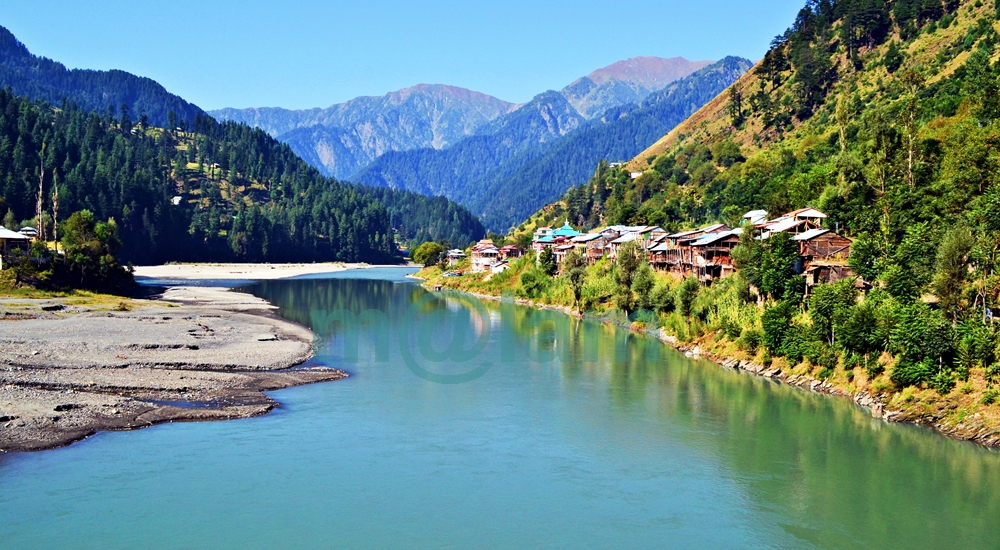
Konodas Suspension Bridge The Konodas Suspension Bridge is a must-visit attraction in the picturesque region of Gilgit-Baltistan, Pakistan. This historic structure connects the Old Gari Bagh Bazaar in Gilgit with the Konodas area, serving as a vital link for local communities while showcasing the rich heritage of the colonial era. A Glimpse into History Built during the rule of the Maharaja of Kashmir, before the region’s accession to Pakistan, the Konodas Suspension Bridge stands as a testament to the engineering prowess of its time. Constructed over a span of 10 years, from 1895 to 1905, this bridge has surpassed a century in age. Once the only connection between the then Gilgit Agency and Central Asia; the bridge played a crucial role in trade and communication in the region. Resilient Design The flawless design of the Konodas Suspension Bridge has enabled it to withstand numerous natural calamities over the years. Unlike other structures in Gilgit-Baltistan that have succumbed to floods and harsh weather conditions, this bridge remains intact, symbolizing durability and innovation. Scenic Splendor Nestled in the breathtaking landscape of Gilgit-Baltistan, the Konodas Suspension Bridge offers more than just historical significance. The surrounding scenery, characterized by the turquoise waters of the Gilgit River and the dramatic backdrop of rugged mountains, makes it a paradise for photographers and nature lovers. Visitors can enjoy stunning panoramic views while crossing the bridge, making it a popular spot for sightseeing and photography. Key Highlights Functional Purpose: The Konodas Suspension Bridge continues to serve as a vital route for pedestrians and light vehicles, connecting the Konodas area with other parts of Gilgit. Accessibility: The bridge’s proximity to Gilgit city center makes it easily accessible for tourists and locals alike. A short journey from the town brings visitors to this iconic landmark. Adventurous Experience: Walking across the swaying suspension bridge is an exhilarating experience, enhanced by the sound of rushing river waters below. Photographic Appeal: The natural beauty surrounding the bridge creates an ideal setting for capturing memorable photographs. Why Visit the Konodas Suspension Bridge? Blending historical significance with scenic beauty, the Konodas Suspension Bridge is a shining example of engineering adaptability in the mountainous terrain of northern Pakistan. Whether you’re a history enthusiast, a photography lover, or an adventurer, this bridge offers something for everyone. Plan your visit to the Konodas Suspension Bridge and immerse yourself in the timeless charm and breathtaking views of this remarkable landmark. It’s an experience that will leave you in awe of both nature’s grandeur and human ingenuity. Nearby Attractions: British Cemetery Gilgit Biddulph House & Library Karga Buddha Hanzel Stupa Agortham Boulder Uprising Memorial Gilgit Konodas Rock Carvings Danyore Suspension Bridge Danyore Rock Inscription Chinese Graveyard Danyore The Victory Monument of Taj Mughal

Konodas Suspension Bridge Read Post »

Chunda Valley

Chunda Valley

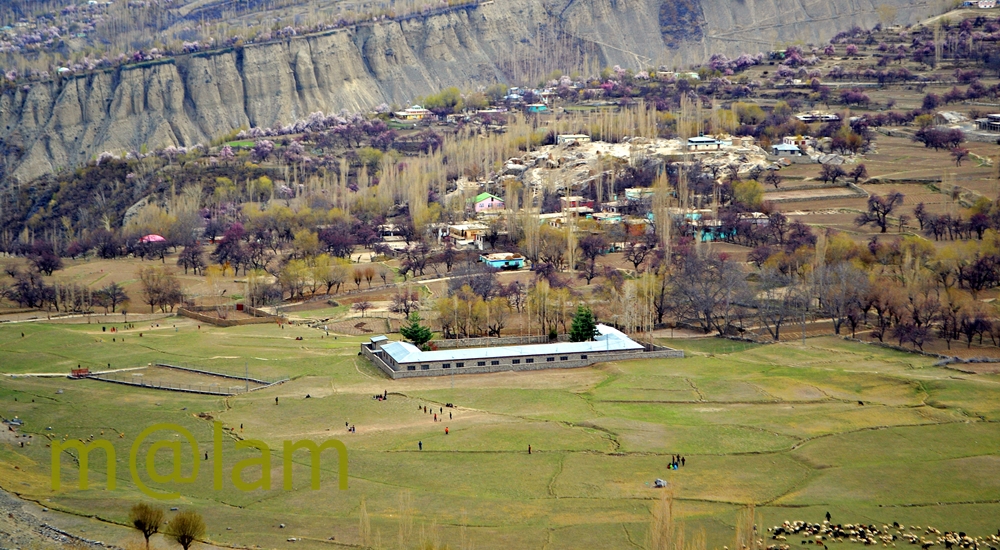
 Chunda Valley – A Hidden Gem in Skardu Chunda Valley in Skardu, Gilgit-Baltistan, is a hidden gem, nestled amidst the majestic Karakoram Range. Sitting in the lap of snow-crowned mountains, relatively untouched by mainstream tourists, it is one of the most favorite tourist spots in Gilgit-Baltistan captivating visitors with its breathtaking beauty. The valley not only boasts a spectacular landscape – snow-crowned mountains, lush green meadows with crystal clear streams, and traditional houses adorned with orchards – but also offers impressive scenery of Skardu town itself. Located 3000m above sea level, Chunda is accessible only at a short distance of about one hour’s adventurous drive from Skardu downtown. A Vibrant Tourist Attraction Famous among both domestic and international tourists, Chunda Valley is now a vital part of the tour plan for general tourists and tour operators as a short excursion from the town of Skardu. The valley is famous for its picturesque landscapes greeting visitors with a stunning combination of towering mountains surrounded by a lush green landscape of carpeted fields. Chunda offers multiple viewpoints where one can witness the grandeur of the Karakoram Mountains. Photographers will find countless opportunities to capture the awe-inspiring scenery, both of the Chunda Valley and also the town of Skardu and the wide stretch of Indus guarded by mountains. These meadows provide an excellent spot for picnics, relaxation, and photography. Seasonal Beauty Known for its unique beauty, Chunda Valley showcases diverse colors of nature in the four distinct seasons. In the blossom season, starting late February or early March and continuing till the end of April in Gilgit-Baltistan, it is blanketed with blooming flowers presenting a heavenly charm. The valley is a great retreat during summers, from May till September, and provides magnificent views of the entire stretch of Skardu from the viewpoint. Autumn, mid-October till mid-November, presents a brief season but extremely colorful and the valley allures nature enthusiasts and photographers to appreciate its myriads of colors. The autumn season is particularly remarkable, with the valley covered in vibrant shades of orange, yellow, and red. This period is ideal for photography, offering an enchanting setting for capturing the beauty of the valley. Winters blanket the valley in white and that’s again a unique time to visit. Local Hospitality The residents of Chunda Valley are known for their warm hospitality and simple, yet rich, way of life. Visitors to Chunda Valley therefore have the chance to immerse themselves in the local culture. The valley is home to a small, traditional community that preserves its cultural heritage and customs. Travelers can interact with the locals, learn about their way of life, and even enjoy traditional Balti food. Hospitality is a central part of the culture, and guests are often welcomed with open arms. Their cultural practices and traditions have been preserved for generations, offering visitors a glimpse into the authenticity of Skardu’s heritage. Engage with locals, participate in traditional festivities, and savor the local cuisine for an immersive experience. Activities to Enjoy in Chunda Valley Day Hikes Chunda Valley is a paradise for adventure enthusiasts. There are several hiking routes for all skill levels, ranging from easy walks to challenging hikes that take visitors to higher altitudes. Some popular trails lead to surrounding peaks and viewpoints, offering breathtaking views of the valley below. Camping under the Stars Camping in Chunda Valley is a truly magical experience. With clear skies and minimal light pollution, the valley provides excellent conditions for stargazing. Many travelers enjoy camping by the riverside or in the open meadows, where they can relax, enjoy a bonfire, and watch the stars at night. Camping is only possible in the environs of the valley providing a scenic view, and not within the valley. Photography and Nature Walks For photographers, Chunda Valley is a treasure trove of natural beauty. The stunning landscapes, lush greenery, and vibrant colors make it an ideal location for both landscape and portrait photography. Nature walks through the valley are equally rewarding, allowing visitors to explore the diverse flora and fauna of the region. Bird Watching and Wildlife Spotting Chunda Valley is home to a variety of bird species and wildlife, making it a paradise for birdwatchers and wildlife enthusiasts. Common sightings include golden eagles, Himalayan snowcocks, and a variety of small mammals. Wildlife photographers will find plenty of subjects to capture in this serene environment. Accommodation Options While Chunda Valley has limited accommodation options, visitors can stay in nearby Skardu, which offers a range of hotels, guesthouses, and lodges. In the valley, there are a few local guesthouses and camping sites. For a more immersive experience, many travelers prefer camping in the valley itself, surrounded by nature. Guesthouses: There are a few small guesthouses within the valley run by locals. These accommodations provide basic facilities but offer a warm and authentic experience. Camping: Camping is a popular choice among visitors to Chunda Valley. The valley has several safe and scenic spots ideal for setting up tents. Travelers are encouraged to bring their own camping gear or rent equipment from Skardu. Hotels in Skardu: For those seeking more comfortable accommodations, Skardu City offers a range of hotels from budget options to mid-range hotels. Visitors can base themselves in Skardu and take day trips to Chunda Valley. Important Travel Tips for Chunda Valley The weather in Chunda Valley can be unpredictable. Visitors should check the weather forecast and pack accordingly. During the colder months, warm clothing is essential as temperatures can drop significantly at night. Certain areas in Gilgit-Baltistan may require travel permits for foreign visitors. It is recommended to check local regulations before traveling. Chunda Valley is home to a close-knit community with deep cultural roots. Visitors are encouraged to respect local customs, dress modestly, and ask permission before taking photographs of people. Due to the high altitude, it is important to stay hydrated and acclimatize properly. It is also recommended to carry essentials like sunscreen, insect repellent, and a basic first-aid kit.

Chunda Valley Read Post »

Excursions from Skardu

Excursions from Skardu

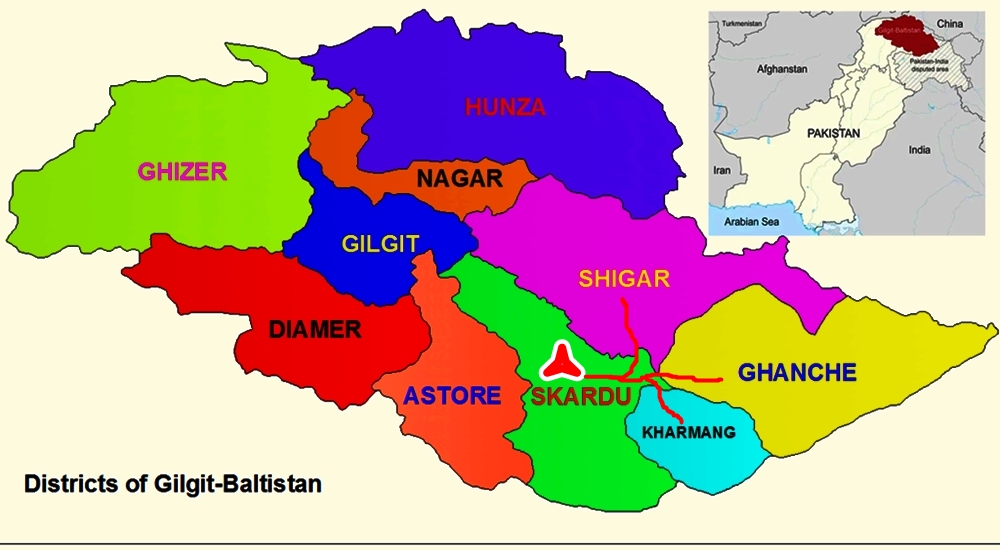
Excursions from Skardu – Explore the Mesmerizing Beauty Skardu, located in Gilgit-Baltistan, Pakistan, is a gateway to some of the world’s highest mountains and longest glaciers. As the capital of the Baltistan Division, one of the three divisions (Gilgit, Diamer, and Baltistan) of Gilgit-Baltistan, Skardu is one of the four key districts (Skardu, Shigar, Ghanche, and Kharmang) in the Baltistan Division. Each district is renowned for its unique manmade and natural attractions that draw tourists. Skardu serves as an excellent base for exploring the area’s key attractions. Recommended day excursions from Skardu include: Day Excursion to Shigar Valley Shigar Valley, situated in the Shigar District of Gilgit-Baltistan, is renowned for its stunning landscapes and tranquil ambiance. Surrounded by towering mountains, cascading waterfalls, and crystal-clear rivers, the valley is a paradise for nature enthusiasts. It offers a perfect escape from bustling city life, allowing visitors to immerse themselves in the wonders of the great outdoors. As a former princely state and one of the four districts of the Baltistan Division, Shigar is the nearest and most conveniently accessible destination. Located just 45 km away and reachable within an hour, Shigar boasts a range of exclusive tourist attractions, from historical sites to natural sceneries, including: Sarfaranga Desert The Cold Desert, located in Sarfaranga village in Skardu, Gilgit-Baltistan, is the world’s highest desert, standing at an altitude of nearly 7,500 feet. Known as the Sarfaranga Desert or Skardu Cold Desert, it is one of the two most famous icy deserts in the region. Situated close to Skardu, it is accessible with a 30-minute drive. Nestled in the Shigar Valley along the Indus River and surrounded by mountains, it serves as an excellent capstone experience for a trip to the Shigar area. The Sarfaranga Cold Desert is a hub of touristic activities, offering desert jeep safaris, motor gliding, biking, horse riding, and more. Blind Lake Blind LakeBlind Lake, also known as Xarba Tso in the local Balti language, is an enchanting freshwater lake nestled near the Shigar Valley in the heart of the Gilgit-Baltistan region of Pakistan. Unlike most lakes, Blind Lake does not rely on any external water supply or discharge source. Its serene waters remain still and unmoving, earning it the intriguing name “Blind Lake.” This mesmerizing lake offers panoramic views of its surroundings, particularly the riverside and the majestic mountains that serve as its backdrop. The trail leading to Blind Lake is a unique journey through lush greenery, arid deserts, and rugged rocky hills. Visitors can enjoy key activities like boating, camping, and musical events. There are a few tuck shops providing basic necessary items for tourists, and entry to the lakeside is subject to a fee. Shigar Serena Fort Palace The Shigar Fort in Skardu Valley is a remarkable architectural structure surrounded by Shigar’s vast plains. Renowned for its historical significance, Shigar Fort is the most visited location in Skardu. Constructed roughly 400 years ago, the entire structure is composed of stones with sturdy foundations. Formerly known as the Palace of Rock, the fort has been transformed into a guesthouse featuring 20 rooms and a large hall displaying treasures of the Baltit culture. Amburiq Mosque The Amburiq Mosque is one of the oldest mosques in Baltistan and is a renowned landmark in the region. Built by Sayed Ali Hamdani, it holds great historical significance. According to local traditions, Sayed Ali Hamdani visited Shigar to spread the faith and established the Amburiq Mosque, making it the first mosque in the Shigar Valley. A small museum inside the mosque raises awareness about its historical importance and encourages the local community to adopt a conservationist approach towards culturally significant structures. The mosque underwent restoration between 1998 and 2000. In 2005, UNESCO awarded the mosque the Asia-Pacific Heritage Award. Khanqah-e-Mualla With the dawn of Islam in the Baltistan region in 1352 through Amir Kabir Syed Ali Hamadani, the construction of small mosques became common. One of the most monumental pieces from that era is Khanqah-e-Mualla, a valuable gift to the Shigar Valley. The credit for its establishment goes to Shah Nasir Tusi, who came from Tus, Iran, with his three daughters through the Siachen Glacier in 1591. Shah Nasir laid the foundation of the Khanqah in 1602. According to local folklore, he disappeared near the mountains of the Braldu Valley on his way to K2. The construction, materials, and design of the Khanqah have remained unchanged for more than four hundred years. Although it has undergone repairs multiple times, the materials and construction methods have always stayed the same. Hashupi Garden Hashupi Bagh, also known as Hashupi Garden, is the Apple and Cherry Garden nestled in the picturesque Shigar Valley. This magnificent garden is located amidst the majestic Karakoram Mountains in Gilgit-Baltistan, Pakistan. Hashupi Bagh is a haven for nature lovers and adventure seekers alike. Apart from its apple orchards, the garden features stunning cherry blossoms that bloom during the spring season, transforming the landscape into a spectacle of delicate pink and white flowers. The cherry blossoms create a magical ambiance, drawing photographers, nature enthusiasts, and romantics. Visitors can wander through the garden, marveling at the ethereal beauty of the blossoms and capturing unforgettable moments. In autumn, Hashupi Bagh bursts with vibrant colors as the apples and cherries ripen, ready to be harvested. Chuturon Hot Springs Chotron Hot Springs is a natural hot spring located in the Shigar district of Gilgit-Baltistan, Pakistan. Situated at an elevation of around 2,400 meters (7,874 feet) above sea level, it is surrounded by beautiful mountains and forests. The water in the hot spring is naturally heated by geothermal activity and is believed to have medicinal properties due to its high mineral content. The mineral water of these springs contains elements like sodium, potassium, calcium, magnesium, chlorides, fluorides, sulfates, phosphates, and bicarbonates, which may be responsible for curing various diseases. However, the water from the thermal springs of Chotron is unsuitable for drinking due to its high fluoride content and the presence of small amounts of total coliforms,

Excursions from Skardu Read Post »

Skardu Tourist Attractions

Skardu Tourist Attractions

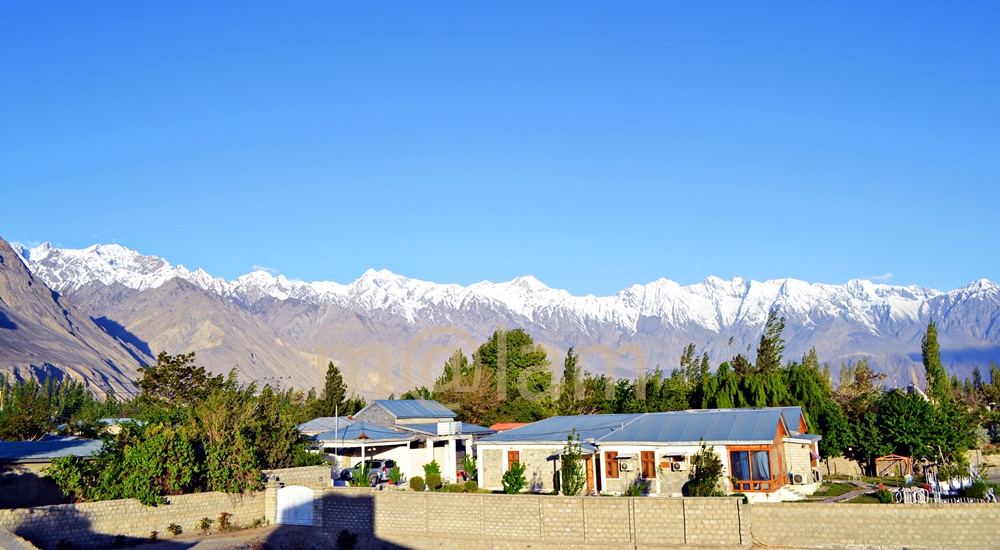
Skardu – A destination beyond imagination Serving as one of the four districts of the Baltistan Division of Gilgit-Baltistan’s three divisions, Skardu is the capital city of Skardu District. Skardu is the primary gateway to the eight-thousanders of Pakistan including K2, Broad Peak, and Gasherbrum Peaks, and is also the threshold to several famous glaciers including the well-known Baltoro Glacier. Nestled at 2500m (8,202 feet) above sea level, along the bank of the Indus River, Skardu presents a harmonious blend of modern amenities and traditional appeal. The valley spans approximately 10 km in width and 40 km in length. Skardu is situated at the convergence of the Shigar River and Indus River. Renowned for its stunning landscapes, towering mountains, and distinctive cultural legacy, the region captivates visitors with its enchanting charm. Encompassed by the Karakoram Range, Skardu affords breathtaking vistas, tranquil lakes, and opportunities for trekking and mountaineering. It boasts extensive tourist attractions catering to nature enthusiasts, adventure seekers, and those intrigued by local customs. Below are some of Skardu Tourist Attractions: Kharpocho Fort  Known as Skardu Fort, the Kharpocho Fort is a significant historical landmark situated atop a rocky hill, towering 40 meters above the main town. Offering sweeping views of the surrounding landscapes, reaching the fort entails a rewarding 30-minute hike. Overlooking the confluence of the Indus and Shigar Rivers, the fort boasts a secret tunnel providing an escape route during emergencies, linking it to the city. Referred to as the “king of forts” in the local Balti language, it served as a military stronghold during various conflicts. Constructed in the late 16th century by King Ali Sher Khan Anchan, the fort features a traditional architectural style, encompassing numerous cozy rooms within its expansive boundary walls. Its intricate woodwork, majestic stonework, and skilled craftsmanship make it a captivating site to explore. Despite suffering damage during the 1948 war in Gilgit-Baltistan, the grandeur of the fort continues to allure thousands of tourists year-round. Nansoq Organic Village Nestled just beyond the famed Kharpocho Fort, The Nansoq Valley represents the inaugural organic village accessible by foot. Commencing from the nearby neighborhood adjacent to Kharpocho Fort, the trek to this picturesque village spans approximately 3 kilometers. It offers a scenic route along the Indus River with breathtaking valley views. The journey typically takes an hour via a gradually ascending path, punctuated by several wooden bridges. Approximately 75 residents, distributed among 17 or 18 families, inhabit Nansoq, embracing the traditional Balti lifestyle characterized by labor-intensive practices and a reliance on organic food. They reside in vintage-style dwellings and predominantly engage in agriculture and farming, utilizing ancient utensils. The village serves as a prime example of cultural preservation and the pursuit of a modest lifestyle. Notably, Nansoq has welcomed distinguished visitors such as Prince Charles, Prince of Wales, and the Duchess of Cornwall, underscoring its significance as a unique cultural enclave. Italian K2 Museum    The K2 Museum is a distinctive pyramid-style tent museum situated in the garden of the PTDC Motel in Skardu. It is just a 5-10 minute stroll from the city center. Sponsored by the Italian government and established in 2004, the museum commemorates the first successful summit of the treacherous K2 Mountain by an Italian expedition in 1954, led by Arditio Dezio. Dedicated to the Pakistani people and mountaineers worldwide, the museum houses a vast collection of historical data, maps, documentaries, and geographical and cultural insights about K2 Mountain and earlier expeditions to remote Baltistan, led by De Filippi. Additionally, it showcases local customs and traditional attire. The PTDC Motel itself serves as a testament to the rich climbing and hiking history in the mighty mountains of Skardu. With its wealth of exhibits and immersive experiences, the K2 Museum stands out as a remarkable tourist attraction for visitors. Manthal Buddha Rock The Manthal Buddha Rock, a sizable granite formation adorned with Buddha carvings dating back to the 8th century, resides 3 kilometers from Sadpara Road in Manthal Village, Skardu. This iconic rock boasts a prominent central carving of Buddha, flanked by two standing Metreyias (future Buddhas) and encircled by twenty small Bodhisattvas (disciples). Before Buddhism’s advent in the 4th century, Baltistan was steeped in Shamanism. Monks from northern India arrived and erected monasteries during the reign of the Palolashahi kingdom. Despite the Tibetan conquest in the 8th century, Buddhism thrived, marking the Upper Indus Valley’s “Golden Era of Buddhism” from the 8th to the 10th centuries. However, the arrival of Ali Hamadani and his followers from Iran in the 14th century transformed the region’s landscape. Buddhism waned, and places of worship fell into disrepair as Islam gained traction. By the 15th century, the region had transitioned into a predominantly Muslim state. Satpara Lake Located near Skardu, Satpara Lake is a serene and picturesque destination enveloped by towering mountains. It offers an ideal setting for boating and soaking in the natural splendor. Positioned at an impressive altitude of 2,721 meters (8,927 feet) above sea level, Satpara Lake stands out prominently amidst the rugged terrain of Skardu Valley. Fed by the Satpara stream, originating from the melting ice of Deosai Plains, the lake boasts a picturesque island that provides a tranquil retreat. With its turquoise waters set against the backdrop of lofty peaks, Satpara Lake attracts tourists from around the globe. Accessible via a 20-minute jeep ride from Skardu, it remains a popular destination for nature lovers seeking solace and scenic beauty. Katpana Desert The Katpana Desert, also known as the Cold Desert or Biama Nakpo, is a high-altitude desert near Skardu town in Gilgit-Baltistan, Pakistan. Positioned at 2,226 meters (7,303 ft) above sea level, it ranks among the world’s highest deserts. Located between Skardu airport and the town, it features vast dunes that occasionally receive a dusting of snow in winter. The desert extends from the Indus River south of Skardu to New Ranga Village in the north, with the section near Skardu town being the most famous and visited. The best time to visit is between June and September

Skardu Tourist Attractions Read Post »

Chitral Tourist Attractions

Chitral Tourist Attractions

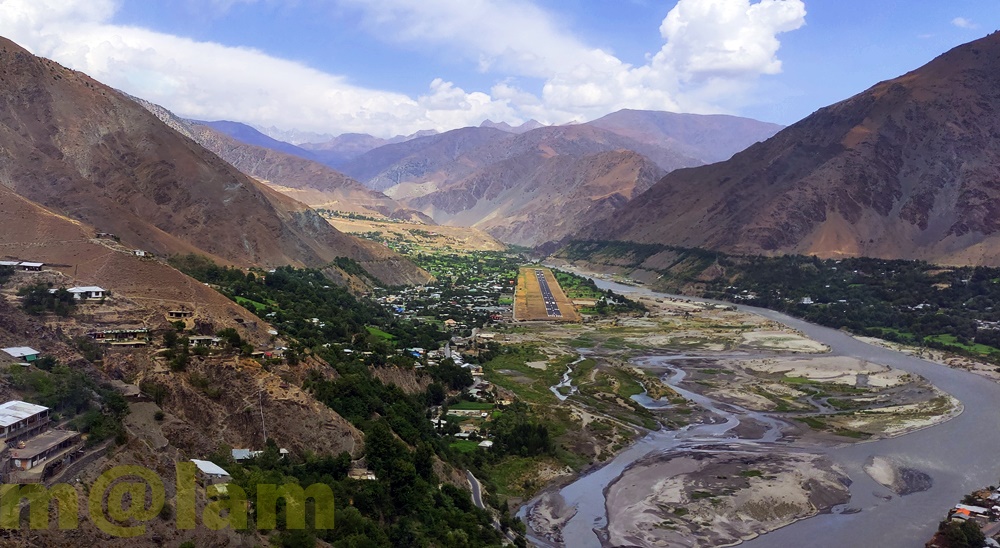
Discover the best Chitral tourist attractions, from the majestic Tirich Mir and scenic valleys to historic forts, Kalash culture, and breathtaking mountain landscapes. Explore the natural beauty, rich traditions, and unforgettable experiences that make Chitral a fascinating destination in northern Pakistan.

Chitral Tourist Attractions Read Post »

Gappa Valley

Gappa Valley

Exploring the Enchanting Charms of Gappa Valley The Gappa Valley is a breathtaking meadow and an emerging tourist attraction alluring visitors from within and outside Pakistan. If you’re in search of an enchanting escape, then the Gappa is your choice. Nestled in the heart of the Nagar Valley in Gilgit-Baltistan, this hidden gem is quickly rising to prominence as a must-visit tourist destination. With its gushing glacial waters, terraced fields, expansive meadows, lush green hills, and majestic snow-covered mountain peaks in the background, this enchanting valley promises an unparalleled experience. Embracing Nature’s Beauty in Gappa Valley Gappa is a haven for nature enthusiasts, boasting pristine pine jungles, bubbling fountains, vast grasslands, and breathtaking vistas of Rakaposhi. The journey through the majestic Chalt Bala (Upper) and its pastures is an experience to memorize for a lifetime. It comes as no surprise that this valley has become a magnet for tourists seeking solace in the embrace of nature. Unveiling the Treasures of Nagar Valley Nagar Valley, home to the Gappa Valley, is a treasure trove of towering mountain peaks, crystal-clear lakes, and ancient glaciers. This region, located north of Gilgit city along the Karakoram Highway, remains a relatively undiscovered gem. The Chalt Valley marks the beginning of Nagar Valley, and Gappa is the first adventure that beckons. Gappa Valley: A Playground for All Seasons Gappa Valley’s allure knows no bounds, attracting visitors year-round. During the summer months, both local and international tourists flock to this haven to relish its serene ambiance and camping opportunities. The ideal time to visit is between June and September for the ultimate summer experience, while winter enthusiasts should plan a trip between December and February. Keep in mind that the road leading to the valley remains unpaved beyond the Chalt intersection on the Karakoram Highway, so opting for a sturdy Jeep is advisable. Discovering Hidden Treasures in Gappa Valley Gappa isn’t just a sanctuary for nature lovers; it’s a paradise for trekkers and those seeking peace alike. The region’s natural forests, pristine fountains, lush grasslands, and delectable local cuisine provide a holistic experience. Moreover, the warm and hospitable locals ensure that your visit is truly unforgettable. However, the crowning jewel of the valley is the mesmerizing view of Rakaposhi Peak, a sight that will leave an indelible mark on your memory. Outdoor Adventures Whether you’re an individual traveler or part of a family, there are plenty of spots to prepare and enjoy your own meals. Picture yourself cooking amidst the shade of towering pine trees with glacier water flowing nearby. The local shepherds extend their hospitality by offering delicious buttermilk (Lassi) and traditional flour Crepes (Giyaling). However, do remember to carry all your cooking supplies from the market. Adventure Awaits in Gappa Valley For adventure seekers, Gappa Valley offers a plethora of hiking and trekking activities. Exploring the vast expanse of the valley by hiking through its surrounding pastures and hills is an exhilarating experience. The trekking trail from Gappa Valley to Naltar Valley is a compelling reason in itself to plan a visit. Finding Your Way to Gappa Valley Gappa is accessible by 4WD. The journey to Gappa commences with a scenic drive through Chalt Bala, branching off from the main Karakoram Highway. While it was previously accessible from the District Nagar Check Post at KKH towards Chalt village, make sure to check current access points and trail conditions for an effective journey. To be precise, the road branches out from the Police check-post near the Collision Point of Continental Plates. Drive to the Chalt Valley and proceed to Gappa. While the drive is an adventure in itself, lasting approximately one and a half hours, it’s unquestionably worth the effort. As you approach Gappa Valley, the landscape transforms, welcoming you with open arms. The Gappa Valley is a paradise waiting to be discovered. Whether you’re an avid trekker, a nature enthusiast, or simply someone seeking serenity, Gappa offers an array of experiences that will undoubtedly leave you in awe. Plan your journey and unlock the enchanting charms of Gappa today.

Gappa Valley Read Post »

Marsur Rock

Marsur Rock

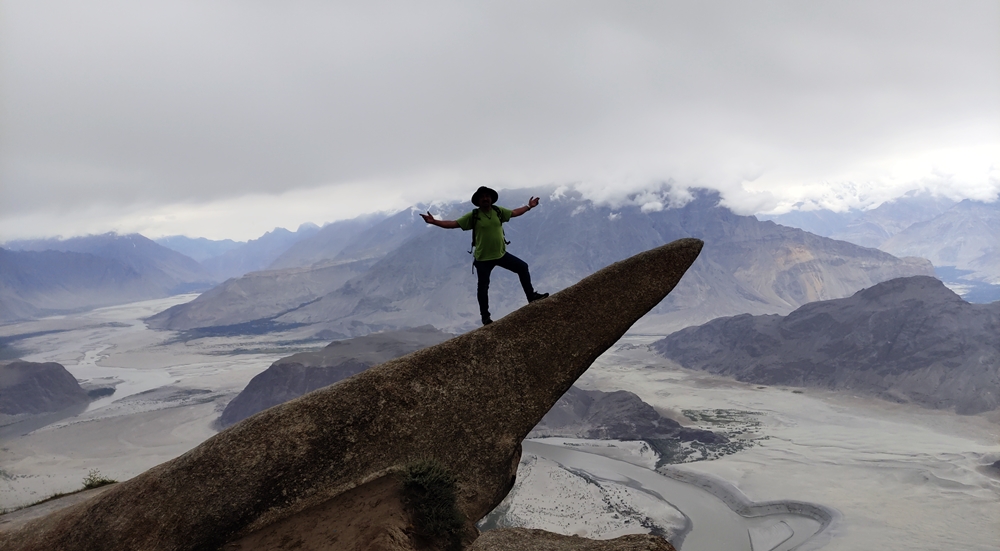
Marsur Rock: The Trolltunga of Baltistan If you’re craving awe-inspiring sceneries of Skardu town and its picturesque surroundings, the hike to the Marsur Rock is what you are exactly looking for. All you need is energy and determination to climb a steep moraine that takes at least 3 hours to hit the rock. It is an amazing hike providing fascinating views of the entire Skardu and surrounding attractions including the Hussainabad Valley and Broq in the immediate backdrop, Sarfaranga Desert, Kharpocho Fort, Nansoq Valley, the meandering Indus River, the convergence of Indus and Shigar rivers, and the Shigar Valley in the background. Marsur Rock is accessible by an adventurous drive from Skardu to the Hussainabad Broq located on a fair altitude followed by an uphill hike providing magnificent views. An Emerging Tourist Attraction Situated on the verge of mountains of Hussainabad, Shigar, Baltistan, Marsur Rock (also known as Hussainabad Rock) stands as a remarkable geological wonder in this region. The famous rock is celebrated for its distinctive geological features. At an elevation of 3,757 meters, Marsur Rock is a towering rock spire perched majestically on a mountain ridge high above the Hussainabad Valley. It bears a striking resemblance to Norway’s famous Trolltunga. What sets it apart is that out of its 38-foot total length, a whopping 25 feet extends dramatically into thin air, offering daring adventurers the opportunity to savor a mesmerizing bird-eye-view of the valleys below and capture daring photographs. Remarkably, Marsur Rock remained hidden from the world until 2018 until it was noticed by locals. A captivating picture of this rock shared on social media suddenly thrust this hidden gem into the tourist limelight. What makes this rock so exceptional is its multi-faceted appeal. It is, without a doubt, the finest bird’s-eye viewpoint in Skardu, offering unrivaled scenery in the entire town. The trail is adventurous, can be conquered by individuals of all ages yet requires vigor and resolve. It’s a perfect day activity whether you’re in Skardu or exploring the enchanting Shigar Valley. How to Reach Marsur Rock Accessing Marsur Rock involves an exhilarating jeep ride to Hussainabad Village and then Broq followed by an invigorating hike. Drive from any part of Baltistan to the southeastern part of Hussainabad Valley. Hussainabad itself is conveniently situated on the Kargil-Skardu Road, merely 24 kilometers from Skardu town, with a journey time of approximately 35 minutes. Take the side road that commences near Karakoram International University Campus in Hussainabad, branching off from the main Kargil-Skardu Road. The jeep track meanders through the valley, passing by the enchanting Hussainabad Waterfall, and ascends along a zigzagging uphill path leading to the summer pasture. From this point onward, a scenic hike leads to the captivating Marsur Rock. Depending on your pace, the hike typically takes around 3 hours. Remarkably, you don’t require a guide to navigate to this remarkable spot. Important Tips for Your Visit Here are some key considerations for planning your journey to Marsur Rock: Mobile signals are not available in the vicinity of Marsur Rock, so plan accordingly. You are traversing a culturally sensitive area, so wear appropriate clothing that respects local customs. Preserve the pristine beauty of the area by avoiding littering and demonstrating responsible travel behavior. Be sure to carry essential supplies, including water, some food, an umbrella or raincoat, a cap or hat, and a camera to capture the breathtaking scenery. Exercise caution, especially when taking photographs, particularly during inclement weather conditions. Explore Nearby Attractions While Marsur Rock itself is a shining gem, there is a treasure trove of attractions waiting to be explored in the immediate vicinity and throughout the remote valleys of Baltistan. Don’t miss the opportunity to immerse yourself in the natural wonders of Hussainabad Valley, Baltistan, Pakistan. Some other captivating attractions in the vicinity include: Skardu District Attractions Nansoq Organic Village Kharpocho Fort Katpana Desert & Lake Satpara Lake Lower Kachura Lake Upper Kachura Lake Deosai Plains Chunda Valley Soq Valley Basho Valley Shigar District Attractions Shigar Fort Palace Amburiq Mosque Hashupi Garden Shigar Riverside Sarfaranga Desert Blind Lake Khaplu District Attractions Khaplu Valley Khaplu Fort Palace Chaqchan Mosque Blind Lake Keris Thallay Valley Machulu Village Hushey Valley Kharmang District Attractions Manthoka Waterfall Khamosh Waterfall

Marsur Rock Read Post »

Blind Lake in the Shigar Valley, Skardu, Gilgit-Baltistan, Pakistan.

Blind Lake

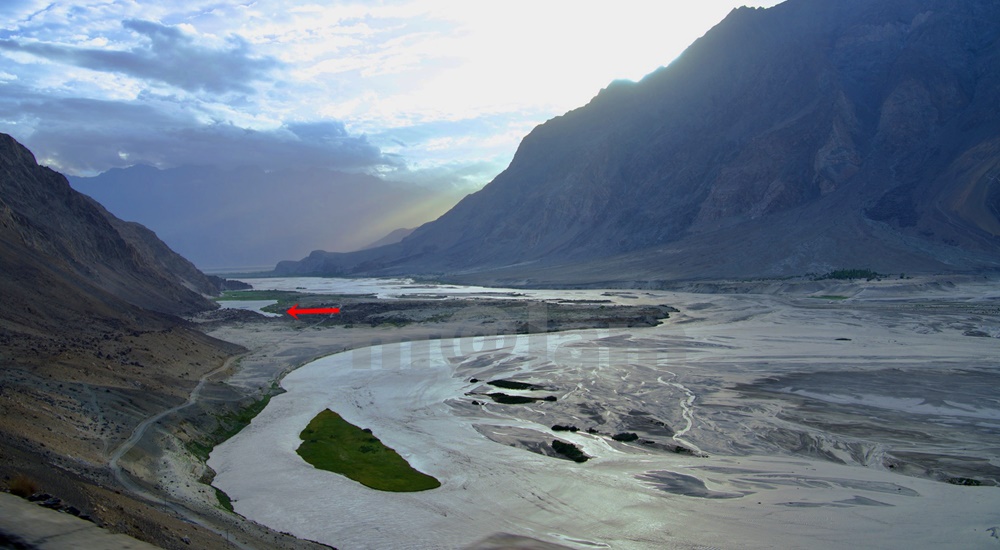
Blind Lake: A Picturesque Oasis in Shigar Valley Locally known as Xarba Tso in the Balti Language, Blind Lake is an enchanting freshwater lake nestled near the Shigar Valley in the heart of the Gilgit-Baltistan region of Pakistan. Unlike most lakes, Blind Lake doesn’t rely on any external water supply or discharge source. Its serene waters remain still and unmoving, earning it the intriguing name “Blind Lake.” A Visual Feast of Nature This mesmerizing lake offers panoramic views of its surroundings, with a particular focus on the riverside and the majestic mountains that serve as its backdrop. The trail leading to Blind Lake is a unique journey through lush greenery, arid deserts, and rugged rocky hills. Discovering Blind Lake’s Location To reach Blind Lake, take a scenic drive from Skardu town towards Shigar Valley, passing through picturesque mountainous terrain and the Sarfaranga Desert. The lake is approximately 28 kilometers from Skardu town and can be reached in around 45 minutes. While the journey to the lake from the main Shigar road is an adventure in itself, it’s undoubtedly worth the effort. A Hidden Gem in Nature’s Embrace Blind Lake is a hidden gem nestled amidst the awe-inspiring mountains surrounding the renowned Sarfaranga Desert. Bounded by the Indus River on one side and the Shigar River on the other, it’s now easily accessible via a newly constructed bridge on the Indus River. However, for those seeking to savor the journey truly, the drive through the Sarfaranga Desert is an experience filled with charm. Accessing the Blind Lake By Road: Travelers can embark on a remarkable journey from Islamabad to Skardu, covering approximately 770 kilometers via the legendary Karakoram Highway (N35). This unforgettable 15-18 hour drive offers breathtaking views, ranging from lush green hills to barren peaks and snow-covered mountains. By Air: Alternatively, you can take a direct flight to Skardu from Islamabad, Karachi, or Lahore. During peak tourist seasons, PIA operates flights from Karachi and Lahore once or twice a week, alongside daily flights from Islamabad. The aerial views during this journey are simply mesmerizing, with a network of mighty mountains beneath and a breathtaking glide through snow-capped peaks before landing at Skardu airport. Pro Tip: For a unique experience, you can also fly to Gilgit from Islamabad or Lahore and continue your journey to Skardu by road, enjoying a scenic one-hour flight and a 3-4 hour drive through the Jaglot-Skardu road (S1). The Final Leg to Blind Lake Upon reaching Skardu, your destination, Blind Lake, is a mere 45 kilometers away. Accessible only by 4-wheel vehicles, you can get to the lake in about an hour and a half. The journey includes 35 minutes of driving on paved roads, followed by 35 minutes on bumpy terrain, and finally, a 30-minute walk that rewards you with the first glimpse of Blind Lake. Enchanting Lake Surroundings While the hike to the lake may pose some challenges, the surrounding beauty more than compensates for any exhaustion. The lush green trees adorning the lake enhance its natural splendor. The tranquil atmosphere, coupled with the captivating stillness and breathtaking scenery, leaves a lasting impression on every beholder. Embrace the Wonders of Blind Lake Sightseeing: Immerse yourself in the beauty of Blind Lake. Its clear blue waters, lush greenery, and mesmerizing circular waves created by the wind will rejuvenate your senses.  Camping: Camping near the lake is a remarkable experience. The ideal spot is next to the lake, where you can witness a spectacular sunset followed by a night sky filled with stars. Be sure to check the weather forecast, as conditions can change rapidly. Pack lightly but include warm clothing for your camping adventure. Swimming: The crystal-clear waters of Blind Lake beckon swimmers. Whether you prefer shallow or warmer areas, the lake offers an excellent opportunity to explore its beauty while swimming. Boating: Enjoy daytime activities by leisurely boating on the calm, cool waters of the lake. It’s an exciting way to explore the lake up close. Fishing: Fishing enthusiasts will delight in the opportunities presented by Blind Lake. The Pakistani government has established a small fish farm here, providing ample chances for trout fishing. Seasons at Blind Lake While Blind Lake’s beauty is captivating year-round, spring stands out as the ideal time to visit. During this season, the area bursts with colorful flowers and butterflies, creating a visual masterpiece. Winter: Expect temperatures ranging from 8 degrees Celsius to 3 degrees Celsius, with snowfall from January to March. The frozen lake’s beauty during winter is awe-inspiring, although January is the coldest, with nighttime temperatures plummeting to -25 degrees Celsius. Summer: Summer temperatures at the Lake range from 24 degrees Celsius to 29 degrees Celsius. The clear waters reflect various colors during this season, making it a magnet for visitors. The best time to visit is from June to September but be prepared for occasional rain if traveling during summer. Accommodation Opportunities While there are a few huts and snack shops in the vicinity, there are no hotels or guesthouses directly near Blind Lake. Many visitors opt for camping near the lake or explore alternative accommodations in Shigar Valley or Shigar Town. Serena Shigar Palace, Concordia Hotel in Skardu, and Kallisto in Skardu are the well-recommended accommodation facilities. However, there is a range of options for accommodation and eateries in Skardu and Shigar. Nearby Tourist Attractions Often referred to as the “Queen of the Alps,” Skardu offers a captivating blend of snow-capped mountains, pristine rivers, lush forests, and historic monuments. While Blind Lake is a sight to behold, there are other attractions to explore. Don’t miss the opportunity to visit this scenic oasis in Shigar Valley, Pakistan. Other key attractions in the surroundings include: Shigar Fort Palace Amburiq Mosque Hashupi Garden Sarfaranga Desert Nansoq Organic Village Masrur Rock (Trolltunga of Pakistan) Kharpocho Fort Katpana Desert and Lake Satpara Lake Lower Kachura Lake Upper Kachura Lake Deosai National Park Chunda Valley Soq Valley Basho Valley

Blind Lake Read Post »

Autumn in Gilgit-Baltistan

Autumn in Gilgit-Baltistan

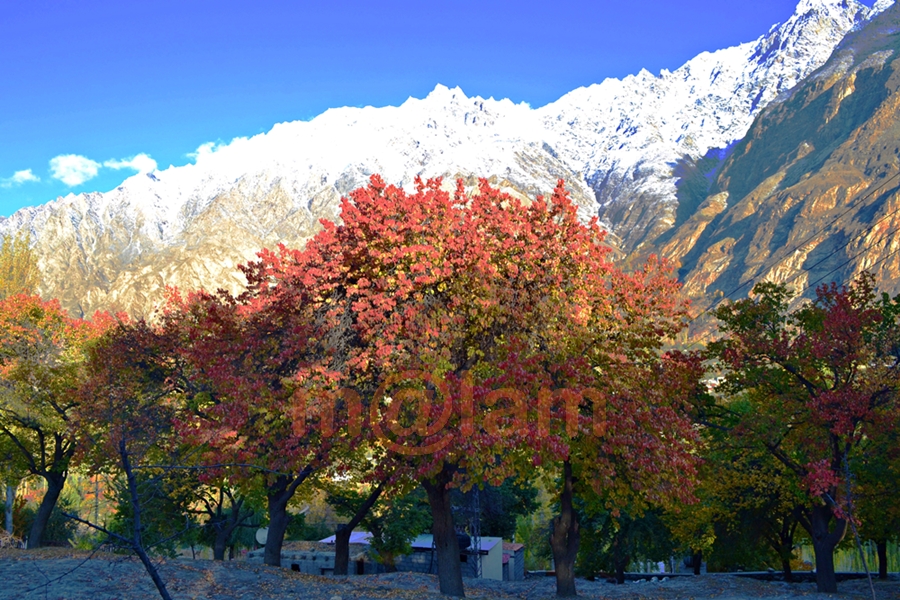
Experience the magic of autumn in Gilgit-Baltistan, when the valleys transform into a breathtaking palette of golden, red, and amber foliage. Discover Hunza, Nagar, Ghizer, and surrounding landscapes at their most spectacular, framed by snow-capped peaks and crisp mountain air.

Autumn in Gilgit-Baltistan Read Post »

Scroll to Top