City Breaks

Day excursions from Karachi
City Breaks, Sindh

Excursions from Karachi

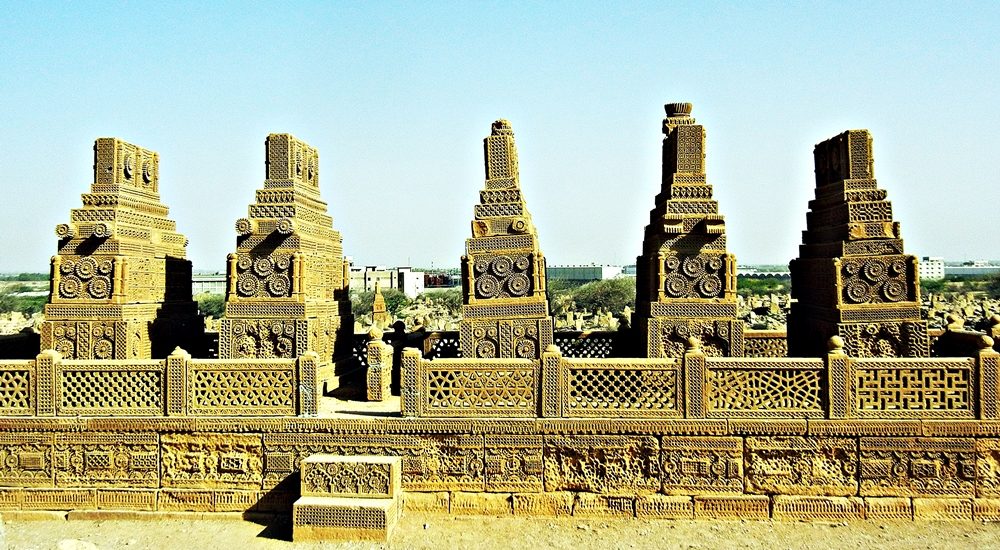
Originally a coastal village inhabited by fishermen along the southern Arabian Sea, Karachi has evolved into Pakistan’s economic epicenter. Boasting both historical and modern allure, it stands as the country’s largest and most populous city. Karachi encompasses a vast spectrum—from its picturesque urban panorama and lively lifestyle to its somber historical events. The city of lights never ceases to amaze those embarking on exploration. Beyond the myriad tourist sites within the city, there lie captivating destinations to the north and west that make for convenient day trips. Here are some prime choices for excursions from Karachi. The Chaukhandi tombs Located approximately 30 kilometers from Karachi, the Chaukhandi Tombs constitute an early Islamic burial ground. Renowned for their intricate sandstone carvings, these tombs share a stylistic resemblance with the ornate tombs found at the Makli Necropolis near Thatta. Reflecting the funerary architectural style characteristic of lower Sindh, the Chaukhandi Tombs offer a captivating glimpse into the historical and artistic heritage of the region. The ruins of Banbhore or Bhambore Banbhore, a prehistoric port city and archaeological site situated approximately 65 kilometers east of Karachi along Gharo Creek’s north bank, reveals a historical narrative spanning from the 1st century BC to the 13th century AD. Occupied by the Scytho-Parthians from the 1st century BC to the 2nd century AD, it then transitioned into the Hindu-Buddhist era from the 2nd to the 8th century AD. The Muslim period, lasting from the 8th to the 13th century, saw Banbhore abandoned due to a change in the course of the River Indus. Presently, Banbhore is a mound hosting remnants of an ancient city, featuring notable structures such as the earliest known mosque from 727 AD, a deep well, and others. Arab General Muhammad Bin Qasim made his historic entry into the Indian subcontinent through Banbhore in 712 AD, and the site has yielded distinctive artifacts, some displayed at the Banbhore Museum. Makli Necropolis Situated approximately 98 kilometers east of Karachi, in the Thatta district, Makli is a massive Muslim necropolis boasting a rich blend of historical monuments. It ranks among the world’s largest graveyards, covering an expansive area of 10 square kilometers. This burial ground bears witness to the splendid Sindhi culture spanning the 14th to the 18th centuries, with over half a million monuments scattered throughout its expanse. Laid out in a diamond-shaped layout, Makli is the final resting place for individuals from diverse backgrounds, including kings and queens, scholars and soldiers, philosophers, governors, saints, and commoners. The site features tombs, graves, and mausoleums, forming a captivating panorama of the varied lives that once contributed to the region’s cultural richness. Recognized for its historical significance, Makli was designated as a UNESCO World Heritage Site in 1981. Haleji Lake Located 91 kilometers from Karachi in the Thatta district of Sindh, Haleji Lake offers an engaging day trip, allowing visitors to explore not only the lake itself but also other attractions in Thatta city. Recognized as Asia’s largest bird sanctuary, the lake serves as a winter haven for thousands of migratory birds from Siberia. Hosting a diverse avian population, Haleji Lake is home to 223 bird species, encompassing coots, ducks, purple moorhens, kingfishers, pigeons, white herons, teals, waders, mallards, pelicans, cormorants, egrets, black-headed-gulls, pheasants, partridges, and storks. The lake is a paradise for bird watchers, with waterfowl being a highlight. In addition to the rich birdlife, Haleji Lake also boasts other species, including the presence of marsh crocodiles. Keenjhar Lake Keenjhar Lake, located 122 kilometers from Karachi and 22 kilometers from Thatta, is Pakistan’s second-largest freshwater lake, built in the 12th century as a water reservoir for Thatta. The azure waters and vibrant natural surroundings make it a vital wildlife sanctuary, hosting diverse bird species like ducks, geese, flamingos, and herons, while also serving as a breeding ground for notable birds. Beyond its ecological importance, the lake is culturally significant, linked to the Sindhi folklore of Noori-Jam Tamachi, where the raised tomb at the center is believed to be that of Noori, the Fisher girl, who married Jam Tamachi, the ruler of Sindh. Shah Jahan Mosque or Jamia Masjid Thatta Commissioned by Mughal King Shah Jahan (1644-47) as a gesture of gratitude to the people of Thatta, the Shah Jahan Mosque, also known as Jamia Masjid Thatta, stands as an enduring architectural marvel. Built with red brick and adorned with blue glazed tiles, it deviates from traditional Mughal design by lacking frescoes and featuring a distinctive roof with 93 domes instead of minarets. The architectural style combines Sindhi, Persian, Timurid, and Indian influences. The mosque boasts an interesting acoustic phenomenon, with the voice of the Mehrab resonating effortlessly throughout. The absence of additional acoustic aids is notable. The veranda ceilings are engineered for optimal airflow, ensuring a cool environment. Despite undergoing repairs, the mosque retains its historical and architectural significance, earning a spot on the UNESCO World Heritage List in 1993. Manora Island Manora is a compact island spanning 2.5 square kilometers, renowned as a popular picnic destination perfect for a day trip from Karachi. Accessible through a brief 30-minute ferry ride from Keamari Harbour, the gateway to Karachi’s bustling port, the island offers a distinctive experience with its expansive sandy beaches along the southern perimeter and refreshing sea breezes. Historically, Manora has significance as the site where the Talpur rulers surrendered to the British, leading to the construction of a still-standing lighthouse. Notably, it is believed that Alexander the Great camped on the island after his Indus Valley campaign on his journey to Babylonia. Manora continues to attract visitors seeking a tranquil escape and a glimpse into its rich history. Visitors often bring their own provisions and revel in a day away from the city’s hustle and bustle. Churna Island Churna Island stands as an optimal destination for water enthusiasts, offering a variety of water sports such as scuba diving, jet-skiing, banana boating, wake tubing, cliff jumping, snorkeling, and other aquatic activities. Positioned as a small rock reef in the Arabian Sea, it is enveloped by

Tourist attractions in Bahawalpur
City Breaks, Punjab

Bahawalpur Tourist Attractions

Bahawalpur, the capital city of the Bahawalpur district situated in the southern part of the Punjab province in Pakistan, holds historical significance as it was once a princely state under the rule of the Abbassi Nawabs from 1748 to 1954. During their 200-year reign, the Nawabs contributed to the city’s grandeur by constructing some remarkable landmarks, leaving behind an architectural legacy that still defines the city. As the 11th largest city in Pakistan and the 6th largest in Punjab province, Bahawalpur boasts well-preserved landmarks that serve as a testament to its rich history. The city is particularly attractive for visitors between October and February. While Bahawalpur has its own airport, travelers can also opt to fly into Multan and then drive to Bahawalpur. The city is accessible by air from major cities like Islamabad, Lahore, and Karachi, and by road from Karachi and Lahore as well. Key highlights of Bahawalpur include: Princely History: Bahawalpur served as a princely state under the Abbassi Nawabs for over two centuries, shaping the city’s cultural and historical identity. Architectural Marvels: The Abbassi Nawabs left behind mesmerizing landmarks that stand as a testament to their rule. These architectural gems contribute to the city’s unique charm and are well-preserved to this day. Ideal Visiting Season: The best time to visit Bahawalpur is between October and February, offering favorable weather conditions for exploration and sightseeing. Access: Bahawalpur has its own airport, but travelers can also choose to fly to Multan and then drive to Bahawalpur. The city is well-connected by air and road, with flights from major cities and accessible road routes from Karachi and Lahore. Overall, Bahawalpur is a city that invites visitors to explore its historical treasures, experience its cultural richness, and appreciate the architectural legacy left by the Abbassi Nawabs. Darawar Fort A must-visit attraction, Darawar Fort stands as a colossal citadel situated on the outskirts of the Cholistan Desert in Bahawalpur. Offering an exciting excursion from the city center, the fort is located approximately 95 km away, with a travel time of about 2 hours. The square-shaped fort’s immense size dominates the semi-desert landscape, easily visible from miles away. The fortified structure boasts 5-foot thick and 30-meter round bastioned walls, extending 1500 m in circumference, making it a robust and magnificent stronghold. While its exterior is particularly impressive, the interior may not match the grandeur witnessed from the outside. Abbassi Mosque or the White Marble Mosque The Abbasi Mosque, also known as the White Marble Mosque, is an elegant structure located in front of the Derawar Fort in Bahawalpur. Constructed in 1849 for the personal holy man of Nawab Bahawal Khan, Pir Ghulam Farid, this mosque is a striking representation of architectural beauty. Resembling the Moti Masjid at the Red Fort in Delhi, India, the Abbasi Mosque is entirely crafted from white marble, creating a pearl-like presence in the Cholistan Desert. The mosque features a spacious hall and courtyard, capable of accommodating up to 1000 worshippers simultaneously. Its tall minarets are visible from afar in the Cholistan desert, and despite the passage of time, the local residents have diligently maintained the mosque’s pristine condition. Abbasi Royal Graveyard The Abbasi Royal Graveyard, located in close proximity to the Abbasi Masjid in Derawar, serves as the final resting place for the Abbasi family. This sacred burial ground is under the ownership and control of the surviving family members of the Nawabs. The graveyard encompasses a covered area featuring a large rectangular room that serves as the resting place for 12 Nawabs who once governed the state of Bahawalpur. Additionally, the room contains the graves of Nawabs holding honorary titles after the amalgamation of Bahawalpur with Pakistan. Beyond the main rectangular room, other tombs belong to the immediate family of the Nawabs. These tombs showcase exceptional architectural craftsmanship and intricate artwork, including calligraphy, engravings, patchwork, and patterns. Visitors must obtain prior coordination and permission to explore this historic graveyard. Cholistan desert The Cholistan Desert, also referred to as Rohi, is a vast desert situated in Bahawalpur, Pakistan, covering an expansive area of approximately 26,000 square kilometers. Renowned for its distinctive ecosystem, this desert is a habitat for a diverse array of plants and animals. Beyond its ecological richness, the Cholistan Desert is steeped in historical significance, featuring numerous forts and tombs that trace their roots back to the ancient Indus Valley Civilization. The desert has become a favored destination for adventure tourism, offering activities such as desert safaris and camel treks, allowing visitors to immerse themselves in the unique landscapes and cultural heritage of the Cholistan region. Lal Sohanra National Park Established in 1972, Lal Sohanra National Park is a prominent conservation area among Pakistan’s 14 major national parks and protected regions, located approximately 50 km east of Bahawalpur. Recognized as a UNESCO-declared biosphere reserve, it stands as one of the largest national parks in South Asia. The park spans 127,480 acres, with 20,974 acres dedicated to green land (irrigated plantations), 101,726 acres to dry land (desert), and 4,780 acres to wetland (ponds and lakes). This sanctuary is home to a variety of wildlife, including the rare Chinkara Gazelle and abundant wild boar, while winter brings a multitude of ducks to the lakes. The park is intersected by the dry bed of the Hakra River, featuring the significant wetland of Patisar Lake. Accommodation options include a modest facility provided by the Pakistan Tourism Development Corporation (PTDC), and camping is also available in selected campsites within the park. Sadiq Garh Palace The grandeur and magnificence of Sadiq Garh Palace surpass even the enchanting palaces in Bahawalpur. Set amidst lush green lawns adorned with beautiful plants and flowers, and enclosed by a massive fortification, this sky-high structure features a central dome surrounded by bastions at each corner, showcasing the exquisite architectural taste of the Nawab’s family. The palace radiates an even more graceful aura at night, illuminated by a kaleidoscope of colored lights. The interior is adorned with top-quality furniture and embellishments. Established in 1882 by Nawab

Excursions from Islamabad
City Breaks, Tourists Destinations in Pakistan

Excursions from Islamabad

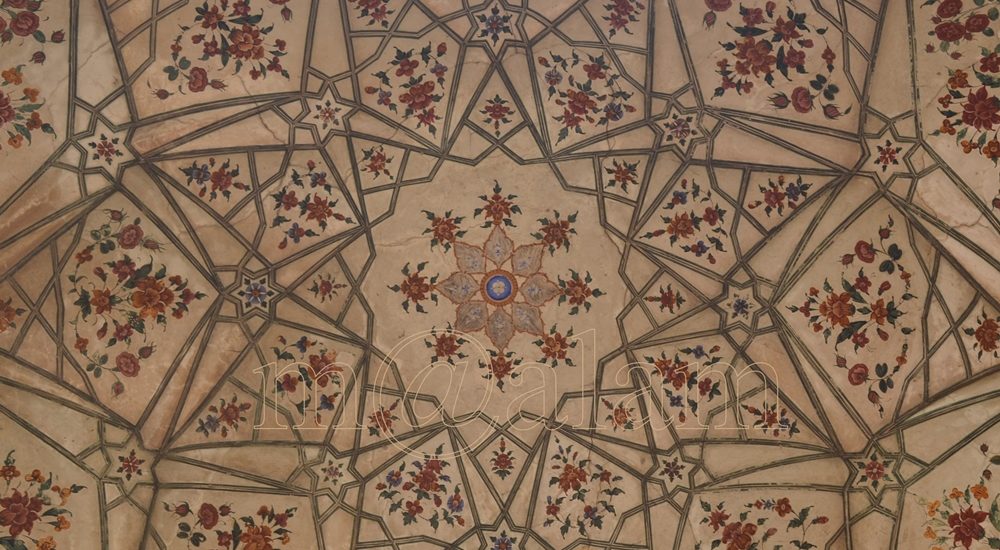
Situated in the heart of Pakistan, the capital city of Islamabad boasts an ideal location that offers easy accessibility from both within the country and internationally. Moreover, its proximity to various key destinations allows visitors to embark on captivating day excursions to explore the region’s natural and cultural wonders. Below are outlined some of the major excursions from Islamabad. DAY EXCURSION TO RAWALPINDI OLD CITY: Rawalpindi, the sister city of Islamabad, is a dynamic urban center celebrated for its bustling markets, rich historical sites, and lively ambiance. Travelers have the opportunity to discover various attractions such as the antique structures within Raja Bazaar, the lively markets of Saddar, and the historic edifices and thoroughfares predating Pakistan’s formation. Notable landmarks include the Pakistan Army Museum, Ayub National Park, and the iconic St. Paul’s Church Rawalpindi. Rawalpindi’s proximity to the capital city adds to its accessibility and appeal to visitors. DAY EXCURSION TO TAXILA WORLD HERITAGE SITE Taxila is an ancient metropolis situated approximately 45 kilometers north of Islamabad, the country’s capital city. Positioned on the border between Punjab and Khyber Pakhtunkhwa provinces, Taxila derives its name from the Sanskrit term Taksasila, translating to “city of cut stones.” This significant archaeological site was discovered in the late 1800s by the renowned archaeologist Sir Alexander Cunningham. Covering an area of approximately 30 square kilometers, Taxila boasts a rich museum and over 50 sites of historical importance. Notable sites within Taxila include Julian, Sirkap, Mohra Moradu, and Julian. Acknowledging its cultural significance, Taxila was inscribed as a UNESCO World Heritage Site of Pakistan in 1980. You may also be interested in: Excursions from Gilgit DAY EXCURSION TO WAH MUGHAL GARDENS The Mughal Gardens, dating back to the era of Akbar, are situated in the city of Wah, less than an hour’s drive from Islamabad. Akbar commissioned Ahmed Mehmar Lahori for their structural and architectural design. These gardens boast exquisite design and have served as the inspiration for numerous significant architectural endeavors due to their ingenuity. In 2006, a team of researchers discovered evidence of a sophisticated water system underlying the gardens, showcasing their modernity for their time. Travelers along the Grand Trunk Road from Peshawar to Islamabad, or those visiting Taxila and Khanpur Dam, can take a moment to explore these historic gardens. DAY EXCURSION TO GURDWARA PANJA SAHIB Gurdwara Panja Sahib, located in Hasan Abdal approximately 50 kilometers from Islamabad, holds immense significance for the Sikh community as one of their most sacred places of worship. Its importance lies in a rock within its premises believed to bear the handprint of Guru Nanak. Twice a year, Sikhs from across the globe make pilgrimages to this Gurdwara. While the Gurdwara’s architecture is stunning and worth admiring, access to the compound is restricted to the general public. DAY EXCURSION TO ROHTAS FORT – A UNESCO WORLD HERITAGE SITE Rohtas Fort (Qila Rohtas) is one of the six UNESCO World Heritage Sites in Pakistan, designated in 1997. The gigantic Rohtas fort is an exceptional example of early Muslim military architecture surviving today. It was built by Farid Khan – the “Lion King” – well known as Sher Shah Suri in the 16th century. Located some 16km northwest of Jehlum city, the fort was strategically built in a gorge on a small hill 300ft above its surroundings, and it commands the old route from the north to the plans of Punjab across the Potohar Plateau. Rohtas Fort is located some 98 km from Islamabad and takes about 2 hours to reach. The major reason behind the erection of this rampart was to subdue the pro-Mughal Ghakkar tribe and to thwart the possible return of Mughal Emperor Humayun who had fled to Iran after his defeat in the battle of Kanauj at Chaunsa. DAY EXCURSION TO KALARKAHAR & MALOT TEMPLES Kalarkahar is a serene town located in the Chakwal District of Punjab, Pakistan. It is approximately a two-hour drive from Islamabad, making an ideal day excursion from the capital city. Kalarkahar is renowned for its scenic beauty, featuring lush green hills, freshwater lakes, and picturesque landscapes. One of the main attractions in Kalarkahar is the Kalarkahar Lake, a tranquil reservoir surrounded by verdant hills. The Malot Temples, also known as the Malot Fort Temples, are a historical and archaeological site located near the village of Malot in the Salt Range of Punjab, Pakistan. These temples date back to the 10th century and are an important representation of the region’s ancient Hindu heritage.  DAY EXCURSION TO KHEWRA SALT MINES The Khewra Salt Mine, also known as the Mayo Salt Mine, stands as the world’s second-largest salt deposit. Situated in Khewra, an administrative division within the Jehlum District of Punjab Province, Pakistan, it holds the distinction of being the largest salt deposit in the country. This remarkable site serves as a crucial source of salt and stands as one of Pakistan’s premier tourist attractions, boasting an estimated total of 220 million tons of rock salt deposits. Its origins trace back to the era of Alexander the Great, where legend has it that his horses were observed licking the rocks during their encampments. Located approximately 160 kilometers from Rawalpindi/Islamabad, Khewra is easily accessible and can be reached within a three-hour drive. DAY EXCURSION TO KETAS RAJ TEMPLES Ketas Raj is a complex of ancient Hindu Temples nestled at an altitude of 2,000 feet above sea level.  The temples are situated near the Chakwal district in the Potohar region of Pakistan. The Ketas Raj, also known as Qilla Ketas, originally is a sacred pilgrimage site steeped in history and spirituality. The temples hold a history that dates back to the days of the Mahabharata, approximately 300 BC. Katas Raj encompasses a cluster of seven ancient temples, remnants of a Buddhist Stupa, medieval temples, Havelis, and recently constructed temples, all centered around a revered pond. This pond was once enclosed by a fort, temples, bathhouses, and rest houses. DAY EXCURSION TO ATTOCK FORT Attock Fort stands as a significant historical monument situated along the banks of the River Indus at

Islamabad Tourist Attractions
City Breaks, Islamabad

Islamabad Tourist Attractions

Must-See Islamabad Tourist Attractions Islamabad’s Tourist Attractions include major tourist spots found within the territory of the capital city. Surrounded by the lush greenery of the Margalla Hills, an extension of the majestic Himalayan Mountain ranges; Islamabad offers a scenic backdrop that changes with the seasons, showcasing a spectrum of natural colors. Islamabad, the capital city of Pakistan, stands out among global capitals for its unique proximity to nature. Few other capitals enjoy such a harmonious connection with the natural environment. Renowned for its breathtaking beauty, Islamabad also boasts a rich historical heritage dating back to the Stone Age. Evidence of ancient human settlements, including relics and human skulls found along the banks of the Soan River, attests to its long history. Below are the details of Islamabad Tourist Attractions. HISTORIC AND CULTURAL MONUMENTS  Shah Faisal Mosque Named after King Faisal bin Abdul Aziz of Saudi Arabia, the Shah Faisal Mosque is the largest mosque in South Asia and 6th largest in the world, located in the foothills of Margalla Hills. It was completed in 1986 at a hefty cost of USD 120 million. Bearing a contemporary design, inspired by a desert Beduine tent-shaped structure with four 80m high minarets in corners, the mosque was designed by the Turkish Architect Vedat Delokay. The interior of the Faisal Mosque is simple and elegant, with white marble walls and floors, and large chandeliers hanging from the ceiling. The prayer hall is surrounded by arched colonnades and is free from any decorative distractions, allowing worshipers to focus on prayer and reflection. The mosque can accommodate over 100,000 worshipers at a time and is open to visitors of all faiths and is a symbol of the unity and diversity of Pakistan. There is no entry fee as such but to deposit shoes it costs a minor fee. Pakistan Monument The Pakistan Monument is a popular tourist attraction and a symbol of national pride for Pakistanis. Constructed in 2004, the Pakistan National Monument in Islamabad is a heritage site and symbol of national progress built to commemorate the struggle for independence and the formation of Pakistan. The design of the Pakistan Monument is inspired by the Islamic architecture of the Mughal era. The four petals represent the four provinces (Balochistan, North West Frontier Province, Punjab, and Sindh), while the three sandwiched smaller petals represent the three territories (Gilgit-Baltistan, Azad Kashmir, and the Federal Capital Islamabad). The petals are made of granite and marble and are adorned with intricate Islamic calligraphy and patterns. The aerial views of petals represent a crescent and the central star together represents the Pakistan flag. It is illuminated at night and provides a stunning view of Islamabad and its surrounding areas. Shah Allah Ditta Caves Shah Allah Ditta Caves are situated to the west of Islamabad, about 15 km from Golra interchange, in a centuries-old village called Shah Allah Ditta (also known as Sadhu ka Bagh). The more than seven hundred-year-old village was named after a Mughal period Darvesh. The caves, however, are believed to have been a meditation spot for Buddhist monks in the 4th century BC. There are only two caves on both sides of the spring which contain traces of human existence from ancient times. Hindu families lived in Shah Allah Ditta before the partition and the caves were used for their daily worship. There is a pathway right next to the village that is said to have been used as a route from Kabul to the Taxila by Alexander the Great and Sher Shah Suri while Mughal rulers and emperors often passed through while traveling from Afghanistan to the Hindustan. Saidpur Model Village Saidpur, a 500-year-old village nestled in the Margalla hills’ foothills, boasts a rich historical legacy and draws numerous visitors. Named after Said Khan, son of Sultan Sarang, the Gakhar chief of the Pothohar region in Babur’s Mughal era, it serves as a captivating microcosm of diverse cultures coexisting harmoniously. Within its confines lie a Hindu temple, Sikh Gurdwara, and Sufi tomb, offering a unique tapestry of spiritual traditions. Originally converted into a Hindu place of worship by Mughal commander Raja Man Singh, the village has undergone restoration, transforming into a cultural hotspot and heritage site. Its terraced mud houses, showcasing traditional architecture, handicrafts, and local cuisine, provide insight into Pakistani rural life. Notable landmarks include the 16th-century Rama Mandir, dedicated to Lord Rama, and a 20th-century Gurdwara serving educational purposes. Additionally, a photo gallery depicts the village’s early lifestyle, predating Islamabad’s emergence as the capital. PARKS IN ISLAMABAD Rose & Jasmine Garden The Rose and Jasmine Garden is a picturesque public garden managed by the Capital Development Authority. Situated within the recreational zone of Shakarparian Hills, it lies adjacent to the Islamabad sports complex and Aabpara market, along the Srinagar Highway. Covering an area of 20,360 square meters, the garden boasts a diverse collection of nearly 250 varieties of roses and a dozen types of jasmine. Visitors to the nearby Pakistan Monument and Shakarparian often include a stop at this enchanting garden in their itinerary. The garden offers key amenities such as a parking area, seating areas, a walking and cycling track, and a cafeteria (Dhaba) for the convenience of the public. Japanese Childern Park Japanese Park is a children’s playground situated at the base of Margalla Hills, adjacent to Margalla Road near the F6 sector, close to Islamabad Zoo. Spanning approximately 10 acres, this park is equipped with modern amenities and is a popular destination for children and families alike. Established on 30 December 1985, it stands as a unique gift from Japan to the children of Pakistan. The park features vibrant nurseries with colorful flowers and various play areas for children, including swings, climbing nets, jumping castles, trampolines, zip lines, bouncing cushions, and slides. It offers a plethora of entertaining activities for kids to enjoy. Cherry blossom trees adorn the park, lending it an authentic Japanese ambiance. Additionally, there is a small refreshment area within the park offering snacks and beverages for

Hidden Treasures of Lahore
City Breaks, Punjab

Hidden Treasures of Lahore

Lahore is the second largest city and the cultural hub of Pakistan. The city has a charming longstanding history and is entirely rich in tourist attractions, mostly of historic and cultural significance. However, sadly, only a few conventional landmarks out of a cluster are known to the general public and tourists. The “Hidden Treasures of Lahore” have not yet been unearthed properly.  The wealth of attraction that is still hiding behind deserves to be known to the public and tourists which certainly will add to the historic significance of Lahore.  Wazir Khan Baradari The Wazir Khan Baradari (12-door pavilion) is sited between the Punjab Public Library (PPL), the National College of Arts (NCA), and the Lahore Museum and is accessible from the PPL road. It was named after Hakim Ilumddin titled ‘Wazir Khan’, a benefactor of numerous impressive buildings across Lahore including the splendid Wazir Khan’s Mosque and Wazir Khan’s Hammam ( also known as Shahi Hammam), in the Walled City. The Baradari is surrounded by a fine garden with a large number of palm trees. The two-story pavilion has been incorporated into the grounds of the Punjab Public Library in 1860 and serves as a reading room. During the 19th and early 20th centuries, Wazir Khan Baradari was used as a museum and as the Settlement and Telegraph Office under British rule. Maryam Zamani or Begum Shahi Mosque or Barood Khana Wali Masjid Maryam Zamani was one of the queens of Emperor Akbar, mother of Jahangir, and sister of Bhagwan Das. She built a mosque near Masti Gate of the Walled City in 1614 AD and is believed Lahore’s earliest surviving example of the Mughal era mosque that influenced the construction of the larger Wazir Khan Mosque. Thus it was named after the queen Maryam Zamani who was actually born Rajkumari Hira Kunwari, a Rajput princess, the daughter of Raja Bihari Mal of Jaipur (the then Amber). The mosque has a beautifully adorned prayer hall with a remarkable central dome adorned by muqarnas and painted frescos. The Mosque is close to the Akbari gate entrance and was once used as a gunpowder factory by Ranjit Singh thereby called Barood Khana Wali Masjid. However, it was restored in 1850 under the British.  Ali Mardan Khan’s Tomb Ali Mardan Khan was originally a noble at the court of Shah Tahmasp, a Safavid king. After surrendering Iranian Qandahar to Emperor Shah Jahan in 1638, he joined the Mughal court and rose to great heights rapidly and became Governor of Kashmir, Lahore, and Kabul. He was also granted the title of Amir al-Umara (Lord of Lords) in 1639 and became a commander of 7,000 troops as well was appointed viceroy of Punjab from Kabul to Delhi. Besides being a commanding figure, Ali Mardan Khan was also a renowned engineer who coined the idea of the construction of a canal from the river Ravi for the supply of water to the Shalimar Gardens, as well as for the irrigation and cultivation of surrounding areas. His tomb is a massive brick construction work standing on an octagonal podium. The structure of the tomb is also octagonal with a bulbous dome and kiosks on angular points. The tomb once stood in the center of a luxuriant garden and the extent of which could be seen by its double-story gateway. The imposing tomb is accessible by a 300 m-long walkway through the narrow streets of the Railway Carriage Workshop. Saru Wala Maqbara or Cypress Tomb The tomb of Sharf-un-Nisa Begam is popularly known as ‘Saru Wala’ Maqbara. Saru is the Urdu term used for Cypress and because of images of cypress trees used on its walls, it is thus called Cypress tomb. Sharf-un-Nisa Begam was a sister of Nawab Zakariya Khan, governor of Lahore province during the reign of Emperor Mohammad Shah Rangeela. Before her death, the Begum would read the holy Quran on daily basis on the first floor of the Chamber and then would deposit the holy book and the jeweled sword, descending by means of a portable wooden stair. After her death, she was buried in the same chamber along with a copy of the holy Quran and her jeweled sword. The unusual tower-like tomb is 16 feet above the ground and was made inaccessible by blocking up all openings in 1745. It is located near the north of Dai Anga’s tomb in the Begumpura neighborhood of Lahore. The structure of the tomb is unique in itself for its unusual shape and decoration of the cypress motif as a jewel of Mughal architecture. Dai Anga’s Tomb Dai Anga, the wet nurse of Mughal Emperor Shah Jahan and his daughter (Princess Sultan Begum), was the name given to Zeb-un-Nisa (1671 AD). She was the wife of a Mughal noble Murad Khan, magistrate of Biknar under Jahangir. Her splendid mausoleum lies near the Gulabi Bagh gateway in Begampura, outside the Walled City. The rectangular-shaped mausoleum with eight rooms encircling the perimeter of a central chamber lies on a raised plinth. A dome with frescoes is directly above the central empty chamber as the actual tomb of Dai Anga lies below in the basement just next to her daughter, Sultana Begum. The interior of the tomb is richly decorated with carved inscriptions from the holy Quran while the exterior with rich Kashi Kari or Qashani tilework but lost much of its charm.  Dai Anga Mosque The real name of Dai Anga was Zaib-u-Nisa, the wife of Mughal noble Murad Khan. She was the wet nurse of Shah Jahan and his daughter and remained a powerful figure in the Mughal dynasty. Several charming monuments associated with her name are still surviving in Lahore. Dai Anga Mosque was constructed in 1635 AD and is located near Lahore Railway station. Small in size yet rich in decor, the Dai Anga Mosque is embellished with multicolored mosaic on floral themes and remained in excellent condition since Dai Anga donated a substantial endowment to ensure its maintenance even after her death.

Tourist attractions in Karachi
City Breaks, Sindh

Karachi Tourist Attractions

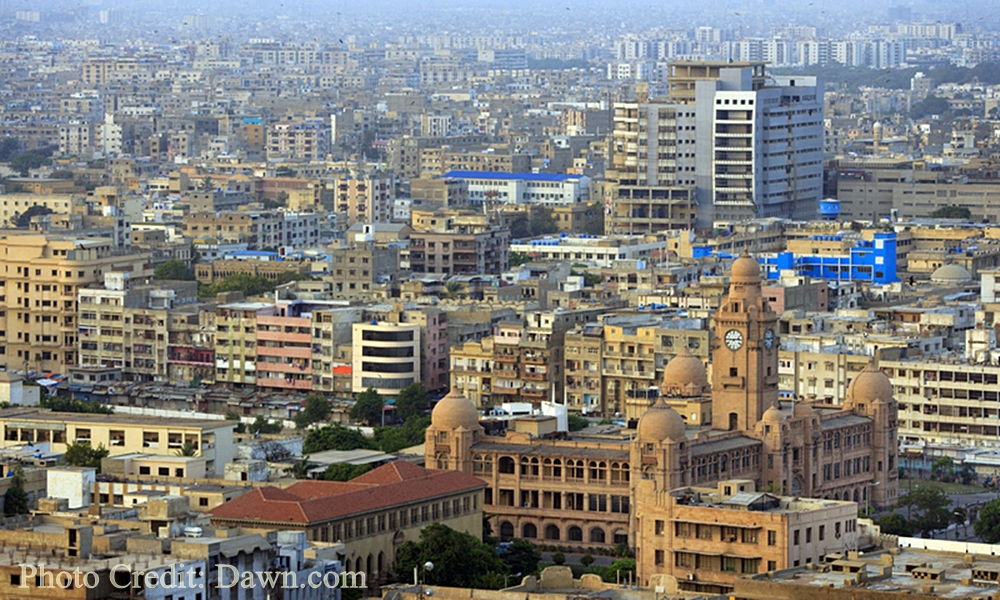
Karachi, known as the “City of Lights,” stands as the largest city on the Arabian coast, serving as a prominent industrial and marine port in Pakistan. The city’s plethora of tourist attractions reflects its vastness, offering a wide array of activities for visitors. Karachi’s major tourist highlights encompass cultural, architectural, and archaeological heritage, alongside an abundance of top-notch food outlets, entertainment centers, and numerous educational institutions. The city’s diverse offerings make it a compelling destination for a varied and enriching travel experience. Major AttractionsQuaid-i-Azam’s Mausoleum (Mazar-e-Quaid) Quaid e Azam mausoleum Perched gracefully atop a 54 square meters platform, providing a commanding view, the Quaid-e-Azam’s Mausoleum stands at the heart of Karachi and serves as the final resting place for Muhammad Ali Jinnah, the father of the nation and founder of Pakistan. Reflecting a fusion of traditional and modern Islamic architecture, the mausoleum draws inspiration from the Samanid Mausoleum in Uzbekistan. Within its walls, the mausoleum accommodates the graves of Mohtarma Fatima Jinnah, sister of Muhammad Ali Jinnah, and Pakistan’s first Prime Minister, Liaquat Ali Khan, in its basement. This monumental structure, built by Pakistani architect Yahya Merchant from 1958 to 1968, features an exterior adorned with white marble and an interior embellished with a four-tiered Chinese crystal chandelier, complemented by an Iranian silver railing. This architectural marvel not only commemorates a significant historical figure but also stands as a testament to the artistic blend of cultures and influences. Wazir Mansion The Wazir Mansion holds historical significance as the birthplace of Pakistan’s founder, Quaid-e-Azam Muhammad Ali Jinnah. This protected national monument, a three-story building located in Kharadar, Karachi, draws thousands of devoted Pakistanis who come to pay homage to their founding leader. Presently, the ground floor of the mansion serves as a museum, offering a glimpse into the life and times of Jinnah, while the upper floors showcase his personal belongings. Following partition, the house was acquired by a landlord who later named it Wazir Mansion. In the 1970s, the government of Pakistan purchased the property and designated it as a heritage site. The Wazir Mansion stands as a cherished landmark, preserving the historical legacy of Pakistan’s founder for generations to come. Mohatta Palace Constructed in 1925 by Marwari businessman Shivratan Chandraratan Mohatta, the Mohatta Palace served as his summer residence, spanning an area of approximately 18,500 square feet. Demonstrating distinctive features of Rajasthani architecture, the palace was crafted using pink Jodhpur stone and local yellow stone from Gizri. The terrace of the Palace was dedicated to the Hindu God, Lord Shiva. Mohatta could enjoy the palace only until the partition, after which he left for India. Post Pakistan’s independence, the palace was subsequently occupied by two sisters of Quaid-e-Azam Muhammad Ali Jinnah, Fatima Jinnah, and Shireen Jinnah, until 1980. Following Shireen Jinnah’s passing, the palace transformed into a museum. Presently, the Mohatta Palace serves as an art gallery and museum, with the premises utilized for hosting exhibitions. The rich history and architectural elegance of the palace make it a notable cultural and artistic venue in Karachi. Frere Hall Built in 1865, Frere Hall stands as a testament to the era of British rule in the subcontinent, exuding architectural charm and surrounded by verdant gardens. The well-preserved structure, designed by Henry Saint Clair Wilkins, now serves as a library and art gallery. Nestled in the Saddar district, known for its picturesque colonial architecture, the hall was erected in honor of Sir Henry Bartle Edward Frere, the commissioner of Sind (1851-1859), who played a pivotal role in promoting economic development in Karachi. Constructed with Karachi limestone, the yellowish tower comprises two floors housing a hall, an orchestral gallery, and the Liaquat Municipal Library on the ground floor. Sindh High Court Erected between 1923 and 1929, the Sindh High Court building in Saddar stands as an iconic colonial structure, showcasing exquisite Renaissance architecture. Constructed with the reddish-tinged Jodhpur sandstone, the building is adorned with cupolas, balconies, and towering Roman-style columns. The inauguration ceremony was officiated by His Excellency Sir Frederick Hugh Sykes, the Governor of Bombay. This architectural gem, crafted with meticulous detail, is among the few well-preserved heritage buildings in Karachi. Visitors are welcome to explore the Sindh High Court from 8:30 AM to 5:00 PM, Monday to Saturday, without the need for tickets or special permission. Karachi Metropolitan Development Corporation Building (KMC) Situated on M. A. Jinnah Road, the Karachi Metropolitan Corporation (KMC) is a historic building with a foundation stone laid in 1927, construction completed in 1930, and inauguration in 1932. Karachi boasts numerous architecturally captivating structures from the British Raj era, many of which now house public offices, making them less accessible for sightseeing. Among these remarkable buildings is the Karachi Metropolitan Development Corporation Building, constructed in 1935 to commemorate George V‘s Silver Jubilee. Characterized by pointed Oriental cupolas at its four corners, the building features a prominent clock tower also domed in the same distinctive style. Three Swords Monument (Teen Talwar) Commonly known as Teen Talwar, Three Swords stands as one of the oldest monuments in Clifton, Karachi. Commissioned by Pakistan’s former President and Prime Minister, Zulfikar Ali Bhutto, and constructed by the renowned Pakistani architect Mr. Mistri in the early 1970s, the swords symbolize Jinnah’s principles of Unity, Faith, and Discipline. Originally erected on Clifton Road in Karachi, it quickly became a prominent landmark. Hindu Gymkhana (National Academy of Performing Arts)  Located on Sarwar Shaheed Road in Sadar, Karachi, the Hindu Gymkhana serves as a significant tourist attraction. Established in 1925 during the colonial era, this building was originally conceived as a club for the Hindu elite class, occupying a leased area of approximately 47,000 square yards with a lease set to expire in 2020. In 1984, the Gymkhana faced imminent demolition due to its deteriorating condition but was fortunately preserved by the Heritage Foundation of Pakistan. The architectural style of the Hindu Gymkhana is a fusion of both Mughal and Hindu influences. Notably, within its premises, the Gymkhana houses the National Academy of Performing Arts—an

Tourist Attractions in Lahore
City Breaks, Punjab

Lahore Tourist Attractions

Lahore is the second largest city and cultural hub of Pakistan, also known as Pakistan’s cultural capital. It is the provincial capital of Punjab, enormously blessed with architectural and cultural heritage. Tourist attractions in Lahore are spread in abundance and the city also has the honor of holding the largest number of important educational institutions. Founded in the legendary times, Lahore – also known as the city of gardens – has an array of diverse attractions for visitors. The lively city has been a center of architectural excellence for over a thousand years. The Mughal architecture, the Sikh legacy, the colonial Gothic buildings lined up along the Mall road existing since the British Raj, and the palatial mansions and trendy shopping malls in the suburbs make Lahore a city of choice. Shalimar Garden Lahore has several eye-catching gardens and it was therefore called the city of gardens. The Shalimar Garden, a unique collage of nature and architecture, was accomplished in 1641-42 AD under the supervision of Khalilluah Khan, a noble of Shah Jahan’s court. The construction of the garden was influenced by regions like Central Asia, Persia, Kashmir, Punjab, and Dehli Sultanate and reflects the affinity of Shah Jahan for nature and architecture. The Shalimar Garden was incorporated as one of the UNESCO World Heritage Sites of Pakistan in 1981. The 16 hectares (658 meters north to south and 258 meters east to west) rectangle garden by crenelated walls of red sandstone is arranged in three terraces descending from south to north with each terrace given a special name. The garden is located close to Baghbanpura on the GT road 5km northeast of the city centre. The site of the garden belonged to the Arian Mian Family and Shah Jahan rewarded them with the Mian title for their services and contribution to the Mughal Empire. Minar-e-Pakistan The 60-meter-high Minar-e-Pakistan is a national monument built to commemorate the day when the Pakistan resolution was passed on March 23, 1940. The memorial tower is located next to the Badshahi Mosque in Iqbal Park originally known as Minto Park. Minar-e-Pakistan was designed by a Turkish architect, Murat Khan, and the construction work was completed in 8 years from 1960-68. This is the historic site where Nehru and the Indian National Congress declared the independence of the subcontinent from Britain in 1929. Generous funding of Rs. 500,000 was generated by the then governor of West Pakistan, Akhtar Hussain, for the construction. It was opened to the public on October 31, 1968. Chau Burji Chau Burji is a local term for the monument with four minarets. The monument has a historical significance and is located on the Multan road in Lahore. Historically the tower has been an entry point to a Mughal garden associated with Zeb un Nisa, the daughter of Mughal emperor Aurangzeb Alamgir. The garden does not exist anymore but the monument is standing by the Metro Bus Track. It was built in the year 1646 CE with a typical Mughal-style construction. With the passage of time, apathy of authorities, and due to weather conditions the monument lost most of the inscriptions on it yet Ayat-ul-Kursi (Quranic verses) on the upper-most part of the structure and the two couplets written in Persian above the arch could still be legible. Comprehensive conservation of this monument was carried out in 2018 before its fall. Daata Darbar Daata Darbar is the largest Sufi shrine in South Asia. It was built to house the remains of a Muslim mystic and a revered saint Abdul Hassan Al Hujwiri also popularly known as Data Ganj Bakhsh, he is said to have lived on the site in the 11th century. The shrine was built by the Ghaznavi king Sultan Zakiruddin Ibrahim later in the 11th yet subsequent expansions were made since then and Hajvary Mosque was part of it. The shrine is located near the Bhati Gate in Lahore’s Walled City and is visited by more than 30,000 visitors on a daily basis. People of all faiths are welcome to visit the shrine. Lahore Railway Station Lahore Railway Station was the first purpose-built British imperial building, a representative of typical grand British architecture in the subcontinent during the British Raj. It was built in 1857 following the Indian Mutiny and was intentionally designed to function both as a station and as a fort for the safety and accommodation of employees. Its construction was entirely of brick masonry. The architect, William Brunton who called it the “best in the world”, was confident that the building could survive even full-scale howitzer fire. Lahore High Court Known as a place where legal history is made, the Lahore High Court has much to see for tourists. The architectural marvel that the building holds is beyond imagination. Its elegant look owing to the unique architectural design places it among the top-rated tourist attractions of Lahore. General Post Office The General Post Office (GPO) Lahore is a public building located at the end (T turn) of Mall Road near Anarkali. It was designed by eminent architect Sir Ganga Ram and was built around 1887 to celebrate the Golden Jubilee of Queen Victoria. Although not as attractive as other colonial buildings to plan a special visit yet for photographers, particularly those who are into architecture, it is a must-see facility. Its structure is a unique European-style building with the Mughal touch. It has three towers on the front with a central taller one having a domed top and four huge clocks on all four sides. It was renovated in 1970 and declared a heritage site. GPO Lahore handles about 20,000 pieces of mail per day. University of Punjab Informally called “Punjab University”, the University of Punjab is the oldest and largest public research university located in the downtown area of Lahore. The University of Punjab was established on 14 October 1882. It is the fourth major university established by the British Government in the subcontinent. Like other facilities erected during the British Raj, the Punjab University

Walled city of Lahore
City Breaks, Punjab

Walled City of Lahore

The one square kilometer densely populated walled city in the heart of Lahore houses a variety of architectural treasures and was once accessible by 13 gates. The Walled City of Lahore is also known as the Old City of Lahore and was established around 1000 CE. Most of the monuments housed in the city belong to the Mughal era, notably the lavishly decorated Wazir Khan Mosque, the massive Badshahi Mosque, and the Shahi Hammam. Gates of Walled City of Lahore The Walled City of Lahore was covered by a 9-meter high brick wall and accessible by 13 gates, made of wood and iron, with their unique names. These gates were constructed during the reign of Emperor Akbar (1584-98). The Raushnai Gate, or the Gate of Lights, is located between the royal mosque and the citadels. The Kashmiri Gate is called so because of its direction towards Kashmir. The Masti Gate, actually the Masjidi Gate refers to a mosque The Khizri or the Shranwala Gate was named after Khizr Elias, the patron saint. The Yakki Gate, originally the Zaki Gate, was a name derived from the name of a martyred saint while defending the city The Delhi Gate is called so because of its opening to the highway to Delhi. The Akbari Gate was named after the Mughal Emperor Muhammad Jala-ud-din Akbar who rebuilt the town and fort. The Mochi Gate was actually called Moti Gate to refer to Pearl named after Moti Ram, an officer of Akbar who resided here at that time. The Shah Almi Gate was named after the son and successor of Aurangzeb, Mohomed Mo’azzam Shah Alam Bahadur Shah who died on the 28th of February 1712 in Lahore. The Lahori Gate, also known as Lohari Gate, has been named after the city of Lahore. The Mori Gate was the smallest of all and was used as an outlet for the refused and sweepings of the city. The Bhatti Gate was named after the Bhatis, an ancient Rajput tribe that lived in these quarters. The Taxali Gate, named after the Taxal or Royal Mint During the reign of Ranjit Singh (1799 to 1849), the damaged walls were rebuilt in 1812. All of these marvelous gates continued to exist until the 19th century. Some damaged gates were rebuilt using simple structures, except for Delhi Gate and Lahori Gate. Currently, only 6 of these gates exist including Roshnae, Delhi, Shairanwala, Bhati, Kashmiri, and Lahori. Below is the detail of the hidden architectural treasure inside the Walled City Of Lahore Badshahi Mosque Badshahi Mosque Lahore The crown jewel of Lahore, the Badshahi Mosque, was a symbol of power in the Mughal Empire. It has been the largest mosque in the world for 313 years (1673 to 1986). The grand mosque was used more as a military base by the armies of Ranjit Singh and the British troops than as a religious structure. It is now the second largest in Pakistan and South Asia and 5th largest in the world with a capacity for more than 150,000 worshippers on its grounds.  Lahore Fort Lahore FortThe Lahore Fort or Shahi Qila is a citadel spreading over an area greater than 20 hectares located at the northern end of Lahore’s Walled City. It has 21 notable monuments, some of which date as far back as the era of Emperor Akbar. The Fort was almost entirely rebuilt in the 17th century when the Mughal Empire enjoyed the height of its reign. According to records, it was said to be a mud-brick fort in the 11th century but the foundation of the modern Lahore Fort was laid in 1566 during the reign of Emperor Akbar. The fort featured both Islamic and Hindu motifs in its architectural design. However subsequent amendments were carried out with the passage of time by the subsequent Mughal Emperors.  However, the facility was turned into the residence of Ranjit Singh, founder of the Sikh Empire, after the fall of the Mughal Empire and later passed on to the British who made some major changes in its design as per their own need. The fort was inscribed as a UNESCO World Heritage Site in 1981 for its “outstanding repertoire” of Mughal monuments dating from the era when the empire was at its artistic and aesthetic zenith.  Fort Road Food Street The Fort Road Food Street is a prominent yet mystifying street clustered with a great variety of food outlets where food enthusiasts of all colors and creeds gather for a taste of their choice, mostly made inside multi-story heritage buildings and served either along the street or on rooftops. These rooftops are surrounded by significant landmarks that provide magnificent views of the buildings clustered surrounding the old city. Food Street is also the best place to enjoy the dramatic sunset.  It is also a prominent tourist attraction located between Fort Road and Roshni Gate of the Walled City of Lahore. Historically the street was once taboo being a part of the renowned red light area of Lahore.  Wazir Khan Mosque Wazir Khan MosqueThe Mughal architecture in the subcontinent has been archetypal and has had no matching landmarks to date.  The Wazir Khan Mosque in Lahore is such a unique and vivid illustration of Mughal architecture. It is also a testimony of their affinity to finesse, frescos and dexterity. It has been described as “a mole on the cheek of Lahore”. Golden Mosque The Golden Mosque, locally known as the “Sunehri Masjid” or the Talai Mosque is a late Mughal architecture-era mosque in the Kashmiri Bazar of the famous Walled City (Old City) of Lahore. The mosque was built in 1753 by Nawab Syed Bhikari Khan, son of Raushan-ud-Daula Turrabaz Khan, deputy governor of Lahore during the reign of Muhammad Shah. It was the time when the Mughal Empire was in decline. The mosque was built on an 11-foot high plinth in a congested street accessible by 16 stairs opening to a small courtyard measuring 65 x 43 feet that further leads to the

Makli Necropolis
City Breaks, Heritage Sites in Pakistan, Monuments, Sindh, Tombs, World Heritage Sites

Makli Necropolis

Unveiling the Enigma: Makli Necropolis – A Treasure Trove of History and Artistry Nestled in a diamond-shaped expanse, the grandeur of the Makli Necropolis in Thatta is unparalleled. It boasts of its status as one of the largest graveyards globally covering a sprawling 10 square kilometers. Altogether, the Makli Necropolis houses an astonishing half-million monuments. The graveyard stands as the final resting place for an eclectic mix of individuals, from regal monarchs and erudite scholars to valiant warriors, philosophers, governors, and revered saints. In recognition of its historical significance, Makli Necropolis, therefore, earned its place among the UNESCO World Heritage Sites of Pakistan in 1981. A Journey Through Time: Unraveling the History of Makli Necropolis Delving into the annals of history, Makli Necropolis emerges as the eternal abode for over 125,000 saints. Throughout the ages, this city has undeniably been a beacon of knowledge housing around 400 educational institutions. Here students from the Muslim world and Asia came to hone their skills. Students generally engaged in a diverse array of subjects encompassing religion, politics, and philosophy.  Yet, the enigmatic origins of Makli remain shrouded in mystery. It is widely believed that the cemetery evolved around the shrine of the 14th-century Sufi Hamad Jamali. As for the etymology of “Makli,” two intriguing notions persist. Locals suggest that it signifies “Mecca-like,” while another legend ties it to the pious woman known as “Mai Makli.” Legend has it that her fervent prayers thwarted Sultan Firuz Shah Tughlaq’s conquest of Thatta until her passing. She now rests in Makli near the tomb of Jam Nizamuddin. Thatta enjoyed a glorious stint as the capital of Sindh from the 14th to the 18th centuries. Initially, it was ruled by three successive dynasties – Samma, Argun, and Tarkhan. However, it later came under the dominion of the Mughal emperors of Delhi from 1592 to 1739 before being ceded to Shah Nadir of Iran, marking the beginning of a period marked by decline and neglect. The Architectural Marvels of Makli Necropolis The monuments of Makli Necropolis are a testament to the social and political history of Sindh from the 14th to the 18th centuries. Crafted with exquisite architectural finesse, these tombs and graves epitomize the artistic prowess of their time. The tombs were built by utilizing an array of materials such as sand bricks, stone, and marble. Some of these monuments are opulently adorned with glazed tiles, boasting intricate designs, arched domes, and towers adorned with exquisite Islamic calligraphy and devotional carvings inspired by diverse religious and iconographic traditions. Remarkably, many of these iconic monuments have withstood the test of time, enduring centuries of exposure to the elements. However, preserving this rich heritage for future generations necessitates substantial restoration efforts. Makli Necropolis: A Journey Through Location and Access Situated adjacent to the tip of the Indus River delta, Makli Necropolis lies on the outskirts of Thatta.  It was an ancient bastion of Islamic civilization nestled at the edge of the 6.5-kilometer-long plateau of Makli. This historic site is located approximately 89 kilometers east of Karachi in the Sindh province of southern Pakistan. Makli offers an ideal day trip from the bustling metropolis of Karachi. Navigating the vast expanse of the graveyard is made convenient through its wide streets, ensuring access to all the awe-inspiring monuments. Makli Necropolis undoubtedly stands as a testament to the rich tapestry of history, culture, and artistry. The graveyard has woven itself into the very fabric of this remarkable site. It beckons not only to history enthusiasts but also to travelers, both domestic and international, and devout pilgrims alike, offering a glimpse into an enigmatic past that continues to captivate our imaginations.

Scroll to Top