Excursions from Skardu
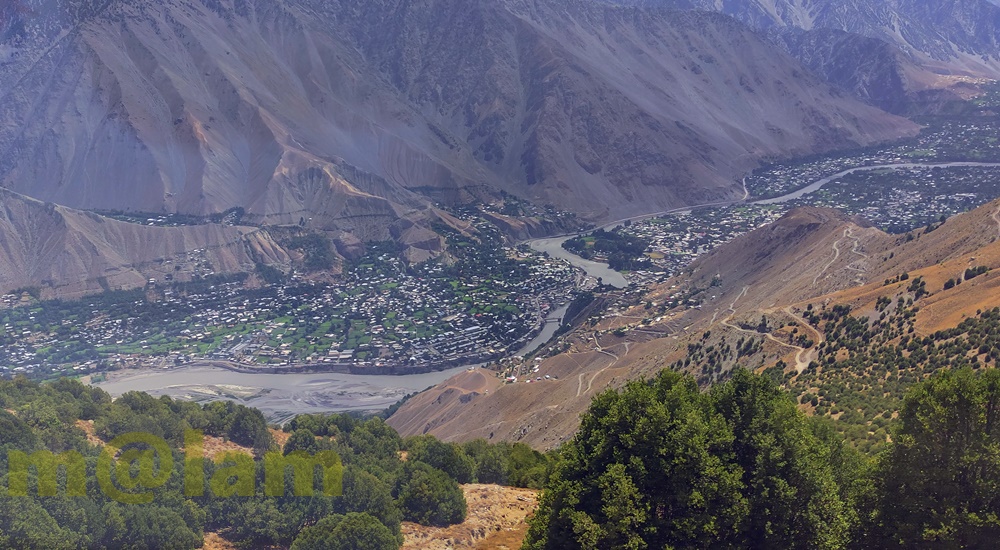
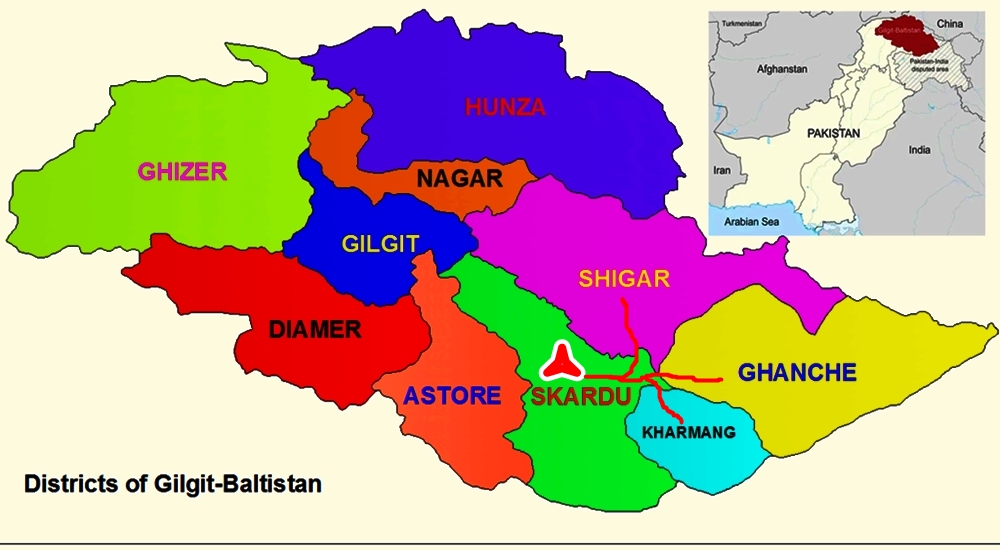
Excursions from Skardu – Explore the Mesmerizing Beauty Skardu, located in Gilgit-Baltistan, Pakistan, is a gateway to some of the world’s highest mountains and longest glaciers. As the capital of the Baltistan Division, one of the three divisions (Gilgit, Diamer, and Baltistan) of Gilgit-Baltistan, Skardu is one of the four key districts (Skardu, Shigar, Ghanche, and Kharmang) in the Baltistan Division. Each district is renowned for its unique manmade and natural attractions that draw tourists. Skardu serves as an excellent base for exploring the area’s key attractions. Recommended day excursions from Skardu include: Day Excursion to Shigar Valley Shigar Valley, situated in the Shigar District of Gilgit-Baltistan, is renowned for its stunning landscapes and tranquil ambiance. Surrounded by towering mountains, cascading waterfalls, and crystal-clear rivers, the valley is a paradise for nature enthusiasts. It offers a perfect escape from bustling city life, allowing visitors to immerse themselves in the wonders of the great outdoors. As a former princely state and one of the four districts of the Baltistan Division, Shigar is the nearest and most conveniently accessible destination. Located just 45 km away and reachable within an hour, Shigar boasts a range of exclusive tourist attractions, from historical sites to natural sceneries, including: Sarfaranga Desert The Cold Desert, located in Sarfaranga village in Skardu, Gilgit-Baltistan, is the world’s highest desert, standing at an altitude of nearly 7,500 feet. Known as the Sarfaranga Desert or Skardu Cold Desert, it is one of the two most famous icy deserts in the region. Situated close to Skardu, it is accessible with a 30-minute drive. Nestled in the Shigar Valley along the Indus River and surrounded by mountains, it serves as an excellent capstone experience for a trip to the Shigar area. The Sarfaranga Cold Desert is a hub of touristic activities, offering desert jeep safaris, motor gliding, biking, horse riding, and more. Blind Lake Blind LakeBlind Lake, also known as Xarba Tso in the local Balti language, is an enchanting freshwater lake nestled near the Shigar Valley in the heart of the Gilgit-Baltistan region of Pakistan. Unlike most lakes, Blind Lake does not rely on any external water supply or discharge source. Its serene waters remain still and unmoving, earning it the intriguing name “Blind Lake.” This mesmerizing lake offers panoramic views of its surroundings, particularly the riverside and the majestic mountains that serve as its backdrop. The trail leading to Blind Lake is a unique journey through lush greenery, arid deserts, and rugged rocky hills. Visitors can enjoy key activities like boating, camping, and musical events. There are a few tuck shops providing basic necessary items for tourists, and entry to the lakeside is subject to a fee. Shigar Serena Fort Palace The Shigar Fort in Skardu Valley is a remarkable architectural structure surrounded by Shigar’s vast plains. Renowned for its historical significance, Shigar Fort is the most visited location in Skardu. Constructed roughly 400 years ago, the entire structure is composed of stones with sturdy foundations. Formerly known as the Palace of Rock, the fort has been transformed into a guesthouse featuring 20 rooms and a large hall displaying treasures of the Baltit culture. Amburiq Mosque The Amburiq Mosque is one of the oldest mosques in Baltistan and is a renowned landmark in the region. Built by Sayed Ali Hamdani, it holds great historical significance. According to local traditions, Sayed Ali Hamdani visited Shigar to spread the faith and established the Amburiq Mosque, making it the first mosque in the Shigar Valley. A small museum inside the mosque raises awareness about its historical importance and encourages the local community to adopt a conservationist approach towards culturally significant structures. The mosque underwent restoration between 1998 and 2000. In 2005, UNESCO awarded the mosque the Asia-Pacific Heritage Award. Khanqah-e-Mualla With the dawn of Islam in the Baltistan region in 1352 through Amir Kabir Syed Ali Hamadani, the construction of small mosques became common. One of the most monumental pieces from that era is Khanqah-e-Mualla, a valuable gift to the Shigar Valley. The credit for its establishment goes to Shah Nasir Tusi, who came from Tus, Iran, with his three daughters through the Siachen Glacier in 1591. Shah Nasir laid the foundation of the Khanqah in 1602. According to local folklore, he disappeared near the mountains of the Braldu Valley on his way to K2. The construction, materials, and design of the Khanqah have remained unchanged for more than four hundred years. Although it has undergone repairs multiple times, the materials and construction methods have always stayed the same. Hashupi Garden Hashupi Bagh, also known as Hashupi Garden, is the Apple and Cherry Garden nestled in the picturesque Shigar Valley. This magnificent garden is located amidst the majestic Karakoram Mountains in Gilgit-Baltistan, Pakistan. Hashupi Bagh is a haven for nature lovers and adventure seekers alike. Apart from its apple orchards, the garden features stunning cherry blossoms that bloom during the spring season, transforming the landscape into a spectacle of delicate pink and white flowers. The cherry blossoms create a magical ambiance, drawing photographers, nature enthusiasts, and romantics. Visitors can wander through the garden, marveling at the ethereal beauty of the blossoms and capturing unforgettable moments. In autumn, Hashupi Bagh bursts with vibrant colors as the apples and cherries ripen, ready to be harvested. Chuturon Hot Springs Chotron Hot Springs is a natural hot spring located in the Shigar district of Gilgit-Baltistan, Pakistan. Situated at an elevation of around 2,400 meters (7,874 feet) above sea level, it is surrounded by beautiful mountains and forests. The water in the hot spring is naturally heated by geothermal activity and is believed to have medicinal properties due to its high mineral content. The mineral water of these springs contains elements like sodium, potassium, calcium, magnesium, chlorides, fluorides, sulfates, phosphates, and bicarbonates, which may be responsible for curing various diseases. However, the water from the thermal springs of Chotron is unsuitable for drinking due to its high fluoride content and the presence of small amounts of total coliforms,
Excursions from Skardu Read Post »