Khyber Pakhtunkhwa

Mahabat Khan Mosque, Peshawar
Islamic Heritage, Khyber Pakhtunkhwa, Mosques

Mahabat Khan Mosque

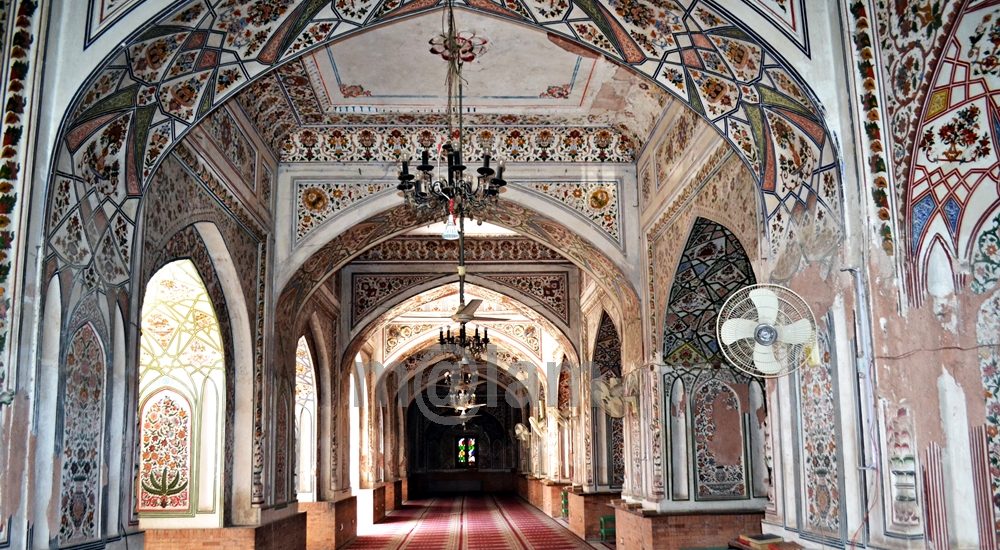
Mahabat Khan Mosque, Peshawar The Mahabat Khan Mosque (Mohabbat Khan Masjid) is located to the west of Chowk Yadgar in Peshawar, Khyber Pakhtoonkhwa, Pakistan. It was constructed in the 17th century during the Mughal era, specifically in 1630. As the largest mosque in Peshawar, it is nestled within the historic boundaries of the city, commonly referred to as the “Ander Shehr” (Inner city). This majestic structure pays homage to Nawab Mahabat Khan, a prominent Mughal governor of Peshawar who served twice under the Mughal Emperors Shah Jehan and Aurangzeb. His lineage traces back to Nawab Dadan Khan, a former governor of Lahore. The mosque’s stunning white marble façade is celebrated as one of Peshawar’s most iconic landmarks. Mahabat Khan Mosque today is a hub for prayers and social gatherings as well as serves as a tourist attraction. Peshawar City Peshawar, nestled in a valley near the eastern terminus of the storied Khyber Pass and adjacent to the Afghanistan border, boasts a rich history that stretches back to at least 539 BCE. This makes it not only Pakistan’s oldest city but also one of the most ancient in all of South Asia. In antiquity, Peshawar served as the capital of the illustrious Kushan Empire, a realm renowned for its prosperity and cultural efflorescence. It was during this period that the city reached the zenith of its splendor, boasting magnificent architectural marvels, bustling markets, and a vibrant multicultural milieu. One such testament to the grandeur of ancient Peshawar is the Kanishka Stupa, a monumental edifice that is believed to have rivaled the tallest structures of its time. Throughout the centuries, Peshawar has played a pivotal role in shaping the cultural, political, and economic landscape of the region. History of Mahabat Khan Mosque The Mahabat Khan Mosque was constructed between 1660 and 1670 during the Mughal period. It is positioned atop the highest point in the old city. Interestingly, during the Sikh era, the minarets of the mosque were utilized for hanging prisoners. It was a grim practice where five individuals were hanged daily from these minarets, serving as makeshift gallows. Additionally, in the aftermath of the Soviet invasion of Afghanistan, the mosque became a gathering place for refugee tribal elders. Their aim was to foster unity among Afghans in resistance against the Soviet forces. Legacy and Heritage of the Mosque Nawab Mahabat Khan’s legacy echoes through the corridors of this majestic mosque. As a distinguished Mughal governor, his influence extended far and wide, shaping the cultural landscape of Peshawar. The mosque stands as a tribute to his illustrious lineage, commemorating his contributions to the city’s splendor. Architecture and Design of the Mosque  Layout The Mahabat Khan Mosque undoubtedly stands out as a hidden treasure in Peshawar. It is nestled among various other heritage landmarks of the city. This architectural masterpiece radiates both beauty and historical importance. Covering an impressive area of 30,155 square feet, the mosque features a magnificent prayer hall rectangular in shape occupying the western side. In the expansive courtyard, a tranquil blue-tiled ablution pool sits at the center, surrounded by a row of rooms along the perimeter walls. Rooftop The hall is adorned with three graceful fluted domes. The roofline of the mosque ascends gradually from the outer edges towards the center, accentuated by a series of four small incremental height increases and embellished with numerous merlons. The top of the mosque’s white marble façade is adorned with cavettos or concave moldings. Additionally, atop the main entrance stand six intricately designed miniature minarets, flanked by two towering minarets. Exterior Five arched entrances lead into the main prayer hall of the mosque. The central arch, tallest among them, displays cusped arches typical of Mughal architecture. Flanking this central arch are two slightly shorter arches designed in the Persian and Central Asian styles, while smaller arches, adorned in a similar fashion, accompany each side. Above the tip of each arch, a row of seven small arched portals is observed. The three central arched portals are adorned with muqarnas, while the outermost arches feature Ghalib kari, a decorative network of ribs made of stucco and plaster. Additionally, the upper curves of the archways are embellished with vegetal motifs, showcasing a variety of colors unlike the predominantly green motifs seen at the Badshahi Mosque. Meanwhile, outside, the exquisite craftsmanship of white marble is on display. Interior The prayer hall’s interior is sheltered by three low, fluted domes, adorned with lavish and colorful paintings. Within the mosque, captivating floral and geometric designs adorn the ceiling, enhanced by graceful red frescoes. Elaborate Islamic calligraphy in a baroque style embellishes the walls of the prayer hall, while a beautiful carpet covers the floor. The calligraphy, executed in the Arabic alphabet, adds to the artistic allure of the space. Traditional chandeliers hang from the ceilings, casting a warm glow throughout. Both the interior and exterior are adorned with panels featuring intricate floral motifs and excerpts from the Quran, further enhancing the mosque’s aesthetic appeal and spiritual ambiance. Cultural Significance Throughout its storied history, the Mahabat Khan Mosque has served as more than just a place of worship. It has been a symbol of resilience and unity, welcoming refugees and fostering a sense of community during tumultuous times. Today, it continues to stand as a beacon of hope and harmony for all who seek solace within its hallowed halls. A Premier Tourist Attraction This mosque stands as undoubtedly one of Peshawar’s most renowned tourist landmarks. It is a must-visit for travelers, particularly foreign visitors exploring Peshawar. Surrounded by other prominent tourist sites, the mosque draws a significant number of visitors. At any given time, approximately 14 thousand individuals can pray within the mosque’s iconic premises and its adjoining courtyard. Access to the Mosque To reach this mosque, head to the Old Bazaar in Peshawar’s historic old city, where locals will happily guide you. From there, take Kachahry Road to Chowk Yadgar, park your vehicle, and proceed west into the Bazaar. The mosque awaits you at the street’s highest

The Kalash Valley
Khyber Pakhtunkhwa, Others, Tourists Destinations in Pakistan

The Kalash Valley

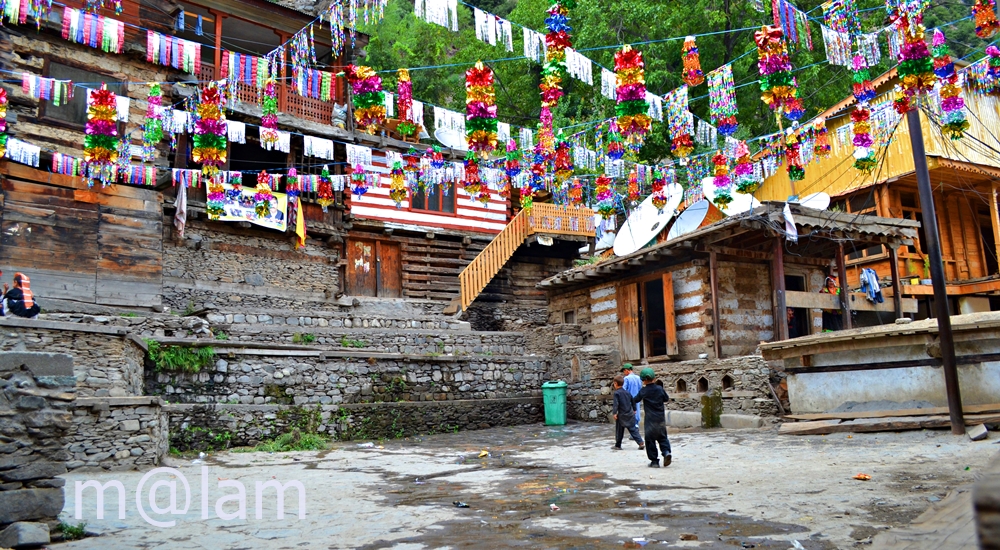
The Enigmatic Beauty of the Kalash Valley Nestled in the Hindu Kush mountain range within Chitral, The Kalash Valley is renowned for its distinct charm and cultural richness. Inhabiting this picturesque region are the Kalash people, a community with a unique culture, language, and a distinctive form of ancient Hinduism. In fact, one of the distinguishing features of the Kalash Valley is its cultural diversity. The Kalash people have undoubtedly preserved their ancient traditions and rituals, making their lifestyle a subject of fascination. Their festivals, folklore, and vibrant ceremonies contribute to the valley’s unique atmosphere. The entire Kalash Valley comprises three primary valleys—Bumburet, Rumbur, and Birir. Each of these valleys is embraced by the untamed Kunar River. Positioned at an elevation surpassing 6,500 feet above sea level, the valley’s rugged terrain showcases steep slopes, narrow gorges, and rocky landscapes, creating a breathtaking backdrop. As such, the Kalasha Valleys are a source of attraction for Pakistani as well as International tourists. The three Kalash valleys Bumburet Valley The Bumburet Valley is the largest, most picturesque, and most populous valley among the three Kalash Valleys. It is accessible via a road from Ayun in the Kunar Valley. This valley reaches an elevation of 1,640 meters (5,380 ft) where it meets the Rumbur Valley. Further downstream, it joins the Kunar Valley at the village of Ayun, situated at 1,400 meters (4,600 ft) and approximately 20 kilometers (12 mi) south of Chitral. To the west, Bumburet Valley ascends to a pass connecting to Afghanistan’s Nuristan Province at about 4,500 meters (14,800 ft). Despite its scenic beauty, the population in the region is facing a rapid decline. The most famous and frequently visited among the three valleys is Bumburate, located 36 kilometers from the main city of Chitral. Rumbur Valley The Rumbur Valley is a side valley situated to the north of Bumburet, approximately 32 kilometers from Chitral. It is the third and least populated of the Kalash Valleys. Birir Valley The Birir Valley, also known as Biriu, is a side valley of the Kunar Valley positioned south of Bumburet, located about 34 kilometers from Chitral. The Birir Valley is one of the oldest settlements of the Kalash tribe and has retained its authenticity in terms of architecture and local customs. The houses, streets, and pavements in Birir Valley are constructed from stones and wood, reflecting the traditional practices followed by the locals. History The Kalash valleys in Chitral boast a rich history. One of the major highlights is the presence of the Kafir-Kalash, also known as the “Wearers of the Black Robe.” This primitive pagan tribe adds a unique cultural dimension to the region. However, the origins of the Kalash people are shrouded in mystery and subject to controversy. Numerous myths surround the ancestry of the Kalash people, with one prevailing legend suggesting a connection to Alexander the Great’s army. According to this tale, five soldiers from the legions of Alexander of Macedon settled in Chitral and are believed to be the forebears of the Kafir-Kalash. This myth weaves a historical link between the ancient Greek conqueror and the Kalash people. Another intriguing narrative revolves around the migration of the Kalash ancestors to Chitral from the land of Tsiyam. The original homeland of the Kalash people, referred to in their folk songs, is believed to be Tsiyam. The details of this migration and the cultural elements retained by the Kalash people from their ancestral land contribute to the richness of their heritage. Overall, the history of the Kalash valleys is intertwined with these captivating myths and legends. Subsequently, it creates an aura of mystery and fascination surrounding the origins of the Kafir-Kalash. Religion The Kalash people, who inhabit the remote Kalash Valley in Pakistan, follow a distinctive and ancient polytheistic religion known as the Kalash religion. Rooted in animism and nature worship, their belief system revolves around a pantheon of gods and goddesses. Central to the Kalash religious practices is the veneration of various deities, with Dezau being the supreme God and Maha Devi serving as his consort. These divine figures are believed to govern different facets of life, including fertility, harvests, and protection. The Kalash people hold nature in high regard, assigning spiritual significance to mountains, rivers, and trees. Religious rituals and ceremonies are integral components of the Kalash cultural identity. The community’s festivals are marked by joyous celebrations, featuring music, dance, and feasting. These events serve as occasions for the Kalash people to express gratitude to their deities, seek blessings, and ensure the prosperity of their community. Preserving their religious traditions is of utmost importance to the Kalash people. Particularly, as their way of life encounters challenges in the face of a changing world. Efforts are underway to safeguard their unique beliefs and cultural heritage, highlighting the significance of the Kalash religion as a captivating aspect of this vibrant and distinct community. Culture The culture of the Kalash people stands out as unique and distinct, differing significantly from the many contemporary Muslim ethnic groups in northwestern Pakistan that surround them. Nature assumes a highly significant and spiritual role in their daily lives, and as part of their religious tradition, they conduct sacrifices and hold festivals to express gratitude for the abundant resources of their three valleys. The mythology and folklore of the Kalash people have been likened to that of ancient Greece, although a closer parallel can be drawn to Vedic mythology. This cultural richness, drawing from ancient traditions and beliefs, adds a layer of fascination for observers and anthropologists. The Kalash people’s unique cultural practices have captivated anthropologists, particularly in contrast to the predominant cultures in the surrounding region. The celebration of nature, the religious rituals, and the preservation of ancient mythological narratives contribute to the distinctive cultural tapestry of the Kalash people. Their way of life serves as a testament to the diversity that exists within the broader cultural landscape of Pakistan’s northwestern regions. People The Kalash people constitute a small religious and ethnic minority in Pakistan, enjoying legal and

Chitral Tourist Attractions
City Breaks, Khyber Pakhtunkhwa, Tourism Blogs, Tourists Destinations in Pakistan

Chitral Tourist Attractions

Chitral, a region in the Khyber Pakhtunkhwa province of Pakistan known for its natural beauty and cultural richness, offers several tourist attractions. Here are some notable places to visit in Chitral: Chitral Town Chitral Town is a bustling hub filled with vibrant markets and bazaars that provide a unique insight into the local way of life. These lively centers exhibit a diverse array of handicrafts, textiles, spices, and souvenirs, offering visitors the opportunity to fully immerse themselves in the vibrant colors and rich flavors of Chitral. Exploring the streets of the magnificent Chitral Town divulges a harmonious blend of traditional and contemporary architecture. The buildings feature intricate designs and elaborate frontages that beautifully showcase the region’s rich cultural heritage. This visual spectacle is sure to captivate architecture enthusiasts, providing a delightful journey through the town’s unique and fascinating aesthetic. Shahi Masjid The Shahi Masjid stands as a magnificent piece of architecture, constructed by Shujaul Mulk, the Mehtar of Chitral, in 1924 A.D. Shujaul Mulk, the ruler of Chitral from 1895 to 1936, left a lasting legacy in the form of this grand mosque. The building itself is a remarkable example of architectural dexterity, constructed with pure white marble and adorned with intricately engraved art. Situated on the bank of the Chitral River, adjacent to the Chitral Fort, the Shahi Masjid is not only a place of worship but also a testament to the rich customs and culture of the Chitral aristocracy. The architectural details of the mosque reflect the traditions of the region, creating a visual representation of Chitral’s cultural heritage. The Shahi Masjid stands as a significant landmark, inviting visitors to appreciate its historical and artistic significance. Chitral Fort The Chitral Fort, also known as Shahi Qila, is a historic fortification located in Chitral town, Khyber Pakhtunkhwa, Pakistan. Positioned on the banks of the Chitral River, it holds a strategic location not far from the Shahi Masjid. The fort is believed to have been initially constructed in 1774 during the reign of Mohtaram Shah Katur II and later restored in 1911 by His Highness Sir Shuja ul-Mulk. Originally serving as the barracks for the guards of the Mehtar of Chitral, the fort became the personal property of the last ruler of Chitral after the merger of Chitral State in 1969. Presently, it is occupied by the ceremonial Mehtar, Fateh-ul-Mulk Ali Nasir. Notably, the fort has undergone renovations, particularly to the old Darbar Hall and staterooms, following damages incurred during the earthquake of 2015. The Chitral Fort stands as a testament to the region’s historical significance and architectural heritage, offering visitors a glimpse into its rich past. Chitral Museum The Chitral Museum stands as a custodian of the unique culture and art of the region, preserving the heritage of ancestors for future generations. Established on July 8, 2010, the primary purpose of the museum is to safeguard Chitral’s cultural legacy for tourists and locals alike. The museum is divided into two distinct sections: the Ethnological Gallery and the Archaeological & Kalash Gallery. In the Ethnological Gallery, visitors encounter artifacts such as jewelry, instruments, and furniture from the 12th century, providing a glimpse into the lifestyle of Chitral’s ancestors. On the other hand, the Archaeological & Kalash Gallery focuses on items related to the Kalash, showcasing the cultural heritage with connections to Greek influences. Particularly noteworthy are the artifacts associated with their gods and goddesses, offering insights into the spiritual and religious practices of the Kalash people. The Chitral Museum serves as a valuable resource for those interested in exploring and understanding the rich cultural history of the region. Governor’s Cottage The Governor Cottage stands as a beautiful and graceful example of Chitrali architecture, showcasing the region’s glorious and distinctive construction style. Situated on elevated grassland, surrounded by mountains, the cottage provides a picturesque setting. On a clear day, visitors can admire the majestic Trich Mir Mountain from this location. Previously reserved, the place is now open to the general public. Inside, one can find a collection of well-preserved historical objects that offer insights into the rich history of the region. The Governor Cottage provides a unique opportunity for visitors to experience and appreciate the royal living style of the Mehtar of Chitral. It serves as a testament to the cultural and historical heritage of the area, allowing individuals to connect with the past and the architectural traditions of Chitral. Chitral Gol National Park Chitral Gol National Park, situated 5,000 meters above sea level in the Lower Chitral District, is a two-hour drive from Chitral town and spans 7,750 meters. This park is renowned for its abundant wildlife and panoramic views of valleys, glaciers, and streams. Formerly considered the private property of the Mehtar of Chitral until 1983, the park’s status has been disputed and is subject to ongoing litigation between the Mehtar’s heirs and the Government of Pakistan. The park encompasses three valleys with glaciers and springs feeding into an 18-kilometer stream flowing east into the River Chitral. Rich in cedar trees, the park provides a habitat for diverse wildlife, including the endangered Kashmir Markhor. Other notable mammals include the Siberian ibex, Snow leopard, Ladakh Urial, Himalayan black bear, Himalayan Wolf, Red fox, Eurasian otter, and Yellow-throated marten. Barmoghlasht Barmoghlasht, a renowned summer retreat in Chitral, is nestled amidst towering mountains and lush greenery, located 14.5 kilometers from Chitral town. Highlighting the area is the former Mehtar’s Summer Fort, strategically perched at an elevation exceeding 2800 meters, providing a captivating view of the city. Notably, it is the ancestral building of the Chitral royal family, adding historical significance to its charm, set amid vibrant green pastures. Accessible by a 40-minute drive from Chitral City, Barmoghlasht is especially enchanting in May and June when spring brings forth lush greenery and vibrant blooms. The resort offers an array of activities, making it an ideal destination for paragliding, hiking, and bird watching in the summer, while also providing opportunities for skiing during the winter months. Tourists are drawn to Barmoghlasht throughout the

Chitral
Khyber Pakhtunkhwa, Tourists Destinations in Pakistan

Chitral

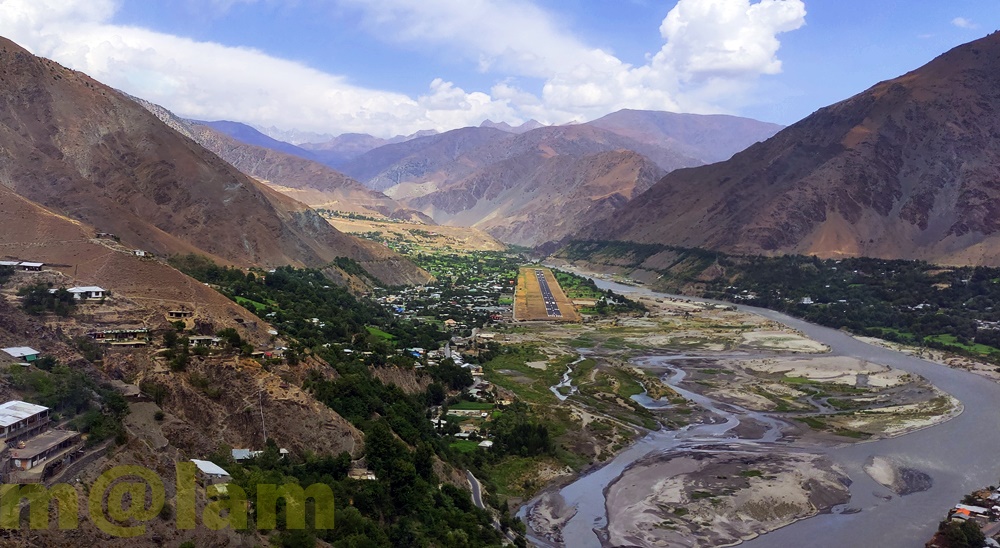
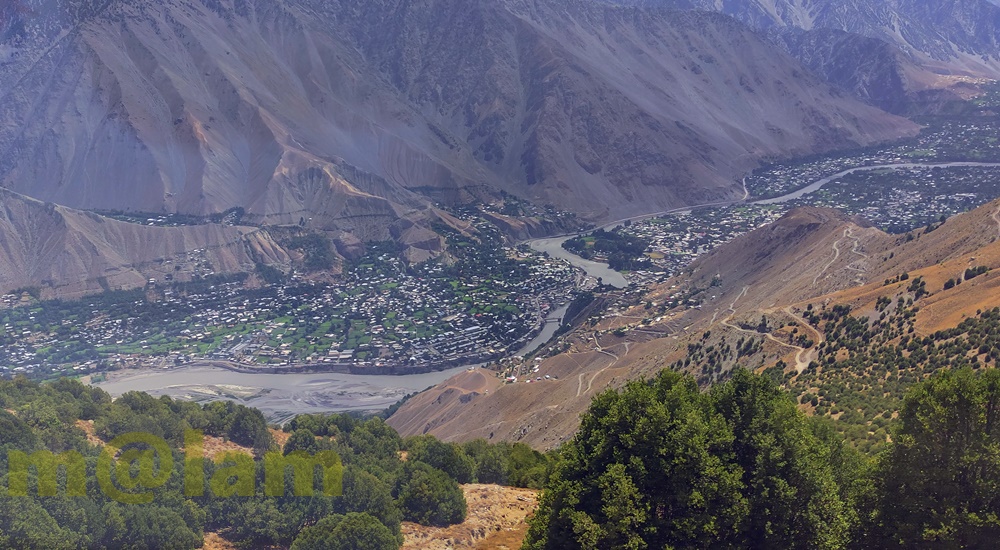
Chitral is one of the spectacular, culturally rich, and prominent tourist destinations in the northern KPK province of Pakistan. The region is home to the mighty Hindukush Mountains and scenic valleys. The entire Chitral is blessed with breathtaking natural beauty. Each of its valleys has its unique attributes that distinguish it from the others.  Its lush green valleys, high-altitude mountains, and scenic glaciers along with the rich culture of the region attract tourists from across the country and the globe every year. Chitral was historically an independent princely state before independence. However, it was the first state to declare accession to Pakistan as a district of Malakand Division in 1970. Geography Chitral town runs along the banks of the Chitral River. The entire Chitral district covers an area of 14,850 km². Out of its total landmass, 4% is forest, 3% cultivated area, and 2% cultivable land while the rest is mountains and barren. Chitral is bordered to the east by Gilgit-Baltistan, southeast with Swat, north and north-east by China and the Wakhan corridor of Afghanistan, west borders Nuristan and Kunar provinces of Afghanistan, and Upper Dir district of Khyber Pakhtunkhwa (KPK) province is situated to the south. Furthermore, Chitral town is the administrative center of the Chital district, which is controlled by the Khyber Pakhtunkhwa government. Districts Chitral itself is a district of KPK province housing a population of 447,362 and is further divided into two districts – lower and upper Chitral by the government of KPK. Chitral is located among the Hindukush Mountains in the northwest of Pakistan. Lower Chitral covers the region from Lowari to Barenis and Gabor on the Garam Chashma side while Upper Chitral starts from Barenis village onwards. History Centrally positioned on the crossroads to Central Asia, Chitral boasts a rich and captivating history. Its strategic location made it a coveted target for invaders, drawing attention before other areas in the region. The documented history of Chitral traces back to the early 8th century AD when Tibetans invaded the Yasin Valley, marking the beginning of a series of invasions. Subsequently, in 900 AD, both the Chinese and Buddhists became part of Chitral’s historical narrative. Later, the Kalash also ruled Chitral for decades. In the 14th century, Chitral became a unified independent under the rule of Shah Nasir Rais while in 1570, the Rais dynasty was replaced by the Katoor dynasty. Likewise, the famous mehtar of Chitral Aman-ul-Mulk ruled from 1857 to 1892. In 1895, the siege of Chitral Fort took place and lasted a month, after which Chitral became an independent state under British rule. Finally, in 1969 it was merged into Pakistan. Today, Chitral hosts ancient Chitrali Tribes as well as nomads who were invited by the mehtars to settle in the state. Chitral is additionally the residence of the ancient pagan tribe, the Kalash, who currently reside exclusively in the three valleys of Bamburat, Rambur, and Birir. Cultural Heritage Chitral’s cultural heritage encompasses a rich tapestry of arts and crafts, traditional clothing, diverse cuisines, local games, music, dance, folksongs, and iconic landmarks. People The Chitrali people call the land of Chitral “Kho” or “Khow” who account for 92% of the population and their language is Khowar. Other tribes include the 3000 Pagan Kalash people living in Bamburet, Rambur, and Birir; the Shubgali tribe living in Gabor, Langoor Butt, and Bamburet and are believed to have come from Nooristan (Afghanistan). The tradition of hospitality is evident across northern Pakistan, but few places match the generous warmth found in Chitral. Clothing Chitral boasts a long and illustrious history that has profoundly shaped its culture. Men in the society typically don Shalwar and Kameez, complemented by the traditional Pakol headwear. Women, on the other hand, wear Khet Partog, traditionally covering their faces with a scarf and adorning their heads with a Dupatta. The Pakol is alternatively referred to as the Chitrali Topi. The region also hosts various festivals featuring Chitrali traditional music, folk tales, and captivating traditional dances performed by both male and female members. Religious affiliation Mainland Chitral and its valleys are home to the Muslim population. However, the majority of the people in Chitral’s Kalash Valley are polytheists who believe in numerous gods. They worship numerous gods and hold a variety of religious festivals. Arts & Craft Chitralis also have a strong taste for music and Chitrali sitar, a string instrument, can often be heard at many places and family gatherings. Chitral’s artisans manufacture a wide range of elegant and delicately crafted jewelry, woodwork and embroidery, woven and knitted textiles. The woolen fabric from Chitral, known locally as “Shu,” and walnut wood furniture are highly sought-after items in handicraft markets across the country. The traditional clothes, including those of the Kalash people, are made from wool and silk and decorated with beads and shells. Traditional caps (Khapol) and gowns (Chugha) are popular while the typical Chitrali shoes (Khon) resemble long-riding boots. Traditional Chitrali buildings are embellished with wood carvings and have been designed keeping in view the climatic and local environmental conditions of the area. Culture Chitral’s culture carries traces of Greek, Iranian, Tatar, and Turkish influences, attributed to its unique location and historical connections with Central Asia and Europe. Chitral’s own culture, which has evolved over millennia and includes more than a dozen ethnic groups communicating as many languages as there are cultures, is strongly tied to those of Central Asia rather than South Asia. Chitral and Kalash people are also known for their incredibly unusual clothing and dances, as well as their love for music (Especially the tribes of Kalash). During festivals, drums are played, and the women dance in a circle while some elderly folks sit on the sidelines and sing old melodies. Languages The predominant language spoken by the locals is Chitrali. Khowar is the most widely spoken language in the region, with 98% of the population speaking it, while Kalash people speak Kalasha. Urdu, the national language, is also spoken and understood by the locals while Pashtu is

Kaghan Valley Tourist Attractions
Khyber Pakhtunkhwa, Others, Roads & Highways, Tourism Blogs

Kaghan Valley Attractions

The Kaghan Valley Attractions: A Guide to Its Breathtaking Landscape The Kaghan Valley: Nature’s Marvel in the Heart of Pakistan Nestled within the Mansehra district of Khyber Pakhtunkhwa, Pakistan, the Kaghan Valley is a captivating alpine haven. Spanning a distance of 160 kilometers from its lowest point at 650 meters to the towering Babusar Pass, standing proud at 4170 meters, the Kaghan Valley Attractions speak louder than words. This picturesque valley, a cherished summer retreat, boasts a landscape adorned with lush greenery, majestic Himalayan peaks, and glistening alpine lakes. It’s a realm where nature’s splendor unfurls at every turn, offering a refuge from the mundane. In the embrace of the Kaghan Valley, nature’s symphony resounds in every sight and sound. From cascading waterfalls to alpine lakes, from towering peaks to lush meadows, this haven promises an escape like no other. Embark on a journey of discovery, where adventure and tranquility converge, and the heart finds solace amidst nature’s grandeur. The Kaghan Valley Attractions await an open invitation to experience the magic of Pakistan’s pristine landscapes. As a seasoned traveler, you’ll find the Kaghan Valley Attractions as an alluring sanctuary, rich in diverse attractions that promise an unforgettable escape. Embarking on a Journey through the Kaghan Valley Heading East: Azad Jammu & Kashmir Beckons To the valley’s east lies the captivating realm of Azad Jammu & Kashmir, a mesmerizing expanse that beckons with its charm. This region, a tapestry of beauty, awaits those who seek to explore its hidden gems and immerse themselves in its natural wonders. Towards the North: The Allure of Gilgit-Baltistan Northward, the Kaghan Valley borders Gilgit-Baltistan, an awe-inspiring land where towering peaks and untamed landscapes await intrepid souls. Here, adventure and exploration intertwine, presenting a gateway to uncharted territories and unforgettable experiences. KIWAI: Where Beauty and Adventure Converge The first of Kaghan Valley Attractions, you’ll encounter the charming town of Kiwai, nestled approximately 24 kilometers from Balakot. A gateway to wonder, Kiwai boasts dense pine forests and the allure of its cascading waterfall. This haven is not only a resting point but a realm of enchantment, captivating the hearts of travelers with its natural allure and invigorating ambiance. SHOGRAN: Nature’s Haven of Tranquility Nestled within the captivating Kaghan Valley, Shogran emerges as a highly sought-after destination for tourists. This idyllic haven, perched at an impressive altitude of approximately 2,362 meters (7,749 feet) above sea level, offers a retreat into a world of unparalleled natural splendor. The allure of Shogran lies in its scenic magnificence, attracting nature enthusiasts and adventure seekers alike. This picturesque valley, accessible via the Naran-Gilgit Road at Kiwai, beckons you to explore its myriad wonders. As you ascend to Shogran, the air becomes crisper, and the surroundings transform into a spectacle of greenery and tranquility. SIRI & PAYE: A Glimpse of Alpine Grandeur Cradled in the arms of the mountains, Siri Paye stands as a testament to nature’s artistry. This mesmerizing meadow, adorned with a carpet of wildflowers, offers a panoramic spectacle that ignites the imagination. The sweeping views from Siri Paye encompass a symphony of colors, as the meadow transitions with the changing seasons. The allure of Siri and Paye beckons, an enchanting journey through alpine landscapes and breathtaking vistas. Venture forth through a jeep ride or a scenic climb to reach these heights, where lush meadows and awe-inspiring panoramas await. Siri and Paye, a symphony of beauty, are a testament to the valley’s magnificence. KAGHAN VALLEY – NATURE’S SPLENDOR NARAN: Nature’s Tapestry Unveiled The Naran Valley, a portrait of natural splendor, welcomes you with its lush meadows, crystal-clear lakes, and majestic mountains. Engage your senses in outdoor pursuits like trekking, rafting, and camping, as you embrace the valley’s vibrant beauty. Set against a backdrop of towering peaks, Naran Valley paints a vivid picture of summer’s embrace. Captivating Enclaves: Treasures of the Kaghan ValleyLAKE SAIF UL MULOOK: A Fabled Oasis Nestled in the heart of Kaghan Valley lies a mesmerizing gem named after Prince Saif ul Mulook’s romantic escapade with a mountain fairy. At a breathtaking altitude of 3224 meters, the legendary Saif ul Mulook Lake stands tall as a prime focal point, the 9-kilometer unpaved adventurous road greets travelers with a thrilling 45-minute adventurous jeep ride. The very heart of Saif ul Mulook Lake is its oval-shaped expanse of crystalline waters stretching over a mile serving as a mirror to the grandeur that surrounds it. Reflecting the snow-covered magnificence of the encircling mountains, the lake’s surface shimmers with an ethereal glow, a sight that beckons wanderers and adventure enthusiasts alike. The lake stands as a gateway to boundless adventure and serves as a launching pad for the exhilarating trek to Ansoo Lake. LALAZAR: A Verdant Paradise Beckons Discover the captivating allure of Lalazar, a breathtakingly beautiful plateau nestled at an impressive elevation of 3,130 meters. Situated a mere 20 kilometers away from the charming town of Naran, Lalazar boasts a verdant expanse adorned with an array of vibrant wildflowers, creating a stunning natural tapestry that beckons travelers seeking an escape into nature’s embrace. The 16-kilometer stretch from Naran to Jalkhar presents a well-paved route, ensuring a smooth and comfortable ride for travelers. However, the subsequent 4-kilometer segment from Jalkhar to Lalazar is an uphill ascent along an unpaved, zig-zagging road that adds an element of thrill and excitement to the expedition. This remarkable tourist haven offers panoramic vistas of the valley, treating visitors to an awe-inspiring display of natural grandeur that resides within the upper reaches of the Kaghan Valley. BATAKUNDI and Beyond: Embracing the Heights If you’re seeking an extraordinary escape from the mundane, look no further than the hidden gem of Batakundi. Nestled just 15 kilometers east of Naran, Batakundi is a haven for nature enthusiasts and those in search of tranquility. With its awe-inspiring mountain vistas and tranquil surroundings, Batakundi stands out as the perfect destination for your next retreat. Batakundi offers an idyllic retreat surrounded by nature’s finest elements. The towering mountains and lush greenery create a

Tourist attractions to visit in Peshawar
City Breaks, Khyber Pakhtunkhwa

Peshawar Tourist Attractions

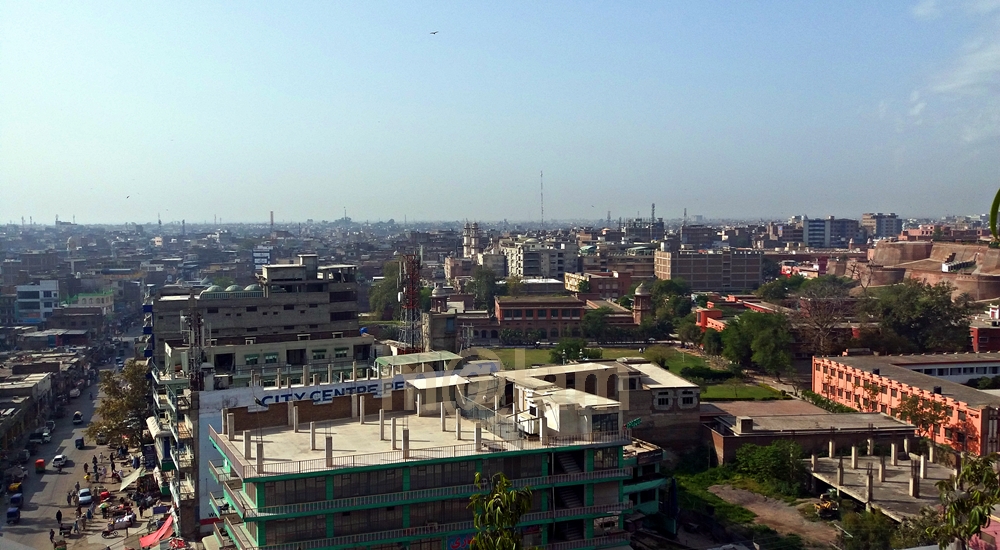
Peshawar Tourist Attractions Peshawar Tourist Attractions are the prominent landmarks governing the city of Peshawar that attract a great volume of domestic and international tourists. Peshawar, a city steeped in the courage of Pashtun heritage, proudly stands as the capital of Khyber Pakhtunkhwa (KPK). It was once known as the North-West Frontier Province of Pakistan. Besides, its strategic location at the crossroads of Central Asia and the Indian subcontinent has bestowed upon it the distinction of being the oldest living city in Pakistan and one of South Asia’s most ancient urban centers. Peshawar has witnessed the rise and fall of civilizations. As a matter of fact, its rich tapestry of history traces back to the Gandhara Civilization, resonating with echoes of the Aryans, Persians, Greeks, Mongols, and Mughals. As the largest city in KPK and the sixth largest in Pakistan, Peshawar emanates cultural vibrancy and dynamism. Peshawar serves as both the administrative nucleus and economic epicenter of the province. The vibrant city maintains the allure of its historic streets, buildings, and bazaars, with only subtle transformations over the past century. Enthusiastic international travelers include Peshawar as a must-visit destination while exploring Pakistan, drawn to its captivating Peshawar Tourist Attractions. History of Peshawar The chronicles of Peshawar unfurl to an ancient era, with historical roots extending back to at least 539 B.C.E. The name “Peshawar,” actually meaning “the frontier city,” was bestowed upon it by the Mughal Emperor Jalal Uddin Muhammad Akbar during an era when it flourished as a prominent trading nexus. It was under the reign of Mughal Emperor Zaheer Uddin Babar that the city was known as Bagram. Throughout history, Peshawar has borne witness to numerous rulers and, consequently, a plethora of names. The city’s lifeblood flows through the intricate web of canals stemming from the Kabul River and its right tributary, the Bara River. Key Tourist Attractions As you traverse to explore Peshawar Tourist Attractions, each step, in fact, reveals a chapter of history etched into the city’s fabric. From the regal Bala Hisar Fort to the bustling Qissa Khwani Bazaar, every corner exudes the charm of a bygone era. The treasures of Peshawar await your discovery, inviting you to immerse yourself in a tapestry of culture, architecture, and tradition that stands as a testament to the city’s enduring legacy. Bala Hisar Fort Bala Hisar, translating to “the raised or great fort,” is a testament to Peshawar’s illustrious past. Suggested by Afghan King Taimor Shah Durrani, the fort stands majestically atop a high mound in the city’s northwest quadrant. From this vantage point, visitors are treated to a breathtaking panorama of the city’s clustered expanse and the encompassing mountains. Erected by the Mughal emperor Babur following his conquest in 1526, the fort served as a residence for the royal family until its eventual destruction. Though ravaged over time, the fort’s legacy was revitalized by the Sikhs, who reconstructed it using mud, later replaced by British bricks. Presently, military guardians oversee the fort, welcoming visitors on weekends. The fort’s museum showcases a captivating array of retrieved weaponry, attire, photographs, and artifacts, providing a window into history that captivates the senses. Peshawar Museum Heralding from the British Colonial epoch of 1905, the Peshawar Museum, known as the “Victoria Memorial Hall,” stands as an architectural fusion. It chiefly reflects British, Hindu, South Asian, Buddhist, and Mughal Islamic influences. Revered across Southeast Asia, the museum boasts an assembly of over 14,000 items, spanning a multitude of civilizations. Sculptures, coins, domestic implements, weaponry, and a diverse range of artistry culled from the Gandharan heartlands—including Shah-Ji-Ki-Dheri in Peshawar, Takht-i-Bahi & Sahri Bahlol in District Mardan, and further excavations from Jamal Garhi and other Gandharan sites—commingle in harmonious resonance, painting an enthralling picture of history. Mahabat Khan Mosque The grandeur of Mahabat Khan Mosque, or Muhabbat Khan Mosque, mirrors the Mughal splendor that once enveloped Peshawar. Commissioned by Nawab Mahabat Khan Bin Ali Mardan Khan, the mosque’s foundations were laid during the reign of Mughal Emperor Shah Jahan in 1630. Nestled in the heart of Peshawar’s “Andar Shehar Bazaar,” the mosque’s presence emanates the Mughal kingdom’s penchant for architectural opulence. The edifice, a true marvel, has stood resiliently through time, undergoing a British-led restoration in 1898. Welcoming tourists, it regales visitors with its architectural mastery, a silent ode to the Mughal dynasty’s legacy. Chowk Yadgaar The reputed Chowk Yadgaar, once known as the Colonel Hastings Memorial built around 1884-92, resonates with echoes of history. Col Hastings actually was the first British Commissioner of Peshawar. The monument basically serves as a central square within Peshawar’s historic heart. The square’s transformation has witnessed the ebb and flow of time, its architectural metamorphosis symbolizing a microcosm of Peshawar’s evolution. Originally fashioned as a horseshoe-shaped structure, the square has been reborn over generations, emerging as a reflection of Peshawar’s resilience. Named in honor of the heroes of the 1965 war between Pakistan and India, Chowk Yadgaar stands as a testament to the indomitable spirit of the city. Chitrali Bazaar At the heart of Peshawar, the Chitrali Bazaar radiates the allure of exquisite craftsmanship. In fact, its legacy traces back to the 1940s, an era of expertly curated woolen creations that once resonated within its bustling lanes. Despite challenges, the bazaar continues to showcase the mastery of Chitrali artisans, echoing tales of a bygone era and endeavoring to reclaim its former glory. Brass Market Once a thriving hub of foreign exchange, the Brass Market has seen its golden days and then abruptly came to an end. Its legacy is interwoven with the cultural fabric of Khyber Pakhtunkhwa. Basically, brassware is a symbol of tradition and heritage. It endures through the dedication of local artisans who craft ornate plates, vases, and bowls, offering a glimpse into a heritage that refuses to be forgotten. Actually, the brass and copperware crafted by old artisans of Peshawar still could not be matched anywhere in the country. Cunningham Clocktower or Ghanta Ghar The Cunningham Clock Tower (also named clock house), affectionately known as Ghanta Ghar,

Khyber Pakhtunkhwa Province of Pakistan
Khyber Pakhtunkhwa

Khyber Pakhtunkhwa Province

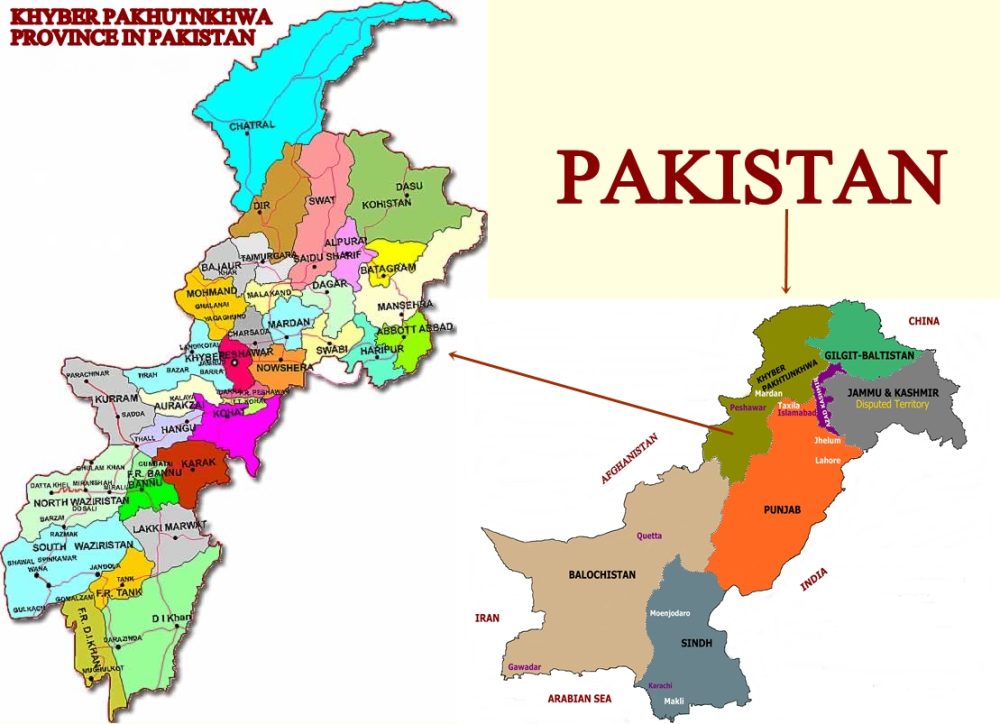
Khyber Pakhtunkhwa Province of Pakistan The Khyber Pakhtunkhwa Province is the smallest of the four administrative provinces of Pakistan. It is located in the northwest of the country housing some 35.53 million (2017 census) people in a 101,741 km² landmass. The province is the third largest by population and economic contribution. It was formerly called the North West Frontier Province (NWFP). Later in 2010, it was renamed Khyber Pakhtunkhwa Province (abbreviated as KPK). Peshawar is the provincial capital and the largest city. Geography Geographically, Afghanistan makes up the 1100 km long northwestern border of the Khyber Pakhtunkhwa Province, Gilgit-Baltistan is located to the northeast; the Federal Capital of Islamabad, Azad Kashmir, Punjab covers the southeastern section, and the northern tip of Balochistan makes up the southern border of the province. Major Cities The province of Khyber Pakhtunkhwa has 35 districts and 46 cities. Peshawar is the provincial capital and the largest city in the province. Major cities and towns of Khyber Pakhtunkhwa are Abbottabad, Bannu, Barikot, Charsada, Chitral, Haripur, Mardan, Mingora, Mansehra, Nowshera, Peshawar, and Saidu Sharif. A Journey Through History The region making today’s Khyber Pakhtunkhwa Province has for centuries been a doorway to the subcontinent. Its unique landscape and strategic location made it home to the grand civilizations of history. The region making Khyber Pakhtunkhwa has historically remained a stronghold of Buddhism. It was characterized by successive invasions under various empires because of its proximity to the Khyber Pass. Persians, Greeks, Mauryans, Kushans, Shahis, Ghaznavids, Mughals, Afghanistan, Sikhs, and the British Empire have all left strong imprints at various points in history. Today, the ruins of the ancient kingdom of Gandhara, including its capital Pushkalavati near modern-day Charsada, spread in major areas of the province making it one of the most alluring regions of the world. Takht-e-Bahi, one of the six UNESCO World Heritage Sites in Pakistan, is located in the province of KPK. The entire region is abundant in tourist attractions that have a universal significance. Culture and Heritage People The region is home to 11.9% of Pakistan’s total population of the country. The majority of the inhabitants are Pakhtuns or Pashtuns followed by Hazarewal, Chitrali, Kalash, and Gujjars. Pashtun or the Pathans being the majority in number (more than 75%) are the dominant groups in the province. They are very well known for their bravery, loyalty, and gallantry. Most of the disputes are settled in the Jirgah system headed by the tribal elders of the society. Major tribes included Yusufzai, Bangesh, Khattak, Marwat, Afridi, Orakzai, Mohmand, Mahsud, Wazir, Bannuchi, Bhittani, Daavi, Qazi Khel, Gandapur, and Ghargasht. The non-Pashtun tribes living in the province are Jhut, Mughal, Turks, Rajputs, and Abbasi Syeds. According to Thomas H. Jhonson and M. Chris Mason in “No Sign Until the Burst of Fire”, “Pashtun believes that their social code produces men, who are superior to those under the Western model, and they have no desire to have a new social system imposed on them by outsiders”.  Clothing The traditional dress of Pashtun men usually comes in Shalwar Qameez (Partoog-Korteh in Pashtu) with a Turban. The Turban with an upright flap is considered a symbol of honor. However, the Turban is usually worn by old men. The new generation either wears a topi or kufi which is also unique to the Pashtuns. Besides Khyber Pakhtunkhwa and Quetta, Pashtuns in Afghanistan have almost the same dress code. Since they have a strong tribal-based society, the tribe leaders usually wear a Karakul hat. Peshawari Chappal is the traditional footwear not only famous in Khyber Pakhtunkhwa but across the country. Women in urban areas are dressed as per existing trends. However, in rural areas of Khyber Pakhtunkhwa, women wear Burqa to cover the entire body. Religious Beliefs The majority of the residents of the Khyber-Pakhtunkhwa are followers of Islam. However, the tribes of Kalash in southern Chitral still have been able to retain their ancient Greco-Animist religion. Moreover, there are very small numbers of adherents of the Roman Catholicism sect of Christianity, Hinduism, and the Sikhism Arts & Craft Major arts and crafts of the province included woodwork, Chappal making, stone jewelry, vessels of brass and copper, hand-woven woolen fabrics, leatherwork, hand-knotted rugs, carpets, and caps made of wool, etc. Culture Pashtu culture is based on Pashtunwali. It is an ancient way of life characterized by the use of pure Pashtu language and wearing traditional dress. Besides the dress code, Pashtu poetry, folk music, and traditional dances are a great part of the rich culture of the Pashtuns. People still live in the joint family system and the arranged marriage system is part of the culture. Historically, the Pashtu culture traces its roots back to the time of Alexander the Great. However, over the centuries, the Pashtun culture has to some extent been influenced by the people of south and western Asia. The Hindko culture has many resemblances with the Pashtu culture, however, the Chitrali and the Kalash tribes have entirely different patterns. The Kalash people have their own architecture, rituals, folktales, and musical instruments.  The Chitrali people have their own distinct set of cultural values resemblance to those of Gilgit-Baltistan. Languages Pashtu is the provincial language of Khyber Pakhtunkhwa spoken by the majority (more than 75%) of the total population as the first language. Hindko, Saraiki, Khowar, Kohistani, Kalasha, and Gojri are the secondary languages spoken by different ethnic groups in the regions they are residing in. Urdu, the national language, is a medium of communication in educational institutions and is spoken for official communication while English is used for official correspondence and is also taught in academic institutions. Arabic is used for religious purposes and education. The provincial government, in 2011, approved the introduction of Pashto, Hindko, Saraiki, Khowar, and Kohistanis as compulsory subjects for the schools in the areas where they are spoken. Food The cuisines of Khyber Pakhtunkhwa are famous across Pakistan as Chinese food is famous around the world. These devoted and hardworking individuals value the importance of good

Lulusar Lake
Khyber Pakhtunkhwa, Lakes

Lulusar Lake

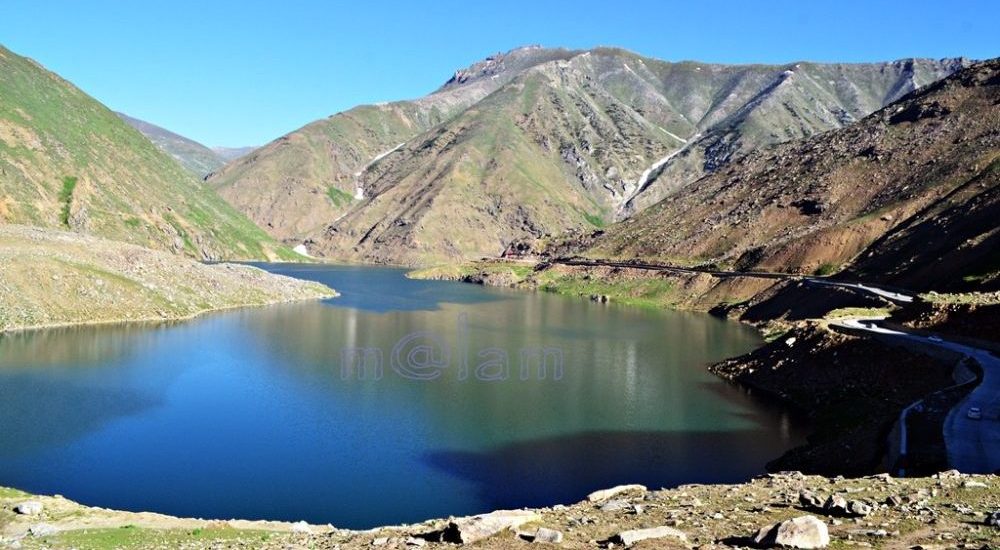
Explore the Enchanting Lulusar Lake in Kaghan Valley, Pakistan Lulusar Lake, undoubtedly a breathtaking natural wonder, stands as a prominent tourist gem in the heart of Kaghan Valley, Khyber Pakhtunkhwa province, Pakistan. Nestled at a lofty altitude of 11,200 ft (3,410 m) above sea level, this pristine lake beckons travelers along the renowned Naran-Babusar road. Its name, Lulusar, pays homage to a majestic mountain, drawing its essence from the Pashtu language, where “Sur” signifies the pinnacle. Easy Accessibility Lulusar is conveniently located just 48 km north of Naran, a mere hour’s drive away. For those embarking on a journey through Naran, a visit to the Babusar Pass and, subsequently, Lulusar becomes an integral part of the itinerary. The road leading to this natural marvel is well-paved and accommodates all types of vehicles. Furthermore, the route offers an array of attractions both on and off the beaten path. Adventurous souls can opt for stylish Willis Jeeps in Naran for day excursions, enhancing their travel experience. Seasons of Wonder The Kaghan Valley, including Lulusar, remains cocooned by snow from November until June, rendering it largely inaccessible during this period. However, as the snow gradually recedes, unveiling the Babusar Pass, domestic and international tourists flock to the region in unprecedented numbers. The Charms of Lulusar Lake Lulusar Lake outshines other lakes in the Kaghan Valley with its impressive expanse. Stretching over 3,400 meters, this natural wonder is nourished by the Kunhar River, originating from the towering Babusar Top. The river winds its way southward, meandering through the picturesque Kaghan valley. It encompasses Jalkhad, Naran vale, Kaghan, Jared, Paras, and Balakot, before converging with the mighty Jhelum River. During the summer months, Lulusar Lake showcases crystal-clear waters, mirroring snow-capped peaks that pierce the azure skies. The lake’s periphery boasts lush grasslands and vibrant wildflowers, often frequented by local cattle herds. A Haven for Nature Enthusiasts Beyond its visual splendor, Lulusar Lake serves as a haven for bird enthusiasts and fishing aficionados alike. The lake bears historical significance, marking the site where 55 brave participants of the 1857 War of Independence were apprehended. A Pivotal Stop on Your Journey For travelers venturing into the enchanting realms of Gilgit-Baltistan during the summer season, the Naran-Gilgit road presents itself as the ultimate route. Shorter by approximately 100 kilometers and adorned with breathtaking vistas, it lures tourists heading towards Fairy Meadows, Gilgit, Hunza & Nagar, and Skardu via the Babusar Pass. Lulusar Lake, especially with its unmatched serenity and captivating scenery, beckons as a must-stop destination along the way. Numerous elevated spots along the roadside offer the finest vantage points for admiring the lake’s ethereal beauty.

Babusar Pass
Khyber Pakhtunkhwa, Passes

Babusar Pass

Babusar Pass: Discover the Mesmerizing Beauty of the Himalayas Babusar Pass, also known as Babusar Top, sits majestically at an elevation of 4,170 m (13,690 ft) as a captivating mountain pass in the Diamer District of Gilgit-Baltistan. Located about 70 km from Naran on the Naran-Gilgit road, this pass marks the southern boundaries of Chilas and is accessible from the Karakoram Highway by a 40km uphill paved road through Thak Nullah. It, therefore, forms a crucial link between the northernmost edge of the scenic Kaghan Valley in the Khyber Pakhtunkhwa (KPK) province of Pakistan and the Karakoram Highway in the Gilgit-Baltistan region and serves as a gateway to unparalleled beauty. Historical Significance of Babusar Top In the annals of history, Babusar Top held immense importance as it was a part of the ancient summer route that provided access to the Gilgit-Baltistan area long before the construction of the all-weather Karakoram Highway. This route was a lifeline from 1947 to 1978, connecting Gilgit-Baltistan with British India and subsequently with Pakistan. Even before the existence of Babusar Pass, the Burzil Pass (4,100m) served as the caravan route from Srinagar to Gilgit through Astore. Notably, the Kaghan Valley runs almost parallel to the Neelum Valley of Azad Kashmir, separated only by a mountain ridge. Accessible Yet Challenging While the Kaghan road through Babusar Pass offers a shorter and more picturesque path to Gilgit-Baltistan compared to the Karakoram Highway, its accessibility is limited. The pass remains open only for a brief period from early June to early November, subject to unpredictable weather patterns. The rest of the year, it becomes inaccessible due to heavy snowfall, rendering the Kaghan Valley a winter wonderland. Exploring the Enchanting Beauty The journey from Naran to Babusar Top is a mesmerizing experience, offering travelers a plethora of scenic vistas. Frozen peaks stand tall in the background, complementing panoramic valleys, vibrant waterways, lush forests, picturesque pastures, and green terraced fields. One of the prime attractions is the serene Lulusar Lake, a location that demands a peaceful stopover. Babusar Pass, with its magnetic charm, draws thousands of tourists on a daily basis during summer. For those visiting Naran, Babusar Top is an essential destination and a preferred day excursion and is always bustling with lively tourists, captivated by the awe-inspiring views of the surrounding mountains. It remains snow-capped during early summers, making it a delightful spot for tourists embarking on an excursion from Naran or heading towards Gilgit-Baltistan. The site is a photographer’s paradise, offering a splendid view from the top. On a clear day, the summit of Nanga Parbat, also known as the “killer mountain,” and the majestic peak of Malika Parbat (17,000 feet), the highest peak in the KPK district, are visible. Additionally, the snow-covered peaks of Kashmir present striking views on sunny days. The Source of Life: Melting Waters from the Mountains Surrounding Babusar Top Numerous streams and creeks converge into the Kunhar River, ultimately flowing into the Jhelum River in Kashmir. One of the most significant attractions is the stunning Lulusar Lake, the largest lake in the region, nourished by the waters of the Kunhar River. The Kunhar River gracefully flows through the length of Kaghan Valley, offering tourists the opportunity to experience rafting in this idyllic setting. Looking Ahead: Tourism Development Besides zip lines, there are a few decent restaurants on the top, and new hotels and restaurants are in the works. These facilities will undoubtedly enhance the appeal of Babusar Top, attracting more tourists to this enchanting destination. Traveler Tips: Enjoying Babusar Top to the Fullest Stock Up: Travelers planning to visit or pass through Babusar Top should ensure they have an adequate supply of food, warm clothing, necessary medicines, and a photography kit for capturing the beauty. Check the Weather: The weather can be unpredictable, so it’s essential to check the forecast before embarking on the journey. Altitude Considerations: Individuals prone to altitude sickness should avoid prolonged stays at the top to ensure a safe and enjoyable experience. Avoid Off-Season Travel: Due to extreme weather conditions, it’s best to avoid traveling during the off-season when the pass is closed. Vehicle Maintenance: Make sure your vehicle is in top condition, and have enough fuel for a hassle-free trip. Network Connectivity: Be aware that the top lacks cellular network coverage, making it impossible to make phone calls. Babusar Pass stands tall as an emblem of natural beauty, offering an unforgettable experience for adventurous souls and nature enthusiasts. As you venture through this captivating region, be prepared to be mesmerized by the grandeur of the Himalayas and the enchanting landscapes that unfold before your eyes. Whether you seek solace in the serene surroundings or embark on thrilling adventures, Babusar Top has something special for every traveler seeking the allure of the mountains. So, plan your journey wisely, and let the majestic Babusar Pass leave an indelible mark on your heart and soul.

Takht-i-Bahi Monastery view with Mardan city in background
Archaeological sites, Buddhist Heritage, Buddhist Heritage, Buddhist Heritage of Pakistan, Khyber Pakhtunkhwa, World Heritage Sites

Takht-i-Bahi and Sahr-i-Bahlol

Takht-i-Bahi Monastery and Sahr-i-Bahlol Ruins in Gandhara, Pakistan In the heart of Mardan city, Khyber Pakhtunkhwa province, Pakistan, lie two historical treasures: the Takht-i-Bahi Monastery and the Sahr-i-Bahlol ruins. Both structures, dating back to the early 1st century, are situated merely 5 kilometers apart and have earned the prestigious title of UNESCO World Heritage Sites of Pakistan, a recognition bestowed upon them in 1980. Takht-i-Bahi: An Overview The name Takht-i-Bahi is a fusion of two Persian words, “Takht,” signifying “top” or “throne,” and “Bahi,” translating to “spring” or “water.” This nomenclature paints a vivid picture of a monastic complex perched atop a hill, overlooking a meandering stream. Another interpretation suggests that it could mean the “Throne of Origin.” Majestic Architecture The grandeur of the Takht-i-Bahi monastery sprawls across three interconnected spurs on a hill, rising from 36.6 meters to 152.4 meters in height. The primary structures grace the central spur, commanding a panoramic view of Mardan’s plains, accessible via a staircase boasting around 300 steps. Within this complex, you’ll find the main lower stupa court, the upper south stupa court, a Grid Monastery, an assembly hall, covered stepped passageways leading to dimly lit meditation cells, and various secular buildings. Additionally, scattered around the main complex, spread over 4 kilometers, are several units, potentially serving as residential areas or assembly halls, all visible from the hill’s summit. A Scenic Retreat The journey to the top of the Takht-i-Bahi archaeological relics hill rewards visitors with a breathtaking view. One can gaze across the plains, with Peshawar visible on one side and the Malakand Pass and Swat’s picturesque hills on the other. During winter, a thick blanket of fog sometimes envelops the region, shrouding even the nearby Takht-i-Bahi bazaar and Mardan City in an ethereal veil. Discovery and Historical Significance In 1836, the site’s existence was first noted by General Court, a French officer in the service of Maharaja Ranjit Singh. Dr. Henry Walter Bellew, a British medical officer born in India, explored it in 1864, leading to a series of excavations. Harold Hargreaves conducted further research from 1910 to 1911. The travel records of Chinese monk-pilgrim Xuanzang (602-64) also allude to this archaeological marvel. The site’s relics were mentioned for the first time in 1836 by the General Court. Dr. H.W. Bellew’s visit in 1864 resulted in a report detailing the remains and a stupa on the central spur. He also described sculptural fragments, possibly parts of large-scale sculptures. Subsequent excavations in 1871, reported by F.H. Wilcher, unearthed a total of 165 sculptural fragments, primarily depicting seated Buddhas and standing bodhisattvas. Unfortunately, the outcome of the 1911-1913 excavation was less fruitful due to inadequate record-keeping. In 1920, the site underwent significant restoration. Historically, the monastery thrived for 800 years, from the 1st century B.C. to the 7th century A.D. Archaeologists divide its history into four distinct periods: Foundation in the 1st century B.C., evidenced by inscriptions bearing the name of Gondophares (20-46 A.D.). Influence of Kushan kings, such as Kujula Kadphises and Kanishka, in the 1st and 2nd centuries. Development of the Stupa Court and Assembly Hall in the 3rd and 4th centuries. Construction of the Trantic complex with dark cells in the 6th and 7th centuries, overseen by invading Hun rulers. Architecture of Takht-i-Bahi The remains of the complex encompass four main areas: The central “Stupa Court,” features a cluster of Stupas surrounding a central courtyard. Monastic chambers, comprising individual cells arranged around a courtyard. A temple complex, housing several Stupas. Dark cells in the basement, designed exclusively for meditation. The entire structure is constructed using indigenous dressed and semi-dressed stone blocks, set in grey-colored limestone, adhering to Gandhara patterns. The site’s enduring reputation is founded on its remarkable preservation and strategic location, rendering it impervious to hostile incursions. Notably, stone sculptures from the site were relocated to the Peshawar Museum, while the stone inscription of Gondophares now resides in the Lahore Museum. Sahr-i-Bahlol: An Adjacent Enigma The second component of this historical tapestry is the Sahr-i-Bahlol ruins. Also referred to as Seri Bahlol or Sehr-i-Behlol, these ruins belong to a small fortified town from the Kushan period. A mound, approximately 9 meters high, is enclosed by a stone fortification wall. This wall, erected about 3,000 years ago, spans 9.7 hectares but has suffered damage at several points. The site holds remnants of Buddha that have not been adequately excavated. Regrettably, illegal excavations by local residents have led to the discovery of antiques such as statues, coins, jewelry, and utensils. Surrounded by fertile fields, this site now faces the threat of extinction due to ongoing construction. Access to These Treasures Takht-e-Bahi Monastery is located about 2 kilometers east of Takht-e-Bahi bazaar on the Mardan-Swat road, and approximately 15 kilometers north of Mardan city. Mardan itself is situated roughly 70 kilometers from Peshawar and can be reached within an hour and a half. The journey from Islamabad, spanning approximately 150 kilometers, takes around 2.5 hours. Both sites are suitable for a day excursion. Entry Timings: Summer: (1st April – 30th September) 08:00 am to 06:30 pm Winters: (1st October – 31st March) 09:00 am to 04:30 pm Holidays: The monastery remains open on holidays unless high-profile delegations are visiting or special instructions from higher authorities dictate otherwise. Entry tickets: For locals: Rs. 20 Foreign tourists: Rs. 500 Parking charges: All vehicle types: Rs. 50 Photography charges Applicable only to DSLR cameras: Rs. 500 Explore the rich history and architectural splendor of Takht-i-Bahi and Sahr-i-Bahlol, where the past comes to life amidst the enchanting landscapes of Gandhara, Pakistan.

Scroll to Top