
Chunda valley

Chunda Valley
City Breaks, Gilgit-Baltistan

Chunda Valley

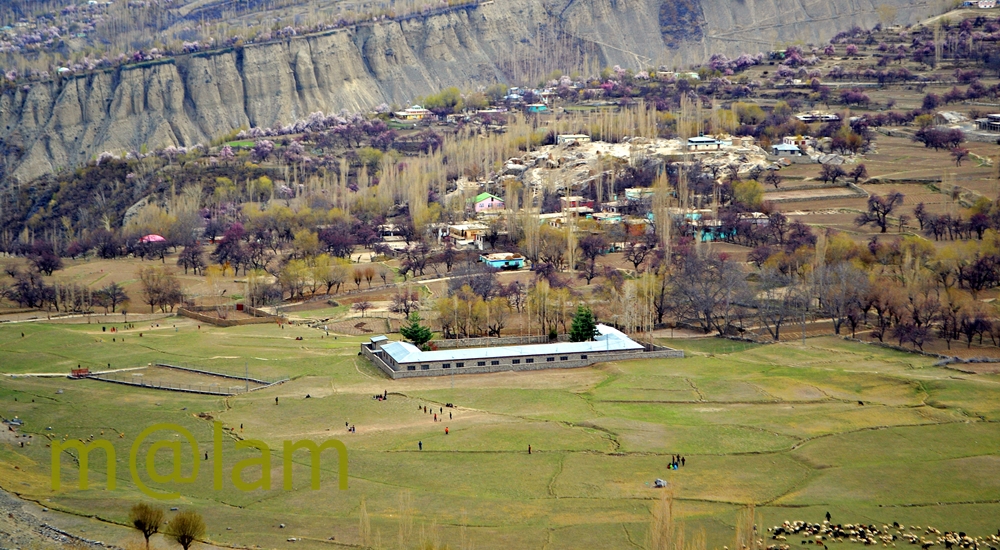
 Chunda Valley – A Hidden Gem in Skardu Chunda Valley in Skardu, Gilgit-Baltistan, is a hidden gem, nestled amidst the majestic Karakoram Range. Sitting in the lap of snow-crowned mountains, relatively untouched by mainstream tourists, it is one of the most favorite tourist spots in Gilgit-Baltistan captivating visitors with its breathtaking beauty. The valley not only boasts a spectacular landscape – snow-crowned mountains, lush green meadows with crystal clear streams, and traditional houses adorned with orchards – but also offers impressive scenery of Skardu town itself. Located 3000m above sea level, Chunda is accessible only at a short distance of about one hour’s adventurous drive from Skardu downtown. A Vibrant Tourist Attraction Famous among both domestic and international tourists, Chunda Valley is now a vital part of the tour plan for general tourists and tour operators as a short excursion from the town of Skardu. The valley is famous for its picturesque landscapes greeting visitors with a stunning combination of towering mountains surrounded by a lush green landscape of carpeted fields. Chunda offers multiple viewpoints where one can witness the grandeur of the Karakoram Mountains. Photographers will find countless opportunities to capture the awe-inspiring scenery, both of the Chunda Valley and also the town of Skardu and the wide stretch of Indus guarded by mountains. These meadows provide an excellent spot for picnics, relaxation, and photography. Seasonal Beauty Known for its unique beauty, Chunda Valley showcases diverse colors of nature in the four distinct seasons. In the blossom season, starting late February or early March and continuing till the end of April in Gilgit-Baltistan, it is blanketed with blooming flowers presenting a heavenly charm. The valley is a great retreat during summers, from May till September, and provides magnificent views of the entire stretch of Skardu from the viewpoint. Autumn, mid-October till mid-November, presents a brief season but extremely colorful and the valley allures nature enthusiasts and photographers to appreciate its myriads of colors. The autumn season is particularly remarkable, with the valley covered in vibrant shades of orange, yellow, and red. This period is ideal for photography, offering an enchanting setting for capturing the beauty of the valley. Winters blanket the valley in white and that’s again a unique time to visit. Local Hospitality The residents of Chunda Valley are known for their warm hospitality and simple, yet rich, way of life. Visitors to Chunda Valley therefore have the chance to immerse themselves in the local culture. The valley is home to a small, traditional community that preserves its cultural heritage and customs. Travelers can interact with the locals, learn about their way of life, and even enjoy traditional Balti food. Hospitality is a central part of the culture, and guests are often welcomed with open arms. Their cultural practices and traditions have been preserved for generations, offering visitors a glimpse into the authenticity of Skardu’s heritage. Engage with locals, participate in traditional festivities, and savor the local cuisine for an immersive experience. Activities to Enjoy in Chunda Valley Day Hikes Chunda Valley is a paradise for adventure enthusiasts. There are several hiking routes for all skill levels, ranging from easy walks to challenging hikes that take visitors to higher altitudes. Some popular trails lead to surrounding peaks and viewpoints, offering breathtaking views of the valley below. Camping under the Stars Camping in Chunda Valley is a truly magical experience. With clear skies and minimal light pollution, the valley provides excellent conditions for stargazing. Many travelers enjoy camping by the riverside or in the open meadows, where they can relax, enjoy a bonfire, and watch the stars at night. Camping is only possible in the environs of the valley providing a scenic view, and not within the valley. Photography and Nature Walks For photographers, Chunda Valley is a treasure trove of natural beauty. The stunning landscapes, lush greenery, and vibrant colors make it an ideal location for both landscape and portrait photography. Nature walks through the valley are equally rewarding, allowing visitors to explore the diverse flora and fauna of the region. Bird Watching and Wildlife Spotting Chunda Valley is home to a variety of bird species and wildlife, making it a paradise for birdwatchers and wildlife enthusiasts. Common sightings include golden eagles, Himalayan snowcocks, and a variety of small mammals. Wildlife photographers will find plenty of subjects to capture in this serene environment. Accommodation Options While Chunda Valley has limited accommodation options, visitors can stay in nearby Skardu, which offers a range of hotels, guesthouses, and lodges. In the valley, there are a few local guesthouses and camping sites. For a more immersive experience, many travelers prefer camping in the valley itself, surrounded by nature. Guesthouses: There are a few small guesthouses within the valley run by locals. These accommodations provide basic facilities but offer a warm and authentic experience. Camping: Camping is a popular choice among visitors to Chunda Valley. The valley has several safe and scenic spots ideal for setting up tents. Travelers are encouraged to bring their own camping gear or rent equipment from Skardu. Hotels in Skardu: For those seeking more comfortable accommodations, Skardu City offers a range of hotels from budget options to mid-range hotels. Visitors can base themselves in Skardu and take day trips to Chunda Valley. Important Travel Tips for Chunda Valley The weather in Chunda Valley can be unpredictable. Visitors should check the weather forecast and pack accordingly. During the colder months, warm clothing is essential as temperatures can drop significantly at night. Certain areas in Gilgit-Baltistan may require travel permits for foreign visitors. It is recommended to check local regulations before traveling. Chunda Valley is home to a close-knit community with deep cultural roots. Visitors are encouraged to respect local customs, dress modestly, and ask permission before taking photographs of people. Due to the high altitude, it is important to stay hydrated and acclimatize properly. It is also recommended to carry essentials like sunscreen, insect repellent, and a basic first-aid kit.
Skardu Tourist Attractions
City Breaks, Gilgit-Baltistan, Tourists Destinations in Pakistan

Skardu Tourist Attractions

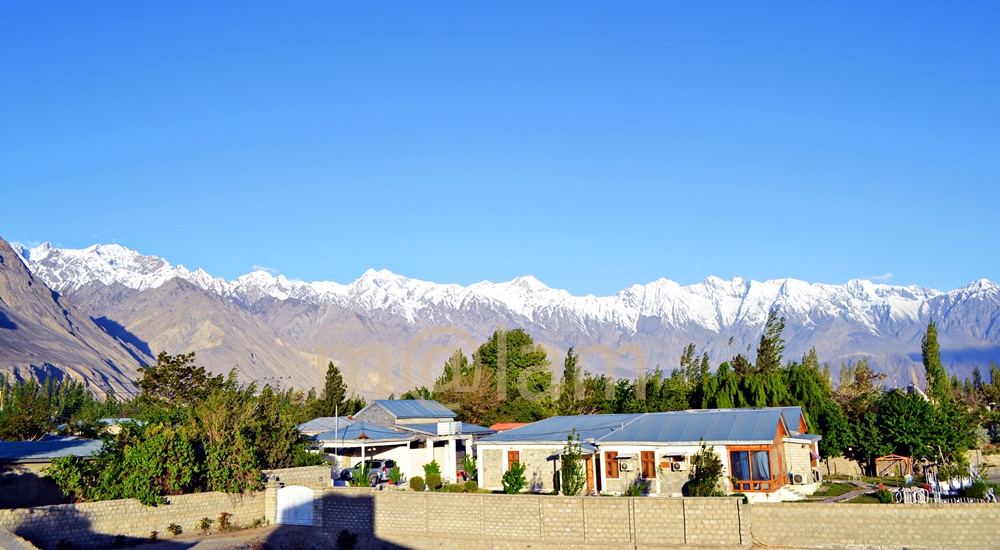
Skardu – A destination beyond imagination Serving as one of the four districts of the Baltistan Division of Gilgit-Baltistan’s three divisions, Skardu is the capital city of Skardu District. Skardu is the primary gateway to the eight-thousanders of Pakistan including K2, Broad Peak, and Gasherbrum Peaks, and is also the threshold to several famous glaciers including the well-known Baltoro Glacier. Nestled at 2500m (8,202 feet) above sea level, along the bank of the Indus River, Skardu presents a harmonious blend of modern amenities and traditional appeal. The valley spans approximately 10 km in width and 40 km in length. Skardu is situated at the convergence of the Shigar River and Indus River. Renowned for its stunning landscapes, towering mountains, and distinctive cultural legacy, the region captivates visitors with its enchanting charm. Encompassed by the Karakoram Range, Skardu affords breathtaking vistas, tranquil lakes, and opportunities for trekking and mountaineering. It boasts extensive tourist attractions catering to nature enthusiasts, adventure seekers, and those intrigued by local customs. Below are some of Skardu Tourist Attractions: Kharpocho Fort  Known as Skardu Fort, the Kharpocho Fort is a significant historical landmark situated atop a rocky hill, towering 40 meters above the main town. Offering sweeping views of the surrounding landscapes, reaching the fort entails a rewarding 30-minute hike. Overlooking the confluence of the Indus and Shigar Rivers, the fort boasts a secret tunnel providing an escape route during emergencies, linking it to the city. Referred to as the “king of forts” in the local Balti language, it served as a military stronghold during various conflicts. Constructed in the late 16th century by King Ali Sher Khan Anchan, the fort features a traditional architectural style, encompassing numerous cozy rooms within its expansive boundary walls. Its intricate woodwork, majestic stonework, and skilled craftsmanship make it a captivating site to explore. Despite suffering damage during the 1948 war in Gilgit-Baltistan, the grandeur of the fort continues to allure thousands of tourists year-round. Nansoq Organic Village Nestled just beyond the famed Kharpocho Fort, The Nansoq Valley represents the inaugural organic village accessible by foot. Commencing from the nearby neighborhood adjacent to Kharpocho Fort, the trek to this picturesque village spans approximately 3 kilometers. It offers a scenic route along the Indus River with breathtaking valley views. The journey typically takes an hour via a gradually ascending path, punctuated by several wooden bridges. Approximately 75 residents, distributed among 17 or 18 families, inhabit Nansoq, embracing the traditional Balti lifestyle characterized by labor-intensive practices and a reliance on organic food. They reside in vintage-style dwellings and predominantly engage in agriculture and farming, utilizing ancient utensils. The village serves as a prime example of cultural preservation and the pursuit of a modest lifestyle. Notably, Nansoq has welcomed distinguished visitors such as Prince Charles, Prince of Wales, and the Duchess of Cornwall, underscoring its significance as a unique cultural enclave. Italian K2 Museum    The K2 Museum is a distinctive pyramid-style tent museum situated in the garden of the PTDC Motel in Skardu. It is just a 5-10 minute stroll from the city center. Sponsored by the Italian government and established in 2004, the museum commemorates the first successful summit of the treacherous K2 Mountain by an Italian expedition in 1954, led by Arditio Dezio. Dedicated to the Pakistani people and mountaineers worldwide, the museum houses a vast collection of historical data, maps, documentaries, and geographical and cultural insights about K2 Mountain and earlier expeditions to remote Baltistan, led by De Filippi. Additionally, it showcases local customs and traditional attire. The PTDC Motel itself serves as a testament to the rich climbing and hiking history in the mighty mountains of Skardu. With its wealth of exhibits and immersive experiences, the K2 Museum stands out as a remarkable tourist attraction for visitors. Manthal Buddha Rock The Manthal Buddha Rock, a sizable granite formation adorned with Buddha carvings dating back to the 8th century, resides 3 kilometers from Sadpara Road in Manthal Village, Skardu. This iconic rock boasts a prominent central carving of Buddha, flanked by two standing Metreyias (future Buddhas) and encircled by twenty small Bodhisattvas (disciples). Before Buddhism’s advent in the 4th century, Baltistan was steeped in Shamanism. Monks from northern India arrived and erected monasteries during the reign of the Palolashahi kingdom. Despite the Tibetan conquest in the 8th century, Buddhism thrived, marking the Upper Indus Valley’s “Golden Era of Buddhism” from the 8th to the 10th centuries. However, the arrival of Ali Hamadani and his followers from Iran in the 14th century transformed the region’s landscape. Buddhism waned, and places of worship fell into disrepair as Islam gained traction. By the 15th century, the region had transitioned into a predominantly Muslim state. Satpara Lake Located near Skardu, Satpara Lake is a serene and picturesque destination enveloped by towering mountains. It offers an ideal setting for boating and soaking in the natural splendor. Positioned at an impressive altitude of 2,721 meters (8,927 feet) above sea level, Satpara Lake stands out prominently amidst the rugged terrain of Skardu Valley. Fed by the Satpara stream, originating from the melting ice of Deosai Plains, the lake boasts a picturesque island that provides a tranquil retreat. With its turquoise waters set against the backdrop of lofty peaks, Satpara Lake attracts tourists from around the globe. Accessible via a 20-minute jeep ride from Skardu, it remains a popular destination for nature lovers seeking solace and scenic beauty. Katpana Desert The Katpana Desert, also known as the Cold Desert or Biama Nakpo, is a high-altitude desert near Skardu town in Gilgit-Baltistan, Pakistan. Positioned at 2,226 meters (7,303 ft) above sea level, it ranks among the world’s highest deserts. Located between Skardu airport and the town, it features vast dunes that occasionally receive a dusting of snow in winter. The desert extends from the Indus River south of Skardu to New Ranga Village in the north, with the section near Skardu town being the most famous and visited. The best time to visit is between June and September

Scroll to Top