
Himalayan Mountain Range

Collision point of continental plates on the Karakoram Highway
Gilgit-Baltistan

Collision Point of Continental Plates

Exploring the Collision Point of Continental Plates near Chalt Valley In the heart of Gilgit-Baltistan, Pakistan, lies a hidden geological wonder: the collision point of continental plates. The site is located on the Karakoram Highway, just 53 kilometers north of Gilgit town. This extraordinary site has a rich history and undeniable significance. The intriguing collision of Indian and Eurasian continental plates gave birth to the majestic Himalayan mountain range and the Tibetan plateau some 50 million years ago. The Ancient Tectonic Drama: The Genesis of a Geological Marvel Over 40-50 million years ago, the Indian subcontinent was in fact an isolated landmass. It was basically separated from Asia by the vast Tethys Ocean. As tectonic forces began reshaping the Earth’s surface, India embarked on a northward journey towards Asia. This movement, which commenced around 200 million years ago, witnessed India covering a staggering 6,400 kilometers while remaining disconnected from the Asian continent. Around 50 to 40 million years ago, the pace of India’s northward drift gradually slowed to a more deliberate 4-6 centimeters per year. This deceleration marked the onset of a momentous collision between the Indian and Eurasian continental plates. The Birth of Majestic Peaks As the Indian plate eventually collided with the Eurasian plate. As a result, geological forces unfolded a remarkable transformation. The Eurasian plate crumpled and buckled above the Indian plate, eventually leading to the thickening of the continental crust. This dramatic upheaval gave rise to the towering Karakoram Mountains, proudly adorning the landscape of Gilgit-Baltistan. The crust in this region, therefore, is twice as thick as the global average, marking the cessation of volcanic activity. To this day, the Indian plate continues its northward push into the Eurasian landmass, causing these majestic mountains to ascend by about seven millimeters each year. Unlocking the Geographic Treasure Regrettably, the profound geographic significance of the collision point of continental plates remains largely unknown to the people of Gilgit-Baltistan. It remained unnoticed until recently when informative signboards were installed for the benefit of tourists and locals alike. These signboards particularly serve as educational tools, shedding light on the area’s significance. However, there is untapped potential here. The site, with its unique mountain formation, could become a prominent picnic spot, attracting visitors from far and wide. Moreover, remnants of the ancient Silk Route can still be observed on the other side, hinting at the region’s historical importance. Plans to renovate the ancient Silk Route are in the works, with the aim of promoting tourism in this captivating region. The Mystical Realm of Local Beliefs Locals have bestowed upon the collision point a name of its own, Bidru-Kha. However, mostly “Chalt Xhang” mostly signifies its threshold-like existence. This unique site is steeped in local legends and traditions. For instance, as a bride and groom pass through this point on their wedding day, locals perform sacrificial rituals involving chickens, goats, or other animals to appease the spirits. Additionally, local shamans believe that this place serves as a portal connecting three worlds: the realm of spirits or the upper world, the material human world, and the underworld of souls and the deceased. This spiritual significance adds another layer of intrigue to this already fascinating location. A Weather Oracle Beyond its geological and cultural significance, the collision point also plays a role in weather prediction. The climatic conditions above this particular point serve as a barometer for the lower parts of the Hunza Valley. An overcast sky may signal impending rain, while patches of blue amidst the clouds suggest clear skies ahead. The collision point of continental plates near Chalt Valley is a multifaceted wonder. It embodies the Earth’s tumultuous history and offers a glimpse into local traditions and legends. At the same time, this site even plays a role in forecasting the weather. As awareness of this unique site grows, it has the potential to become a must-visit destination, drawing adventurers, geology enthusiasts, and curious travelers from around the world.

Collision Point of Continental Plates Read Post »
, , , , , , , , , , , , , , , , , ,
Pir Chinasi
Kashmir

Pir Chinasi

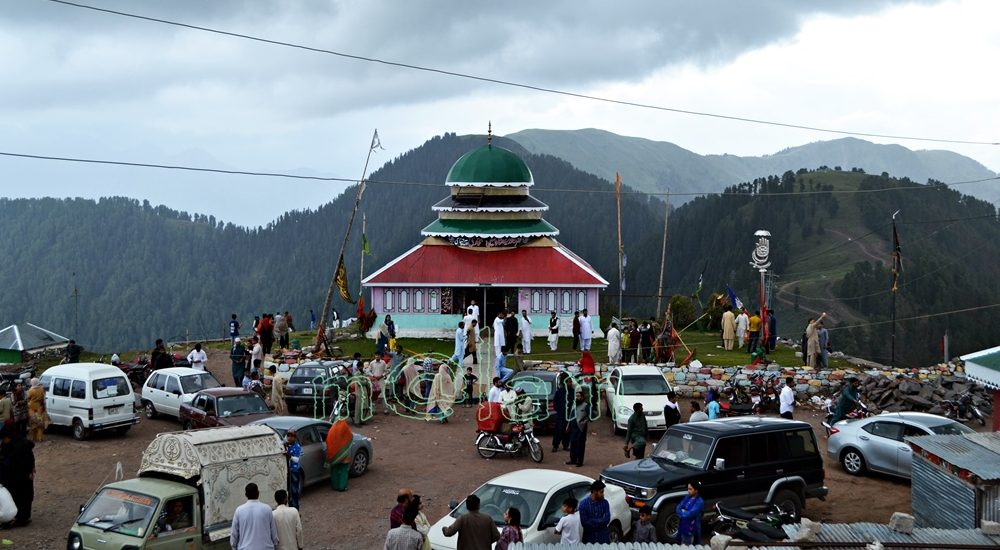
Explore the Magic of Pir Chinasi: A Hidden Gem in Azad Jammu & Kashmir Pir Chinasi is a renowned hill station nestled in the heart of the Muzaffarabad district. It serves as a captivating jewel in the crown of Azad Jammu & Kashmir, Pakistan. It is named after the revered saint Pir Syed Hussain Shah Bukhari, whose shrine, or Ziyarat, graces the hill’s summit. Pir Chinasi undoubtedly offers a mesmerizing vista of snow-clad mountain peaks and the enchanting city of Muzaffarabad, surrounded by picturesque rural valleys. This hidden gem beckons both local and international tourists, attracting thousands with its undeniable charm. Easy Access to Paradise Perched at an impressive elevation of 2,900 meters (9,500 feet) above sea level, Pir Chinasi is accessible via a thrilling 30-kilometer serpentine road originating from Muzaffarabad. This well-paved route, aptly named Pir Chinasi Road, usually remains open, except during adverse weather conditions or landslides. The journey from Muzaffarabad typically takes about an hour and a half. It offers travelers a captivating ascent replete with over 30 hairpin turns and photogenic viewpoints. The experience culminates in a unique opportunity to witness a breathtaking sunset from the hill’s summit. For travelers venturing from Rawalpindi and Islamabad, Pir Chinasi presents an enticing day trip option with careful planning. Covering the 130-kilometer distance from Islamabad to Muzaffarabad can be achieved in approximately 3 to 4 hours, followed by an additional hour and a half to reach the hilltop. With efficient time management, it’s possible to make the journey from Islamabad to Pir Chinasi in just 5 hours, affording ample time for exploration and enjoyment. Culinary and Accommodation Considerations While timely and hygienic dining options at the hill’s summit may not be guaranteed, finding comfortable overnight accommodations can be challenging due to the limited availability of lodging facilities unless prior arrangements are made. For those contemplating an overnight stay, it is advisable to carry personal camping equipment, including tents, mattresses, and sleeping bags. A World of Activities Awaits Upon reaching the summit, visitors are enveloped in an atmosphere of exhilaration and tranquility, simultaneously. Additionally, the panoramic view from this sky-high location offers a 360-degree spectacle of the majestic mountains, nestled at the foothills of the Himalayas, and the winding valleys cradling Muzaffarabad city. During the summer months, Pir Chinasi dons a lush green coat, adorned with pine and oak trees, creating a breathtaking backdrop against the pleasant weather. In contrast, winter transforms the hilltop into a glistening wonderland, with a pristine white blanket of snow, showcasing the awe-inspiring wonders of nature. Travelers can partake in various activities while at this hill station: 1. Trekking: For enthusiasts willing to explore trekking trails, it’s essential to have prior knowledge of the routes. A recommended trek leads to Pir Asmar, a four-hour journey through captivating terrain. 2. Camping: Travelers planning an overnight stay should carry essential camping gear, including tents, mats, and sleeping bags, and make suitable food arrangements. 3. Paragliding: Pir Chinasi boasts several ideal spots for experienced gliders to take off and experience the thrill of paragliding. 4. Photography: With its ever-changing natural hues across the four distinct seasons, Pir Chinasi is a photographer’s paradise, offering an array of captivating shots. Essentials to Pack Before embarking on your Pir Chinasi adventure, ensure you have the following items: Computerized National Identification Card (CNIC) Altitude sickness medicine Sunburn cream and sunglasses Umbrella/raincoat Sturdy shoes and warm clothing for winter visits Water bottle Snacks and refreshments Camera or cell phone to capture the memories A Glimpse of the Climate Summers at Pir Chinasi are characterized by cool and pleasant weather, making it an ideal time to visit. However, winters, particularly from December to January, can be harsh. During winters, temperatures drop to as low as -5°C, creating a winter wonderland. Choosing the Right Transportation Various types of vehicles, including public transport vans, can make it from Muzaffarabad to Pir Chinasi. However, it is highly recommended to opt for a 4WD vehicle for a more comfortable and adventurous journey. Important Travel Considerations It’s crucial to note that due to ongoing geopolitical issues, travelers should check the State Department and CDC websites for the latest travel advisories. Foreigners are generally not allowed to travel to Muzaffarabad without a valid No Objection Certificate (NOC) from the Ministry of Interior in Islamabad. Pir Chinasi stands as a hidden gem in Azad Jammu & Kashmir, offering a captivating blend of natural beauty, adventure, and tranquility. Whether you’re seeking a thrilling day trip or an overnight escapade, Pir Chinasi promises an unforgettable experience amidst nature’s splendor. Plan your journey carefully, pack your essentials, and embark on an adventure to this enchanting hill station that is sure to leave you spellbound.

Pir Chinasi Read Post »

, , , , , , , , ,
Scroll to Top