Tourism

Collision point of continental plates on the Karakoram Highway
Gilgit-Baltistan

Collision Point of Continental Plates

Exploring the Collision Point of Continental Plates near Chalt Valley In the heart of Gilgit-Baltistan, Pakistan, lies a hidden geological wonder: the collision point of continental plates. The site is located on the Karakoram Highway, just 53 kilometers north of Gilgit town. This extraordinary site has a rich history and undeniable significance. The intriguing collision of Indian and Eurasian continental plates gave birth to the majestic Himalayan mountain range and the Tibetan plateau some 50 million years ago. The Ancient Tectonic Drama: The Genesis of a Geological Marvel Over 40-50 million years ago, the Indian subcontinent was in fact an isolated landmass. It was basically separated from Asia by the vast Tethys Ocean. As tectonic forces began reshaping the Earth’s surface, India embarked on a northward journey towards Asia. This movement, which commenced around 200 million years ago, witnessed India covering a staggering 6,400 kilometers while remaining disconnected from the Asian continent. Around 50 to 40 million years ago, the pace of India’s northward drift gradually slowed to a more deliberate 4-6 centimeters per year. This deceleration marked the onset of a momentous collision between the Indian and Eurasian continental plates. The Birth of Majestic Peaks As the Indian plate eventually collided with the Eurasian plate. As a result, geological forces unfolded a remarkable transformation. The Eurasian plate crumpled and buckled above the Indian plate, eventually leading to the thickening of the continental crust. This dramatic upheaval gave rise to the towering Karakoram Mountains, proudly adorning the landscape of Gilgit-Baltistan. The crust in this region, therefore, is twice as thick as the global average, marking the cessation of volcanic activity. To this day, the Indian plate continues its northward push into the Eurasian landmass, causing these majestic mountains to ascend by about seven millimeters each year. Unlocking the Geographic Treasure Regrettably, the profound geographic significance of the collision point of continental plates remains largely unknown to the people of Gilgit-Baltistan. It remained unnoticed until recently when informative signboards were installed for the benefit of tourists and locals alike. These signboards particularly serve as educational tools, shedding light on the area’s significance. However, there is untapped potential here. The site, with its unique mountain formation, could become a prominent picnic spot, attracting visitors from far and wide. Moreover, remnants of the ancient Silk Route can still be observed on the other side, hinting at the region’s historical importance. Plans to renovate the ancient Silk Route are in the works, with the aim of promoting tourism in this captivating region. The Mystical Realm of Local Beliefs Locals have bestowed upon the collision point a name of its own, Bidru-Kha. However, mostly “Chalt Xhang” mostly signifies its threshold-like existence. This unique site is steeped in local legends and traditions. For instance, as a bride and groom pass through this point on their wedding day, locals perform sacrificial rituals involving chickens, goats, or other animals to appease the spirits. Additionally, local shamans believe that this place serves as a portal connecting three worlds: the realm of spirits or the upper world, the material human world, and the underworld of souls and the deceased. This spiritual significance adds another layer of intrigue to this already fascinating location. A Weather Oracle Beyond its geological and cultural significance, the collision point also plays a role in weather prediction. The climatic conditions above this particular point serve as a barometer for the lower parts of the Hunza Valley. An overcast sky may signal impending rain, while patches of blue amidst the clouds suggest clear skies ahead. The collision point of continental plates near Chalt Valley is a multifaceted wonder. It embodies the Earth’s tumultuous history and offers a glimpse into local traditions and legends. At the same time, this site even plays a role in forecasting the weather. As awareness of this unique site grows, it has the potential to become a must-visit destination, drawing adventurers, geology enthusiasts, and curious travelers from around the world.

Collision Point of Continental Plates Read Post »

, , , , , , , , , , , , , , , , , ,
Impact of tourism
Blogs

Impacts of Tourism

Tourism has strong direct, indirect and induced impacts on local communities either positive or negative in aspect. The scale of impacts of tourism can often vary from country to country based on the structure of the tourism sector and how well tourism activities are linked with the local economy. The positive and negative impacts of Tourism industry can be classified into three major areas called the socio-cultural impact, economic impact, and environmental impact. Below are the details.SOCIO-CULTURAL IMPACT Tourism may have diverse impacts on the socio-cultural aspects of life in a particular region depending on the strengths of the region. The impacts can be both positive and negative in nature. The socio-cultural impacts are the social changes in the lives of local residents, improvements and development of infrastructure, interactions between peoples and culture background, attitudes and behaviours, and their relationships to material goods. The introduction of tourists to sensitive areas can be damaging, cause a loss of culture, and may contribute to the preservation of culture and cultural sites through increased resources. Positive Impacts of Tourism on Society Infrastructure development benefitting the local population. Awareness of the superfluous customs prevailing in the region. Helps eradicate poverty by promoting the local arts and crafts produced by the local people. Fosters a sense of pride among locals. Helps strengthen bonds among communities. Helps establish peace and security through understanding and helps release stress Prevent urban centralization Helps conserve culture and tradition Restrains migration because of business/employment opportunities locally. Helps maintain part-time activities due to the creation of multiple opportunities. Promote safety as institutions feel it important to safeguard tourists and stakeholders.  Negative Impacts of Tourism on Society Hinders cultural freedom. Deters the life of the local population because of congestion, noise, and pollution. Promotes social evils like alcoholism, drug addiction, and prostitution in the local society. Displacement of locals to create new accommodation and recreation facilities. Cause of spread of contagious diseases. Distortion of community structure, family relationships, collective traditional lifestyles. Devaluation of unique artefacts Increased child labour due to growth ECONOMIC IMPACT The economic impact can be measured in terms of monetary benefits and the overall economic development of the society. Economic impacts are usually observed as positive because of its contribution to employment, better services, and social stability. At the same time, these impacts can also contribute to high living costs within the community leading to rising costs for locals and push local business out of the areas. Positive Impacts of Tourism on Economy Tourism (inbound and domestic) helps to generate revenue from foreign shores. Create job opportunities. Stimulate the development of infrastructure. Generates opportunities for small-scale local businesses. Contributes to exchange earning Helps increase government revenues through tax Negative Impacts of Tourism on Economy Tourism (outbound) creates economic leakage. Create a sense of dependency on the customer or economic recession. Promote parallel economies. Expenses for development Import of particular food items International investor intervention ENVIRONMENTAL IMPACT Besides its impact on national and local economies, the tourism sector has a strong environmental aspect that must be considered. Tourism’s environmental impact refers to its impact on nature and surrounding areas which collectively make up tourism attractions in a particular destination. Environmental impacts basically affect the overall carrying capacity of a destination, natural cycle, flora and fauna, vegetation, air quality, water bodies and the water tables. Positive Impacts of Tourism on Environment Promotes investment in the conservation of natural habitats and the ecosystem. Contributes to the stability of the ecosystem. Discourages deforestation and over-fishing in water bodies in developing countries. Contributes to creating awareness of the value of the environment for humans. Helps produce an alternative to natural resources Helps lead a better quality of life Negative Impacts of Tourism on Environment Promotes vandalism, littering and littering. Makes way for the destruction of wildlife and vegetation. Invites air, and water pollution and disturbs animal and marine life. Creates a large carbon footprint. Creates a sense of dependency on natural resources. Causes depletion of natural resources Disturbs natural habitat of wildlife  

Impacts of Tourism Read Post »

, , , , ,
Tourism
Blogs

Tourism

TOURISM – A BRIEF OVERVIEW “Tourism” is a concept coined lately as compared to “Travel” which has roots deeply penetrated into the human history. Travel has fascinated man from the very beginning. In fact, from the ancient times, travel has been an important social activity of human. People traveled on foot to hunt, to explore or perform religious obligations. Moreover, food, shelter, and trade were some of the major drives to make people travel. Human endeavor to explore bounties of the lord was somewhat limited in ancient times. Gradually, human desire to explore new places within the respective realm or beyond the borders, to seek nature’s bounties and pleasure of life, to experience the diversity and the desire to be educated became the essential part of life. With the steady development in communication and technology over the years, a phenomenal increase in the volume of travel and human interest to explore alien places has further developed. The idea of sailing, the invention of the wheel, the creation of engine, the beginning of commercial airlines, development of infrastructure and the advancement in technology have all brought about phenomenal changes in the travel industry. Likewise, along with scientific discoveries, the socio-economic progress of humans in different societies has also further improved. The term “tourism” was coined only in recent years and the status of the industry was given to the field after its rapid growth and contribution observed towards human wellbeing. During the last two centuries, the evolutions and fast development of communication and technology helped tourism take new heights. Thus, in the long journey from a dramatic start to quick development patron tourism was defined from diverse perspectives. Before going any further, let’s first differentiate the two basic notions Travel and Tourism. DIFFERENCES BETWEEN TRAVEL AND TOURISM The terms “Travel” and “Tourism” are often used interchangeably but Tourism as a subject is a wider concept than Travel. Tourism encompasses a lot more than Travel alone though Travel is an older notion and remained a strong basis for Tourism to evolve. Tourism is the journey to and the stay at a destination outside one’s usual place of residence as well as the activities undertaken for leisure and recreation whereas Travel infers journeys undertaken from one place to another for any purpose including work, leisure and/or residence. This implies all tourism includes some travel, but not all travel is tourism. WHAT IS TOURISM? Many of us at some point in our lives must have been tourists yet defining it can still be slightly difficult. Despite its growing importance, there is still no harmony on a single definition of tourism because of its multidisciplinary nature.  Tourism is a dynamic and ever-developing industry giving birth to new niches and requiring the ability to adapt constantly with respect to change in time, technology, the behavior of tourists/consumers, and a variety of other factors that directly or indirectly impact tourism. Although tourism is defined in different ways by each institution, yet the essence can be explained in a crux as: “Tourism is a collection of activities, services, and industries which deliver a travel experience comprising transportation, accommodation, eating and drinking establishments, retail shops, entertainment businesses and other hospitality services provided for individuals or groups traveling away from home” Likewise, leading and conventional institutions have defined tourism in their own perspective. However, to prevent the disagreement, UNWTO defined tourism as: “Tourism comprises the activities of persons traveling to and staying in places outside their usual environment for not more than one consecutive year for leisure, business, and other purposes”.WHY IS TOURISM IMPORTANT? Tourism is a hope. It has become one of the fastest growing industries in the world, even surpasses oil, food, and automobile industries. It has a strong impact on the development accounting for 10 percent of the global GDP and contributing towards the generation of every 11th job. It is now a significant source of income generation, poverty alleviation, foreign exchange earnings, and promotion of cross-border cooperation, and cross-cultural understanding. Tourism is an extensive subject and has multidimensional impacts. Its contribution to economic well-being depends on the quality of its offers and revenues generated through offers. The course of tourism activities and operations are linked with and have a strong impact on three major areas including economic, socio-cultural, and environmental which have both positive and negative impact.  

Tourism Read Post »

, , , , ,
Tourism in Pakistan
Blogs

Tourism in Pakistan

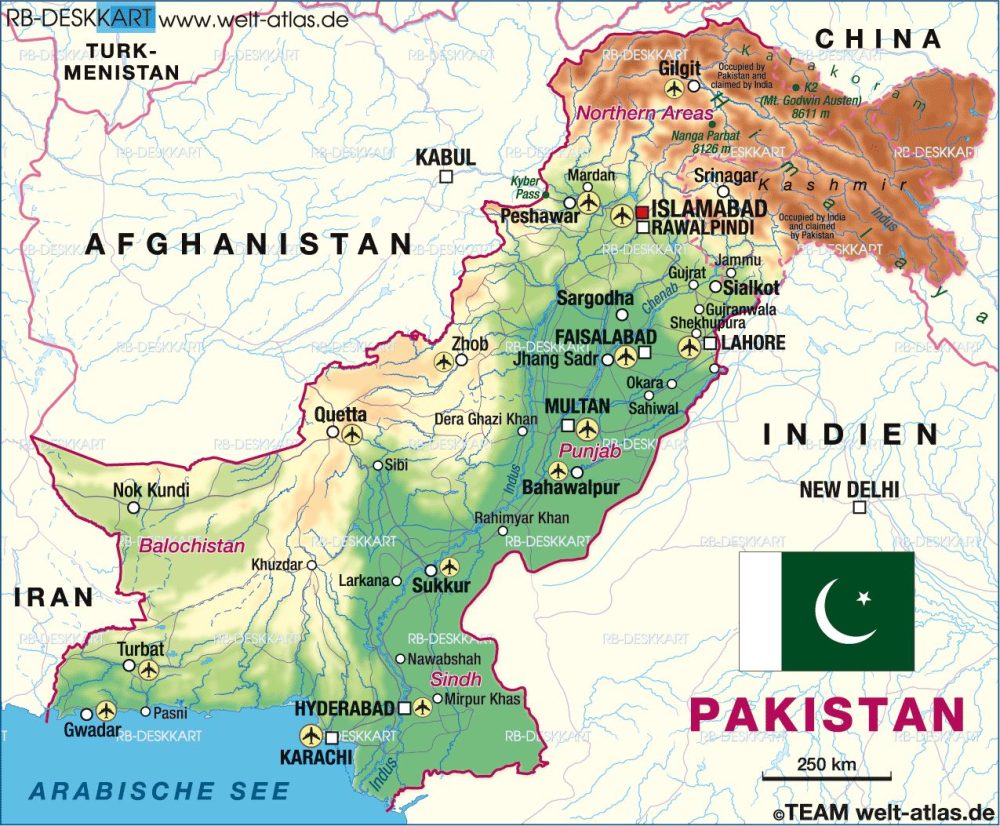
Unlocking Pakistan’s Tourism Potential: A Journey Through Its Natural and Cultural Wonders Pakistan is a country abundant in tourist attractions that can help improve Tourism in Pakistan. By potentially marketing its available resources and adopting a tourism-friendly policy, this country can become the top tourist destination in the world. Undoubtedly, its unique terrain, cultural diversity, vibrant history, variety of cuisines, distinct weather patterns, and welcoming people can make it a distinctive country in the world. Discovering Pakistan’s Diverse Landscape Pakistan is a country nestled between the formidable Himalayan Mountains in the north and the serene Arabian Sea coastline in the south. Overall, the country is a treasure trove of natural and cultural wonders in an expansive 796,095 square kilometers. Pakistan’s approximately 240 million people boasts a rich tapestry of attractions, making it a prime destination for tourists worldwide. Geography and Accessibility The country is positioned strategically on the world map. Geographically, Pakistan shares its borders with China to the northeast, India to the southeast, Afghanistan to the north and northeast, and Iran to the southwest. In addition, its 1046-kilometer coastline along the Arabian Sea completes its geographical diversity. Accessibility to Pakistan is facilitated through international flights, with Pakistan International Airlines (PIA) offering direct connections to the US, Canada, Europe, the Middle East, and China. Likewise, international carriers such as Emirates, Qatar Airways, and Turkish Airlines serve major Pakistani airports in Islamabad, Lahore, Peshawar, and Karachi, connecting the nation to the world. A Glimpse into Pakistan’s Tourism History Pakistan’s journey in the tourism sector has been a tumultuous one. Following the partition of the subcontinent, tourism was initially administered by the Ministry of Railways until 1955. Later transitioned to the Ministry of Commerce in 1964. Subsequently, it became part of the Civil Aviation Department before the establishment of the Tourism Development Corporation of Pakistan (TDCP) and the Ministry of Tourism in 1972. However, between 1977 and 1996, tourism was placed under the Ministry of Culture, Sports & Tourism. A dedicated Ministry of Tourism was established in 2004. Despite these bureaucratic changes, Pakistan’s tourism sector faced challenges in realizing its full potential, with limited policy support and insufficient attention. The 18th Amendment further devolved tourism to the provinces, resulting in neglect and missed opportunities. The Golden Era of Pakistani Tourism The zenith of Pakistan’s tourism industry was witnessed during the 1970s, 1980s, and mid-1990s. It was the time the country welcomed a record number of international tourists, primarily from Europe and America. Pakistan was celebrated as a premier tourist destination, celebrated for its breathtaking natural beauty and captivating cultural heritage. Unforgettable Attractions During this period, international tourists flocked to Pakistan to explore iconic destinations such as Karachi’s monuments and beaches, Lahore’s Mughal treasures, Peshawar’s legendary Khyber Pass, Taxila’s ancient ruins, and the bustling bazaars of Rawalpindi. Cultural enthusiasts marveled at Chaukandi tombs, Makli Hills, Shah Jahan Mosque in Thatta, Mohenjo-Daro, Bahawalpur’s palaces and forts, Multan’s shrines, Swat’s Buddhist heritage, Rohtas Fort, and the mesmerizing salt mines. Adventure seekers were drawn to the scenic valleys of Gilgit-Baltistan and Chitral. Particularly the enigmatic Kalash tribe, the awe-inspiring Karakoram Highway leading to the Pak-China border at Khunjerab, and exhilarating trekking and mountaineering expeditions through the northern mountainous terrain. Economic Prosperity Through Tourism The flourishing international tourism industry stimulated growth across various sectors. Airlines, hotels, restaurants, travel companies, tour operators, and transportation services all thrived. Museums, forts, ancient sites, souvenir shops, and other tourist-related businesses enjoyed consistent income streams. The ripple effect of international tourism contributed to a sense of prosperity and contentment across the country for over two decades. The Downfall: Challenges and Setbacks However, the turn of the century brought unfortunate setbacks to Pakistan’s tourism industry. Events such as the tragic 9/11 incident had a devastating impact on international tourist arrivals. The subsequent “war on terror” painted Pakistan as a hotbed of terrorism, tarnishing its image on the global stage. This negative perception led to a decline in inbound tourism, causing many tourism-related businesses to scale down or close. Efforts to revive international tourism were slow to materialize. Biased media portrayal exacerbated the situation, creating significant challenges for the government, tourism stakeholders, and the public. Efforts to Revive Tourism Despite these challenges, various initiatives were launched at home and abroad to rekindle international interest in Pakistan as a tourist destination. “The Guardian” published “The top five tourist sites in Pakistan” after the devastating earthquake of 2005.  Taxila, Lahore, Lake Saif ul Muluk, Karakoram Highway, and Karimabad were the key focus as attractions. In 2007, Pakistan initiated the “Visit Pakistan” marketing campaign. This year-long effort featured fairs, festivals, sporting events, arts and crafts shows, folk festivals, and historical museum openings. These efforts gained international recognition when The World Economic Forum’s Travel & Tourism Competitiveness Report ranked Pakistan as a top 25% tourist destination for its World Heritage sites in 2009. Despite these achievements, the tourism industry experienced fluctuations, partly due to global economic crises. The Vital Role of Stakeholders Private tour operators played a crucial role in maintaining international connections through electronic and social media promotion. They also actively participated in major international tourism fairs like ITB and WTM. Pakistani missions abroad can enhance their role by promoting the country’s attractions on embassy websites and participating in international tourism fairs. Simplifying the visa process is another critical step. Successful tourism economies like China, India, Iran, and Nepal owe their success to government support, tourism-friendly policies, and effective destination marketing. Pakistan must follow suit by efficiently marketing its tourism treasures through various media channels. Challenges and Competitors Challenges persist as competitors invest in activities that discourage tourism to Pakistan, resulting in travel advisories from potential markets. This diminishes inbound tourism and foreign exchange earnings. Pakistan’s Abundant Attractions Pakistan’s unique geographical location, spanning from the Arabian Sea to the majestic K2, offers an unparalleled array of attractions. Scenic valleys, vast deserts, golden beaches, tranquil lakes, flowing rivers, diverse flora and fauna, rich cultures, ancient ruins, and captivating man-made structures make Pakistan a truly exceptional destination. Coastal

Tourism in Pakistan Read Post »

,
Scroll to Top