
Gilgit Tourist Attractions
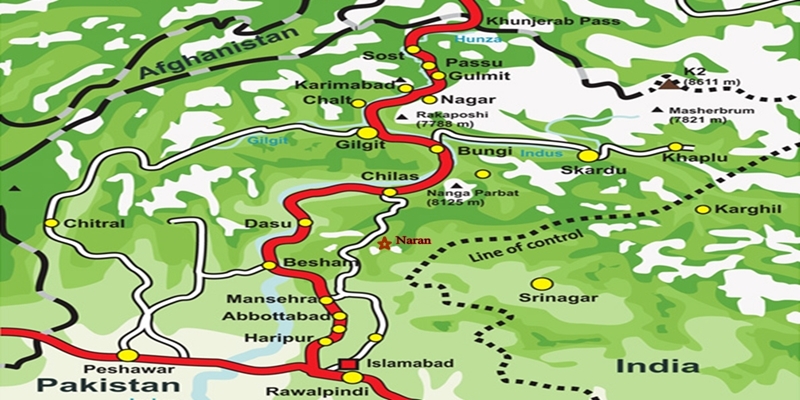
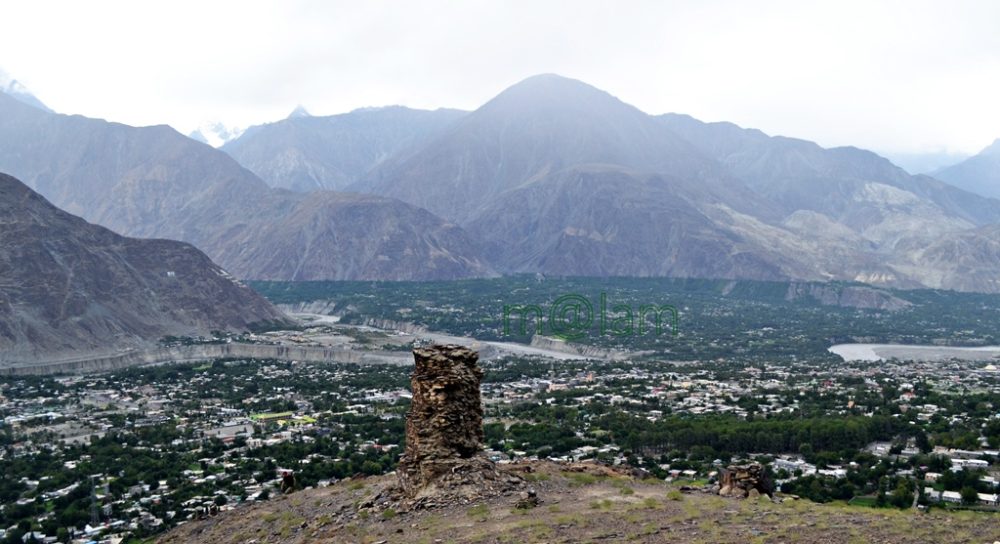
Exploring the Enchanting Gilgit Tourist Attractions: A Journey Through Time and Beauty Gilgit Tourist Attractions: Unveiling the Treasures Within The Gilgit Tourist Attractions comprise key places of interest with cultural and historical backgrounds or adventurous in nature that visitors consider to experience with a keen interest. Gilgit is a mesmerizing gem nestled amidst the grandeur of majestic mountains. It undoubtedly holds within its heart an array of remarkable landmarks that encapsulate the very essence of history, bravery, and culture. In this captivating voyage, we delve into the core of Gilgit, unveiling its concealed treasures that stand as enduring testaments to the human spirit and legacy. Gilgit Town: A Glimpse into the Past and Present Gilgit Town, the enchanting administrative capital of Gilgit-Baltistan, stands as a living testament to a rich history that traces its origins back to the ancient Silk Route. Perched at an elevation of 1,500 meters (4,900 feet) above sea level, this charming town rests in close proximity to the merging point of the Gilgit River and the Hunza River. With its historical significance intertwined with breathtaking natural splendor, Gilgit certainly emerges as an irresistible haven for explorers in search of a distinctive and enthralling escapade. In fact,the Gilgit Tourist Attractions are mostly located within the town of Gilgit. The Magnificence of Gilgit’s Historical Heritage Drenched in historical significance and adorned with natural marvels, Gilgit unveils extraordinary stopovers for wanderers dreaming of immersing themselves in its opulent heritage and awe-inspiring landscapes. With a spectrum of places to visit, Gilgit Tourist Attractions leave an unforgettable imprint on travelers. Gilgit undoubtedly stands as an alluring sanctuary that captures the essence of exploration and discovery. Let us embark on a journey to unravel some of the premier Gilgit Tourist Attractions that have forever etched their mark on the tapestry of travel. The Victory Monument of Taj Mughal: Echoes of Achievement The 700-year-old Victory Monument of Taj Mughal stands as a commemorative tower with a guarding view of Gilgit town. It measures an impressive 21 feet and 10 inches in height and 14 feet and 4 inches in width. The monument is located on a mountain slope in Gilgit town with breathtaking views of Gilgit and its surroundings. Basically, it was named after Taj-ud-Din Mughal, an Ismaili ruler from Badakhshan, who arrived in Gilgit-Baltistan during the 13th century AD. Therefore, the monument was erected by his soldiers to celebrate his victorious feats. To witness the breathtaking views of Gilgit city, visitors can access the monument on foot from Jutial, near the Serena Hotel. Uprising Memorial Gilgit: A Chronicle of Courage The Uprising Memorial serves as the final resting place of the local heroes of Gilgit who courageously rose against the Maharaja in 1947. The heroic acts of Mohammed Babar Khan and Safiullah Beg of the Gilgit Scouts, and Mirza Hassan Khan of the Kashmir Infantry eventually emancipated Gilgit-Baltistan through a rebellion that led to the arrest of Governor Ghansara Singh on Nov 01, from the Maharaja of Kashmir. Karga Buddha: Carved in Stone, Shrouded in Mystery The legendary Kargah Buddha is a 7th-century Buddha figure carved deep into the solid rock. The three-meter (ten-foot) high imposing Buddha sculpture is located in Kargah Nullah (ravine) about 10km south of Gilgit town in Gilgit-Baltistan, Pakistan. In fact, Karga Buddha was discovered along with ruins of a Buddhist monastery and three stupas about 400 meters upriver from the Buddha itself in 1938-39 following the discovery of so-called Gilgit manuscripts in 1931. Generally, Karga Buddha is considered a key tourist attraction in Gilgit and is famous worldwide. Henzal Stupa: A Gateway to Buddhist Legacy Henzal Stupa, a ruin from the Golden Era of Buddhism in Upper Indus during the 7th to 9th century, calls for preservation to uphold its historical significance for tourists and future generations. The Stupa is located in Henzal, right on the Gilgit-Puniyal road. Agortham Boulder: A Tale of Intrigue and Conspiracy The Agortham Boulder, known locally as “Agortham Giri,” is a massive rock located in the middle of the Gilgit River, just under a suspension bridge. Found in the Amphery area, south of Gilgit city, this Boulder carries a traditional history stating that it was once tied to an iron cage where Agor Tham (locally known as Shri Badat) imprisoned his daughter for conspiring against him. In fact, the daughter had secretly married Azur Jamshed, another man aiming to overthrow her father. Konodas Rock Carvings: Echoes of Civilization’s Footprints The Rock Carvings at Konodas, situated within the premises of Karakoram International University near the Bireno Pul (Danyore Suspension Bridge) in Gilgit, hold a historical significance. Named as Konodas Archeological Site, these rock carvings explicitly feature Totemistic and religious symbols, with some carvings believed to be the work of hunters, particularly Ibex shapes. Danyore Suspension Bridge: Weaving Communities, Bridging Hearts The Danyore Suspension Bridge, also known as Bireno Pul, connects Konodas to Danyore, making it a vital historical structure. The 510-foot-long bridge, in fact, one of the oldest suspension bridges in Gilgit-Baltistan, serves as a significant tourist attraction in Gilgit and is dedicated exclusively to pedestrians and motorcyclists, offering a unique travel experience. Danyore Rock Inscription: Living Chronicle The Danyore Rock Inscriptions, with a history dating back to the 7th and 8th centuries A.D., particularly represent an essential archaeological discovery. The inscribed rock is significantly located within the premises of a private house in Danyore, Gilgit-Baltistan, and is locally known as “Likhitu Giri.” Despite being relatively unknown, it certainly holds immense historical value for those related to archaeology and tourism. Chinese Graveyard Danyore: A Tranquil Resting Place The Chinese graveyard, also known as the Memorial Park or China Yadgar, is located in Danyore. The town of Danyore is located on the KKH about 10km across Gilgit. The graveyard basically serves as the final resting place for Chinese engineers and workers. In fact, the Chinese brave workers who sacrificed their lives during the construction of the renowned Karakoram Highway (KKH) in the 1960s and 1970s are buried here. This cemetery significantly stands as a testament to
Gilgit Tourist Attractions Read Post »