May 2018

Lulusar Lake
Khyber Pakhtunkhwa, Lakes

Lulusar Lake

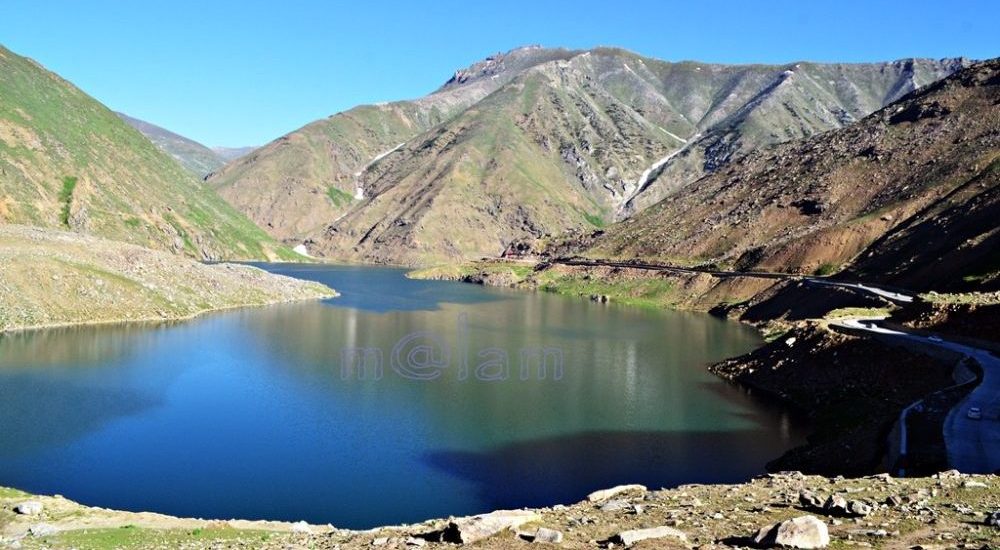
Explore the Enchanting Lulusar Lake in Kaghan Valley, Pakistan Lulusar Lake, undoubtedly a breathtaking natural wonder, stands as a prominent tourist gem in the heart of Kaghan Valley, Khyber Pakhtunkhwa province, Pakistan. Nestled at a lofty altitude of 11,200 ft (3,410 m) above sea level, this pristine lake beckons travelers along the renowned Naran-Babusar road. Its name, Lulusar, pays homage to a majestic mountain, drawing its essence from the Pashtu language, where “Sur” signifies the pinnacle. Easy Accessibility Lulusar is conveniently located just 48 km north of Naran, a mere hour’s drive away. For those embarking on a journey through Naran, a visit to the Babusar Pass and, subsequently, Lulusar becomes an integral part of the itinerary. The road leading to this natural marvel is well-paved and accommodates all types of vehicles. Furthermore, the route offers an array of attractions both on and off the beaten path. Adventurous souls can opt for stylish Willis Jeeps in Naran for day excursions, enhancing their travel experience. Seasons of Wonder The Kaghan Valley, including Lulusar, remains cocooned by snow from November until June, rendering it largely inaccessible during this period. However, as the snow gradually recedes, unveiling the Babusar Pass, domestic and international tourists flock to the region in unprecedented numbers. The Charms of Lulusar Lake Lulusar Lake outshines other lakes in the Kaghan Valley with its impressive expanse. Stretching over 3,400 meters, this natural wonder is nourished by the Kunhar River, originating from the towering Babusar Top. The river winds its way southward, meandering through the picturesque Kaghan valley. It encompasses Jalkhad, Naran vale, Kaghan, Jared, Paras, and Balakot, before converging with the mighty Jhelum River. During the summer months, Lulusar Lake showcases crystal-clear waters, mirroring snow-capped peaks that pierce the azure skies. The lake’s periphery boasts lush grasslands and vibrant wildflowers, often frequented by local cattle herds. A Haven for Nature Enthusiasts Beyond its visual splendor, Lulusar Lake serves as a haven for bird enthusiasts and fishing aficionados alike. The lake bears historical significance, marking the site where 55 brave participants of the 1857 War of Independence were apprehended. A Pivotal Stop on Your Journey For travelers venturing into the enchanting realms of Gilgit-Baltistan during the summer season, the Naran-Gilgit road presents itself as the ultimate route. Shorter by approximately 100 kilometers and adorned with breathtaking vistas, it lures tourists heading towards Fairy Meadows, Gilgit, Hunza & Nagar, and Skardu via the Babusar Pass. Lulusar Lake, especially with its unmatched serenity and captivating scenery, beckons as a must-stop destination along the way. Numerous elevated spots along the roadside offer the finest vantage points for admiring the lake’s ethereal beauty.

Manthal Buddha Rock
Buddhist Heritage of Pakistan, Gilgit-Baltistan, Heritage Sites in Pakistan

Manthal Buddha Rock

Manthal Buddha Rock: A Glimpse into the Golden Era of Buddhism The Manthal Buddha Rock in Skardu stands as a timeless testament to the 9th-century Buddha relief carved into the natural expanse of a massive granite boulder. The rock is nestled on the outskirts of Manthal village with a commanding view of Skardu town. This site undoubtedly holds profound significance as a relic of Buddhism in the Gilgit-Baltistan province of Pakistan. As a renowned tourist attraction and an iconic archaeological treasure, it proudly offers a window into the opulent history of the region. Interestingly, the world remained unaware of the Manthal Buddha Rock until the early 20th century. Jane E. Duncan, a British traveler, documented its existence. This remarkable site is just one among several captivating and enigmatic petroglyphs awaiting discovery in the region. Historical Canvas Before the arrival of Buddhism in the 4th century, Baltistan was steeped in Shamanism. It was the monks from northern India who ventured into the region. They established monasteries during the reign of the Palolashahi kingdom. Buddhism continued to flourish even after the Tibetan conquest of the area in the second quarter of the 8th century. This period, spanning from the 8th to the 10th centuries, is often referred to as the “Golden Era of Buddhism” in the Upper Indus Valley. During this era, Buddhism held sway, leaving its indelible mark on the landscape. Carvings of Buddha adorned numerous rock surfaces throughout Gilgit-Baltistan. These migrants from Gandhara, on their journey through the mountainous terrain of Gilgit-Baltistan, etched various images. The images include stupas, depictions of Buddha, and expressions of their experiences. Some even left behind texts in the Kharoshti language on the rocks. Several notable Buddha carvings, such as the Manthal Buddha Rock in Skardu, as well as carvings of stupas and Buddhist reliefs in Shigar and Khaplu in Baltistan, Kargah Buddha and the Hanzal Stupa in Gilgit, and Haldikish rock carvings near Hunza on the Karakoram Highway, serve as remnants of the Buddhist presence during this flourishing period. During these times, the region stood as the epicenter of Buddhism, with Islam yet to make its presence felt. Though centuries have passed, and Buddhists have vanished from the region, their legacy endures through these rock carvings and petroglyphs. Regrettably, this rich heritage has been largely ignored and nearly forgotten. Transformation and Transition The 14th century witnessed a transformation in the region with the arrival of Ali Hamadani and his followers from Iran. This obviously marked the gradual decline of Buddhism, and its places of worship fell into disrepair. Therefore, the local populace embraced Islam. By the 15th century, the region had become predominantly Muslim. Artistry Etched in Stone The Manthal Buddha Rock, which stands proudly today, was once a site of great significance. It bears witness to a tradition that has long since vanished but still retains the essence of a heritage site. This triangular rock, measuring 20 feet in width and 30 feet in height, is adorned with intricate sculptures and inscriptions from the period of Buddhist reign in the region. The front face boasts a skillful carving of a meditating Buddha, surrounded by 20 Bodhisattvas and two future Buddhas standing on either side. In accordance with Buddhist tradition, the assembly of Buddhas, from the past to the future, is depicted on the Manthal Rock. The name referred to as ‘Mandal,’ from which the village’s name, Manthal, derives. At the apex of the Buddha rock, you’ll find a distinctive black coloring. The four-inch-high and wide hole directly above the meditating Buddha’s head was used as a fireplace, hence the blackened surroundings. A local myth suggests that visitors toss pebbles into this hollow space, believing that success will grant them a wish to come true. The Tibetan script on the rock, although incomplete and challenging to decipher. It remains a puzzle to even the most seasoned experts. It is also believed that there was once a platform for religious ceremonies on the eastern side of the rock. Additionally, the area behind the rock was designated for medical facilities provided by the Lamas. However, the original platform no longer exists, likely washed away by time. Access To The Manthal Buddha Rock Manthal Buddha Rock is located approximately 3 kilometers from Satpara Road, which leads to Satpara Lake in Skardu. Skardu is accessible by road from Islamabad, a journey that takes about 24 hours along the Karakoram Highway. Alternatively, one can opt to fly to Gilgit and continue the journey to Skardu by road, with the travel time expected to reduce once the ongoing Gilgit-Skardu road construction is completed, potentially taking around 3 to 4 hours instead of the current 7 hours, depending on road conditions. Entry Fee: Rs. 500 per person Nearby Tourist Attractions: Upper Kachura Lake Lower Kachura Lake Kharpocho Fort K2 Italian Museum Soq Valley Nansoq Valley Katpana DesertAlso Read: Skardu Tourist Attractions Excursions From Skardu

Phander Valley
Gilgit-Baltistan

Phander Valley

Unveiling the Enchanting Beauty of Phander Valley: A Nature Lover’s Paradise Nestled in the heart of the Ghizer District of Gilgit-Baltistan in Pakistan lies the breathtaking Phander Valley. This hidden gem is renowned for its unrivaled grandeur and sheer natural beauty. What truly sets this valley apart is, in fact, its remarkable display of diverse colors, changing with the seasons. Moreover, the tranquil deep blue rivulet gracefully meandering through the valley’s center adds to the enchantment, creating a scene straight out of a dream. Exploring Phander’s Geography Phander finds its home in the Gupis Valley of Ghizer district, within the mesmerizing Gilgit-Baltistan region. Ghizer district shares its borders with Gilgit District to the east, Hunza-Nagar to the northeast, Diamer to the south, and Chitral district of Khyber Pakhtunkhwa to the west. A Journey Through Nature’s Masterpiece As you embark on a journey through the Ghizer District towards the Shandur Pass, you’ll be greeted by a series of tiny valleys nestled along the Gilgit River. The landscape here is undoubtedly a testament to nature’s creativity, stretching from Gilgit to Lunger near Shandur. Each stretch leading up to Lunger boasts traditional houses surrounded by lush gardens, bountiful fruit orchards, and meticulously terraced fields. Attractions Along the Way The road to Phander Valley is adorned with numerous attractions that promise an enjoyable journey without the slightest hint of fatigue. As your eyes feast on the vibrant green fields, enchanting fruit orchards and gardens, pristine lakes like Khalti Lake and Phander Lake, and the sky-blue river flowing gracefully between valleys connected by suspension bridges, you’ll find yourself immersed in a unique and awe-inspiring experience. Likewise, the clear glacial waters and natural springs that dot the landscape further add to the visual delight. A Mosaic of Cultures Beyond its diverse landscape, Ghizer District boasts a rich tapestry of cultures that make it even more enticing. The residents here speak a multitude of languages, including Shina, Khuwar, Burushaski, and Wakhi, depending on the region. These diverse cultures coexist harmoniously, and the warm and welcoming locals lead simple lives, sustaining themselves primarily through agriculture. The Pinnacle of Scenic Beauty While the entire district is a visual treat, the Phander Valley stands out as a heavenly masterpiece. This bowl-shaped valley is formed by a natural barricade at its eastern end, where the PTDC Motel overlooks the breathtaking Phander Lake. Additionally, a government rest house perched on a ridge offers panoramic views of both the valley and the lake. A Nature Lover’s Paradise Phander Valley boasts a natural setting that is truly one-of-a-kind. Lush plains cover the valley’s base, separated by the calm, deep blue waters gently flowing downstream. These waters further teem with trout, a regional delicacy that every tourist should savor. Easy Access to Paradise Phander is conveniently located approximately 173 kilometers west of Gilgit town, making it easily accessible. The journey typically takes around five hours, depending on the pace. The Gilgit-Chitral road is undergoing reconstruction currently. Upon completion, the journey will be reduced to about 3 hours. For those traveling via Chitral, Phander can also be reached via the scenic Shandur Pass. Phander Valley is a testament to the splendor of nature, offering a harmonious blend of diverse landscapes, rich cultures, and serene beauty. Whether you’re an adventure seeker or a nature enthusiast, this enchanting valley promises an unforgettable experience that will leave you in awe of the natural world’s wonders.

Pir Chinasi
Kashmir

Pir Chinasi

Explore the Magic of Pir Chinasi: A Hidden Gem in Azad Jammu & Kashmir Pir Chinasi is a renowned hill station nestled in the heart of the Muzaffarabad district. It serves as a captivating jewel in the crown of Azad Jammu & Kashmir, Pakistan. It is named after the revered saint Pir Syed Hussain Shah Bukhari, whose shrine, or Ziyarat, graces the hill’s summit. Pir Chinasi undoubtedly offers a mesmerizing vista of snow-clad mountain peaks and the enchanting city of Muzaffarabad, surrounded by picturesque rural valleys. This hidden gem beckons both local and international tourists, attracting thousands with its undeniable charm. Easy Access to Paradise Perched at an impressive elevation of 2,900 meters (9,500 feet) above sea level, Pir Chinasi is accessible via a thrilling 30-kilometer serpentine road originating from Muzaffarabad. This well-paved route, aptly named Pir Chinasi Road, usually remains open, except during adverse weather conditions or landslides. The journey from Muzaffarabad typically takes about an hour and a half. It offers travelers a captivating ascent replete with over 30 hairpin turns and photogenic viewpoints. The experience culminates in a unique opportunity to witness a breathtaking sunset from the hill’s summit. For travelers venturing from Rawalpindi and Islamabad, Pir Chinasi presents an enticing day trip option with careful planning. Covering the 130-kilometer distance from Islamabad to Muzaffarabad can be achieved in approximately 3 to 4 hours, followed by an additional hour and a half to reach the hilltop. With efficient time management, it’s possible to make the journey from Islamabad to Pir Chinasi in just 5 hours, affording ample time for exploration and enjoyment. Culinary and Accommodation Considerations While timely and hygienic dining options at the hill’s summit may not be guaranteed, finding comfortable overnight accommodations can be challenging due to the limited availability of lodging facilities unless prior arrangements are made. For those contemplating an overnight stay, it is advisable to carry personal camping equipment, including tents, mattresses, and sleeping bags. A World of Activities Awaits Upon reaching the summit, visitors are enveloped in an atmosphere of exhilaration and tranquility, simultaneously. Additionally, the panoramic view from this sky-high location offers a 360-degree spectacle of the majestic mountains, nestled at the foothills of the Himalayas, and the winding valleys cradling Muzaffarabad city. During the summer months, Pir Chinasi dons a lush green coat, adorned with pine and oak trees, creating a breathtaking backdrop against the pleasant weather. In contrast, winter transforms the hilltop into a glistening wonderland, with a pristine white blanket of snow, showcasing the awe-inspiring wonders of nature. Travelers can partake in various activities while at this hill station: 1. Trekking: For enthusiasts willing to explore trekking trails, it’s essential to have prior knowledge of the routes. A recommended trek leads to Pir Asmar, a four-hour journey through captivating terrain. 2. Camping: Travelers planning an overnight stay should carry essential camping gear, including tents, mats, and sleeping bags, and make suitable food arrangements. 3. Paragliding: Pir Chinasi boasts several ideal spots for experienced gliders to take off and experience the thrill of paragliding. 4. Photography: With its ever-changing natural hues across the four distinct seasons, Pir Chinasi is a photographer’s paradise, offering an array of captivating shots. Essentials to Pack Before embarking on your Pir Chinasi adventure, ensure you have the following items: Computerized National Identification Card (CNIC) Altitude sickness medicine Sunburn cream and sunglasses Umbrella/raincoat Sturdy shoes and warm clothing for winter visits Water bottle Snacks and refreshments Camera or cell phone to capture the memories A Glimpse of the Climate Summers at Pir Chinasi are characterized by cool and pleasant weather, making it an ideal time to visit. However, winters, particularly from December to January, can be harsh. During winters, temperatures drop to as low as -5°C, creating a winter wonderland. Choosing the Right Transportation Various types of vehicles, including public transport vans, can make it from Muzaffarabad to Pir Chinasi. However, it is highly recommended to opt for a 4WD vehicle for a more comfortable and adventurous journey. Important Travel Considerations It’s crucial to note that due to ongoing geopolitical issues, travelers should check the State Department and CDC websites for the latest travel advisories. Foreigners are generally not allowed to travel to Muzaffarabad without a valid No Objection Certificate (NOC) from the Ministry of Interior in Islamabad. Pir Chinasi stands as a hidden gem in Azad Jammu & Kashmir, offering a captivating blend of natural beauty, adventure, and tranquility. Whether you’re seeking a thrilling day trip or an overnight escapade, Pir Chinasi promises an unforgettable experience amidst nature’s splendor. Plan your journey carefully, pack your essentials, and embark on an adventure to this enchanting hill station that is sure to leave you spellbound.

Scroll to Top