Author name: admin

British-Cemetery-Gilgit
City Breaks, Gilgit-Baltistan, Tombs

British Cemetery Gilgit

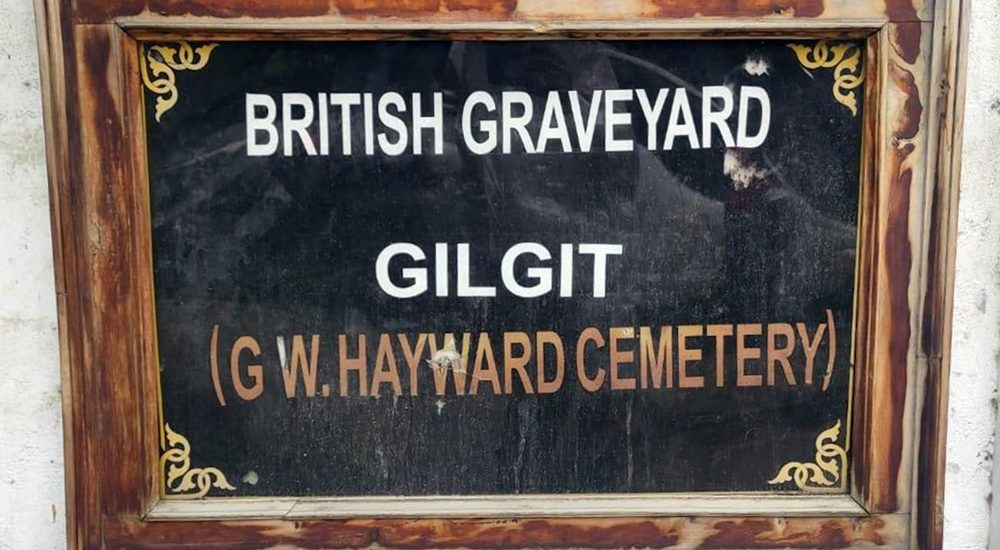
British Cemetery in Gilgit: A Testament to Colonial Legacy Nestled in the breathtaking landscapes of Gilgit, the capital of Gilgit-Baltistan, the British Cemetery, also known as G.W. Hayward Cemetery, stands as a poignant reminder of the region’s colonial past. This serene burial ground not only reflects the legacy of the British Raj’s presence in the Gilgit Agency during the 19th and 20th centuries but also offers visitors a glimpse into the historical and cultural tapestry of the era. Commemorating George W. Hayward The British Cemetery was initially named “Hayward’s Garden” in honor of George W. Hayward, a distinguished British explorer. On July 18, 1870, Hayward became the cemetery’s first internee after being tragically assassinated near Darkot Pass in Ghizer. The Royal Geographical Society of London established his burial site, marked with an inscription commemorating his gallantry and achievements. Hayward’s legacy as an intrepid traveler exploring the Pamir grasslands is immortalized here. Architectural Highlights Encircled by a robust stone wall and featuring ornate wrought iron gates, the British Cemetery Gilgit showcases the architectural finesse of the Victorian era. The grave markers, crafted predominantly from stone, are adorned with delicate engravings and intricate designs, making them artistic marvels in their own right. A Historical Landmark Along the Silk Road Situated along the historic Silk Road, Gilgit was a pivotal hub for trade and administration during the British colonial era. The cemetery was established as a final resting place for British officials, soldiers, travelers, and locals who collaborated with the British in various capacities. Each grave tells a story of courage, exploration, and the intertwined destinies of British and local communities. Notable Figures Buried in the Cemetery The cemetery is home to at least 18 graves of notable individuals who played significant roles during the British era, including: Captain G.W. Hayward: The cemetery’s first occupant, renowned for his exploration of Central Asia. Major William Brown: A prominent figure in the development of the Gilgit Agency. Arthur Francis Bruce: The political agent of Gilgit from 1906 to 1908. Henry Gordon Bell: Political agent of Gilgit, interred on July 25, 1912. Harold S. Eldred: Of the Sikh Pioneers Kashmir Infantry, who tragically drowned in the Indus River in 1929. Additionally, the cemetery contains the graves of travelers and mountaineers, including: Members of the 1959 Batura Muztagh Expedition: Dr. Keith Warburton, Harry G. Stephenson, Richard S. Knight, Martin Guennel, and Albert Hirschbichler. Major Jimmy Mills: Who perished during the Pakistan-British Army Karakoram Expedition. Preserving History and Promoting Tourism The British Cemetery in Gilgit is a treasure trove for history enthusiasts and researchers eager to explore the colonial legacy of the region. Its unique architectural style, coupled with the significant individuals interred within its grounds, makes it a compelling destination for cultural tourism. Efforts to conserve and restore the cemetery have been spearheaded by local authorities and heritage organizations. Restoration work focuses on maintaining the structural integrity of grave markers, repairing damaged monuments, and ensuring the cemetery remains a tranquil space for reflection. Visitor Information Open to the public, the British Cemetery offers visitors a chance to delve into the past while paying their respects to those laid to rest. While guided tours are not officially available, local experts often provide valuable historical insights upon request. Visitors are welcome to take photographs but are reminded to respect the solemnity of the site. A Journey Through Time Visiting the British Cemetery in Gilgit is more than a historical excursion; it is an opportunity to honor the individuals who shaped the region’s history and appreciate the cultural exchange between the British and local communities. As restoration efforts continue, this historic site stands as a cherished monument, attracting travelers and history aficionados from around the globe. Nearby Attractions: Konodas Suspension Bridge Biddulph House & Library Karga Buddha Hanzel Stupa Agortham Boulder Uprising Memorial Gilgit Konodas Rock Carvings Danyore Suspension Bridge Danyore Rock Inscription Chinese Graveyard Danyore The Victory Monument of Taj Mughal

excursions from Gilgit
City Breaks, Gilgit-Baltistan

Excursions from Gilgit

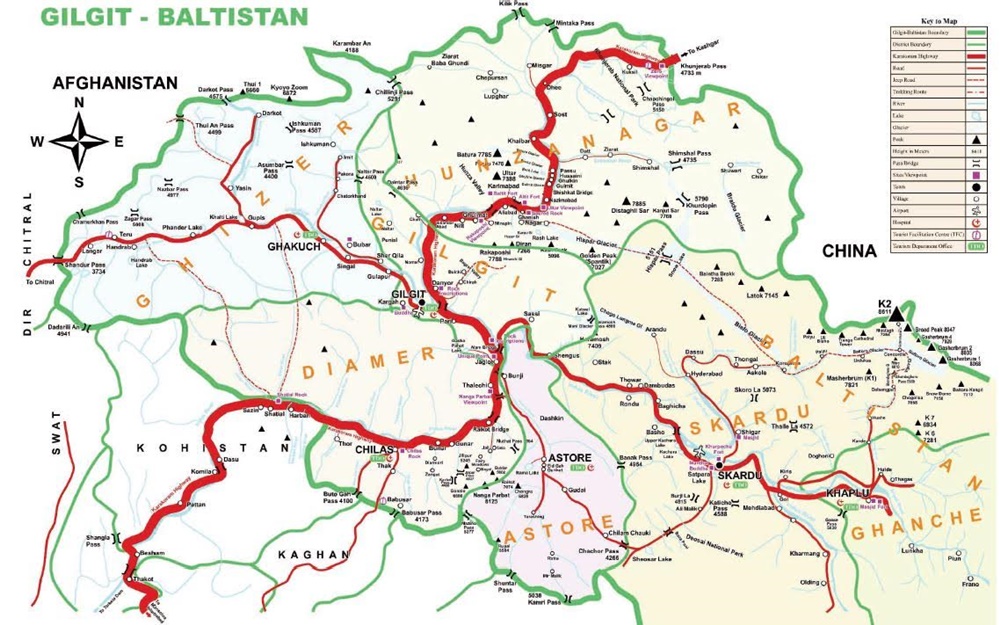
Exciting Escapes from Gilgit: Exploring Majestic Mountain Valleys Excursions from Gilgit encompass all the prime attractions located in the vicinity of Gilgit. Strategically nestled amidst awe-inspiring landscapes, Gilgit opens doors to a host of thrilling journeys into the neighboring valleys and mountainous territories. Each of these destinations unveils a harmonious fusion of natural grandeur, cultural legacy, and adventurous prospects, casting a spellbinding allure for globetrotters and adventurers alike. Adding to the region’s allure is its linguistic diversity, with over ten languages spoken in Gilgit and its neighboring valleys. Gilgit being the melting pot houses people of all colors and creeds. Gilgit City, perched at the confluence of the Gilgit and Hunza Rivers, proudly claims its title as the capital of Gilgit-Baltistan. Rich in historic and manmade landmarks, the Gilgit tourist attractions range from ancient Buddhist heritage to modern edifices making it a preferred choice for travelers. The territory of Gilgit-Baltistan is bordered by China to the east, the Wakhan corridor to the north, Chitral to the west, and Kashmir to the south. This mountainous territory encompasses three divisions – Gilgit, Baltistan, and Diamer. These divisions, in turn, are split into ten districts: Gilgit, Ghizer, Hunza, and Nagar form the Gilgit division; Skardu, Ghanche, Shigar, and Kharmang collectively make Baltistan division while Diamer and Astor constitute the Diamer division. Each of these ten districts boasts a distinctive charm, presenting a picture drawn with natural beauty, cultural diversity, and human endeavor. Gilgit city has direct access to all the attractions in these districts. Below, we explore the thrilling options for Excursions from Gilgit. Day Excursion to Naltar Valley – A blissful Escape The Naltar Valley, an enchanting pine-carpeted expanse, sits majestically located at an elevation of 15,000 ft. At 47 km away from Gilgit, Naltar Valley undoubtedly makes a perfect summer retreat. It serves as an internationally acclaimed ski resort and a launching point for two enthralling treks. Naltar beckons adventurers with the Naltar Pakora Trek, winding through a 4,600-meter pass to the Ishkoman Valley. Likewise, Naltar also serves as a base for the 4,636-meter Daintar Pass, leading to the Karakoram Highway via Chalt Valley. Upper Naltar hosts three picturesque lakes: Bashkiri Lake – I or Chimo Bari (Fish Lake), Bashkiri Lake – II or Chakar Bari (Multi-Ends Lake), and Bashkiri Lake – III or Bodolok Bari (Turbid Lake). Nestled close to each other at the end of the gorge, these three lakes craft an ideal picnic spot. Naltar Valley is currently accessible only by a 4WD, although a metal road from Gilgit is under construction. Day Excursion to Phunder Valley – Explore the Hindukush charms Phander Valley, nestled along the main Gilgit-Chitral road within the Gupis Valley of the Ghizer district in Gilgit-Baltistan, Pakistan, unfurls its breathtaking beauty before your eyes. With turquoise waters cradling pristine lakes and trout aplenty, this valley is a jewel awaiting discovery. Presently, a full day’s journey of 170 km or 4.5 hours from Gilgit takes you to Phunder. But take note, road reconstruction is underway, promising a shorter distance and more time to immerse in the valley’s wonders. In Phander Valley, attractions abound, from the vibrant Gahkuch Bazar to the stately Gupis Fort, the tranquil Khalti Lake, the enchanting Phunder Lake, and the mesmerizing Gulaqmoli. Moreover, the valley opens gates to explore the captivating realms of the Shandur Pass. You may also be interested in: Excursions from Islamabad Day Excursion to Yasin Valley – Unveiling the Enigma Yasin Valley, often referred to as Baba-i-Yasin or Worshigum, remains a hidden gem on the tourist map. Situated approximately 130 km northwest of Gilgit amidst the Hindukush Mountains, this valley extends from Thawoos to the final hamlet of Darkut Valley, meandering through the valleys of Sandhi and Barkulti to the Darkut hot springs, nestled close to the Afghanistan border. The Darkut hot springs, adjacent to the Darkut Pass leading to the Wakhan Corridor, entice trekkers with one of the most celebrated alpine routes. The trek from Yarkhun Valley over Zagar & Nazbar to Yasin Valley also unveils another picturesque route connecting Chitral and Yasin. The prime time to relish Yasin Valley’s beauty is between April and October when nature paints the landscape with blooming blossoms and a kaleidoscope of summer and autumn hues. The valley also offers a plethora of seasonal fruits in summer and excellent fishing opportunities. Junction Point of Three Mountain Ranges – Where the Mighty Mountains Converge The junction point of the three mountain ranges stands as an extraordinary spectacle near Jaglot on the Karakoram Highway, about 40 km southeast of Gilgit, Pakistan. This unique convergence is where the world’s three renowned mountain ranges – the Karakoram, the Himalaya, and the Hindukush – intersect, creating the knot known as the “Junction Point of the world’s three mountain ranges.” Additionally, this exclusive spot serves as the confluence of the Gilgit and Indus Rivers, with the Skardu Road branching out from the KKH nearby. Other historic sites worth exploring include Partab Pul, Bhoop Singh Pari, and Nanga Parbat View Point. Partab Pul, an ancient bridge spanning the Indus River, once served as the primary link between Gilgit and Bunji, Astore, and Kashmir before the advent of the Karakoram Highway. Bhoop Singh Pari stands as a historical landmark along the main Karakoram Highway (KKH), where Raja Gohar Aman of Yasin vanquished a Sikh invader named Bhoop Singh in 1852, securing Gilgit’s liberation. Further south on the Karakoram Highway, the Nanga Parbat View Point treats you to awe-inspiring vistas of Nanga Parbat (8126m), Pakistan’s second-tallest mountain and the world’s ninth tallest. Day Excursion to Bagrot Valley: Best in all Seasons Situated approximately 38 km northeast of Gilgit, the Bagrot Valley stretches along the Gilgit River across the Karakoram Highway. Nestled south of the Karakoram Range, the Bagrot Valley ranks as one of the perfect half-day excursions from Gilgit. This concealed paradise is renowned for its picturesque beauty, verdant meadows, fertile fields, towering peaks, and sprawling glaciers. The local Shina-speaking populace takes pride in preserving a distinctive cultural heritage. Bagrot

Bilchar Dobani sunset view - A tourist attraction in Gilgit
City Breaks, Gilgit-Baltistan, Tourists Destinations in Pakistan

Gilgit Tourist Attractions

Exploring the Enchanting Gilgit Tourist Attractions: A Journey Through Time and Beauty Gilgit Tourist Attractions: Unveiling the Treasures Within The Gilgit Tourist Attractions comprise key places of interest with cultural and historical backgrounds or adventurous in nature that visitors consider to experience with a keen interest. Gilgit is a mesmerizing gem nestled amidst the grandeur of majestic mountains. It undoubtedly holds within its heart an array of remarkable landmarks that encapsulate the very essence of history, bravery, and culture. In this captivating voyage, we delve into the core of Gilgit, unveiling its concealed treasures that stand as enduring testaments to the human spirit and legacy. Gilgit Town: A Glimpse into the Past and Present Gilgit Town, the enchanting administrative capital of Gilgit-Baltistan, stands as a living testament to a rich history that traces its origins back to the ancient Silk Route. Perched at an elevation of 1,500 meters (4,900 feet) above sea level, this charming town rests in close proximity to the merging point of the Gilgit River and the Hunza River. With its historical significance intertwined with breathtaking natural splendor, Gilgit certainly emerges as an irresistible haven for explorers in search of a distinctive and enthralling escapade. In fact,the Gilgit Tourist Attractions are mostly located within the town of Gilgit. The Magnificence of Gilgit’s Historical Heritage Drenched in historical significance and adorned with natural marvels, Gilgit unveils extraordinary stopovers for wanderers dreaming of immersing themselves in its opulent heritage and awe-inspiring landscapes. With a spectrum of places to visit, Gilgit Tourist Attractions leave an unforgettable imprint on travelers. Gilgit undoubtedly stands as an alluring sanctuary that captures the essence of exploration and discovery. Let us embark on a journey to unravel some of the premier Gilgit Tourist Attractions that have forever etched their mark on the tapestry of travel. The Victory Monument of Taj Mughal: Echoes of Achievement The 700-year-old Victory Monument of Taj Mughal stands as a commemorative tower with a guarding view of Gilgit town. It measures an impressive 21 feet and 10 inches in height and 14 feet and 4 inches in width. The monument is located on a mountain slope in Gilgit town with breathtaking views of Gilgit and its surroundings. Basically, it was named after Taj-ud-Din Mughal, an Ismaili ruler from Badakhshan, who arrived in Gilgit-Baltistan during the 13th century AD. Therefore, the monument was erected by his soldiers to celebrate his victorious feats. To witness the breathtaking views of Gilgit city, visitors can access the monument on foot from Jutial, near the Serena Hotel. Uprising Memorial Gilgit: A Chronicle of Courage The Uprising Memorial serves as the final resting place of the local heroes of Gilgit who courageously rose against the Maharaja in 1947. The heroic acts of Mohammed Babar Khan and Safiullah Beg of the Gilgit Scouts, and Mirza Hassan Khan of the Kashmir Infantry eventually emancipated Gilgit-Baltistan through a rebellion that led to the arrest of Governor Ghansara Singh on Nov 01, from the Maharaja of Kashmir. Karga Buddha: Carved in Stone, Shrouded in Mystery The legendary Kargah Buddha is a 7th-century Buddha figure carved deep into the solid rock. The three-meter (ten-foot) high imposing Buddha sculpture is located in Kargah Nullah (ravine) about 10km south of Gilgit town in Gilgit-Baltistan, Pakistan. In fact, Karga Buddha was discovered along with ruins of a Buddhist monastery and three stupas about 400 meters upriver from the Buddha itself in 1938-39 following the discovery of so-called Gilgit manuscripts in 1931. Generally, Karga Buddha is considered a key tourist attraction in Gilgit and is famous worldwide. Henzal Stupa: A Gateway to Buddhist Legacy Henzal Stupa, a ruin from the Golden Era of Buddhism in Upper Indus during the 7th to 9th century, calls for preservation to uphold its historical significance for tourists and future generations. The Stupa is located in Henzal, right on the Gilgit-Puniyal road. Agortham Boulder: A Tale of Intrigue and Conspiracy The Agortham Boulder, known locally as “Agortham Giri,” is a massive rock located in the middle of the Gilgit River, just under a suspension bridge. Found in the Amphery area, south of Gilgit city, this Boulder carries a traditional history stating that it was once tied to an iron cage where Agor Tham (locally known as Shri Badat) imprisoned his daughter for conspiring against him. In fact, the daughter had secretly married Azur Jamshed, another man aiming to overthrow her father. Konodas Rock Carvings: Echoes of Civilization’s Footprints The Rock Carvings at Konodas, situated within the premises of Karakoram International University near the Bireno Pul (Danyore Suspension Bridge) in Gilgit, hold a historical significance. Named as Konodas Archeological Site, these rock carvings explicitly feature Totemistic and religious symbols, with some carvings believed to be the work of hunters, particularly Ibex shapes. Danyore Suspension Bridge: Weaving Communities, Bridging Hearts The Danyore Suspension Bridge, also known as Bireno Pul, connects Konodas to Danyore, making it a vital historical structure. The 510-foot-long bridge, in fact, one of the oldest suspension bridges in Gilgit-Baltistan, serves as a significant tourist attraction in Gilgit and is dedicated exclusively to pedestrians and motorcyclists, offering a unique travel experience. Danyore Rock Inscription: Living Chronicle The Danyore Rock Inscriptions, with a history dating back to the 7th and 8th centuries A.D., particularly represent an essential archaeological discovery. The inscribed rock is significantly located within the premises of a private house in Danyore, Gilgit-Baltistan, and is locally known as “Likhitu Giri.” Despite being relatively unknown, it certainly holds immense historical value for those related to archaeology and tourism. Chinese Graveyard Danyore: A Tranquil Resting Place The Chinese graveyard, also known as the Memorial Park or China Yadgar, is located in Danyore. The town of Danyore is located on the KKH about 10km across Gilgit. The graveyard basically serves as the final resting place for Chinese engineers and workers. In fact, the Chinese brave workers who sacrificed their lives during the construction of the renowned Karakoram Highway (KKH) in the 1960s and 1970s are buried here. This cemetery significantly stands as a testament to

Alexander Monument Pakistan
City Breaks, Monuments, Punjab

Alexander Monument

The Alexander Monument: A Historical Marvel in Pakistan The Alexander Monument is a facility located in Jalalpur Sharif covering an area of 60 square meters. It is believed that Alexander the Great camped for two months before the Battle of Hydaspes. The architecture reflects a blend of Greek influences, with 16 arches adorning the roof. Inside, a circular plaque displays a map marking Alexander’s journey from Pella, Greece, to Persia, and finally, to the site of the monument. The foundation stone for the Alexander monument was laid on 24 May 1997 by the Greek ambassador H.E. Mr. E. N. Karayannis, in collaboration with the government of Pakistan. Dr. Abdul Qadeer Khan, the famous Pakistani nuclear scientist, inaugurated this magnificent structure. The Battle of Hydaspes and Alexander’s Conquest Alexander the Great, a renowned conqueror, left an indelible mark as he swept through several empires, from Greece to the heart of Asia, reaching the land that is now known as Pakistan. One of his most memorable invasions was the famous Battle of Hydaspes in 326 BC, where he tactfully defeated Raja Porus of Pauravas on the banks of the Hydaspes River, now known as the Jehlum River. This pivotal encounter led to the annexation of the Indian ruler’s empire. The Battle of Hydaspes: Location and Armies The Battle of Hydaspes took place at Mong, opposite Jalalpur Sharif, on the right bank of the Hydaspes River. To confront Alexander, Porus gathered an army comprising 2000 cavalry, 200 elephants, and 30,000 soldiers. Alexander, on the other hand, crossed the river about 30km upstream from the battle site and launched a strategic attack. Alexander’s Loss and the Monument of Bucephalus During the war, Alexander mourned the loss of his beloved horse, Bucephalus. He buried the remains of his loyal steed near the modern-day town of Jalalpur Sharif. This region was later named Jalalpur Sharif, and a monument in honor of Alexander the Great was erected there. The town of Bucephala, named after Alexander’s horse, lies close to Jalalpur Sharif, and the ruins of an ancient city can still be found in the hills to the east of the town, with coins dating back to the period of Graeco-Bactrian kings. Discovering Jalalpur Sharif Originally known as Girjakh, Jalalpur Sharif was a thriving trade center in the region. Its name changed when Emperor Jalaluddin Muhammad Akbar, the third Mughal emperor, visited the town. To honor him, the ruler of the town, Malik Darwesh Khan Janjua, renamed it Jalalpur Sharif. The title “Sharif” is associated with the famous shrine of Pir Syed Ghulam Haider Ali Shah, one of the most renowned Chishti Spiritual Leaders of the Sub Continent. Unlocking the Past: Research and Significance The monument also serves as a research center, inviting both local and foreign scholars to delve into the mutual influence of Greek culture on Pakistan and vice versa. One of the primary research tasks is to identify the exact locations of two ancient cities: Nicaea, believed to be present-day Mong, and Bucephala, where Alexander built a monument in memory of his cherished horse. However, despite its historical significance, the Alexander Monument is in need of maintenance to regain its status as a prominent tourist attraction. Reaching Jalalpur Sharif: A Journey Through History For those seeking to visit the Alexander Monument in Jalalpur Sharif, the location is easily accessible. If you’re traveling from Islamabad, the 167km journey takes approximately 3 hours. The directions are as follows: Take Islamabad Expressway to Grand Trunk Rd/Islamabad – Lahore Rd/NH 5/AH2 in Rawat (30km). Follow Grand Trunk Rd/NH 5/AH2 to Islamabad – Lahore Rd/Pind Dadan Khan – Jhelum Rd/Tufail Rd in Jhelum Cantt, Jhelum (90km). Follow Pind Dadan Khan – Jhelum Rd to Bhoon Mkt Rd in Jalalpur Sharif (47km). Alternatively, you can take the 216km Lahore-Islamabad Motorway/AH1/M-2, which also takes approximately 4 hours from Islamabad. The directions are as follows: Get on Lahore-Islamabad Motorway/AH1/M-2 in Punjab from Srinagar Hwy (20km). Follow Lahore-Islamabad Motorway/AH1/M-2 to Choa Saidan Shah Road in Kallar Kahar. Exit from Lahore-Islamabad Motorway/AH1/M-2 (109km). Continue on Choa Saidan Shah Road. Take Chakwal Choa Saidan Shah Pindadan Khan Rd/Khewra Rd and Pind Dadan Khan – Jhelum Rd to Bhoon Mkt Rd in Jalalpur Sharif (87km). Plan Your Visit: Opening Hours and Fees The Alexander Monument in Jalalpur Sharif is open for visitors on weekdays (Monday to Saturday) from 10:00 am to 03:00 pm and on Sundays and holidays from 10:00 am to 05:00 pm.

Red Fort Muzaffarabad entrance view
Forts, Kashmir

Red Fort Muzaffarabad

Enchanting  Red Fort in Muzaffarabad The Red Fort, also known as Laal Qilla or Rutta Qila, is a historic 17th-century fortification located in Muzaffarabad, Azad Jammu & Kashmir, Pakistan. This strategically positioned fort stands tall on a massive rock. It served as a defensive post and a ground for counter-offensive operations. The fort stands as a testament to Pakistan’s rich history and architectural heritage. Despite the challenges it has faced over the centuries, the fort continues to inspire awe and curiosity among visitors from all over the world. With its strategic positioning, breathtaking views, and fascinating history, the Red Fort remains an enchanting destination for history enthusiasts and travelers alike. A Historic Jewel Surrounded by Nature The Red Fort is situated near Muzaffarabad’s city center, and reaching it takes only a 20-minute drive. For travelers coming from the capital city, Islamabad, it is a journey of approximately 4 hours. Additionally, one can opt to drive from Mansehra and Abbottabad via Gari Habibullah, which takes approximately 3 hours. A Strategic Positioning The fort is uniquely positioned, surrounded by the Neelum River, also known as the Kishenganga River, which gracefully flows along its eastern, northern, and western sides, forming a protective U-shaped curve. The northern part of the Red Fort offers access to the riverbank through terraces with steps, while the eastern part is well protected from the risks of flood damage. A Glimpse into the Past The construction of the Red Fort was initiated in 1559 by the Chak dynasty of Kashmir to ward off the Mughal expansion. However, the Mughals eventually gained control of Kashmir in 1587, diminishing the fort’s significance, as their focus lay on Kabul, Bukhara, and Badakhshan rather than Kashmir. Nevertheless, the fort regained its glory during the rule of the Durranis. In 1646, Sultan Muzaffar Khan of the Bomba Dynasty, the founder of Muzaffarabad, completed the construction. The name of the city Muzaffarbad was named after him. Restoration and Renewal Under Sikh rule, Maharaja Gulab Singh took the initiative to renovate the fort in 1846. However, his successor Maharaja Ranbir Singh successfully accomplished the restoration. The fort’s military usage persisted until its abandonment in 1926. Architectural Marvel and Resilience The construction of the Red Fort showcases remarkable architectural dexterity. The stones and red brick masonry with rubble, clay, and lime, reflect the skilled craftsmanship of the era. Despite facing the devastating earthquake of 2005, the fort stood with its glorious past intact. The fort will hopefully be preserved and this heritage will remain for generations to come. Current State and Accessibility Today, the Red Fort is accessible to visitors, including both Pakistani nationals and foreigners. The raised podium at the top of the fort offers mesmerizing views of the surrounding landscapes. However, the passage of time has taken its toll on the fort, turning it into ruins. Visitors can witness retaining walls and damaged rooms, now serving as a shelter for animals, painting a poignant picture of its former grandeur.

Muzaffarabad city in Azad Kashmir, Pakistan
City Breaks, Kashmir

Muzaffarabad – Azad Kashmir

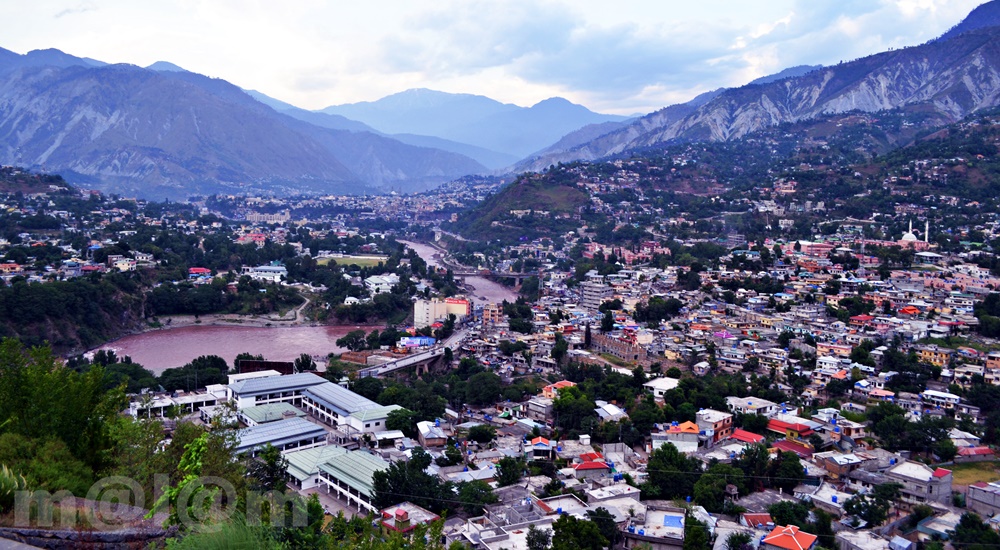
Muzaffarabad, the primary administrative capital and largest town, stands as one of the ten districts within the State of Azad Jammu and Kashmir. It ranks as the 60th largest city in Pakistan, situated approximately 138 km away from the capital, Islamabad, and 79 km from Abbottabad. Muzaffarabad is surrounded by the Kaghan Valley of Khyber Pakhtunkhwa Province to the west, the Kupwara and Baramulla districts of the contested region of Jammu & Kashmir to the east, Bagh district to the south, and the extensive Neelum district of Azad Kashmir to the north. Situated at an elevation of 2400 feet above sea level, Muzaffarabad lies at the meeting point (Domel) of the azure Neelum River and the ochre Jehlum River. Further downstream, the junction of Neelum and Jehlum is augmented by the Kunhar River, flowing onward to merge with streams that eventually reach the Arabian Sea. Enveloped by verdant valleys, snow-capped peaks, and picturesque high-altitude picnic spots, the administrative capital offers a breathtaking natural panorama. A Glimpse into History Originally known as Udabhanda, Muzaffarabad has a rich historical background. According to accounts, the renowned Buddhist traveler Hieun Tsang entered India in 631 A.D. through Udabhanda and the Baramula Gorge. Udabhanda served as the capital of the Shahi dynasty, ruling over Gandhara (which comprised northern Pakistan and Kashmir) and a portion of Kabul from the third century following the decline of the Kushan Empire until the early ninth century. During the Mughal era, in 1646, Muzaffarabad was founded by Sultan Muzaffar Khan. He was an influential figure of the Bomba Dynasty (established in 1652) who held sway over Kashmir. The name “Muzaffarabad” derives from Sultan Raja Muzaffar Khan. He erected the Red Fort in the city as a defensive stronghold against Mughal incursions. Following the conflict of 1948-49, Muzaffarabad was designated as the capital of Azad Jammu and Kashmir. Tourist Attractions Muzaffarabad and its surroundings boast a variety of unique tourist attractions: 1. Red Fort Begin your exploration with a visit to the historic Red Fort, located at the confluence of the Neelum and Jehlum Rivers. This ancient marvel offers a glimpse into the city’s past and provides a stunning view of the rivers. 2. Pir Chinasi To the east of the city lies the road leading to Pir Chinasi, a majestic spot situated at 2900 meters above sea level. The road to Pir Chinasi offers breathtaking views of the Jhelum Valley and the Neelum’s towering mountains. This site also features the Shrine of Saint Shah Hassan Bukhari, attracting numerous devotees year-round. 3. Lohar Gali For a panoramic view of the city, head west to Lohar Gali. This location offers a stunning vantage point overlooking the Jhelum and Kunhar rivers. On a clear day, you can even spot the 3,890-meter-high Makra Mountain in the Kaghan Valley. 4. Shaheed Gali Located 16 kilometers west of Muzaffarabad, Shaheed Gali is a lush green valley shrouded in mist. Accessible via a narrow metal road, it offers tranquility and natural beauty. 5. Sri Kot A short but adventurous 4-kilometer drive from Shaheed Gali takes you to “Sri Kot,” a paradise for tourists, known for its serene ambiance. 6. Patika Just 19 kilometers away lies Patika, the gateway to the Neelum Valley, offering an excellent excursion opportunity. 7. Architectural Heritage Within the city, you can explore architectural marvels such as the AJK Assembly, AJK Supreme Court, Mosque, Assembly Secretariat, and Khurshid Tomb. 8. Kohala Bridge If you’re traveling from Islamabad via Murree, don’t miss a stop at Kohala Bridge. Here, you can visit Dolai waterfall and the nearby Dak Bangalow, now known as Quaid-e-Azam Memorial Rest House, where Quaid-e-Azam Muhammad Ali Jinnah and Fatima Jinnah once stayed on July 25, 1944. Muzaffarabad serves as a gateway to the Neelum Valley and Jhelum Valley, offering opportunities for day excursions and overnight stays in the Neelum Valley and the eight different districts of the Jhelum Valley. Things to do: There are various activities to enjoy in Muzaffarabad, including hiking, trekking, and camping in the foothill regions of Pir Chinasi, Saran, Sun Bun, Muskhi, Sakki, Lohar Gali, Shaheed Gali, and Jarran. Shopping Delights The thriving cottage industry in the region predominantly centers around woodworking, encompassing furniture making, wood carving, embroidery, and garment production. Muzaffarabad, renowned for its exclusive furniture crafted from Dayyar (Deodar) and Akhrot (Walnut) wood, offers a diverse range of items including chairs, tables, beds, gift boxes, racks, and decorative pieces, along with customizable orders. Additionally, the city is known for hand-woven carpets, Kashmiri shawls, Phairan (traditional Kashmiri dress), kangri (pot adorned with iconic patterns), and various other crafts. Kashmiri bazaars feature two types of carpets: “ghubba” (larger rugs) and “namda” (smaller rugs). Visitors can also explore a plethora of other products such as fresh and dried fruits, mushrooms, honey, and medicinal herbs and plants. Bargaining is sometimes possible, offering opportunities for good deals. Culinary Delights When it comes to traditional cuisine, Muzaffarabad offers a variety of must-try delicacies. These include Goshtawa, Kashmiri Pulao, Hareesa, and Rice Rajma, accompanied by Hawaiian, Firni, kheer, paneer, and other delectable desserts. For breakfast, locals and visitors alike enjoy traditional favorites such as Kashmiri pink chai, Qulcha, and Bakar Khani, which are beloved at both national and international levels. Climate The climate in Muzaffarabad is generally moderate and consistent. The summers, occurring mainly in June and July, are mild. However, the winters from December to February are chilly, often accompanied by snowfall, which adds to the charm for visitors. Autumn is considered the best time to visit, characterized by clear skies and stunning natural scenery. The crystal-clear blue waters of the Neelum River contribute to the distinctive beauty of the region and significantly influence Muzaffarabad’s microclimate. Due to the prevailing weather conditions, the locals primarily wear woolen clothing. Access There are two main routes to access Muzaffarabad. The first option is the route from Islamabad via Murree Hills and Kohala. It takes approximately 4 hours to cover the 138-kilometer distance. The second option is the route through Abbottabad, Mansehra, Gari Habbibullah,

Murree Hills
Others

Murree

Exploring Murree: Pakistan’s Premier Hill Station Unlocking the Wonders of Murree, the Enchanting “Queen of Hills” Nestled in the heart of the Peer Panjal Range, Murree, often referred to as the “Queen of Hills,” graces the outskirts of Rawalpindi and Pakistan’s capital, Islamabad. Just 30 kilometers northeast of Islamabad, this hill station, perched at altitudes ranging from 6000 to 7000 feet, captivates visitors year-round. Let’s delve into the rich history and alluring attractions of this picturesque destination. A Glimpse into Murree’s Past Discovering Murree’s Origins In 1847, Major James Abbott, an Indian Army officer, first recognized Murree’s potential as a hill station. Two years later, the decision was made to establish a hill station in this region, providing convenient access from Rawalpindi’s vital military cantonment. It officially took shape in 1851 under the guidance of Sir Henry Lawrence, the President of the Punjab Administrative Board at the time. Originally conceived as a sanatorium for British troops stationed along the Afghan frontier, Murree transformed into a thriving town by 1853. Over time, it acquired a unique blend of British heritage, evident in its churches, educational institutions, and historic landmarks. Notably, several individuals born in Murree during the colonial era, including Lieutenant Colonel Sir Francis Edward Younghusband, Reginald Dyer, and Joanna Kelley, rose to prominence on the global stage. The British Love Affair with Murree The allure of Murree for the British lay in its climate, reminiscent of England, and its escape from the blistering summer heat of Punjab’s plains. Consequently, it became a favored summer retreat for British citizens during the British Raj. However, until 1947, non-Europeans were barred from accessing commercial establishments like Lawrance College and Mall Road. Journeying to Murree In the early 1900s, the journey to Murree from Lahore, the capital of Punjab, involved a train ride to Rawalpindi, followed by a five-hour horsecart ride to Murree. Despite the arduous trip, the hill station buzzed with European visitors and British troops encamped in the hills. The picturesque Victorian Gothic architecture of the houses and villas lent Murree a distinctly European ambiance. By 1901, the permanent population reached 1844, with the summer influx swelling the numbers to potentially 10,000. Post-Independence Transformation Murree continued to enchant as a colonial town until 1947. Today, it stands as a bustling summer resort in the Galyat region of northern Punjab, drawing throngs of tourists every season. The local population, as of 2022, hovers around 233,000, with Pahari as the predominant language. Most local businesses are owned by non-locals. Additionally, Murree serves as a gateway for tourists heading to Muzaffarabad and Abbottabad. It has firmly retained its status as a sought-after hill station since Pakistan’s independence in 1947, attracting visitors from all corners of the country and beyond. Embracing Murree’s Charms Immersing in Nature’s Splendor The Himalayan hills surrounding Murree, adorned with dense evergreen forests and an abundance of flora and fauna, provide an idyllic summer escape. Even in winter, when snow blankets the landscape, Murree’s valleys and mountains captivate visitors from across Pakistan and the world. Here are some must-visit attractions and activities: 1. Patriata Chairlift: Located approximately 20 kilometers from Murree, this chairlift offers panoramic views. 2. Ayubia Chairlift: Another chairlift adventure awaits in Ayubia. 3. Hiking in Nathiagali and Changagali: Explore nature’s beauty on these scenic trails. 4. Stroll from Mall Road to Pindi Point: Followed by a chairlift ride down to Bansra Gali for a memorable experience. 5. Mall Road to Kashmir Point: Revel in the breathtaking views of the Kashmir mountains. 6. Shopping and Dining on Mall Road: Discover local treasures and savor delectable cuisine. 7. Bird and Monkey Watching: Get closer to nature’s wonders. 8. Explore Uppertopa and Lowertopa: Uncover hidden gems. 9. Visit Goragali and Bhurban: Expand your horizons. Unveiling Murree’s Climate Situated in the outer Himalayas, Murree boasts a high-altitude location. The Köppen climate classification categorizes it as having a monsoon-influenced subtropical highland climate. Winters here are cold and snowy, while summers are cool and rainy, often accompanied by fog. Precipitation is a constant companion, with an annual average of 1,904 millimeters and approximately 1,590 millimeters of snowfall, typically from January to March. Navigating to Murree You can access Murree from Islamabad via the old Murree Road or the new Islamabad-Murree Expressway. While there are no railway stations or airports in Murree due to its mountainous terrain, the Islamabad International Airport and Golra Railway Station in Islamabad serve as the closest transportation hubs. Murree, with its rich history, natural beauty, and diverse attractions, remains a jewel in Pakistan’s crown. Whether you’re seeking adventure, relaxation, or simply a break from the ordinary, this “Queen of Hills” offers an unforgettable experience year-round.

Kaghan Valley Tourist Attractions
Blogs, Khyber Pakhtunkhwa, Others, Roads & Highways

Kaghan Valley Attractions

The Kaghan Valley Attractions: A Guide to Its Breathtaking Landscape The Kaghan Valley: Nature’s Marvel in the Heart of Pakistan Nestled within the Mansehra district of Khyber Pakhtunkhwa, Pakistan, the Kaghan Valley is a captivating alpine haven. Spanning a distance of 160 kilometers from its lowest point at 650 meters to the towering Babusar Pass, standing proud at 4170 meters, the Kaghan Valley Attractions speak louder than words. This picturesque valley, a cherished summer retreat, boasts a landscape adorned with lush greenery, majestic Himalayan peaks, and glistening alpine lakes. It’s a realm where nature’s splendor unfurls at every turn, offering a refuge from the mundane. In the embrace of the Kaghan Valley, nature’s symphony resounds in every sight and sound. From cascading waterfalls to alpine lakes, from towering peaks to lush meadows, this haven promises an escape like no other. Embark on a journey of discovery, where adventure and tranquility converge, and the heart finds solace amidst nature’s grandeur. The Kaghan Valley Attractions await an open invitation to experience the magic of Pakistan’s pristine landscapes. As a seasoned traveler, you’ll find the Kaghan Valley Attractions as an alluring sanctuary, rich in diverse attractions that promise an unforgettable escape. Embarking on a Journey through the Kaghan Valley Heading East: Azad Jammu & Kashmir Beckons To the valley’s east lies the captivating realm of Azad Jammu & Kashmir, a mesmerizing expanse that beckons with its charm. This region, a tapestry of beauty, awaits those who seek to explore its hidden gems and immerse themselves in its natural wonders. Towards the North: The Allure of Gilgit-Baltistan Northward, the Kaghan Valley borders Gilgit-Baltistan, an awe-inspiring land where towering peaks and untamed landscapes await intrepid souls. Here, adventure and exploration intertwine, presenting a gateway to uncharted territories and unforgettable experiences. KIWAI: Where Beauty and Adventure Converge The first of Kaghan Valley Attractions, you’ll encounter the charming town of Kiwai, nestled approximately 24 kilometers from Balakot. A gateway to wonder, Kiwai boasts dense pine forests and the allure of its cascading waterfall. This haven is not only a resting point but a realm of enchantment, captivating the hearts of travelers with its natural allure and invigorating ambiance. SHOGRAN: Nature’s Haven of Tranquility Nestled within the captivating Kaghan Valley, Shogran emerges as a highly sought-after destination for tourists. This idyllic haven, perched at an impressive altitude of approximately 2,362 meters (7,749 feet) above sea level, offers a retreat into a world of unparalleled natural splendor. The allure of Shogran lies in its scenic magnificence, attracting nature enthusiasts and adventure seekers alike. This picturesque valley, accessible via the Naran-Gilgit Road at Kiwai, beckons you to explore its myriad wonders. As you ascend to Shogran, the air becomes crisper, and the surroundings transform into a spectacle of greenery and tranquility. SIRI & PAYE: A Glimpse of Alpine Grandeur Cradled in the arms of the mountains, Siri Paye stands as a testament to nature’s artistry. This mesmerizing meadow, adorned with a carpet of wildflowers, offers a panoramic spectacle that ignites the imagination. The sweeping views from Siri Paye encompass a symphony of colors, as the meadow transitions with the changing seasons. The allure of Siri and Paye beckons, an enchanting journey through alpine landscapes and breathtaking vistas. Venture forth through a jeep ride or a scenic climb to reach these heights, where lush meadows and awe-inspiring panoramas await. Siri and Paye, a symphony of beauty, are a testament to the valley’s magnificence. KAGHAN VALLEY – NATURE’S SPLENDOR NARAN: Nature’s Tapestry Unveiled The Naran Valley, a portrait of natural splendor, welcomes you with its lush meadows, crystal-clear lakes, and majestic mountains. Engage your senses in outdoor pursuits like trekking, rafting, and camping, as you embrace the valley’s vibrant beauty. Set against a backdrop of towering peaks, Naran Valley paints a vivid picture of summer’s embrace. Captivating Enclaves: Treasures of the Kaghan ValleyLAKE SAIF UL MULOOK: A Fabled Oasis Nestled in the heart of Kaghan Valley lies a mesmerizing gem named after Prince Saif ul Mulook’s romantic escapade with a mountain fairy. At a breathtaking altitude of 3224 meters, the legendary Saif ul Mulook Lake stands tall as a prime focal point, the 9-kilometer unpaved adventurous road greets travelers with a thrilling 45-minute adventurous jeep ride. The very heart of Saif ul Mulook Lake is its oval-shaped expanse of crystalline waters stretching over a mile serving as a mirror to the grandeur that surrounds it. Reflecting the snow-covered magnificence of the encircling mountains, the lake’s surface shimmers with an ethereal glow, a sight that beckons wanderers and adventure enthusiasts alike. The lake stands as a gateway to boundless adventure and serves as a launching pad for the exhilarating trek to Ansoo Lake. LALAZAR: A Verdant Paradise Beckons Discover the captivating allure of Lalazar, a breathtakingly beautiful plateau nestled at an impressive elevation of 3,130 meters. Situated a mere 20 kilometers away from the charming town of Naran, Lalazar boasts a verdant expanse adorned with an array of vibrant wildflowers, creating a stunning natural tapestry that beckons travelers seeking an escape into nature’s embrace. The 16-kilometer stretch from Naran to Jalkhar presents a well-paved route, ensuring a smooth and comfortable ride for travelers. However, the subsequent 4-kilometer segment from Jalkhar to Lalazar is an uphill ascent along an unpaved, zig-zagging road that adds an element of thrill and excitement to the expedition. This remarkable tourist haven offers panoramic vistas of the valley, treating visitors to an awe-inspiring display of natural grandeur that resides within the upper reaches of the Kaghan Valley. BATAKUNDI and Beyond: Embracing the Heights If you’re seeking an extraordinary escape from the mundane, look no further than the hidden gem of Batakundi. Nestled just 15 kilometers east of Naran, Batakundi is a haven for nature enthusiasts and those in search of tranquility. With its awe-inspiring mountain vistas and tranquil surroundings, Batakundi stands out as the perfect destination for your next retreat. Batakundi offers an idyllic retreat surrounded by nature’s finest elements. The towering mountains and lush greenery create a

Tourist attractions to visit in Peshawar
City Breaks, Khyber Pakhtunkhwa

Peshawar Tourist Attractions

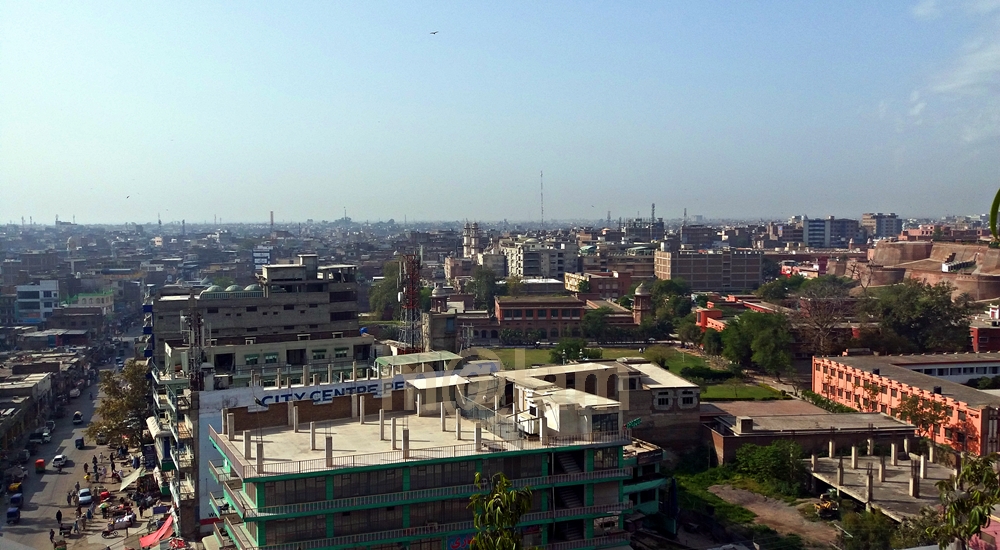
Peshawar Tourist Attractions Peshawar Tourist Attractions are the prominent landmarks governing the city of Peshawar that attract a great volume of domestic and international tourists. Peshawar, a city steeped in the courage of Pashtun heritage, proudly stands as the capital of Khyber Pakhtunkhwa (KPK). It was once known as the North-West Frontier Province of Pakistan. Besides, its strategic location at the crossroads of Central Asia and the Indian subcontinent has bestowed upon it the distinction of being the oldest living city in Pakistan and one of South Asia’s most ancient urban centers. Peshawar has witnessed the rise and fall of civilizations. As a matter of fact, its rich tapestry of history traces back to the Gandhara Civilization, resonating with echoes of the Aryans, Persians, Greeks, Mongols, and Mughals. As the largest city in KPK and the sixth largest in Pakistan, Peshawar emanates cultural vibrancy and dynamism. Peshawar serves as both the administrative nucleus and economic epicenter of the province. The vibrant city maintains the allure of its historic streets, buildings, and bazaars, with only subtle transformations over the past century. Enthusiastic international travelers include Peshawar as a must-visit destination while exploring Pakistan, drawn to its captivating Peshawar Tourist Attractions. History of Peshawar The chronicles of Peshawar unfurl to an ancient era, with historical roots extending back to at least 539 B.C.E. The name “Peshawar,” actually meaning “the frontier city,” was bestowed upon it by the Mughal Emperor Jalal Uddin Muhammad Akbar during an era when it flourished as a prominent trading nexus. It was under the reign of Mughal Emperor Zaheer Uddin Babar that the city was known as Bagram. Throughout history, Peshawar has borne witness to numerous rulers and, consequently, a plethora of names. The city’s lifeblood flows through the intricate web of canals stemming from the Kabul River and its right tributary, the Bara River. Key Tourist Attractions As you traverse to explore Peshawar Tourist Attractions, each step, in fact, reveals a chapter of history etched into the city’s fabric. From the regal Bala Hisar Fort to the bustling Qissa Khwani Bazaar, every corner exudes the charm of a bygone era. The treasures of Peshawar await your discovery, inviting you to immerse yourself in a tapestry of culture, architecture, and tradition that stands as a testament to the city’s enduring legacy. Bala Hisar Fort Bala Hisar, translating to “the raised or great fort,” is a testament to Peshawar’s illustrious past. Suggested by Afghan King Taimor Shah Durrani, the fort stands majestically atop a high mound in the city’s northwest quadrant. From this vantage point, visitors are treated to a breathtaking panorama of the city’s clustered expanse and the encompassing mountains. Erected by the Mughal emperor Babur following his conquest in 1526, the fort served as a residence for the royal family until its eventual destruction. Though ravaged over time, the fort’s legacy was revitalized by the Sikhs, who reconstructed it using mud, later replaced by British bricks. Presently, military guardians oversee the fort, welcoming visitors on weekends. The fort’s museum showcases a captivating array of retrieved weaponry, attire, photographs, and artifacts, providing a window into history that captivates the senses. Peshawar Museum Heralding from the British Colonial epoch of 1905, the Peshawar Museum, known as the “Victoria Memorial Hall,” stands as an architectural fusion. It chiefly reflects British, Hindu, South Asian, Buddhist, and Mughal Islamic influences. Revered across Southeast Asia, the museum boasts an assembly of over 14,000 items, spanning a multitude of civilizations. Sculptures, coins, domestic implements, weaponry, and a diverse range of artistry culled from the Gandharan heartlands—including Shah-Ji-Ki-Dheri in Peshawar, Takht-i-Bahi & Sahri Bahlol in District Mardan, and further excavations from Jamal Garhi and other Gandharan sites—commingle in harmonious resonance, painting an enthralling picture of history. Mahabat Khan Mosque The grandeur of Mahabat Khan Mosque, or Muhabbat Khan Mosque, mirrors the Mughal splendor that once enveloped Peshawar. Commissioned by Nawab Mahabat Khan Bin Ali Mardan Khan, the mosque’s foundations were laid during the reign of Mughal Emperor Shah Jahan in 1630. Nestled in the heart of Peshawar’s “Andar Shehar Bazaar,” the mosque’s presence emanates the Mughal kingdom’s penchant for architectural opulence. The edifice, a true marvel, has stood resiliently through time, undergoing a British-led restoration in 1898. Welcoming tourists, it regales visitors with its architectural mastery, a silent ode to the Mughal dynasty’s legacy. Chowk Yadgaar The reputed Chowk Yadgaar, once known as the Colonel Hastings Memorial built around 1884-92, resonates with echoes of history. Col Hastings actually was the first British Commissioner of Peshawar. The monument basically serves as a central square within Peshawar’s historic heart. The square’s transformation has witnessed the ebb and flow of time, its architectural metamorphosis symbolizing a microcosm of Peshawar’s evolution. Originally fashioned as a horseshoe-shaped structure, the square has been reborn over generations, emerging as a reflection of Peshawar’s resilience. Named in honor of the heroes of the 1965 war between Pakistan and India, Chowk Yadgaar stands as a testament to the indomitable spirit of the city. Chitrali Bazaar At the heart of Peshawar, the Chitrali Bazaar radiates the allure of exquisite craftsmanship. In fact, its legacy traces back to the 1940s, an era of expertly curated woolen creations that once resonated within its bustling lanes. Despite challenges, the bazaar continues to showcase the mastery of Chitrali artisans, echoing tales of a bygone era and endeavoring to reclaim its former glory. Brass Market Once a thriving hub of foreign exchange, the Brass Market has seen its golden days and then abruptly came to an end. Its legacy is interwoven with the cultural fabric of Khyber Pakhtunkhwa. Basically, brassware is a symbol of tradition and heritage. It endures through the dedication of local artisans who craft ornate plates, vases, and bowls, offering a glimpse into a heritage that refuses to be forgotten. Actually, the brass and copperware crafted by old artisans of Peshawar still could not be matched anywhere in the country. Cunningham Clocktower or Ghanta Ghar The Cunningham Clock Tower (also named clock house), affectionately known as Ghanta Ghar,

The Mughal Empress Noor Jahan's Tomb in Lahore
Heritage Sites in Pakistan, Punjab, Tombs

Noor Jahan’s Tomb

Noor Jahan’s Tomb: A Glimpse into Mughal History Empress Noor Jahan’s Tomb, a historical gem nestled within the serene Shahdra Bagh in Lahore. It holds tales of love, power, and architectural brilliance. This tale will certainly take you on a journey through time, exploring the life of Empress Noor Jahan (Nur Jahan) and the captivating details of her final resting place. Discovering Empress Noor Jahan Born as Maher-un-Nisa, Empress Noor Jahan earned her name, which means “light of the world.” She was the daughter of Mirza Gayas Baig, a noble from Iran. Noor Jahan became the beloved queen of Mughal Emperor Jahangir from 1569 to 1627. Her reign was undoubtedly marked by immense power and influence, making her the most powerful empress in Mughal history. Notably, she is the only empress whose name graced the coinage of her era. In 1645, Empress Noor Jahan passed away at the age of 72, outliving Jahangir by 18 years. Her final resting place, Empress Noor Jahan’s Tomb, was constructed during her lifetime. The Architectural Marvel Empress Noor Jahan’s Tomb is undoubtedly an architectural marvel, reflecting the grandeur of the Mughal era. It sits atop an elevated podium, designed in the takhtgah (throne) style. The square mausoleum spans 158 square feet, with each side measuring 124 feet and rising to a height of 19.6 feet. While minarets once adorned the corners of the mausoleum, they are regrettably absent today. Exterior Beauty The exterior of the tomb certainly is a testament to Mughal craftsmanship. It is constructed from red sandstone with a flat roof, adorned with white marble grillwork, reminiscent of Jahangir’s tomb. Each side boasts seven vaulted arches, adorned with marble and intricate flower mosaics in semi-precious stone. Moreover, marble covers the inner floor, while the outer platform is crafted from sandstone. Furthermore, the red sandstone showcases inlaid floral motifs, enhanced by white, black, and yellow marble. The central arch on each side stands out, flanked by six vaulted arches, all featuring exquisite paneling and honeycomb-shaped cornices. Inner Sanctum The heart of the tomb is the central vaulted chamber, housing a marble platform with two cenotaphs. One is dedicated to Nur Jahan, while the other honors her daughter, Ladli Begum. Hakim Ajmal Khan of Delhi constructed these cenotaphs in 1912. The original marble sarcophagus is a masterpiece, adorned with intricate craftsmanship and the name of Allah, mirroring the style of Jahangir and Asif Khan’s tombs. An epitaph on Nur Jahan’s tomb reads: “On the grave of this poor stranger, let there be neither lamp nor rose. Let neither butterfly’s wing burn nor nightingale sing.” The original tombs are located below and can be accessed through a narrow entrance just outside the mausoleum. This dimly lit chamber features two small openings to allow sunlight, as Noor Jahan had a fear of darkness. Enchanted Gardens Empress Noor Jahan’s Tomb is surrounded by a Persian-style Chahar Bagh, though the original garden no longer exists. Historically, it boasted a vibrant array of tulips, roses, and jasmine. Today, a five-year renovation project is underway, aiming to restore the garden to its former glory. Empress Noor Jahan’s Tomb stands as a testament to the rich history and architectural splendor of the Mughal era. This article has unveiled the life and legacy of Empress Noor Jahan, as well as the captivating details of her final resting place, inviting you to explore this remarkable piece of history.

Scroll to Top