
Others

The Kalash Valley
Khyber Pakhtunkhwa, Others, Tourists Destinations in Pakistan

The Kalash Valley

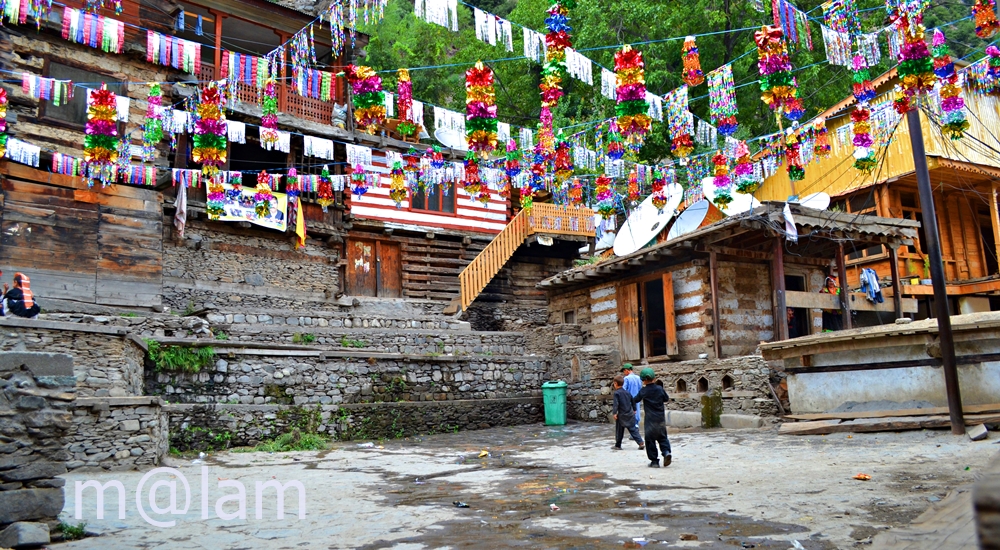
The Enigmatic Beauty of the Kalash Valley Nestled in the Hindu Kush mountain range within Chitral, The Kalash Valley is renowned for its distinct charm and cultural richness. Inhabiting this picturesque region are the Kalash people, a community with a unique culture, language, and a distinctive form of ancient Hinduism. In fact, one of the distinguishing features of the Kalash Valley is its cultural diversity. The Kalash people have undoubtedly preserved their ancient traditions and rituals, making their lifestyle a subject of fascination. Their festivals, folklore, and vibrant ceremonies contribute to the valley’s unique atmosphere. The entire Kalash Valley comprises three primary valleys—Bumburet, Rumbur, and Birir. Each of these valleys is embraced by the untamed Kunar River. Positioned at an elevation surpassing 6,500 feet above sea level, the valley’s rugged terrain showcases steep slopes, narrow gorges, and rocky landscapes, creating a breathtaking backdrop. As such, the Kalasha Valleys are a source of attraction for Pakistani as well as International tourists. The three Kalash valleys Bumburet Valley The Bumburet Valley is the largest, most picturesque, and most populous valley among the three Kalash Valleys. It is accessible via a road from Ayun in the Kunar Valley. This valley reaches an elevation of 1,640 meters (5,380 ft) where it meets the Rumbur Valley. Further downstream, it joins the Kunar Valley at the village of Ayun, situated at 1,400 meters (4,600 ft) and approximately 20 kilometers (12 mi) south of Chitral. To the west, Bumburet Valley ascends to a pass connecting to Afghanistan’s Nuristan Province at about 4,500 meters (14,800 ft). Despite its scenic beauty, the population in the region is facing a rapid decline. The most famous and frequently visited among the three valleys is Bumburate, located 36 kilometers from the main city of Chitral. Rumbur Valley The Rumbur Valley is a side valley situated to the north of Bumburet, approximately 32 kilometers from Chitral. It is the third and least populated of the Kalash Valleys. Birir Valley The Birir Valley, also known as Biriu, is a side valley of the Kunar Valley positioned south of Bumburet, located about 34 kilometers from Chitral. The Birir Valley is one of the oldest settlements of the Kalash tribe and has retained its authenticity in terms of architecture and local customs. The houses, streets, and pavements in Birir Valley are constructed from stones and wood, reflecting the traditional practices followed by the locals. History The Kalash valleys in Chitral boast a rich history. One of the major highlights is the presence of the Kafir-Kalash, also known as the “Wearers of the Black Robe.” This primitive pagan tribe adds a unique cultural dimension to the region. However, the origins of the Kalash people are shrouded in mystery and subject to controversy. Numerous myths surround the ancestry of the Kalash people, with one prevailing legend suggesting a connection to Alexander the Great’s army. According to this tale, five soldiers from the legions of Alexander of Macedon settled in Chitral and are believed to be the forebears of the Kafir-Kalash. This myth weaves a historical link between the ancient Greek conqueror and the Kalash people. Another intriguing narrative revolves around the migration of the Kalash ancestors to Chitral from the land of Tsiyam. The original homeland of the Kalash people, referred to in their folk songs, is believed to be Tsiyam. The details of this migration and the cultural elements retained by the Kalash people from their ancestral land contribute to the richness of their heritage. Overall, the history of the Kalash valleys is intertwined with these captivating myths and legends. Subsequently, it creates an aura of mystery and fascination surrounding the origins of the Kafir-Kalash. Religion The Kalash people, who inhabit the remote Kalash Valley in Pakistan, follow a distinctive and ancient polytheistic religion known as the Kalash religion. Rooted in animism and nature worship, their belief system revolves around a pantheon of gods and goddesses. Central to the Kalash religious practices is the veneration of various deities, with Dezau being the supreme God and Maha Devi serving as his consort. These divine figures are believed to govern different facets of life, including fertility, harvests, and protection. The Kalash people hold nature in high regard, assigning spiritual significance to mountains, rivers, and trees. Religious rituals and ceremonies are integral components of the Kalash cultural identity. The community’s festivals are marked by joyous celebrations, featuring music, dance, and feasting. These events serve as occasions for the Kalash people to express gratitude to their deities, seek blessings, and ensure the prosperity of their community. Preserving their religious traditions is of utmost importance to the Kalash people. Particularly, as their way of life encounters challenges in the face of a changing world. Efforts are underway to safeguard their unique beliefs and cultural heritage, highlighting the significance of the Kalash religion as a captivating aspect of this vibrant and distinct community. Culture The culture of the Kalash people stands out as unique and distinct, differing significantly from the many contemporary Muslim ethnic groups in northwestern Pakistan that surround them. Nature assumes a highly significant and spiritual role in their daily lives, and as part of their religious tradition, they conduct sacrifices and hold festivals to express gratitude for the abundant resources of their three valleys. The mythology and folklore of the Kalash people have been likened to that of ancient Greece, although a closer parallel can be drawn to Vedic mythology. This cultural richness, drawing from ancient traditions and beliefs, adds a layer of fascination for observers and anthropologists. The Kalash people’s unique cultural practices have captivated anthropologists, particularly in contrast to the predominant cultures in the surrounding region. The celebration of nature, the religious rituals, and the preservation of ancient mythological narratives contribute to the distinctive cultural tapestry of the Kalash people. Their way of life serves as a testament to the diversity that exists within the broader cultural landscape of Pakistan’s northwestern regions. People The Kalash people constitute a small religious and ethnic minority in Pakistan, enjoying legal and
Neelumm Valley Tourist Attractions Azad Kashmir
City Breaks, Kashmir, Others, Tourism Blogs

Neelum Valley Tourist Attractions

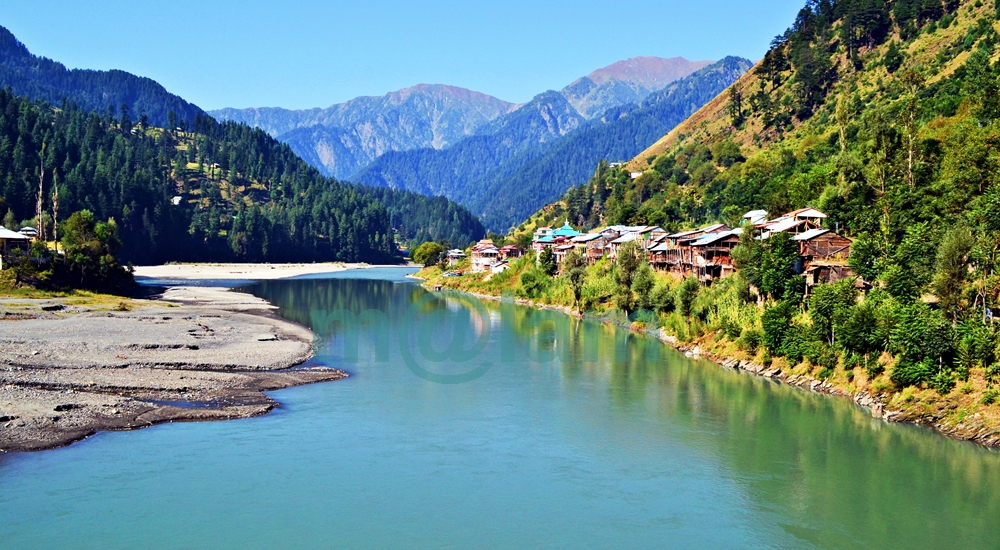
Explore the Enchanting Tourist Attractions in Neelum Valley Nestled in the northern reaches of Muzaffarabad, Azad Kashmir; the Neelum Valley stands as a breathtaking paradise, running parallel to the captivating Kaghan Valley. The Neelum Valley Tourist Attractions include a series of natural marvels dotted from Muzaffarabad to Taobutt. With its unparalleled scenic beauty, panoramic vistas, and lush greenery, Neelum Valley undoubtedly beckons travelers seeking a dreamlike escape. Patika: The Gateway to Neelum Valley Patika is a welcoming gateway to this picturesque wonderland that lies just 19 kilometers from Muzaffarabad. As the initial stop on your Neelum Valley adventure, Patika boasts a thriving commercial hub where visitors can find all the essentials for their journey. Beyond the city’s commercial charm, Patika offers breathtaking panoramas of the valley. Moreover, the winding road leading to Patika is adorned with towering trees, creating a mesmerizing natural spectacle. Dhani Waterfall: Nature’s Spectacle Situated approximately 30 kilometers from Muzaffarabad, Dhani Waterfall is a gem of Neelum Valley Kashmir. Its crystal-clear waters glisten amidst the lush green surroundings, making it one of the region’s most captivating waterfalls. The ideal time to visit this natural wonder is from March to mid-June when it is at its most glorious. Dhani Waterfall is the largest in Neelum Valley and transforms into a spectacle during the summer months. Kundal Shahi: The Tranquil Village Perched at an altitude of 1,350 meters above sea level, Kundal Shahi is a charming village nestled near the confluence of Jagran Nullah and Neelum River. It is located at a distance of approximately 74 kilometers from Muzaffarabad. Despite its modest size, Kundal Shahi serves as a vital launchpad for exploring Neelum Valley, providing the essential starting point for your adventure. Kutton: A Riverside Paradise Just 82 kilometers from Muzaffarabad and 8 kilometers west of Kundal Shahi, the stunning Kutton Valley awaits. Accessible through a narrow uphill gorge along the Jagran River, Kutton is renowned for its natural beauty. Snow-covered Himalayan peaks guard this valley, and the melting waters of the river are teeming with Trout Fish. Kutton offers a range of accommodation options, including government rest houses and private guest houses. Athmuqam: A Valley with Facilities Galore Sitting at an elevation of 1,371 meters above sea level and roughly 84 kilometers from Muzaffarabad, Athmuqam is a prominent hub in Neelum Valley. Because of being the 8th station from Muzaffarabad, it earned the name “Athmuqam.” This valley boasts a plethora of amenities, including hotels, rest houses, a post office, a bank, educational institutions, and a bustling bazaar. Athmuqam is also celebrated for its diverse fruit offerings. Keran: Lower Neelum’s Bounty Keran, also known as Lower Neelum, lies at an altitude of 1,524 meters (5,000 ft) on the right bank of the Neelum River, a mere 10 kilometers from Athmuqam. This region is blessed with abundant fruit and wildlife. While gazing across the river, you can catch glimpses of the valleys in Indian-Occupied Kashmir. The AJK tourism department has established a beautiful rest house in Keran, making it a prime stopover in the valley. Upper Neelum (Neelum Village): Nature’s Wonderland Upper Neelum, or Neelum Village, is located just three kilometers from Keran at a fair altitude. It is easily accessible from Keran via a link road and from Athmuqam through the Keran bypass. Similar to Keran, Upper Neelum boasts fruit orchards and a rich wildlife population. Moreover, visitors are treated to breathtaking views of Azad Kashmir and Indian-Occupied Kashmir across the Neelum River. Dowarian: A Forested Haven Dowarian, situated at an altitude of 1,615 meters, is approximately 12 kilometers from Keran. Likewise, it is 22 kilometers from Athmuqam and about 106 kilometers from Muzaffarabad. This lush valley is blanketed with pine trees and is connected to Kaghan Valley via the Rattigali Pass. You can specifically find the stunning Ratti Gali Lake at 3,700 meters. Moreover, the forest rest house at the base camp caters to the needs of travelers. Ratti Gali Lake: A Serene Alpine Gem Nestled in the Neelam Valley at an altitude of 3,700 meters, Ratti Gali Lake is a breathtaking natural wonder. To reach this pristine lake, embark on a 17-kilometer jeepable track from Dowarian followed by a 2-kilometer hiking trek. Dowarian serves as the base camp for this awe-inspiring lake. Sharda: A Riverside Retreat Sharda is situated at an altitude of 1,981 meters and approximately 136 kilometers from Muzaffarabad. It is a prominent valley nestled along the Neelum River. A suspension bridge connects this charming valley to the main Neelum road. In fact, Sharda is renowned for its lush greenery, dense forests, and numerous hotels catering to tourists. The valley’s picturesque beauty is further enhanced by the Surgan Nallah and the relics of the ancient Sharda University. Saral Lake: A High-Altitude Marvel Saral Lake, perched at an altitude of 4,100 meters, is a hidden gem in the Neelam Valley. Sharda basically serves as the base camp for this breathtaking lake. It actually offers an ideal starting point for intrepid travelers. Kel: Gateway to Adventure Kel, located at an altitude of 2,097 meters, is a quaint valley situated just 19 kilometers upstream from Sharda. Basic facilities, including guest houses, are available here. At the same time, Kel is accessible from Gilgit-Baltistan via Astor and Deosai Plains and through Shounter Nullah (Gorge) via the 4,420-meter Shounter Pass. Furthermore, Kel also provides access to the 6,326-meter “Sarawaali Peak” and the expansive 25-kilometer glacier, the highest peak and largest glacier in Azad Kashmir. Shounter Lake: A Seasonal Gem Shounter Lake is a small, seasonal lake located in the Shounter Valley at an altitude of 3,100 meters. Accessible from Kel via a jeep track, it remains open only during peak summer months. Shounter Valley serves as the gateway to Sarawaali Peak’s base camp and provides a route to Astore in Gilgit-Baltistan. Chitta Katha Lake: A Summer Delight Located in the Shounter Valley at an altitude of 3,800 meters, Chitta Katha Lake is a summer paradise. It is accessible in July and August from Kel via a 20-kilometer jeep track

Marsur Rock
City Breaks, Gilgit-Baltistan, Others, Tourists Destinations in Pakistan

Marsur Rock

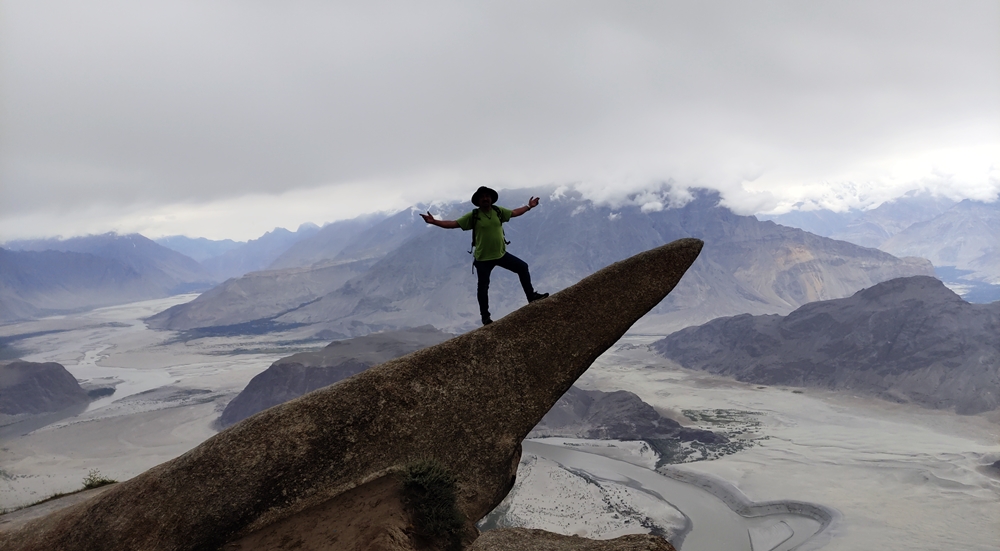
Marsur Rock: The Trolltunga of Baltistan If you’re craving awe-inspiring sceneries of Skardu town and its picturesque surroundings, the hike to the Marsur Rock is what you are exactly looking for. All you need is energy and determination to climb a steep moraine that takes at least 3 hours to hit the rock. It is an amazing hike providing fascinating views of the entire Skardu and surrounding attractions including the Hussainabad Valley and Broq in the immediate backdrop, Sarfaranga Desert, Kharpocho Fort, Nansoq Valley, the meandering Indus River, the convergence of Indus and Shigar rivers, and the Shigar Valley in the background. Marsur Rock is accessible by an adventurous drive from Skardu to the Hussainabad Broq located on a fair altitude followed by an uphill hike providing magnificent views. An Emerging Tourist Attraction Situated on the verge of mountains of Hussainabad, Shigar, Baltistan, Marsur Rock (also known as Hussainabad Rock) stands as a remarkable geological wonder in this region. The famous rock is celebrated for its distinctive geological features. At an elevation of 3,757 meters, Marsur Rock is a towering rock spire perched majestically on a mountain ridge high above the Hussainabad Valley. It bears a striking resemblance to Norway’s famous Trolltunga. What sets it apart is that out of its 38-foot total length, a whopping 25 feet extends dramatically into thin air, offering daring adventurers the opportunity to savor a mesmerizing bird-eye-view of the valleys below and capture daring photographs. Remarkably, Marsur Rock remained hidden from the world until 2018 until it was noticed by locals. A captivating picture of this rock shared on social media suddenly thrust this hidden gem into the tourist limelight. What makes this rock so exceptional is its multi-faceted appeal. It is, without a doubt, the finest bird’s-eye viewpoint in Skardu, offering unrivaled scenery in the entire town. The trail is adventurous, can be conquered by individuals of all ages yet requires vigor and resolve. It’s a perfect day activity whether you’re in Skardu or exploring the enchanting Shigar Valley. How to Reach Marsur Rock Accessing Marsur Rock involves an exhilarating jeep ride to Hussainabad Village and then Broq followed by an invigorating hike. Drive from any part of Baltistan to the southeastern part of Hussainabad Valley. Hussainabad itself is conveniently situated on the Kargil-Skardu Road, merely 24 kilometers from Skardu town, with a journey time of approximately 35 minutes. Take the side road that commences near Karakoram International University Campus in Hussainabad, branching off from the main Kargil-Skardu Road. The jeep track meanders through the valley, passing by the enchanting Hussainabad Waterfall, and ascends along a zigzagging uphill path leading to the summer pasture. From this point onward, a scenic hike leads to the captivating Marsur Rock. Depending on your pace, the hike typically takes around 3 hours. Remarkably, you don’t require a guide to navigate to this remarkable spot. Important Tips for Your Visit Here are some key considerations for planning your journey to Marsur Rock: Mobile signals are not available in the vicinity of Marsur Rock, so plan accordingly. You are traversing a culturally sensitive area, so wear appropriate clothing that respects local customs. Preserve the pristine beauty of the area by avoiding littering and demonstrating responsible travel behavior. Be sure to carry essential supplies, including water, some food, an umbrella or raincoat, a cap or hat, and a camera to capture the breathtaking scenery. Exercise caution, especially when taking photographs, particularly during inclement weather conditions. Explore Nearby Attractions While Marsur Rock itself is a shining gem, there is a treasure trove of attractions waiting to be explored in the immediate vicinity and throughout the remote valleys of Baltistan. Don’t miss the opportunity to immerse yourself in the natural wonders of Hussainabad Valley, Baltistan, Pakistan. Some other captivating attractions in the vicinity include: Skardu District Attractions Nansoq Organic Village Kharpocho Fort Katpana Desert & Lake Satpara Lake Lower Kachura Lake Upper Kachura Lake Deosai Plains Chunda Valley Soq Valley Basho Valley Shigar District Attractions Shigar Fort Palace Amburiq Mosque Hashupi Garden Shigar Riverside Sarfaranga Desert Blind Lake Khaplu District Attractions Khaplu Valley Khaplu Fort Palace Chaqchan Mosque Blind Lake Keris Thallay Valley Machulu Village Hushey Valley Kharmang District Attractions Manthoka Waterfall Khamosh Waterfall

Biddulph House & Library Gilgit
Others

Biddulph House & Library

Exploring the Rich Heritage of Gilgit: The Fascinating Biddulph House & Library Gilgit, a mesmerizing region in Pakistan’s Gilgit-Baltistan, boasts a historical landmark that narrates a captivating tale of cultural exchange and architectural marvel. Meet the renowned Biddulph House & Library, named after the esteemed British officer, Colonel Sir Neville Biddulph, who served in this very region during the late 19th century. Unveiling Biddulph House: A Fusion of British and Local Design Biddulph House, a true architectural gem, showcases a captivating blend of British and local design influences. Constructed in the late 19th century, this splendid abode served as the residence of Colonel Biddulph during his tenure in the region. The house’s distinctive Victorian-style architecture leaves visitors in awe, featuring intricate woodwork, spacious rooms, and a lush garden enveloping the property. The Enchanting Biddulph Library: A Treasure Trove of Knowledge Adjacent to the grand Biddulph House stands the equally impressive Biddulph Library, a beacon of knowledge and history. Also established by Colonel Biddulph, the library houses an impressive collection of books, manuscripts, and historical documents. The breadth of subjects covered is vast, encompassing local history, culture, literature, and more. As a result, the Biddulph Library serves as a key spot for researchers, scholars, and enthusiasts eager to explore the rich heritage of Gilgit-Baltistan. From the Past to the Present: An Evolving Cultural Hub Over the years, the Biddulph House & Library has transformed into a cultural hub of immense importance. Initially, the library underwent a transition and became the Municipal Library in the 1970s. Recently, it underwent a remarkable renovation, courtesy of the GB Government and the Aga Khan Trust for Culture Pakistan. Today, it proudly stands as the Exhibition and Research Center, offering a delightful experience to all its visitors. A Glimpse into the Colonial-era Architecture The Exhibition and Research Center invites guests to take a step back in time, offering glimpses of colonial-era architecture. Through an extensive collection of photographs, visitors can immerse themselves in the region’s rich history. The images capture historical buildings, places, and celebrated personalities from various fields. The center serves as a captivating time machine, attracting both tourists and locals alike, providing a serene and intellectually stimulating environment. A Testament to Cultural Exchange and Historical Significance Today, the Biddulph House & Library stands tall, symbolizing the region’s historical significance and the remarkable cultural exchange between the British and the local communities. Its grand presence serves as a poignant reminder of the past while encouraging an exploration of the unique heritage of Gilgit and its surrounding areas. For history enthusiasts, culture aficionados, and architecture admirers, the Biddulph House & Library is an absolute must-visit destination. Immerse yourself in the captivating blend of British and local design, delve into the treasure trove of knowledge at the Biddulph Library, and relish the sights of colonial-era architecture at the Exhibition and Research Center. The experience promises to be truly enriching and memorable, leaving you with a profound appreciation for the heritage of Gilgit and its enduring cultural legacy.

Murree Hills
Others

Murree

Exploring Murree: Pakistan’s Premier Hill Station Unlocking the Wonders of Murree, the Enchanting “Queen of Hills” Nestled in the heart of the Peer Panjal Range, Murree, often referred to as the “Queen of Hills,” graces the outskirts of Rawalpindi and Pakistan’s capital, Islamabad. Just 30 kilometers northeast of Islamabad, this hill station, perched at altitudes ranging from 6000 to 7000 feet, captivates visitors year-round. Let’s delve into the rich history and alluring attractions of this picturesque destination. A Glimpse into Murree’s Past Discovering Murree’s Origins In 1847, Major James Abbott, an Indian Army officer, first recognized Murree’s potential as a hill station. Two years later, the decision was made to establish a hill station in this region, providing convenient access from Rawalpindi’s vital military cantonment. It officially took shape in 1851 under the guidance of Sir Henry Lawrence, the President of the Punjab Administrative Board at the time. Originally conceived as a sanatorium for British troops stationed along the Afghan frontier, Murree transformed into a thriving town by 1853. Over time, it acquired a unique blend of British heritage, evident in its churches, educational institutions, and historic landmarks. Notably, several individuals born in Murree during the colonial era, including Lieutenant Colonel Sir Francis Edward Younghusband, Reginald Dyer, and Joanna Kelley, rose to prominence on the global stage. The British Love Affair with Murree The allure of Murree for the British lay in its climate, reminiscent of England, and its escape from the blistering summer heat of Punjab’s plains. Consequently, it became a favored summer retreat for British citizens during the British Raj. However, until 1947, non-Europeans were barred from accessing commercial establishments like Lawrance College and Mall Road. Journeying to Murree In the early 1900s, the journey to Murree from Lahore, the capital of Punjab, involved a train ride to Rawalpindi, followed by a five-hour horsecart ride to Murree. Despite the arduous trip, the hill station buzzed with European visitors and British troops encamped in the hills. The picturesque Victorian Gothic architecture of the houses and villas lent Murree a distinctly European ambiance. By 1901, the permanent population reached 1844, with the summer influx swelling the numbers to potentially 10,000. Post-Independence Transformation Murree continued to enchant as a colonial town until 1947. Today, it stands as a bustling summer resort in the Galyat region of northern Punjab, drawing throngs of tourists every season. The local population, as of 2022, hovers around 233,000, with Pahari as the predominant language. Most local businesses are owned by non-locals. Additionally, Murree serves as a gateway for tourists heading to Muzaffarabad and Abbottabad. It has firmly retained its status as a sought-after hill station since Pakistan’s independence in 1947, attracting visitors from all corners of the country and beyond. Embracing Murree’s Charms Immersing in Nature’s Splendor The Himalayan hills surrounding Murree, adorned with dense evergreen forests and an abundance of flora and fauna, provide an idyllic summer escape. Even in winter, when snow blankets the landscape, Murree’s valleys and mountains captivate visitors from across Pakistan and the world. Here are some must-visit attractions and activities: 1. Patriata Chairlift: Located approximately 20 kilometers from Murree, this chairlift offers panoramic views. 2. Ayubia Chairlift: Another chairlift adventure awaits in Ayubia. 3. Hiking in Nathiagali and Changagali: Explore nature’s beauty on these scenic trails. 4. Stroll from Mall Road to Pindi Point: Followed by a chairlift ride down to Bansra Gali for a memorable experience. 5. Mall Road to Kashmir Point: Revel in the breathtaking views of the Kashmir mountains. 6. Shopping and Dining on Mall Road: Discover local treasures and savor delectable cuisine. 7. Bird and Monkey Watching: Get closer to nature’s wonders. 8. Explore Uppertopa and Lowertopa: Uncover hidden gems. 9. Visit Goragali and Bhurban: Expand your horizons. Unveiling Murree’s Climate Situated in the outer Himalayas, Murree boasts a high-altitude location. The Köppen climate classification categorizes it as having a monsoon-influenced subtropical highland climate. Winters here are cold and snowy, while summers are cool and rainy, often accompanied by fog. Precipitation is a constant companion, with an annual average of 1,904 millimeters and approximately 1,590 millimeters of snowfall, typically from January to March. Navigating to Murree You can access Murree from Islamabad via the old Murree Road or the new Islamabad-Murree Expressway. While there are no railway stations or airports in Murree due to its mountainous terrain, the Islamabad International Airport and Golra Railway Station in Islamabad serve as the closest transportation hubs. Murree, with its rich history, natural beauty, and diverse attractions, remains a jewel in Pakistan’s crown. Whether you’re seeking adventure, relaxation, or simply a break from the ordinary, this “Queen of Hills” offers an unforgettable experience year-round.

Kaghan Valley Tourist Attractions
Khyber Pakhtunkhwa, Others, Roads & Highways, Tourism Blogs

Kaghan Valley Attractions

The Kaghan Valley Attractions: A Guide to Its Breathtaking Landscape The Kaghan Valley: Nature’s Marvel in the Heart of Pakistan Nestled within the Mansehra district of Khyber Pakhtunkhwa, Pakistan, the Kaghan Valley is a captivating alpine haven. Spanning a distance of 160 kilometers from its lowest point at 650 meters to the towering Babusar Pass, standing proud at 4170 meters, the Kaghan Valley Attractions speak louder than words. This picturesque valley, a cherished summer retreat, boasts a landscape adorned with lush greenery, majestic Himalayan peaks, and glistening alpine lakes. It’s a realm where nature’s splendor unfurls at every turn, offering a refuge from the mundane. In the embrace of the Kaghan Valley, nature’s symphony resounds in every sight and sound. From cascading waterfalls to alpine lakes, from towering peaks to lush meadows, this haven promises an escape like no other. Embark on a journey of discovery, where adventure and tranquility converge, and the heart finds solace amidst nature’s grandeur. The Kaghan Valley Attractions await an open invitation to experience the magic of Pakistan’s pristine landscapes. As a seasoned traveler, you’ll find the Kaghan Valley Attractions as an alluring sanctuary, rich in diverse attractions that promise an unforgettable escape. Embarking on a Journey through the Kaghan Valley Heading East: Azad Jammu & Kashmir Beckons To the valley’s east lies the captivating realm of Azad Jammu & Kashmir, a mesmerizing expanse that beckons with its charm. This region, a tapestry of beauty, awaits those who seek to explore its hidden gems and immerse themselves in its natural wonders. Towards the North: The Allure of Gilgit-Baltistan Northward, the Kaghan Valley borders Gilgit-Baltistan, an awe-inspiring land where towering peaks and untamed landscapes await intrepid souls. Here, adventure and exploration intertwine, presenting a gateway to uncharted territories and unforgettable experiences. KIWAI: Where Beauty and Adventure Converge The first of Kaghan Valley Attractions, you’ll encounter the charming town of Kiwai, nestled approximately 24 kilometers from Balakot. A gateway to wonder, Kiwai boasts dense pine forests and the allure of its cascading waterfall. This haven is not only a resting point but a realm of enchantment, captivating the hearts of travelers with its natural allure and invigorating ambiance. SHOGRAN: Nature’s Haven of Tranquility Nestled within the captivating Kaghan Valley, Shogran emerges as a highly sought-after destination for tourists. This idyllic haven, perched at an impressive altitude of approximately 2,362 meters (7,749 feet) above sea level, offers a retreat into a world of unparalleled natural splendor. The allure of Shogran lies in its scenic magnificence, attracting nature enthusiasts and adventure seekers alike. This picturesque valley, accessible via the Naran-Gilgit Road at Kiwai, beckons you to explore its myriad wonders. As you ascend to Shogran, the air becomes crisper, and the surroundings transform into a spectacle of greenery and tranquility. SIRI & PAYE: A Glimpse of Alpine Grandeur Cradled in the arms of the mountains, Siri Paye stands as a testament to nature’s artistry. This mesmerizing meadow, adorned with a carpet of wildflowers, offers a panoramic spectacle that ignites the imagination. The sweeping views from Siri Paye encompass a symphony of colors, as the meadow transitions with the changing seasons. The allure of Siri and Paye beckons, an enchanting journey through alpine landscapes and breathtaking vistas. Venture forth through a jeep ride or a scenic climb to reach these heights, where lush meadows and awe-inspiring panoramas await. Siri and Paye, a symphony of beauty, are a testament to the valley’s magnificence. KAGHAN VALLEY – NATURE’S SPLENDOR NARAN: Nature’s Tapestry Unveiled The Naran Valley, a portrait of natural splendor, welcomes you with its lush meadows, crystal-clear lakes, and majestic mountains. Engage your senses in outdoor pursuits like trekking, rafting, and camping, as you embrace the valley’s vibrant beauty. Set against a backdrop of towering peaks, Naran Valley paints a vivid picture of summer’s embrace. Captivating Enclaves: Treasures of the Kaghan ValleyLAKE SAIF UL MULOOK: A Fabled Oasis Nestled in the heart of Kaghan Valley lies a mesmerizing gem named after Prince Saif ul Mulook’s romantic escapade with a mountain fairy. At a breathtaking altitude of 3224 meters, the legendary Saif ul Mulook Lake stands tall as a prime focal point, the 9-kilometer unpaved adventurous road greets travelers with a thrilling 45-minute adventurous jeep ride. The very heart of Saif ul Mulook Lake is its oval-shaped expanse of crystalline waters stretching over a mile serving as a mirror to the grandeur that surrounds it. Reflecting the snow-covered magnificence of the encircling mountains, the lake’s surface shimmers with an ethereal glow, a sight that beckons wanderers and adventure enthusiasts alike. The lake stands as a gateway to boundless adventure and serves as a launching pad for the exhilarating trek to Ansoo Lake. LALAZAR: A Verdant Paradise Beckons Discover the captivating allure of Lalazar, a breathtakingly beautiful plateau nestled at an impressive elevation of 3,130 meters. Situated a mere 20 kilometers away from the charming town of Naran, Lalazar boasts a verdant expanse adorned with an array of vibrant wildflowers, creating a stunning natural tapestry that beckons travelers seeking an escape into nature’s embrace. The 16-kilometer stretch from Naran to Jalkhar presents a well-paved route, ensuring a smooth and comfortable ride for travelers. However, the subsequent 4-kilometer segment from Jalkhar to Lalazar is an uphill ascent along an unpaved, zig-zagging road that adds an element of thrill and excitement to the expedition. This remarkable tourist haven offers panoramic vistas of the valley, treating visitors to an awe-inspiring display of natural grandeur that resides within the upper reaches of the Kaghan Valley. BATAKUNDI and Beyond: Embracing the Heights If you’re seeking an extraordinary escape from the mundane, look no further than the hidden gem of Batakundi. Nestled just 15 kilometers east of Naran, Batakundi is a haven for nature enthusiasts and those in search of tranquility. With its awe-inspiring mountain vistas and tranquil surroundings, Batakundi stands out as the perfect destination for your next retreat. Batakundi offers an idyllic retreat surrounded by nature’s finest elements. The towering mountains and lush greenery create a

Scroll to Top