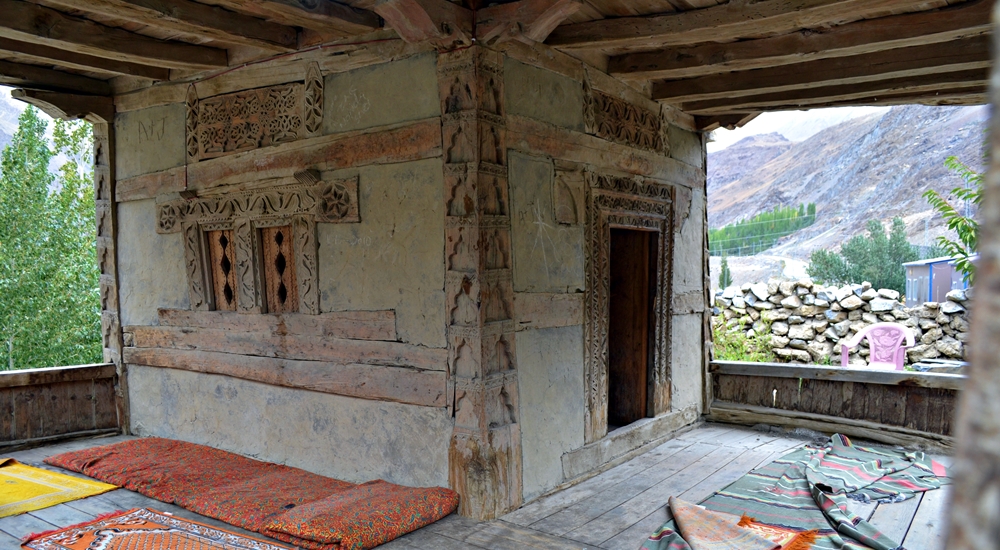
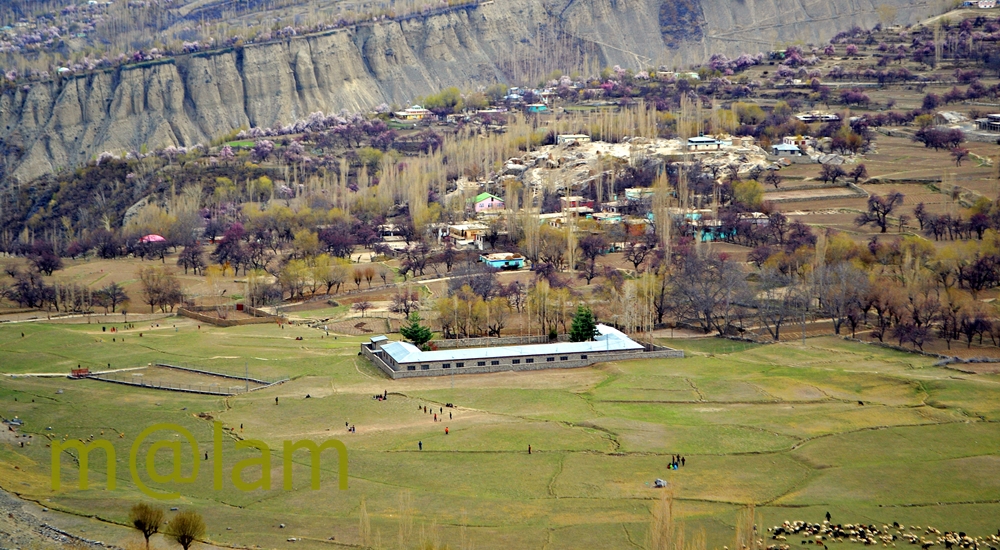
Chunda Valley – A Hidden Gem in Skardu Chunda Valley in Skardu, Gilgit-Baltistan, is a hidden gem, nestled amidst the majestic Karakoram Range. Sitting in the lap of snow-crowned mountains, relatively untouched by mainstream tourists, it is one of the most favorite tourist spots in Gilgit-Baltistan captivating visitors with its breathtaking beauty. The valley not only boasts a spectacular landscape – snow-crowned mountains, lush green meadows with crystal clear streams, and traditional houses adorned with orchards – but also offers impressive scenery of Skardu town itself. Located 3000m above sea level, Chunda is accessible only at a short distance of about one hour’s adventurous drive from Skardu downtown. A Vibrant Tourist Attraction Famous among both domestic and international tourists, Chunda Valley is now a vital part of the tour plan for general tourists and tour operators as a short excursion from the town of Skardu. The valley is famous for its picturesque landscapes greeting visitors with a stunning combination of towering mountains surrounded by a lush green landscape of carpeted fields. Chunda offers multiple viewpoints where one can witness the grandeur of the Karakoram Mountains. Photographers will find countless opportunities to capture the awe-inspiring scenery, both of the Chunda Valley and also the town of Skardu and the wide stretch of Indus guarded by mountains. These meadows provide an excellent spot for picnics, relaxation, and photography. Seasonal Beauty Known for its unique beauty, Chunda Valley showcases diverse colors of nature in the four distinct seasons. In the blossom season, starting late February or early March and continuing till the end of April in Gilgit-Baltistan, it is blanketed with blooming flowers presenting a heavenly charm. The valley is a great retreat during summers, from May till September, and provides magnificent views of the entire stretch of Skardu from the viewpoint. Autumn, mid-October till mid-November, presents a brief season but extremely colorful and the valley allures nature enthusiasts and photographers to appreciate its myriads of colors. The autumn season is particularly remarkable, with the valley covered in vibrant shades of orange, yellow, and red. This period is ideal for photography, offering an enchanting setting for capturing the beauty of the valley. Winters blanket the valley in white and that’s again a unique time to visit. Local Hospitality The residents of Chunda Valley are known for their warm hospitality and simple, yet rich, way of life. Visitors to Chunda Valley therefore have the chance to immerse themselves in the local culture. The valley is home to a small, traditional community that preserves its cultural heritage and customs. Travelers can interact with the locals, learn about their way of life, and even enjoy traditional Balti food. Hospitality is a central part of the culture, and guests are often welcomed with open arms. Their cultural practices and traditions have been preserved for generations, offering visitors a glimpse into the authenticity of Skardu’s heritage. Engage with locals, participate in traditional festivities, and savor the local cuisine for an immersive experience. Activities to Enjoy in Chunda Valley Day Hikes Chunda Valley is a paradise for adventure enthusiasts. There are several hiking routes for all skill levels, ranging from easy walks to challenging hikes that take visitors to higher altitudes. Some popular trails lead to surrounding peaks and viewpoints, offering breathtaking views of the valley below. Camping under the Stars Camping in Chunda Valley is a truly magical experience. With clear skies and minimal light pollution, the valley provides excellent conditions for stargazing. Many travelers enjoy camping by the riverside or in the open meadows, where they can relax, enjoy a bonfire, and watch the stars at night. Camping is only possible in the environs of the valley providing a scenic view, and not within the valley. Photography and Nature Walks For photographers, Chunda Valley is a treasure trove of natural beauty. The stunning landscapes, lush greenery, and vibrant colors make it an ideal location for both landscape and portrait photography. Nature walks through the valley are equally rewarding, allowing visitors to explore the diverse flora and fauna of the region. Bird Watching and Wildlife Spotting Chunda Valley is home to a variety of bird species and wildlife, making it a paradise for birdwatchers and wildlife enthusiasts. Common sightings include golden eagles, Himalayan snowcocks, and a variety of small mammals. Wildlife photographers will find plenty of subjects to capture in this serene environment. Accommodation Options While Chunda Valley has limited accommodation options, visitors can stay in nearby Skardu, which offers a range of hotels, guesthouses, and lodges. In the valley, there are a few local guesthouses and camping sites. For a more immersive experience, many travelers prefer camping in the valley itself, surrounded by nature. Guesthouses: There are a few small guesthouses within the valley run by locals. These accommodations provide basic facilities but offer a warm and authentic experience. Camping: Camping is a popular choice among visitors to Chunda Valley. The valley has several safe and scenic spots ideal for setting up tents. Travelers are encouraged to bring their own camping gear or rent equipment from Skardu. Hotels in Skardu: For those seeking more comfortable accommodations, Skardu City offers a range of hotels from budget options to mid-range hotels. Visitors can base themselves in Skardu and take day trips to Chunda Valley. Important Travel Tips for Chunda Valley The weather in Chunda Valley can be unpredictable. Visitors should check the weather forecast and pack accordingly. During the colder months, warm clothing is essential as temperatures can drop significantly at night. Certain areas in Gilgit-Baltistan may require travel permits for foreign visitors. It is recommended to check local regulations before traveling. Chunda Valley is home to a close-knit community with deep cultural roots. Visitors are encouraged to respect local customs, dress modestly, and ask permission before taking photographs of people. Due to the high altitude, it is important to stay hydrated and acclimatize properly. It is also recommended to carry essentials like sunscreen, insect repellent, and a basic first-aid kit.