Muzaffarabad

Sirikot Muzaffarabad
Kashmir, Tourists Destinations in Pakistan

Sirikot, Muzaffarabad

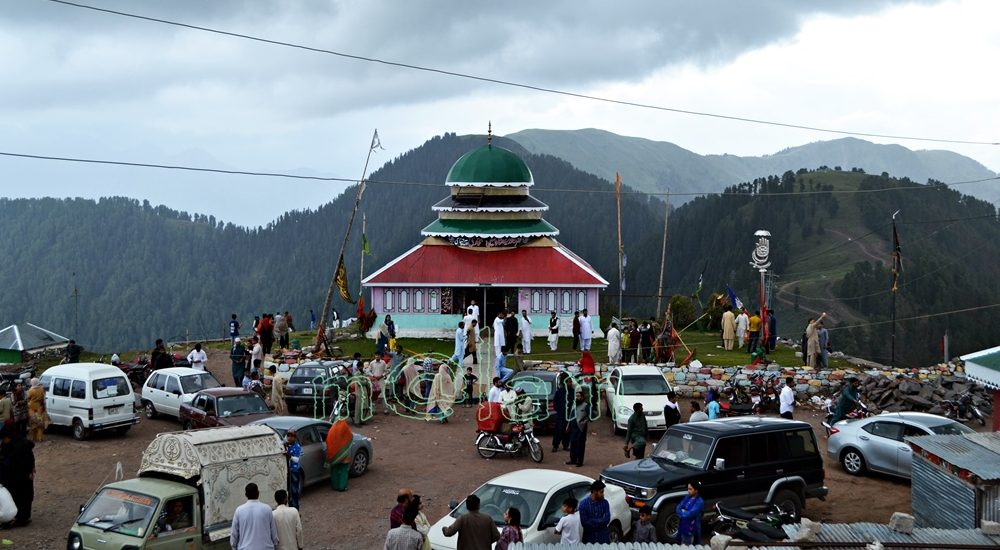
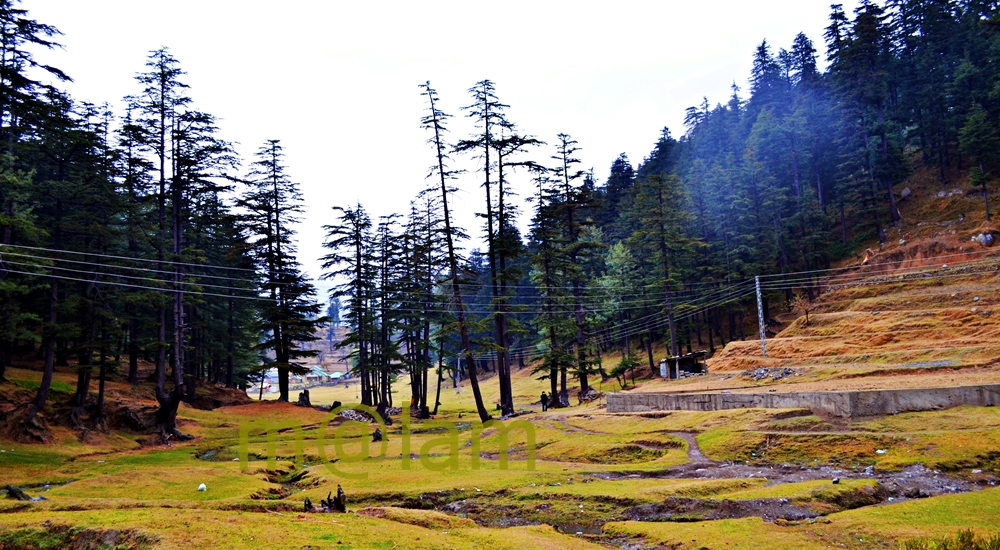
Escape to Serenity: Srikot, Azad Kashmir’s Untouched Wilderness The term “Sirikot” originates from the fusion of two words: “Siri,” which translates to “top,” and “kot,” meaning “village” in the local language. Together, they signify a “village at the top” or a “hill-top village,” reflecting its mountainous geographical setting. Situated at an altitude of approximately 2125 meters (6,970 feet), Sirikot boasts a long stretch of green meadow extending over a kilometer in length, surrounded by dense hilly forests in Muzaffarabad district of Azad Kashmir. During the summer months, it is an ideal destination for either a day trip or an overnight stay. Shaheed Gali The tiny valley of Shaheed Gali serves as the starting point for the adventure to Sirikot. Tourists can drive their own vehicles up to Shaheed Gali, where there’s a parking lot near the police station. From there, the route continues with an uphill rough jeep track, suitable only for Willis Jeeps or off-road vehicles. Visitors have the option to hire a jeep for approximately Rs. 3500 to Rs. 4,000 for a short round trip. However, prices for overnight stays are negotiable. The journey by jeep takes about 45 minutes to reach Sirikot. Sirikot: The Most Serene and Mesmerizing Hilltop Emerges as the most serene and mesmerizing hilltop in the Kashmir region, Sirikot is nestled along the border of the Khyber Pakhtunkhwa province. The voyage to Sirikot unveils breathtaking vistas of AJK Muzaffarabad city and mountaintop villages, characterized by steep ascents and adventurous trails flanked by towering Pine trees, crafting a picturesque setting. The delightful climate further enhances the allure, inviting visitors to a locale imbued with tranquil potency, stirring the soul and igniting introspection. Despite the road challenges, the stunning landscape, dense pine forests, and cool climate render Sirikot a standout attraction in Muzaffarabad. Adventure enthusiasts are strongly encouraged to opt for hiking from Shaheed Gali to Sirikot if time and energy permit. The trek takes approximately 2.5 to 3 hours to reach the summit. However, travelers also have the option to hire a jeep from Shaheed Gali to reach Sirikot. From Muzaffarabad to Shaheed Gali, there is a well-maintained metal road accessible to all types of vehicles, including bikes, cars, vans, and Saloon Coasters. However, beyond Shaheed Gali, only jeeps are recommended for the journey. Sirikot holds significant renown among tourists and locals alike, owing to its high altitude and stunning scenic landscapes. While traversing from Shaheed Gali, one can relish picturesque vistas of the valleys and mountains spanning Azad Kashmir and Khyber Pakhtunkhwa. These encompass Muzaffarabad, Garhi Habibullah, Shaheed Gali, the beautiful Neelum Road, and other surrounding regions. Food & Accommodation Sirikot is a destination perfect for a short visit, offering tranquility and celestial beauty. Natural splendor harmonizes with prevailing peace, providing serene and romantic vistas. At the top of Sirikot, there’s a captivating rest house where visitors can stay. Additionally, food points are available during the visiting season, ensuring a delightful experience for all. Sirikot weather Sirikot experiences a range of weather conditions throughout the year. Spring marks the beginning of its beauty, transitioning into warm summers and eventually transforming into snowy winters. The area receives a significant amount of snowfall during the winter season. Due to its altitude and the abundance of forests and greenery, Sirikot enjoys pleasantly cool weather during the summer months. The average temperature during summer ranges from 18 to 30 degrees Celsius, while in winter, it drops significantly to around -2 degrees Celsius, accompanied by heavy snowfall. Things to do at Sri Kot  There are various activities to enjoy at Sirikot: Sports: Engage in sports activities like football, volleyball, badminton, frisbee, or cricket. There’s a cricket pitch available for enthusiasts to play matches or any sport of their choice. Camping: Rent a room at a nearby rest house or set up your own camp on the beautiful hilltop of Sirikot. Barbecue: Enhance your experience by arranging a bonfire or barbecue at this serene location. Musical Events: Host musical events to add to the ambiance and enjoyment. Nature Scavenger Hunt: Create a list of wilderness items and organize a scavenger hunt to find them. Wildlife Spotting: Bring binoculars and guidebooks to identify birds, insects, and other wildlife in the area. Nature Photography: Capture the beauty of the surroundings with cameras or smartphones. Yoga or Tai Chi: Practice yoga or tai chi in a peaceful natural setting. Orienteering: Set up a simple orienteering course using maps and compasses to navigate through the wilderness. Stargazing: Stay until evening and observe the stars and constellations in the night sky. Team Building: Organize team-building activities for corporate groups. Hiking: Explore the dense jungle, listen to the birds’ songs, and immerse yourself in the joy of nature. Always prioritize safety and environmental respect while enjoying outdoor activities. Access to Sirikot: Muzaffarabad serves as the capital city and primary access point, easily reachable from Islamabad and Mansehra/Abbottabad. It’s approximately a 90-minute drive from Muzaffarabad (via Neelum Road and Batamang Road) on the Azad Kashmir side, and a 70-minute drive from Garhi Habibullah on the Khyber Pakhtunkhwa side. The road leading to Shaheed Gali, from both Garhi Habibullah and Muzaffarabad, offers spectacular views of Muzaffarabad city, Pir Chinasi, and the surrounding Azad Kashmir region. However, the final 7-kilometer stretch from Shaheed Gali to Sirikot requires either an adventurous trek or a bumpy jeep ride due to rough road conditions. Emergency Assistance: AJ&K tourism police are tourist-friendly and dedicated to safeguarding privacy and ensuring safety.  Also Read: Muzaffarabad Tourist Attractions Neelum Valley Tourist Attractions Red Fort, Muzaffarabad Pir Chinasi, Muzaffarabad Gangaa Choti Leepa Valley Rawalakot
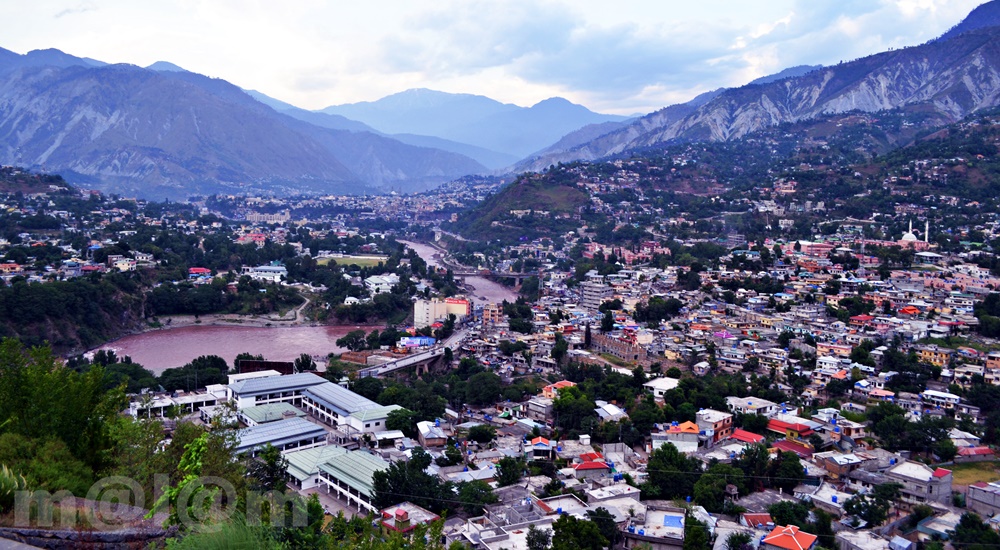
Muzaffarabad city in Azad Kashmir, Pakistan
City Breaks, Kashmir

Muzaffarabad – Azad Kashmir

Muzaffarabad, the primary administrative capital and largest town, stands as one of the ten districts within the State of Azad Jammu and Kashmir. It ranks as the 60th largest city in Pakistan, situated approximately 138 km away from the capital, Islamabad, and 79 km from Abbottabad. Muzaffarabad is surrounded by the Kaghan Valley of Khyber Pakhtunkhwa Province to the west, the Kupwara and Baramulla districts of the contested region of Jammu & Kashmir to the east, Bagh district to the south, and the extensive Neelum district of Azad Kashmir to the north. Situated at an elevation of 2400 feet above sea level, Muzaffarabad lies at the meeting point (Domel) of the azure Neelum River and the ochre Jehlum River. Further downstream, the junction of Neelum and Jehlum is augmented by the Kunhar River, flowing onward to merge with streams that eventually reach the Arabian Sea. Enveloped by verdant valleys, snow-capped peaks, and picturesque high-altitude picnic spots, the administrative capital offers a breathtaking natural panorama. A Glimpse into History Originally known as Udabhanda, Muzaffarabad has a rich historical background. According to accounts, the renowned Buddhist traveler Hieun Tsang entered India in 631 A.D. through Udabhanda and the Baramula Gorge. Udabhanda served as the capital of the Shahi dynasty, ruling over Gandhara (which comprised northern Pakistan and Kashmir) and a portion of Kabul from the third century following the decline of the Kushan Empire until the early ninth century. During the Mughal era, in 1646, Muzaffarabad was founded by Sultan Muzaffar Khan. He was an influential figure of the Bomba Dynasty (established in 1652) who held sway over Kashmir. The name “Muzaffarabad” derives from Sultan Raja Muzaffar Khan. He erected the Red Fort in the city as a defensive stronghold against Mughal incursions. Following the conflict of 1948-49, Muzaffarabad was designated as the capital of Azad Jammu and Kashmir. Tourist Attractions Muzaffarabad and its surroundings boast a variety of unique tourist attractions: 1. Red Fort Begin your exploration with a visit to the historic Red Fort, located at the confluence of the Neelum and Jehlum Rivers. This ancient marvel offers a glimpse into the city’s past and provides a stunning view of the rivers. 2. Pir Chinasi To the east of the city lies the road leading to Pir Chinasi, a majestic spot situated at 2900 meters above sea level. The road to Pir Chinasi offers breathtaking views of the Jhelum Valley and the Neelum’s towering mountains. This site also features the Shrine of Saint Shah Hassan Bukhari, attracting numerous devotees year-round. 3. Lohar Gali For a panoramic view of the city, head west to Lohar Gali. This location offers a stunning vantage point overlooking the Jhelum and Kunhar rivers. On a clear day, you can even spot the 3,890-meter-high Makra Mountain in the Kaghan Valley. 4. Shaheed Gali Located 16 kilometers west of Muzaffarabad, Shaheed Gali is a lush green valley shrouded in mist. Accessible via a narrow metal road, it offers tranquility and natural beauty. 5. Sri Kot A short but adventurous 4-kilometer drive from Shaheed Gali takes you to “Sri Kot,” a paradise for tourists, known for its serene ambiance. 6. Patika Just 19 kilometers away lies Patika, the gateway to the Neelum Valley, offering an excellent excursion opportunity. 7. Architectural Heritage Within the city, you can explore architectural marvels such as the AJK Assembly, AJK Supreme Court, Mosque, Assembly Secretariat, and Khurshid Tomb. 8. Kohala Bridge If you’re traveling from Islamabad via Murree, don’t miss a stop at Kohala Bridge. Here, you can visit Dolai waterfall and the nearby Dak Bangalow, now known as Quaid-e-Azam Memorial Rest House, where Quaid-e-Azam Muhammad Ali Jinnah and Fatima Jinnah once stayed on July 25, 1944. Muzaffarabad serves as a gateway to the Neelum Valley and Jhelum Valley, offering opportunities for day excursions and overnight stays in the Neelum Valley and the eight different districts of the Jhelum Valley. Things to do: There are various activities to enjoy in Muzaffarabad, including hiking, trekking, and camping in the foothill regions of Pir Chinasi, Saran, Sun Bun, Muskhi, Sakki, Lohar Gali, Shaheed Gali, and Jarran. Shopping Delights The thriving cottage industry in the region predominantly centers around woodworking, encompassing furniture making, wood carving, embroidery, and garment production. Muzaffarabad, renowned for its exclusive furniture crafted from Dayyar (Deodar) and Akhrot (Walnut) wood, offers a diverse range of items including chairs, tables, beds, gift boxes, racks, and decorative pieces, along with customizable orders. Additionally, the city is known for hand-woven carpets, Kashmiri shawls, Phairan (traditional Kashmiri dress), kangri (pot adorned with iconic patterns), and various other crafts. Kashmiri bazaars feature two types of carpets: “ghubba” (larger rugs) and “namda” (smaller rugs). Visitors can also explore a plethora of other products such as fresh and dried fruits, mushrooms, honey, and medicinal herbs and plants. Bargaining is sometimes possible, offering opportunities for good deals. Culinary Delights When it comes to traditional cuisine, Muzaffarabad offers a variety of must-try delicacies. These include Goshtawa, Kashmiri Pulao, Hareesa, and Rice Rajma, accompanied by Hawaiian, Firni, kheer, paneer, and other delectable desserts. For breakfast, locals and visitors alike enjoy traditional favorites such as Kashmiri pink chai, Qulcha, and Bakar Khani, which are beloved at both national and international levels. Climate The climate in Muzaffarabad is generally moderate and consistent. The summers, occurring mainly in June and July, are mild. However, the winters from December to February are chilly, often accompanied by snowfall, which adds to the charm for visitors. Autumn is considered the best time to visit, characterized by clear skies and stunning natural scenery. The crystal-clear blue waters of the Neelum River contribute to the distinctive beauty of the region and significantly influence Muzaffarabad’s microclimate. Due to the prevailing weather conditions, the locals primarily wear woolen clothing. Access There are two main routes to access Muzaffarabad. The first option is the route from Islamabad via Murree Hills and Kohala. It takes approximately 4 hours to cover the 138-kilometer distance. The second option is the route through Abbottabad, Mansehra, Gari Habbibullah,

Murree Hills
Others

Murree

Exploring Murree: Pakistan’s Premier Hill Station Unlocking the Wonders of Murree, the Enchanting “Queen of Hills” Nestled in the heart of the Peer Panjal Range, Murree, often referred to as the “Queen of Hills,” graces the outskirts of Rawalpindi and Pakistan’s capital, Islamabad. Just 30 kilometers northeast of Islamabad, this hill station, perched at altitudes ranging from 6000 to 7000 feet, captivates visitors year-round. Let’s delve into the rich history and alluring attractions of this picturesque destination. A Glimpse into Murree’s Past Discovering Murree’s Origins In 1847, Major James Abbott, an Indian Army officer, first recognized Murree’s potential as a hill station. Two years later, the decision was made to establish a hill station in this region, providing convenient access from Rawalpindi’s vital military cantonment. It officially took shape in 1851 under the guidance of Sir Henry Lawrence, the President of the Punjab Administrative Board at the time. Originally conceived as a sanatorium for British troops stationed along the Afghan frontier, Murree transformed into a thriving town by 1853. Over time, it acquired a unique blend of British heritage, evident in its churches, educational institutions, and historic landmarks. Notably, several individuals born in Murree during the colonial era, including Lieutenant Colonel Sir Francis Edward Younghusband, Reginald Dyer, and Joanna Kelley, rose to prominence on the global stage. The British Love Affair with Murree The allure of Murree for the British lay in its climate, reminiscent of England, and its escape from the blistering summer heat of Punjab’s plains. Consequently, it became a favored summer retreat for British citizens during the British Raj. However, until 1947, non-Europeans were barred from accessing commercial establishments like Lawrance College and Mall Road. Journeying to Murree In the early 1900s, the journey to Murree from Lahore, the capital of Punjab, involved a train ride to Rawalpindi, followed by a five-hour horsecart ride to Murree. Despite the arduous trip, the hill station buzzed with European visitors and British troops encamped in the hills. The picturesque Victorian Gothic architecture of the houses and villas lent Murree a distinctly European ambiance. By 1901, the permanent population reached 1844, with the summer influx swelling the numbers to potentially 10,000. Post-Independence Transformation Murree continued to enchant as a colonial town until 1947. Today, it stands as a bustling summer resort in the Galyat region of northern Punjab, drawing throngs of tourists every season. The local population, as of 2022, hovers around 233,000, with Pahari as the predominant language. Most local businesses are owned by non-locals. Additionally, Murree serves as a gateway for tourists heading to Muzaffarabad and Abbottabad. It has firmly retained its status as a sought-after hill station since Pakistan’s independence in 1947, attracting visitors from all corners of the country and beyond. Embracing Murree’s Charms Immersing in Nature’s Splendor The Himalayan hills surrounding Murree, adorned with dense evergreen forests and an abundance of flora and fauna, provide an idyllic summer escape. Even in winter, when snow blankets the landscape, Murree’s valleys and mountains captivate visitors from across Pakistan and the world. Here are some must-visit attractions and activities: 1. Patriata Chairlift: Located approximately 20 kilometers from Murree, this chairlift offers panoramic views. 2. Ayubia Chairlift: Another chairlift adventure awaits in Ayubia. 3. Hiking in Nathiagali and Changagali: Explore nature’s beauty on these scenic trails. 4. Stroll from Mall Road to Pindi Point: Followed by a chairlift ride down to Bansra Gali for a memorable experience. 5. Mall Road to Kashmir Point: Revel in the breathtaking views of the Kashmir mountains. 6. Shopping and Dining on Mall Road: Discover local treasures and savor delectable cuisine. 7. Bird and Monkey Watching: Get closer to nature’s wonders. 8. Explore Uppertopa and Lowertopa: Uncover hidden gems. 9. Visit Goragali and Bhurban: Expand your horizons. Unveiling Murree’s Climate Situated in the outer Himalayas, Murree boasts a high-altitude location. The Köppen climate classification categorizes it as having a monsoon-influenced subtropical highland climate. Winters here are cold and snowy, while summers are cool and rainy, often accompanied by fog. Precipitation is a constant companion, with an annual average of 1,904 millimeters and approximately 1,590 millimeters of snowfall, typically from January to March. Navigating to Murree You can access Murree from Islamabad via the old Murree Road or the new Islamabad-Murree Expressway. While there are no railway stations or airports in Murree due to its mountainous terrain, the Islamabad International Airport and Golra Railway Station in Islamabad serve as the closest transportation hubs. Murree, with its rich history, natural beauty, and diverse attractions, remains a jewel in Pakistan’s crown. Whether you’re seeking adventure, relaxation, or simply a break from the ordinary, this “Queen of Hills” offers an unforgettable experience year-round.

Pir Chinasi
Kashmir

Pir Chinasi

Explore the Magic of Pir Chinasi: A Hidden Gem in Azad Jammu & Kashmir Pir Chinasi is a renowned hill station nestled in the heart of the Muzaffarabad district. It serves as a captivating jewel in the crown of Azad Jammu & Kashmir, Pakistan. It is named after the revered saint Pir Syed Hussain Shah Bukhari, whose shrine, or Ziyarat, graces the hill’s summit. Pir Chinasi undoubtedly offers a mesmerizing vista of snow-clad mountain peaks and the enchanting city of Muzaffarabad, surrounded by picturesque rural valleys. This hidden gem beckons both local and international tourists, attracting thousands with its undeniable charm. Easy Access to Paradise Perched at an impressive elevation of 2,900 meters (9,500 feet) above sea level, Pir Chinasi is accessible via a thrilling 30-kilometer serpentine road originating from Muzaffarabad. This well-paved route, aptly named Pir Chinasi Road, usually remains open, except during adverse weather conditions or landslides. The journey from Muzaffarabad typically takes about an hour and a half. It offers travelers a captivating ascent replete with over 30 hairpin turns and photogenic viewpoints. The experience culminates in a unique opportunity to witness a breathtaking sunset from the hill’s summit. For travelers venturing from Rawalpindi and Islamabad, Pir Chinasi presents an enticing day trip option with careful planning. Covering the 130-kilometer distance from Islamabad to Muzaffarabad can be achieved in approximately 3 to 4 hours, followed by an additional hour and a half to reach the hilltop. With efficient time management, it’s possible to make the journey from Islamabad to Pir Chinasi in just 5 hours, affording ample time for exploration and enjoyment. Culinary and Accommodation Considerations While timely and hygienic dining options at the hill’s summit may not be guaranteed, finding comfortable overnight accommodations can be challenging due to the limited availability of lodging facilities unless prior arrangements are made. For those contemplating an overnight stay, it is advisable to carry personal camping equipment, including tents, mattresses, and sleeping bags. A World of Activities Awaits Upon reaching the summit, visitors are enveloped in an atmosphere of exhilaration and tranquility, simultaneously. Additionally, the panoramic view from this sky-high location offers a 360-degree spectacle of the majestic mountains, nestled at the foothills of the Himalayas, and the winding valleys cradling Muzaffarabad city. During the summer months, Pir Chinasi dons a lush green coat, adorned with pine and oak trees, creating a breathtaking backdrop against the pleasant weather. In contrast, winter transforms the hilltop into a glistening wonderland, with a pristine white blanket of snow, showcasing the awe-inspiring wonders of nature. Travelers can partake in various activities while at this hill station: 1. Trekking: For enthusiasts willing to explore trekking trails, it’s essential to have prior knowledge of the routes. A recommended trek leads to Pir Asmar, a four-hour journey through captivating terrain. 2. Camping: Travelers planning an overnight stay should carry essential camping gear, including tents, mats, and sleeping bags, and make suitable food arrangements. 3. Paragliding: Pir Chinasi boasts several ideal spots for experienced gliders to take off and experience the thrill of paragliding. 4. Photography: With its ever-changing natural hues across the four distinct seasons, Pir Chinasi is a photographer’s paradise, offering an array of captivating shots. Essentials to Pack Before embarking on your Pir Chinasi adventure, ensure you have the following items: Computerized National Identification Card (CNIC) Altitude sickness medicine Sunburn cream and sunglasses Umbrella/raincoat Sturdy shoes and warm clothing for winter visits Water bottle Snacks and refreshments Camera or cell phone to capture the memories A Glimpse of the Climate Summers at Pir Chinasi are characterized by cool and pleasant weather, making it an ideal time to visit. However, winters, particularly from December to January, can be harsh. During winters, temperatures drop to as low as -5°C, creating a winter wonderland. Choosing the Right Transportation Various types of vehicles, including public transport vans, can make it from Muzaffarabad to Pir Chinasi. However, it is highly recommended to opt for a 4WD vehicle for a more comfortable and adventurous journey. Important Travel Considerations It’s crucial to note that due to ongoing geopolitical issues, travelers should check the State Department and CDC websites for the latest travel advisories. Foreigners are generally not allowed to travel to Muzaffarabad without a valid No Objection Certificate (NOC) from the Ministry of Interior in Islamabad. Pir Chinasi stands as a hidden gem in Azad Jammu & Kashmir, offering a captivating blend of natural beauty, adventure, and tranquility. Whether you’re seeking a thrilling day trip or an overnight escapade, Pir Chinasi promises an unforgettable experience amidst nature’s splendor. Plan your journey carefully, pack your essentials, and embark on an adventure to this enchanting hill station that is sure to leave you spellbound.

Neelum Valley
Kashmir

Neelum Valley

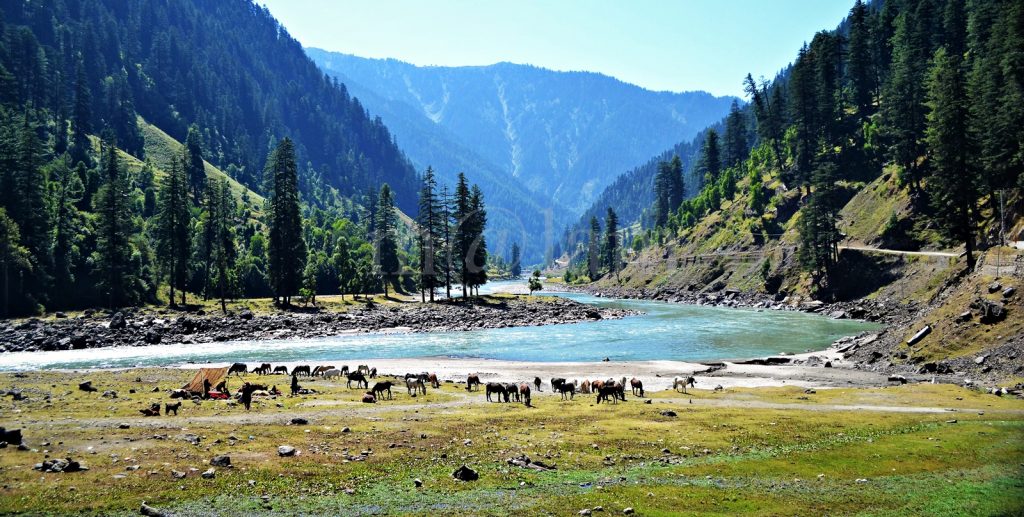
Exploring Neelum Valley: A Natural Paradise in Azad Kashmir Nestled amidst the breathtaking landscapes of Azad Kashmir, the Neelum Valley unfolds like a mesmerizing painting. It spans over 200 kilometers in a captivating bow-shaped formation. This densely forested gorge is adorned with charming villages, perched at elevations ranging from 2,000 to 8,000 feet, stretching from Muzaffarabad to Taobat. The valley derives its name from the meandering River Neelum, which gracefully flows through its entire length. It runs parallel to the Kaghan Valley to the north, separated only by majestic snow-capped peaks that soar over 4,000 meters above sea level. On the southern side, the valley shares its borders with Indian-Occupied Kashmir. Natural Wonders Abound As you journey northward from Muzaffarabad, you’ll find that the Neelum Valley is a treasure trove of natural wonders. It boasts awe-inspiring mountain peaks, serene lakes, cascading waterfalls, babbling streams, diverse flora and fauna, mineral deposits, lush green slopes, enticing hiking trails, bountiful fruit orchards, and idyllic valleys adorned with terraced fields.  Moreover, the landscape is dotted with multi-storied wooden houses, each adorned with colorful roofing, offering a picturesque and uniquely panoramic view. Neelum Valley stands as the premier tourist attraction in Pakistan Administered Kashmir (Azad Kashmir), drawing thousands of tourists year-round. Journeying to Neelum Valley Accessing the Neelum Valley is relatively straightforward, starting from Muzaffarabad, the capital of Azad Jammu & Kashmir. Neelum Road provides a well-paved and well-maintained route suitable for all kinds of vehicles, at least up to Sharda. However, beyond Sharda, the road becomes unpaved and suitable only for 4WD vehicles. During the winter season, accessibility to the upper parts of the valley depends on weather conditions, as heavy snowfall can make it challenging to navigate. Ideal Time to Visit The best time to embark on a Neelum Valley adventure is between April and October. It is the time when the region experiences three distinct seasons, ranging from spring to fall. Keep in mind that the peak summer months of June, July, and August attract hordes of tourists, making timely accommodation arrangements essential. In case you’re a foreign traveler planning to explore Neelum Valley, securing a No Objection Certificate (NOC) from the Ministry of Interior is a prerequisite. Accommodation Options For domestic tourists, the AJK Tourism & Archaeology Department has thoughtfully established rest houses and lodges in major valleys, including Keran, Kutton, Dawarian, Sharda, Kel, and Taobat. Additionally, there are private lodges and guesthouses available throughout the valley offering comfortable stays at reasonable rates. To ensure a hassle-free experience, it’s advisable to make prior bookings, especially during the peak tourist season. Adventure Awaits Neelum Valley isn’t just a visual treat; it’s also a playground for adventurous souls. For trekking and hiking enthusiasts there is an array of exciting opportunities here. This valley is part of the lesser Himalayan Massif, boasting Sarwaali Peak, standing tall at 6,326 meters, and is the highest mountain in the region. Apart from lofty peaks, there are captivating hiking trails leading to mesmerizing lakes and medium-sized summits. The valley serves as an ideal retreat during the scorching summer months and ranks high among local tourists’ favorite destinations. Even in the peak of summer, temperatures remain pleasantly cool, ranging from 65°F to 90°F. Neelum Valley in Azad Kashmir is undoubtedly a natural paradise waiting to be explored. Its diverse landscapes, rich culture, and adventure opportunities make it a must-visit destination for nature enthusiasts and thrill-seekers alike. Plan your journey wisely, embrace the beauty of this pristine valley, and create unforgettable memories amidst its breathtaking vistas.

Scroll to Top