Author name: admin

Khalti Lake
Gilgit-Baltistan, Lakes

Khalti Lake

Exploring Khalti Lake in Ghizer District: A Natural Gem Khalti Lake, nestled in the captivating embrace of the Ghizer District in Gilgit-Baltistan, is a true natural wonder waiting to be discovered. Situated at an impressive altitude of 2,217 meters above sea level, this enchanting lake derives its name from the charming village of Khalti. The Lake is a prominent attraction for travelers, offering a serene oasis partly enveloped by verdant terraced fields and a dense tree line, and partly bordered by the majestic Rocky Mountains. Ghizer District: Gateway to Adventure To reach Khalti Lake, one must embark on a journey of approximately 116 kilometers from the bustling heart of Gilgit town, which takes around 3 to 4 hours by car. The road to the lake follows a winding asphalt path that runs parallel to the meandering Ghizer River. Along this scenic route lies a breathtaking gorge that leads to the renowned Shandur Pass. While en route, travelers are treated to awe-inspiring views, making the journey itself an unforgettable part of the adventure. Moreover, Khalti Lake, along with Phander Lake and the Phunder Valley, makes it a popular day trip destination from Gilgit, making it easily accessible for tourists. Khalti Lake: Nature’s Masterpiece Khalti Lake owes its existence to the Ghizer River, which stretches near the village of Khalti. This stunning lake showcases its beauty in all four seasons, each offering a unique spectacle. In spring, Khalti village, gracing the western bank of the lake, bursts into magnificent blooms. Summers bring a sense of serenity, as the lake and its surroundings become a lush green retreat. The autumn season paints the region with vibrant colors, creating a romantic ambiance around the lake. Even in winter, when the lake’s surface is adorned with a frosty layer, it transforms into a playground for local youth to engage in cultural celebrations and games. A Treasure Trove of Freshwater Khalti Lake is not only a visual delight but also a vital source of freshwater. It is home to an abundant population of local trout, a species that can be found throughout the Ghizer River. Originally introduced near the westernmost Golaghmuli Village, these trout have multiplied and spread across the Gupis Valley, offering tourists an excellent opportunity for fishing. Water Sports and Investment Opportunities For adventure seekers, Khalti Lake offers immense potential for water sports. Throughout the year, the local community, in collaboration with the tourism department of Gilgit-Baltistan, organizes various sports activities. Additionally, there are lucrative investment prospects in water sports activities. The region still has ample room for standard boarding and lodging facilities. PTDC (Pakistan Tourism Development Corporation) has a building with limited accommodation but is currently closed. There is a growing demand for more comprehensive lodging services. Weather: When to Visit The best time to explore Ghizer District and the Lake is during the pleasant summer months, from May to October, when temperatures remain comfortable. However, it’s important to note that winters in the region can be harsh, with temperatures often dropping 10 degrees below freezing point on average. This icy chill freezes everything in and around the lake, and snowfall is a common occurrence. Khalti Lake in Ghizer District is a hidden gem that offers a perfect blend of natural beauty and adventure. Whether you are a nature enthusiast, a fishing aficionado, or a water sports enthusiast, this pristine destination has something to offer everyone. Plan your visit wisely to make the most of this captivating locale and create memories that will last a lifetime.

Deosai National Park
Gilgit-Baltistan

Deosai National Park

Exploring the Majestic Deosai National Park: Nature’s Paradise in Pakistan Deosai National Park, a hidden gem in Pakistan, claims the title of the world’s second-largest alpine plateau, spanning across an expansive 3626 sq. km. Nestled amidst four prominent mountain ranges—the Karakoram, Ladakh range (Trans-Himalaya), Zanskar range (Trans-Himalaya), and Himalaya—this breathtaking region sits at a lofty elevation of 13,600 feet above sea level. It’s a mesmerizing junction between the Skardu and Astore districts in the Gilgit-Baltistan territory. Deosai National Park is not only a natural wonder but also a thriving habitat for diverse wildlife, making it a coveted destination for both local and international travelers. Unveiling Deosai: The Land of Giants The name “Deosai” derives from two words, “Deo” and “Sai,” translating to “Land of Giants.” For ages, myths circulated about this region being haunted by giants, giving rise to its intriguing moniker. However, the locals in Baltistan affectionately refer to it as “Ghbiarsa,” meaning “Summer’s Place” because it is accessible only during the summer months. Enchanting Attractions Deosai National Park is a sanctuary of natural beauty and biodiversity, with some areas designated as restricted zones, particularly for the protection of the endangered Brown Bear. Tourists can explore specific zones, making Deosai a prime attraction that draws hordes of visitors annually. Some of the must-see attractions include: 1. Sheosar Lake: The Jewel of Deosai Sheosar Lake graces the plateau like a beauty mark, surrounded by snow-capped hills and lush green patches adorned with wildflowers. 2. Kala Pani: Camping by the Blackwater Kala Pani, or the Black Water, is a favored campsite by a stream of the same name. Despite its dark appearance from a distance, the water is crystal clear and frigid, making it an ideal spot for camping amid small green hills. 3. Bara Pani: A Mountain Stream Haven Bara Pani, the larger water stream originating from Deosai’s icy mountains, lies between Kala Pani and Ali Malik Mar Pass. It offers an idyllic campsite amid the vast expanse of the park and snow-clad peaks. 4. Ali Malik Mar Pass (Deosai Top): An Adventure Awaits Located about 30 km uphill from Skardu, Ali Malik Mar Pass promises an adventurous half-day excursion with panoramic views. It marks the end of Deosai Plains when approaching from the Astore side. 5. Shatoung Nala: The Gateway to Deosai Shatoung Nala is an uphill gorge leading to Deosai from Skardu, enveloped by snow-covered mountains. The freshwater stream flowing through it is the primary source of water for Sadpara Lake in Skardu. Deosai offers various trails to explore, but a top recommendation is walking along the jeep track encircling Sheosar Lake to savor the vast expanse of this natural wonder. For fishing enthusiasts, obtaining a valid license allows for a unique angling experience, while clear, starry nights offer a chance to witness the Milky Way galaxy in profound silence. Planning Your Deosai Adventure If you plan to spend a night in Deosai, it’s essential to carry your tents and food, as heavy rains can pose challenges. Careful planning and arrangements are a must, ensuring a comfortable and enjoyable stay amid nature’s splendor. Flora and Fauna in Abundance Established in December 1993, Deosai National Park serves as a sanctuary for rare wildlife, particularly the Himalayan brown bear, once freely roaming these mountains. Presently, the park houses approximately 20-28 brown bears, and their population is steadily increasing due to stringent conservation efforts. This national park boasts a rich diversity of wildlife, including Himalayan Ibex, Snow Leopard, Tibetan Red Fox, wolves, Ladakh Urial, and the Golden Marmot, among 18 different mammal species. Bird enthusiasts will also be delighted by the park’s 209 bird species, both resident and migratory, including the Honred Lard, Citrine Wagtail, Mountain Finch, Eastern Swift, and Craig Martin. Deosai Plateau, situated between sub-alpine and glacial regions, harbors shrubs and forbs, devoid of trees. It’s renowned for its variety of medicinal and aromatic plants, with 342 plant species from 142 genera and 36 families. Notable species include Artemisia, Aconitum, Jurinea, Rheum, Mentha, Swertia, Valeriana, Verbascum, Viola, Potentilla, Ephedra, Thymus, Saussurea, and Bunium. A Climate of Extremes Deosai remains shrouded in snow for most of the year, becoming accessible for only four to six months, typically from June to November. Its environment is characterized by extreme cold, low atmospheric pressure, and minimal oxygen and carbon dioxide levels. Travelers should be wary of arid conditions and intense solar ultraviolet radiation. The plateau experiences higher rainfall than the surrounding valleys due to its proximity to the monsoon-affected outer Himalayas. While July and August generally offer pleasant weather, snowfall is not uncommon during these months. Annual precipitation ranges from 350 to 550 mm, primarily as snow. Daily temperatures fluctuate between -20°C in winter and 12°C in July and August. Accessing Deosai’s Beauty Deosai National Park can be accessed from both the Skardu district in the north and the Astor Valley in the west. The journey takes around 9 to 10 hours from Gilgit to Skardu via Astore and Deosai or vice versa. Overnight stays in Astor or within the National Park are advisable for travelers exploring Deosai. Given the high altitude and road conditions, a 4WD vehicle is recommended for a safe and comfortable journey. In conclusion, Deosai National Park is a pristine sanctuary that beckons adventurers and nature lovers alike. With its remarkable biodiversity, stunning landscapes, and unique flora and fauna, it’s a destination that promises an unforgettable experience amidst the wonders of nature.

Rama Lake
Gilgit-Baltistan

Rama Lake

Exploring Rama Lake: A Himalayan Gem in Gilgit-Baltistan Nestled at a breathtaking altitude of 3800 meters, Rama Lake stands as an iconic jewel in the pristine Astore district of Gilgit-Baltistan, Pakistan. This high-altitude lake, perched gracefully above Rama Meadows, offers a remarkable natural spectacle. While the lake itself is awe-inspiring, the immediate surroundings have faced challenges from illegal logging, resulting in a treeless landscape. Nonetheless, Rama Meadows, situated at 3300 meters, remains a lush oasis, adorned with towering trees like pine, cedar, fir, and juniper. Unveiling the Attractions Rama Lake: A Magnificent Oasis Rama Lake takes center stage as one of the most alluring attractions, magnetizing a substantial influx of both domestic and international tourists throughout the year. This picturesque lake, nestled against the southern ridge of Nanga Parbat, offers a captivating spectacle. On a clear day, it mirrors the snow-capped majesty of Nanga Parbat, known as the “Killer Mountain” (standing tall at 8126 meters), creating a mesmerizing inverted image. A Nature Lover’s Paradise The environs of Rama Lake harbor a diverse range of flora and fauna. Here, one can encounter various medicinal plants and a fascinating array of wildlife, including the golden marmot, ibex, musk deer, snow leopard, and rock partridge. Along the trail from Rama Meadows to the lake, you’ll encounter three small lakes known as “Sarot” in the local Shina language. Explore Rama’s Beauty A Must-Visit Destination Rama Valley and Rama Lake are undisputed must-visit destinations for travelers making their way to or from Deosai. For those with limited time, the lake can be explored as a captivating day excursion from Gilgit. For a more comprehensive journey, consider an ideal itinerary that encompasses Fairy Meadows, Rama, Deosai, and Skardu, offering a week-long adventure. To elevate your experience, don’t miss the opportunity to add Gilgit and Hunza to your travel program. Weather: A Seasonal Symphony Seasonal Transformation Rama Meadow undergoes a dramatic transformation with the changing seasons. During winters, it’s blanketed in pristine snow, while in summers, it transforms into a vibrant green paradise, making Rama an idyllic camping spot. The lake, too, transitions from being frozen in winter to a refreshing oasis where you can take a dip on a warm summer day. Rama Lake presents an ideal option for a half-day hike from Rama Meadows, promising an unforgettable experience. Accessing Rama: Your Gateway to Adventure Connecting to Astore Rama is part of the rich tapestry of valleys and key tourist destinations in Astore, Gilgit-Baltistan. To reach this paradise, travelers can take advantage of the well-connected transportation network. Astore itself is conveniently linked to Gilgit, which is accessible both by air (weather permitting) and by road. The iconic Karakoram Highway (KKH) ensures a year-round road link between Islamabad/Rawalpindi and Gilgit. While in the summer, the Gilgit-Naran route via the Kaghan Valley and Babusar Pass offers a scenic drive. The Journey From Islamabad, embark on a scenic drive along the Karakoram Highway, heading towards Gilgit. After crossing Raikot Bridge, continue for approximately 20 more minutes, following the sign directing you to Fairy Meadows. Take the right turn indicated, leading you on a 45-kilometer (about 2-hour) journey to Astore Bazar. From there, it’s just another 9 kilometers of uphill driving, leading you to Rama Lake. The Lake is nestled within the embrace of Rama Meadows, where the primary campsite awaits, ready to welcome adventurers. Rama Lake in Gilgit-Baltistan is a natural wonder that beckons explorers and nature enthusiasts from far and wide. Its picturesque beauty, diverse wildlife, and easy accessibility make it a must-visit destination for those seeking an unforgettable Himalayan experience. Whether you’re planning a day trip or a week-long adventure, Rama Lake promises to leave an indelible mark on your soul.

Sheosar Lake in Deosai National Park
Gilgit-Baltistan, Lakes

Sheosar Lake

Sheosar Lake: The Hidden Gem of Deosai National Park Discover Sheosar Lake: A Himalayan Wonder Nestled within the picturesque landscape of Deosai National Park in Gilgit-Baltistan, Pakistan, Sheosar Lake stands as a testament to the awe-inspiring beauty of nature. Perched at a breathtaking elevation of 13,589 feet, it’s often referred to as the heart of Deosai and ranks among the world’s highest-altitude lakes. Throughout the year, the surroundings of Sheosar Lake transform, painting a mesmerizing canvas of nature’s vivid hues. Certainly, this pristine oasis is not only a visual treat but also a haven for rare flora and fauna. Unveiling the Local Legend The name “Sheosar” is derived from the local Shina language, where “Sheo” means blind and “Sar” means water. Hence, it’s commonly known as the “Blind Lake.” Spanning approximately 2.3 kilometers in length, 1.8 kilometers in width, and with an average depth of 40 meters (131 feet), this lake is teeming with fish, making it a vital food source for the brown bear during the winter months. A Tourist’s Paradise Sheosar Lake has become a must-visit destination, nestled on the border between the Karakoram and Himalaya mountain ranges. The lake is surrounded by gently sloping mountains that offer excellent hiking opportunities. On clear days, visitors can even catch a glimpse of Nanga Parbat, Pakistan’s second-highest peak, towering at a staggering 8,126 meters above sea level. Furthermore, the panoramic views encompass distant snow-clad mountains and expansive plains. Camping in Tranquility For adventurous souls seeking an overnight experience, designated camping sites are available on the north side of the lake. Ample parking space is provided for those wishing to pitch their own tents. However, it’s important to note that the lake’s water is not suitable for drinking. Fortunately, there’s a nearby spring that serves as a source of clean, refreshing water. Nature’s Spectacle: Sunrise and Sunset Deosai is renowned for its stunning sunrises and sunsets. On clear days, the weather remains pleasantly cool, with captivating views of the surrounding mountain peaks embracing the meadows. The lake itself becomes a natural masterpiece during the summer months, with its tranquil blue waters contrasting beautifully with the lush green grassy shores and snow-dusted mountain slopes. Photographers are in for a treat, as they can capture the essence of paradise in every frame. Seasons in Transition The climate in Deosai is as unpredictable as it is enchanting. While July and August are generally pleasant, with lush green meadows, even these months can witness unexpected snowfall. Surprisingly, Sheosar Lake undergoes a remarkable transformation in different seasons. During the summer, it showcases crystal-clear blue waters surrounded by a sea of green grass and blooming flowers. As autumn arrives, however, the grass turns a rustic brown, while winter blankets the entire region in a thick layer of snow. Embarking on the Journey Reaching Sheosar Lake in Deosai National Park is possible via two main routes: one through Astore Valley and the other through Skardu. The Astore route is relatively more accessible, with most of the road leading to the lake being paved. However, it’s advisable to use a 4WD vehicle for a trouble-free journey. The journey from Astore to the lake is a captivating experience in itself. The road winds through stunning valleys, past crystal-clear waters, lush green meadows adorned with alpine flowers, babbling streams that nourish the grasslands, glaciers, and magnificent green peaks capped with snow, offering a constant breeze of refreshing coolness. The warmth and hospitality of the local people add an extra layer of charm to this incredible journey. For those opting for the Skardu route, be prepared for a longer and more rugged journey. However, the path through the wilderness, adorned with alpine flowers and glimpses of snow-capped mountains, is a visual feast. Key stops along the way include Bara Pani and Kala Pani, both offering their own share of natural beauty before you finally arrive at Sheosar Lake. Sheosar Lake in Deosai National Park is a hidden gem waiting to be discovered by nature enthusiasts and adventure seekers. Its ever-changing beauty, from the vibrant summers to the serene winters, makes it a destination worth exploring. Whether you’re captivated by its legends, drawn to its wildlife, or simply seeking tranquility in the wilderness, Sheosar Lake promises an unforgettable experience in the heart of the Himalayas.

Makran Coastal Highway connecting Karachi with Gwadar
Balochistan, Roads & Highways

Makran Coastal Highway

Explore the Breathtaking Makran Coastal Highway: A Scenic Coastal Drive Like No OtherThe Makran Coastal Highway or National Highway 10 (N-10) is a scenic highway that stretches across 653 km. The highway runs parallel to the Arabian Sea coast forming a vital link between Karachi in Sindh Province and Gwadar. It further extends to Jiwani near the Iranian border in Balochistan Province, Pakistan. This mesmerizing highway takes you on an unforgettable journey, passing through various attractions, including hidden gems. From natural rock formations like the Princess of Hope and the Sphinx to stretches of serene beaches like Kund Malir, Ormara, Pasni, and Gwadar, the Makran Coastal Highway offers an unparalleled experience. Moreover, it boasts the world’s largest mud volcanoes, and the oldest Hindu shrine – the Nani/Mata/Hinglaj Mandir. Likewise, Hingol National Park, Buzzi Pass, and the fascinating Astola Island make it one of the most scenic coastal drives in the world. Similarly, the WWII Museum in Jiwani is an added beauty. Construction: Connecting Karachi and Gwadar with Ease On December 14, 2004, the construction of the Makran Coastal Highway was completed. It certainly marks a significant milestone in Pakistan’s infrastructure development. Before this highway existed, the journey between Karachi and Gwadar was an arduous two-day drive along a dirt track. The construction, undertaken by the Frontier Works Organization (FWO), drastically changed the scenario, reducing the travel time to a mere 6 to 7 hours. Not only did this cut down travel time, but it also made transportation more affordable. The responsibility for the maintenance of this modern marvel lies with the National Highway Authority of Pakistan. History: Fostering Economic Growth Along the Coast The inception of the Makran Coastal Highway was rooted in the government’s vision to develop infrastructure along the disused coastal line. The objective was to foster economic activities and benefit towns like Ormara, Pasni, and Gwadar. By creating a strong connection between coastal towns and mainland Balochistan, the highway aimed to transform these towns into major port cities. Additionally, the highway resolved the high costs and time required to transport fresh seafood from Gwadar to Karachi. The construction obviously makes seafood transportation more efficient. Its impact on transportation and communication within Balochistan and the rest of Pakistan has been remarkable. Development: Paving the Way for Economic Opportunities The Makran Coastal Highway project is now an integral part of the greater Gwadar plan. It was strategically designed to bridge various sectors of the economy. This ambitious project eventually promises to generate economic activities in the region, creating employment opportunities for the communities residing along the 800 km long coastal belt. It not only connects China but also land-locked countries in Central Asia, stimulating immense business activity between the East and West. Additionally, this project will bring much-needed attention to Balochistan and enable the efficient utilization of its rich natural resources. Recommendations: Prepare for an Unforgettable Journey Embarking on a journey along the Makran Coastal Highway requires careful planning. Here are some essential recommendations for a smooth and enjoyable experience: Early Departure: Start your journey as early in the morning as possible to reach Gwadar on time and make the most of the daylight. Fueling Up: Fill your fuel tank in Karachi and refuel at the Hub fuel station, as there are no fuel stations on the way. Safety First: Carry basic tools and extra tires, ensuring your vehicle is in excellent condition. Communication: Make necessary calls before reaching Zero Point, as mobile signals may become weak beyond that point. Scenic Stopovers: Take advantage of the scenic stopovers, such as Kund Malir Beach (Agor) and Ormara Beach, to capture the beauty of the coastline. Provisions: Carry enough water, cookies, and fresh fruit as reserve stock during travel, as amenities might be limited on the route. Hotel Reservations: If planning an overnight stay, make hotel reservations in advance to ensure a comfortable rest. With these recommendations in mind, your journey along the Makran Coastal Highway promises to be an unforgettable experience, immersing you in the natural beauty and rich history of this mesmerizing region. Get ready for an adventure like no other as you explore the wonders of this breathtaking coastal drive.

Lahore Fort and Shalimar Garden
Heritage Sites in Pakistan, Islamic Heritage, Punjab, World Heritage Sites

Lahore Fort and Shalimar Garden

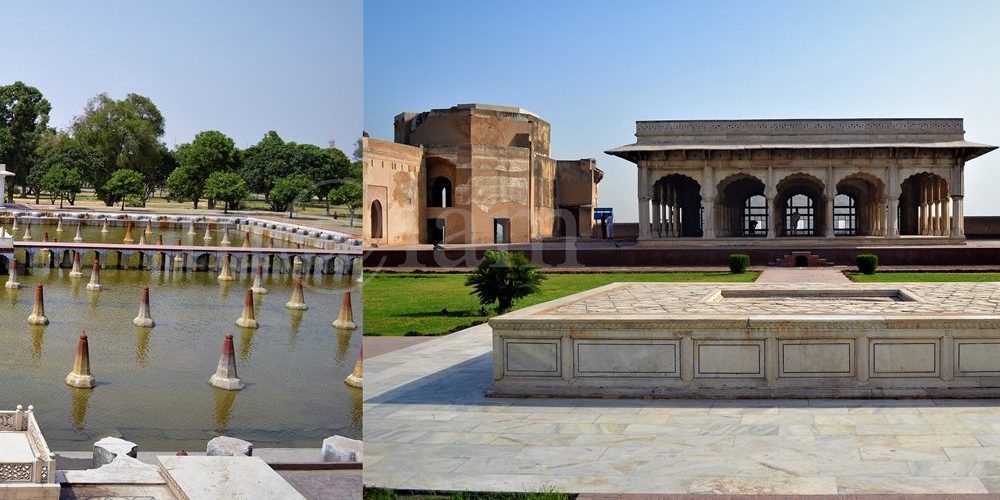
Exploring Lahore’s Magnificent Lahore Fort and Shalimar Garden: A Glimpse into Mughal Grandeur Lahore, the cultural heart of Pakistan, boasts two magnificent Mughal-era treasures: the Lahore Fort and Shalimar Garden. These architectural marvels continue to stand as symbols of pride and prestige in Lahore, having earned their rightful place as UNESCO World Heritage Sites of Pakistan in 1981, owing to their remarkable collection of Mughal monuments that epitomize the artistic and aesthetic zenith of the empire. The fort is located at the northwest corner of the walled city of Lahore while the Shalimar Gardens are situated along the Grand Trunk Road some 5 kilometers northeast of the main Lahore city. The monuments are located at a distance of 7 kilometers from each other. Dating back to 1the 7th century, both masterpieces reflect the true artistic expression of the Mughals at its peak.  The fort is the only monument that represents the complete history of Mughal architecture in Pakistan. The Shalimar garden, built by Emperor Shah Jahan in 1642, still retains the glorious Persian and Islamic tradition is a fine example of Mughal gardens. Lahore Fort: A Historical Marvel The Lahore Fort, also known as Shahi Qila, sprawls across an impressive 20 hectares. This irregularly designed citadel features 21 notable monuments, some dating back to the reign of Emperor Akbar. In the 17th century, during the peak of the Mughal Empire, the fort underwent extensive reconstruction. Its origins can be traced back to 1566 when Emperor Akbar laid the foundations for the modern Lahore Fort. Interestingly, the fort’s architectural design seamlessly blends Islamic and Hindu motifs, a testament to its rich history. As time passed, subsequent Mughal Emperors made alterations to the fort. Following the decline of the Mughal Empire, it served as the residence of Ranjit Singh, the founder of the Sikh Empire. Later, the British made significant modifications to suit their needs. Shalimar Garden: A Natural Paradise The Shalimar Gardens in Lahore represent an exceptional Mughal garden complex, seamlessly merging natural beauty with architectural grandeur. Commissioned by Emperor Shah Jahan in 1641, these gardens were completed in 1642, showcasing the pinnacle of Mughal artistry. Encompassing 16 hectares, the garden’s rectangular layout is enclosed by crenelated walls constructed from red sandstone. It is divided into three terraces, each with its own distinctive name. The upper terrace is named “Farah Baksh” (Bestower of Pleasure), the middle terrace “Faiz Baksh” (Bestower of Goodness), and the lower terrace “Hayat Baksh” (Bestower of Life). One of the most remarkable features of the Shalimar Gardens is its intricate water circulation system, comprising 410 fountains. These fountains, distributed throughout the three terraces, create a mesmerizing spectacle. The garden’s thermal engineering was designed to provide cooling relief to visitors during scorching summers, a feat that continues to baffle scientists today. While initially intended to entertain royal guests, a specific section of the Shalimar Gardens was open to the general public. Located just 5 kilometers northeast of Lahore’s city center, the garden’s land originally belonged to the Arian Mian Family. In recognition of their contributions to the Mughal Empire, Emperor Shah Jahan bestowed upon them the prestigious Mian title. The Lahore Fort and Shalimar Garden stand as enduring testaments to the Mughal Empire’s architectural and artistic brilliance. Their historical significance and timeless beauty continue to captivate visitors, making them indispensable landmarks in Lahore’s rich cultural heritage.

Neelum Valley
Kashmir

Neelum Valley

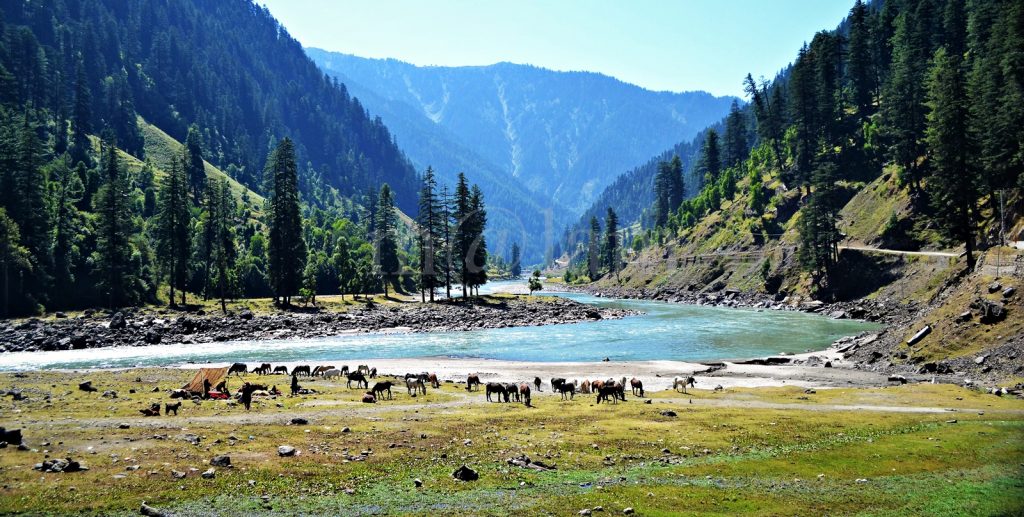
Exploring Neelum Valley: A Natural Paradise in Azad Kashmir Nestled amidst the breathtaking landscapes of Azad Kashmir, the Neelum Valley unfolds like a mesmerizing painting. It spans over 200 kilometers in a captivating bow-shaped formation. This densely forested gorge is adorned with charming villages, perched at elevations ranging from 2,000 to 8,000 feet, stretching from Muzaffarabad to Taobat. The valley derives its name from the meandering River Neelum, which gracefully flows through its entire length. It runs parallel to the Kaghan Valley to the north, separated only by majestic snow-capped peaks that soar over 4,000 meters above sea level. On the southern side, the valley shares its borders with Indian-Occupied Kashmir. Natural Wonders Abound As you journey northward from Muzaffarabad, you’ll find that the Neelum Valley is a treasure trove of natural wonders. It boasts awe-inspiring mountain peaks, serene lakes, cascading waterfalls, babbling streams, diverse flora and fauna, mineral deposits, lush green slopes, enticing hiking trails, bountiful fruit orchards, and idyllic valleys adorned with terraced fields.  Moreover, the landscape is dotted with multi-storied wooden houses, each adorned with colorful roofing, offering a picturesque and uniquely panoramic view. Neelum Valley stands as the premier tourist attraction in Pakistan Administered Kashmir (Azad Kashmir), drawing thousands of tourists year-round. Journeying to Neelum Valley Accessing the Neelum Valley is relatively straightforward, starting from Muzaffarabad, the capital of Azad Jammu & Kashmir. Neelum Road provides a well-paved and well-maintained route suitable for all kinds of vehicles, at least up to Sharda. However, beyond Sharda, the road becomes unpaved and suitable only for 4WD vehicles. During the winter season, accessibility to the upper parts of the valley depends on weather conditions, as heavy snowfall can make it challenging to navigate. Ideal Time to Visit The best time to embark on a Neelum Valley adventure is between April and October. It is the time when the region experiences three distinct seasons, ranging from spring to fall. Keep in mind that the peak summer months of June, July, and August attract hordes of tourists, making timely accommodation arrangements essential. In case you’re a foreign traveler planning to explore Neelum Valley, securing a No Objection Certificate (NOC) from the Ministry of Interior is a prerequisite. Accommodation Options For domestic tourists, the AJK Tourism & Archaeology Department has thoughtfully established rest houses and lodges in major valleys, including Keran, Kutton, Dawarian, Sharda, Kel, and Taobat. Additionally, there are private lodges and guesthouses available throughout the valley offering comfortable stays at reasonable rates. To ensure a hassle-free experience, it’s advisable to make prior bookings, especially during the peak tourist season. Adventure Awaits Neelum Valley isn’t just a visual treat; it’s also a playground for adventurous souls. For trekking and hiking enthusiasts there is an array of exciting opportunities here. This valley is part of the lesser Himalayan Massif, boasting Sarwaali Peak, standing tall at 6,326 meters, and is the highest mountain in the region. Apart from lofty peaks, there are captivating hiking trails leading to mesmerizing lakes and medium-sized summits. The valley serves as an ideal retreat during the scorching summer months and ranks high among local tourists’ favorite destinations. Even in the peak of summer, temperatures remain pleasantly cool, ranging from 65°F to 90°F. Neelum Valley in Azad Kashmir is undoubtedly a natural paradise waiting to be explored. Its diverse landscapes, rich culture, and adventure opportunities make it a must-visit destination for nature enthusiasts and thrill-seekers alike. Plan your journey wisely, embrace the beauty of this pristine valley, and create unforgettable memories amidst its breathtaking vistas.

Makli Necropolis
City Breaks, Heritage Sites in Pakistan, Monuments, Sindh, Tombs, World Heritage Sites

Makli Necropolis

Unveiling the Enigma: Makli Necropolis – A Treasure Trove of History and Artistry Nestled in a diamond-shaped expanse, the grandeur of the Makli Necropolis in Thatta is unparalleled. It boasts of its status as one of the largest graveyards globally covering a sprawling 10 square kilometers. Altogether, the Makli Necropolis houses an astonishing half-million monuments. The graveyard stands as the final resting place for an eclectic mix of individuals, from regal monarchs and erudite scholars to valiant warriors, philosophers, governors, and revered saints. In recognition of its historical significance, Makli Necropolis, therefore, earned its place among the UNESCO World Heritage Sites of Pakistan in 1981. A Journey Through Time: Unraveling the History of Makli Necropolis Delving into the annals of history, Makli Necropolis emerges as the eternal abode for over 125,000 saints. Throughout the ages, this city has undeniably been a beacon of knowledge housing around 400 educational institutions. Here students from the Muslim world and Asia came to hone their skills. Students generally engaged in a diverse array of subjects encompassing religion, politics, and philosophy.  Yet, the enigmatic origins of Makli remain shrouded in mystery. It is widely believed that the cemetery evolved around the shrine of the 14th-century Sufi Hamad Jamali. As for the etymology of “Makli,” two intriguing notions persist. Locals suggest that it signifies “Mecca-like,” while another legend ties it to the pious woman known as “Mai Makli.” Legend has it that her fervent prayers thwarted Sultan Firuz Shah Tughlaq’s conquest of Thatta until her passing. She now rests in Makli near the tomb of Jam Nizamuddin. Thatta enjoyed a glorious stint as the capital of Sindh from the 14th to the 18th centuries. Initially, it was ruled by three successive dynasties – Samma, Argun, and Tarkhan. However, it later came under the dominion of the Mughal emperors of Delhi from 1592 to 1739 before being ceded to Shah Nadir of Iran, marking the beginning of a period marked by decline and neglect. The Architectural Marvels of Makli Necropolis The monuments of Makli Necropolis are a testament to the social and political history of Sindh from the 14th to the 18th centuries. Crafted with exquisite architectural finesse, these tombs and graves epitomize the artistic prowess of their time. The tombs were built by utilizing an array of materials such as sand bricks, stone, and marble. Some of these monuments are opulently adorned with glazed tiles, boasting intricate designs, arched domes, and towers adorned with exquisite Islamic calligraphy and devotional carvings inspired by diverse religious and iconographic traditions. Remarkably, many of these iconic monuments have withstood the test of time, enduring centuries of exposure to the elements. However, preserving this rich heritage for future generations necessitates substantial restoration efforts. Makli Necropolis: A Journey Through Location and Access Situated adjacent to the tip of the Indus River delta, Makli Necropolis lies on the outskirts of Thatta.  It was an ancient bastion of Islamic civilization nestled at the edge of the 6.5-kilometer-long plateau of Makli. This historic site is located approximately 89 kilometers east of Karachi in the Sindh province of southern Pakistan. Makli offers an ideal day trip from the bustling metropolis of Karachi. Navigating the vast expanse of the graveyard is made convenient through its wide streets, ensuring access to all the awe-inspiring monuments. Makli Necropolis undoubtedly stands as a testament to the rich tapestry of history, culture, and artistry. The graveyard has woven itself into the very fabric of this remarkable site. It beckons not only to history enthusiasts but also to travelers, both domestic and international, and devout pilgrims alike, offering a glimpse into an enigmatic past that continues to captivate our imaginations.

History and development of tourism
Blogs

History of Tourism

The Evolution of Tourism: A Journey Through Time and Trends In the annals of human history, the concept of tourism has roots that stretch far beyond the 18th-century coinage of the term itself. Since the earliest days of human civilization, people have embarked on journeys for various reasons. Initially, it was the primal quest for sustenance and shelter by our barefooted hunters and gatherers. Then comes the steady period of development through human inventions and ideas. Today, tourism stands as a robust global industry, propelling socio-economic growth on a grand scale. From Survival to Adventure: The Pioneering Days The evolution of tourism spans millennia. It encompasses a period from transitioning from the rudimentary need for survival in humanity’s infancy to the complex and diverse trends we witness in the modern world. This captivating journey owes its development to numerous factors. These include innovations, technological advancements, and the discovery of new destinations. At the same time, religious obligations that involve travel; the preservation of ancient monuments; and the construction of modern architectural wonders played an imminent role in promoting tourism. However, the development would not have been possible without the inherent human spirit of exploration and the ever-expanding wealth of nations. Our ancestors began as nomads, driven by the pursuit of food. Subsequently, they embarked on religious pilgrimages and voyages of discovery. As societies advanced, travel embraced trade and commerce, paving the way for leisure and recreation. However, it was the technological revolution of the 20th century that triggered a seismic shift in the global travel industry. In the nascent days, travel was often the privilege of the affluent or intrepid explorers, primarily driven by a quest for knowledge and recreation. Notable examples include Roman nobles frequenting spas and coastal resorts and Chinese elites journeying to Mount Tai and other sacred mountains. During the Middle Ages, the tradition of pilgrimage motivated even the lower classes to undertake journeys for religious rituals. Wheels, Boats, and Beyond: Technological Milestones Before technology’s advent, humans harnessed animals for transportation, mastering the art of horse riding to cover greater distances. Significant inventions such as the boat and wheel (circa 3500 BC), horse-drawn carts (circa 2000 BC), wheelbarrows (1st century), and footwear (8th century) contributed to enhanced mobility. The 17th century saw the introduction of public transport via horse-pulled carts. It was followed by the game-changing steam engine and hot air balloon in the late 18th century. The 19th century brought us the first steam-powered locomotive train (1814), the inaugural motorcar (1862), and the pioneering cable car (1871). The Wright brothers‘ historic flight in 1903 marked the dawn of modern air travel. It undoubtedly sets the stage for today’s rapid and luxurious transportation systems, underpinned by ever-advancing technology. The Grand Tour: A Class Apart Modern tourism shares a deep-rooted connection with the “Grand Tour,” a traditional expedition favored by affluent Europeans, primarily from the northern and western regions. Initially flourishing in the 1660s, this mode of travel became synonymous with a standardized itinerary with the advent of large-scale rail transit in the 1840s. However, the Grand Tour remained an exclusive privilege of the upper classes due to its exorbitant costs. In the latter half of the 18th century, the concept of travel expanded to encompass the Americas and other far-flung destinations. The Industrial Revolution in the United Kingdom ushered in an era of leisure time, giving rise to leisure tourism. As railroads and steamships became part of mass transportation, travel became more accessible to the middle class. From the mid-19th to the mid-20th century, Thomas Cook’s eponymous company facilitated tours within Europe and the Americas. Tourism soon extended to the USA and other corners of the world with the advent of inclusive tours. Through this tour, travelers can journey independently along pre-defined routes while their agency covers travel, food, and accommodation expenses. Tourism as a Catalyst for Development Tourism wields both direct and indirect influence on development, profoundly impacting people’s lives. It serves as a catalyst for economic growth, which, in turn, fuels further tourism growth by promoting the development and marketing of tourism products. Today, the tourism sector’s economic significance surpasses major industries such as food, automobiles, and oil. As tourism continues to grow and diversify, it is poised to become a primary source of livelihood worldwide. From Words to Industry: The Transformation of Tourism The terms “tourist” and “tourism” emerged in the English language in 1772 and 1811, respectively. These words trace their origins back to the Old French “torner,” which itself evolved from the Latin “Tornare,” derived from the Greek word “tornos.” Over time, the phenomenon of tourism has undergone a profound transformation, evolving into a thriving industry. Today, over a billion people embark on journeys across the globe annually. This industry’s exponential growth contributes a substantial 9.8% to global GDP and generates one in every eleven jobs worldwide. It has become a cornerstone of economic stability for many nations worldwide. The Future of Tourism: Quality, Sustainability, and Global Positioning The future contributions of tourism to economic well-being hinge on the quality of tourism products and services. At the same time, it counts on the revenues generated from tourism offerings. Additionally, it relies on the sustainability of existing destinations and the strategic positioning of emerging ones in international markets. With a trajectory marked by continuous expansion and diversification, tourism stands poised to be a driving force in the world’s economy. It has helped shape the destinies of nations and communities alike.

Fairy Meadows and Nanga Parbat
Gilgit-Baltistan

Fairy Meadows

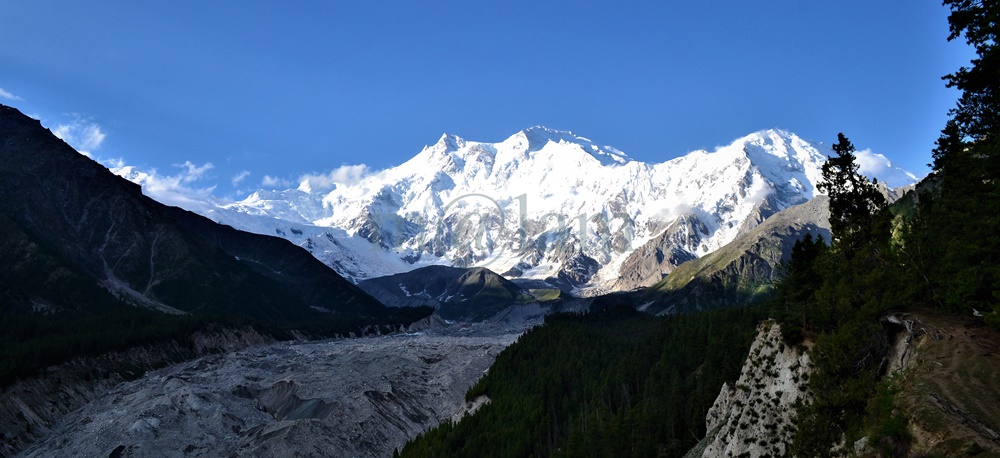
Exploring Fairy Meadows in the Himalayas: An Epic Adventure Awaits Fairy Meadows is nestled in the majestic Himalayan range of Pakistan. It stands as a captivating highland that beckons both tourists and adventure seekers alike. Serving as a gateway to conquer nearby peaks, including the renowned 8,126-meter Nanga Parbat, known ominously as the Killer Mountain, this destination is a hidden gem waiting to be explored. Discovering the Jewel of the Himalayas Situated in the Diamar district of Gilgit-Baltistan, Pakistan, Fairy Meadows is a natural wonderland that sits at an elevation of 3,300 meters above sea level. Local residents originally named this striking highland “Joot,” and it was later christened “Fairy Meadows” by German explorers captivated by its natural splendor. In 1995, the area was officially declared a national park, preserving its pristine beauty. How to Reach This Enchanting Destination To embark on your journey to Fairy Meadows, your starting point is Raikot Bridge along the Karakoram Highway. At 4595 feet (1400 meters), Raikot Bridge is approximately 540 kilometers (336 miles) from Islamabad, the capital of Pakistan. Alternatively, for those taking a one-hour flight from Islamabad to Gilgit, Raikot Bridge can be reached in another hour and a half. However, it’s important to note that flights to Gilgit and Skardu are subject to weather conditions. The most common starting point for travelers actually is Islamabad/Rawalpindi. In fact, there are two options to travel by road. The Karakoram Highway is an all-weather road while the seasonal and scenic Naran-Gilgit road via the Babusar Pass remains open from mid-June to October.  However, there is no fixed time of the year to open and close the Naran-Gilgit road, weather is the major factor. The journey can take approximately 12-14 hours, depending on road conditions. Alternatively, the route via Naran over the Babusar Pass offers a quicker 9 to 10-hour journey. From Raikot Bridge, you’ll need to hire a local jeep to reach Tatto village, an adventurous 12-kilometer (1.5-hour) ride followed by a 5-kilometer (3-hour) uphill walk along the ravine. This journey, while challenging, is an integral part of the Fairy Meadows experience. Immersed in Natural Beauty Fairy Meadows lies in the Raikot valley, surrounded by the Raikot glacier, originating from the formidable Nanga Parbat. The lush grasslands are enveloped by an alpine forest teeming with juniper, birch, willow dwarf shrubs, and scrubs. The area is also home to brown bears and musk deer, adding to its natural allure. Embracing the Seasons The prime tourist season at Fairy Meadows spans from mid-April to mid-October. While some intrepid souls venture here during December and January for winter expeditions, it’s a rare occurrence and not for the faint of heart. Navigating the harsh winter conditions requires technical expertise and the guidance of a local expert. Where to Lay Your Head Fairy Meadows offers several accommodation options, including huts and tents, all owned and operated by local residents. Most tourists opt for affordable tents, providing a genuine experience of the area’s hospitality. However, it’s advisable to make reservations in advance, especially during peak summer months when accommodations tend to fill up quickly. Savoring Local Delights When it comes to dining at Fairy Meadows, expect slightly higher prices for food that is both organic and worth every penny. Breakfast options include desi eggs and local makhan (butter), while lunch features fresh veggies and desi chicken. You’ll also find mutton, dal, local yogurt, lassi (buttermilk), and more, all sourced locally and providing a rich, organic dining experience. Adventure Awaits Fairy Meadows offers a plethora of activities to keep you engaged. Watch locals play freestyle polo and volleyball. It is possible even to organize a cricket match or a game of Frisbee at the campsite. A half-day walk to nearby Beyal camp is a popular choice, offering a stunning view of Nanga Parbat. For those seeking a more challenging adventure, consider ascending to the viewpoint. You’ll certainly be rewarded with breathtaking vistas of the mountains, glaciers, and surrounding beauty. The bravest explorers can embark on a full-day hike to the 4,200-meter-high base camp. Undoubtedly, the base camp promises exceptional views of the landscape. Travel Tips for a Smooth Journey Before you set off on your Fairy Meadows adventure, remember these essential travel tips: Make a confirmed reservation in advance. Park your personal vehicle at the Raikot Bridge parking lot, as only local vehicles are allowed beyond this point. Pack essential medicines, fruit, cookies, and chocolates for long journeys. Don’t forget to bring sunburn cream, sunglasses, an umbrella, and a raincoat. Wear sturdy trekking shoes and carry a spare pair of socks. Ensure a supply of clean water, either bottled or boiled, as spring water may not agree with everyone. With these preparations in place, you’ll be ready to embark on a journey of a lifetime to the enchanting Fairy Meadows, where adventure, natural beauty, and unforgettable experiences await.

Scroll to Top