Author name: admin

Excursions from Skardu
Gilgit-Baltistan

Gilgit-Baltistan

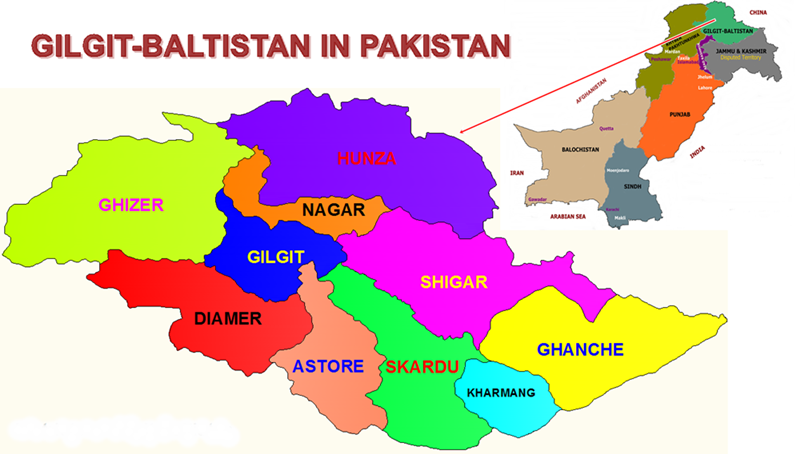
Gilgit-Baltistan: Nature’s Paradise and Cultural Diversity Gilgit-Baltistan, nestled in the northernmost reaches of the world, boasts some of the planet’s loftiest peaks and most extensive glaciers outside the Polar Regions. In addition to its awe-inspiring natural beauty and impressive man-made landmarks, this region is home to over 1.7 million people making a rich tapestry of ethnic groups, each proudly preserving its own culture and language. It has earned worldwide recognition as a top tourist destination and was historically referred to as the Northern Areas of Pakistan. Geographical Wonders Gilgit-Baltistan spans an impressive 72,971 square kilometers (28,174 square miles) and is bordered by China’s Xinjiang province to the east and northeast, Afghanistan’s Wakhan Corridor to the north, Pakistan’s Khyber Pakhtunkhwa province to the west, and the Indian-administered state of Jammu & Kashmir to the south. Geologically, this region is marked by instability, as it serves as the convergence point of the Indian and Eurasian tectonic plates. The Indian plate’s northward movement at an average rate of 7mm per year has given rise to the majestic Nanga Parbat. Divisions & Districts Gilgit-Baltistan consists of three primary divisions: Gilgit, Baltistan, and Diamer. These divisions further house ten distinct districts. Gilgit division comprises Gilgit, Hunza, Nagar, and Ghizer; the Diamer division encompasses Diamer and Astor districts; and the Baltistan division incorporates Skardu, Shigar, Kharmang, and Ghanche districts. A Glimpse into History Throughout history, Gilgit-Baltistan has functioned as a pivotal intersection for ancient trade routes, fostering a blend of diverse ancient civilizations. The region has sustained its significance as a prominent Buddhist center of learning for numerous centuries. The Silk Route, a segment of the extensive network of ancient Silk Routes, has transformed into the modern-day Karakoram Highway (KKH). The highway boasts over 50,000 petroglyphs and inscriptions situated between Hunza and Shatial. Left behind by a variety of travelers, including invaders, traders, and pilgrims traversing the upper Indus, these carvings tell the tale of the region’s rich history. Among the earliest known carvings, dating back to 5000-1000 BCE, are depictions of triangular men, hunting scenes, and single animals, typically larger than the depicted hunters. Gilgit-Baltistan maintained its independence until the 19th century when British colonization occurred. The region was fragmented into numerous mountain principalities during this period. Under colonial rule, it fell under the dual control of the British Indian Government and the state of Jammu & Kashmir. Following the partition of the Indian subcontinent and the establishment of Pakistan, a local uprising overthrew Kashmir’s rule, declaring independence. Since then, the area has been administered by Pakistan, operating directly under the federal government. Rich Culture & Heritage People The inhabitants of Gilgit-Baltistan are widely recognized for their friendliness, hospitality, and resilience. They share a profound connection to their homeland, fostering a robust sense of community over the years. Given the geographical remoteness and challenging topography of the region, the locals have adapted to the rugged mountainous environment, acquiring distinctive skills such as mountaineering and trekking. Hailing from diverse ethnic backgrounds, the people of Gilgit-Baltistan belong to major ethnic groups like the Baltis, Shins, Yashkuns, Dards, Burushos, and others. Each group possesses its own set of customs, traditions, and languages, contributing to the rich cultural tapestry of the region. Clothing The residents of Gilgit-Baltistan showcase a distinctive traditional attire that mirrors their cultural legacy and adapts to the challenging climate of the region. In professional settings, educational institutions, and business-related engagements, individuals opt for modern and fashionable clothing. Nevertheless, a significant number of men choose to don the traditional Pakistani attire, Shalwar Qameez, often accompanied by a woolen waistcoat and cap in colder weather, while the winter months may see the use of a Choga, a long woolen robe embellished with embroidery. Among females, especially the younger generation, there is a preference for trendy and stylish dresses, whereas more conservative women still find comfort in the traditional combination of shalwar kameez and dupatta. During ceremonial occasions, both men and women tend to gravitate towards traditional attire. Religious Affiliation The inhabitants of Gilgit-Baltistan adhere to diverse religious beliefs, showcasing the variety present in the region. While the majority of the population practices Islam, a significant portion follows the Shia sect. In addition to Sunni Muslims, there are also Ismaili Muslims and Noorbakhshi Muslims in Gilgit-Baltistan. Furthermore, small communities of Christians and followers of the Sikh faith contribute to the religious tapestry of the region. The religious composition of Gilgit-Baltistan is characterized by its diversity, as people of different faiths coexist and play a role in shaping the cultural landscape of the area. Arts & Crafts The traditional arts and crafts of Gilgit-Baltistan are a testament to the creativity, expertise, and cultural identity of the local communities. Widely recognized for their craftsmanship, the region is particularly celebrated for the production of exquisite hand-woven carpets, skillfully made using traditional techniques passed down through generations. Artisans in Gilgit-Baltistan showcase their proficiency in woodwork, producing intricate carvings on various wooden items. Traditional wooden furniture, decorative panels, doors, and utensils feature delicate designs that highlight local motifs, flora, and fauna. Additionally, basketry stands out as a traditional craft in Gilgit-Baltistan, where adept artisans weave baskets and containers using locally available materials like willow. These baskets serve various purposes, including storage, transportation, and aesthetic decoration. Given the cold climate, woolen textiles hold significant importance in the region’s arts and crafts. Handcrafted woolen shawls, blankets, and caps feature intricate patterns and designs, often incorporating vibrant colors. Enriching Culture The society of Gilgit-Baltistan is diverse in terms of language, religion, and ethnicity. The culture of Gilgit-Baltistan is heavily influenced by its geographical location, nestled amidst the majestic mountains of the Karakoram and Himalayan ranges. The region’s isolation and rugged terrain have helped preserve its distinct cultural practices and way of life. Gilgit-Baltistan is home to various ethnic groups, including the Shina-speaking Indo Aryans /Dardic people (Yashkun, Shin, Dom, Kamin), the Brusho of Hunza and Nagar, the Tibetans of Baltistan (Skardu, Ghanche, Shigar, and Kharmang), and Wakhi people along the Pamirs (living in Upper Hunza

Shah Allah Ditta Caves
Archaeological sites, Buddhist Heritage of Pakistan, City Breaks, Hindu Heritage, Islamabad

Shah Allah Ditta Caves

Exploring the Mystical Shah Allah Ditta Caves in Islamabad Nestled in the scenic Margalla Hills of Islamabad lies the enchanting village of Shah Allah Ditta, boasting a history spanning over seven centuries. This village, named after a Mughal-era Darvesh, is home to the mesmerizing Shah Allah Ditta Caves. With their roots tracing back to ancient times, these caves have witnessed the presence of humans and served as a sanctuary for Buddhist monks in the 4th century BC. Today, they stand as a testament to the rich heritage and cultural significance of the region, attracting both local residents and foreign tourists. Features of Shah Allah Ditta Caves Historical Significance The Shah Allah Ditta Caves are not only known for their natural beauty but also for their historical importance. The village itself lies on the historic route between Afghanistan and the Subcontinent. Historically, it was traversed by renowned figures such as Alexander the Great, Sher Shah Suri, and various Mughal rulers. This pathway has witnessed significant events throughout history, including Alexander’s invasion of the subcontinent and the passage of emperors between Afghanistan and the subcontinent. Spiritual Retreat The caves, located on elevated terrain, have long served as a sanctuary for spiritual seekers. Buddhist monks and priests from far and wide were drawn to these caves, seeking tranquility and enlightenment. The serene surroundings, shaded by ancient Banyan trees and blessed with a natural spring, provided the ideal environment for meditation and introspection. Deep inside the gorge, visitors can also discover a Buddhist stupa, a sacred monument representing the region’s religious heritage. Cultural Heritage Shah Allah Ditta not only preserves the remnants of the Gandhara civilization but also carries the legacy of Hindu families who resided in the village until the partition of the subcontinent. The caves were an integral part of their daily worship, symbolizing the coexistence of diverse faiths and cultures. Additionally, the tomb and shrine of Shah Allah Ditta, after whom the village is named, serve as important cultural landmarks in the vicinity. Natural Beauty and Conservation With the passage of time has slightly eroded some parts of the caves. However, they have been meticulously preserved by the Capital Development Authority (CDA). The surrounding area, known as ‘Sadhu ka Bagh,’ captivates visitors with its untouched beauty. A short distance from the caves, remnants of an ancient water well, believed to have been constructed by the Mughal Emperor Akbar, add to the allure. The village itself is embraced by natural streams, enhancing the overall serenity and charm. Downloading Steps Exploring the marvels of Shah Allah Ditta Caves is a simple and accessible endeavor. To experience the magic of this historical site, follow these steps: Plan your visit to Islamabad, the capital city of Pakistan. Head towards the western part of Islamabad, near the D-12 sector. Travel approximately 15 km from the Golra interchange to reach the village of Shah Allah Ditta. Once there, navigate through the village to find the entrance to the caves. Embark on a fascinating journey through time as you explore the wonders of Shah Allah Ditta Caves. Shah Allah Ditta offers a captivating blend of history, spirituality, and natural beauty. As you wander through these ancient caves and immerse yourself in their tranquil ambiance, you can’t help but feel a deep connection to the past. Whether you are a local resident or a foreign tourist, a visit to this remarkable site in Islamabad is highly recommended. Indulge in the vibrant culture, explore the historical significance, and revel in the serenity that envelops Shah Allah Ditta Caves. FAQs (Frequently Asked Questions)What is the historical significance of Shah Allah Ditta Caves? The Shah Allah Ditta Caves hold great historical importance, as they were part of the route used by Alexander the Great during his invasion of the subcontinent. They also witnessed the passage of Sher Shah Suri and various Mughal rulers traveling between Afghanistan and the subcontinent. How can I reach the caves? To reach Shah Allah Ditta Caves, head to the D-12 sector of Islamabad, located in the western part of the city. From the Golra interchange, it’s approximately a 15 km journey to the village of Shah Allah Ditta, where the caves are situated. What can I expect to see inside the caves? Inside the caves, you will discover traces of human existence from ancient times, as well as a Buddhist stupa. The caves provide an ideal setting for spiritual retreat and meditation, surrounded by ancient Banyan trees and a natural spring. Is there anything else to do in Shah Allah Ditta? Apart from exploring the caves, Shah Allah Ditta offers a range of activities and attractions. You can enjoy food outlets, live music, horse riding, archery, paintball, rock climbing, and camping facilities. The village also provides walking trails to the hilltop, offering magnificent views of the surrounding landscape. Are there any accommodations available? Since Shah Allah Ditta is a village, it primarily offers a rural setting. However, nearby Islamabad provides a wide range of accommodations to suit various budgets and preferences. It’s advisable to stay in Islamabad and plan a day trip to Shah Allah Ditta for a fulfilling experience.

Khyber Pakhtunkhwa Province of Pakistan
Khyber Pakhtunkhwa

Khyber Pakhtunkhwa Province

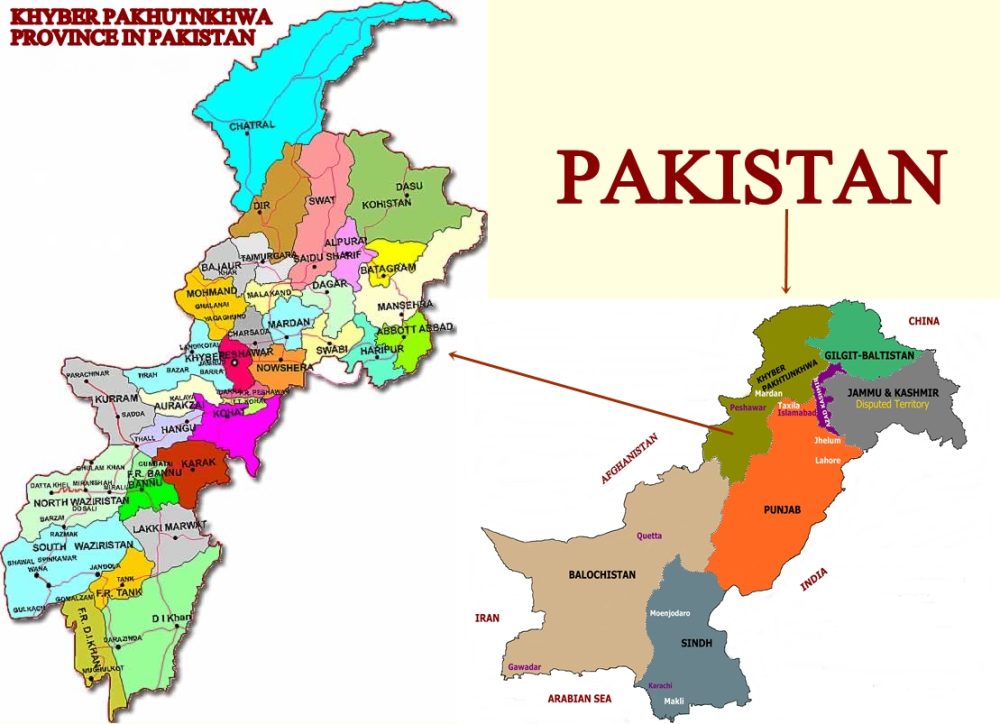
Khyber Pakhtunkhwa Province of Pakistan The Khyber Pakhtunkhwa Province is the smallest of the four administrative provinces of Pakistan. It is located in the northwest of the country housing some 35.53 million (2017 census) people in a 101,741 km² landmass. The province is the third largest by population and economic contribution. It was formerly called the North West Frontier Province (NWFP). Later in 2010, it was renamed Khyber Pakhtunkhwa Province (abbreviated as KPK). Peshawar is the provincial capital and the largest city. Geography Geographically, Afghanistan makes up the 1100 km long northwestern border of the Khyber Pakhtunkhwa Province, Gilgit-Baltistan is located to the northeast; the Federal Capital of Islamabad, Azad Kashmir, Punjab covers the southeastern section, and the northern tip of Balochistan makes up the southern border of the province. Major Cities The province of Khyber Pakhtunkhwa has 35 districts and 46 cities. Peshawar is the provincial capital and the largest city in the province. Major cities and towns of Khyber Pakhtunkhwa are Abbottabad, Bannu, Barikot, Charsada, Chitral, Haripur, Mardan, Mingora, Mansehra, Nowshera, Peshawar, and Saidu Sharif. A Journey Through History The region making today’s Khyber Pakhtunkhwa Province has for centuries been a doorway to the subcontinent. Its unique landscape and strategic location made it home to the grand civilizations of history. The region making Khyber Pakhtunkhwa has historically remained a stronghold of Buddhism. It was characterized by successive invasions under various empires because of its proximity to the Khyber Pass. Persians, Greeks, Mauryans, Kushans, Shahis, Ghaznavids, Mughals, Afghanistan, Sikhs, and the British Empire have all left strong imprints at various points in history. Today, the ruins of the ancient kingdom of Gandhara, including its capital Pushkalavati near modern-day Charsada, spread in major areas of the province making it one of the most alluring regions of the world. Takht-e-Bahi, one of the six UNESCO World Heritage Sites in Pakistan, is located in the province of KPK. The entire region is abundant in tourist attractions that have a universal significance. Culture and Heritage People The region is home to 11.9% of Pakistan’s total population of the country. The majority of the inhabitants are Pakhtuns or Pashtuns followed by Hazarewal, Chitrali, Kalash, and Gujjars. Pashtun or the Pathans being the majority in number (more than 75%) are the dominant groups in the province. They are very well known for their bravery, loyalty, and gallantry. Most of the disputes are settled in the Jirgah system headed by the tribal elders of the society. Major tribes included Yusufzai, Bangesh, Khattak, Marwat, Afridi, Orakzai, Mohmand, Mahsud, Wazir, Bannuchi, Bhittani, Daavi, Qazi Khel, Gandapur, and Ghargasht. The non-Pashtun tribes living in the province are Jhut, Mughal, Turks, Rajputs, and Abbasi Syeds. According to Thomas H. Jhonson and M. Chris Mason in “No Sign Until the Burst of Fire”, “Pashtun believes that their social code produces men, who are superior to those under the Western model, and they have no desire to have a new social system imposed on them by outsiders”.  Clothing The traditional dress of Pashtun men usually comes in Shalwar Qameez (Partoog-Korteh in Pashtu) with a Turban. The Turban with an upright flap is considered a symbol of honor. However, the Turban is usually worn by old men. The new generation either wears a topi or kufi which is also unique to the Pashtuns. Besides Khyber Pakhtunkhwa and Quetta, Pashtuns in Afghanistan have almost the same dress code. Since they have a strong tribal-based society, the tribe leaders usually wear a Karakul hat. Peshawari Chappal is the traditional footwear not only famous in Khyber Pakhtunkhwa but across the country. Women in urban areas are dressed as per existing trends. However, in rural areas of Khyber Pakhtunkhwa, women wear Burqa to cover the entire body. Religious Beliefs The majority of the residents of the Khyber-Pakhtunkhwa are followers of Islam. However, the tribes of Kalash in southern Chitral still have been able to retain their ancient Greco-Animist religion. Moreover, there are very small numbers of adherents of the Roman Catholicism sect of Christianity, Hinduism, and the Sikhism Arts & Craft Major arts and crafts of the province included woodwork, Chappal making, stone jewelry, vessels of brass and copper, hand-woven woolen fabrics, leatherwork, hand-knotted rugs, carpets, and caps made of wool, etc. Culture Pashtu culture is based on Pashtunwali. It is an ancient way of life characterized by the use of pure Pashtu language and wearing traditional dress. Besides the dress code, Pashtu poetry, folk music, and traditional dances are a great part of the rich culture of the Pashtuns. People still live in the joint family system and the arranged marriage system is part of the culture. Historically, the Pashtu culture traces its roots back to the time of Alexander the Great. However, over the centuries, the Pashtun culture has to some extent been influenced by the people of south and western Asia. The Hindko culture has many resemblances with the Pashtu culture, however, the Chitrali and the Kalash tribes have entirely different patterns. The Kalash people have their own architecture, rituals, folktales, and musical instruments.  The Chitrali people have their own distinct set of cultural values resemblance to those of Gilgit-Baltistan. Languages Pashtu is the provincial language of Khyber Pakhtunkhwa spoken by the majority (more than 75%) of the total population as the first language. Hindko, Saraiki, Khowar, Kohistani, Kalasha, and Gojri are the secondary languages spoken by different ethnic groups in the regions they are residing in. Urdu, the national language, is a medium of communication in educational institutions and is spoken for official communication while English is used for official correspondence and is also taught in academic institutions. Arabic is used for religious purposes and education. The provincial government, in 2011, approved the introduction of Pashto, Hindko, Saraiki, Khowar, and Kohistanis as compulsory subjects for the schools in the areas where they are spoken. Food The cuisines of Khyber Pakhtunkhwa are famous across Pakistan as Chinese food is famous around the world. These devoted and hardworking individuals value the importance of good

Punjab Province
Punjab

Punjab Province

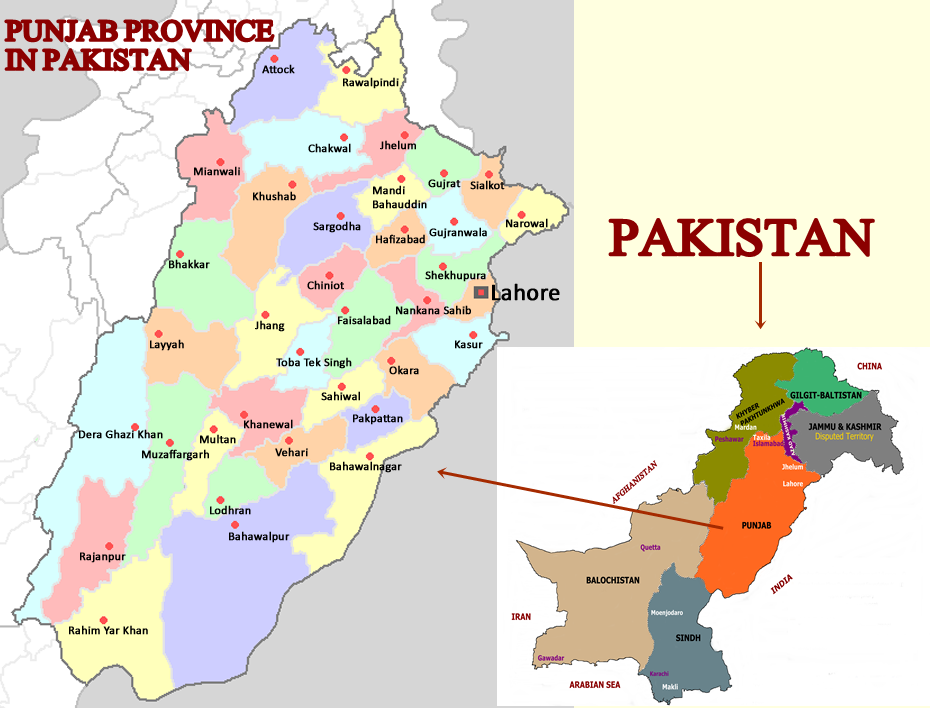
Exploring Punjab: The Land of Five Rivers Punjab is a name derived from the Persian words Punj (meaning five) and Ab (meaning water). It quite literally translates to “(The land of) Five Rivers.” These five rivers are the Jhelum, Chenab, Ravi, Sutlej, and Beas. It’s important to note that the Beas River is now situated in Indian Punjab, while the Indus River is considered the fifth river of Punjab in Pakistan.  The Punjab Province stands as the most fertile, populous, and prosperous province, housing approximately 56% of the nation’s population. Geographical Diversity Geographically, the Punjab province is a land of striking contrasts. It primarily consists of the alluvial plains of the Indus River and its four major tributaries: the Jhelum, Chenab, Ravi, and Sutlej rivers. Moreover, this diverse province spans an area of 205,344 square kilometers, ranging from the lush plains of the Indus River to the arid deserts of Cholistan, from the foothills of the Himalayas to the Potwar plateau and the Salt Range. Punjab is bordered by Kashmir to the northeast, the Indian state of Punjab and Rajasthan to the east, Sindh to the south, Baluchistan to the southwest, Khyber Pakhtunkhwa to the west, and Islamabad (the capital) to the north. Major Cities With 36 districts in the province, Lahore takes the crown as the provincial capital and the largest city. Lahore undoubtedly has a rich historical significance and was the capital of the broader Punjab region before the creation of Pakistan. Other significant cities in Punjab province include Bahawalpur, Multan, Gujranwala, Sargodha, Sialkot, Gujrat, Sheikhupura, Sahiwal, Faisalabad, Lahore, Jhelum, Attock, and Rawalpindi. A Journey Through History The history of Punjab is a tapestry woven with threads of diverse cultures and civilizations. Evidence suggests that humans settled along the banks of the Soan River more than 100,000 years ago. However, it was the ancient Harappan civilization, dating back 5,000 years, that laid the foundation for subsequent cultures in South Asia and Afghanistan. Over the centuries, Punjab saw waves of invaders from Greece, Central Asia, Iran, and Afghanistan, drawn to its strategic location. Throughout its storied past, Punjab has been a part of various empires and dynasties, including the Indus Valley Civilization, Aryans, Kushans, Scythians, Greeks, Persians, Arabs, Turks, Ghaznavids, Timurids, Afghans, Mughals, Sikhs, and the British, just before the formation of Pakistan. Traditionally, Punjab served as a focal point on the old Mughal Highway – the Grand Trunk Road (GT Rd) – connecting Central Asia to the Indian subcontinent. Lahore, long before partition, reigned as the capital for nearly a millennium, remaining a significant cultural, historical, and intellectual hub in the region. The partition of the subcontinent in 1947 marked a pivotal moment in Punjab’s history. The Muslim-dominated areas became the present-day province of Punjab, while the Sikh and Hindu-controlled regions formed the Indian states of Punjab. Today, Punjab stands as the heart of the nation, driving political and economic progress. Cultural Tapestry People Punjab is home to warm-hearted and fun-loving people, residing in both rural and urban areas. The province creates a heterogeneous society with diverse tribes, clans, and communities. In rural areas, traditional beliefs, superstitions, and cultural norms shape daily life, with practices like in-faqeers, Jogi, Taweez, manat-ka-dhaga, and belief in saints and black magic. In urban centers, however, literacy has ushered in rationality, blurring the lines of the caste system. Major Punjabi castes include Jats, Maliks, Mughals, Arains, Gujjars, Awans, Rajputs, Gakhars, Khokhars, Sheikhs, Kambohs, Niazis, Legharis, Khosas, Dogars, Mirani, Qureshis, and Syeds. Dresses Traditional attire for Punjabi men in villages comprises the Pagri (turban), dhoti/Lacha (loose cloth used as trousers), kurta (knee-length shirt), and Khusa (traditional shoes). Women, on the other hand, wear Gharara or churidar pajama or colorful shalwar kameez, Paranda, choli/dupatta, Khusa, kola puri chappal, or Tillay wali Jutti. In urban areas, however, fashion takes center stage, with both men and women donning trendy outfits. Religious Affiliation Punjab’s religious landscape has evolved over centuries. Initially, it was predominantly a Hindu state with Buddhist minorities before the arrival of Islam in 712 AD by Muhammad bin Qasim. The region later fell under Mughal rule for over two centuries, leaving behind architectural marvels, including mosques, forts, and gardens. Sufism, with its strong teachings, played a pivotal role in spreading Islam in Punjab. Today, the province is dotted with numerous Sufi shrines that attract millions of devotees annually. Arts and Crafts Punjab, as the most populous province, boasts a significant manufacturing industry, contributing substantially to Pakistan’s economy. Art and craft find their place in this rich tapestry, with major products including basketry, pottery, textiles, embroidered cloth woven on handlooms, cotton, silk, carpets, stonecraft, jewelry, metalwork, truck art, and woodwork. Culture Punjab’s culture traces its roots back to the highly developed Harappan Civilization. Subsequent civilizations have left their mark, shaping the culture in the realms of philosophy, poetry, music, art, architecture, and cuisine. Sufism has played a pivotal role in spreading harmony among the people. Punjab hosts a multitude of festivities that reflect its rich cultural traditions. Known for relatively liberal social attitudes in Pakistan, Punjab is a cultural melting pot. Languages The Punjab province is home to Punjabis and various other ethnic groups. Punjabi is, in fact, the mother tongue of 44% of Pakistanis. At the same time is understood by most of the population. Other languages, including Saraiki, Hindko, Pahari, and Pathowari, coexist alongside Punjabi. Additionally, Urdu serves as the national language, mainly in urban areas, while English is the official language for official communication. Festivals The people of the Punjab province enthusiastically celebrate both religious and cultural festivals. Revered religious festivals include Shab-e-Barat, Eid ul Fitr, Eid ul Adha, Eid Milad u Nabi, and Muharram. Cultural festivals like Baisakhi/Vaisakhi (Sikh festival), Basant, Teej, and Kanak Kati add to the vibrant tapestry of Punjab’s celebrations. Cuisine Punjabi cuisine is especially renowned for its delectable flavors. Traditional dishes often feature the use of oil or clarified butter, combined with an array of spices. Meals are typically enjoyed with rice or roti (bread). Breakfast favorites

Balochistan
Balochistan

Balochistan Province of Pakistan

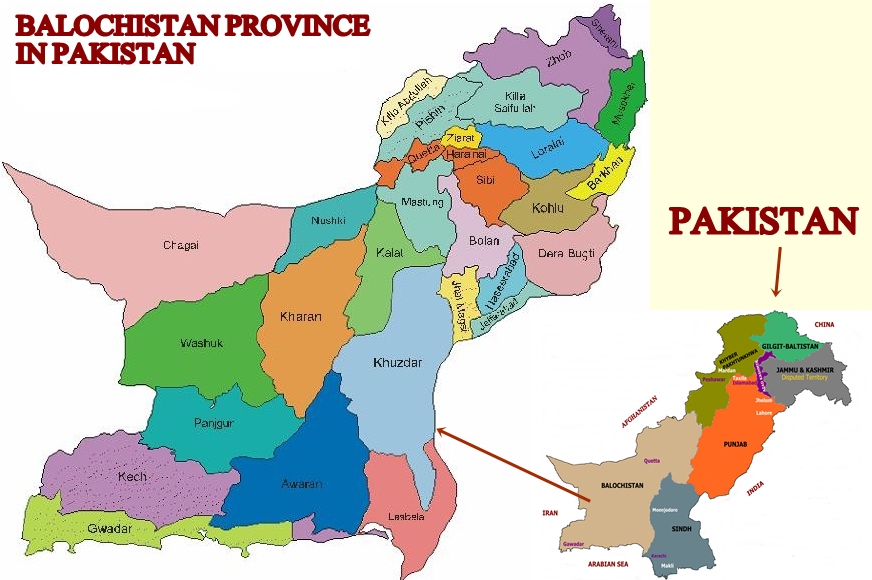
Explore the Enchanting Beauty of Balochistan: Pakistan’s Largest Province Geography and Strategic Location Balochistan, the largest province of Pakistan, sprawls over an expansive area of 347,190 square kilometers, constituting 44 percent of the nation’s total land. Situated at the crossroads of the Middle East, southwest Asia, Central Asia, and South Asia, Balochistan holds immense strategic importance. Bordered by Iran to the west, Afghanistan to the north, the Arabian Sea to the south, and Punjab and Khyber Pakhtunkhwa to the northeast, the province acts as a bridge connecting different regions. Discovering the Land of Diversity Balochistan boasts a diverse landscape, ranging from a 760-kilometer-long southern coastal line to vast deserts, plains, and hilly ranges. Amidst this varied terrain lie numerous cities, each with its unique charm and history. Major Cities to Explore Quetta: The capital city of Balochistan, Quetta is a vibrant hub of cultural richness and historical significance. Gwadar: This port city is renowned for its coastal beauty and strategic maritime location. Ziarat: Known as the “Land of Junipers,” Ziarat offers serene surroundings and a tranquil environment. Turbat: Steeped in history, Turbat is a city with a fascinating past waiting to be explored. Kalat: Formerly the kingdom of the Khan of Kalat, this city carries an air of regal heritage. Hinglaj: A sacred place for Hindus, Hinglaj attracts pilgrims from far and wide. Hub: Located on the border with Karachi, Hub serves as an important town for trade and commerce. Chaman: A northwestern town bordering Afghanistan, Chaman reflects the region’s cultural amalgamation. Pishin: Known for its lush green landscapes and agricultural significance, Pishin captivates visitors. Sibi: The city of the famous Bolan Pass, Sibi is steeped in history and tales of conquest. Taftan: This town on the border with Iran offers a unique glimpse into cross-border interactions. Delving into the Rich History of Balochistan With a history that dates back over 9,000 years, Balochistan holds a treasure trove of ancient civilizations and cultural heritage. The Mehergarh civilization marked a significant shift from a nomadic lifestyle to settled communities, making it a crucial milestone in human history. Balochistan witnessed encounters with renowned conquerors and warriors like Alexander the Great, who had an encounter with the Sibia tribe of Balochistan during his expedition. The region subsequently came under the rule of various empires, including the Ghaznavids, Mongols, and Mughals. The advent of Islam occurred with Muhammad Bin Qasim’s arrival in 712 A.D., which established Muslim rule in the area. The region saw dynastic changes over the centuries, with the Khanate of Kalat emerging in 1758. The British arrived in Balochistan during the 19th century and consolidated their power through treaties with local rulers. Following Pakistan’s creation in 1947, Balochistan became one of the four provinces. Cultural Diversity and Heritage Balochistan is home to a tribal society with a rich cultural tapestry. The major tribes include Baloch, Pashtoon, and Brahvi, each with its language and customs. Balochi handicrafts, particularly their needlework and intricate designs, are famous worldwide. The Melodious Culture of Balochistan Music and dance form an integral part of Balochi culture. Balochi folk songs and tribal poems are sung across the country, and traditional dances like Attan, Chap, Lewa, and Jaffarki represent the region’s identity. The Sibi Festival and Buzkashi Festival are two major attractions showcasing the cultural richness of Balochistan. Languages and Festivals Balochistan is home to three major languages: Balochi, Pashtu, and Brahvi. The Balochi language, with its ancient roots, holds a unique position in linguistic history. Festivals like the Sibi festival and Buzkashi festival attract tourists from far and wide, providing a glimpse into the cultural vibrancy of the province. Discovering Balochistan’s Natural Beauty The province’s diverse landscapes offer a plethora of tourist attractions. From golden beaches along the Arabian Sea to the hills of the Sulaiman Range; Balochistan’s beauty is unparalleled. Notable attractions include the second-largest Juniper Forest in the world in Ziarat, mud eruption volcanoes, archaeological sites, and serene beaches. Economy and Future Prospects Balochistan’s economy is primarily based on natural resources such as natural gas, coal, and minerals. Recent development projects, including the Gwadar deep sea port and the Gwadar International Airport, are expected to bring substantial economic growth to the region. Balochi Food Balochi cuisine is a trove of delectable dishes that celebrate the region’s history, culture, and culinary expertise. Whether you are indulging in the flavors of Sajji or savoring the sweetness of Khoya, Balochi food promises an unforgettable gastronomic experience. So, don’t miss the opportunity to explore the rich culinary heritage of Balochistan and treat yourself to a delightful feast of flavors. Climate and Best Time to Visit Balochistan experiences extreme weather conditions, with cold winters and hot summers. Spring and autumn offer the most pleasant climate for visitors to explore the region’s beauty. A Treasure Trove Awaits With its rich history, diverse culture, stunning landscapes, and hospitable people, Balochistan is a hidden gem waiting to be explored. Embark on a journey to this enchanting province and unravel its many wonders.

Day excursions from Karachi
City Breaks, Sindh

Excursions from Karachi

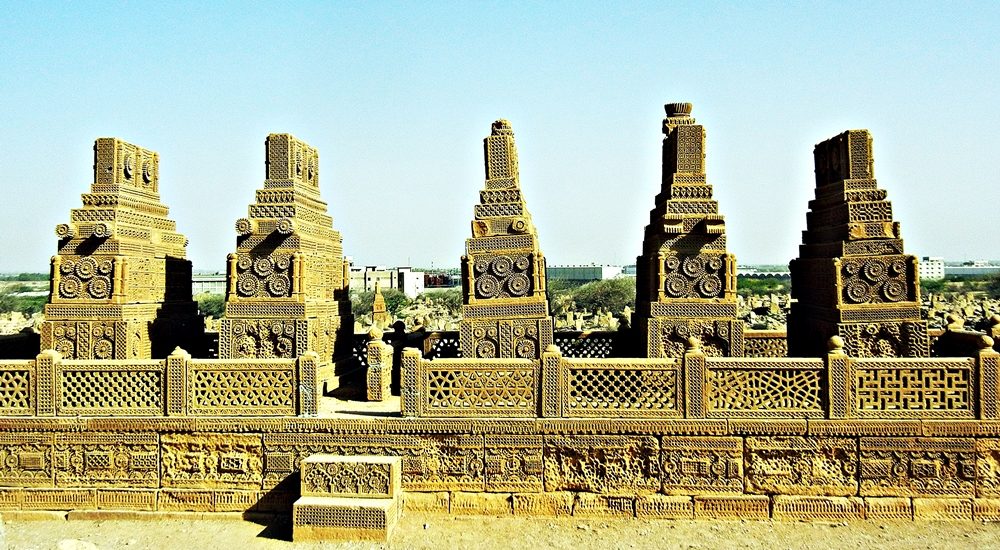
Originally a coastal village inhabited by fishermen along the southern Arabian Sea, Karachi has evolved into Pakistan’s economic epicenter. Boasting both historical and modern allure, it stands as the country’s largest and most populous city. Karachi encompasses a vast spectrum—from its picturesque urban panorama and lively lifestyle to its somber historical events. The city of lights never ceases to amaze those embarking on exploration. Beyond the myriad tourist sites within the city, there lie captivating destinations to the north and west that make for convenient day trips. Here are some prime choices for excursions from Karachi. The Chaukhandi tombs Located approximately 30 kilometers from Karachi, the Chaukhandi Tombs constitute an early Islamic burial ground. Renowned for their intricate sandstone carvings, these tombs share a stylistic resemblance with the ornate tombs found at the Makli Necropolis near Thatta. Reflecting the funerary architectural style characteristic of lower Sindh, the Chaukhandi Tombs offer a captivating glimpse into the historical and artistic heritage of the region. The ruins of Banbhore or Bhambore Banbhore, a prehistoric port city and archaeological site situated approximately 65 kilometers east of Karachi along Gharo Creek’s north bank, reveals a historical narrative spanning from the 1st century BC to the 13th century AD. Occupied by the Scytho-Parthians from the 1st century BC to the 2nd century AD, it then transitioned into the Hindu-Buddhist era from the 2nd to the 8th century AD. The Muslim period, lasting from the 8th to the 13th century, saw Banbhore abandoned due to a change in the course of the River Indus. Presently, Banbhore is a mound hosting remnants of an ancient city, featuring notable structures such as the earliest known mosque from 727 AD, a deep well, and others. Arab General Muhammad Bin Qasim made his historic entry into the Indian subcontinent through Banbhore in 712 AD, and the site has yielded distinctive artifacts, some displayed at the Banbhore Museum. Makli Necropolis Situated approximately 98 kilometers east of Karachi, in the Thatta district, Makli is a massive Muslim necropolis boasting a rich blend of historical monuments. It ranks among the world’s largest graveyards, covering an expansive area of 10 square kilometers. This burial ground bears witness to the splendid Sindhi culture spanning the 14th to the 18th centuries, with over half a million monuments scattered throughout its expanse. Laid out in a diamond-shaped layout, Makli is the final resting place for individuals from diverse backgrounds, including kings and queens, scholars and soldiers, philosophers, governors, saints, and commoners. The site features tombs, graves, and mausoleums, forming a captivating panorama of the varied lives that once contributed to the region’s cultural richness. Recognized for its historical significance, Makli was designated as a UNESCO World Heritage Site in 1981. Haleji Lake Located 91 kilometers from Karachi in the Thatta district of Sindh, Haleji Lake offers an engaging day trip, allowing visitors to explore not only the lake itself but also other attractions in Thatta city. Recognized as Asia’s largest bird sanctuary, the lake serves as a winter haven for thousands of migratory birds from Siberia. Hosting a diverse avian population, Haleji Lake is home to 223 bird species, encompassing coots, ducks, purple moorhens, kingfishers, pigeons, white herons, teals, waders, mallards, pelicans, cormorants, egrets, black-headed-gulls, pheasants, partridges, and storks. The lake is a paradise for bird watchers, with waterfowl being a highlight. In addition to the rich birdlife, Haleji Lake also boasts other species, including the presence of marsh crocodiles. Keenjhar Lake Keenjhar Lake, located 122 kilometers from Karachi and 22 kilometers from Thatta, is Pakistan’s second-largest freshwater lake, built in the 12th century as a water reservoir for Thatta. The azure waters and vibrant natural surroundings make it a vital wildlife sanctuary, hosting diverse bird species like ducks, geese, flamingos, and herons, while also serving as a breeding ground for notable birds. Beyond its ecological importance, the lake is culturally significant, linked to the Sindhi folklore of Noori-Jam Tamachi, where the raised tomb at the center is believed to be that of Noori, the Fisher girl, who married Jam Tamachi, the ruler of Sindh. Shah Jahan Mosque or Jamia Masjid Thatta Commissioned by Mughal King Shah Jahan (1644-47) as a gesture of gratitude to the people of Thatta, the Shah Jahan Mosque, also known as Jamia Masjid Thatta, stands as an enduring architectural marvel. Built with red brick and adorned with blue glazed tiles, it deviates from traditional Mughal design by lacking frescoes and featuring a distinctive roof with 93 domes instead of minarets. The architectural style combines Sindhi, Persian, Timurid, and Indian influences. The mosque boasts an interesting acoustic phenomenon, with the voice of the Mehrab resonating effortlessly throughout. The absence of additional acoustic aids is notable. The veranda ceilings are engineered for optimal airflow, ensuring a cool environment. Despite undergoing repairs, the mosque retains its historical and architectural significance, earning a spot on the UNESCO World Heritage List in 1993. Manora Island Manora is a compact island spanning 2.5 square kilometers, renowned as a popular picnic destination perfect for a day trip from Karachi. Accessible through a brief 30-minute ferry ride from Keamari Harbour, the gateway to Karachi’s bustling port, the island offers a distinctive experience with its expansive sandy beaches along the southern perimeter and refreshing sea breezes. Historically, Manora has significance as the site where the Talpur rulers surrendered to the British, leading to the construction of a still-standing lighthouse. Notably, it is believed that Alexander the Great camped on the island after his Indus Valley campaign on his journey to Babylonia. Manora continues to attract visitors seeking a tranquil escape and a glimpse into its rich history. Visitors often bring their own provisions and revel in a day away from the city’s hustle and bustle. Churna Island Churna Island stands as an optimal destination for water enthusiasts, offering a variety of water sports such as scuba diving, jet-skiing, banana boating, wake tubing, cliff jumping, snorkeling, and other aquatic activities. Positioned as a small rock reef in the Arabian Sea, it is enveloped by

Kha Basi Cafe
Gilgit-Baltistan, Heritage Sites in Pakistan

Kha Basi Café

Discover the Majestic Kha Basi Café: A Taste of Tradition in Hunza Valley Nestled under the shadow of the magnificent Altit Fort, within the ancient royal garden known as “the Kha Basi,” The Kha Basi Café is a truly exceptional restaurant. This hidden gem resides on the outskirts of Altit town, in the enchanting Hunza Valley, Gilgit-Baltistan, Pakistan. The cafe is basically surrounded by beautifully maintained apricot orchards. This classic restaurant stands as a testament to the region’s rich history and cultural heritage. A Glimpse into the Royal Past The Kha Basi Café’s historical significance is unparalleled. Once a summerhouse for the royal family of Hunza, this architectural gem has gracefully weathered the passage of time. Today, it stands as a living testament to the region’s glorious past. It exudes an air of old-world charm that enchants visitors from far and wide. Reviving Tradition through Culinary Delights As you step into the Kha Basi Café, prepare to embark on a culinary adventure like no other. The menu boasts an extensive selection of delectable dishes. At the same time, it also showcases the rich flavors of traditional Hunza cuisine. Every bite is a journey through the ages, offering a glimpse into the customs and culinary practices that have been cherished for generations. A Proudly Local Experience The heart and soul of the Kha Basi Café lie in the hands of the remarkable local women who manage it with utmost dedication. Their commitment to preserving the essence of Hunza’s heritage is evident in every detail of the café. From the warm greetings to the meticulously prepared dishes, every aspect of the experience exudes genuine hospitality and pride in the local culture. A Panoramic Feast for the Senses Beyond the culinary delights, the Kha Basi Café treats visitors to an unparalleled feast for the senses. The veranda, overlooking the majestic Karakoram Highway, mountains, and lush orchard offers a visual symphony that complements the flavors on your plate. The soothing sounds of nature, the gentle breeze rustling through the trees, and the fragrant blooms all contribute to an unforgettable dining experience. Preserving Culture Through Art and Architecture Delving deeper into its commitment to preserving culture, the café invites talented young artists to showcase their skills on special occasions. Their captivating performances range from traditional music and dance to storytelling, offering guests an immersive encounter with Hunza’s artistic heritage. Moreover, the small traditional house within the café’s premises provides an enchanting opportunity for visitors to experience the harmony of traditional architecture with modern comforts. The meticulous craftsmanship and use of indigenous materials in its construction pay homage to the region’s architectural legacy. A Photographic Paradise Nature’s masterpiece, the Kha Basi orchard, is a photographer’s dream come true. Each season unfurls its own breathtaking charm, from the delicate blossoms of spring to the vibrant colors of autumn. Photographers and nature enthusiasts alike will find endless inspiration within the enchanting confines of this picturesque garden. Getting There and Contact Information For those eager to explore the wonders of the Kha Basi Café, access is straightforward. Located at the end of the streets of Altit town, the café is easily reachable from the Karakoram Highway. Visitors can contact (0581) 3457012 during business hours for bookings and further information. The Kha Basi Café is more than just a restaurant. It provides an immersive experience that transports you to a bygone era of regal splendor and cultural richness. With its delectable cuisine, warm hospitality, and awe-inspiring surroundings, this enchanting establishment is a true gem in the heart of the Hunza Valley. Whether you are a food enthusiast, a culture aficionado, a nature lover, or a seeker of tranquility, the Kha Basi Café offers a magical journey that will linger in your memories forever. Discover the essence of Hunza’s heritage and indulge in an extraordinary culinary and cultural adventure that will leave you spellbound.

Tourist attractions in Bahawalpur
City Breaks, Punjab

Bahawalpur Tourist Attractions

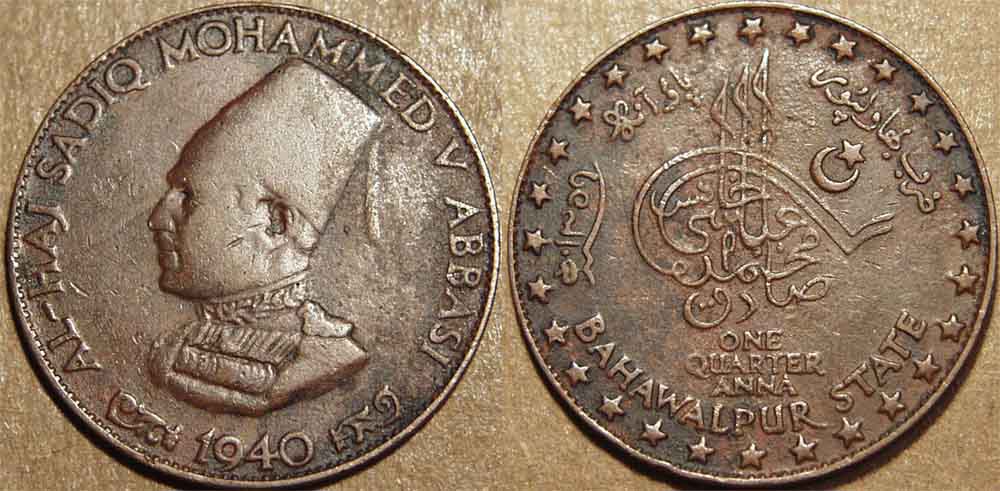
Bahawalpur, the capital city of the Bahawalpur district situated in the southern part of the Punjab province in Pakistan, holds historical significance as it was once a princely state under the rule of the Abbassi Nawabs from 1748 to 1954. During their 200-year reign, the Nawabs contributed to the city’s grandeur by constructing some remarkable landmarks, leaving behind an architectural legacy that still defines the city. As the 11th largest city in Pakistan and the 6th largest in Punjab province, Bahawalpur boasts well-preserved landmarks that serve as a testament to its rich history. The city is particularly attractive for visitors between October and February. While Bahawalpur has its own airport, travelers can also opt to fly into Multan and then drive to Bahawalpur. The city is accessible by air from major cities like Islamabad, Lahore, and Karachi, and by road from Karachi and Lahore as well. Key highlights of Bahawalpur include: Princely History: Bahawalpur served as a princely state under the Abbassi Nawabs for over two centuries, shaping the city’s cultural and historical identity. Architectural Marvels: The Abbassi Nawabs left behind mesmerizing landmarks that stand as a testament to their rule. These architectural gems contribute to the city’s unique charm and are well-preserved to this day. Ideal Visiting Season: The best time to visit Bahawalpur is between October and February, offering favorable weather conditions for exploration and sightseeing. Access: Bahawalpur has its own airport, but travelers can also choose to fly to Multan and then drive to Bahawalpur. The city is well-connected by air and road, with flights from major cities and accessible road routes from Karachi and Lahore. Overall, Bahawalpur is a city that invites visitors to explore its historical treasures, experience its cultural richness, and appreciate the architectural legacy left by the Abbassi Nawabs. Darawar Fort A must-visit attraction, Darawar Fort stands as a colossal citadel situated on the outskirts of the Cholistan Desert in Bahawalpur. Offering an exciting excursion from the city center, the fort is located approximately 95 km away, with a travel time of about 2 hours. The square-shaped fort’s immense size dominates the semi-desert landscape, easily visible from miles away. The fortified structure boasts 5-foot thick and 30-meter round bastioned walls, extending 1500 m in circumference, making it a robust and magnificent stronghold. While its exterior is particularly impressive, the interior may not match the grandeur witnessed from the outside. Abbassi Mosque or the White Marble Mosque The Abbasi Mosque, also known as the White Marble Mosque, is an elegant structure located in front of the Derawar Fort in Bahawalpur. Constructed in 1849 for the personal holy man of Nawab Bahawal Khan, Pir Ghulam Farid, this mosque is a striking representation of architectural beauty. Resembling the Moti Masjid at the Red Fort in Delhi, India, the Abbasi Mosque is entirely crafted from white marble, creating a pearl-like presence in the Cholistan Desert. The mosque features a spacious hall and courtyard, capable of accommodating up to 1000 worshippers simultaneously. Its tall minarets are visible from afar in the Cholistan desert, and despite the passage of time, the local residents have diligently maintained the mosque’s pristine condition. Abbasi Royal Graveyard The Abbasi Royal Graveyard, located in close proximity to the Abbasi Masjid in Derawar, serves as the final resting place for the Abbasi family. This sacred burial ground is under the ownership and control of the surviving family members of the Nawabs. The graveyard encompasses a covered area featuring a large rectangular room that serves as the resting place for 12 Nawabs who once governed the state of Bahawalpur. Additionally, the room contains the graves of Nawabs holding honorary titles after the amalgamation of Bahawalpur with Pakistan. Beyond the main rectangular room, other tombs belong to the immediate family of the Nawabs. These tombs showcase exceptional architectural craftsmanship and intricate artwork, including calligraphy, engravings, patchwork, and patterns. Visitors must obtain prior coordination and permission to explore this historic graveyard. Cholistan desert The Cholistan Desert, also referred to as Rohi, is a vast desert situated in Bahawalpur, Pakistan, covering an expansive area of approximately 26,000 square kilometers. Renowned for its distinctive ecosystem, this desert is a habitat for a diverse array of plants and animals. Beyond its ecological richness, the Cholistan Desert is steeped in historical significance, featuring numerous forts and tombs that trace their roots back to the ancient Indus Valley Civilization. The desert has become a favored destination for adventure tourism, offering activities such as desert safaris and camel treks, allowing visitors to immerse themselves in the unique landscapes and cultural heritage of the Cholistan region. Lal Sohanra National Park Established in 1972, Lal Sohanra National Park is a prominent conservation area among Pakistan’s 14 major national parks and protected regions, located approximately 50 km east of Bahawalpur. Recognized as a UNESCO-declared biosphere reserve, it stands as one of the largest national parks in South Asia. The park spans 127,480 acres, with 20,974 acres dedicated to green land (irrigated plantations), 101,726 acres to dry land (desert), and 4,780 acres to wetland (ponds and lakes). This sanctuary is home to a variety of wildlife, including the rare Chinkara Gazelle and abundant wild boar, while winter brings a multitude of ducks to the lakes. The park is intersected by the dry bed of the Hakra River, featuring the significant wetland of Patisar Lake. Accommodation options include a modest facility provided by the Pakistan Tourism Development Corporation (PTDC), and camping is also available in selected campsites within the park. Sadiq Garh Palace The grandeur and magnificence of Sadiq Garh Palace surpass even the enchanting palaces in Bahawalpur. Set amidst lush green lawns adorned with beautiful plants and flowers, and enclosed by a massive fortification, this sky-high structure features a central dome surrounded by bastions at each corner, showcasing the exquisite architectural taste of the Nawab’s family. The palace radiates an even more graceful aura at night, illuminated by a kaleidoscope of colored lights. The interior is adorned with top-quality furniture and embellishments. Established in 1882 by Nawab

Sindh Province
Blogs, Sindh

Sindh Province of Pakistan

Discover Sindh:  The Jewel of Southern Pakistan Sindh, the third-largest province of Pakistan, boasts Karachi as its bustling capital. Locally called “Mehran,” Sindh spans 54,407 square miles (140,914 square kilometers) and is home to over 47.8 million people (as per the 2017 census). Known for its rich cultural heritage and urbanized population (52.02%), Sindh offers a unique blend of history, tradition, and modernity. Geography of Sindh Situated in southeastern Pakistan, Sindh forms the lower Indus Basin. The landscape is predominantly flat, with the Kirthar Range marking its western boundary with Balochistan. To the northeast lies Punjab, while the east borders the Indian states of Rajasthan and Gujarat. The Arabian Sea graces its southern edge, adding scenic coastal beauty. Major Cities in Sindh Sindh comprises 29 districts, with Karachi hosting five of them. Key cities include: Karachi: The cosmopolitan hub and gateway to Sindh. Hyderabad: Renowned for its cultural richness and historical landmarks. Sukkur: Famous for its iconic bridges and river views. Thatta: Known for ancient sites and the Makli Necropolis. A Rich Historical Blend The name “Sindh” originates from the Sanskrit word “Sindhu,” meaning ocean or river, specifically referring to the Indus River. Over millennia, the region evolved through numerous civilizations and empires: Early Settlements: Dating back to 7000 BCE, with Mehrgarh expanding into Sindh and giving rise to the Indus Valley Civilization (3000–1500 BCE). Empires and Conquests: Conquered by the Persian Achaemenid Empire, Alexander the Great, and subsequently the Mauryan Empire. Islamic Era: In 711 AD, Muhammad bin Qasim introduced Islam to Sindh, earning it the title “Bab-ul-Islam” (Gateway to Islam). Dynastic Rule: Sindh saw seven ruling dynasties, including the Mughals and Talpurs, before becoming part of British India in the 19th century. Cultural Heritage of Sindh Sindh’s vibrant culture is reflected in its arts, crafts, and traditions: Clothing: Colorful attire is a hallmark. Women wear tie-dyed shawls and saris, while men don embroidered Sindhi caps and traditional lungis. Religious Influence: Sufi shrines play a central role, with devotional music and ceremonies forming a key part of rural life. Arts and Crafts: The region boasts 5,000 years of craftsmanship, including Ajrak (block-printed fabric), pottery, woodwork, and hand-woven textiles. Languages in Sindh Sindhi is the primary language, though regional dialects like Kutchi, Lari, and Saraiki are also prevalent. Karachi, a melting pot of cultures, is multilingual, with Urdu and English serving as key languages. Tourist Attractions in Sindh Sindh is a treasure trove of historical, architectural, and natural wonders, including: Mohenjo-Daro: A UNESCO World Heritage Site showcasing the Indus Valley Civilization. Ranikot Fort: Known as the Great Wall of Sindh. Shah Jahan Mosque: A masterpiece of Mughal architecture in Thatta. Makli Necropolis: One of the largest graveyards in the world. Keenjhar Lake: A serene escape for nature lovers. Karachi’s Landmarks: Quaid-e-Azam’s Mausoleum, Clifton Beach, and colonial-era buildings. Sindh’s Economy Sindh’s economy thrives on agriculture, with cotton, rice, wheat, and sugarcane as major crops. It is also famous for producing dates, mangoes, and bananas. Handicrafts, pottery, and textiles contribute to its economic landscape, continuing a legacy from the Indus Valley Civilization. Climate and Best Time to Visit Sindh experiences a tropical climate: Summers: Hot and dry (30–50°C). Winters: Mild and pleasant (10–30°C). The ideal time to visit is between November and March when the weather is more comfortable for exploring. Things to Do in Sindh Explore ancient ruins at Mohenjo-Daro. Visit Sufi shrines and experience local spirituality. Take a boat ride on Keenjhar or Haleji Lake. Discover architectural gems like Kot Diji Fort and Noor Mahal. Enjoy the vibrant city life of Karachi. Getting to Sindh Sindh is accessible via air, road, and rail: Air Travel: Jinnah International Airport (Karachi) connects to international and domestic destinations. Road and Rail: Well-connected highways and train services link Sindh to other major cities in Pakistan. Sindh’s diverse history, vibrant culture, and breathtaking landscapes make it a must-visit destination for history buffs, nature lovers, and cultural enthusiasts alike. Plan your trip to this enchanting province and experience the wonders of southern Pakistan! You may also want to read: Gilgit-Baltistan Islamabad Capital City Azad Jammu & Kashmir Khyber Pakhtunkhwa Punjab Balochistan

Excursions from Islamabad
City Breaks, Tourists Destinations in Pakistan

Excursions from Islamabad

Situated in the heart of Pakistan, the capital city of Islamabad boasts an ideal location that offers easy accessibility from both within the country and internationally. Moreover, its proximity to various key destinations allows visitors to embark on captivating day excursions to explore the region’s natural and cultural wonders. Below are outlined some of the major excursions from Islamabad. DAY EXCURSION TO RAWALPINDI OLD CITY: Rawalpindi, the sister city of Islamabad, is a dynamic urban center celebrated for its bustling markets, rich historical sites, and lively ambiance. Travelers have the opportunity to discover various attractions such as the antique structures within Raja Bazaar, the lively markets of Saddar, and the historic edifices and thoroughfares predating Pakistan’s formation. Notable landmarks include the Pakistan Army Museum, Ayub National Park, and the iconic St. Paul’s Church Rawalpindi. Rawalpindi’s proximity to the capital city adds to its accessibility and appeal to visitors. DAY EXCURSION TO TAXILA WORLD HERITAGE SITE Taxila is an ancient metropolis situated approximately 45 kilometers north of Islamabad, the country’s capital city. Positioned on the border between Punjab and Khyber Pakhtunkhwa provinces, Taxila derives its name from the Sanskrit term Taksasila, translating to “city of cut stones.” This significant archaeological site was discovered in the late 1800s by the renowned archaeologist Sir Alexander Cunningham. Covering an area of approximately 30 square kilometers, Taxila boasts a rich museum and over 50 sites of historical importance. Notable sites within Taxila include Julian, Sirkap, Mohra Moradu, and Julian. Acknowledging its cultural significance, Taxila was inscribed as a UNESCO World Heritage Site of Pakistan in 1980. You may also be interested in: Excursions from Gilgit DAY EXCURSION TO WAH MUGHAL GARDENS The Mughal Gardens, dating back to the era of Akbar, are situated in the city of Wah, less than an hour’s drive from Islamabad. Akbar commissioned Ahmed Mehmar Lahori for their structural and architectural design. These gardens boast exquisite design and have served as the inspiration for numerous significant architectural endeavors due to their ingenuity. In 2006, a team of researchers discovered evidence of a sophisticated water system underlying the gardens, showcasing their modernity for their time. Travelers along the Grand Trunk Road from Peshawar to Islamabad, or those visiting Taxila and Khanpur Dam, can take a moment to explore these historic gardens. DAY EXCURSION TO GURDWARA PANJA SAHIB Gurdwara Panja Sahib, located in Hasan Abdal approximately 50 kilometers from Islamabad, holds immense significance for the Sikh community as one of their most sacred places of worship. Its importance lies in a rock within its premises believed to bear the handprint of Guru Nanak. Twice a year, Sikhs from across the globe make pilgrimages to this Gurdwara. While the Gurdwara’s architecture is stunning and worth admiring, access to the compound is restricted to the general public. DAY EXCURSION TO ROHTAS FORT – A UNESCO WORLD HERITAGE SITE Rohtas Fort (Qila Rohtas) is one of the six UNESCO World Heritage Sites in Pakistan, designated in 1997. The gigantic Rohtas fort is an exceptional example of early Muslim military architecture surviving today. It was built by Farid Khan – the “Lion King” – well known as Sher Shah Suri in the 16th century. Located some 16km northwest of Jehlum city, the fort was strategically built in a gorge on a small hill 300ft above its surroundings, and it commands the old route from the north to the plans of Punjab across the Potohar Plateau. Rohtas Fort is located some 98 km from Islamabad and takes about 2 hours to reach. The major reason behind the erection of this rampart was to subdue the pro-Mughal Ghakkar tribe and to thwart the possible return of Mughal Emperor Humayun who had fled to Iran after his defeat in the battle of Kanauj at Chaunsa. DAY EXCURSION TO KALARKAHAR & MALOT TEMPLES Kalarkahar is a serene town located in the Chakwal District of Punjab, Pakistan. It is approximately a two-hour drive from Islamabad, making an ideal day excursion from the capital city. Kalarkahar is renowned for its scenic beauty, featuring lush green hills, freshwater lakes, and picturesque landscapes. One of the main attractions in Kalarkahar is the Kalarkahar Lake, a tranquil reservoir surrounded by verdant hills. The Malot Temples, also known as the Malot Fort Temples, are a historical and archaeological site located near the village of Malot in the Salt Range of Punjab, Pakistan. These temples date back to the 10th century and are an important representation of the region’s ancient Hindu heritage.  DAY EXCURSION TO KHEWRA SALT MINES The Khewra Salt Mine, also known as the Mayo Salt Mine, stands as the world’s second-largest salt deposit. Situated in Khewra, an administrative division within the Jehlum District of Punjab Province, Pakistan, it holds the distinction of being the largest salt deposit in the country. This remarkable site serves as a crucial source of salt and stands as one of Pakistan’s premier tourist attractions, boasting an estimated total of 220 million tons of rock salt deposits. Its origins trace back to the era of Alexander the Great, where legend has it that his horses were observed licking the rocks during their encampments. Located approximately 160 kilometers from Rawalpindi/Islamabad, Khewra is easily accessible and can be reached within a three-hour drive. DAY EXCURSION TO KETAS RAJ TEMPLES Ketas Raj is a complex of ancient Hindu Temples nestled at an altitude of 2,000 feet above sea level.  The temples are situated near the Chakwal district in the Potohar region of Pakistan. The Ketas Raj, also known as Qilla Ketas, originally is a sacred pilgrimage site steeped in history and spirituality. The temples hold a history that dates back to the days of the Mahabharata, approximately 300 BC. Katas Raj encompasses a cluster of seven ancient temples, remnants of a Buddhist Stupa, medieval temples, Havelis, and recently constructed temples, all centered around a revered pond. This pond was once enclosed by a fort, temples, bathhouses, and rest houses. DAY EXCURSION TO ATTOCK FORT Attock Fort stands as a significant historical monument situated along the banks of the River Indus at

Scroll to Top