Balochistan

Makran Coastal Highway Attractions
Balochistan, City Breaks, Roads & Highways

Makran Coastal Highway Attractions

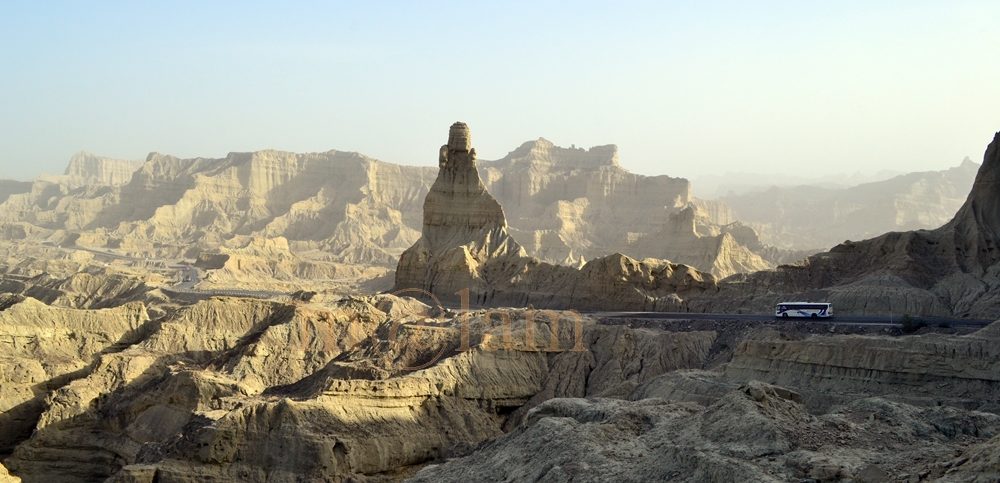
Exploring the Marvels of Makran Coastal Highway: A Scenic Journey from Karachi to Gwadar The 653-kilometer highway bearing Makran Coastal Highway attractions is also known as National Highway 10 (N-10). The highway seamlessly connects the western province of Sindh with the picturesque landscapes of southern Balochistan. As we delve into the charm of this coastal road that hugs the Arabian Sea, we’ll uncover its hidden treasures, making your trip an extraordinary adventure. The Makran Coastal Highway: A Game-Changer Before the construction of this splendid highway, the arduous unpaved road journey from Karachi to Gwadar would consume two grueling days. However, with the advent of the Makran Coastal Highway, this travel time has been dramatically slashed to a mere 6-7 hours. The key Makran Coastal Highway Attractions dotted along the Highway are unique in all respects on this game-changer highway. Major attractions include: Zero Point: Where the Journey Begins Located approximately 125 kilometers northwest of Karachi, Zero Point serves as the gateway to two significant routes: the RCD Highway leading north to Baluchistan mainland and the N10 Makran Coastal Highway leading westward to Gwadar. It’s a place where cellular networks cease to function, emphasizing the remote and untamed beauty of this region. At this juncture, you’ll encounter a replica of the “Princess of Hope” rock formation, a testament to the region’s unique geography. Local restaurants and tuck shops offer a taste of authentic cuisine, including tea and cookies. For travelers’ convenience, a mosque and outdoor bathroom facilities are available. Hingol National Park: A Biodiversity Hotspot Stretching across an impressive 1,650 square kilometers along the Makran coast in southwestern Balochistan, Hingol National Park is a haven for nature enthusiasts. Established in 1988, this national park boasts a rich biodiversity, with 250 plant species, 35 species of mammals, 65 species of amphibians and reptiles, and 185 species of birds. It’s a must-visit destination for wildlife aficionados. Hingol Mud Volcanoes: Nature’s Artistry Approximately 200 kilometers west of Karachi and 8 kilometers off the main Coastal Highway, the Hingol mud volcanoes, also known as Chandragup Mud Volcanoes, showcase Mother Nature’s artistic prowess. The ever-erupting clay formations in Hingol National Park create a surreal landscape, making it a sacred site for Hindu worship. Local guides are your best bet for finding these hidden gems. Hinglaj Mandir: An Ancient Pilgrimage Site Situated in the heart of Hingol National Park, Hinglaj Mandir, also known as Hinglaj Mata, is an ancient Hindu temple and one of the world’s oldest. Nestled in a narrow gorge on the west bank of the Hingol River, this sacred site features a small, shapeless stone adorned with Sindoor (Vermilion) and worshipped as Hinglaj Mata. It’s a spiritual journey into the past. Kund Malir Beach: A Slice of Paradise Located around 145 kilometers from Zero Point and 270 kilometers from Karachi, Kund Malir Beach is a pristine coastal gem. Despite the lack of basic facilities like hotels and restaurants, it boasts a serene and soothing environment. The drive along the Coastal Highway becomes a delight as you soak in the breathtaking beauty of this world-renowned beach. Golden Beach: Nature’s Abode Situated just 2 kilometers from Kund Malir Beach, Golden Beach, also known as Malan Beach, is a less-explored paradise. Its limited facilities and steep gradient from the main Coastal Highway make it a quiet escape. Golden Beach is not only a haven for Green Turtles but also a wintering ground for over 50 species of migratory birds, making it a birdwatcher’s delight. Its golden sands and untouched beauty make it an eco-tourism hotspot. Princess of Hope: Nature’s Masterpiece The “Princess of Hope” remained hidden until Hollywood actress Angelina Jolie’s visit in 2002. This naturally carved rock formation, located around 275 kilometers from Karachi, stands tall as a testament to nature’s artistic abilities. Weathering the test of time, it adds a touch of mystery to your journey along the Makran Coastal Highway. The Sphinx of Makran Approximately 150 kilometers from the Zero Point of the Makran Coastal Highway and 280 kilometers from Karachi, you’ll encounter another natural wonder: the Sphinx-like structure. This formation, created by the relentless winds blowing through the region’s muddy hills, bears a resemblance to the Egyptian Sphinx. Although not as sharply shaped, it’s a unique sight worth seeing. Ormara Beach: A Historical Oasis Located about 360 kilometers west of Karachi and 230 kilometers east of Gwadar, Ormara Beach offers a pristine coastline with spectacular sunrise and sunset views. Named after General Ormoz, who accompanied Alexander the Great during his conquests, it holds historical significance. The Haft Talar tourist resort, overlooking the beach, provides a range of outdoor activities, from concerts to bird-watching. Pasni: A Historical Haven Pasni is an important small town and a fishing port in the Arabian Sea. The beachside is off the main Coastal Highway, 40km to the coastal area about 100km short of Gwadar. Pasni is an important small town and a fishing port at the Arabian Sea, off the main Coastal Highway, 40km to the coastal area about 100km short of Gwadar. Its significance relates to the discovery of rock formations including the ancient ruins of the Harappan era the presence of antique Hindu temples, and proofs of Alexander’s passing the coastal belt. Astola Island About 25 km south of the nearest part of the coast and 39 km southeast of the fishing port of Pasni is a small uninhabited island called Astola Island or Jazira Haft Talar. It is known to be the largest offshore Island measuring 6.7 km long and 2.3 km wide, and 246 ft above sea level. The Island is accessible by motorboat in about 5 hours or by helicopter. It is a popular eco-tourism destination with no lodging facilities on the Island. Anyone planning for an overnight stay must carry a tent and food. The Island is famous for scuba diving, fishing, and observing turtle breeding. Gwadar: The Gateway of Wind The term Gwadar is a combination of two Balochi words Gwat (meaning the wind) and Dar (meaning Gateway) thus Gwadar

Balochistan
Balochistan

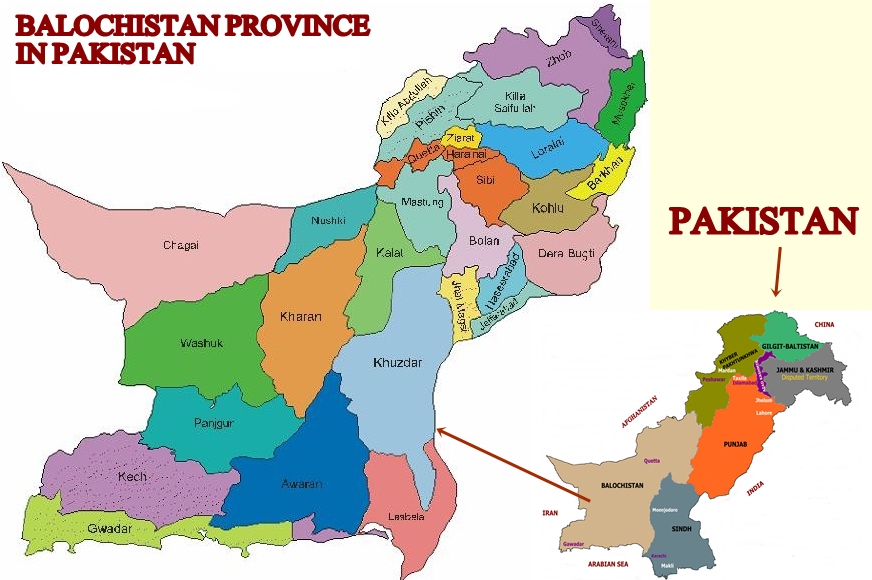
Balochistan Province of Pakistan

Explore the Enchanting Beauty of Balochistan: Pakistan’s Largest Province Geography and Strategic Location Balochistan, the largest province of Pakistan, sprawls over an expansive area of 347,190 square kilometers, constituting 44 percent of the nation’s total land. Situated at the crossroads of the Middle East, southwest Asia, Central Asia, and South Asia, Balochistan holds immense strategic importance. Bordered by Iran to the west, Afghanistan to the north, the Arabian Sea to the south, and Punjab and Khyber Pakhtunkhwa to the northeast, the province acts as a bridge connecting different regions. Discovering the Land of Diversity Balochistan boasts a diverse landscape, ranging from a 760-kilometer-long southern coastal line to vast deserts, plains, and hilly ranges. Amidst this varied terrain lie numerous cities, each with its unique charm and history. Major Cities to Explore Quetta: The capital city of Balochistan, Quetta is a vibrant hub of cultural richness and historical significance. Gwadar: This port city is renowned for its coastal beauty and strategic maritime location. Ziarat: Known as the “Land of Junipers,” Ziarat offers serene surroundings and a tranquil environment. Turbat: Steeped in history, Turbat is a city with a fascinating past waiting to be explored. Kalat: Formerly the kingdom of the Khan of Kalat, this city carries an air of regal heritage. Hinglaj: A sacred place for Hindus, Hinglaj attracts pilgrims from far and wide. Hub: Located on the border with Karachi, Hub serves as an important town for trade and commerce. Chaman: A northwestern town bordering Afghanistan, Chaman reflects the region’s cultural amalgamation. Pishin: Known for its lush green landscapes and agricultural significance, Pishin captivates visitors. Sibi: The city of the famous Bolan Pass, Sibi is steeped in history and tales of conquest. Taftan: This town on the border with Iran offers a unique glimpse into cross-border interactions. Delving into the Rich History of Balochistan With a history that dates back over 9,000 years, Balochistan holds a treasure trove of ancient civilizations and cultural heritage. The Mehergarh civilization marked a significant shift from a nomadic lifestyle to settled communities, making it a crucial milestone in human history. Balochistan witnessed encounters with renowned conquerors and warriors like Alexander the Great, who had an encounter with the Sibia tribe of Balochistan during his expedition. The region subsequently came under the rule of various empires, including the Ghaznavids, Mongols, and Mughals. The advent of Islam occurred with Muhammad Bin Qasim’s arrival in 712 A.D., which established Muslim rule in the area. The region saw dynastic changes over the centuries, with the Khanate of Kalat emerging in 1758. The British arrived in Balochistan during the 19th century and consolidated their power through treaties with local rulers. Following Pakistan’s creation in 1947, Balochistan became one of the four provinces. Cultural Diversity and Heritage Balochistan is home to a tribal society with a rich cultural tapestry. The major tribes include Baloch, Pashtoon, and Brahvi, each with its language and customs. Balochi handicrafts, particularly their needlework and intricate designs, are famous worldwide. The Melodious Culture of Balochistan Music and dance form an integral part of Balochi culture. Balochi folk songs and tribal poems are sung across the country, and traditional dances like Attan, Chap, Lewa, and Jaffarki represent the region’s identity. The Sibi Festival and Buzkashi Festival are two major attractions showcasing the cultural richness of Balochistan. Languages and Festivals Balochistan is home to three major languages: Balochi, Pashtu, and Brahvi. The Balochi language, with its ancient roots, holds a unique position in linguistic history. Festivals like the Sibi festival and Buzkashi festival attract tourists from far and wide, providing a glimpse into the cultural vibrancy of the province. Discovering Balochistan’s Natural Beauty The province’s diverse landscapes offer a plethora of tourist attractions. From golden beaches along the Arabian Sea to the hills of the Sulaiman Range; Balochistan’s beauty is unparalleled. Notable attractions include the second-largest Juniper Forest in the world in Ziarat, mud eruption volcanoes, archaeological sites, and serene beaches. Economy and Future Prospects Balochistan’s economy is primarily based on natural resources such as natural gas, coal, and minerals. Recent development projects, including the Gwadar deep sea port and the Gwadar International Airport, are expected to bring substantial economic growth to the region. Balochi Food Balochi cuisine is a trove of delectable dishes that celebrate the region’s history, culture, and culinary expertise. Whether you are indulging in the flavors of Sajji or savoring the sweetness of Khoya, Balochi food promises an unforgettable gastronomic experience. So, don’t miss the opportunity to explore the rich culinary heritage of Balochistan and treat yourself to a delightful feast of flavors. Climate and Best Time to Visit Balochistan experiences extreme weather conditions, with cold winters and hot summers. Spring and autumn offer the most pleasant climate for visitors to explore the region’s beauty. A Treasure Trove Awaits With its rich history, diverse culture, stunning landscapes, and hospitable people, Balochistan is a hidden gem waiting to be explored. Embark on a journey to this enchanting province and unravel its many wonders.

Makran Coastal Highway connecting Karachi with Gwadar
Balochistan, Roads & Highways

Makran Coastal Highway

Explore the Breathtaking Makran Coastal Highway: A Scenic Coastal Drive Like No OtherThe Makran Coastal Highway or National Highway 10 (N-10) is a scenic highway that stretches across 653 km. The highway runs parallel to the Arabian Sea coast forming a vital link between Karachi in Sindh Province and Gwadar. It further extends to Jiwani near the Iranian border in Balochistan Province, Pakistan. This mesmerizing highway takes you on an unforgettable journey, passing through various attractions, including hidden gems. From natural rock formations like the Princess of Hope and the Sphinx to stretches of serene beaches like Kund Malir, Ormara, Pasni, and Gwadar, the Makran Coastal Highway offers an unparalleled experience. Moreover, it boasts the world’s largest mud volcanoes, and the oldest Hindu shrine – the Nani/Mata/Hinglaj Mandir. Likewise, Hingol National Park, Buzzi Pass, and the fascinating Astola Island make it one of the most scenic coastal drives in the world. Similarly, the WWII Museum in Jiwani is an added beauty. Construction: Connecting Karachi and Gwadar with Ease On December 14, 2004, the construction of the Makran Coastal Highway was completed. It certainly marks a significant milestone in Pakistan’s infrastructure development. Before this highway existed, the journey between Karachi and Gwadar was an arduous two-day drive along a dirt track. The construction, undertaken by the Frontier Works Organization (FWO), drastically changed the scenario, reducing the travel time to a mere 6 to 7 hours. Not only did this cut down travel time, but it also made transportation more affordable. The responsibility for the maintenance of this modern marvel lies with the National Highway Authority of Pakistan. History: Fostering Economic Growth Along the Coast The inception of the Makran Coastal Highway was rooted in the government’s vision to develop infrastructure along the disused coastal line. The objective was to foster economic activities and benefit towns like Ormara, Pasni, and Gwadar. By creating a strong connection between coastal towns and mainland Balochistan, the highway aimed to transform these towns into major port cities. Additionally, the highway resolved the high costs and time required to transport fresh seafood from Gwadar to Karachi. The construction obviously makes seafood transportation more efficient. Its impact on transportation and communication within Balochistan and the rest of Pakistan has been remarkable. Development: Paving the Way for Economic Opportunities The Makran Coastal Highway project is now an integral part of the greater Gwadar plan. It was strategically designed to bridge various sectors of the economy. This ambitious project eventually promises to generate economic activities in the region, creating employment opportunities for the communities residing along the 800 km long coastal belt. It not only connects China but also land-locked countries in Central Asia, stimulating immense business activity between the East and West. Additionally, this project will bring much-needed attention to Balochistan and enable the efficient utilization of its rich natural resources. Recommendations: Prepare for an Unforgettable Journey Embarking on a journey along the Makran Coastal Highway requires careful planning. Here are some essential recommendations for a smooth and enjoyable experience: Early Departure: Start your journey as early in the morning as possible to reach Gwadar on time and make the most of the daylight. Fueling Up: Fill your fuel tank in Karachi and refuel at the Hub fuel station, as there are no fuel stations on the way. Safety First: Carry basic tools and extra tires, ensuring your vehicle is in excellent condition. Communication: Make necessary calls before reaching Zero Point, as mobile signals may become weak beyond that point. Scenic Stopovers: Take advantage of the scenic stopovers, such as Kund Malir Beach (Agor) and Ormara Beach, to capture the beauty of the coastline. Provisions: Carry enough water, cookies, and fresh fruit as reserve stock during travel, as amenities might be limited on the route. Hotel Reservations: If planning an overnight stay, make hotel reservations in advance to ensure a comfortable rest. With these recommendations in mind, your journey along the Makran Coastal Highway promises to be an unforgettable experience, immersing you in the natural beauty and rich history of this mesmerizing region. Get ready for an adventure like no other as you explore the wonders of this breathtaking coastal drive.

Scroll to Top