Tourism Blogs

Basic components of tourism product
Tourism Blogs

Basic Components of Tourism Product

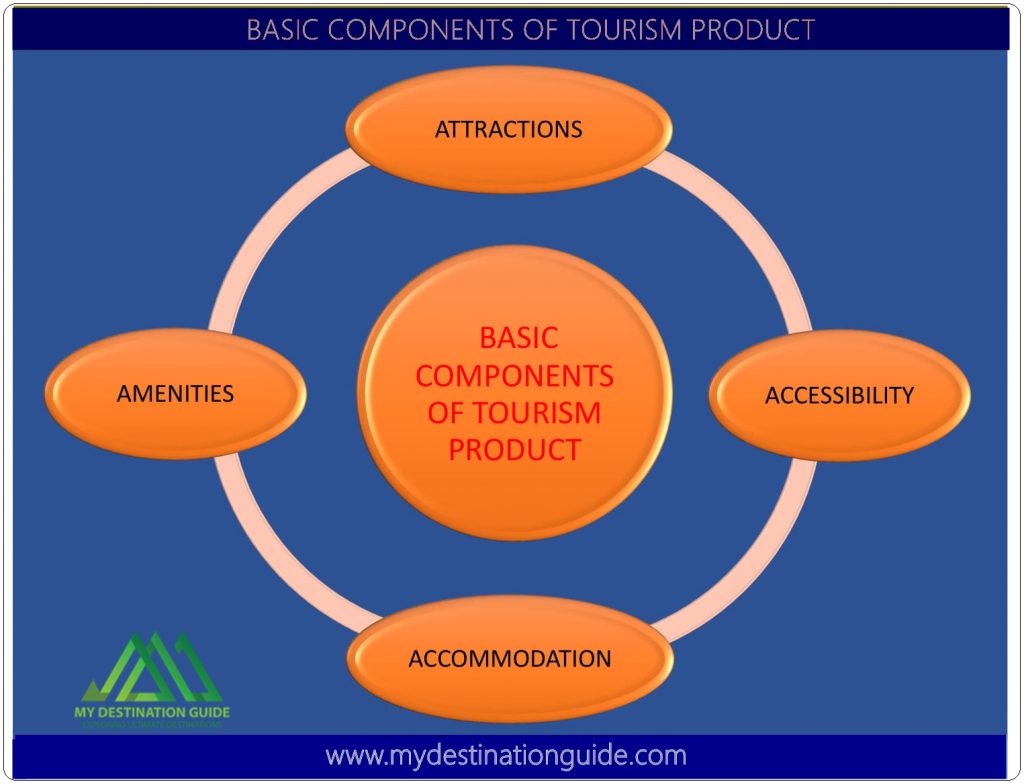
Tourism is a complex and multidisciplinary field constitutes a diverse amalgam of sectors and each sector is made up of a variety of products and services visitors/tourists choose according to their own taste and budget. Following are the basic components of tourism that can have an impact on overall tourism of a particular destination.ATTRACTIONS The primary motivation and preconditions of travel are the attractions of all kinds in a destination which are the major reason for providing pleasure to tourists. These attractions are classified as natural, manmade, and cultural which make up the major tourism product. Following are the details. Natural Attractions Natural attractions in a destination are the combination of public utilities including natural beauty, physical features, and the climatic features of the area. These attractions may include scenic places ranging from deep oceans, beaches, lakes, rivers, creeks to the mountains, landscapes, national parks, wildlife, flora & fauna, and diverse seasons. Any destination abundant in natural beauty can also fall prey to threats and challenges of managing and preserving the resources. There are many instances of destinations lost their prominence because of the impact of tourists. Manmade Attractions: Manmade attractions include the built environment by the human. E.g. historical buildings, religious monuments, leisure parks, Disney lands, museums, aquariums, zoos, and orphanages etc. Tourism can be sustained to manmade attractions if the attractions are well preserved with respect to time. Cultural Attractions: These attractions usually hold aesthetic beauty in a society including the way of life of the indigenous community in a typical natural setting which obviously has spared itself from modernization, national events and festivals, customs, dress, art, handicraft, rituals, folklore, languages and local cuisines. In a developed city cultural attraction include discotheques, live or recorded music, clubs, social events, trade fairs, exhibitions, sports competitions etc. Due to urban sprawl and modernization, indigenous communities gradually switching and adapting to modern life which results in a gradual fading of cultural beauty.ACCESSIBILITY Accessibility is a major tourism product/service and a key factor in the development of tourism. It comprises means (ports, airports, roads, highways, trails etc.) and mode (aerial, surface, and water) of transportation infrastructure which helps tourists reach their desired destinations and attractions.  Accessibility determines the tourists’ experience based on qualities including reliability, affordability, convenience, comfort, and variety. Tourism developments are dependent on the ease of access and types of transportation available. Destinations with sound accessibility features attract a lot of tourists and have longer tourist seasons which help stakeholders earn healthy livings. Three major types of transportation are: Air Transportation:  This type of transportation includes all types of airways (commercial plans, jets, helicopters, etc.) to travel long distances. This type of means of transportation helps people travel quickly and are a source of time saving and development. Surface Transportation: It is a type of transportation through roadways or railways and is considered the cheapest means of transportation. Trains, buses, cars, carts, and all types of animal transportation feature surface transportation. Water Transportation: It is a 19th-century revolution and made an important contribution to travel after the innovation of shipping technology. Ships, ferry’s, yachts, boats, etc. make up this type of transportation.ACCOMMODATION Accommodation is a service sector and is subdivided into further categories as shown below: Service Accommodation: It refers to the important services provided by the various bodies as mentioned below. Lodging: From 5-star resorts to guest houses and from cruise ships to camping, there are various forms lodging comprises and these are categorized as star hotels, apartments, lodges, inns, villas, resorts, huts, tree houses, guest houses, RVs, camping villages etc. Food & Beverage: Food & Beverage is a vital component of the overall tourism industry. The sector includes high-end restaurants, conventional restaurants, fast food operators, functional catering, and vending outlets etc. Resident attitude: The attitude and overall behaviour of residents of a destination are significant determinants of tourism. Moreover, the way of treating tourists and their general safety in a destination make or mar the flow of tourism to a great extent. The amicable interaction between tourists and residents leaves a good impression on the fate of the destination. Supplementary Accommodation: Supplementary Accommodation or Self-Catering Accommodation refers to the premises which offer only accommodation but not the services of a typical hotel that provides food & accommodation in return of cash per day. Examples of such type of accommodation are Youth Hostels and Tourist holiday villages etc.AMENITIES There are two types of amenities: Natural:  These include seashores, sea bath, fishing, rock climbing, trekking, sightseeing, river, sunrise etc. Man-made: These amenities are human designed and include Dance, Music, Drama, Cinema, Swimming Pool, Fair & Festivals, and Internet etc.

Impact of tourism
Tourism Blogs

Impacts of Tourism

Tourism has strong direct, indirect and induced impacts on local communities either positive or negative in aspect. The scale of impacts of tourism can often vary from country to country based on the structure of the tourism sector and how well tourism activities are linked with the local economy. The positive and negative impacts of Tourism industry can be classified into three major areas called the socio-cultural impact, economic impact, and environmental impact. Below are the details.SOCIO-CULTURAL IMPACT Tourism may have diverse impacts on the socio-cultural aspects of life in a particular region depending on the strengths of the region. The impacts can be both positive and negative in nature. The socio-cultural impacts are the social changes in the lives of local residents, improvements and development of infrastructure, interactions between peoples and culture background, attitudes and behaviours, and their relationships to material goods. The introduction of tourists to sensitive areas can be damaging, cause a loss of culture, and may contribute to the preservation of culture and cultural sites through increased resources. Positive Impacts of Tourism on Society Infrastructure development benefitting the local population. Awareness of the superfluous customs prevailing in the region. Helps eradicate poverty by promoting the local arts and crafts produced by the local people. Fosters a sense of pride among locals. Helps strengthen bonds among communities. Helps establish peace and security through understanding and helps release stress Prevent urban centralization Helps conserve culture and tradition Restrains migration because of business/employment opportunities locally. Helps maintain part-time activities due to the creation of multiple opportunities. Promote safety as institutions feel it important to safeguard tourists and stakeholders.  Negative Impacts of Tourism on Society Hinders cultural freedom. Deters the life of the local population because of congestion, noise, and pollution. Promotes social evils like alcoholism, drug addiction, and prostitution in the local society. Displacement of locals to create new accommodation and recreation facilities. Cause of spread of contagious diseases. Distortion of community structure, family relationships, collective traditional lifestyles. Devaluation of unique artefacts Increased child labour due to growth ECONOMIC IMPACT The economic impact can be measured in terms of monetary benefits and the overall economic development of the society. Economic impacts are usually observed as positive because of its contribution to employment, better services, and social stability. At the same time, these impacts can also contribute to high living costs within the community leading to rising costs for locals and push local business out of the areas. Positive Impacts of Tourism on Economy Tourism (inbound and domestic) helps to generate revenue from foreign shores. Create job opportunities. Stimulate the development of infrastructure. Generates opportunities for small-scale local businesses. Contributes to exchange earning Helps increase government revenues through tax Negative Impacts of Tourism on Economy Tourism (outbound) creates economic leakage. Create a sense of dependency on the customer or economic recession. Promote parallel economies. Expenses for development Import of particular food items International investor intervention ENVIRONMENTAL IMPACT Besides its impact on national and local economies, the tourism sector has a strong environmental aspect that must be considered. Tourism’s environmental impact refers to its impact on nature and surrounding areas which collectively make up tourism attractions in a particular destination. Environmental impacts basically affect the overall carrying capacity of a destination, natural cycle, flora and fauna, vegetation, air quality, water bodies and the water tables. Positive Impacts of Tourism on Environment Promotes investment in the conservation of natural habitats and the ecosystem. Contributes to the stability of the ecosystem. Discourages deforestation and over-fishing in water bodies in developing countries. Contributes to creating awareness of the value of the environment for humans. Helps produce an alternative to natural resources Helps lead a better quality of life Negative Impacts of Tourism on Environment Promotes vandalism, littering and littering. Makes way for the destruction of wildlife and vegetation. Invites air, and water pollution and disturbs animal and marine life. Creates a large carbon footprint. Creates a sense of dependency on natural resources. Causes depletion of natural resources Disturbs natural habitat of wildlife  

Tourism
Tourism Blogs

Tourism

TOURISM – A BRIEF OVERVIEW “Tourism” is a concept coined lately as compared to “Travel” which has roots deeply penetrated into the human history. Travel has fascinated man from the very beginning. In fact, from the ancient times, travel has been an important social activity of human. People traveled on foot to hunt, to explore or perform religious obligations. Moreover, food, shelter, and trade were some of the major drives to make people travel. Human endeavor to explore bounties of the lord was somewhat limited in ancient times. Gradually, human desire to explore new places within the respective realm or beyond the borders, to seek nature’s bounties and pleasure of life, to experience the diversity and the desire to be educated became the essential part of life. With the steady development in communication and technology over the years, a phenomenal increase in the volume of travel and human interest to explore alien places has further developed. The idea of sailing, the invention of the wheel, the creation of engine, the beginning of commercial airlines, development of infrastructure and the advancement in technology have all brought about phenomenal changes in the travel industry. Likewise, along with scientific discoveries, the socio-economic progress of humans in different societies has also further improved. The term “tourism” was coined only in recent years and the status of the industry was given to the field after its rapid growth and contribution observed towards human wellbeing. During the last two centuries, the evolutions and fast development of communication and technology helped tourism take new heights. Thus, in the long journey from a dramatic start to quick development patron tourism was defined from diverse perspectives. Before going any further, let’s first differentiate the two basic notions Travel and Tourism. DIFFERENCES BETWEEN TRAVEL AND TOURISM The terms “Travel” and “Tourism” are often used interchangeably but Tourism as a subject is a wider concept than Travel. Tourism encompasses a lot more than Travel alone though Travel is an older notion and remained a strong basis for Tourism to evolve. Tourism is the journey to and the stay at a destination outside one’s usual place of residence as well as the activities undertaken for leisure and recreation whereas Travel infers journeys undertaken from one place to another for any purpose including work, leisure and/or residence. This implies all tourism includes some travel, but not all travel is tourism. WHAT IS TOURISM? Many of us at some point in our lives must have been tourists yet defining it can still be slightly difficult. Despite its growing importance, there is still no harmony on a single definition of tourism because of its multidisciplinary nature.  Tourism is a dynamic and ever-developing industry giving birth to new niches and requiring the ability to adapt constantly with respect to change in time, technology, the behavior of tourists/consumers, and a variety of other factors that directly or indirectly impact tourism. Although tourism is defined in different ways by each institution, yet the essence can be explained in a crux as: “Tourism is a collection of activities, services, and industries which deliver a travel experience comprising transportation, accommodation, eating and drinking establishments, retail shops, entertainment businesses and other hospitality services provided for individuals or groups traveling away from home” Likewise, leading and conventional institutions have defined tourism in their own perspective. However, to prevent the disagreement, UNWTO defined tourism as: “Tourism comprises the activities of persons traveling to and staying in places outside their usual environment for not more than one consecutive year for leisure, business, and other purposes”.WHY IS TOURISM IMPORTANT? Tourism is a hope. It has become one of the fastest growing industries in the world, even surpasses oil, food, and automobile industries. It has a strong impact on the development accounting for 10 percent of the global GDP and contributing towards the generation of every 11th job. It is now a significant source of income generation, poverty alleviation, foreign exchange earnings, and promotion of cross-border cooperation, and cross-cultural understanding. Tourism is an extensive subject and has multidimensional impacts. Its contribution to economic well-being depends on the quality of its offers and revenues generated through offers. The course of tourism activities and operations are linked with and have a strong impact on three major areas including economic, socio-cultural, and environmental which have both positive and negative impact.  

A journey through history of Pakistan
Tourism Blogs

A Journey through the history of Pakistan

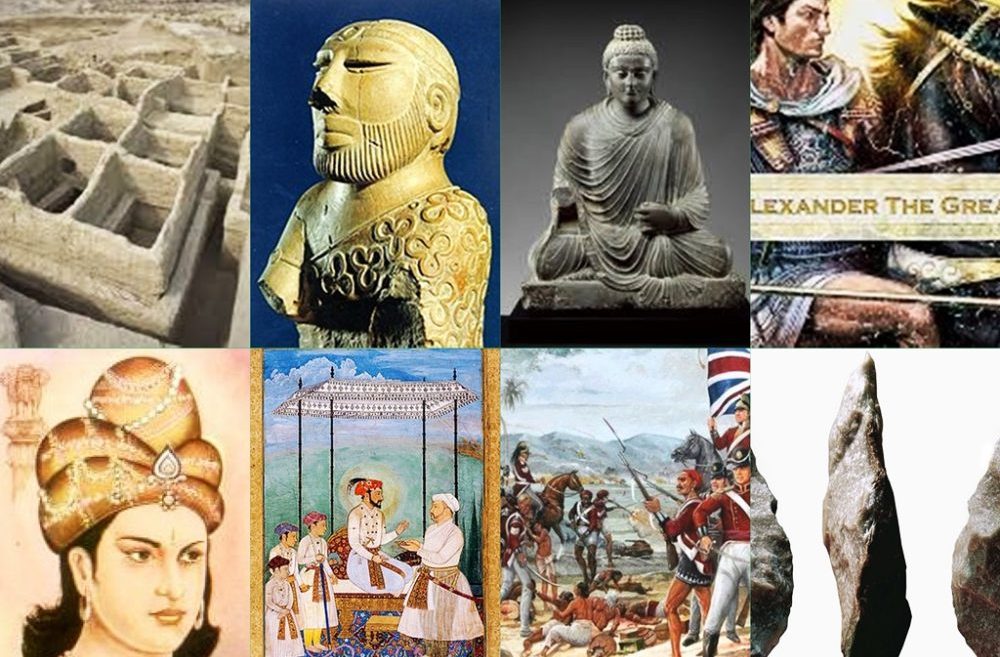
Exploring the Ancient History of Pakistan Unearthing the Rich Past of Pakistan Modern-day Pakistan stands as a testament to the vast and captivating tapestry of history woven into its soil. A Journey through the history of Pakistan is a journey through the ages, tracing the footsteps of ancient civilizations that once thrived on this land. These ancient echoes have shaped Pakistan into a repository of historical treasures that beckon explorers and historians alike. Let’s delve into this rich heritage through the annals of time. Soanian Culture: Tracing the Origins In the depths of Pakistan’s history, we find the Soanian Culture, harking back to the lower Paleolithic era. The relics of this era, including edged pebble tools discovered near the twin cities of Rawalpindi and Islamabad along the Soan River, offer a glimpse into human habitation in this region some 50,000 years ago. The Soanian Culture derives its name from the Soan Valley, where Stone Age relics like tools and pottery endure as a testament to this ancient era. Regrettably, the once pristine Soan River has now deteriorated into a polluted waterway. Mehrgarh: Cradle of Neolithic Civilization Mehrgarh, nestled in the Balochistan province, emerges as one of the most significant Neolithic sites in Pakistan. Dating back 9,000 years, this settlement sprawls across 200 hectares on the Kachhi plain near the Bolan Pass. Unearthed in 1974 by the French archaeologist Jean-François Jarrige, Mehrgarh provides a window into life during the Pre-Harappan phase, from 7000 B.C.E. to 5500 B.C.E. Inhabitants of early Mehrgarh constructed mud brick houses, stored grain in granaries, fashioned tools from local copper ore, and waterproofed their containers with bitumen. This society thrived until around 2600 BCE when arid conditions compelled migration, paving the way for the Indus Valley Civilization. Indus Valley Civilization: A Technological Marvel The Indus Valley Civilization, also known as the Harappan Civilization, graced the Indus River Valley from 3300 to 1800 BCE. Harappa in Punjab and Moenjodaro in Sindh are two of its renowned cities, excavated in 1921 and 1922, respectively. This civilization unfolds in three phases: the Early Harappans (3300-2600 BCE), the Mature Harappans (2600-1900 BCE), and the Late Harappans (1900-1300 BCE). The Indus Valley people displayed remarkable technological prowess. Their precision in toolmaking, standardized moisture-resistant fire-backed bricks, and advanced sewage systems underscore an advanced society that thrived while much of the world lagged behind. Climate change, disrupting the river system, eventually led to their decline around 1800 BCE. Gandhara: Cradle of Buddhism The ancient kingdom of Gandhara encompassed Northwest Pakistan, the Potohar plateau, and parts of Afghanistan. It served as the cradle of Gandhara civilization and Buddhism, which flourished here for over a millennium. The region’s archaeological sites, notably in Taxila and Swat, along with rock carvings along the Karakoram Highway, bear witness to Gandhara’s cultural and religious significance. The kingdom endured from the 6th century BC to 1021 AD when it succumbed to Mahmud of Ghazni’s conquest. Alexander the Great’s Indelible Mark In 326 BC, Alexander the Great, renowned as Sikandar-e-Azam in Urdu, ventured into Punjab through Swat. He formed an alliance with Ombhi, the ruler of Taxila, to challenge King Porus. During his time in Pakistan, Alexander engaged with local scholars and explored the region extensively. His legacy lives on in Pakistan, where relics like ancient coins commemorating his conquests and the Jandial Temple in Taxila continue to tell his story. The Maurya Empire: A Reign of Kings Following Alexander’s departure, Chandragupta Maurya rose to power, founding the Mauryan dynasty. He expanded his realm, stretching from eastern Iran to the Burmese hills, including the subcontinent. His son, Bindusara, continued this expansion, and the empire reached its zenith under Ashoka, one of history’s greatest rulers. Ashoka’s legacy includes constructing grand stupas, such as the Dharmarajika stupa in Taxila and the Butkara stupa in Swat. The Mauryan Empire began to wane after Ashoka’s reign, ultimately vanishing after his assassination. The Mughal Empire: Art and Architecture Flourish Babar, the first Mughal ruler, laid the foundation of the Mughal Empire in the subcontinent in 1526. The reign of the six Great Mughal Emperors from 1526 to 1707 left an indelible mark on architecture. Monuments like the Badshahi Mosque, the Shalimar Gardens, and the Lahore Fort showcases intricate stone carvings, glazed tile decorations, and precious stones set in marble. The Mughals’ architectural legacy extends to the Makli Tombs in Thatta, a testament to their artistic grandeur. The Sikh Empire: Rise and Fall From 1799 to 1849, the Sikh Empire dominated parts of South Asia. Under Maharaja Ranjit Singh’s rule, it expanded its territory from Gilgit and Tibet in the north to Sindh in the south, and from the Khyber Pass in the west to the Sutlej in the east. However, this empire eventually succumbed to British rule in the Second Anglo-Sikh War. This chapter in South Asian history is both captivating and enlightening, revealing a dynamic empire’s evolution and eventual decline. The British Raj: Legacy of Monuments The British East India Company’s rule from 1858 to 1947 left an indelible legacy on the subcontinent. While their presence was marked by the division of the region into Pakistan and India, they also contributed to its administration, infrastructure, and institutions. Remarkable monuments like Aitchison College Lahore, the Clock Tower in Peshawar, and Frere Hall Tower in Karachi bear witness to their architectural influence. A Journey through the History of Pakistan is a vibrant tapestry woven with the threads of ancient cultures, mighty empires, and enduring legacies. Exploring this rich past is not only a journey through time but also a deep dive into the fascinating history of this diverse and culturally rich nation. codecanyon

Tourism Blogs

National Symbols Of Pakistan

The national symbols of Pakistan are the trademarks that represent Pakistan. Each symbol signifies an interesting description of its attachment to the country. Below are the National Symbols of Pakistan with descriptions. National Flag White vertical bar with a major extension in dark green decked with a white crescent and a five-pointed star in the middle. The Flag symbolizes Pakistan’s profound commitment to Islam, the Islamic world, and the rights of religious minorities. National Anthem Approved in: August 1954 Verses Composed by: Abdul Asar Hafeez Jullundhri Tune Composed by: Ahmed G. Chagla Duration: 80 seconds National Motto Unity Faith Discipline National day 23rd March National Airline PIA Pakistan International Airline Corporation (PIAC) National Language Urdu Urdu is the major national language of Pakistan with 40 characters fulfilling the language needs. In the subcontinent and to some extent in Bangladesh and Nepal, people understand it. State Emblem The State Emblem consists of: 1. The crescent and star which are symbols of Islam 2. The shield in the center shows four major crops 3. The wreath surrounding the shield represents cultural heritage and 4. Scroll contains Quaid’s motto: Faith, Unity, Discipline National Poet Dr. Allama Muhammad Iqbal The great philosopher and the national poet of Pakistan He was born on: 9 November 1877 Died on: 21 April 1938   Mother of the nation Ms. Fatima Jinnah Mother of the Nation (mader-i-millat) Born on 30 July 1893 Died on 9 July 1967   National Bird Chakor (Red-legged partridge) National Animal Markhor National Mammal Indus Dolphin National Predator Leopard National flower Jasmine   National Fruit Mango National Tree Deodar National Sports Hockey National Drink Sugar cane juice National Vegetable Lady Finger National Mountain K-2 8,611m, Skardu, Gilgit-Baltistan National Dress Shalwar (trousers)-Qameez (long shirt) National Currency Pakistani Rupee The Pakistani currency is called the Rupee and comes in different dominations. The highest currency bill is 5000 paper currency and the lowest is 1 Rupee coin. In between are paper bills of 1000, 500, 100, 50, and 20. There are coins of 10, 5, and 2 besides of 1 rupee. National River Indus River National monument Pakistan Monument Pakistan Monument in Islamabad has been declared a National Monument. National Tower Minar-e-Pakistan Lahore National Mausoleum Mazar-e-Quaid The mausoleum of the father of the nation situated in Karachi city of Pakistan is also known as the National Mausoleum. It is the final resting place of Quaid-e-Azam Muhammad Ali Jinnah. The basement houses all the belongings of the father of the nation along with mausoleums of some of the heroes who played a leading role in the creation of Pakistan. National Mosque Faisal Mosque: The Faisal Mosque in Islamabad has been declared a national mosque. It is the largest mosque in the capital city, Islamabad, Pakistan.

Key Facts about Pakistan
Tourism Blogs

Key Facts About Pakistan

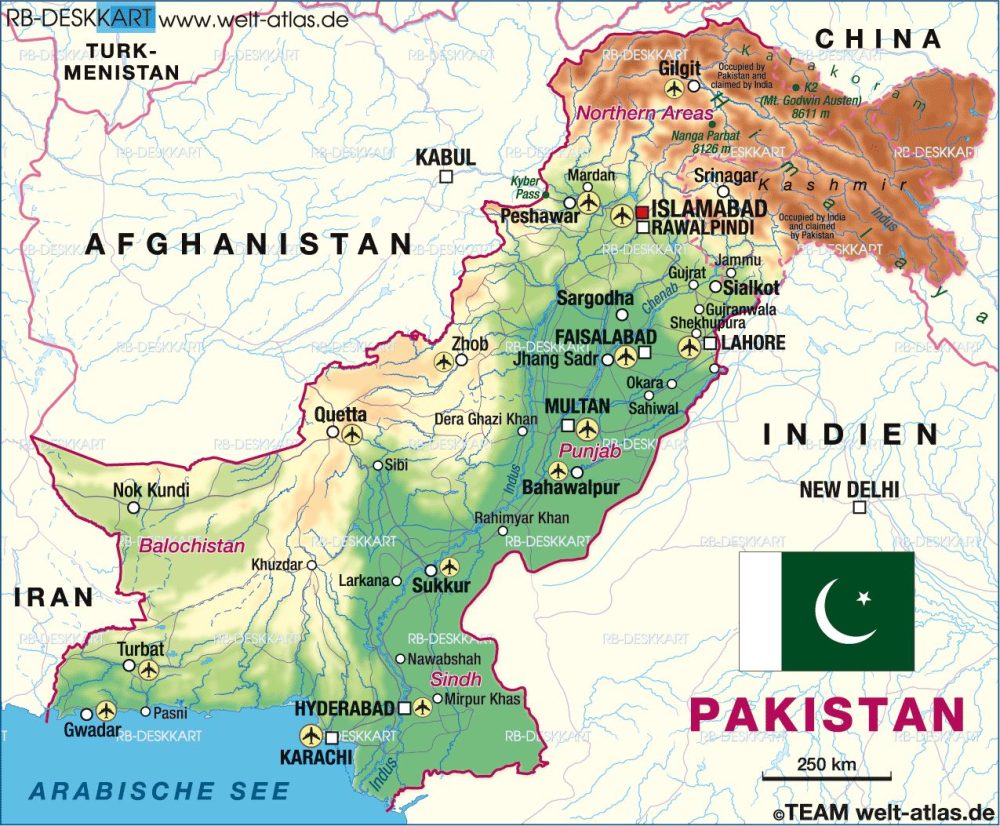
Exploring Pakistan: Unveiling Fascinating Facts and Features Pakistan, often referred to as the “Land of the Pure,” holds a unique place in South Asia’s heart. Established on the global stage on August 14, 1947, following the subcontinent’s partition, it has grown to become the 36th largest country, spanning 796,095 square kilometers (307,374 square miles), and the 6th most populous, with over 224 million residents representing diverse cultural and geographic backgrounds. The remarkable values of honor, pride, and a rich tapestry of cultural influences mark this nation. Indeed, Pakistan remains a hidden gem among tourist destinations worldwide, offering a multitude of experiences that are relatively unknown to many. Below are the lesser-known but fascinating key facts about Pakistan. Agriculture: Nurturing the Land 1. Canal-Based Irrigation: Pakistan boasts the world’s largest canal-based irrigation system – certainly a testament to its commitment to agriculture. 2. Changa Manga Forest: This vast, manmade forest spanning 12,423 acres was originally planted by British foresters in 1866, altogether making it a historical and ecological treasure. 3. Agricultural Land: Approximately 25% of Pakistan’s land is dedicated to agricultural cultivation, surpassing even the vast expanses of Russia. It’s the country’s commitment to agriculture that supports its livelihood, with 72% of the population engaged in farming. Archaeology: Unearthing the Past 4. Rich Archaeological Sites: Pakistan is home to numerous significant archaeological sites. The key sites include Mehr Garh, Moenjo Daro, Harappa, Taxila, and many more. Undoubtedly, these sites offer a glimpse into the region’s rich history and cultural heritage. Architecture: A Blend of Tradition and Innovation 5. Shah Faisal Mosque: The striking Shah Faisal Mosque, designed in the shape of an Arabian Bedouin tent, can accommodate over 100,000 worshippers. Due to its size, the mosque held the title of the world’s largest mosque from 1986 to 1993. 6. Shah Jahan Mosque: Located in Thatta, this unique mosque stands with no minarets. Surprisingly, its design ensures that the preacher’s voice reaches all corners without amplification. This feat indeed showcases architectural ingenuity. 7. Masjid e Tooba: The Gol Masjid in Karachi stands with a pillar-less design and towering dome. Undoubtedly, it has stood as an architectural marvel since its construction in 1969. Armed Forces: Strength and Valor 8. Military Prowess: Pakistan’s military ranks as the thirteenth most powerful globally and the seventh largest in terms of active military personnel. It also maintains the largest UN peacekeeping force among Muslim nations. 9. Air Force Excellence: Pakistan is renowned for its highly skilled air force pilots. Particularly, Air Commodore MM Alam achieved remarkable success during the Indo-Pakistani War of 1965, downing nine Indian aircraft in less than a minute. 10. Elite Intelligence: Pakistan’s intelligence corps is among the world’s best for its efficiency and effectiveness. 11. JF-17 Thunder: Pakistan takes pride in being a manufacturer and exporter of the world-class JF-17 Thunder fighter jet. Arts & Craft: Creative Expressions 12. Truck Art: Pakistan is famous for its vibrant truck art. It enormously features intricate floral patterns and poetic calligraphy in vivid colors. 13. Jewelry Production: The country is the largest producer of jewelry, with Pakistani artists crafting gold and silver pieces cherished globally. 14. Hollywood Connections: Sylvester Stallone’s movie “Rambo III” was filmed in Pakistan, obviously showcasing its diverse landscapes. 15. Handmade Carpets: Pakistani handmade carpets and rugs are renowned worldwide for their exquisite craftsmanship. Communication: A Mosaic of Languages 16. Multilingual Nation: Pakistan’s national language is Urdu, however, English serves as the official language. The country boasts over 60 different languages spoken across its regions. 17. Dominant Punjabi: Punjabi is the most widely spoken language, embraced by approximately 48% of the population. 18. Broadband Infrastructure: Pakistan boasts one of the world’s largest broadband internet systems, facilitating connectivity across the nation. Culture: A Rich Heritage 19. Ancient Civilization: Pakistan is the proud host of one of history’s oldest civilizations. Dating back to 6000 B.C., the Mehrgarh civilization, paved the way for the Indus Valley Civilization. 20. Shalwar Kameez: The traditional attire of shalwar kameez is beloved by approximately 70% of Pakistanis, reflecting their cultural identity. Economy: A Growing Power 21. Currency: The Pakistani Rupee (PKR) serves as the official currency, with various denominations from 1 to 5000 in coins and paper money. 22. Economic Potential: Pakistan has been recognized by the UN as one of the 11 countries with the potential to become the top global economy shortly. 23. Leather Exports: Pakistani leather exports are highly regarded for their quality, enjoying popularity worldwide. 24. GDP and Exports: Pakistan’s GDP reached $305 billion in 2018, with a nominal GDP per capita of $5,100. The nation is a significant producer and exporter of surgical instruments, cotton, and other goods. Education, Science & Technology: Striving for Excellence 25. Nuclear Power: Pakistan became the world’s first Islamic country to attain nuclear power in 1998. 26. Scientific Prowess: The country boasts the world’s seventh-largest community of scientists and engineers, contributing to advancements in various fields. 27. Missile Technology: Pakistan’s missile technology ranks among the best globally. 28. Young Achievers: The world’s youngest Microsoft Expert, Arfa Karim, and the youngest civil judge, Muhammad Ilyas, hail from Pakistan. 29. Nobel Laureates: Pakistan proudly celebrates two Nobel Prize winners: Dr. Abdus Salam for Physics in 1979 and later Malala Yousafzai for Peace in 2014. 30. Higher Education: The nation’s 188 higher education institutions produce a substantial number of university and computer science graduates annually, contributing to global knowledge. Energy: Powering Progress 31. Energy Sources: Over 68% of Pakistan’s energy is generated from fossil fuels, sustaining its development. Food & Drinks: A Culinary Journey 32. Culinary Delights: Pakistan offers a rich diversity of meals, with breakfast featuring milk tea, bread/paratha, eggs, and butter. Lunch and dinner include a variety of flavorful dishes. 33. National Drink: Sugarcane juice, known as “roh,” holds the distinction of being Pakistan’s national drink. 34. Halal Meat: Halal red meat is readily available in Pakistan, adhering to Islamic dietary guidelines. Flora & Fauna: Natural Treasures 35. National Symbols: The Markhor is the national animal, Chukar partridge is the

Key Facts about Pakistan
Tourism Blogs

Pakistan

Exploring Pakistan: A Treasure Trove of Diverse Experiences Pakistan stands as an exceptional and blessed nation, graced with some of Asia’s most breathtaking landscapes. Its geography is as varied as its rich cultures, and its people are known for their warm hospitality. In the realm of discovering the roots of modern-day humanity, few places on Earth rival Pakistan. Unraveling the Tapestry of History The land that now comprises Pakistan has been a cradle of ancient civilizations and a melting pot of cultures and dynasties for centuries. From the ancient Neolithic Mehergarh civilization, dating back 9000 years, to the illustrious 5000-year-old bronze age Indus Valley Civilization, the 3000-year-old Buddhist Gandhara Civilization, the opulent Mughal Era of the 16th century, the brief Sikh rule, to over two centuries of British occupation, leading to independence in 1947, Pakistan’s history is a tapestry of unparalleled events, unlike any other sovereign state. A Glimpse of Pakistan’s Geography Officially, the country is known as the Islamic Republic of Pakistan. Most importantly, Pakistan ranks as the 6th most populous nation in South Asia. Altogether, the country houses over 224 million people from diverse cultural and ethnic backgrounds. Encompassing 881,913 square kilometers (340,509 square miles), Pakistan boasts four provinces – Sindh, Baluchistan, Punjab, and Khyber Pakhtunkhwa – and three territories – Islamabad, Kashmir, and Gilgit-Baltistan. The carefully planned capital city, Islamabad, lies at the heart of this diverse nation. Pakistan’s strategic location at the crossroads of Asia divides it into three major geographic regions: the northern highlands, the Indus River plains, and the Balochistan Plateau. Bordered by the Arabian Sea’s 1046-kilometer coastline in the south, India to the east, China to the northeast, Afghanistan to the northwest, and Iran to the southeast, Pakistan’s diverse landscape includes glaciated mountain ranges in the north (Gilgit-Baltistan), fertile alluvial plains, expansive deserts, lush forests, plateaus, jungles, diverse flora and fauna, meandering rivers, and pristine lakes. A Bounty of Tourist Attractions Pakistan is a treasure trove of tourist attractions, each region offering a unique experience. Northern Adventures The northern mountainous regions encompass parts of KPK (Chitral, Swat, and the Kaghan Valley), Azad  Kashmir, and all of Gilgit-Baltistan. Altogether, the region forms the westernmost edge of the magnificent Himalayas. This area is a haven for adventure enthusiasts offering opportunities for trekking and mountaineering. Moreover, climbing, white-water rafting, mountain and desert jeep safaris, and paragliding are other activities adventurers can take up. Gilgit-Baltistan is proud to host the world’s highest mountains and longest glaciers outside the polar regions. The region undoubtedly makes it a magnet for adventurers. This region also marks the convergence of three mighty mountain ranges – the Karakoram, the Hindukush, and the Himalaya – along with the Pamir mountain range. It was once a vital trade route of the ancient Silk Route. Now, it is embodied by the Karakoram Highway, connecting Pakistan and China at Khunjerab Pass. This highway is adorned with over 100,000 petroglyphs and rock carvings, testifying to its rich Buddhist history. The region’s towering mountains, quaint valleys, terraced fields, ancient forts showcasing architectural marvels, and a history spanning centuries beckon travelers. Central Treasures Pakistan’s central regions feature dense forests, vast deserts, and fertile lands steeped in history and culture, boasting unique landmarks. In fact, ancient sites like Moenjo-Daro & Harappa of the Indus Valley Civilization, Taxila & Takht-i-Bahi of the Gandhara Civilization, and architectural gems from the Islamic era, Mughal Empire, Sikh rule, and the British era, found in cities like Lahore, Multan, Bahawalpur, Karachi, and Peshawar, enthrall domestic and international visitors alike. Southern Charms The southern regions, Sindh and Baluchistan, boast archaeological sites, religious landmarks, and architectural heritage. At the same time, its lakes and some of the world’s most stunning golden beaches along the coastal line earned a special place in the world of tourism. The Makran Coastal Highway from Karachi to Gwadar and Jiwani is a world-famous route, dotted with exclusive tourist attractions. Pakistan proudly hosts six UNESCO World Heritage Sites, with several dozen more awaiting recognition. The Rich Tapestry of Pakistani Culture Pakistan’s major cities bear the marks of both history and modernity. Diverse ethnic groups, each with its own cultural background, inhabit different parts of these cities. Moreover, these groups practice various faiths, wear vibrant costumes, speak unique languages, savor rich cuisine, and coexist harmoniously. This diversity, combined with the legendary hospitality of the people, evidently paints a true portrait of Pakistan. Accessing Pakistan Pakistan is accessible by road from China via the Khunjerab border and remains open from April to October end.  Similarly, Pakistan is accessible from Afghanistan via the Khyber Pass in the northwest. Likewise, Pakistan is accessible from Iran via the Taftan border, and from India via the Wahga border. Similarly, Pakistan is well-connected to the world through its international airports in Islamabad, Lahore, Multan, Peshawar, Sialkot, and Karachi. Embracing the Seasons Pakistan’s distinct seasons are complemented by its stunning landscapes. It includes towering mountain ranges, expansive glaciers, crystal-clear lakes, flowing rivers, extensive highways, trekking routes, terraced fields, historical monuments, diverse cuisines, and cultural tapestry, creating an enticing destination that attracts tourists in abundance.

History and development of tourism
Tourism Blogs

History of Tourism

The Evolution of Tourism: A Journey Through Time and Trends In the annals of human history, the concept of tourism has roots that stretch far beyond the 18th-century coinage of the term itself. Since the earliest days of human civilization, people have embarked on journeys for various reasons. Initially, it was the primal quest for sustenance and shelter by our barefooted hunters and gatherers. Then comes the steady period of development through human inventions and ideas. Today, tourism stands as a robust global industry, propelling socio-economic growth on a grand scale. From Survival to Adventure: The Pioneering Days The evolution of tourism spans millennia. It encompasses a period from transitioning from the rudimentary need for survival in humanity’s infancy to the complex and diverse trends we witness in the modern world. This captivating journey owes its development to numerous factors. These include innovations, technological advancements, and the discovery of new destinations. At the same time, religious obligations that involve travel; the preservation of ancient monuments; and the construction of modern architectural wonders played an imminent role in promoting tourism. However, the development would not have been possible without the inherent human spirit of exploration and the ever-expanding wealth of nations. Our ancestors began as nomads, driven by the pursuit of food. Subsequently, they embarked on religious pilgrimages and voyages of discovery. As societies advanced, travel embraced trade and commerce, paving the way for leisure and recreation. However, it was the technological revolution of the 20th century that triggered a seismic shift in the global travel industry. In the nascent days, travel was often the privilege of the affluent or intrepid explorers, primarily driven by a quest for knowledge and recreation. Notable examples include Roman nobles frequenting spas and coastal resorts and Chinese elites journeying to Mount Tai and other sacred mountains. During the Middle Ages, the tradition of pilgrimage motivated even the lower classes to undertake journeys for religious rituals. Wheels, Boats, and Beyond: Technological Milestones Before technology’s advent, humans harnessed animals for transportation, mastering the art of horse riding to cover greater distances. Significant inventions such as the boat and wheel (circa 3500 BC), horse-drawn carts (circa 2000 BC), wheelbarrows (1st century), and footwear (8th century) contributed to enhanced mobility. The 17th century saw the introduction of public transport via horse-pulled carts. It was followed by the game-changing steam engine and hot air balloon in the late 18th century. The 19th century brought us the first steam-powered locomotive train (1814), the inaugural motorcar (1862), and the pioneering cable car (1871). The Wright brothers‘ historic flight in 1903 marked the dawn of modern air travel. It undoubtedly sets the stage for today’s rapid and luxurious transportation systems, underpinned by ever-advancing technology. The Grand Tour: A Class Apart Modern tourism shares a deep-rooted connection with the “Grand Tour,” a traditional expedition favored by affluent Europeans, primarily from the northern and western regions. Initially flourishing in the 1660s, this mode of travel became synonymous with a standardized itinerary with the advent of large-scale rail transit in the 1840s. However, the Grand Tour remained an exclusive privilege of the upper classes due to its exorbitant costs. In the latter half of the 18th century, the concept of travel expanded to encompass the Americas and other far-flung destinations. The Industrial Revolution in the United Kingdom ushered in an era of leisure time, giving rise to leisure tourism. As railroads and steamships became part of mass transportation, travel became more accessible to the middle class. From the mid-19th to the mid-20th century, Thomas Cook’s eponymous company facilitated tours within Europe and the Americas. Tourism soon extended to the USA and other corners of the world with the advent of inclusive tours. Through this tour, travelers can journey independently along pre-defined routes while their agency covers travel, food, and accommodation expenses. Tourism as a Catalyst for Development Tourism wields both direct and indirect influence on development, profoundly impacting people’s lives. It serves as a catalyst for economic growth, which, in turn, fuels further tourism growth by promoting the development and marketing of tourism products. Today, the tourism sector’s economic significance surpasses major industries such as food, automobiles, and oil. As tourism continues to grow and diversify, it is poised to become a primary source of livelihood worldwide. From Words to Industry: The Transformation of Tourism The terms “tourist” and “tourism” emerged in the English language in 1772 and 1811, respectively. These words trace their origins back to the Old French “torner,” which itself evolved from the Latin “Tornare,” derived from the Greek word “tornos.” Over time, the phenomenon of tourism has undergone a profound transformation, evolving into a thriving industry. Today, over a billion people embark on journeys across the globe annually. This industry’s exponential growth contributes a substantial 9.8% to global GDP and generates one in every eleven jobs worldwide. It has become a cornerstone of economic stability for many nations worldwide. The Future of Tourism: Quality, Sustainability, and Global Positioning The future contributions of tourism to economic well-being hinge on the quality of tourism products and services. At the same time, it counts on the revenues generated from tourism offerings. Additionally, it relies on the sustainability of existing destinations and the strategic positioning of emerging ones in international markets. With a trajectory marked by continuous expansion and diversification, tourism stands poised to be a driving force in the world’s economy. It has helped shape the destinies of nations and communities alike.

UNESCO World Heritage Sites Of Pakistan
Heritage Sites in Pakistan, Tourism Blogs, World Heritage Sites

UNESCO World Heritage Sites of Pakistan

UNESCO World Heritage Sites of Pakistan – A Rich Tapestry of History and Culture Pakistan, strategically nestled at the crossroads of South Asia, boasts a wealth of historical treasures, archaeological wonders, and breathtaking natural landscapes. Its cultural diversity, manmade landmarks, and architectural heritage are nothing short of remarkable. The UNESCO World Heritage Sites in Pakistan represent the pinnacle of human achievement in terms of historic and cultural significance. These six sites are recognized for their outstanding universal importance and are entrusted to the world for preservation. Some of these landmarks have a history dating back 5,000 years. 1. Mohenjo-Daro: Archaeological Ruins The ancient city of Mohenjo-Daro, dating back 5,000 years, is a jewel of the Indus Valley Civilization. Situated on the banks of the River Indus in Larkana District, Sindh, it was unearthed in 1922. Mohenjo-Daro’s meticulously planned layout and early town planning system are evident, making it a remarkable archaeological site. While only one-third of the city has been discovered, ongoing efforts by the Pakistani government and UNESCO aim to conserve this cultural treasure. 2. Buddhist Ruins of Takht-i-Bahi and Sahr-i-Bahlol Takht-i-Bahi, meaning “spring throne” in Persian, and Sahr-i-Bahlol are two distinct sites that together constitute a UNESCO World Heritage Site. Located about 16 km from Mardan city, these Buddhist monastic complexes date back to the 1st century. Perched on hilltops, they have remained remarkably well-preserved due to their strategic locations. The main site, Takht-i-Bahi, features various sections, including the Court of Stupas, a monastic complex, a temple complex, and a tantric monastic complex. 3. Lahore Fort and Shalimar Gardens Lahore Fort and Shalimar Gardens are exquisite examples of Mughal-era craftsmanship from the 17th century. Located in Lahore, these sites showcase the artistic prowess of Emperor Shah Jahan’s reign. The fort, featuring marble palaces and mosques adorned with mosaics, stands in the northwest corner of the walled city. Shalimar Gardens, built in 1642, reflect Persian and Islamic traditions with their meticulously designed layout. 4. Makli Necropolis The Makli Necropolis in Thatta City of Sindh, dating back to the 14th century, houses approximately half a million tombs, making it one of the world’s largest Muslim necropolises. Spread across 10 square kilometers, these monuments and mausoleums showcase the rich heritage of Sindh. From famous rulers to scholars and philosophers, this site preserves a diverse range of historical figures from Hindu, Mughal, and Islamic traditions. 5. Rohtas Fort Rohtas Fort, also known as Qila Rohtas, is an architectural marvel located 16 km northwest of Jhelum City in Punjab. Built in 1541 by Sher Shah Suri, this fort served as a strategic stronghold to thwart Emperor Humayun’s return. The fort’s massive walls, bastions, and intricate gateways are a testament to early Muslim architecture. Though it was never used for its intended purpose, Rohtas Fort stands as a remarkable historical site. 6. Taxila Located approximately 35 km north of Rawalpindi/Islamabad, Taxila is an archaeological treasure trove. This ancient city, situated on a branch of the Silk Road, played a pivotal role in the evolution of Hinduism and Buddhism. Its history spans from the 5th century BC to the 2nd century AD, reflecting influences from Persia, Greece, and Central Asia. Taxila’s numerous sites, including Dharmarajika, Sirkap, Julian, and Mohra Muradu, offer a glimpse into its rich past and have been meticulously preserved for visitors to explore. In 1980, UNESCO declared Taxila a World Heritage Site by adding another layer to Pakistan’s rich tapestry of history and culture. These UNESCO World Heritage Sites not only celebrate Pakistan’s past but also provide a window into the diverse civilizations that have thrived in this region. As guardians of these treasures, it is our collective responsibility to ensure their preservation for generations to come. Tentative Sites in Pakistan In addition to the existing 06 UNESCO World Heritage Sites, Pakistan has a list of 25 tentative heritage and natural sites. Recently, eight of these sites gained approval for inclusion in this prestigious list. These new additions include Derawar Fort in Cholistan, Hingol Cultural Landscape in Balochistan, Nagarparkar Cultural Landscape in Sindh, Central Karakoram National Park and Deosai National Park in Gilgit-Baltistan, Ziarat Juniper Forest and Karez System Cultural Landscape in Balochistan, and the Khewra Salt Mines in Punjab.

Tourism in Pakistan
Tourism Blogs

Tourism in Pakistan

Unlocking Pakistan’s Tourism Potential: A Journey Through Its Natural and Cultural Wonders Pakistan is a country abundant in tourist attractions that can help improve Tourism in Pakistan. By potentially marketing its available resources and adopting a tourism-friendly policy, this country can become the top tourist destination in the world. Undoubtedly, its unique terrain, cultural diversity, vibrant history, variety of cuisines, distinct weather patterns, and welcoming people can make it a distinctive country in the world. Discovering Pakistan’s Diverse Landscape Pakistan is a country nestled between the formidable Himalayan Mountains in the north and the serene Arabian Sea coastline in the south. Overall, the country is a treasure trove of natural and cultural wonders in an expansive 796,095 square kilometers. Pakistan’s approximately 240 million people boasts a rich tapestry of attractions, making it a prime destination for tourists worldwide. Geography and Accessibility The country is positioned strategically on the world map. Geographically, Pakistan shares its borders with China to the northeast, India to the southeast, Afghanistan to the north and northeast, and Iran to the southwest. In addition, its 1046-kilometer coastline along the Arabian Sea completes its geographical diversity. Accessibility to Pakistan is facilitated through international flights, with Pakistan International Airlines (PIA) offering direct connections to the US, Canada, Europe, the Middle East, and China. Likewise, international carriers such as Emirates, Qatar Airways, and Turkish Airlines serve major Pakistani airports in Islamabad, Lahore, Peshawar, and Karachi, connecting the nation to the world. A Glimpse into Pakistan’s Tourism History Pakistan’s journey in the tourism sector has been a tumultuous one. Following the partition of the subcontinent, tourism was initially administered by the Ministry of Railways until 1955. Later transitioned to the Ministry of Commerce in 1964. Subsequently, it became part of the Civil Aviation Department before the establishment of the Tourism Development Corporation of Pakistan (TDCP) and the Ministry of Tourism in 1972. However, between 1977 and 1996, tourism was placed under the Ministry of Culture, Sports & Tourism. A dedicated Ministry of Tourism was established in 2004. Despite these bureaucratic changes, Pakistan’s tourism sector faced challenges in realizing its full potential, with limited policy support and insufficient attention. The 18th Amendment further devolved tourism to the provinces, resulting in neglect and missed opportunities. The Golden Era of Pakistani Tourism The zenith of Pakistan’s tourism industry was witnessed during the 1970s, 1980s, and mid-1990s. It was the time the country welcomed a record number of international tourists, primarily from Europe and America. Pakistan was celebrated as a premier tourist destination, celebrated for its breathtaking natural beauty and captivating cultural heritage. Unforgettable Attractions During this period, international tourists flocked to Pakistan to explore iconic destinations such as Karachi’s monuments and beaches, Lahore’s Mughal treasures, Peshawar’s legendary Khyber Pass, Taxila’s ancient ruins, and the bustling bazaars of Rawalpindi. Cultural enthusiasts marveled at Chaukandi tombs, Makli Hills, Shah Jahan Mosque in Thatta, Mohenjo-Daro, Bahawalpur’s palaces and forts, Multan’s shrines, Swat’s Buddhist heritage, Rohtas Fort, and the mesmerizing salt mines. Adventure seekers were drawn to the scenic valleys of Gilgit-Baltistan and Chitral. Particularly the enigmatic Kalash tribe, the awe-inspiring Karakoram Highway leading to the Pak-China border at Khunjerab, and exhilarating trekking and mountaineering expeditions through the northern mountainous terrain. Economic Prosperity Through Tourism The flourishing international tourism industry stimulated growth across various sectors. Airlines, hotels, restaurants, travel companies, tour operators, and transportation services all thrived. Museums, forts, ancient sites, souvenir shops, and other tourist-related businesses enjoyed consistent income streams. The ripple effect of international tourism contributed to a sense of prosperity and contentment across the country for over two decades. The Downfall: Challenges and Setbacks However, the turn of the century brought unfortunate setbacks to Pakistan’s tourism industry. Events such as the tragic 9/11 incident had a devastating impact on international tourist arrivals. The subsequent “war on terror” painted Pakistan as a hotbed of terrorism, tarnishing its image on the global stage. This negative perception led to a decline in inbound tourism, causing many tourism-related businesses to scale down or close. Efforts to revive international tourism were slow to materialize. Biased media portrayal exacerbated the situation, creating significant challenges for the government, tourism stakeholders, and the public. Efforts to Revive Tourism Despite these challenges, various initiatives were launched at home and abroad to rekindle international interest in Pakistan as a tourist destination. “The Guardian” published “The top five tourist sites in Pakistan” after the devastating earthquake of 2005.  Taxila, Lahore, Lake Saif ul Muluk, Karakoram Highway, and Karimabad were the key focus as attractions. In 2007, Pakistan initiated the “Visit Pakistan” marketing campaign. This year-long effort featured fairs, festivals, sporting events, arts and crafts shows, folk festivals, and historical museum openings. These efforts gained international recognition when The World Economic Forum’s Travel & Tourism Competitiveness Report ranked Pakistan as a top 25% tourist destination for its World Heritage sites in 2009. Despite these achievements, the tourism industry experienced fluctuations, partly due to global economic crises. The Vital Role of Stakeholders Private tour operators played a crucial role in maintaining international connections through electronic and social media promotion. They also actively participated in major international tourism fairs like ITB and WTM. Pakistani missions abroad can enhance their role by promoting the country’s attractions on embassy websites and participating in international tourism fairs. Simplifying the visa process is another critical step. Successful tourism economies like China, India, Iran, and Nepal owe their success to government support, tourism-friendly policies, and effective destination marketing. Pakistan must follow suit by efficiently marketing its tourism treasures through various media channels. Challenges and Competitors Challenges persist as competitors invest in activities that discourage tourism to Pakistan, resulting in travel advisories from potential markets. This diminishes inbound tourism and foreign exchange earnings. Pakistan’s Abundant Attractions Pakistan’s unique geographical location, spanning from the Arabian Sea to the majestic K2, offers an unparalleled array of attractions. Scenic valleys, vast deserts, golden beaches, tranquil lakes, flowing rivers, diverse flora and fauna, rich cultures, ancient ruins, and captivating man-made structures make Pakistan a truly exceptional destination. Coastal

Scroll to Top