Muzaffarabad – Azad Kashmir
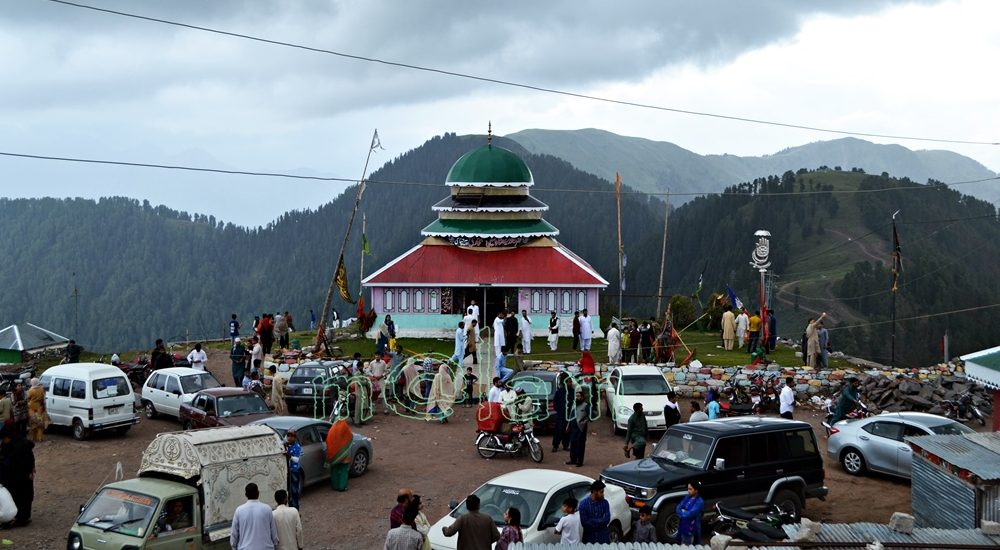
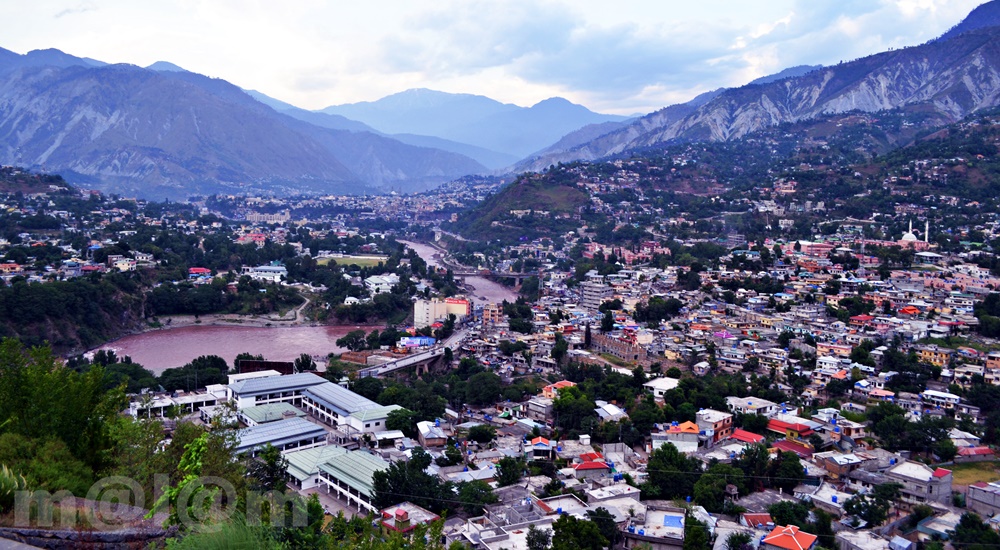
Muzaffarabad, the primary administrative capital and largest town, stands as one of the ten districts within the State of Azad Jammu and Kashmir. It ranks as the 60th largest city in Pakistan, situated approximately 138 km away from the capital, Islamabad, and 79 km from Abbottabad. Muzaffarabad is surrounded by the Kaghan Valley of Khyber Pakhtunkhwa Province to the west, the Kupwara and Baramulla districts of the contested region of Jammu & Kashmir to the east, Bagh district to the south, and the extensive Neelum district of Azad Kashmir to the north. Situated at an elevation of 2400 feet above sea level, Muzaffarabad lies at the meeting point (Domel) of the azure Neelum River and the ochre Jehlum River. Further downstream, the junction of Neelum and Jehlum is augmented by the Kunhar River, flowing onward to merge with streams that eventually reach the Arabian Sea. Enveloped by verdant valleys, snow-capped peaks, and picturesque high-altitude picnic spots, the administrative capital offers a breathtaking natural panorama. A Glimpse into History Originally known as Udabhanda, Muzaffarabad has a rich historical background. According to accounts, the renowned Buddhist traveler Hieun Tsang entered India in 631 A.D. through Udabhanda and the Baramula Gorge. Udabhanda served as the capital of the Shahi dynasty, ruling over Gandhara (which comprised northern Pakistan and Kashmir) and a portion of Kabul from the third century following the decline of the Kushan Empire until the early ninth century. During the Mughal era, in 1646, Muzaffarabad was founded by Sultan Muzaffar Khan. He was an influential figure of the Bomba Dynasty (established in 1652) who held sway over Kashmir. The name “Muzaffarabad” derives from Sultan Raja Muzaffar Khan. He erected the Red Fort in the city as a defensive stronghold against Mughal incursions. Following the conflict of 1948-49, Muzaffarabad was designated as the capital of Azad Jammu and Kashmir. Tourist Attractions Muzaffarabad and its surroundings boast a variety of unique tourist attractions: 1. Red Fort Begin your exploration with a visit to the historic Red Fort, located at the confluence of the Neelum and Jehlum Rivers. This ancient marvel offers a glimpse into the city’s past and provides a stunning view of the rivers. 2. Pir Chinasi To the east of the city lies the road leading to Pir Chinasi, a majestic spot situated at 2900 meters above sea level. The road to Pir Chinasi offers breathtaking views of the Jhelum Valley and the Neelum’s towering mountains. This site also features the Shrine of Saint Shah Hassan Bukhari, attracting numerous devotees year-round. 3. Lohar Gali For a panoramic view of the city, head west to Lohar Gali. This location offers a stunning vantage point overlooking the Jhelum and Kunhar rivers. On a clear day, you can even spot the 3,890-meter-high Makra Mountain in the Kaghan Valley. 4. Shaheed Gali Located 16 kilometers west of Muzaffarabad, Shaheed Gali is a lush green valley shrouded in mist. Accessible via a narrow metal road, it offers tranquility and natural beauty. 5. Sri Kot A short but adventurous 4-kilometer drive from Shaheed Gali takes you to “Sri Kot,” a paradise for tourists, known for its serene ambiance. 6. Patika Just 19 kilometers away lies Patika, the gateway to the Neelum Valley, offering an excellent excursion opportunity. 7. Architectural Heritage Within the city, you can explore architectural marvels such as the AJK Assembly, AJK Supreme Court, Mosque, Assembly Secretariat, and Khurshid Tomb. 8. Kohala Bridge If you’re traveling from Islamabad via Murree, don’t miss a stop at Kohala Bridge. Here, you can visit Dolai waterfall and the nearby Dak Bangalow, now known as Quaid-e-Azam Memorial Rest House, where Quaid-e-Azam Muhammad Ali Jinnah and Fatima Jinnah once stayed on July 25, 1944. Muzaffarabad serves as a gateway to the Neelum Valley and Jhelum Valley, offering opportunities for day excursions and overnight stays in the Neelum Valley and the eight different districts of the Jhelum Valley. Things to do: There are various activities to enjoy in Muzaffarabad, including hiking, trekking, and camping in the foothill regions of Pir Chinasi, Saran, Sun Bun, Muskhi, Sakki, Lohar Gali, Shaheed Gali, and Jarran. Shopping Delights The thriving cottage industry in the region predominantly centers around woodworking, encompassing furniture making, wood carving, embroidery, and garment production. Muzaffarabad, renowned for its exclusive furniture crafted from Dayyar (Deodar) and Akhrot (Walnut) wood, offers a diverse range of items including chairs, tables, beds, gift boxes, racks, and decorative pieces, along with customizable orders. Additionally, the city is known for hand-woven carpets, Kashmiri shawls, Phairan (traditional Kashmiri dress), kangri (pot adorned with iconic patterns), and various other crafts. Kashmiri bazaars feature two types of carpets: “ghubba” (larger rugs) and “namda” (smaller rugs). Visitors can also explore a plethora of other products such as fresh and dried fruits, mushrooms, honey, and medicinal herbs and plants. Bargaining is sometimes possible, offering opportunities for good deals. Culinary Delights When it comes to traditional cuisine, Muzaffarabad offers a variety of must-try delicacies. These include Goshtawa, Kashmiri Pulao, Hareesa, and Rice Rajma, accompanied by Hawaiian, Firni, kheer, paneer, and other delectable desserts. For breakfast, locals and visitors alike enjoy traditional favorites such as Kashmiri pink chai, Qulcha, and Bakar Khani, which are beloved at both national and international levels. Climate The climate in Muzaffarabad is generally moderate and consistent. The summers, occurring mainly in June and July, are mild. However, the winters from December to February are chilly, often accompanied by snowfall, which adds to the charm for visitors. Autumn is considered the best time to visit, characterized by clear skies and stunning natural scenery. The crystal-clear blue waters of the Neelum River contribute to the distinctive beauty of the region and significantly influence Muzaffarabad’s microclimate. Due to the prevailing weather conditions, the locals primarily wear woolen clothing. Access There are two main routes to access Muzaffarabad. The first option is the route from Islamabad via Murree Hills and Kohala. It takes approximately 4 hours to cover the 138-kilometer distance. The second option is the route through Abbottabad, Mansehra, Gari Habbibullah,
Muzaffarabad – Azad Kashmir Read Post »