
Tourist attractions in Khyber Pakhtunkhwa

The Kalash Valley
Khyber Pakhtunkhwa, Others, Tourists Destinations in Pakistan

The Kalash Valley

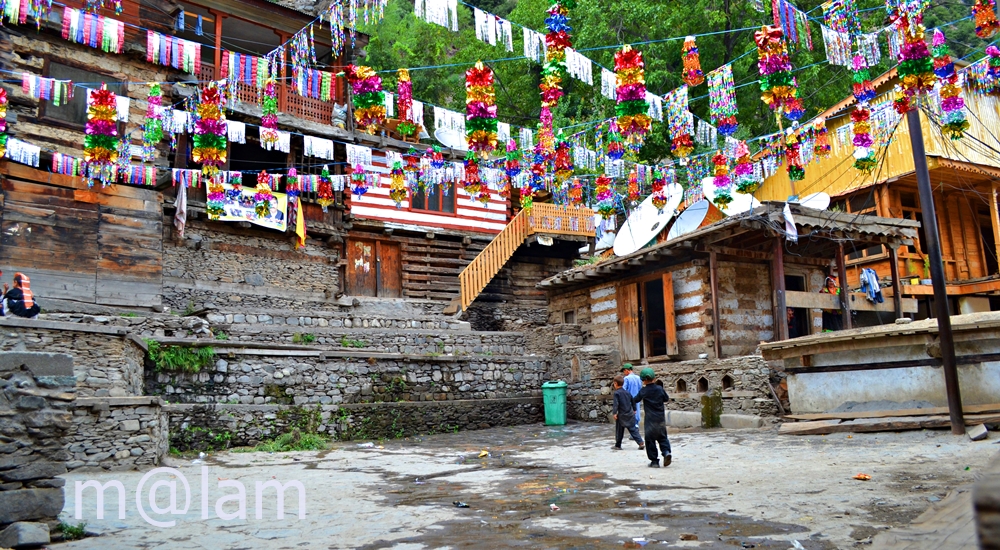
The Enigmatic Beauty of the Kalash Valley Nestled in the Hindu Kush mountain range within Chitral, The Kalash Valley is renowned for its distinct charm and cultural richness. Inhabiting this picturesque region are the Kalash people, a community with a unique culture, language, and a distinctive form of ancient Hinduism. In fact, one of the distinguishing features of the Kalash Valley is its cultural diversity. The Kalash people have undoubtedly preserved their ancient traditions and rituals, making their lifestyle a subject of fascination. Their festivals, folklore, and vibrant ceremonies contribute to the valley’s unique atmosphere. The entire Kalash Valley comprises three primary valleys—Bumburet, Rumbur, and Birir. Each of these valleys is embraced by the untamed Kunar River. Positioned at an elevation surpassing 6,500 feet above sea level, the valley’s rugged terrain showcases steep slopes, narrow gorges, and rocky landscapes, creating a breathtaking backdrop. As such, the Kalasha Valleys are a source of attraction for Pakistani as well as International tourists. The three Kalash valleys Bumburet Valley The Bumburet Valley is the largest, most picturesque, and most populous valley among the three Kalash Valleys. It is accessible via a road from Ayun in the Kunar Valley. This valley reaches an elevation of 1,640 meters (5,380 ft) where it meets the Rumbur Valley. Further downstream, it joins the Kunar Valley at the village of Ayun, situated at 1,400 meters (4,600 ft) and approximately 20 kilometers (12 mi) south of Chitral. To the west, Bumburet Valley ascends to a pass connecting to Afghanistan’s Nuristan Province at about 4,500 meters (14,800 ft). Despite its scenic beauty, the population in the region is facing a rapid decline. The most famous and frequently visited among the three valleys is Bumburate, located 36 kilometers from the main city of Chitral. Rumbur Valley The Rumbur Valley is a side valley situated to the north of Bumburet, approximately 32 kilometers from Chitral. It is the third and least populated of the Kalash Valleys. Birir Valley The Birir Valley, also known as Biriu, is a side valley of the Kunar Valley positioned south of Bumburet, located about 34 kilometers from Chitral. The Birir Valley is one of the oldest settlements of the Kalash tribe and has retained its authenticity in terms of architecture and local customs. The houses, streets, and pavements in Birir Valley are constructed from stones and wood, reflecting the traditional practices followed by the locals. History The Kalash valleys in Chitral boast a rich history. One of the major highlights is the presence of the Kafir-Kalash, also known as the “Wearers of the Black Robe.” This primitive pagan tribe adds a unique cultural dimension to the region. However, the origins of the Kalash people are shrouded in mystery and subject to controversy. Numerous myths surround the ancestry of the Kalash people, with one prevailing legend suggesting a connection to Alexander the Great’s army. According to this tale, five soldiers from the legions of Alexander of Macedon settled in Chitral and are believed to be the forebears of the Kafir-Kalash. This myth weaves a historical link between the ancient Greek conqueror and the Kalash people. Another intriguing narrative revolves around the migration of the Kalash ancestors to Chitral from the land of Tsiyam. The original homeland of the Kalash people, referred to in their folk songs, is believed to be Tsiyam. The details of this migration and the cultural elements retained by the Kalash people from their ancestral land contribute to the richness of their heritage. Overall, the history of the Kalash valleys is intertwined with these captivating myths and legends. Subsequently, it creates an aura of mystery and fascination surrounding the origins of the Kafir-Kalash. Religion The Kalash people, who inhabit the remote Kalash Valley in Pakistan, follow a distinctive and ancient polytheistic religion known as the Kalash religion. Rooted in animism and nature worship, their belief system revolves around a pantheon of gods and goddesses. Central to the Kalash religious practices is the veneration of various deities, with Dezau being the supreme God and Maha Devi serving as his consort. These divine figures are believed to govern different facets of life, including fertility, harvests, and protection. The Kalash people hold nature in high regard, assigning spiritual significance to mountains, rivers, and trees. Religious rituals and ceremonies are integral components of the Kalash cultural identity. The community’s festivals are marked by joyous celebrations, featuring music, dance, and feasting. These events serve as occasions for the Kalash people to express gratitude to their deities, seek blessings, and ensure the prosperity of their community. Preserving their religious traditions is of utmost importance to the Kalash people. Particularly, as their way of life encounters challenges in the face of a changing world. Efforts are underway to safeguard their unique beliefs and cultural heritage, highlighting the significance of the Kalash religion as a captivating aspect of this vibrant and distinct community. Culture The culture of the Kalash people stands out as unique and distinct, differing significantly from the many contemporary Muslim ethnic groups in northwestern Pakistan that surround them. Nature assumes a highly significant and spiritual role in their daily lives, and as part of their religious tradition, they conduct sacrifices and hold festivals to express gratitude for the abundant resources of their three valleys. The mythology and folklore of the Kalash people have been likened to that of ancient Greece, although a closer parallel can be drawn to Vedic mythology. This cultural richness, drawing from ancient traditions and beliefs, adds a layer of fascination for observers and anthropologists. The Kalash people’s unique cultural practices have captivated anthropologists, particularly in contrast to the predominant cultures in the surrounding region. The celebration of nature, the religious rituals, and the preservation of ancient mythological narratives contribute to the distinctive cultural tapestry of the Kalash people. Their way of life serves as a testament to the diversity that exists within the broader cultural landscape of Pakistan’s northwestern regions. People The Kalash people constitute a small religious and ethnic minority in Pakistan, enjoying legal and
Chitral Tourist Attractions
City Breaks, Khyber Pakhtunkhwa, Tourism Blogs, Tourists Destinations in Pakistan

Chitral Tourist Attractions

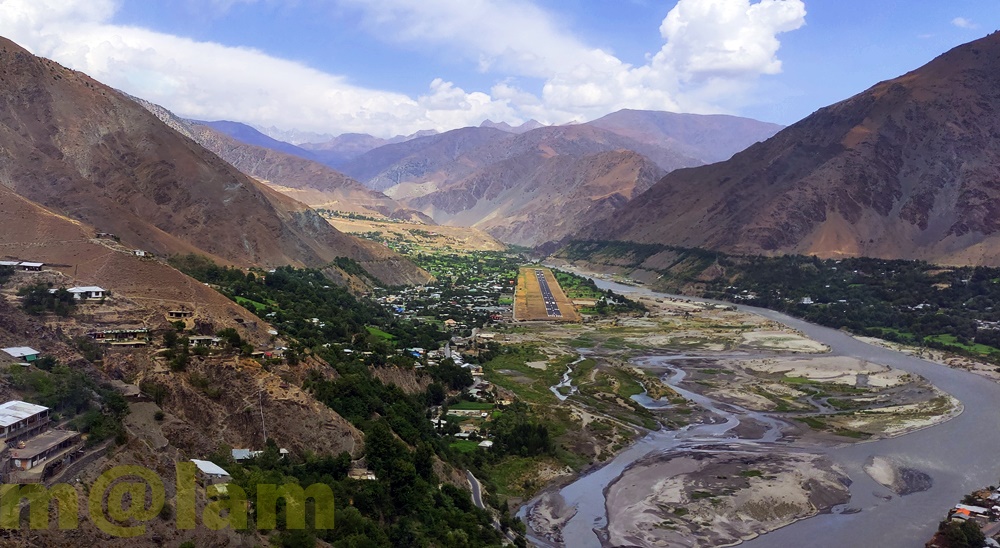
Chitral, a region in the Khyber Pakhtunkhwa province of Pakistan known for its natural beauty and cultural richness, offers several tourist attractions. Here are some notable places to visit in Chitral: Chitral Town Chitral Town is a bustling hub filled with vibrant markets and bazaars that provide a unique insight into the local way of life. These lively centers exhibit a diverse array of handicrafts, textiles, spices, and souvenirs, offering visitors the opportunity to fully immerse themselves in the vibrant colors and rich flavors of Chitral. Exploring the streets of the magnificent Chitral Town divulges a harmonious blend of traditional and contemporary architecture. The buildings feature intricate designs and elaborate frontages that beautifully showcase the region’s rich cultural heritage. This visual spectacle is sure to captivate architecture enthusiasts, providing a delightful journey through the town’s unique and fascinating aesthetic. Shahi Masjid The Shahi Masjid stands as a magnificent piece of architecture, constructed by Shujaul Mulk, the Mehtar of Chitral, in 1924 A.D. Shujaul Mulk, the ruler of Chitral from 1895 to 1936, left a lasting legacy in the form of this grand mosque. The building itself is a remarkable example of architectural dexterity, constructed with pure white marble and adorned with intricately engraved art. Situated on the bank of the Chitral River, adjacent to the Chitral Fort, the Shahi Masjid is not only a place of worship but also a testament to the rich customs and culture of the Chitral aristocracy. The architectural details of the mosque reflect the traditions of the region, creating a visual representation of Chitral’s cultural heritage. The Shahi Masjid stands as a significant landmark, inviting visitors to appreciate its historical and artistic significance. Chitral Fort The Chitral Fort, also known as Shahi Qila, is a historic fortification located in Chitral town, Khyber Pakhtunkhwa, Pakistan. Positioned on the banks of the Chitral River, it holds a strategic location not far from the Shahi Masjid. The fort is believed to have been initially constructed in 1774 during the reign of Mohtaram Shah Katur II and later restored in 1911 by His Highness Sir Shuja ul-Mulk. Originally serving as the barracks for the guards of the Mehtar of Chitral, the fort became the personal property of the last ruler of Chitral after the merger of Chitral State in 1969. Presently, it is occupied by the ceremonial Mehtar, Fateh-ul-Mulk Ali Nasir. Notably, the fort has undergone renovations, particularly to the old Darbar Hall and staterooms, following damages incurred during the earthquake of 2015. The Chitral Fort stands as a testament to the region’s historical significance and architectural heritage, offering visitors a glimpse into its rich past. Chitral Museum The Chitral Museum stands as a custodian of the unique culture and art of the region, preserving the heritage of ancestors for future generations. Established on July 8, 2010, the primary purpose of the museum is to safeguard Chitral’s cultural legacy for tourists and locals alike. The museum is divided into two distinct sections: the Ethnological Gallery and the Archaeological & Kalash Gallery. In the Ethnological Gallery, visitors encounter artifacts such as jewelry, instruments, and furniture from the 12th century, providing a glimpse into the lifestyle of Chitral’s ancestors. On the other hand, the Archaeological & Kalash Gallery focuses on items related to the Kalash, showcasing the cultural heritage with connections to Greek influences. Particularly noteworthy are the artifacts associated with their gods and goddesses, offering insights into the spiritual and religious practices of the Kalash people. The Chitral Museum serves as a valuable resource for those interested in exploring and understanding the rich cultural history of the region. Governor’s Cottage The Governor Cottage stands as a beautiful and graceful example of Chitrali architecture, showcasing the region’s glorious and distinctive construction style. Situated on elevated grassland, surrounded by mountains, the cottage provides a picturesque setting. On a clear day, visitors can admire the majestic Trich Mir Mountain from this location. Previously reserved, the place is now open to the general public. Inside, one can find a collection of well-preserved historical objects that offer insights into the rich history of the region. The Governor Cottage provides a unique opportunity for visitors to experience and appreciate the royal living style of the Mehtar of Chitral. It serves as a testament to the cultural and historical heritage of the area, allowing individuals to connect with the past and the architectural traditions of Chitral. Chitral Gol National Park Chitral Gol National Park, situated 5,000 meters above sea level in the Lower Chitral District, is a two-hour drive from Chitral town and spans 7,750 meters. This park is renowned for its abundant wildlife and panoramic views of valleys, glaciers, and streams. Formerly considered the private property of the Mehtar of Chitral until 1983, the park’s status has been disputed and is subject to ongoing litigation between the Mehtar’s heirs and the Government of Pakistan. The park encompasses three valleys with glaciers and springs feeding into an 18-kilometer stream flowing east into the River Chitral. Rich in cedar trees, the park provides a habitat for diverse wildlife, including the endangered Kashmir Markhor. Other notable mammals include the Siberian ibex, Snow leopard, Ladakh Urial, Himalayan black bear, Himalayan Wolf, Red fox, Eurasian otter, and Yellow-throated marten. Barmoghlasht Barmoghlasht, a renowned summer retreat in Chitral, is nestled amidst towering mountains and lush greenery, located 14.5 kilometers from Chitral town. Highlighting the area is the former Mehtar’s Summer Fort, strategically perched at an elevation exceeding 2800 meters, providing a captivating view of the city. Notably, it is the ancestral building of the Chitral royal family, adding historical significance to its charm, set amid vibrant green pastures. Accessible by a 40-minute drive from Chitral City, Barmoghlasht is especially enchanting in May and June when spring brings forth lush greenery and vibrant blooms. The resort offers an array of activities, making it an ideal destination for paragliding, hiking, and bird watching in the summer, while also providing opportunities for skiing during the winter months. Tourists are drawn to Barmoghlasht throughout the

Scroll to Top