Author name: admin

Rakaposhi View Point from the Karakoram Highway
Gilgit-Baltistan

Rakaposhi View Point

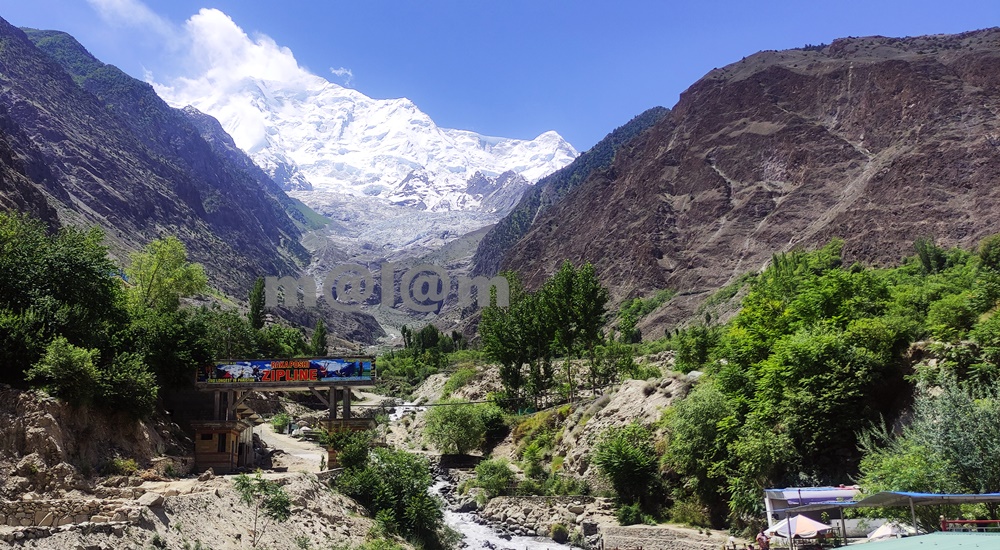
Rakaposhi View Point -A Close Encounter With The Shining Wall The Rakaposhi View Point undoubtedly stands as a testament to the unparalleled beauty of nature. The view point is situated in Ghulmet village, on the main Karakoram Highway, within the enchanting Nagar Valley. This extraordinary viewpoint offers an up-close and personal encounter with the awe-inspiring Rakaposhi mountain. Karakoram Highway: A Tapestry of Marvels The Karakoram Highway is much more than a mere asphalt artery connecting Pakistan and China through the Khunjerab Pass. It’s a highway especially adorned with a treasure trove of tourist attractions. The highway boasts natural wonders, archaeological marvels, cultural heritage, and architectural splendors. It beckons travelers to pause and immerse themselves in its allure. Rakaposhi View Point, nestled along this route, stands out as a prime exemplar of pristine natural beauty. An Oasis Amidst the Journey When traversing the road between Gilgit and Hunza, seasoned travelers always include a mandatory stop at Rakaposhi View Point. The shadow of Rakaposhi is the 27th highest peak globally, soaring at an elevation of 7,788 meters. Here one can find solace and delight in the lap of unparalelled natural grandeur. Moreover, the locale offers small terraces thoughtfully designed along the glacier-fed stream, inviting tourists to relish moments of relaxation, savor delicious meals, and capture stunning vistas. Summer Serenity: Immersing in Nature’s Bliss During the summer season, tourists revel in the joy of sitting by the stream, dipping their feet into the refreshing glacier water. Furthermore, this site is ideal for capturing the picturesque surroundings through their lenses. The symphony of flowing water, the verdant embrace of nature, and the grandeur of Rakaposhi provide an unforgettable experience. Evolution of Rakaposhi View Point The journey of Rakaposhi View Point from obscurity to acclaim has been nothing short of remarkable. The gradual surge in tourist footfall led to its growing prominence, which in turn catalyzed infrastructure development in the vicinity. The site boasts a plethora of attractions including the glacier nestled in greenery and the meandering stream driving a gentle breeze. In its nascent stage, Rakaposhi View Point was no more than a humble gift shop and a local eatery, primarily serving the needs of nearby travelers. Over time, local entrepreneurs embraced the opportunity, resulting in the establishment of gift shops, handicraft stores, convenience shops, restaurants, campsites, and even upscale tourist accommodations. A new road has been constructed, providing closer access to the glacier emanating from Rakaposhi, and work is underway to develop additional tourist attractions. The future holds the promise of turning this site into a premier tourist destination. Culinary Delights and More For travelers journeying between Gilgit and Hunza, Rakaposhi View Point stands as an ideal spot for a leisurely and sumptuous breakfast or an open-air lunch with breathtaking views. Not to be missed is the local specialty, “Chap-Shuro,” a unique kind of local pizza. The menu offers an array of fresh local cuisine at budget-friendly prices. Here, you can always count on delectable food coupled with personalized service. Rakaposhi View Point is not just a stopping point on your journey; it’s an invitation to immerse yourself in nature’s grandeur and indulge in local delights. Visit and be captivated by the magic of Rakaposhi and the wonders that surround it.

Collision point of continental plates on the Karakoram Highway
Gilgit-Baltistan

Collision Point of Continental Plates

Exploring the Collision Point of Continental Plates near Chalt Valley In the heart of Gilgit-Baltistan, Pakistan, lies a hidden geological wonder: the collision point of continental plates. The site is located on the Karakoram Highway, just 53 kilometers north of Gilgit town. This extraordinary site has a rich history and undeniable significance. The intriguing collision of Indian and Eurasian continental plates gave birth to the majestic Himalayan mountain range and the Tibetan plateau some 50 million years ago. The Ancient Tectonic Drama: The Genesis of a Geological Marvel Over 40-50 million years ago, the Indian subcontinent was in fact an isolated landmass. It was basically separated from Asia by the vast Tethys Ocean. As tectonic forces began reshaping the Earth’s surface, India embarked on a northward journey towards Asia. This movement, which commenced around 200 million years ago, witnessed India covering a staggering 6,400 kilometers while remaining disconnected from the Asian continent. Around 50 to 40 million years ago, the pace of India’s northward drift gradually slowed to a more deliberate 4-6 centimeters per year. This deceleration marked the onset of a momentous collision between the Indian and Eurasian continental plates. The Birth of Majestic Peaks As the Indian plate eventually collided with the Eurasian plate. As a result, geological forces unfolded a remarkable transformation. The Eurasian plate crumpled and buckled above the Indian plate, eventually leading to the thickening of the continental crust. This dramatic upheaval gave rise to the towering Karakoram Mountains, proudly adorning the landscape of Gilgit-Baltistan. The crust in this region, therefore, is twice as thick as the global average, marking the cessation of volcanic activity. To this day, the Indian plate continues its northward push into the Eurasian landmass, causing these majestic mountains to ascend by about seven millimeters each year. Unlocking the Geographic Treasure Regrettably, the profound geographic significance of the collision point of continental plates remains largely unknown to the people of Gilgit-Baltistan. It remained unnoticed until recently when informative signboards were installed for the benefit of tourists and locals alike. These signboards particularly serve as educational tools, shedding light on the area’s significance. However, there is untapped potential here. The site, with its unique mountain formation, could become a prominent picnic spot, attracting visitors from far and wide. Moreover, remnants of the ancient Silk Route can still be observed on the other side, hinting at the region’s historical importance. Plans to renovate the ancient Silk Route are in the works, with the aim of promoting tourism in this captivating region. The Mystical Realm of Local Beliefs Locals have bestowed upon the collision point a name of its own, Bidru-Kha. However, mostly “Chalt Xhang” mostly signifies its threshold-like existence. This unique site is steeped in local legends and traditions. For instance, as a bride and groom pass through this point on their wedding day, locals perform sacrificial rituals involving chickens, goats, or other animals to appease the spirits. Additionally, local shamans believe that this place serves as a portal connecting three worlds: the realm of spirits or the upper world, the material human world, and the underworld of souls and the deceased. This spiritual significance adds another layer of intrigue to this already fascinating location. A Weather Oracle Beyond its geological and cultural significance, the collision point also plays a role in weather prediction. The climatic conditions above this particular point serve as a barometer for the lower parts of the Hunza Valley. An overcast sky may signal impending rain, while patches of blue amidst the clouds suggest clear skies ahead. The collision point of continental plates near Chalt Valley is a multifaceted wonder. It embodies the Earth’s tumultuous history and offers a glimpse into local traditions and legends. At the same time, this site even plays a role in forecasting the weather. As awareness of this unique site grows, it has the potential to become a must-visit destination, drawing adventurers, geology enthusiasts, and curious travelers from around the world.

Victory monument of Taj Mughal
Gilgit-Baltistan, Monuments

Victory Monument of Taj Mughal

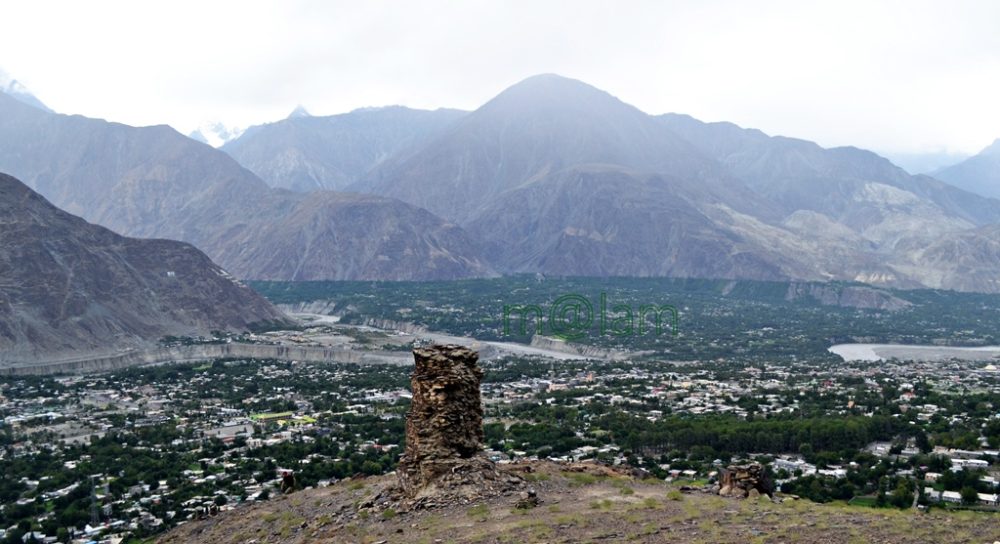
Exploring the Majestic Victory Monument of Taj Mughal Unveiling the Remarkable Tale of the 700-Year-Old Commemorative Tower in Gilgit, Pakistan Nestled gracefully upon the southern mountains of Gilgit town, Gilgit-Baltistan, Pakistan, stands the splendid Victory Monument of the Taj Mughal. Undoubtedly, the monument is a testament to history, triumph, and timeless beauty. With a history spanning over 700 years, this commemorative tower bears witness to the legacy of Taj-ud-Din Mughal. Taj-ud-Din was an Ismaili ruler from Badakhshan who graced Gilgit-Baltistan with his presence during the 13th century AD. Erected by his devoted soldiers, this monument stands tall at 21 feet and 10 inches, with a circumference of 14 feet and 4 inches, perpetuating the memory of his glorious victory. Journey to the Past: Unveiling the Monument’s Origin The Victory Monument of the Taj Mughal finds its sacred abode against the stunning backdrop of the southern mountains of Gilgit city. The Monument majestically sits about 1000 feet above Gilgit town. This awe-inspiring edifice not only oversees the enchanting villages of Gilgit and Danyore but also narrates a saga of victory and courage that continues to captivate the hearts of those who tread its path. Unveiling the Pathways: A Scenic Staircase Adventure Gone are the days of arduous treks and intricate routes. In order to promote history and tourism, access to the monument has been made easy. From the city center or the bus station, one can drive towards Serena Hotel in Jutial and follow the signboards leading to the hiking point. The monument is now reachable via a splendid flight of stairs, gracefully winding its way through rocky trails. These trails, adorned with the raw beauty of nature, create an immersive experience that heightens the anticipation of the forthcoming spectacle. As each step is taken, a sense of excitement and wonder builds, propelling us toward our destination. Cycle Track Marvel: A Gateway from Barmas to Jutial Adding to the allure of this journey is the newly constructed water channel Cycle Track, connecting Barmas to Jutial, Gilgit. One can do the monument from Barmas, the southern end of Gilgit, as well while enjoying the majestic views of Gilgit and surrounding valleys along the cycling trail. This ingeniously designed pathway presents an alternative route, one that promises a unique blend of adventure and tranquility. Unveiling the Monument’s Grandeur Architectural Resplendence: A Glimpse into the Monument’s Construction Erected upon the ridge of the Rocky Mountains, the Victory Monument stands as an embodiment of architectural finesse. Crafted meticulously with local stone and clay, this circular tower resonates with the echoes of a bygone era. Yet, the passage of time has not been without its effects, as the monument’s structural integrity slowly wanes, hinting at the ephemeral nature of existence. Temporary support has been tendered to its base, while the southern façade bears the marks of weathering, urging for a much-needed restoration. A Panoramic Tale: The Enchanting Vistas from the Monument’s Peak Gazing from the heights of the Victory Monument, one is rewarded with an awe-inspiring panorama that unfurls before the eyes. Gilgit town, stretching from Bagrot in the east to Baseen in the west, is caressed by the winding embrace of the Gilgit River. The tower, known as “Shikaari” in the local Shina language, offers an unobstructed view of the surrounding valleys, cradled by vigilant mountain sentinels. Embracing the Experience: Best Time & Route to Embark Packing Essentials: The Checklist for a Memorable Voyage The monument can be accessed at any time of the year. During peak summers, only early morning or late afternoon time is suggested to avoid heat. Preparation is the key to a fulfilling visit to the Victory Monument. As you tread upon the barren mountain terrain, remember to arm yourself with a water bottle, ensuring hydration amidst the arid landscape. Similarly, the scorching sun necessitates the application of sunburn cream, while sturdy shoes guarantee secure footing. Complete your ensemble with sunglasses, and a hat/cap, and equip yourself with a camera or cell phone to capture the moments that unfold. Embarking Beyond: Exploring Gilgit’s Treasures Beyond the resplendent Victory Monument, Gilgit extends an invitation to delve into its treasury of attractions. Venture into the embrace of ancient history as you encounter the 7th-century Karga Buddha, a silent sentinel of bygone times. In addition, Biddulph House, Hal Ga Naal, Hanzal Stupa, Gilgit Suspension Bridge, Chinar Bagh, Buddhist Rock Carvings, and the hiking track near KIU await your exploration. Each movement narrates a unique chapter in the tale of Gilgit’s legacy. Charting Your Course: Navigating to Gilgit Accessing Gilgit is a journey that intertwines with the thrill of the destination. Flights operate daily from Islamabad, weather permitting, offering a gateway to this realm of wonder. Likewise, roadways pave the way from Islamabad along the (Karakoram Highway) KKH and from Chitral via the Gilgit-Chitral road. While those journeying from Kashgar in China tread the path along the KKH—the months from May to mid-October emerge as the optimal time to embark on this odyssey. Capturing Memories: The Must-Have Essentials A pilgrimage to Gilgit demands thoughtful preparation. Ensure a water bottle accompanies you, quenching your thirst amid the landscapes. The embrace of the sun necessitates the shield of sunburn cream, while sturdy footwear guarantees steadfast steps. Moreover, bedecked with sunglasses and a hat, seize the moment with a camera or cell phone, encapsulating memories that endure. The Victory Monument of Taj Mughal stands as a living testament to a bygone era. It proudly stands as a beacon of triumph that graces the mountains of Gilgit. As you traverse the path to this historical marvel, let the vistas of Gilgit and the tales.

Basic components of tourism product
Blogs

Basic Components of Tourism Product

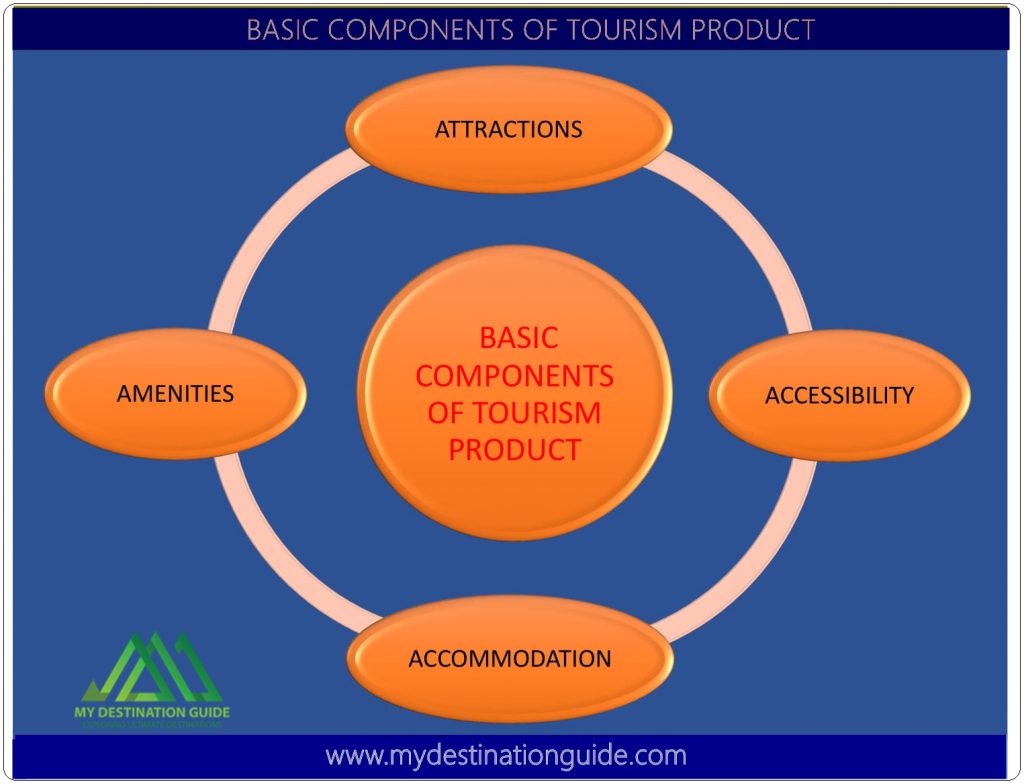
Tourism is a complex and multidisciplinary field constitutes a diverse amalgam of sectors and each sector is made up of a variety of products and services visitors/tourists choose according to their own taste and budget. Following are the basic components of tourism that can have an impact on overall tourism of a particular destination.ATTRACTIONS The primary motivation and preconditions of travel are the attractions of all kinds in a destination which are the major reason for providing pleasure to tourists. These attractions are classified as natural, manmade, and cultural which make up the major tourism product. Following are the details. Natural Attractions Natural attractions in a destination are the combination of public utilities including natural beauty, physical features, and the climatic features of the area. These attractions may include scenic places ranging from deep oceans, beaches, lakes, rivers, creeks to the mountains, landscapes, national parks, wildlife, flora & fauna, and diverse seasons. Any destination abundant in natural beauty can also fall prey to threats and challenges of managing and preserving the resources. There are many instances of destinations lost their prominence because of the impact of tourists. Manmade Attractions: Manmade attractions include the built environment by the human. E.g. historical buildings, religious monuments, leisure parks, Disney lands, museums, aquariums, zoos, and orphanages etc. Tourism can be sustained to manmade attractions if the attractions are well preserved with respect to time. Cultural Attractions: These attractions usually hold aesthetic beauty in a society including the way of life of the indigenous community in a typical natural setting which obviously has spared itself from modernization, national events and festivals, customs, dress, art, handicraft, rituals, folklore, languages and local cuisines. In a developed city cultural attraction include discotheques, live or recorded music, clubs, social events, trade fairs, exhibitions, sports competitions etc. Due to urban sprawl and modernization, indigenous communities gradually switching and adapting to modern life which results in a gradual fading of cultural beauty.ACCESSIBILITY Accessibility is a major tourism product/service and a key factor in the development of tourism. It comprises means (ports, airports, roads, highways, trails etc.) and mode (aerial, surface, and water) of transportation infrastructure which helps tourists reach their desired destinations and attractions.  Accessibility determines the tourists’ experience based on qualities including reliability, affordability, convenience, comfort, and variety. Tourism developments are dependent on the ease of access and types of transportation available. Destinations with sound accessibility features attract a lot of tourists and have longer tourist seasons which help stakeholders earn healthy livings. Three major types of transportation are: Air Transportation:  This type of transportation includes all types of airways (commercial plans, jets, helicopters, etc.) to travel long distances. This type of means of transportation helps people travel quickly and are a source of time saving and development. Surface Transportation: It is a type of transportation through roadways or railways and is considered the cheapest means of transportation. Trains, buses, cars, carts, and all types of animal transportation feature surface transportation. Water Transportation: It is a 19th-century revolution and made an important contribution to travel after the innovation of shipping technology. Ships, ferry’s, yachts, boats, etc. make up this type of transportation.ACCOMMODATION Accommodation is a service sector and is subdivided into further categories as shown below: Service Accommodation: It refers to the important services provided by the various bodies as mentioned below. Lodging: From 5-star resorts to guest houses and from cruise ships to camping, there are various forms lodging comprises and these are categorized as star hotels, apartments, lodges, inns, villas, resorts, huts, tree houses, guest houses, RVs, camping villages etc. Food & Beverage: Food & Beverage is a vital component of the overall tourism industry. The sector includes high-end restaurants, conventional restaurants, fast food operators, functional catering, and vending outlets etc. Resident attitude: The attitude and overall behaviour of residents of a destination are significant determinants of tourism. Moreover, the way of treating tourists and their general safety in a destination make or mar the flow of tourism to a great extent. The amicable interaction between tourists and residents leaves a good impression on the fate of the destination. Supplementary Accommodation: Supplementary Accommodation or Self-Catering Accommodation refers to the premises which offer only accommodation but not the services of a typical hotel that provides food & accommodation in return of cash per day. Examples of such type of accommodation are Youth Hostels and Tourist holiday villages etc.AMENITIES There are two types of amenities: Natural:  These include seashores, sea bath, fishing, rock climbing, trekking, sightseeing, river, sunrise etc. Man-made: These amenities are human designed and include Dance, Music, Drama, Cinema, Swimming Pool, Fair & Festivals, and Internet etc.

Impact of tourism
Blogs

Impacts of Tourism

Tourism has strong direct, indirect and induced impacts on local communities either positive or negative in aspect. The scale of impacts of tourism can often vary from country to country based on the structure of the tourism sector and how well tourism activities are linked with the local economy. The positive and negative impacts of Tourism industry can be classified into three major areas called the socio-cultural impact, economic impact, and environmental impact. Below are the details.SOCIO-CULTURAL IMPACT Tourism may have diverse impacts on the socio-cultural aspects of life in a particular region depending on the strengths of the region. The impacts can be both positive and negative in nature. The socio-cultural impacts are the social changes in the lives of local residents, improvements and development of infrastructure, interactions between peoples and culture background, attitudes and behaviours, and their relationships to material goods. The introduction of tourists to sensitive areas can be damaging, cause a loss of culture, and may contribute to the preservation of culture and cultural sites through increased resources. Positive Impacts of Tourism on Society Infrastructure development benefitting the local population. Awareness of the superfluous customs prevailing in the region. Helps eradicate poverty by promoting the local arts and crafts produced by the local people. Fosters a sense of pride among locals. Helps strengthen bonds among communities. Helps establish peace and security through understanding and helps release stress Prevent urban centralization Helps conserve culture and tradition Restrains migration because of business/employment opportunities locally. Helps maintain part-time activities due to the creation of multiple opportunities. Promote safety as institutions feel it important to safeguard tourists and stakeholders.  Negative Impacts of Tourism on Society Hinders cultural freedom. Deters the life of the local population because of congestion, noise, and pollution. Promotes social evils like alcoholism, drug addiction, and prostitution in the local society. Displacement of locals to create new accommodation and recreation facilities. Cause of spread of contagious diseases. Distortion of community structure, family relationships, collective traditional lifestyles. Devaluation of unique artefacts Increased child labour due to growth ECONOMIC IMPACT The economic impact can be measured in terms of monetary benefits and the overall economic development of the society. Economic impacts are usually observed as positive because of its contribution to employment, better services, and social stability. At the same time, these impacts can also contribute to high living costs within the community leading to rising costs for locals and push local business out of the areas. Positive Impacts of Tourism on Economy Tourism (inbound and domestic) helps to generate revenue from foreign shores. Create job opportunities. Stimulate the development of infrastructure. Generates opportunities for small-scale local businesses. Contributes to exchange earning Helps increase government revenues through tax Negative Impacts of Tourism on Economy Tourism (outbound) creates economic leakage. Create a sense of dependency on the customer or economic recession. Promote parallel economies. Expenses for development Import of particular food items International investor intervention ENVIRONMENTAL IMPACT Besides its impact on national and local economies, the tourism sector has a strong environmental aspect that must be considered. Tourism’s environmental impact refers to its impact on nature and surrounding areas which collectively make up tourism attractions in a particular destination. Environmental impacts basically affect the overall carrying capacity of a destination, natural cycle, flora and fauna, vegetation, air quality, water bodies and the water tables. Positive Impacts of Tourism on Environment Promotes investment in the conservation of natural habitats and the ecosystem. Contributes to the stability of the ecosystem. Discourages deforestation and over-fishing in water bodies in developing countries. Contributes to creating awareness of the value of the environment for humans. Helps produce an alternative to natural resources Helps lead a better quality of life Negative Impacts of Tourism on Environment Promotes vandalism, littering and littering. Makes way for the destruction of wildlife and vegetation. Invites air, and water pollution and disturbs animal and marine life. Creates a large carbon footprint. Creates a sense of dependency on natural resources. Causes depletion of natural resources Disturbs natural habitat of wildlife  

Tourism
Blogs

Tourism

TOURISM – A BRIEF OVERVIEW “Tourism” is a concept coined lately as compared to “Travel” which has roots deeply penetrated into the human history. Travel has fascinated man from the very beginning. In fact, from the ancient times, travel has been an important social activity of human. People traveled on foot to hunt, to explore or perform religious obligations. Moreover, food, shelter, and trade were some of the major drives to make people travel. Human endeavor to explore bounties of the lord was somewhat limited in ancient times. Gradually, human desire to explore new places within the respective realm or beyond the borders, to seek nature’s bounties and pleasure of life, to experience the diversity and the desire to be educated became the essential part of life. With the steady development in communication and technology over the years, a phenomenal increase in the volume of travel and human interest to explore alien places has further developed. The idea of sailing, the invention of the wheel, the creation of engine, the beginning of commercial airlines, development of infrastructure and the advancement in technology have all brought about phenomenal changes in the travel industry. Likewise, along with scientific discoveries, the socio-economic progress of humans in different societies has also further improved. The term “tourism” was coined only in recent years and the status of the industry was given to the field after its rapid growth and contribution observed towards human wellbeing. During the last two centuries, the evolutions and fast development of communication and technology helped tourism take new heights. Thus, in the long journey from a dramatic start to quick development patron tourism was defined from diverse perspectives. Before going any further, let’s first differentiate the two basic notions Travel and Tourism. DIFFERENCES BETWEEN TRAVEL AND TOURISM The terms “Travel” and “Tourism” are often used interchangeably but Tourism as a subject is a wider concept than Travel. Tourism encompasses a lot more than Travel alone though Travel is an older notion and remained a strong basis for Tourism to evolve. Tourism is the journey to and the stay at a destination outside one’s usual place of residence as well as the activities undertaken for leisure and recreation whereas Travel infers journeys undertaken from one place to another for any purpose including work, leisure and/or residence. This implies all tourism includes some travel, but not all travel is tourism. WHAT IS TOURISM? Many of us at some point in our lives must have been tourists yet defining it can still be slightly difficult. Despite its growing importance, there is still no harmony on a single definition of tourism because of its multidisciplinary nature.  Tourism is a dynamic and ever-developing industry giving birth to new niches and requiring the ability to adapt constantly with respect to change in time, technology, the behavior of tourists/consumers, and a variety of other factors that directly or indirectly impact tourism. Although tourism is defined in different ways by each institution, yet the essence can be explained in a crux as: “Tourism is a collection of activities, services, and industries which deliver a travel experience comprising transportation, accommodation, eating and drinking establishments, retail shops, entertainment businesses and other hospitality services provided for individuals or groups traveling away from home” Likewise, leading and conventional institutions have defined tourism in their own perspective. However, to prevent the disagreement, UNWTO defined tourism as: “Tourism comprises the activities of persons traveling to and staying in places outside their usual environment for not more than one consecutive year for leisure, business, and other purposes”.WHY IS TOURISM IMPORTANT? Tourism is a hope. It has become one of the fastest growing industries in the world, even surpasses oil, food, and automobile industries. It has a strong impact on the development accounting for 10 percent of the global GDP and contributing towards the generation of every 11th job. It is now a significant source of income generation, poverty alleviation, foreign exchange earnings, and promotion of cross-border cooperation, and cross-cultural understanding. Tourism is an extensive subject and has multidimensional impacts. Its contribution to economic well-being depends on the quality of its offers and revenues generated through offers. The course of tourism activities and operations are linked with and have a strong impact on three major areas including economic, socio-cultural, and environmental which have both positive and negative impact.  

Shandur Polo Festival
Gilgit-Baltistan

Shandur Polo Festival

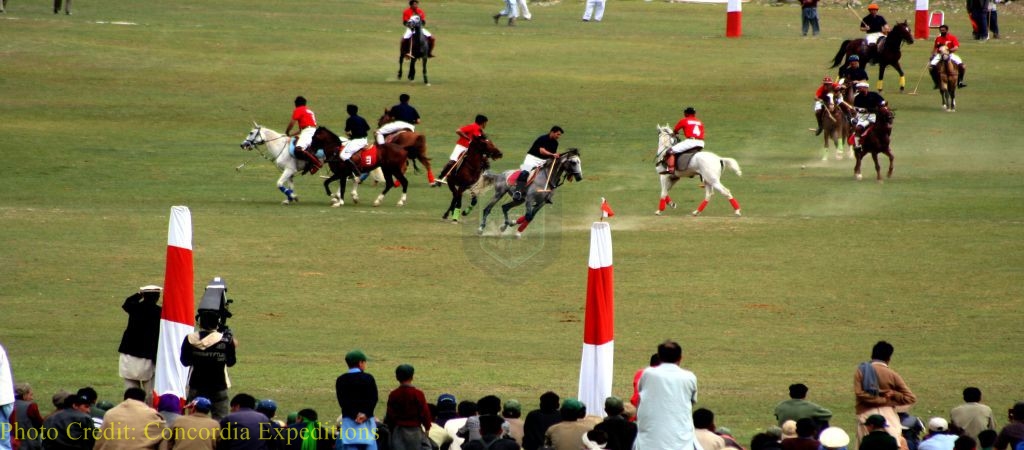
Exploring the Thrilling Shandur Polo Festival: A Unique Experience at 3734m Altitude The exhilarating Shandur Polo Festival unfolds at the awe-inspiring Shandur polo ground, nestled at a breathtaking altitude of 3734 meters. This remarkable event occurs on the border shared by the Chitral district of Khyber Pakhtunkhwa (KPK) and the Ghizer district of Gilgit-Baltistan in Pakistan. The festival takes place annually from the 7th to the 9th of July. This festival captivates thousands of enthusiastic spectators, drawing them into the world of the kings’ game – traditional freestyle Polo. A Unique Polo Experience The version of the Polo showcased during the Shandur Polo Festival is distinctive to this region. It offers an experience unparalleled anywhere else in the world. For three exhilarating days, domestic and international tourists, ardent supporters from Gilgit and Chitral, organizers, vendors, performers, Polo players, and their magnificent horses come together to create a vibrant makeshift village. The verdant Shandur Pass serves as a spectacular battleground during this festival. The World’s Highest Polo Ground The Shandur Polo Ground is renowned as the world’s highest Polo ground. It is encircled by majestic mountain peaks and graced with a serene lake in the backdrop. This breathtaking setting not only enhances the festival’s allure but also provides exciting activities for tourists. The Polo ground, situated in the heart of the pass, measures 200 meters by 56 meters, enclosed by a 60-centimeter-high stone wall. The size of the ground is in contrast to the conventional Polo field’s dimensions of 270 meters by 150 meters. This smaller size adds to the intensity of the game, making it seem crowded for the 12 players who compete at any given time. However, this limitation prevents the horses from extended gallops at such high altitudes. A Glimpse into History Polo’s roots trace back to the 6th century BC when it served as a training game for cavalry units of the king’s guards and elite troops in Persia. Originally, Polo boasted up to 100 players on each side, resembling a mini-battle. In the 6th century AD, it became Persia’s national sport and gradually spread to Arabia, Tibet, and China. Tragically, in 910, a game in China led to the death of a cherished relative of Emperor Apao Chi, prompting the gruesome beheading of all players. In South Asia, Polo arrived in the 13th century, introduced by Muslim conquerors. Over time, it evolved into a more regulated version from its wild beginnings. The contemporary Polo we witness today typically features six players on each side with a distinct lack of rigid rules. The free-style polo is epitomized by the famous saying, “The rule is that there is no rule.” However, the polo festival at Shandur makes one exception, with six players on each side engaging in an intense one-hour match, punctuated by a mere 10-minute break due to the high altitude. This breather comes alive with a traditional dance performance, and the team securing the most goals within the allotted time emerges victorious. Historical Beginnings Shandur’s first Polo match occurred in 1936. It was initiated dramatically by Major Evelyn Hey Cobb, the British political agent of the region. Cobb, a Polo enthusiast, ordered Niat Qabool Hayat Kakakhel, a prominent figure, and assistant to the governor from Ghizer district, to construct a Polo Ground in Shandur. This Polo Ground earned the name “Mas Junali,” derived from two Khuwar languages, meaning “Moony Polo Ground.” Impressed by Kakakhel’s efforts, Cobb sought to reward him However, Kakakhel declined and instead asked for trout to be stocked in local streams. Cobb agreed, importing live trout from England, which were released into the River of Ghizer. This visionary move paved the way for the Directorate of Fisheries and job opportunities in the region. Today, Gilgit-Baltistan is also renowned for Trout fishing. Preparing for Battle Players and horses from both sides arrive at Shandur weeks before the grand showdown to acclimatize to the high altitude. Preliminary matches in both Chitral and Gilgit determine the best horses and players for the final games, with local judges making their selections during test matches on home grounds. A Wild Game Safety measures take a back seat during this wild game. Players rarely wear helmets, donning colorful attire and wielding strapless mallets as they chase the ball vigorously on their horses, often without bandages to protect the steeds from harm. Winning the highly anticipated trophy is a source of immense pride for both teams, making national headlines. Supporters and tourists flock to the venue as soon as the rival teams and their horses make their grand entrance. Access Both Gilgit and Chitral districts are accessible by air and road from the capital city of Islamabad. Shandur is approximately 211 kilometers west of Gilgit via the Gilgit-Chitral road. Conversely, it is about 168 kilometers northeast of Chitral along the Shandur-Gilgit road. The journey from Gilgit treats travelers to breathtaking vistas of valleys, lakes, fruit orchards, traditional houses, terraced fields, flowing rivers, and serene springs. Similarly, the drive from Chitral offers glimpses of the Mastuj and Surlasp valleys’ lush natural beauty, the warm hospitality of the residents, and traditional houses nestled amidst stunning landscapes. Both routes are suitable for 4WD vehicles but are closed during the winter months. Activities The heart-pounding Polo matches at Shandur are complemented by an array of activities. These warm-up activities help visitors to immerse themselves in the natural and cultural beauty of the region. Adventure enthusiasts can explore the surroundings of Shandur, try their hand at stream and lake fishing, or embark on exhilarating hikes. The event also provides a fascinating glimpse into the lifestyle and cultural traditions of the people of Gilgit and Chitral. Nights come alive with musical performances and fireworks, while daytime showcases paragliding and traditional dances from Chitral and Gilgit-Baltistan. The indigenous customs and natural beauty are a visual delight for visitors. Plan Your Visit For all visitors, it is highly recommended to: Arrive at the venue at least a day before the final contest to fully savor the festival.

Altit Fort Hunza
Forts, Gilgit-Baltistan

Altit Fort

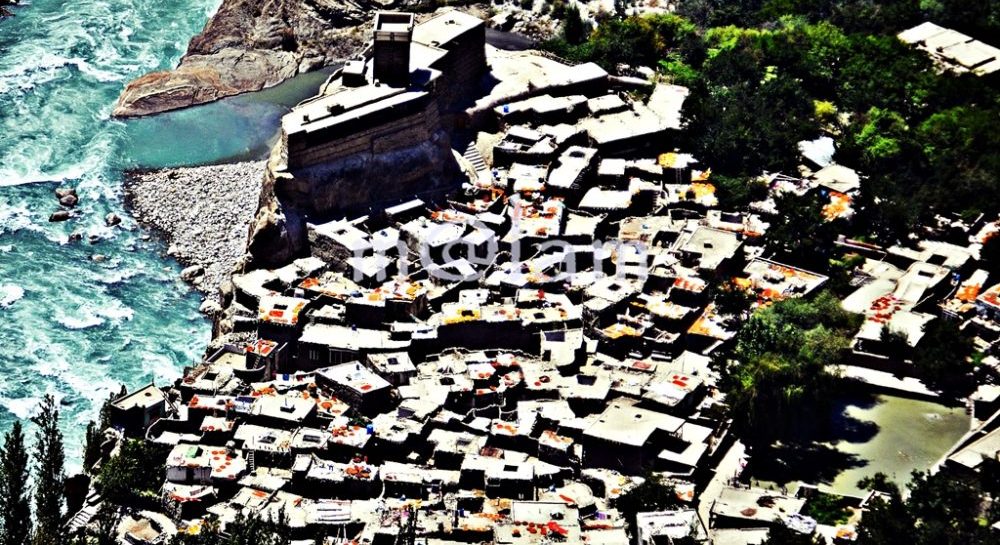
Altit Fort: A Journey Through History and Architecture In the mountain valley of Hunza, Gilgit-Baltistan, Pakistan, stands a true marvel of history and architecture, the awe-inspiring Altit Fort. The fort is perched majestically on a 1000-foot towering cliff rising sharply from the Hunza River. This 900-year-old fort has witnessed centuries of dynastic rule, and cultural transformations. The award-winning Altit Fort now stands as a testament to the rich heritage of the region. Its historic background, architectural marvels, and restoration efforts make Altit Fort a must-visit destination. Historic Background Before becoming a part of Pakistan in 1974, Gilgit-Baltistan was a patchwork of independent princely states, with the kingdom of Hunza being one of them. The local Mirs, hereditary rulers of Hunza, held sway until 1974. However, the socio-political reforms stripped them of their power during the reign of Zulfiqar Ali Bhutto. Altit Fort, which had once served as their palace, found itself in a state of disrepair. Later, the Aga Khan Foundation took over its renovation in 1990. The village of Altit, founded in the 11th century, was the oldest settlement and the capital of Hunza. It was then called Altit Khun and served as the capital of Hunza. Its name evolved from “Hunokushal” to “Burushal” as the region’s culture shifted from the Turkic Huns to Burushaski speakers, who later converted to Islam in the 15th century. The Power Struggle According to historical accounts, the rulers of Hunza first resided in the Altit Fort. The rivalry between two royal brothers, Prince Shah Abbas (Shabos) and Prince Ali Khan (Aliqan), marked a pivotal moment in the fort’s history. Shah Abbas relocated to Baltit Fort, making it the new seat of power, while Prince Ali Khan fortified Altit Fort. With the capital shifted to Baltit, Altit Fort began to lose its significance. Prince Ali Khan made Altit Fort his stronghold and launched offensives against his elder brother. Tragically, this conflict ended with Prince Ali Khan’s death. Balti Craftsmanship When Princess Shah Khatoon from Baltistan was married to Mir Ayaaho II of Hunza in the early fifteenth century, she was accompanied by craftsmen as a dowry. The Balti craftsmen carried out significant amendments to the fort with a Tibetan touch in its design. During their stay in Hunza, they used two Balti words to refer to the two forts “Elte” and “Delte” to say “here” and “there”. Later, the term Elte became Altit, and Delte was modified to Baltit as both valleys are famously known today. The fort was purposefully built by the ruling family of Hunza as a display of power, to defend Hunza from external attacks, and to safeguard the predominant feudal system. Altit Fort has undergone several ups and downs before it was abandoned. It has been dexterously renovated and serves as a tourist attraction. Currently, the fort houses a museum, a culture center, and the offices of a successful Social Enterprise. Architecture Altit Fort is a masterpiece of architectural ingenuity. Built over 800 years ago, its construction occurred in six distinct stages. The initial phase saw the construction of a two-floor building on the lower western edge, followed by a three-floor watchtower, a storage space, a mosque, grain storage on the eastern side, and the conversion of grain storage into guest rooms. Narrow corridors lead to the lower-level rooms, while the upper ones connect to the watchtower. The fort’s main entrance, facing Ultar, leads through a dimly lit corridor on the ground floor. It reveals a rectangular supporting structure with a haunting history. Legend has it that a prince who was suspected of plotting against his kingdom was buried here in a standing position. The first-floor royal kitchen boasts intricate carvings, surrounded by the lobby, a multipurpose traditional royal room, the queen’s room, and rubble stone masonry. The watchtower is strategically positioned to oversee the land. It offers a 360-degree view and was even used for executing prisoners sentenced to death. The mosque, royal throne, and guest rooms are situated to the north of the tower, while the storage space lies to the south. The royal throne, in front of the mosque, provides a panoramic view of Altit Khun. Restoration Altit Fort, once in a state of disrepair, was donated to the Aga Khan Trust for Culture Historic Cities Support Program in 2001 by Raja Amin Khan. Extensive restoration work, carried out by the Aga Khan Trust for Culture Historic Cities Support Program and the Government of Norway, transformed it into a museum. Over the years, various development projects both within and outside the fort have flourished. These include a women’s social enterprise, the restoration of Altit Valley, the Kha Basi Café serving traditional Hunza food, an apricot orchard, and a new art center cum guesthouse. Historical tours are offered daily from 9.30 am to 5.30 pm. Access and location Altit Fort is situated on the edge of Altit Valley, near the confluence of Hunza and Nagar rivers, approximately 3 km from Baltit Fort. The main entrance guides visitors through a royal garden—an apricot orchard surrounded by lush green grassland—leading to the fort entrance. The fort offers breathtaking views of Hunza and Nagar from various locations. The galleries in front of the royal guest rooms provide a stunning vista of Altit village. While those hanging from the royal chambers overlook the Hunza River and the Nagar Valley. Similarly, the watchtower atop the fort provides an unparalleled panoramic view of the Hunza and Nagar valleys, making it a photographer’s dream. Altit Fort also offers a captivating perspective from the Karakoram Highway. Awards In recognition of its cultural heritage conservation efforts, Altit Fort received the prestigious UNESCO Asia-Pacific Award in 2011. These conservation projects focused on rectifying structural defects, stabilizing walls, replacing rooftops, addressing wood decay, and improving lighting. Altit Fort stands as a living testament to the history and culture of Gilgit-Baltistan. Its architectural brilliance, rich history, and stunning location make it a must-visit destination for history enthusiasts and travelers alike. Experience the grandeur of Altit Fort and step back in time to a

Lulusar Lake
Khyber Pakhtunkhwa, Lakes

Lulusar Lake

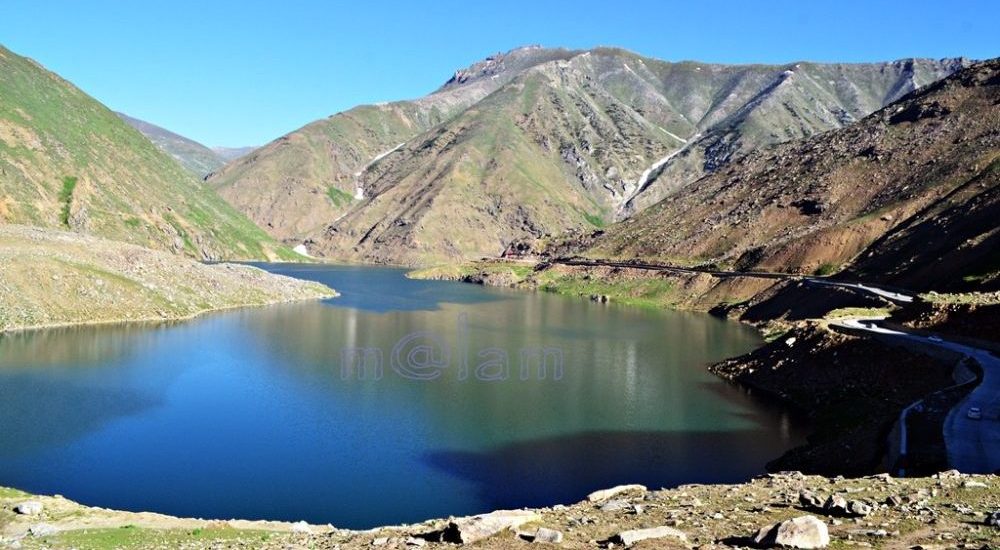
Explore the Enchanting Lulusar Lake in Kaghan Valley, Pakistan Lulusar Lake, undoubtedly a breathtaking natural wonder, stands as a prominent tourist gem in the heart of Kaghan Valley, Khyber Pakhtunkhwa province, Pakistan. Nestled at a lofty altitude of 11,200 ft (3,410 m) above sea level, this pristine lake beckons travelers along the renowned Naran-Babusar road. Its name, Lulusar, pays homage to a majestic mountain, drawing its essence from the Pashtu language, where “Sur” signifies the pinnacle. Easy Accessibility Lulusar is conveniently located just 48 km north of Naran, a mere hour’s drive away. For those embarking on a journey through Naran, a visit to the Babusar Pass and, subsequently, Lulusar becomes an integral part of the itinerary. The road leading to this natural marvel is well-paved and accommodates all types of vehicles. Furthermore, the route offers an array of attractions both on and off the beaten path. Adventurous souls can opt for stylish Willis Jeeps in Naran for day excursions, enhancing their travel experience. Seasons of Wonder The Kaghan Valley, including Lulusar, remains cocooned by snow from November until June, rendering it largely inaccessible during this period. However, as the snow gradually recedes, unveiling the Babusar Pass, domestic and international tourists flock to the region in unprecedented numbers. The Charms of Lulusar Lake Lulusar Lake outshines other lakes in the Kaghan Valley with its impressive expanse. Stretching over 3,400 meters, this natural wonder is nourished by the Kunhar River, originating from the towering Babusar Top. The river winds its way southward, meandering through the picturesque Kaghan valley. It encompasses Jalkhad, Naran vale, Kaghan, Jared, Paras, and Balakot, before converging with the mighty Jhelum River. During the summer months, Lulusar Lake showcases crystal-clear waters, mirroring snow-capped peaks that pierce the azure skies. The lake’s periphery boasts lush grasslands and vibrant wildflowers, often frequented by local cattle herds. A Haven for Nature Enthusiasts Beyond its visual splendor, Lulusar Lake serves as a haven for bird enthusiasts and fishing aficionados alike. The lake bears historical significance, marking the site where 55 brave participants of the 1857 War of Independence were apprehended. A Pivotal Stop on Your Journey For travelers venturing into the enchanting realms of Gilgit-Baltistan during the summer season, the Naran-Gilgit road presents itself as the ultimate route. Shorter by approximately 100 kilometers and adorned with breathtaking vistas, it lures tourists heading towards Fairy Meadows, Gilgit, Hunza & Nagar, and Skardu via the Babusar Pass. Lulusar Lake, especially with its unmatched serenity and captivating scenery, beckons as a must-stop destination along the way. Numerous elevated spots along the roadside offer the finest vantage points for admiring the lake’s ethereal beauty.

Manthal Buddha Rock
Buddhist Heritage of Pakistan, Gilgit-Baltistan, Heritage Sites in Pakistan

Manthal Buddha Rock

Manthal Buddha Rock: A Glimpse into the Golden Era of Buddhism The Manthal Buddha Rock in Skardu stands as a timeless testament to the 9th-century Buddha relief carved into the natural expanse of a massive granite boulder. The rock is nestled on the outskirts of Manthal village with a commanding view of Skardu town. This site undoubtedly holds profound significance as a relic of Buddhism in the Gilgit-Baltistan province of Pakistan. As a renowned tourist attraction and an iconic archaeological treasure, it proudly offers a window into the opulent history of the region. Interestingly, the world remained unaware of the Manthal Buddha Rock until the early 20th century. Jane E. Duncan, a British traveler, documented its existence. This remarkable site is just one among several captivating and enigmatic petroglyphs awaiting discovery in the region. Historical Canvas Before the arrival of Buddhism in the 4th century, Baltistan was steeped in Shamanism. It was the monks from northern India who ventured into the region. They established monasteries during the reign of the Palolashahi kingdom. Buddhism continued to flourish even after the Tibetan conquest of the area in the second quarter of the 8th century. This period, spanning from the 8th to the 10th centuries, is often referred to as the “Golden Era of Buddhism” in the Upper Indus Valley. During this era, Buddhism held sway, leaving its indelible mark on the landscape. Carvings of Buddha adorned numerous rock surfaces throughout Gilgit-Baltistan. These migrants from Gandhara, on their journey through the mountainous terrain of Gilgit-Baltistan, etched various images. The images include stupas, depictions of Buddha, and expressions of their experiences. Some even left behind texts in the Kharoshti language on the rocks. Several notable Buddha carvings, such as the Manthal Buddha Rock in Skardu, as well as carvings of stupas and Buddhist reliefs in Shigar and Khaplu in Baltistan, Kargah Buddha and the Hanzal Stupa in Gilgit, and Haldikish rock carvings near Hunza on the Karakoram Highway, serve as remnants of the Buddhist presence during this flourishing period. During these times, the region stood as the epicenter of Buddhism, with Islam yet to make its presence felt. Though centuries have passed, and Buddhists have vanished from the region, their legacy endures through these rock carvings and petroglyphs. Regrettably, this rich heritage has been largely ignored and nearly forgotten. Transformation and Transition The 14th century witnessed a transformation in the region with the arrival of Ali Hamadani and his followers from Iran. This obviously marked the gradual decline of Buddhism, and its places of worship fell into disrepair. Therefore, the local populace embraced Islam. By the 15th century, the region had become predominantly Muslim. Artistry Etched in Stone The Manthal Buddha Rock, which stands proudly today, was once a site of great significance. It bears witness to a tradition that has long since vanished but still retains the essence of a heritage site. This triangular rock, measuring 20 feet in width and 30 feet in height, is adorned with intricate sculptures and inscriptions from the period of Buddhist reign in the region. The front face boasts a skillful carving of a meditating Buddha, surrounded by 20 Bodhisattvas and two future Buddhas standing on either side. In accordance with Buddhist tradition, the assembly of Buddhas, from the past to the future, is depicted on the Manthal Rock. The name referred to as ‘Mandal,’ from which the village’s name, Manthal, derives. At the apex of the Buddha rock, you’ll find a distinctive black coloring. The four-inch-high and wide hole directly above the meditating Buddha’s head was used as a fireplace, hence the blackened surroundings. A local myth suggests that visitors toss pebbles into this hollow space, believing that success will grant them a wish to come true. The Tibetan script on the rock, although incomplete and challenging to decipher. It remains a puzzle to even the most seasoned experts. It is also believed that there was once a platform for religious ceremonies on the eastern side of the rock. Additionally, the area behind the rock was designated for medical facilities provided by the Lamas. However, the original platform no longer exists, likely washed away by time. Access To The Manthal Buddha Rock Manthal Buddha Rock is located approximately 3 kilometers from Satpara Road, which leads to Satpara Lake in Skardu. Skardu is accessible by road from Islamabad, a journey that takes about 24 hours along the Karakoram Highway. Alternatively, one can opt to fly to Gilgit and continue the journey to Skardu by road, with the travel time expected to reduce once the ongoing Gilgit-Skardu road construction is completed, potentially taking around 3 to 4 hours instead of the current 7 hours, depending on road conditions. Entry Fee: Rs. 500 per person Nearby Tourist Attractions: Upper Kachura Lake Lower Kachura Lake Kharpocho Fort K2 Italian Museum Soq Valley Nansoq Valley Katpana DesertAlso Read: Skardu Tourist Attractions Excursions From Skardu

Scroll to Top