
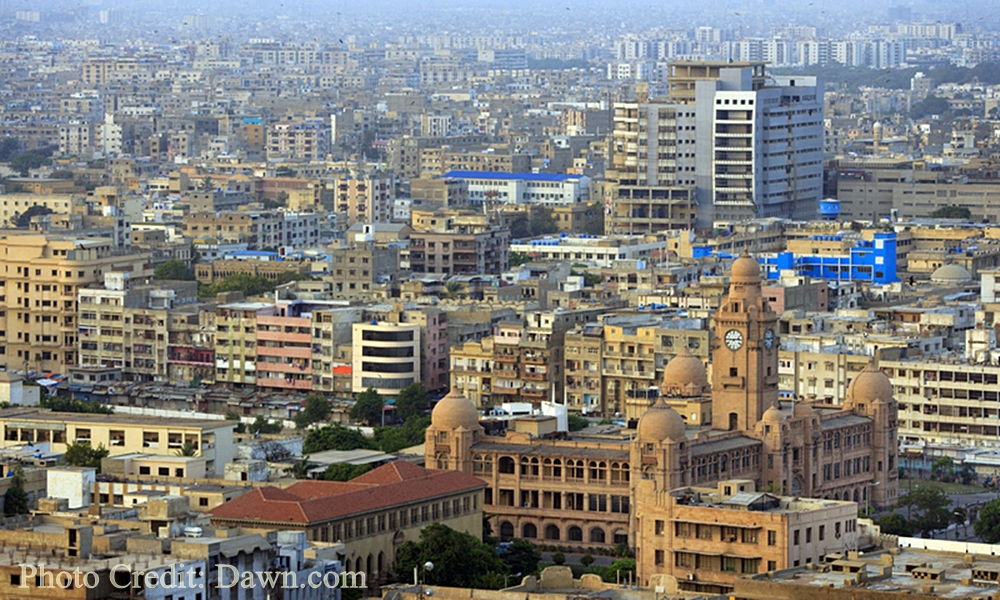
Karachi Tourist Attractions
Karachi, known as the “City of Lights,” stands as the largest city on the Arabian coast, serving as a prominent industrial and marine port in Pakistan. The city’s plethora of tourist attractions reflects its vastness, offering a wide array of activities for visitors. Karachi’s major tourist highlights encompass cultural, architectural, and archaeological heritage, alongside an abundance of top-notch food outlets, entertainment centers, and numerous educational institutions. The city’s diverse offerings make it a compelling destination for a varied and enriching travel experience. Major AttractionsQuaid-i-Azam’s Mausoleum (Mazar-e-Quaid) Quaid e Azam mausoleum Perched gracefully atop a 54 square meters platform, providing a commanding view, the Quaid-e-Azam’s Mausoleum stands at the heart of Karachi and serves as the final resting place for Muhammad Ali Jinnah, the father of the nation and founder of Pakistan. Reflecting a fusion of traditional and modern Islamic architecture, the mausoleum draws inspiration from the Samanid Mausoleum in Uzbekistan. Within its walls, the mausoleum accommodates the graves of Mohtarma Fatima Jinnah, sister of Muhammad Ali Jinnah, and Pakistan’s first Prime Minister, Liaquat Ali Khan, in its basement. This monumental structure, built by Pakistani architect Yahya Merchant from 1958 to 1968, features an exterior adorned with white marble and an interior embellished with a four-tiered Chinese crystal chandelier, complemented by an Iranian silver railing. This architectural marvel not only commemorates a significant historical figure but also stands as a testament to the artistic blend of cultures and influences. Wazir Mansion The Wazir Mansion holds historical significance as the birthplace of Pakistan’s founder, Quaid-e-Azam Muhammad Ali Jinnah. This protected national monument, a three-story building located in Kharadar, Karachi, draws thousands of devoted Pakistanis who come to pay homage to their founding leader. Presently, the ground floor of the mansion serves as a museum, offering a glimpse into the life and times of Jinnah, while the upper floors showcase his personal belongings. Following partition, the house was acquired by a landlord who later named it Wazir Mansion. In the 1970s, the government of Pakistan purchased the property and designated it as a heritage site. The Wazir Mansion stands as a cherished landmark, preserving the historical legacy of Pakistan’s founder for generations to come. Mohatta Palace Constructed in 1925 by Marwari businessman Shivratan Chandraratan Mohatta, the Mohatta Palace served as his summer residence, spanning an area of approximately 18,500 square feet. Demonstrating distinctive features of Rajasthani architecture, the palace was crafted using pink Jodhpur stone and local yellow stone from Gizri. The terrace of the Palace was dedicated to the Hindu God, Lord Shiva. Mohatta could enjoy the palace only until the partition, after which he left for India. Post Pakistan’s independence, the palace was subsequently occupied by two sisters of Quaid-e-Azam Muhammad Ali Jinnah, Fatima Jinnah, and Shireen Jinnah, until 1980. Following Shireen Jinnah’s passing, the palace transformed into a museum. Presently, the Mohatta Palace serves as an art gallery and museum, with the premises utilized for hosting exhibitions. The rich history and architectural elegance of the palace make it a notable cultural and artistic venue in Karachi. Frere Hall Built in 1865, Frere Hall stands as a testament to the era of British rule in the subcontinent, exuding architectural charm and surrounded by verdant gardens. The well-preserved structure, designed by Henry Saint Clair Wilkins, now serves as a library and art gallery. Nestled in the Saddar district, known for its picturesque colonial architecture, the hall was erected in honor of Sir Henry Bartle Edward Frere, the commissioner of Sind (1851-1859), who played a pivotal role in promoting economic development in Karachi. Constructed with Karachi limestone, the yellowish tower comprises two floors housing a hall, an orchestral gallery, and the Liaquat Municipal Library on the ground floor. Sindh High Court Erected between 1923 and 1929, the Sindh High Court building in Saddar stands as an iconic colonial structure, showcasing exquisite Renaissance architecture. Constructed with the reddish-tinged Jodhpur sandstone, the building is adorned with cupolas, balconies, and towering Roman-style columns. The inauguration ceremony was officiated by His Excellency Sir Frederick Hugh Sykes, the Governor of Bombay. This architectural gem, crafted with meticulous detail, is among the few well-preserved heritage buildings in Karachi. Visitors are welcome to explore the Sindh High Court from 8:30 AM to 5:00 PM, Monday to Saturday, without the need for tickets or special permission. Karachi Metropolitan Development Corporation Building (KMC) Situated on M. A. Jinnah Road, the Karachi Metropolitan Corporation (KMC) is a historic building with a foundation stone laid in 1927, construction completed in 1930, and inauguration in 1932. Karachi boasts numerous architecturally captivating structures from the British Raj era, many of which now house public offices, making them less accessible for sightseeing. Among these remarkable buildings is the Karachi Metropolitan Development Corporation Building, constructed in 1935 to commemorate George V‘s Silver Jubilee. Characterized by pointed Oriental cupolas at its four corners, the building features a prominent clock tower also domed in the same distinctive style. Three Swords Monument (Teen Talwar) Commonly known as Teen Talwar, Three Swords stands as one of the oldest monuments in Clifton, Karachi. Commissioned by Pakistan’s former President and Prime Minister, Zulfikar Ali Bhutto, and constructed by the renowned Pakistani architect Mr. Mistri in the early 1970s, the swords symbolize Jinnah’s principles of Unity, Faith, and Discipline. Originally erected on Clifton Road in Karachi, it quickly became a prominent landmark. Hindu Gymkhana (National Academy of Performing Arts) Located on Sarwar Shaheed Road in Sadar, Karachi, the Hindu Gymkhana serves as a significant tourist attraction. Established in 1925 during the colonial era, this building was originally conceived as a club for the Hindu elite class, occupying a leased area of approximately 47,000 square yards with a lease set to expire in 2020. In 1984, the Gymkhana faced imminent demolition due to its deteriorating condition but was fortunately preserved by the Heritage Foundation of Pakistan. The architectural style of the Hindu Gymkhana is a fusion of both Mughal and Hindu influences. Notably, within its premises, the Gymkhana houses the National Academy of Performing Arts—an
Karachi Tourist Attractions Read Post »