Peshawar Tourist Attractions
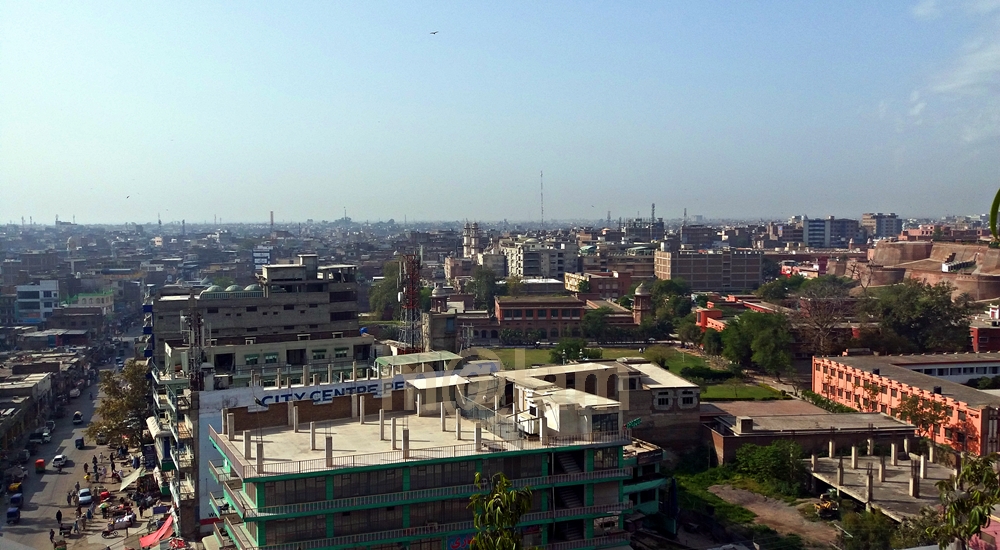
Peshawar Tourist Attractions Peshawar Tourist Attractions are the prominent landmarks governing the city of Peshawar that attract a great volume of domestic and international tourists. Peshawar, a city steeped in the courage of Pashtun heritage, proudly stands as the capital of Khyber Pakhtunkhwa (KPK). It was once known as the North-West Frontier Province of Pakistan. Besides, its strategic location at the crossroads of Central Asia and the Indian subcontinent has bestowed upon it the distinction of being the oldest living city in Pakistan and one of South Asia’s most ancient urban centers. Peshawar has witnessed the rise and fall of civilizations. As a matter of fact, its rich tapestry of history traces back to the Gandhara Civilization, resonating with echoes of the Aryans, Persians, Greeks, Mongols, and Mughals. As the largest city in KPK and the sixth largest in Pakistan, Peshawar emanates cultural vibrancy and dynamism. Peshawar serves as both the administrative nucleus and economic epicenter of the province. The vibrant city maintains the allure of its historic streets, buildings, and bazaars, with only subtle transformations over the past century. Enthusiastic international travelers include Peshawar as a must-visit destination while exploring Pakistan, drawn to its captivating Peshawar Tourist Attractions. History of Peshawar The chronicles of Peshawar unfurl to an ancient era, with historical roots extending back to at least 539 B.C.E. The name “Peshawar,” actually meaning “the frontier city,” was bestowed upon it by the Mughal Emperor Jalal Uddin Muhammad Akbar during an era when it flourished as a prominent trading nexus. It was under the reign of Mughal Emperor Zaheer Uddin Babar that the city was known as Bagram. Throughout history, Peshawar has borne witness to numerous rulers and, consequently, a plethora of names. The city’s lifeblood flows through the intricate web of canals stemming from the Kabul River and its right tributary, the Bara River. Key Tourist Attractions As you traverse to explore Peshawar Tourist Attractions, each step, in fact, reveals a chapter of history etched into the city’s fabric. From the regal Bala Hisar Fort to the bustling Qissa Khwani Bazaar, every corner exudes the charm of a bygone era. The treasures of Peshawar await your discovery, inviting you to immerse yourself in a tapestry of culture, architecture, and tradition that stands as a testament to the city’s enduring legacy. Bala Hisar Fort Bala Hisar, translating to “the raised or great fort,” is a testament to Peshawar’s illustrious past. Suggested by Afghan King Taimor Shah Durrani, the fort stands majestically atop a high mound in the city’s northwest quadrant. From this vantage point, visitors are treated to a breathtaking panorama of the city’s clustered expanse and the encompassing mountains. Erected by the Mughal emperor Babur following his conquest in 1526, the fort served as a residence for the royal family until its eventual destruction. Though ravaged over time, the fort’s legacy was revitalized by the Sikhs, who reconstructed it using mud, later replaced by British bricks. Presently, military guardians oversee the fort, welcoming visitors on weekends. The fort’s museum showcases a captivating array of retrieved weaponry, attire, photographs, and artifacts, providing a window into history that captivates the senses. Peshawar Museum Heralding from the British Colonial epoch of 1905, the Peshawar Museum, known as the “Victoria Memorial Hall,” stands as an architectural fusion. It chiefly reflects British, Hindu, South Asian, Buddhist, and Mughal Islamic influences. Revered across Southeast Asia, the museum boasts an assembly of over 14,000 items, spanning a multitude of civilizations. Sculptures, coins, domestic implements, weaponry, and a diverse range of artistry culled from the Gandharan heartlands—including Shah-Ji-Ki-Dheri in Peshawar, Takht-i-Bahi & Sahri Bahlol in District Mardan, and further excavations from Jamal Garhi and other Gandharan sites—commingle in harmonious resonance, painting an enthralling picture of history. Mahabat Khan Mosque The grandeur of Mahabat Khan Mosque, or Muhabbat Khan Mosque, mirrors the Mughal splendor that once enveloped Peshawar. Commissioned by Nawab Mahabat Khan Bin Ali Mardan Khan, the mosque’s foundations were laid during the reign of Mughal Emperor Shah Jahan in 1630. Nestled in the heart of Peshawar’s “Andar Shehar Bazaar,” the mosque’s presence emanates the Mughal kingdom’s penchant for architectural opulence. The edifice, a true marvel, has stood resiliently through time, undergoing a British-led restoration in 1898. Welcoming tourists, it regales visitors with its architectural mastery, a silent ode to the Mughal dynasty’s legacy. Chowk Yadgaar The reputed Chowk Yadgaar, once known as the Colonel Hastings Memorial built around 1884-92, resonates with echoes of history. Col Hastings actually was the first British Commissioner of Peshawar. The monument basically serves as a central square within Peshawar’s historic heart. The square’s transformation has witnessed the ebb and flow of time, its architectural metamorphosis symbolizing a microcosm of Peshawar’s evolution. Originally fashioned as a horseshoe-shaped structure, the square has been reborn over generations, emerging as a reflection of Peshawar’s resilience. Named in honor of the heroes of the 1965 war between Pakistan and India, Chowk Yadgaar stands as a testament to the indomitable spirit of the city. Chitrali Bazaar At the heart of Peshawar, the Chitrali Bazaar radiates the allure of exquisite craftsmanship. In fact, its legacy traces back to the 1940s, an era of expertly curated woolen creations that once resonated within its bustling lanes. Despite challenges, the bazaar continues to showcase the mastery of Chitrali artisans, echoing tales of a bygone era and endeavoring to reclaim its former glory. Brass Market Once a thriving hub of foreign exchange, the Brass Market has seen its golden days and then abruptly came to an end. Its legacy is interwoven with the cultural fabric of Khyber Pakhtunkhwa. Basically, brassware is a symbol of tradition and heritage. It endures through the dedication of local artisans who craft ornate plates, vases, and bowls, offering a glimpse into a heritage that refuses to be forgotten. Actually, the brass and copperware crafted by old artisans of Peshawar still could not be matched anywhere in the country. Cunningham Clocktower or Ghanta Ghar The Cunningham Clock Tower (also named clock house), affectionately known as Ghanta Ghar,
Peshawar Tourist Attractions Read Post »