Chalt

Collision point of continental plates on the Karakoram Highway
Gilgit-Baltistan

Collision Point of Continental Plates

Exploring the Collision Point of Continental Plates near Chalt Valley In the heart of Gilgit-Baltistan, Pakistan, lies a hidden geological wonder: the collision point of continental plates. The site is located on the Karakoram Highway, just 53 kilometers north of Gilgit town. This extraordinary site has a rich history and undeniable significance. The intriguing collision of Indian and Eurasian continental plates gave birth to the majestic Himalayan mountain range and the Tibetan plateau some 50 million years ago. The Ancient Tectonic Drama: The Genesis of a Geological Marvel Over 40-50 million years ago, the Indian subcontinent was in fact an isolated landmass. It was basically separated from Asia by the vast Tethys Ocean. As tectonic forces began reshaping the Earth’s surface, India embarked on a northward journey towards Asia. This movement, which commenced around 200 million years ago, witnessed India covering a staggering 6,400 kilometers while remaining disconnected from the Asian continent. Around 50 to 40 million years ago, the pace of India’s northward drift gradually slowed to a more deliberate 4-6 centimeters per year. This deceleration marked the onset of a momentous collision between the Indian and Eurasian continental plates. The Birth of Majestic Peaks As the Indian plate eventually collided with the Eurasian plate. As a result, geological forces unfolded a remarkable transformation. The Eurasian plate crumpled and buckled above the Indian plate, eventually leading to the thickening of the continental crust. This dramatic upheaval gave rise to the towering Karakoram Mountains, proudly adorning the landscape of Gilgit-Baltistan. The crust in this region, therefore, is twice as thick as the global average, marking the cessation of volcanic activity. To this day, the Indian plate continues its northward push into the Eurasian landmass, causing these majestic mountains to ascend by about seven millimeters each year. Unlocking the Geographic Treasure Regrettably, the profound geographic significance of the collision point of continental plates remains largely unknown to the people of Gilgit-Baltistan. It remained unnoticed until recently when informative signboards were installed for the benefit of tourists and locals alike. These signboards particularly serve as educational tools, shedding light on the area’s significance. However, there is untapped potential here. The site, with its unique mountain formation, could become a prominent picnic spot, attracting visitors from far and wide. Moreover, remnants of the ancient Silk Route can still be observed on the other side, hinting at the region’s historical importance. Plans to renovate the ancient Silk Route are in the works, with the aim of promoting tourism in this captivating region. The Mystical Realm of Local Beliefs Locals have bestowed upon the collision point a name of its own, Bidru-Kha. However, mostly “Chalt Xhang” mostly signifies its threshold-like existence. This unique site is steeped in local legends and traditions. For instance, as a bride and groom pass through this point on their wedding day, locals perform sacrificial rituals involving chickens, goats, or other animals to appease the spirits. Additionally, local shamans believe that this place serves as a portal connecting three worlds: the realm of spirits or the upper world, the material human world, and the underworld of souls and the deceased. This spiritual significance adds another layer of intrigue to this already fascinating location. A Weather Oracle Beyond its geological and cultural significance, the collision point also plays a role in weather prediction. The climatic conditions above this particular point serve as a barometer for the lower parts of the Hunza Valley. An overcast sky may signal impending rain, while patches of blue amidst the clouds suggest clear skies ahead. The collision point of continental plates near Chalt Valley is a multifaceted wonder. It embodies the Earth’s tumultuous history and offers a glimpse into local traditions and legends. At the same time, this site even plays a role in forecasting the weather. As awareness of this unique site grows, it has the potential to become a must-visit destination, drawing adventurers, geology enthusiasts, and curious travelers from around the world.

Naltar Valley
Gilgit-Baltistan

Naltar Valley

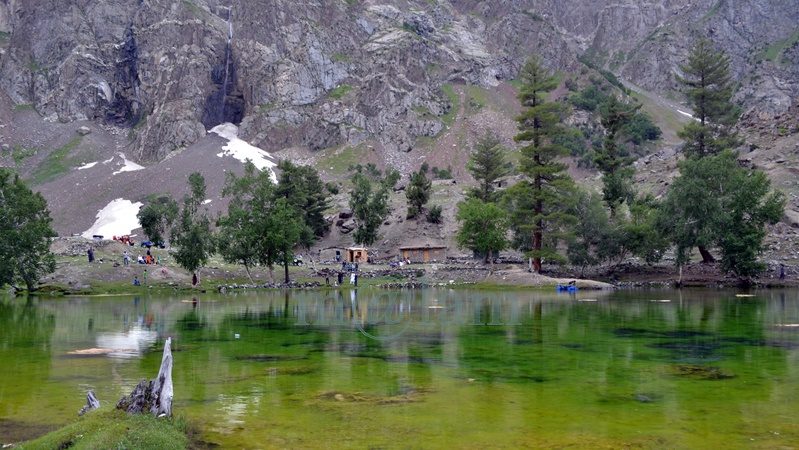
Unveiling the Beauty of Naltar Valley: A Hidden Gem in Gilgit-Baltistan Nestled majestically amidst towering mountains at an astonishing elevation of approximately 15,000 feet lies the picturesque Naltar Valley, a true jewel near the town of Gilgit in the Gilgit-Baltistan region of Pakistan. This idyllic highland boasts the dual distinction of being a perfect summer escape and a world-renowned winter ski resort, attracting both national and international skiing enthusiasts year after year. Enveloped in lush greenery, adorned with pine, spruce, birch, rowan, and juniper trees, and cradled by emerald hills and snow-capped peaks, Naltar Valley is not only a natural wonder but also home to the Gujjar tribe, renowned for cultivating delectable and oversized potatoes. Exploring Naltar Valley: Geography and Accessibility Located approximately 19 kilometers uphill from the Nomal Valley, which serves as a base and is situated at the mouth of the gorge, Naltar Valley is easily accessible. The Nomal Valley itself is a mere 20-kilometer drive from Gilgit via the western bank of the Hunza River and about 70 kilometers from Hunza Valley, accessible via the Karakoram Highway, passing through Rahimabad and crossing a sturdy concrete bridge over the Hunza River. To reach Upper Naltar (Naltar Bala or Ajeeni Naltar in the local Shina language) from Gilgit takes approximately 2.5 hours, while the journey from Hunza extends to around 4 hours. A Haven for Travelers: Tourist Attractions in Naltar Valley Naltar Valley is a haven for those seeking respite from the urban hustle and bustle or yearning for unadulterated serenity. Whether you plan a day trip or opt for an overnight stay, the valley offers various accommodation options, including the possibility of camping. Key attractions in the area include: 1. Skiing Naltar has firmly established itself as a premier winter sports destination, hosting international ski competitions. Due to its elevated location, Naltar receives a substantial amount of snow each year, making it perfect for skiing. The Ski Federation of Pakistan operates ski lifts, and every February, the valley becomes a magnet for national and international athletes. 2. Trekking Routes Naltar Valley serves as the starting point for two enchanting medium-level treks: one leading to the Naltar Pass (approximately 4,600 meters) towards the east, connecting to the Ishkoman Valley, and the other traversing the Daintar Pass (4,636 meters) westward to Chalt. A two-hour drive spanning approximately 47 kilometers from Gilgit along the western bank of the Hunza River brings you to Nomal Village, your gateway to these exciting treks. 3. Lakes The journey from Upper Naltar to the lakes covers about 13 kilometers of jeep-able road. However, when the road is impassable or washed away, a scenic walking trail opens up. These hikes take several hours on foot depending on the condition. This rugged jeep track runs alongside a rivulet, leading you to the captivating Bashkiri Lake – I, Bashkiri Lake – II, and Bashkiri Lake – III, nestled closely together at the gorge’s end. Locally, these lakes are known as “Chimo Bari (Fish Lake),” “Chakar Bari (Multi Ends Lake),” and “Bodolok Bari (Turbid Lake).” These lakes are ensconced within dense pine forests. Winters bring harsh conditions and sometimes pile up to 10 to 15 feet of snow. Summers attract hordes of local and international tourists and trekkers eager to explore this natural wonder. 4. Rivulet Glacial waters originating near the Wakhan Corridor’s border converge to form a rivulet that meanders through the gorge’s heart until it meets the Hunza River. This natural watercourse provides opportunities for activities like camping, cooking, and irrigation. These various enjoyable activities along its pristine banks, enhance the overall visitor experience. 5. Camping and Outdoor Activities Naltar Valley boasts numerous camping sites, making it ideal for overnight or weekend camping adventures. The valley’s safety and availability of fresh vegetables at reasonable prices ensure a comfortable and enjoyable stay. The hiking trails leading to breathtaking viewpoints along with its magnificent medium-range mountains, provide ample opportunities for exploration. Naltar is also famous for its diverse flora and fauna. The Weather in Naltar Valley Naltar Valley enjoys perpetually romantic weather. Even during the peak of summer, the lakeside at Naltar experiences frequent light showers, adding to the area’s allure. The ever-changing romantic weather, combined with the stunning natural scenery, makes a visit to Naltar Valley an unforgettable experience. Culinary Delights Light refreshments like tea and cookies are available for tourists at the lakeside. However, visitors planning to spend an entire day at Naltar are advised to make personal meal arrangements. Accessing Naltar Valley Please note that the new road to the Naltar Valley is under construction and accessible solely by 4WD Jeeps. Transport and camping arrangements for overnight in tents, are available for your convenience.

Scroll to Top