Indus River

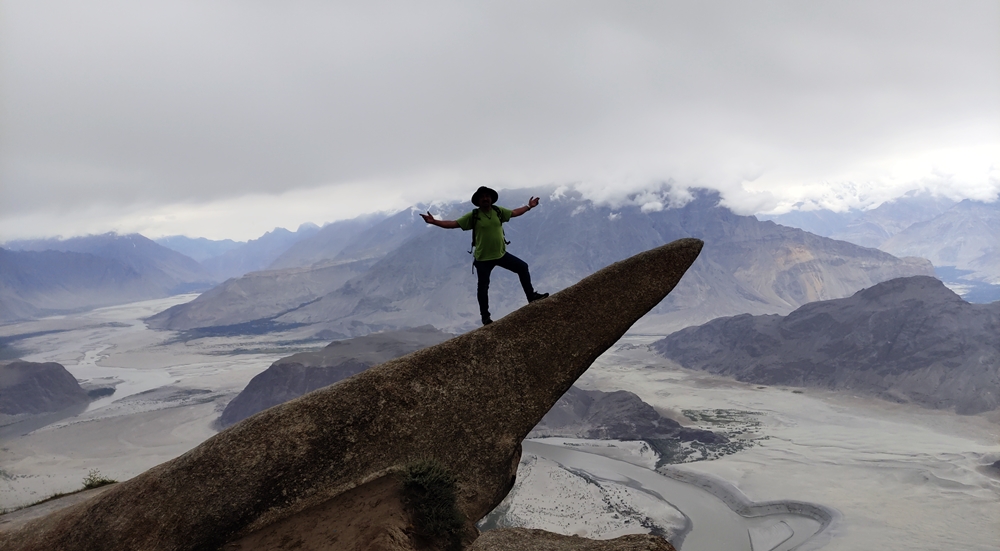
Marsur Rock
City Breaks, Gilgit-Baltistan, Others, Tourists Destinations in Pakistan

Marsur Rock

Marsur Rock: The Trolltunga of Baltistan If you’re craving awe-inspiring sceneries of Skardu town and its picturesque surroundings, the hike to the Marsur Rock is what you are exactly looking for. All you need is energy and determination to climb a steep moraine that takes at least 3 hours to hit the rock. It is an amazing hike providing fascinating views of the entire Skardu and surrounding attractions including the Hussainabad Valley and Broq in the immediate backdrop, Sarfaranga Desert, Kharpocho Fort, Nansoq Valley, the meandering Indus River, the convergence of Indus and Shigar rivers, and the Shigar Valley in the background. Marsur Rock is accessible by an adventurous drive from Skardu to the Hussainabad Broq located on a fair altitude followed by an uphill hike providing magnificent views. An Emerging Tourist Attraction Situated on the verge of mountains of Hussainabad, Shigar, Baltistan, Marsur Rock (also known as Hussainabad Rock) stands as a remarkable geological wonder in this region. The famous rock is celebrated for its distinctive geological features. At an elevation of 3,757 meters, Marsur Rock is a towering rock spire perched majestically on a mountain ridge high above the Hussainabad Valley. It bears a striking resemblance to Norway’s famous Trolltunga. What sets it apart is that out of its 38-foot total length, a whopping 25 feet extends dramatically into thin air, offering daring adventurers the opportunity to savor a mesmerizing bird-eye-view of the valleys below and capture daring photographs. Remarkably, Marsur Rock remained hidden from the world until 2018 until it was noticed by locals. A captivating picture of this rock shared on social media suddenly thrust this hidden gem into the tourist limelight. What makes this rock so exceptional is its multi-faceted appeal. It is, without a doubt, the finest bird’s-eye viewpoint in Skardu, offering unrivaled scenery in the entire town. The trail is adventurous, can be conquered by individuals of all ages yet requires vigor and resolve. It’s a perfect day activity whether you’re in Skardu or exploring the enchanting Shigar Valley. How to Reach Marsur Rock Accessing Marsur Rock involves an exhilarating jeep ride to Hussainabad Village and then Broq followed by an invigorating hike. Drive from any part of Baltistan to the southeastern part of Hussainabad Valley. Hussainabad itself is conveniently situated on the Kargil-Skardu Road, merely 24 kilometers from Skardu town, with a journey time of approximately 35 minutes. Take the side road that commences near Karakoram International University Campus in Hussainabad, branching off from the main Kargil-Skardu Road. The jeep track meanders through the valley, passing by the enchanting Hussainabad Waterfall, and ascends along a zigzagging uphill path leading to the summer pasture. From this point onward, a scenic hike leads to the captivating Marsur Rock. Depending on your pace, the hike typically takes around 3 hours. Remarkably, you don’t require a guide to navigate to this remarkable spot. Important Tips for Your Visit Here are some key considerations for planning your journey to Marsur Rock: Mobile signals are not available in the vicinity of Marsur Rock, so plan accordingly. You are traversing a culturally sensitive area, so wear appropriate clothing that respects local customs. Preserve the pristine beauty of the area by avoiding littering and demonstrating responsible travel behavior. Be sure to carry essential supplies, including water, some food, an umbrella or raincoat, a cap or hat, and a camera to capture the breathtaking scenery. Exercise caution, especially when taking photographs, particularly during inclement weather conditions. Explore Nearby Attractions While Marsur Rock itself is a shining gem, there is a treasure trove of attractions waiting to be explored in the immediate vicinity and throughout the remote valleys of Baltistan. Don’t miss the opportunity to immerse yourself in the natural wonders of Hussainabad Valley, Baltistan, Pakistan. Some other captivating attractions in the vicinity include: Skardu District Attractions Nansoq Organic Village Kharpocho Fort Katpana Desert & Lake Satpara Lake Lower Kachura Lake Upper Kachura Lake Deosai Plains Chunda Valley Soq Valley Basho Valley Shigar District Attractions Shigar Fort Palace Amburiq Mosque Hashupi Garden Shigar Riverside Sarfaranga Desert Blind Lake Khaplu District Attractions Khaplu Valley Khaplu Fort Palace Chaqchan Mosque Blind Lake Keris Thallay Valley Machulu Village Hushey Valley Kharmang District Attractions Manthoka Waterfall Khamosh Waterfall
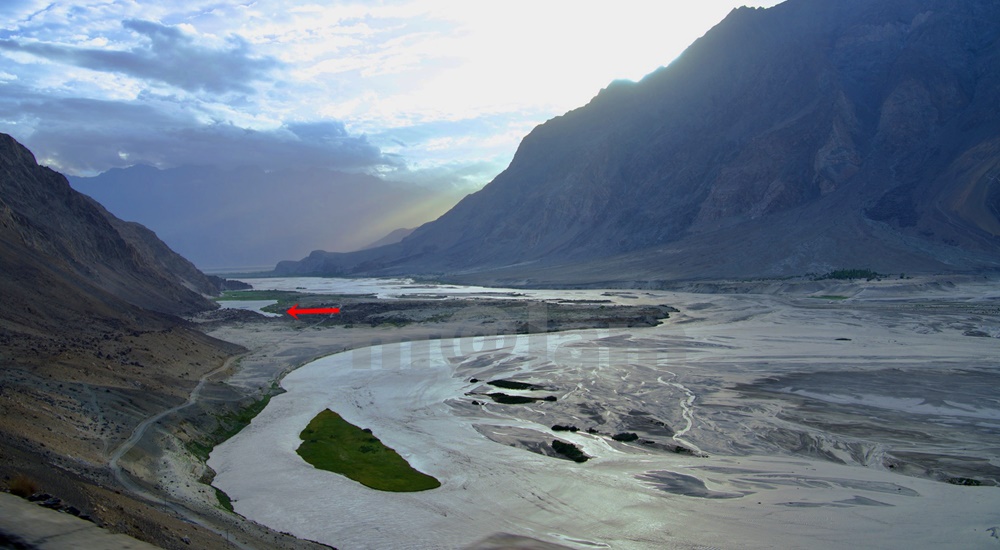
Blind Lake in the Shigar Valley, Skardu, Gilgit-Baltistan, Pakistan.
City Breaks, Gilgit-Baltistan, Lakes

Blind Lake

Blind Lake: A Picturesque Oasis in Shigar Valley Locally known as Xarba Tso in the Balti Language, Blind Lake is an enchanting freshwater lake nestled near the Shigar Valley in the heart of the Gilgit-Baltistan region of Pakistan. Unlike most lakes, Blind Lake doesn’t rely on any external water supply or discharge source. Its serene waters remain still and unmoving, earning it the intriguing name “Blind Lake.” A Visual Feast of Nature This mesmerizing lake offers panoramic views of its surroundings, with a particular focus on the riverside and the majestic mountains that serve as its backdrop. The trail leading to Blind Lake is a unique journey through lush greenery, arid deserts, and rugged rocky hills. Discovering Blind Lake’s Location To reach Blind Lake, take a scenic drive from Skardu town towards Shigar Valley, passing through picturesque mountainous terrain and the Sarfaranga Desert. The lake is approximately 28 kilometers from Skardu town and can be reached in around 45 minutes. While the journey to the lake from the main Shigar road is an adventure in itself, it’s undoubtedly worth the effort. A Hidden Gem in Nature’s Embrace Blind Lake is a hidden gem nestled amidst the awe-inspiring mountains surrounding the renowned Sarfaranga Desert. Bounded by the Indus River on one side and the Shigar River on the other, it’s now easily accessible via a newly constructed bridge on the Indus River. However, for those seeking to savor the journey truly, the drive through the Sarfaranga Desert is an experience filled with charm. Accessing the Blind Lake By Road: Travelers can embark on a remarkable journey from Islamabad to Skardu, covering approximately 770 kilometers via the legendary Karakoram Highway (N35). This unforgettable 15-18 hour drive offers breathtaking views, ranging from lush green hills to barren peaks and snow-covered mountains. By Air: Alternatively, you can take a direct flight to Skardu from Islamabad, Karachi, or Lahore. During peak tourist seasons, PIA operates flights from Karachi and Lahore once or twice a week, alongside daily flights from Islamabad. The aerial views during this journey are simply mesmerizing, with a network of mighty mountains beneath and a breathtaking glide through snow-capped peaks before landing at Skardu airport. Pro Tip: For a unique experience, you can also fly to Gilgit from Islamabad or Lahore and continue your journey to Skardu by road, enjoying a scenic one-hour flight and a 3-4 hour drive through the Jaglot-Skardu road (S1). The Final Leg to Blind Lake Upon reaching Skardu, your destination, Blind Lake, is a mere 45 kilometers away. Accessible only by 4-wheel vehicles, you can get to the lake in about an hour and a half. The journey includes 35 minutes of driving on paved roads, followed by 35 minutes on bumpy terrain, and finally, a 30-minute walk that rewards you with the first glimpse of Blind Lake. Enchanting Lake Surroundings While the hike to the lake may pose some challenges, the surrounding beauty more than compensates for any exhaustion. The lush green trees adorning the lake enhance its natural splendor. The tranquil atmosphere, coupled with the captivating stillness and breathtaking scenery, leaves a lasting impression on every beholder. Embrace the Wonders of Blind Lake Sightseeing: Immerse yourself in the beauty of Blind Lake. Its clear blue waters, lush greenery, and mesmerizing circular waves created by the wind will rejuvenate your senses.  Camping: Camping near the lake is a remarkable experience. The ideal spot is next to the lake, where you can witness a spectacular sunset followed by a night sky filled with stars. Be sure to check the weather forecast, as conditions can change rapidly. Pack lightly but include warm clothing for your camping adventure. Swimming: The crystal-clear waters of Blind Lake beckon swimmers. Whether you prefer shallow or warmer areas, the lake offers an excellent opportunity to explore its beauty while swimming. Boating: Enjoy daytime activities by leisurely boating on the calm, cool waters of the lake. It’s an exciting way to explore the lake up close. Fishing: Fishing enthusiasts will delight in the opportunities presented by Blind Lake. The Pakistani government has established a small fish farm here, providing ample chances for trout fishing. Seasons at Blind Lake While Blind Lake’s beauty is captivating year-round, spring stands out as the ideal time to visit. During this season, the area bursts with colorful flowers and butterflies, creating a visual masterpiece. Winter: Expect temperatures ranging from 8 degrees Celsius to 3 degrees Celsius, with snowfall from January to March. The frozen lake’s beauty during winter is awe-inspiring, although January is the coldest, with nighttime temperatures plummeting to -25 degrees Celsius. Summer: Summer temperatures at the Lake range from 24 degrees Celsius to 29 degrees Celsius. The clear waters reflect various colors during this season, making it a magnet for visitors. The best time to visit is from June to September but be prepared for occasional rain if traveling during summer. Accommodation Opportunities While there are a few huts and snack shops in the vicinity, there are no hotels or guesthouses directly near Blind Lake. Many visitors opt for camping near the lake or explore alternative accommodations in Shigar Valley or Shigar Town. Serena Shigar Palace, Concordia Hotel in Skardu, and Kallisto in Skardu are the well-recommended accommodation facilities. However, there is a range of options for accommodation and eateries in Skardu and Shigar. Nearby Tourist Attractions Often referred to as the “Queen of the Alps,” Skardu offers a captivating blend of snow-capped mountains, pristine rivers, lush forests, and historic monuments. While Blind Lake is a sight to behold, there are other attractions to explore. Don’t miss the opportunity to visit this scenic oasis in Shigar Valley, Pakistan. Other key attractions in the surroundings include: Shigar Fort Palace Amburiq Mosque Hashupi Garden Sarfaranga Desert Nansoq Organic Village Masrur Rock (Trolltunga of Pakistan) Kharpocho Fort Katpana Desert and Lake Satpara Lake Lower Kachura Lake Upper Kachura Lake Deosai National Park Chunda Valley Soq Valley Basho Valley

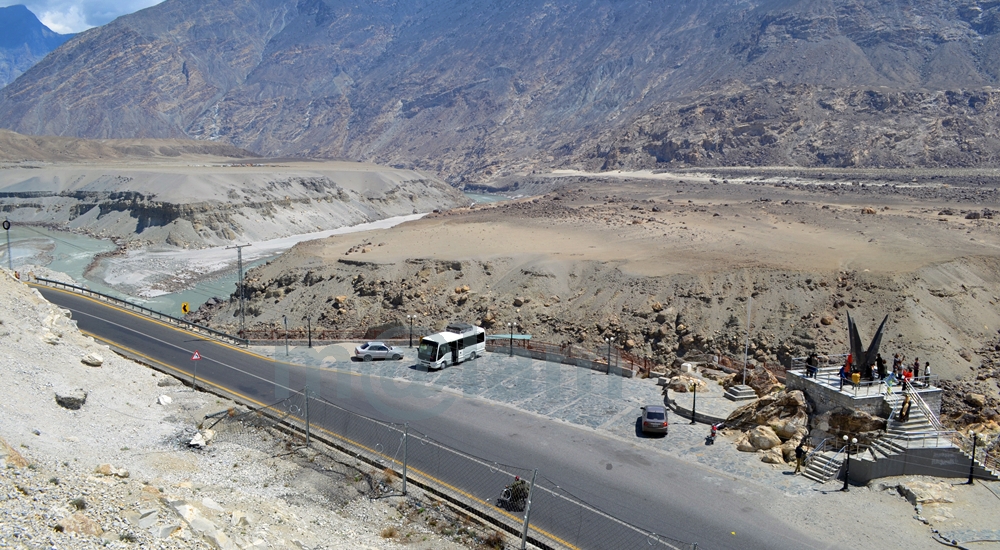
Here the great mountain ranges of the Karakoram, Hindukush, and Himalaya converge
Gilgit-Baltistan

Junction Point of Three Mountain Ranges

Unlocking the Secrets of the “Junction Point” of Three Majestic Mountain Ranges If you’re a true adventurer and nature enthusiast, there’s a hidden gem near Jaglot, just 40 kilometers southeast of Gilgit, Pakistan, that you absolutely must explore. It’s the awe-inspiring convergence of three of the world’s most famous mountain ranges: the Karakoram (known for its black gravel), the Himalaya (home of perpetual snow), and the Hindukush (aptly named the “killer of Hindus”). This unique location is often referred to as the “Junction Point of the world’s three great mountain ranges.” What’s more, this exceptional site also marks the meeting of the Gilgit and Indus Rivers, and the starting point of the Skardu road branching off from the Karakoram Highway (KKH). Geographic Significance: Where Worlds Collide The Junction Point isn’t just significant locally; it holds a unique place on the global stage. Pakistan is the only country where these three renowned mountain ranges converge, each boasting its highest peaks. Nanga Parbat, K-2, and Terich Mir are the standout peaks in the Himalayas, Karakoram, and Hindukush, respectively. These three ranges are considered sub-ranges of the mighty Himalayas, known as the trans-Himalayas. Standing at this point allows you to easily discern the direction of each mountain range. The Himalayan range lies to the south and east of the Indus River. The Karakoram range extends northeast from the Gilgit River, while to the west of the Gilgit and Indus Rivers, you’ll find the Hindu-Kush range. Exploring the Mountain Ranges: A Journey to Remember Karakoram Range: A World of Wonders The Karakoram Range, spanning approximately 500 kilometers, straddles the borders of Pakistan, India, and China. Within a radius of just 160 kilometers, it boasts the highest concentration of peaks soaring above 5,500 meters, numbering over 100. The crowning jewel of this range is K-2, the second-highest peak in the world, standing tall at 8,611 meters. The Karakoram is home to some of the planet’s longest glaciers, including Siachen, Batura, Baltoro, Biafo, Hisper, Gondogoro, and Chogolisa, making it one of the most heavily glaciated regions outside the Polar Regions. Himalayan Range: Nanga Parbat and Beyond The Himalayan range features Pakistan’s second-highest peak, Nanga Parbat, standing at an imposing 8,126 meters. Known as the “killer mountain” due to its formidable reputation, Nanga Parbat dominates the Astor District. The Great Himalayan Range stretches across 2,400 kilometers, encompassing Pakistan, Nepal, and India. Mount Everest, the world’s highest peak at 8,848 meters, calls Nepal home within this range. Hindu Kush Range: A Journey into History The Hindu Kush Range, spanning nearly 9,600 kilometers, is a land of its own wonders. While it primarily hosts smaller peaks, most standing below 7,500 meters, it covers the peaks of the Ghizer, Yasin, and Ishkoman valleys in Pakistan. The range reaches its zenith with Terich Mir, standing proudly at 7,708 meters in the district of Khyber Pakhtunkhwa. The Hindu Kush stretches from the Pamirs to Iran, offering a fascinating journey through history and geography. A Tourist’s Paradise: Unveiling the Junction Point A visit to this captivating site is a must for any traveler. It provides not only an educational experience but also a breathtaking panorama of the entire region, from the confluence of the Gilgit and Indus Rivers to the meeting of the three mighty mountain ranges. Local folklore weaves tales of the Junction Point being the residence of Jinns and fairies. Legend has it that these supernatural beings frequented the confluence of the rivers, using the waters for drinking and bathing. The Site: Your Gateway to Adventure An elevated platform, accessible by stairs, stands proudly on the edge of the Karakoram Highway. It offers a 360-degree view of the region and provides detailed information about the mountain coordinates. Adequate parking facilities are available for vehicles, and informative signboards offer essential information about the site. Regrettably, many, both within the country and from abroad, remain unaware of the significance of this captivating land. While some domestic tourists, particularly those traveling by public transport or passing by during odd hours or in the darkness, miss this gem, international tourists often include it as a vital stop on their itinerary. Best Time to Embark on Your Adventure The Karakoram Highway remains open year-round, allowing you to visit or pass by this unique site at any time of the year. However, the ideal time to explore Gilgit-Baltistan is from March to November, as the region’s winters can be harsh and freezing. Don’t miss the chance to stand at the crossroads of three remarkable mountain ranges, where nature’s grandeur knows no bounds. Visit Junction Point of Three Mountain Ranges, and let the magic of Pakistan’s unparalleled geography and history captivate your senses.

Scroll to Top