Pakistan

Tentative list of UNESCO World Heritage Sites of Pakistan
Heritage Sites in Pakistan, Tourism Blogs, World Heritage Sites

Tentative List of UNESCO World Heritage Sites of Pakistan

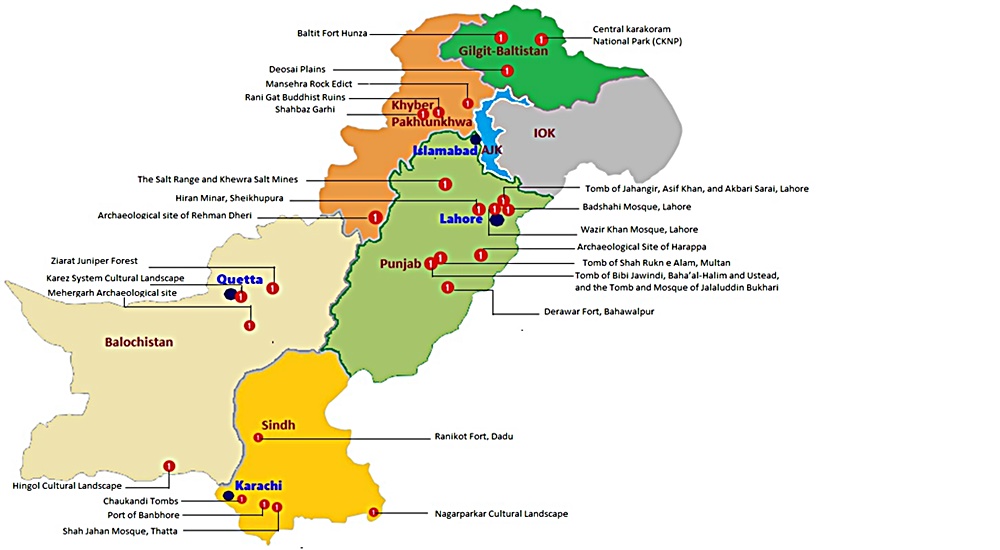
Tentative List of UNESCO World Heritage Sites of Pakistan Pakistan boasts six UNESCO World Heritage Sites. In addition to these established sites, the country has compiled a roster of 25 potential sites called the Tentative List of UNESCO World Heritage Sites of Pakistan seeking recognition. This catalog has been formally presented to the UNESCO Committee for assessment and approval. The pre-listing process is a mandatory step for the eventual acceptance of nominations onto the esteemed World Heritage list. Punjab Province The Salt Range and Khewra Salt Mine The Salt Range, rising abruptly from the Punjab plains in Pakistan, spans 180 km and features sheer escarpments, jagged peaks, and fertile valleys. Originating 800 million years ago, it formed from the evaporation of a shallow sea and underthrusting of the Indian Plate. Named for the thickest rock salt seams globally, the range is a geological treasure with fossiliferous stratified rocks and exposed strata, attracting global geologists. The region is rich in paleontological finds, including dinosaur trackways, Cretaceous belemnites, and ancient hominid remains. The Salt Range is a historical and cultural hub with sites dating from Alexander the Great‘s era to the British colonial period. Notably, Khewra hosts one of the world’s richest salt deposits, exploited for over a millennium, continuing as a mining, research, and tourism center. Badshahi Mosque, Lahore The Badshahi Mosque and its expansive courtyard are elevated on a platform accessible from the east via a grand staircase and a traditional Mughal-style gateway. The entrance, a two-story structure, boasts intricate decorations with framed and carved paneling on all facades. Square minarets with pseudo-pavilions in red sandstone and white marble cupolas adorn the four corners. Its tall octagonal minarets are positioned at the courtyard’s corners. Additionally, smaller octagonal minarets are attached to the prayer chamber’s corners, beneath three grand marble domes. The red sandstone exterior is subtly adorned with white marble inlay lines and patterns. The interior and exterior of the prayer chamber feature unique and beautifully crafted Zanjira interlacing and floral motifs in bold relief, showcasing unparalleled beauty and craftsmanship in Mughal architecture. The gateway’s inscription indicates its construction in A.H. 1084 (1673-74 A.D.). Wazir Khan Mosque, Lahore The Wazir Khan Mosque, covering an area of 279′ x 159′, is entirely constructed using cut and dressed bricks laid in kankar lime, with minimal use of red sandstone in the gate and transept. The courtyard is split into two sections, with the upper part slightly elevated and an ablution tank in the middle. Flanking the east, north, and south sides of the courtyard are 32 small hujras of varying sizes. The prayer chamber on the west side features five compartments divided by massive piers supporting wide, four-centered arches, each topped with a dome. Small rooms are created at the northern and southern ends, and an eastern gallery leads to a spiral staircase accessing the roof. Distinctive structural elements include four corner minarets, five domes, and a transept at the entrance gate on the east. According to inscriptions, the mosque was built in A.H. Archaeological Site of Harappa The archaeological site of Harappa, extending over 150 hectares, comprises eight mounds and two cemeteries situated to the south of the dry Ravi riverbed. While much of the site is buried beneath agricultural land or the modern village of Harappa, exposed structures on mounds AB and F date back to the third millennium BC. The site’s sequence spans from the fourth to the second millennium BC, with a depth of over 13 meters. The strategic location beside the old course of the Ravi River granted inhabitants access to trade networks, aquatic resources, and water for cultivation, explaining its prolonged occupation. Harappa’s town plan during the mature Harappan period (2600-1900 BC) features self-contained walled centers on raised mounds. The site’s unique urbanization declined in the second millennium BC, and subsequent developments, including brick removal for railway ballast in the 1850s and salination from irrigation agriculture, impacted the preservation of structures. Tombs of Jahangir, Asif Khan and Akbari Sarai, Lahore The Tombs of Jahangir, Asif Khan, and Akbari Sarai, designated on December 14, 1993, showcase remarkable Mughal architecture. Jahangir’s Tomb is a single-story structure with a square plan, featuring tall octagonal corner towers and a projecting entrance bay on each side. The exterior boasts red sandstone facing with intricate marble inlay decoration. The interior displays floral frescoes, delicate inlay work (pietra dura), and vibrant marble intersia. Asif Khan’s Tomb, an octagonal structure with a high bulbous dome, stands in a vast garden. Originally adorned with rich stone inlay and bold stucco tracery inside, it featured a high bulbous double dome covered with marble veneering. Akbari Sarai, between Jahangir and Asif Khan’s, includes an open courtyard with small cells, adorned gateways, and a mosque with three splendid domes. The Sarai and the entrance gateway seem part of a unified complex from Shah Jahan’s era, sharing similar styles and elements. Hiran Minar and Tank, Sheikhupura The Hiran Minar, erected under Emperor Jahangir’s reign in 1620 AD, boasts unique architectural elements. Its facade sports 210 square perforations arranged in 14 rows, while inside, a spiral staircase with 108 steps leads to the top, adorned with 11 rectangular arched openings. Divided into six tiers, the Minar showcases lime plaster possibly embellished with floral or linear frescoes. An arched entrance graces the lowest tier. Across from it lies a rectangular tank connected by a causeway to an octagonal baradari. Each corner features square pavilions with gateways. The tank, equipped with ramps, parapet walls, and staircases, connects to the Aik rivulet via a channel. Inside the baradari, intricately decorated niches and honeycomb patterns adorn the walls. The causeway, supported by 21 pointed arched pillars, links the main baradari to an octagonal platform in the tank’s center, which served as a royal residence. Tomb of Hazrat Rukn-e-Alam, Multan The tomb of Shah Rukn-i-Alam, constructed between 1320 and 1324 AD by the Tughluq ruler Ghiyas-ud-din, was initially meant for his dynasty but later dedicated to the family of the revered Sufi saint. This

Tomb of Asif Khan
Heritage Sites in Pakistan, Punjab, Tombs

Tomb of Asif Khan

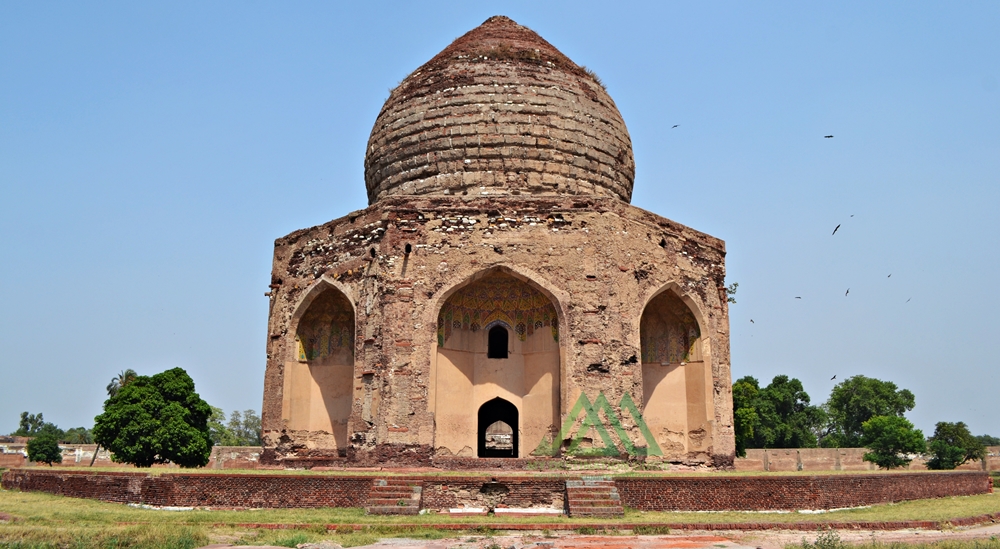
Keyword-Rich Content” Exploring the Magnificent Tomb of Asif Khan in Lahore, Pakistan Unveiling the Rich History and Architecture of Asif Khan’s Tomb In the heart of Lahore, Punjab, Pakistan, lies a magnificent edifice – the Tomb of Asif Khan. This splendid architectural marvel stands as a testament to the opulence of the Mughal era. It is adorned with a high bulbous dome, reminiscent of a bygone era when craftsmanship and design were paramount. Asif Khan: A Man of Influence Asif Khan, known by the title Asif Khan, was none other than the esteemed Mughal statesman Mirza Abdul Hassan Jah, also recognized as Asif Jah. He held a significant place in the Mughal hierarchy, being the brother of Empress Noor Jahan, the father of Arjumand Bano Begum (famously known as Mumtaz Mahal, the beloved of Emperor Shah Jahan), and the brother-in-law of Mughal Emperor Jahangir. His illustrious career saw him rise to the position of Khan e Khana, commander in chief, and eventually, the governor of Lahore. Tragically, Asif Khan met his end in a battle against the forces of the rebel Raja Jagat Singh in 1641. It was Emperor Shah Jahan who commissioned the construction of this remarkable tomb in his honor. The endeavor cost a staggering 300,000 rupees and took four years, from 1641 to 1645, to reach completion. Notably, Asif Khan’s tomb stands in close proximity to Jahangir’s tomb, forming an axis of historical significance. The Garden of Paradise The Tomb of Asif Khan is set within a picturesque garden measuring 300 yards on each side. This garden follows the Persian Chahar Bagh system, characterized by four squares divided by long pools and pathways. Each square is adorned with fountains, water reservoirs, and scenic trails. Originally, water reservoirs at each corner of the tomb supplied the fountains and pathways with water, creating a tranquil and serene ambiance. Access to the garden is granted through gates on its northern and southern walls. The southern gate, the primary entrance to the complex, is a double-storied structure with intricate red stone and white marble ornamentation. Its interiors feature small chambers, while the central portion boasts a tall two-story iwan portal with stunning stucco work. Likewise, the flooring is a work of art, adorned with geometric brickwork. The northern gate, known as the Jawab (response) gate, is equally impressive, featuring a central arched iwan portal flanked by four smaller portals. Though time has weathered its intricate tile work, the gate still retains an air of grandeur. Additionally, a small mosque within the eastern wall served as a residence during the British era. It provides a glimpse into the tomb’s rich history. Architecture The architecture of Asif Khan’s tomb is a testament to the Central Asian style prevalent during the Mughal era. Standing at the center of the expansive garden, the tomb rests on an elevated podium, accessible by a flight of stairs. Its octagonal shape, with each side measuring 38 feet 8 inches, offers access from eight sides, each featuring an arched window offering a glimpse into the tomb’s interior. Similarly, deeply recessed iwans or alcoves grace each side of the tomb. The exterior of the tomb originally boasted red sandstone and intricate marble stone inlay work. Stucco tracery and blue Kashi tiles adorned its walls. The dome, a distinctive feature initiated by Emperor Shah Jahan, was originally covered in white marble. This bulbous double dome rests atop the octagonal base, presenting a harmonious blend of form and function. Inside the tomb, the lavish use of white marble, intricate inlay work, stucco designs, tile mosaics, and Ghalib Kari (fine plasterwork) create a mesmerizing visual experience. The inner dome ceiling, intricately decorated with interlacing patterns, adds to the grandeur. The central cenotaph is crafted from pure marble. It is also adorned with inscriptions from the Holy Qur’an and mirrors the nearby tomb of Emperor Jahangir. It stands upon a red limestone floor, known as Sang-e-Abri, although the original material no longer exists. The Sikh Era and Restoration During the rule of the Sikh Empire, Asif Khan’s tomb, along with other historical monuments, suffered significant damage. Notable Sikh rulers like Gujjar Singh, Lahna Singh, and Subha Singh played a role in the deterioration. They even planted large Pipal trees around the tomb, obstructing its view. Some of the stolen marble, decorative stones, and sandstones found their way into the construction of the Golden Temple in Amritsar and the Hazuri Bagh Baradari in Lahore. The original beauty of the tomb was marred during this period, and despite subsequent repairs by the British, it never fully regained its former glory. Flooding in 1955 and 1973 further damaged the walls, leaving the tomb in a disappointing state. Despite its challenges, the Tomb of Asif Khan holds a place on the tentative list as a UNESCO World Heritage Site. It continues to stand as a testament to the rich history and architectural brilliance of the Mughal era. This architectural masterpiece invites visitors to explore its storied past and captivating beauty.

Punjab Province
Punjab

Punjab Province

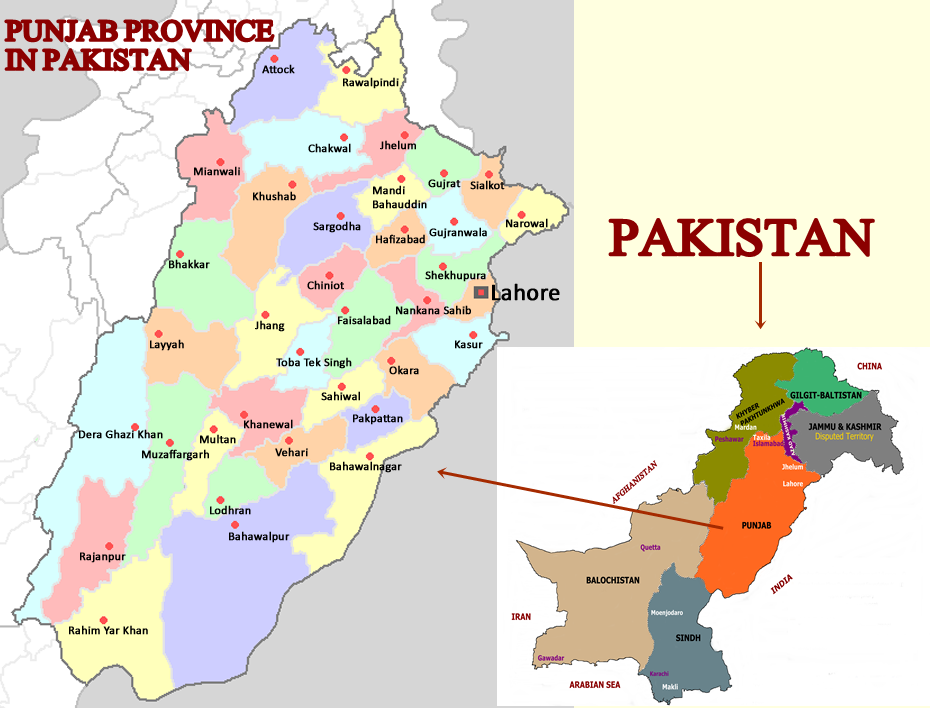
Exploring Punjab: The Land of Five Rivers Punjab is a name derived from the Persian words Punj (meaning five) and Ab (meaning water). It quite literally translates to “(The land of) Five Rivers.” These five rivers are the Jhelum, Chenab, Ravi, Sutlej, and Beas. It’s important to note that the Beas River is now situated in Indian Punjab, while the Indus River is considered the fifth river of Punjab in Pakistan.  The Punjab Province stands as the most fertile, populous, and prosperous province, housing approximately 56% of the nation’s population. Geographical Diversity Geographically, the Punjab province is a land of striking contrasts. It primarily consists of the alluvial plains of the Indus River and its four major tributaries: the Jhelum, Chenab, Ravi, and Sutlej rivers. Moreover, this diverse province spans an area of 205,344 square kilometers, ranging from the lush plains of the Indus River to the arid deserts of Cholistan, from the foothills of the Himalayas to the Potwar plateau and the Salt Range. Punjab is bordered by Kashmir to the northeast, the Indian state of Punjab and Rajasthan to the east, Sindh to the south, Baluchistan to the southwest, Khyber Pakhtunkhwa to the west, and Islamabad (the capital) to the north. Major Cities With 36 districts in the province, Lahore takes the crown as the provincial capital and the largest city. Lahore undoubtedly has a rich historical significance and was the capital of the broader Punjab region before the creation of Pakistan. Other significant cities in Punjab province include Bahawalpur, Multan, Gujranwala, Sargodha, Sialkot, Gujrat, Sheikhupura, Sahiwal, Faisalabad, Lahore, Jhelum, Attock, and Rawalpindi. A Journey Through History The history of Punjab is a tapestry woven with threads of diverse cultures and civilizations. Evidence suggests that humans settled along the banks of the Soan River more than 100,000 years ago. However, it was the ancient Harappan civilization, dating back 5,000 years, that laid the foundation for subsequent cultures in South Asia and Afghanistan. Over the centuries, Punjab saw waves of invaders from Greece, Central Asia, Iran, and Afghanistan, drawn to its strategic location. Throughout its storied past, Punjab has been a part of various empires and dynasties, including the Indus Valley Civilization, Aryans, Kushans, Scythians, Greeks, Persians, Arabs, Turks, Ghaznavids, Timurids, Afghans, Mughals, Sikhs, and the British, just before the formation of Pakistan. Traditionally, Punjab served as a focal point on the old Mughal Highway – the Grand Trunk Road (GT Rd) – connecting Central Asia to the Indian subcontinent. Lahore, long before partition, reigned as the capital for nearly a millennium, remaining a significant cultural, historical, and intellectual hub in the region. The partition of the subcontinent in 1947 marked a pivotal moment in Punjab’s history. The Muslim-dominated areas became the present-day province of Punjab, while the Sikh and Hindu-controlled regions formed the Indian states of Punjab. Today, Punjab stands as the heart of the nation, driving political and economic progress. Cultural Tapestry People Punjab is home to warm-hearted and fun-loving people, residing in both rural and urban areas. The province creates a heterogeneous society with diverse tribes, clans, and communities. In rural areas, traditional beliefs, superstitions, and cultural norms shape daily life, with practices like in-faqeers, Jogi, Taweez, manat-ka-dhaga, and belief in saints and black magic. In urban centers, however, literacy has ushered in rationality, blurring the lines of the caste system. Major Punjabi castes include Jats, Maliks, Mughals, Arains, Gujjars, Awans, Rajputs, Gakhars, Khokhars, Sheikhs, Kambohs, Niazis, Legharis, Khosas, Dogars, Mirani, Qureshis, and Syeds. Dresses Traditional attire for Punjabi men in villages comprises the Pagri (turban), dhoti/Lacha (loose cloth used as trousers), kurta (knee-length shirt), and Khusa (traditional shoes). Women, on the other hand, wear Gharara or churidar pajama or colorful shalwar kameez, Paranda, choli/dupatta, Khusa, kola puri chappal, or Tillay wali Jutti. In urban areas, however, fashion takes center stage, with both men and women donning trendy outfits. Religious Affiliation Punjab’s religious landscape has evolved over centuries. Initially, it was predominantly a Hindu state with Buddhist minorities before the arrival of Islam in 712 AD by Muhammad bin Qasim. The region later fell under Mughal rule for over two centuries, leaving behind architectural marvels, including mosques, forts, and gardens. Sufism, with its strong teachings, played a pivotal role in spreading Islam in Punjab. Today, the province is dotted with numerous Sufi shrines that attract millions of devotees annually. Arts and Crafts Punjab, as the most populous province, boasts a significant manufacturing industry, contributing substantially to Pakistan’s economy. Art and craft find their place in this rich tapestry, with major products including basketry, pottery, textiles, embroidered cloth woven on handlooms, cotton, silk, carpets, stonecraft, jewelry, metalwork, truck art, and woodwork. Culture Punjab’s culture traces its roots back to the highly developed Harappan Civilization. Subsequent civilizations have left their mark, shaping the culture in the realms of philosophy, poetry, music, art, architecture, and cuisine. Sufism has played a pivotal role in spreading harmony among the people. Punjab hosts a multitude of festivities that reflect its rich cultural traditions. Known for relatively liberal social attitudes in Pakistan, Punjab is a cultural melting pot. Languages The Punjab province is home to Punjabis and various other ethnic groups. Punjabi is, in fact, the mother tongue of 44% of Pakistanis. At the same time is understood by most of the population. Other languages, including Saraiki, Hindko, Pahari, and Pathowari, coexist alongside Punjabi. Additionally, Urdu serves as the national language, mainly in urban areas, while English is the official language for official communication. Festivals The people of the Punjab province enthusiastically celebrate both religious and cultural festivals. Revered religious festivals include Shab-e-Barat, Eid ul Fitr, Eid ul Adha, Eid Milad u Nabi, and Muharram. Cultural festivals like Baisakhi/Vaisakhi (Sikh festival), Basant, Teej, and Kanak Kati add to the vibrant tapestry of Punjab’s celebrations. Cuisine Punjabi cuisine is especially renowned for its delectable flavors. Traditional dishes often feature the use of oil or clarified butter, combined with an array of spices. Meals are typically enjoyed with rice or roti (bread). Breakfast favorites

A journey through history of Pakistan
Tourism Blogs

A Journey through the history of Pakistan

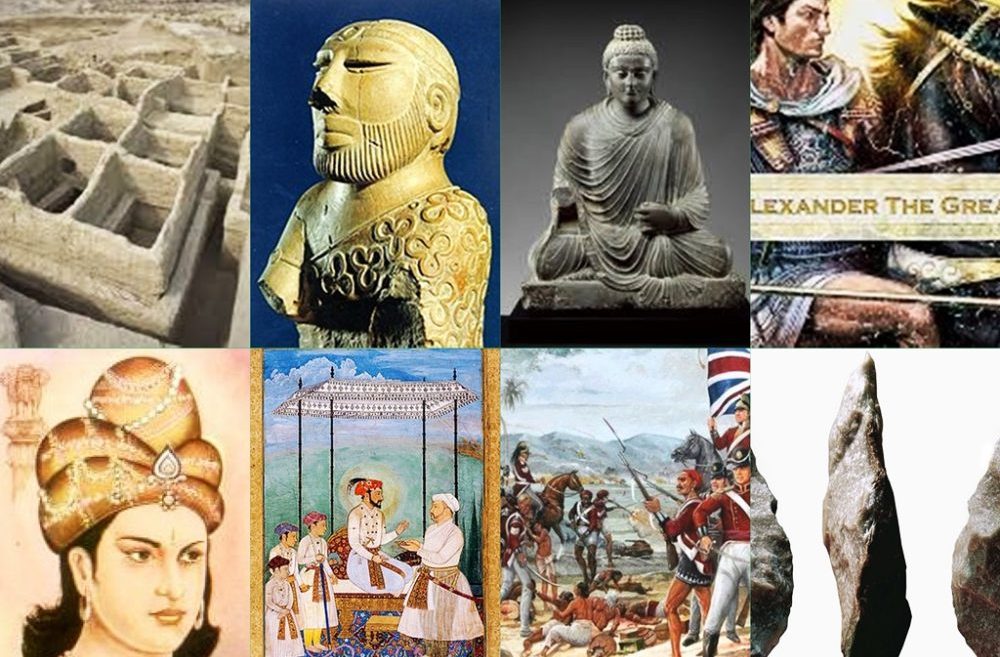
Exploring the Ancient History of Pakistan Unearthing the Rich Past of Pakistan Modern-day Pakistan stands as a testament to the vast and captivating tapestry of history woven into its soil. A Journey through the history of Pakistan is a journey through the ages, tracing the footsteps of ancient civilizations that once thrived on this land. These ancient echoes have shaped Pakistan into a repository of historical treasures that beckon explorers and historians alike. Let’s delve into this rich heritage through the annals of time. Soanian Culture: Tracing the Origins In the depths of Pakistan’s history, we find the Soanian Culture, harking back to the lower Paleolithic era. The relics of this era, including edged pebble tools discovered near the twin cities of Rawalpindi and Islamabad along the Soan River, offer a glimpse into human habitation in this region some 50,000 years ago. The Soanian Culture derives its name from the Soan Valley, where Stone Age relics like tools and pottery endure as a testament to this ancient era. Regrettably, the once pristine Soan River has now deteriorated into a polluted waterway. Mehrgarh: Cradle of Neolithic Civilization Mehrgarh, nestled in the Balochistan province, emerges as one of the most significant Neolithic sites in Pakistan. Dating back 9,000 years, this settlement sprawls across 200 hectares on the Kachhi plain near the Bolan Pass. Unearthed in 1974 by the French archaeologist Jean-François Jarrige, Mehrgarh provides a window into life during the Pre-Harappan phase, from 7000 B.C.E. to 5500 B.C.E. Inhabitants of early Mehrgarh constructed mud brick houses, stored grain in granaries, fashioned tools from local copper ore, and waterproofed their containers with bitumen. This society thrived until around 2600 BCE when arid conditions compelled migration, paving the way for the Indus Valley Civilization. Indus Valley Civilization: A Technological Marvel The Indus Valley Civilization, also known as the Harappan Civilization, graced the Indus River Valley from 3300 to 1800 BCE. Harappa in Punjab and Moenjodaro in Sindh are two of its renowned cities, excavated in 1921 and 1922, respectively. This civilization unfolds in three phases: the Early Harappans (3300-2600 BCE), the Mature Harappans (2600-1900 BCE), and the Late Harappans (1900-1300 BCE). The Indus Valley people displayed remarkable technological prowess. Their precision in toolmaking, standardized moisture-resistant fire-backed bricks, and advanced sewage systems underscore an advanced society that thrived while much of the world lagged behind. Climate change, disrupting the river system, eventually led to their decline around 1800 BCE. Gandhara: Cradle of Buddhism The ancient kingdom of Gandhara encompassed Northwest Pakistan, the Potohar plateau, and parts of Afghanistan. It served as the cradle of Gandhara civilization and Buddhism, which flourished here for over a millennium. The region’s archaeological sites, notably in Taxila and Swat, along with rock carvings along the Karakoram Highway, bear witness to Gandhara’s cultural and religious significance. The kingdom endured from the 6th century BC to 1021 AD when it succumbed to Mahmud of Ghazni’s conquest. Alexander the Great’s Indelible Mark In 326 BC, Alexander the Great, renowned as Sikandar-e-Azam in Urdu, ventured into Punjab through Swat. He formed an alliance with Ombhi, the ruler of Taxila, to challenge King Porus. During his time in Pakistan, Alexander engaged with local scholars and explored the region extensively. His legacy lives on in Pakistan, where relics like ancient coins commemorating his conquests and the Jandial Temple in Taxila continue to tell his story. The Maurya Empire: A Reign of Kings Following Alexander’s departure, Chandragupta Maurya rose to power, founding the Mauryan dynasty. He expanded his realm, stretching from eastern Iran to the Burmese hills, including the subcontinent. His son, Bindusara, continued this expansion, and the empire reached its zenith under Ashoka, one of history’s greatest rulers. Ashoka’s legacy includes constructing grand stupas, such as the Dharmarajika stupa in Taxila and the Butkara stupa in Swat. The Mauryan Empire began to wane after Ashoka’s reign, ultimately vanishing after his assassination. The Mughal Empire: Art and Architecture Flourish Babar, the first Mughal ruler, laid the foundation of the Mughal Empire in the subcontinent in 1526. The reign of the six Great Mughal Emperors from 1526 to 1707 left an indelible mark on architecture. Monuments like the Badshahi Mosque, the Shalimar Gardens, and the Lahore Fort showcases intricate stone carvings, glazed tile decorations, and precious stones set in marble. The Mughals’ architectural legacy extends to the Makli Tombs in Thatta, a testament to their artistic grandeur. The Sikh Empire: Rise and Fall From 1799 to 1849, the Sikh Empire dominated parts of South Asia. Under Maharaja Ranjit Singh’s rule, it expanded its territory from Gilgit and Tibet in the north to Sindh in the south, and from the Khyber Pass in the west to the Sutlej in the east. However, this empire eventually succumbed to British rule in the Second Anglo-Sikh War. This chapter in South Asian history is both captivating and enlightening, revealing a dynamic empire’s evolution and eventual decline. The British Raj: Legacy of Monuments The British East India Company’s rule from 1858 to 1947 left an indelible legacy on the subcontinent. While their presence was marked by the division of the region into Pakistan and India, they also contributed to its administration, infrastructure, and institutions. Remarkable monuments like Aitchison College Lahore, the Clock Tower in Peshawar, and Frere Hall Tower in Karachi bear witness to their architectural influence. A Journey through the History of Pakistan is a vibrant tapestry woven with the threads of ancient cultures, mighty empires, and enduring legacies. Exploring this rich past is not only a journey through time but also a deep dive into the fascinating history of this diverse and culturally rich nation. codecanyon

Tourism in Pakistan
Tourism Blogs

Tourism in Pakistan

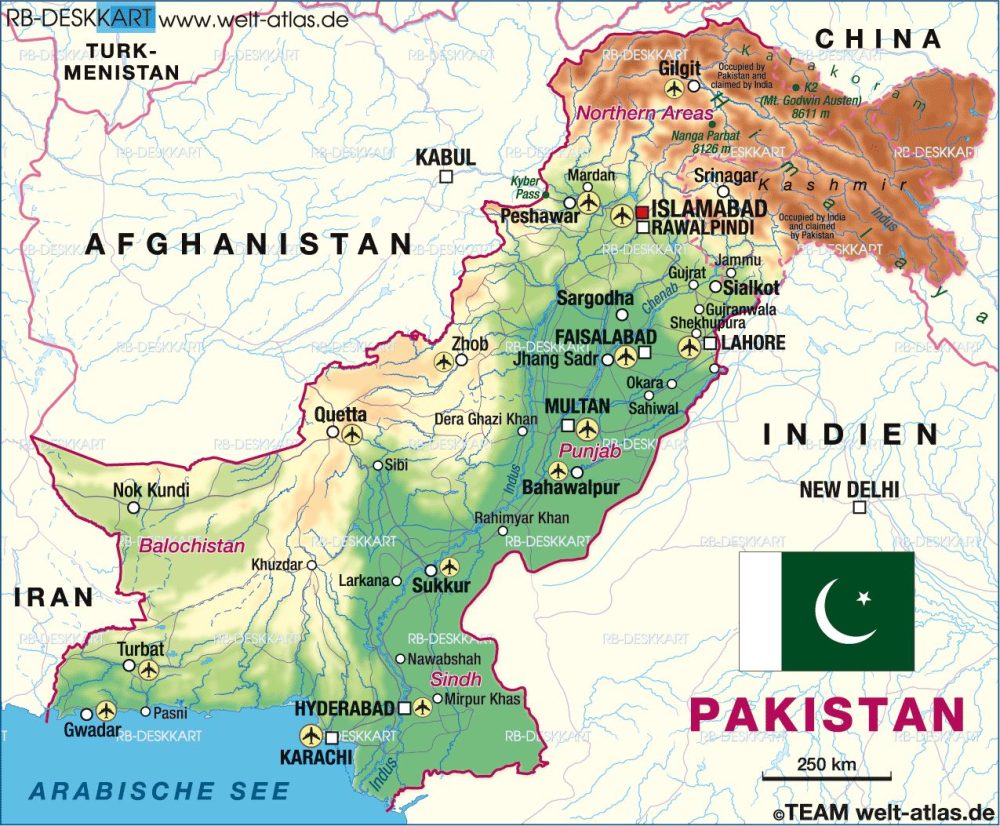
Unlocking Pakistan’s Tourism Potential: A Journey Through Its Natural and Cultural Wonders Pakistan is a country abundant in tourist attractions that can help improve Tourism in Pakistan. By potentially marketing its available resources and adopting a tourism-friendly policy, this country can become the top tourist destination in the world. Undoubtedly, its unique terrain, cultural diversity, vibrant history, variety of cuisines, distinct weather patterns, and welcoming people can make it a distinctive country in the world. Discovering Pakistan’s Diverse Landscape Pakistan is a country nestled between the formidable Himalayan Mountains in the north and the serene Arabian Sea coastline in the south. Overall, the country is a treasure trove of natural and cultural wonders in an expansive 796,095 square kilometers. Pakistan’s approximately 240 million people boasts a rich tapestry of attractions, making it a prime destination for tourists worldwide. Geography and Accessibility The country is positioned strategically on the world map. Geographically, Pakistan shares its borders with China to the northeast, India to the southeast, Afghanistan to the north and northeast, and Iran to the southwest. In addition, its 1046-kilometer coastline along the Arabian Sea completes its geographical diversity. Accessibility to Pakistan is facilitated through international flights, with Pakistan International Airlines (PIA) offering direct connections to the US, Canada, Europe, the Middle East, and China. Likewise, international carriers such as Emirates, Qatar Airways, and Turkish Airlines serve major Pakistani airports in Islamabad, Lahore, Peshawar, and Karachi, connecting the nation to the world. A Glimpse into Pakistan’s Tourism History Pakistan’s journey in the tourism sector has been a tumultuous one. Following the partition of the subcontinent, tourism was initially administered by the Ministry of Railways until 1955. Later transitioned to the Ministry of Commerce in 1964. Subsequently, it became part of the Civil Aviation Department before the establishment of the Tourism Development Corporation of Pakistan (TDCP) and the Ministry of Tourism in 1972. However, between 1977 and 1996, tourism was placed under the Ministry of Culture, Sports & Tourism. A dedicated Ministry of Tourism was established in 2004. Despite these bureaucratic changes, Pakistan’s tourism sector faced challenges in realizing its full potential, with limited policy support and insufficient attention. The 18th Amendment further devolved tourism to the provinces, resulting in neglect and missed opportunities. The Golden Era of Pakistani Tourism The zenith of Pakistan’s tourism industry was witnessed during the 1970s, 1980s, and mid-1990s. It was the time the country welcomed a record number of international tourists, primarily from Europe and America. Pakistan was celebrated as a premier tourist destination, celebrated for its breathtaking natural beauty and captivating cultural heritage. Unforgettable Attractions During this period, international tourists flocked to Pakistan to explore iconic destinations such as Karachi’s monuments and beaches, Lahore’s Mughal treasures, Peshawar’s legendary Khyber Pass, Taxila’s ancient ruins, and the bustling bazaars of Rawalpindi. Cultural enthusiasts marveled at Chaukandi tombs, Makli Hills, Shah Jahan Mosque in Thatta, Mohenjo-Daro, Bahawalpur’s palaces and forts, Multan’s shrines, Swat’s Buddhist heritage, Rohtas Fort, and the mesmerizing salt mines. Adventure seekers were drawn to the scenic valleys of Gilgit-Baltistan and Chitral. Particularly the enigmatic Kalash tribe, the awe-inspiring Karakoram Highway leading to the Pak-China border at Khunjerab, and exhilarating trekking and mountaineering expeditions through the northern mountainous terrain. Economic Prosperity Through Tourism The flourishing international tourism industry stimulated growth across various sectors. Airlines, hotels, restaurants, travel companies, tour operators, and transportation services all thrived. Museums, forts, ancient sites, souvenir shops, and other tourist-related businesses enjoyed consistent income streams. The ripple effect of international tourism contributed to a sense of prosperity and contentment across the country for over two decades. The Downfall: Challenges and Setbacks However, the turn of the century brought unfortunate setbacks to Pakistan’s tourism industry. Events such as the tragic 9/11 incident had a devastating impact on international tourist arrivals. The subsequent “war on terror” painted Pakistan as a hotbed of terrorism, tarnishing its image on the global stage. This negative perception led to a decline in inbound tourism, causing many tourism-related businesses to scale down or close. Efforts to revive international tourism were slow to materialize. Biased media portrayal exacerbated the situation, creating significant challenges for the government, tourism stakeholders, and the public. Efforts to Revive Tourism Despite these challenges, various initiatives were launched at home and abroad to rekindle international interest in Pakistan as a tourist destination. “The Guardian” published “The top five tourist sites in Pakistan” after the devastating earthquake of 2005.  Taxila, Lahore, Lake Saif ul Muluk, Karakoram Highway, and Karimabad were the key focus as attractions. In 2007, Pakistan initiated the “Visit Pakistan” marketing campaign. This year-long effort featured fairs, festivals, sporting events, arts and crafts shows, folk festivals, and historical museum openings. These efforts gained international recognition when The World Economic Forum’s Travel & Tourism Competitiveness Report ranked Pakistan as a top 25% tourist destination for its World Heritage sites in 2009. Despite these achievements, the tourism industry experienced fluctuations, partly due to global economic crises. The Vital Role of Stakeholders Private tour operators played a crucial role in maintaining international connections through electronic and social media promotion. They also actively participated in major international tourism fairs like ITB and WTM. Pakistani missions abroad can enhance their role by promoting the country’s attractions on embassy websites and participating in international tourism fairs. Simplifying the visa process is another critical step. Successful tourism economies like China, India, Iran, and Nepal owe their success to government support, tourism-friendly policies, and effective destination marketing. Pakistan must follow suit by efficiently marketing its tourism treasures through various media channels. Challenges and Competitors Challenges persist as competitors invest in activities that discourage tourism to Pakistan, resulting in travel advisories from potential markets. This diminishes inbound tourism and foreign exchange earnings. Pakistan’s Abundant Attractions Pakistan’s unique geographical location, spanning from the Arabian Sea to the majestic K2, offers an unparalleled array of attractions. Scenic valleys, vast deserts, golden beaches, tranquil lakes, flowing rivers, diverse flora and fauna, rich cultures, ancient ruins, and captivating man-made structures make Pakistan a truly exceptional destination. Coastal

The Karakoram Highway
Gilgit-Baltistan, Roads & Highways, Tourism Blogs

The Karakoram Highway

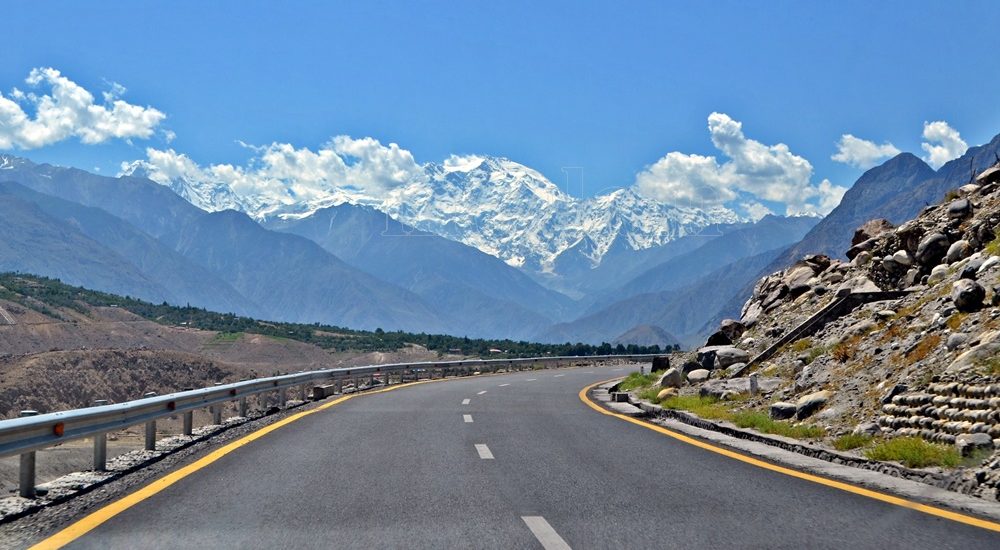
Exploring the Karakoram Highway: A Journey Through History and Scenic Beauty The Karakoram Highway (KKH) stands as a testament to human determination and engineering feats. It connects China and Pakistan via the Khunjerab Pass, situated at an awe-inspiring altitude of 4,733 meters. This epic roadway is not just a trade artery but also a legendary tourist attraction. It offers a captivating blend of historic landmarks, cultural diversity, and breathtaking natural beauty. For adventure enthusiasts, embarking on a journey along the KKH is an absolute thrill. Traversing Pakistan’s Section: A Scenic Odyssey The KKH adventure begins in Hasanabdal, Punjab, Pakistan. It stretches across an impressive 887 kilometers until it reaches the Khunjerab Pass at the Pak-China border. Along this route, the highway meanders through the rugged terrain of Khyber Pakhtunkhwa (KPK). It then follows the course of the Indus River and gracefully navigates the Karakoram and Pamir Mountains. Eventually, it meets the Chinese segment at Khunjerab Pass. In China, this remarkable highway is known as the Friendship Highway. Due to the harsh conditions it was built, it is sometimes referred to as the “Eighth Wonder of the World.” Unveiling the Route: A Glimpse into the Length The total length of the Karakoram Highway spans approximately 1,300 kilometers, with 887 kilometers in Pakistan and 413 kilometers in China. While the new route doesn’t exactly replicate the ancient Silk Route, it closely follows the same region, reviving the spirit of this historic trade network. The construction of the KKH came at a significant human cost, with both Pakistani and Chinese laborers toiling relentlessly to complete each kilometer of this ambitious project. Chinese workers who lost their lives during construction are honored at the Chinese cemetery, China Yadgar, in Danyore near Gilgit. Historic Roots: A Glimpse into the Past Historically, the Karakoram Highway was a vital caravan trail, serving as one of the branches of the ancient Silk Route. Over centuries, traders, pilgrims, warriors, and common folk traversed this route, ushering in profound changes in the social, cultural, and economic aspects of the region. The Saga of Construction: Overcoming Challenges Before the Karakoram Highway was built, the northern areas, now known as Gilgit-Baltistan, attracted the interest of the Russians, Chinese, and British, owing to its strategic significance. However, access to the region was a formidable challenge. In the 1800s, the British, who were in power, aimed to bolster their authority by constructing an all-weather communication infrastructure along the Indus. Realizing this vision was no small feat. Initially, the British improved an old Srinagar foot track, transforming it into a mule track. Later, a seasonal passage was established through Chilas, crossing the Babusar Pass to connect to the Kaghan Valley. Unfortunately, this passage remained open for only about six months a year during the summer. Following the partition of the subcontinent in 1947, the Srinagar road was permanently blocked. This period saw the northern areas divided into several states under local rulers. In 1958, the Indus Valley Road (IVR) project was conceived to create an all-weather road link between Swat and Gilgit. Construction commenced in 1959 as a joint venture between the two governments. Then, in 1966, a Sino-Pak agreement transformed the IVR into the Karakoram Highway. Despite financial constraints and the outbreak of the war between Pakistan and India in 1971, China’s invaluable support enabled the project to continue. Originally planned to stretch from Thakot to the Khunjerab Pass, the entrance point was later shifted to Hasan Abdal, and the project was completed in 1979. The highway was finally opened to the public in 1986. During construction, approximately 800 Pakistanis and 200 Chinese workers lost their lives, primarily due to landslides. Unofficial estimates suggest an even higher toll. The Chinese workers were laid to rest at the Chinese Graveyard in Danyore near Gilgit. A Path to Reconstruction: Upgrading the KKH In June 2006, Pakistan’s National Highway Authority (NHA) and China Road and Bridge Corporation (CRBC) signed an MoU to upgrade the KKH, expanding its overall width from 10 to 30 meters. This expansion aimed to accommodate heavy-duty vehicles, even in extreme weather conditions. Although construction took place, the width remained largely unchanged from the original design. During the construction phase, a significant event occurred on January 4, 2010, known as the Attabad incident. A massive landslide in the Attabad valley of Hunza damaged a section of the highway, creating a 23-kilometer-long lake and disrupting travel along the Karakoram Highway. To restore the road link between Pakistan and China, the construction of tunnels along a revised 24-kilometer route began in July 2012 and was completed in September 2015. This realigned route featured five tunnels and a bridge, rejuvenating the connection between the two countries. The Geopolitical Significance: A Strategic Artery The Karakoram Highway traverses a region marked by towering mountains and geological complexities, where China, Tajikistan, Afghanistan, and Pakistan converge within a 250-kilometer radius. Due to the intricate Kashmir conflict between India and Pakistan, the KKH holds strategic and military importance for these nations, especially Pakistan and China. Beyond geopolitics, the Karakoram Highway has significantly bolstered trade and tourism between Pakistan and China. The construction of the highway resulted in uplifting the living standards of the local population. The China-Pakistan Economic Corridor (CPEC) is set to bring substantial economic gains to the region, with plans to connect the Karakoram Highway to the southern port of Gwadar in Balochistan through the Chinese-aided Gwadar-Dalbandin railway, extending to Rawalpindi. Discovering Tourist Gems: Treasures Along the KKH The Karakoram Highway has earned international acclaim as a niche adventure tourism destination. Beginning in Hasan Abdal, about 50 kilometers from Rawalpindi city, this dual-carriage asphalt ribbon departs from the dusty plains of Punjab, embarking on a journey through the lower Himalayas of Hazara district. As it heads north, it winds through numerous captivating natural and historic sites, ultimately reaching the Pakistan section’s culmination at the Khunjerab border in the upper Hunza valley. This 887-kilometer stretch of the Karakoram Highway in Pakistan is a diverse tapestry of tourist attractions. From the

Scroll to Top